- Car
- Avanti (0 offers)
Avanti Classic Cars for Sale
The Avanti stands out in American automotive history as a sports coupé conceived by Studebaker and shaped by famed designer Raymond Loewy. Its fibreglass body, V8 engines and striking silhouette remain unparalleled, while its unusual production story adds to its fascination. For enthusiasts seeking originality, performance and unconventional design, the Avanti offers a pure and rare high-performance experience.
Search results
Currently, there are no matching listings for your search.
Create search alert
Let yourself be notified as soon as a listing is published that matches your search filters.
Avanti listing references from Classic Trader
Below you will find listings related to your search that are no longer available on Classic Trader. Use this information to gain insight into availability, value trends, and current pricing for a "Avanti" to make a more informed purchasing decision.
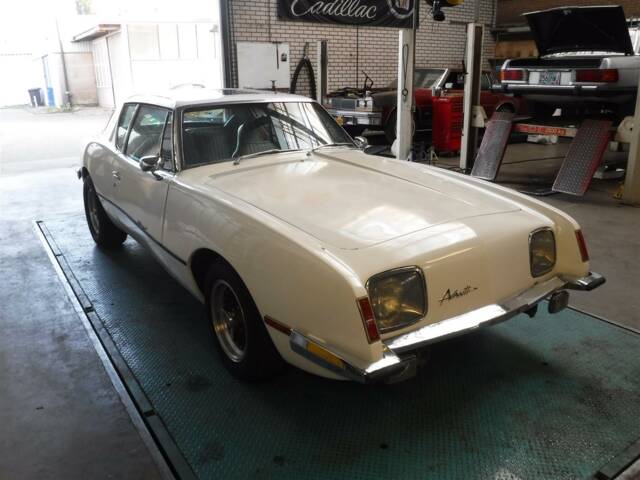
1978 | Avanti II
Studebaker-Avanti 1978

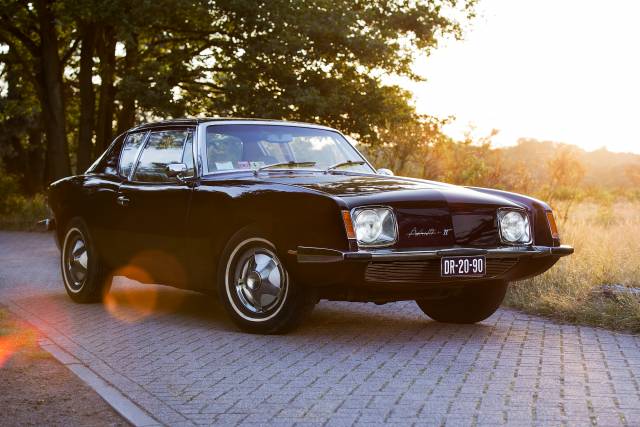
1971 | Avanti II
Compleet orginele Avanti
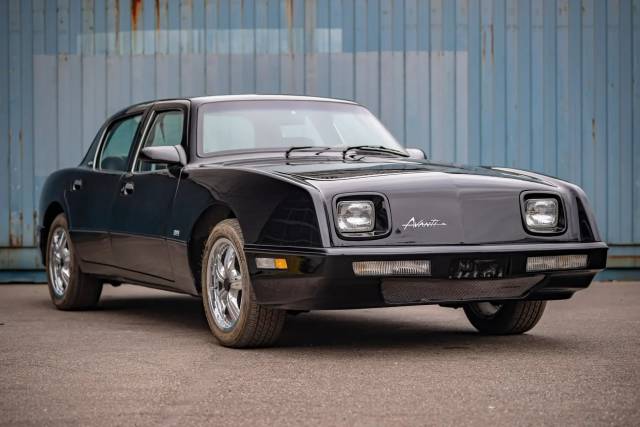
1990 | Avanti II
Built to Order - Only 84 in World - Recommission Required
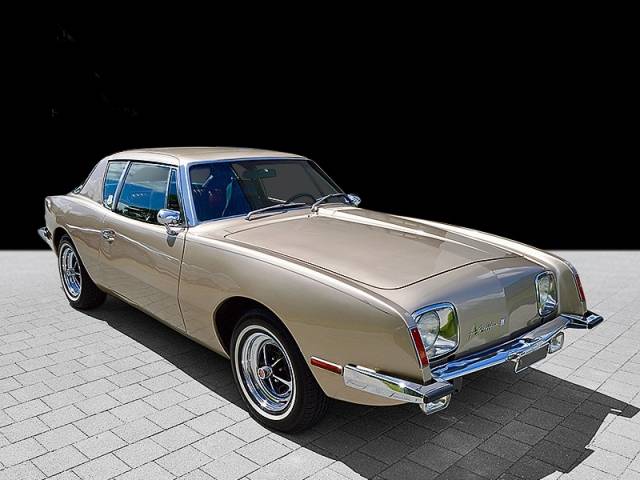
1975 | Avanti II
Very rare from a private owner

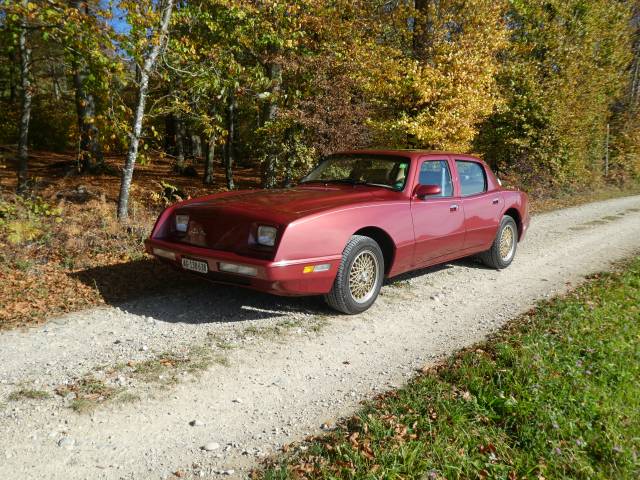
1990 | Avanti II
1990 Avanti Four-Door Touring Sedan 5.0L V-8 Automatic
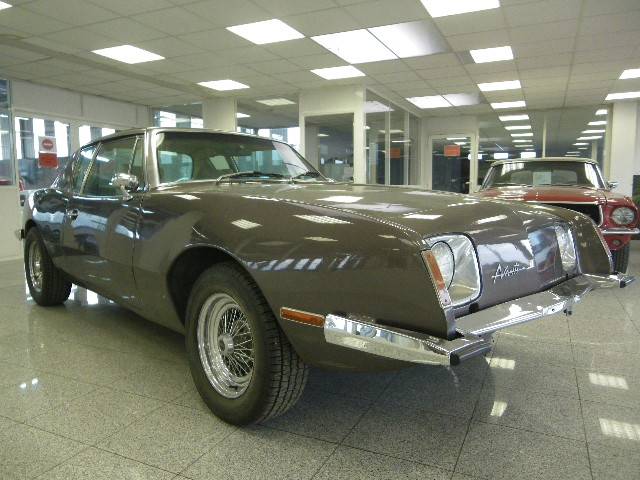
1973 | Avanti II
ONe of only 107 in 1973 produced Avanti II

Create search alert
Let yourself be notified as soon as a listing is published that matches your search filters.
History of Avanti
The Avanti brand entered the market in 1962 as Studebaker's ambitious sports coupé project, masterminded by industrial designer Raymond Loewy on the bones of the Studebaker Lark. With its influential design and fibreglass-reinforced polyester body, it redefined what an American performance car could look like. Despite high expectations, production suffered setbacks, leading Studebaker to cease Avanti output by the end of 1963 after fewer than 6,000 units. The design and tooling were acquired by South Bend’s Studebaker dealers Nate Altman and Leo Newman, who revived it as the Avanti II, continuing the story of this unique coupe far beyond its initial run.
Model History of the Avanti
Original production began in 1962 with the Studebaker Avanti, which was cut short in 1963. The Altman brothers and Leo Newman reignited the model as Avanti II in 1965, equipping it with a Chevrolet Corvette 327 cu in V8. Through the 1970s and early 1980s, the Avanti II maintained its character with evolving Chevrolet engines. Ownership changed hands several times in the 1980s—first to Stephen Blake, who updated styling and equipment, then later to Michael Kelly and John Cafaro, who relocated production and introduced further changes, including a convertible and a four-door variant designed with Loewy’s input. Production eventually moved to Georgia and Mexico in the 2000s, where Avantis were Mustang-powered until the last cars were built in 2006. Limited production numbers and bespoke manufacturing define each era of Avanti's story.
Highlights and Unique Features
The Avanti’s standout characteristics lie in its radical fibreglass bodywork, a feature uncommon among US cars at launch, allowing for bold sculptural styling and weight savings. Powered by potent V8 engines sourced first from Studebaker, then Chevrolet, and later Ford, the Avanti consistently prioritised performance and everyday usability. The interior comfort matched its GT aspirations. Its rarity is evident: original Studebaker Avantis numbered under 6,000, and in 1975, a mere 99 Avanti IIs were built. Many examples survive in original condition, testifying to their robust quality and dedicated fan base.
Technical Data
Special Editions and Collectibles
Significant special editions include the 'Silver Year' models from 1988, commemorating 25 years of Avanti, and custom-bodied one-offs crafted throughout production. The 1990 four-door Avanti, developed with Loewy's involvement, is particularly notable given its departure from the traditional two-door format. Limited production numbers across all generations contribute to the collectability of every Avanti made.
Weak Spots and Known Issues
The Avanti’s fibreglass bodywork is less susceptible to corrosion than steel-bodied contemporaries, yet underlying chassis parts may be prone to rust, especially in neglected examples. Replacement parts for early or low-production components may require specialist sourcing. Later drivetrain updates improved serviceability with more readily available GM and Ford parts. As with any rare classic, thorough inspection and careful attention to originality are vital for buyers.
Engine, Transmission and Driving Dynamics
The original Avanti earned recognition as a true American performance coupé, thanks largely to its powerful V8s and lightweight body. The 1965 Avanti II’s 327 cu in Corvette V8 delivered an assertive 273–300 hp, yielding brisk acceleration and high-speed capability. The combination of rear-wheel drive and front disc brakes provided handling and braking performance above typical US standards of the era. Later Avantis continued with robust V8s and introduced refinements in ride and dynamic comfort. - Studebaker Avanti (1962–63): Fibreglass body, original Studebaker V8, rare and distinctive.
- Avanti II (1965–82): Chevrolet V8, automatic gearbox, all-round daily usability, especially admired in 1975 with only 99 examples built.
- 1988 Silver Year: Commemorative edition.
- 1990 4-door Avanti: Loewy-styled, rare four-door configuration.
Interior, Comfort, Exterior and Design
Designed under Raymond Loewy’s direction, the Avanti’s form is characterised by a sharply raked grille-less nose, sculpted body panels and signature C-pillar. Its glassfibre body facilitated bold design choices and ensured resistance to rust. Interiors reflected the car’s GT orientation with supportive seating, full instrumentation and an atmosphere of understated American luxury. Over the years, trim, bumpers and interior materials evolved gently to stay contemporary. Accessory options and bespoke commissions make many Avantis unique, including custom paint, special upholstery and rare period accessories.
Other Information
Avanti’s trajectory is marked by multiple ownership changes and low-volume, artisanal manufacturing methods. From homebuilt operations to assembly-line production, every Avanti reflects individual craftsmanship. The marque also participated in land speed record attempts, leveraging its aerodynamics and power potential.
Summary
Avanti remains a curiosity: born from Studebaker’s ambition and revived by passionate entrepreneurs, every phase of its history adds to its mystique. Its construction, dynamic performance and low numbers ensure recognition among connoisseurs of American unusualities. With a compelling blend of innovation, style and rarity, the Avanti continues to capture the imagination of those who seek a classic car outside the mainstream.