Audi 75 classic cars for sale
The Audi 75 stands out as a rare classic among post-war German vehicles, representing a pivotal moment in the revival of the Audi brand under Auto Union in the late 1960s. Offering both saloon and Variant versions, the 75 combined innovative four-stroke engine technology with a distinctive square-edged design, setting itself apart from contemporaries. It was produced for a limited period from 1969 to 1972, marking the transition between DKW’s two-stroke heritage and the emergence of modern Audi engineering.
Search results
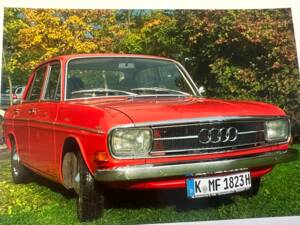
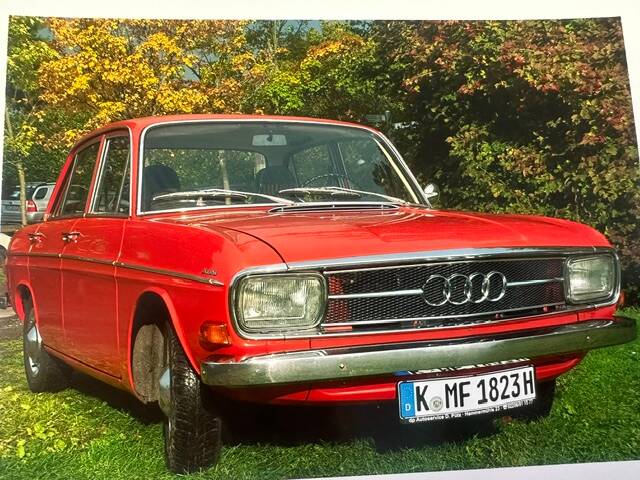
1972 | Audi 75
Audi NSU Auto Union , Audi 75 L , Oldtimerr
VAT is reclaimable

Audi 75 listing references from Classic Trader
Below you will find listings related to your search that are no longer available on Classic Trader. Use this information to gain insight into availability, value trends, and current pricing for a "Audi 75" to make a more informed purchasing decision.
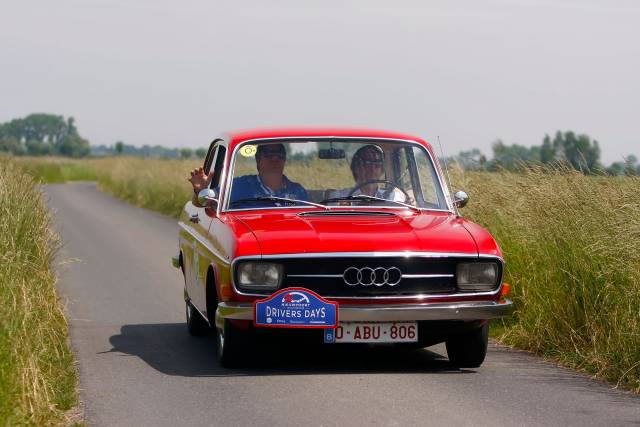
1971 | Audi 75
Matching numbers / Daily runner / Original paint / Service details

Audi 75 Classic Cars: Prices & Market Values
History of the Audi 75
The Audi 75 (F103) emerged from the restructuring of Auto Union GmbH following World War II, a time when the company sought to establish a contemporary lineup as part of West Germany’s industrial revival. Originally based on the DKW F102 chassis, the F103 series introduced a critical engineering evolution: the switch from two-stroke to four-stroke engines. This technological step was significant enough for the 'DKW' badge to be replaced by 'Audi,' a name not used since before the Second World War. The Audi 75 debuted in 1969 as an addition to the F103 series (which had already seen the Audi 60, 72, 80, and Super 90), offering a model specifically designed to fill the performance gap between earlier variants. The series, including the 75, was manufactured until 1972, after which the Audi 80 set future standards for the brand.
Model History
The F103 series originally launched as the simple 'Audi' in 1965, later renamed Audi 72 after its horsepower. Subsequent developments saw the introduction of the 60, 80, and Super 90 models, each referencing their PS figures in the model name. The Audi 75, introduced in 1969, replaced both the Audi 72 and Audi 80, streamlining the product range. Available as both a two- and four-door saloon and as a three-door Variant (estate) model, the 75 reflected the market demand for more powerful and versatile vehicles. The F103 series ended in 1972 with the arrival of the more modern Audi 80 B1, closing the chapter on a transitional phase for Audi.
Highlights of the Audi 75
The Audi 75 featured a notably angular silhouette, departing from the previous rounded design language. Its rectangular headlights, black grille adorned with a chrome surround, and modernised rear (after the 1970 facelift) exemplified late-1960s design trends. Technically, it was advanced for its segment, with a 1.7-litre high-compression 'Mitteldruckmotor' requiring super petrol, and full-synchronised four-speed column-shift standard. The interior was updated with better instruments visibility and comfort improvements. A rare feature for its class was front disc brakes with inboard mounting, unusual among competitors at the time.
Technical Data
Special Editions and Collectible Models
While the F103 range included several engine variants (60, 72, 80, Super 90), the Audi 75 itself did not officially receive factory special editions. However, the Variant model is of particular interest for its three-door configuration and optional third row of seating, a rare arrangement for its class at the time.
Engine and Performance, Transmission and Handling
Driving the Audi 75 reveals its character as a transitional mid-size car. Its high-compression four-stroke engine delivers robust torque for the era, paired with a four-speed manual gearbox, initially set up as a column shifter ('Lenkradschaltung') and later optionally as a floor selector. The chassis, front-wheel drive layout, compact turning circle, and progressive brakes made the car agile for town driving and competent on longer journeys, albeit with firm suspension typical of German cars of the late 1960s. Modern handling expectations surpass the standards of the time; owners appreciate it for its authentic and unfiltered mechanical feedback. - Audi 75 Saloon (two- or four-door): Practical layout and recognisable square styling
- Audi 75 Variant (three-door estate): Distinct for its folding third row bench seat and increased versatility Both configurations shared identical drivetrains and mechanical characteristics, providing a consistent performance profile.
Interior, Comfort, Exterior and Design
Distinctive for its sharp-edged silhouette and rectangular headlamps, the Audi 75 marked Audi’s shift away from round, soft lines. The chrome-accentuated black front grille, enlarged tail lights after the 1970 update, and compact proportions reflect late-1960s German automotive styling. Inside, the dashboard and controls were rethought for improved legibility and practicality. The Variant estate version brought additional flexibility, notably the optional third row bench, suitable for children or extra luggage. Factory and dealer accessories included period-correct radio units, mud flaps, and hubcaps; luxury materials or bespoke finishes were not part of this pragmatic model’s offering.
Other Features
A unique aspect of the F103 generation, including the 75, is the Audi brand’s rebirth—ending DKW’s two-stroke legacy and establishing four-stroke technology as a core element of Audi’s future. The Variant’s layout with a third rear bench also stands out as a measure of versatility unusual in compact German estates of the time.
Summary
Produced from 1969 to 1972, the Audi 75 (F103) marks a significant junction in Audi history as the bridge from two-stroke past to the four-stroke present. Its square-edged body, advanced mid-pressure engine, distinct technical solutions, and practical estate variant collectively make the 75 a car of both engineering and historical merit within classic Audi circles.