Auburn 12-161 classic cars for sale
The Auburn 12-161 stands as a rare American classic, produced only in 1933 and 1934. With its advanced V12 engine, distinct Leamy styling and technical sophistication, it has secured a special place in pre-war automotive history. Luxury, exclusivity and technical prowess converge in this short-lived model, which continues to attract the interest of collectors and classic car enthusiasts alike.
Search results
Currently, there are no matching listings for your search.
Create search alert
Let yourself be notified as soon as a listing is published that matches your search filters.
Create listing
Do you have a Auburn 12-161 that you want to sell? Then create a listing now.
Create listingAuburn 12-161 listing references from Classic Trader
Below you will find listings related to your search that are no longer available on Classic Trader. Use this information to gain insight into availability, value trends, and current pricing for a "Auburn 12-161" to make a more informed purchasing decision.
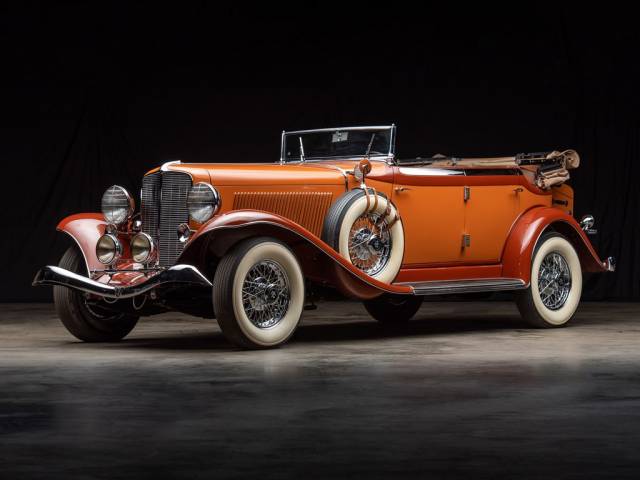
1933 | Auburn 12-161
1933 Auburn Twelve Salon Phaeton

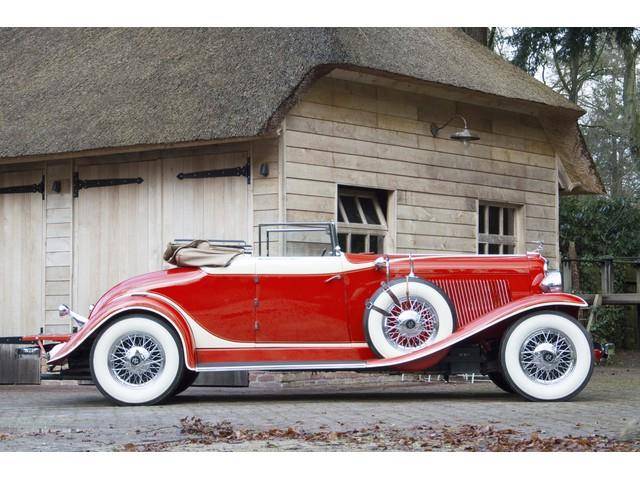
1933 | Auburn 12-161 Convertible Coupe
Oldtimer Auburn 12-161 Convertible Coupe

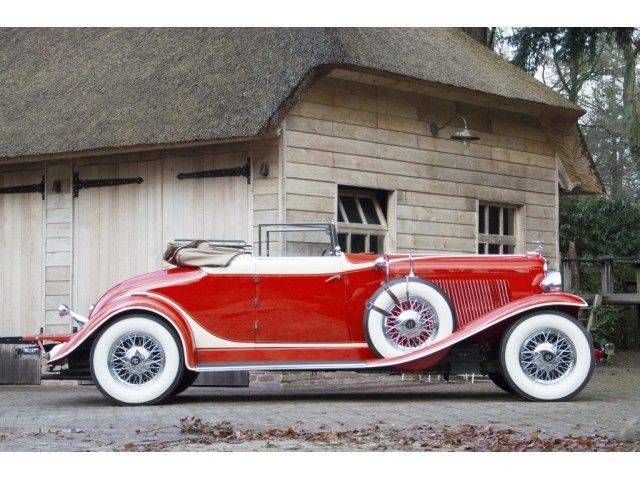
1932 | Auburn 12-161 Convertible Coupe
Auburn 12-161 Convertible Coupe
Create search alert
Let yourself be notified as soon as a listing is published that matches your search filters.
Create listing
Do you have a Auburn 12-161 that you want to sell? Then create a listing now.
Create listingAuburn 12-161 Classic Cars: Prices & Market Values
History of the Auburn 12-161
The Auburn 12-161 made its debut in 1933 as the successor to the Auburn 12-160. Produced by the Auburn Automobile Company in Indiana, it was introduced as a forward-thinking, high-specification luxury vehicle during the challenging years of the Great Depression. Auburn positioned the 12-161 as the most affordable twelve-cylinder car ever made, with a list price of just $1,245. Despite its relatively low price for a V12, it boasted a range of luxury features and design innovations. Alan Leamy, the American designer known for dynamic, sweeping lines, was responsible for the car’s visually striking bodywork, which appeared to be in motion even when stationary. Production numbers remained very low—just one example in 1933 and another forty-one in 1934—further cementing its status as a rarity. The Auburn 12-161 shared production facilities with elite brands such as Cord and Duesenberg, underlining its connection to American luxury and engineering ambition.
Model History
In Auburn’s lineup, the 12-161 succeeded the Auburn 12-160 and was available in multiple body configurations, including fourteen examples with the distinctive torpedo rear. Various saloon body styles were also offered. Despite high hopes and advanced engineering, economic pressures of the 1930s limited its production run, resulting in only 42 examples built over two years. No direct successor followed immediately in the Auburn range, as the marque ceased vehicle production not long after.
Highlights and Special Features of the Auburn 12-161
A standout technical feature of the Auburn 12-161 is its V12 engine, delivering nearly 120 kW (160 hp)—a remarkable output for its era, especially considering the car’s retail price. The engine’s design and development cost the company over a million dollars, a significant investment at the time. The model featured technological advances such as a freewheeling differential and overdrive gearbox for improved fuel efficiency and high-speed comfort. Alan Leamy’s body designs, especially in two-tone paint, imparted a sense of grandeur and movement. The Auburn 12-161’s unique combination of performance, technology and affordability marked it out against competitors like the Chrysler Imperial CQ and Buick Series 50.
Technical Data
Special Editions and Limited Models
While 14 torpedo rear variants formed a small but distinct group within the 12-161 lineup, there were no officially denoted 'special editions.' The low overall production—just 42 vehicles—means every surviving Auburn 12-161 is now effectively a rare edition. Their market value has appreciated over time, as evidenced by sales such as the 2010 auction of a restored car for $203,000.
Engine, Performance, Transmission and Handling
The heart of the Auburn 12-161 is its powerful V12, developed at great expense and delivering a blend of torque and smoothness that accompanied the luxuriously heavy body. The inclusion of a three-speed gearbox with overdrive was advanced for the period, improving both efficiency and driver comfort at cruising speeds. Despite weighing over two tonnes, the car was capable of brisk acceleration, aided by the substantial output and torque from its twelve-cylinder engine. Its chassis, length and mass meant stately handling rather than agility, but the Auburn’s engineering made it comfortable and reliable for long-distance touring. • Auburn 12-161 Torpedo (1933): Notable for its rare bodywork—only 14 examples built. • Auburn 12-161 Saloon: Various four-door body styles offered, each showcasing high luxury and American craftsmanship of the period.
Interior, Comfort, Exterior and Design
Alan Leamy’s influence is visible in every curve: dramatic, flowing fenders, dual-tone paintwork, and a silhouette that exudes presence even at rest. Interiors reflected the taste of the luxury market, with high-quality materials on the seats, dashboard and trim. Options and custom orders meant buyers could specify special colours and upholstery. Technical luxury included comprehensive dashboard instrumentation and comfort-orientated fittings. The rare torpedo rear style further differentiated certain 12-161s both visually and functionally, offering a streamlined, elongated tail unique among its contemporaries.
Summary
The Auburn 12-161 is a singular example of 1930s American engineering ambition, combining V12 power, advanced features and memorable design within an extremely limited production run. Collector interest remains high as a result of both its rarity and engineering story, underpinned by significant technical features and purposeful design.