- Car
- ARO (0 offers)
ARO Classic Cars for Sale
ARO vehicles stand out as rugged utility machines with deep roots in the Eastern European automotive landscape. These robust 4x4s and off-roaders, most notably the ARO 240 and M461, have developed a reputation for their simple mechanics and off-road capability, making them intriguing choices for collectors and enthusiasts seeking something different from Western European classics.
Search results
Currently, there are no matching listings for your search.
Create search alert
Let yourself be notified as soon as a listing is published that matches your search filters.
ARO listing references from Classic Trader
Below you will find listings related to your search that are no longer available on Classic Trader. Use this information to gain insight into availability, value trends, and current pricing for a "ARO" to make a more informed purchasing decision.
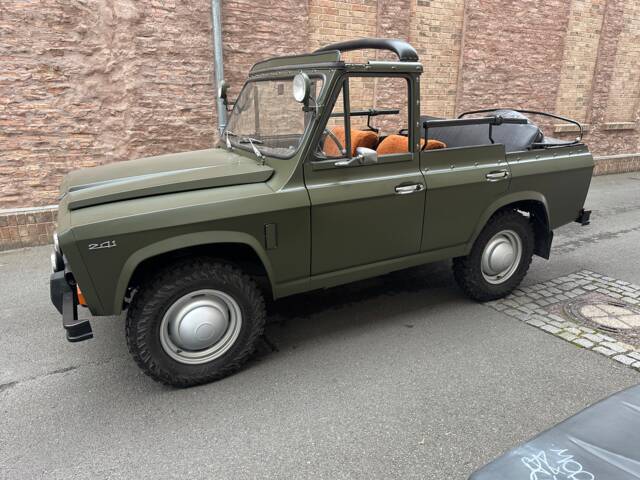
1980 | ARO 241
Hunting Car

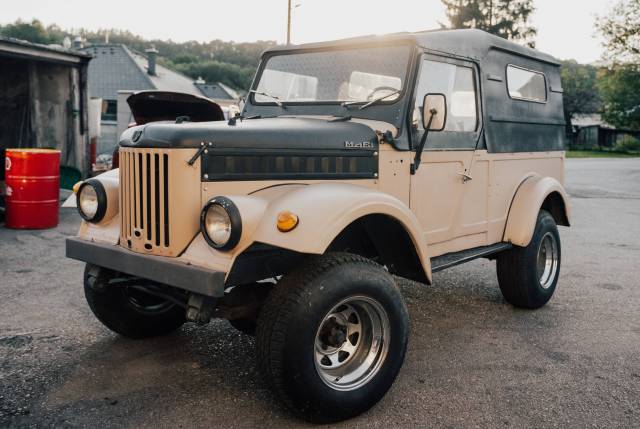
1969 | ARO M461
A Rare Beast from the East
Create search alert
Let yourself be notified as soon as a listing is published that matches your search filters.
History of ARO
ARO, originally known as Auto Romania, emerged in the late 1950s and became synonymous with practical, utilitarian vehicles aimed at agricultural and military use in Eastern Europe. Production began with models designed for off-road performance, often inspired by contemporary Soviet engineering. Over the decades, ARO vehicles were exported widely, particularly throughout the Eastern Bloc, Africa, and South America, where their robustness and straightforward technology were prized.
Model History
The ARO M461 was the manufacturer’s first major model, debuting in the late 1950s as a rugged off-roader based on the Soviet GAZ platform. Its successor, the ARO 240 series, launched in the early 1970s, introduced a more modern chassis and broadened export appeal. The 240 series marked a step forward in terms of design, engine options, and utility, firmly establishing ARO’s presence beyond local markets. Both models showcased the evolution of Romanian engineering in the 20th century.
Highlights and Features
ARO’s strongest attributes are durability, adaptability, and straightforward engineering. The majority of models were fitted with robust leaf-sprung suspension and simple petrol or diesel engines, allowing for ease of repair and outstanding off-road ability. Their design focus was always on functionality rather than luxury, which today appeals to purists who value raw mechanical simplicity.
According to supply statistics, listings for ARO are split equally between the 240 (50%) and the M461 (50%) models. Demand statistics, however, reveal a strong collector preference for the 240, which accounts for 98% of listing views, while the M461 attracts just 2%.
Technical Data
Special Editions and Collectible Models
Production runs for ARO vehicles rarely included lavish special editions; however, export-specific variants, particularly those configured for Western European or African markets, occasionally featured enhanced equipment or unique trim options. These export models are comparatively rare and may command higher prices due to low build numbers and increased comfort features.
Weak Spots and Common Issues
Known issues with ARO vehicles typically centre on rust-prone bodywork, especially where the vehicles have spent considerable time in humid or coastal environments. Mechanical components are generally robust, but age-related wear on driveline components, braking systems, and electrical wiring is to be expected. Sourcing original parts can pose a challenge outside Romania, but the simplicity of the underlying engineering permits creative fixes and adaptation of components from other period vehicles.
Engine and Performance, Transmission and Handling
ARO off-roaders are not known for speed, but rather for their impressive ability to traverse rough terrain with minimal fuss. Their four-wheel-drive layouts, high ground clearance, and simple, torque-rich engines provide ample performance for off-road pursuits and utilitarian use. Road manners are agricultural by modern standards, but enthusiasts appreciate the unfiltered driving experience and rugged durability.
Popular models:
- ARO 240 – 4x4, petrol/diesel engines, practical hardtop and soft-top versions available.
- ARO M461 – Classic army-style off-roader with charming utilitarian looks and strong following among Eastern European collectors. undefined
Interior, Comfort, Exterior and Design
ARO models are defined by their functional aesthetic: squared bodywork, exposed hinges, and minimal decorative trim. Interiors offer only the essentials—metal dashboards, durable seat coverings, and sparse instrumentation. Modern classic enthusiasts may appreciate military-spec accessories, period-accurate roof racks, or rare export-market embellishments. The colour palette was utilitarian, but occasional export models appeared in brighter shades or improved trims.
Other Features
A notable aspect of the ARO brand is the adaptability of its chassis for custom builds, from ambulances to fire trucks and even civilian camping conversions. Enthusiasts often modify ARO vehicles for modern comfort or enhanced off-road performance, reflecting the vehicle’s inherent versatility.
Summary
ARO classic vehicles cater to those seeking robust, utilitarian off-roaders with a distinctive East European heritage. With the ARO 240 in particular attracting strong collector interest, these vehicles present a unique alternative for classic car enthusiasts focused on practicality, mechanical simplicity, and off-road prowess.