Ariès Type S classic cars for sale
The Ariès Type S, a Rolling Baquet Roadster from around 1908, stands as a true representative of early 20th-century motoring. Unfiltered driving sensations are at the core of this over 110-year-old roadster, offering a pure experience both on the track and public roads. Manual engineering, from its mechanical brakes to hand-operated fuel system, make the Type S an extraordinary find for those seeking authenticity in historical vehicles. Dive deeper into the remarkable story of the Ariès Type S below.
Search results
Currently, there are no matching listings for your search.
Create search alert
Let yourself be notified as soon as a listing is published that matches your search filters.
Create listing
Do you have a Ariès Type S that you want to sell? Then create a listing now.
Create listingAriès Type S listing references from Classic Trader
Below you will find listings related to your search that are no longer available on Classic Trader. Use this information to gain insight into availability, value trends, and current pricing for a "Ariès Type S" to make a more informed purchasing decision.
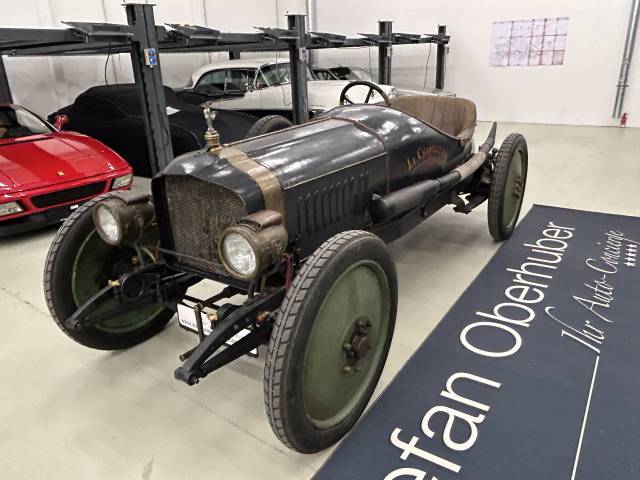
1908 | Ariès Type S
Very rare French sportscar in vintage condition
Create search alert
Let yourself be notified as soon as a listing is published that matches your search filters.
Create listing
Do you have a Ariès Type S that you want to sell? Then create a listing now.
Create listingAriès Type S Classic Cars: Prices & Market Values
History of the Ariès Type S
Ariès, a pioneer in the early days of the automobile in France, developed the Type S around 1908 when car manufacturing was a handmade craft. This roadster encapsulates the era's spirit, adopting lightweight bodywork and open construction, known as the 'Rolling Baquet,' which was popular for racing and exhilarating drives on the European countryside. The focus on engaging mechanics and simplicity gave drivers of the time an undiluted connection with their machines, a philosophy still evident in the surviving Type S cars today.
Model History of the Ariès Type S
The Ariès Type S followed a period of experimentation by Ariès with compact, reliable chassis for both private drivers and motorsport applications. Predecessor models were equally simple but were often bulkier or less adapted for performance. The Type S marked a refinement, with its lighter, sporty baquet styling. Later Ariès vehicles moved towards more comfort-focused bodies as the market shifted, making the Type S a distinct milestone in both design and intent for this manufacturer.
Highlights and Unique Features of the Ariès Type S
The Type S is a pure, minimalist machine. Standout technical features include a hand-operated fuel pump—no electric assistance or modern reliability here, every aspect is manual. The braking system is fully mechanical, acting on the driveshaft, with no power assistance, reflecting the uncompromising nature of its era. Its front lights can be integrated into traditional lanterns, and indicators and taillights may be added subtly in brass cages for historic rallies or road use. With over a century of history, each drive is a window into the past, unfiltered by modern technology.
Technical Data
Special Editions and Collectible Models
At present, all known Ariès Type S vehicles match the upper-level baquet configuration, and no distinct limited series or special editions are documented. Every surviving example is thus exceptionally rare by default, as they represent a bygone approach to sports car building.
Engine, Performance, Transmission and Handling
Raw mechanics define the Ariès Type S driving experience. The absence of servo assistance demands real driver involvement when braking, as the mechanical system acts directly on the propshaft. Drivers must also operate a manual fuel pump, further enhancing the tactile nature of the car. Handling is direct, unfiltered and entirely mechanical, with every movement of the controls translating immediately to the chassis. Such an experience makes it particularly suitable for historic rallies and those seeking authentic pre-war road handling. Ariès Type S – Rolling Baquet Roadster, ca. 1908: mechanical brakes on cardan shaft, manual fuel pump, open two-seater configuration.
Interior, Comfort, Exterior and Design
No luxury or concessions to comfort are made in the Ariès Type S. The open baquet body is both lightweight and minimal, prioritising driver and passenger engagement over convenience. Brass detailing is typical, including lantern housings and subtle lighting solutions. No designer signatures or special colours are officially listed, but each surviving vehicle may feature period-correct accessories or unique patina due to more than 110 years of history. Interiors are as spartan as they come, dominated by metal, timber, and functional controls—a cockpit built for driving, not comfort.
Other Information
An Ariès Type S requires individual type approval in some countries, such as Austria, for road registration. Owners often have to integrate safety upgrades (such as indicators and rear lights) as discreetly as possible, for example in brass cages, to satisfy regulations while maintaining period authenticity.
Summary
With all known Ariès listings and demand focused exclusively on the Type S, this model stands as the definitive representative of its marque's early roadsters. The Ariès Type S offers an undiluted, hands-on driving experience from over 110 years ago, emphasising handmade quality and a deep mechanical connection. Collectors and enthusiasts seeking a direct link to automotive origins find the Type S a captivating and authentic example of early French sporting motoring.