Argo Formula Super V classic cars for sale
The Argo Formula Super V represents a captivating chapter in racing car history, renowned among aficionados for its technical sophistication and specialised focus within the Formula Vee and Super Vee series. Discover available Formula Super V models and gain an in-depth understanding of their motorsport origins, technical make-up and impact on the single-seater scene.
Search results
Currently, there are no matching listings for your search.
Create search alert
Let yourself be notified as soon as a listing is published that matches your search filters.
Create listing
Do you have a Argo Formula Super V that you want to sell? Then create a listing now.
Create listingArgo Formula Super V listing references from Classic Trader
Below you will find listings related to your search that are no longer available on Classic Trader. Use this information to gain insight into availability, value trends, and current pricing for a "Argo Formula Super V" to make a more informed purchasing decision.
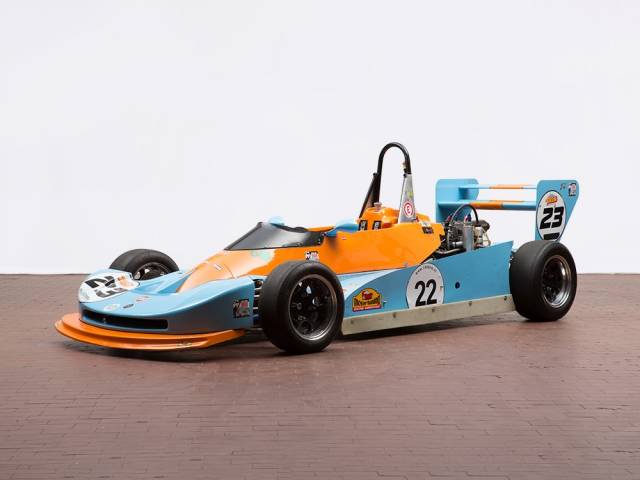
1977 | Argo Formula Super V Racing Car
Auction - Starting price 12.000€
Create search alert
Let yourself be notified as soon as a listing is published that matches your search filters.
Create listing
Do you have a Argo Formula Super V that you want to sell? Then create a listing now.
Create listingArgo Formula Super V Classic Cars: Prices & Market Values
History of the Argo Formula Super V
Argo Racing Cars established its reputation through participation in various single-seater racing categories during the late 1970s and 1980s. The Formula Super V project followed Argo’s success in Formula Ford and Two-Litre sports prototypes. Developed specifically for the Formula Super Vee regulations—an evolution of the original Formula Vee for more powerful engines and advanced chassis—the Argo Formula Super V earned recognition for its advanced aluminium monocoque and racing-focused engineering. These vehicles competed across Europe and North America, reflecting the competitive innovation of their era.
Model History of the Formula Super V Series
The Argo Formula Super V emerged as a response to shifting regulations and rising competition within junior formula racing. Preceded by the simpler Formula Vee cars, Super V marked a progression with increased engine capacity, chassis rigidity, and improved aerodynamics. Throughout its production span, Argo updated its designs to keep pace with changes in Super Vee rules and competition. Production numbers were naturally limited by the niche focus of the series, and today, surviving examples are esteemed for their period engineering and motorsport narratives.
Highlights and Distinct Features of the Argo Formula Super V
Argo Formula Super V cars stood out thanks to their innovative monocoque construction, lightweight body, and direct driver feedback—attributes critical for those seeking authentic racing experiences. Their Volkswagen-derived engines offered reliability and tunability, a decisive advantage during period racing events. Precision suspension design and purposeful aerodynamics allowed for highly responsive handling, which made Argo chassis a sought-after choice for privateer drivers in the Super Vee category.
Technical Data
Special Editions and Collectible Models
There is no concrete evidence of officially designated special editions within the Argo Formula Super V range; however, certain chassis that achieved prominent results in specific championships or wore unique period liveries may be of particular interest to enthusiasts and collectors.
Weak Spots and Common Issues
As racing vehicles, Argo Formula Super V cars require diligent maintenance, especially regarding monocoque integrity, suspension wear, and the condition of vintage racing engines and gearboxes. Parts availability may pose a challenge, particularly for original chassis components or specialist racing hardware. Potential buyers should ensure thorough inspection for historic race damage and professional restoration work.
Engine and Performance, Transmission and Handling
Argo Formula Super V cars are built for the circuit, offering immediate throttle response, precise steering, and racing-grade braking. The combination of a lightweight chassis, tuned suspension, and mid-mounted engine delivers dynamic cornering and impressive straight-line stability—attributes competitive drivers value highly in the single-seater category. The most notable models often correspond to the earlier JM5 and later JM6 chassis, each featuring incremental advances in suspension kinematics and aerodynamic efficiency. Technical data for these include a sub-2-litre Volkswagen four-cylinder engine producing 120–140 hp (depending on regulations), Hewland four- or five-speed manual transmissions, and disc brakes all around. Chassis weight frequently rests in the 420–480 kg range, optimised for nimble track behaviour.
Interior, Comfort, Exterior and Design
Design adheres strictly to the requirements of a single-seater racing car: minimalistic cockpit with racing harness, quick-release steering wheel, and pure function in every element. Exterior design is shaped by the needs of competition, with low drag and emphasis on downforce via purposeful wings and bodywork. Period-correct race liveries, exposed panel rivets, and utilitarian dashboards reinforce the race-born identity. Options for period accessories included additional instrument readouts and aerodynamic tweaks, reflecting the car’s focus on competitive tuning.
Other Relevant Features
As a competition chassis, each Argo Formula Super V has its own narrative shaped by its racing history. Known provenance—such as former drivers, period race entries, or championship standings—can significantly affect both value and collectability, making detailed historic documentation a key consideration for serious buyers.
Summary
The Argo Formula Super V embodies the spirit of 1970s and 1980s single-seater motorsport, blending sophisticated engineering, focused racing design, and historical authenticity. With its purpose-built chassis, proven Volkswagen powerplant and competition pedigree, this model occupies a respected place in the story of junior formula racing and continues to attract discerning collectors and track enthusiasts seeking authenticity and excitement.