- Voiture
- Ache Frères
- Ache Frères Tricycle (0 one offre)
Ache Frères Tricycle Classic Car for Sale
The Ache Frères Tricycle stands as a testament to the pioneering spirit of late 19th-century automotive engineering. Combining simplicity, innovative mechanics and a unique three-wheel construction, this early vehicle offers an incomparable insight into the origins of personal transport. Explore the world of pre-automobile motoring with this rare and fascinating model.
Résultats de la recherche
À l'heure actuelle, il n'y a pas d'annonces correspondant à votre recherche.
Create search alert
Let yourself be notified as soon as a listing is published that matches your search filters.
Create listing
Do you have a Ache Frères Tricycle that you want to sell? Then create a listing now.
Create listingAche Frères Tricycle listing references from Classic Trader
Below you will find listings related to your search that are no longer available on Classic Trader. Use this information to gain insight into availability, value trends, and current pricing for a "Ache Frères Tricycle" to make a more informed purchasing decision.
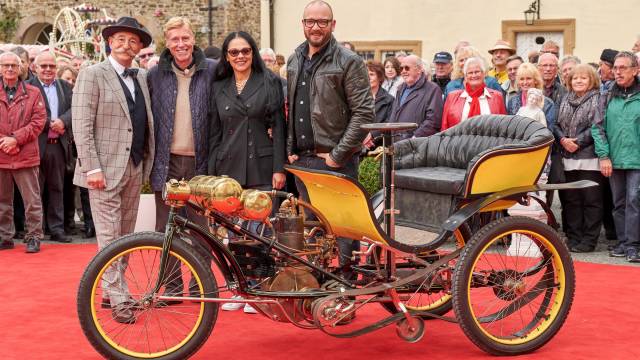
1903 | Ache Frères Tricycle
Create search alert
Let yourself be notified as soon as a listing is published that matches your search filters.
Create listing
Do you have a Ache Frères Tricycle that you want to sell? Then create a listing now.
Create listingAche Frères Tricycle Classic Cars: Prices & Market Values
History of the Ache Frères Tricycle
Ache Frères, a French manufacturer established in the late 1800s, is associated with some of the earliest tricycle motor vehicles developed in Europe. Their Tricycle automobile models emerged during a period of intense experimentation, when inventors were striving to create practical alternatives to horse-drawn transport. Tricycles like those by Ache Frères typically employed a simple, lightweight chassis and a front-mounted engine, making them accessible and maintainable compared to more complex vehicles of the era. The Ache Frères Tricycle illustrates a blend of bicycle technology and early combustion engines, underpinning the transition from pedal power to motorised mobility.
Model History of the Ache Frères Tricycle
During their brief production span, Ache Frères focused on crafting compact, reliable motor tricycles. The Tricycle was offered before the widespread adoption of four-wheeled automobiles and was primarily intended for urban and short-distance travel. Its engineering was influenced heavily by the contemporary De Dion-Bouton designs, which popularised the tricycle format in France and beyond. As four-wheeled cars became more practical and affordable, production of tricycle vehicles phased out, making survivors like the Ache Frères Tricycle genuine rarities today.
Highlights of the Ache Frères Tricycle
The Ache Frères Tricycle is remarkable for its minimalist three-wheel arrangement, exposed engine, and direct-drive mechanism. The vehicle offers an open, engaging driving experience similar to vintage bicycles, but with the added fascination of early motor technology. Its historical relevance lies in bridging the gap between the earliest bicycles and the first recognisable cars. Production numbers were extremely low, and surviving examples are especially valued for their authenticity and period engineering.
Technical Data for the Ache Frères Tricycle
Special Editions and Collectible Models
There are no known special editions recorded for the Ache Frères Tricycle. Each example produced is considered unique due to hand-built differences and the early, almost artisanal, manufacturing processes of the period.
Weak Spots and Common Issues
As with most vehicles of such early vintage, Ache Frères Tricycles are prone to issues arising from material fatigue and obsolescence of mechanical components. Components such as leather belts, solid tyres and brass carburettors require specialist attention. Accessing period-correct parts may involve custom manufacture, as very few original components have survived. Owners often need to rely on reproduction pieces and expert craftsmanship for both routine maintenance and restoration.
Engine and Performance, Transmission and Handling
The Ache Frères Tricycle was never designed for speed or long-distance comfort but rather for accessible mobility at the dawn of the motoring era. Typical performance characteristics include low-speed cruising, modest power output from a small displacement engine, and primitive steering that requires attentive handling. Vibration and exposure to the elements are part of the operating experience, making every journey a direct link to the mechanics and sensations of 19th-century motoring. Due to its rarity, the Ache Frères Tricycle itself is the most prominent representative of this format within the marque, with few or no variants recorded.
Interior, Comfort, Exterior and Design
The design of the Ache Frères Tricycle is defined by its bare-frame construction, open seating, and utilitarian controls. Materials used in construction include steel tubing, wood, and simple upholstery where provided. Accessories were minimal; period lamps, simple brass horn, and sometimes a tool box were common. Paints and finishes were determined by availability and owner preference rather than standardisation. The overall aesthetic is one of purposeful engineering, lacking luxury but rich in historical intrigue.
Other Relevant Features
Documentation for Ache Frères Tricycles can be scarce. Buyers are encouraged to seek out provenance records and period photographs for research and restoration guidance. Participation in veteran car rallies often requires vehicles to be dated officially, further highlighting the importance of historic documentation with this type of automobile.
Summary
Ache Frères Tricycle models represent a vital chapter in the story of early motoring. They offer enthusiasts a rare chance to experience technology from the dawn of the automotive age. Owning, restoring, or driving such a vehicle requires specialised skills and dedication, but rewards with unparalleled authenticity and a unique window into the experimental spirit that shaped modern transport.