- Car
- Volkswagen
- Volkswagen Golf (40 offers)
Volkswagen Golf classic cars for sale
First launched in 1974, the Volkswagen Golf set benchmarks in compact car design and technology. As a front-engined, front-wheel drive hatchback, the Golf established itself as the go-to model for practicality, technical innovation, and versatility, evolving through an immense array of generations, engine types, and body variants. Today, the Golf still serves enthusiasts and collectors seeking reliable classics with a broad spectrum of configurations.
Search results

1993 | Volkswagen Golf III GTI 2.0
Volkswagen Golf Cabriolet GTI 16v – Clásico único con alma deportiva

1997 | Volkswagen Golf III 2.0 16V GTI
Volkswagen Golf GTI 16V 20 Aniversario – Edición Limitada (solo 150 unidades)

1983 | Volkswagen Golf Mk I 1.5
Volkswagen Golf GTS

1981 | Volkswagen Golf I 1.6 GLS
Ein hervorragend restauriertes Auto

1983 | Volkswagen Golf Mk II 1.6
2022-12-02 11:17:21 | Volkswagen GOLF GL 1.6

1988 | Volkswagen Golf Mk I Convertible 1.6
H-Kennzeichen | Zustand 2+ | Dekra-Gutachten | Neuaufbau 2020

1980 | Volkswagen Golf Mk I GTI 1.6
Rare & Early Mk1 GTI | Outstanding Condition

1982 | Volkswagen Golf Mk I GTI 1.6
Volkswagen Golf GTI

1997 | Volkswagen Golf III 2.0 GTI "Edition"
Only 63.792 km from new, completely original and in first paint.

1991 | Volkswagen Golf Mk I Convertible 1.8
Blaubeerkörbchen Oldtimer

1985 | Volkswagen Golf Mk I Convertible 1.8
Volkswagen Golf 1 an Liebhaber abzugeben

1993 | Volkswagen Golf Mk I GTI 1.6
1993 Volkswagen Golf GTi Cabriolet Sportline Edition

1983 | Volkswagen Golf Mk I 1.5
Golf 1.5 GL Full History. PRICE REDUCTION.

1980 | Volkswagen Golf Mk I GTI 1.6
Originalzustand! 2. Hand! 111.800 km!

History of the Volkswagen Golf
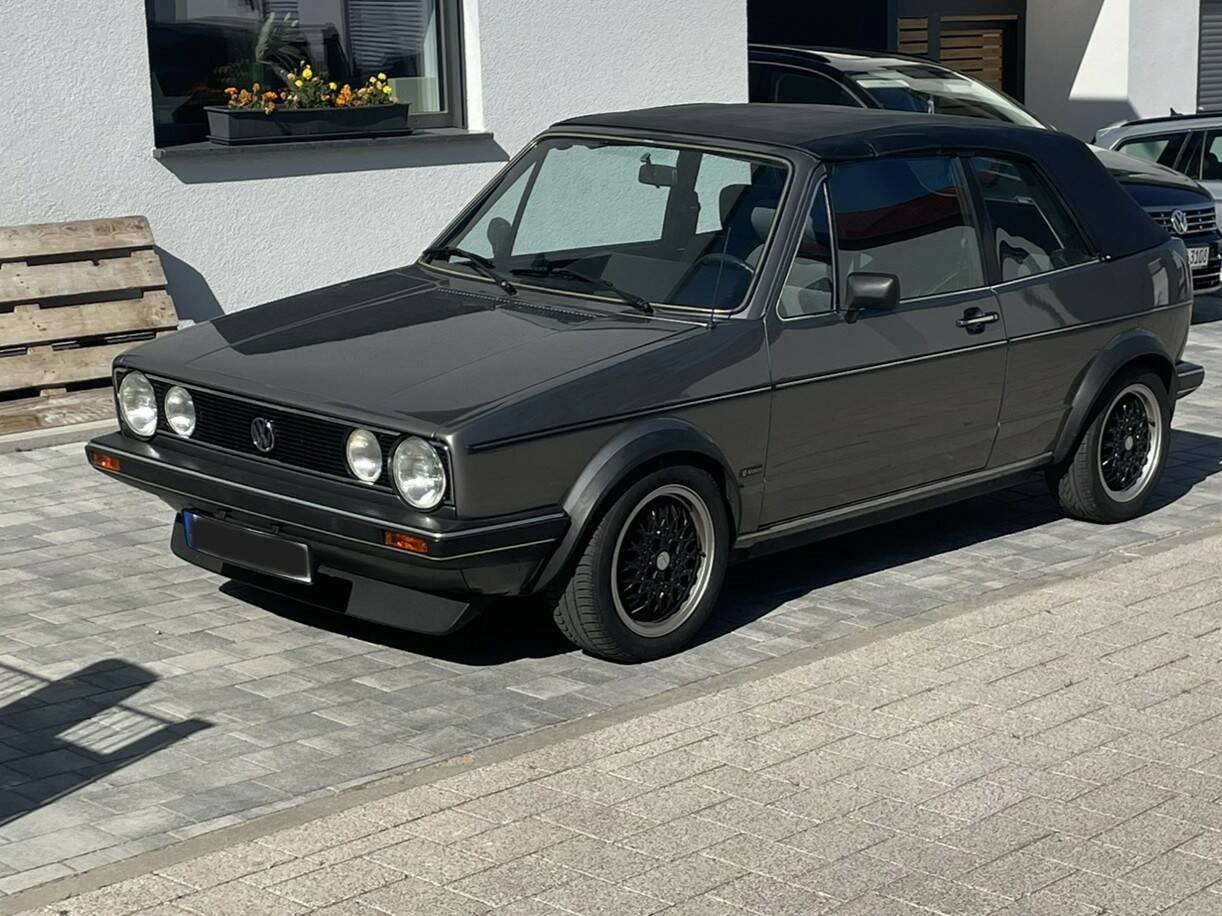
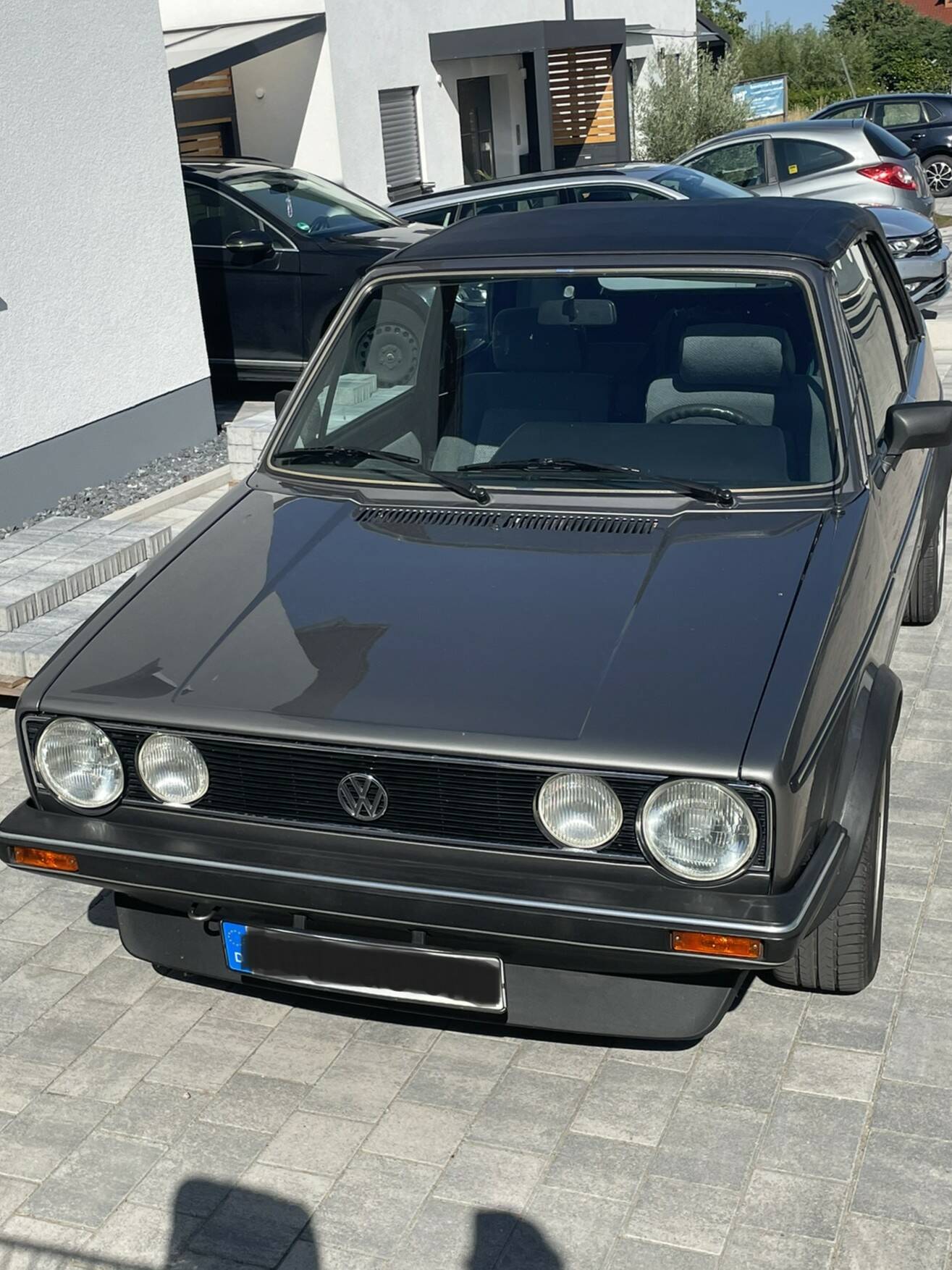
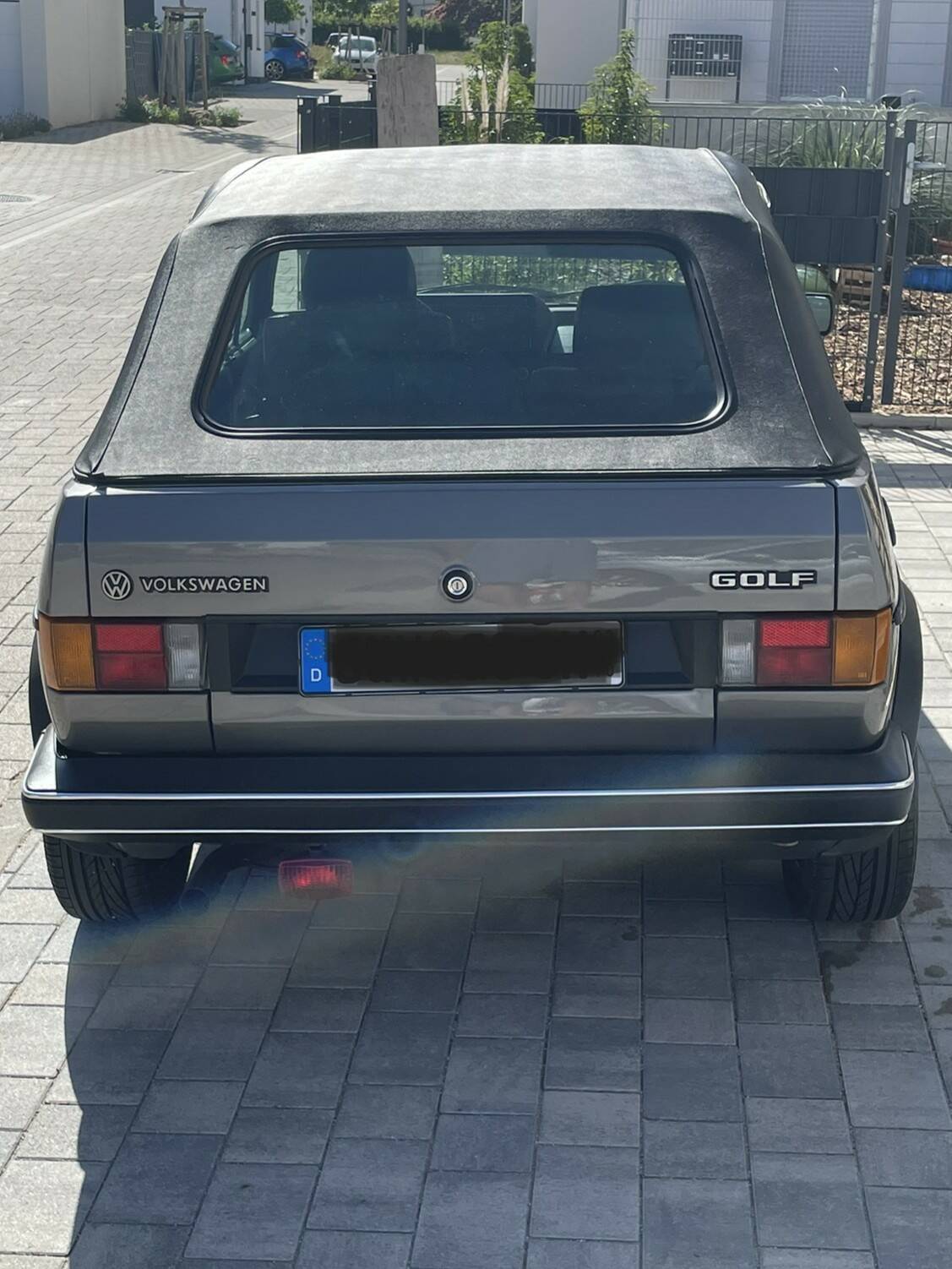
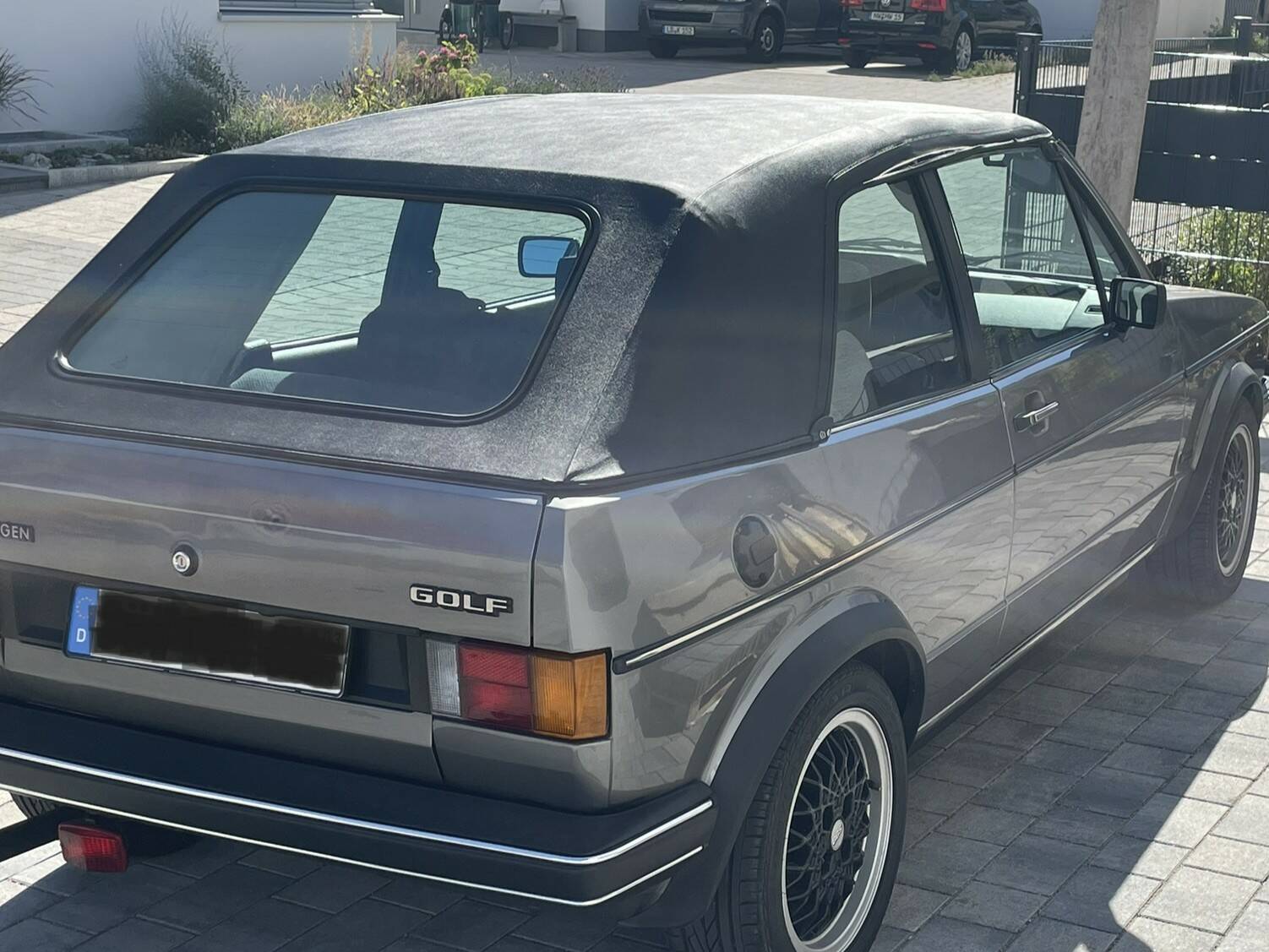
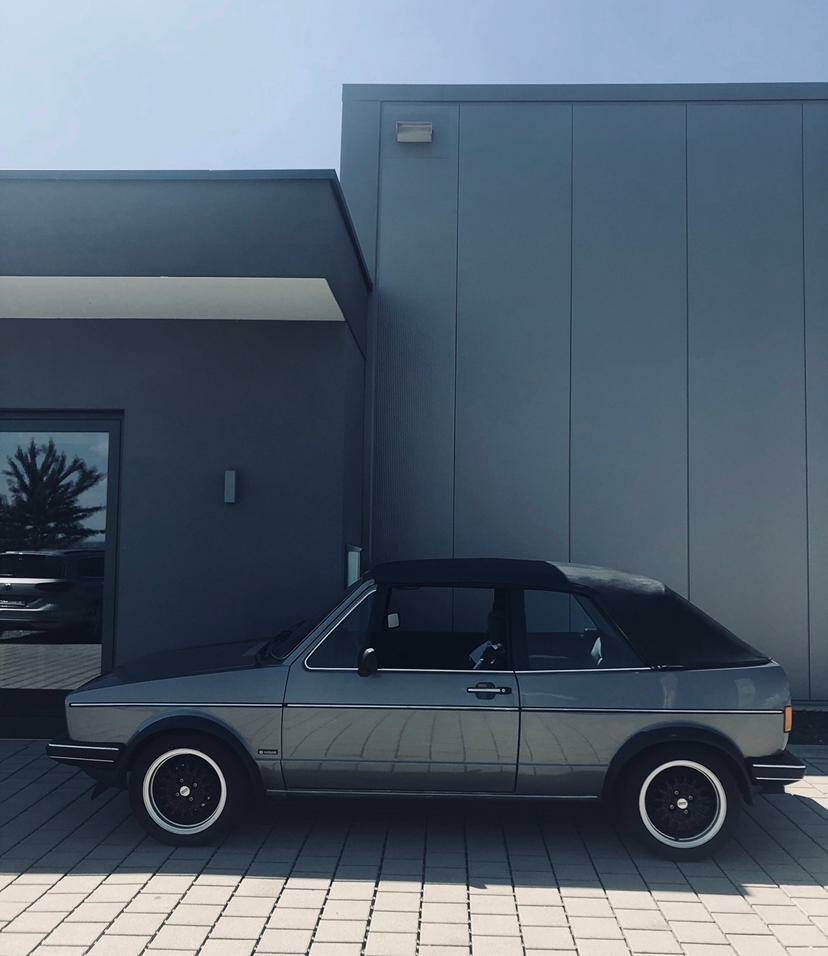
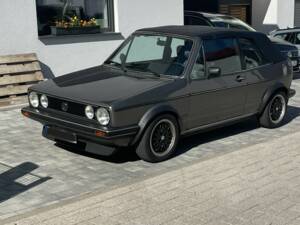
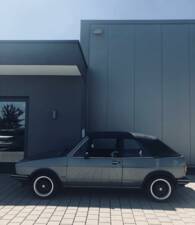
Unveiled in 1974 as Volkswagen’s answer to the ageing Beetle, the Golf became a turning point for the manufacturer and helped stave off financial crisis. It introduced transverse-mounted, water-cooled engines and front-wheel drive to the Volkswagen range, concepts taken from the recently acquired Audi brand. The original design, penned by Giorgetto Giugiaro, provided practical hatchback space in a modern, angular form that defied the curvy automotive fashions of the time. The Golf’s exceptional reception was clear: by 1983, more than six million vehicles had rolled off the line, including nearly a million diesels and the much-loved Cabriolet (built by Karmann in Osnabrück)! The Mk1 Cabriolet, nicknamed 'Erdbeerkörbchen' or 'strawberry basket,' became a charismatic icon in its own right. The Golf’s impact was so significant that it became the most registered car in Germany for decades, and internationally production surpassed 30 million units.
Model Series History
The Golf story is split into generations, each updating the previous while preserving the core hatchback philosophy. The Mk1 (1974–1983 in Europe) introduced the basic form, and was followed by the larger, more comfortable Mk2 (1983–1992), which added equipment like power steering and central locking. The Mk3 (1991–1997) moved towards rounded bodywork, advanced passive safety, and new engines—including the first VR6 and TDI models. Subsequent generations, IV (1997–2003), V (2004–2008), VI (2008–2012), and VII (from 2012), improved chassis dynamics, electronics, and introduced further body styles like Estate/Variant and MPV. Body styles have ranged from 2- and 4-door hatchbacks to cabriolets and variants. Sporting and all-wheel drive models such as the GTI, G60, Rallye, R32, and Country were major milestones, while the Golf Cabriolet remained in production even after the Mk2 saloon was introduced. Market adaptation was visible globally, with the Mk1 produced in South Africa until 2009 and unique export histories (such as GDR deliveries in the late 1970s).
Highlights and Features
The Golf separated itself through continuous technical innovation. It was one of the first mass-market cars with a transverse water-cooled engine and consistent focus on practicality. Notably, the GTI model (launched 1976) founded the 'hot hatch' segment: agile, high-performing, and practical. Diesel models, the G60 supercharged engines, VR6 six-cylinders, and all-wheel drive Synchro/Country versions all underlie the Golf’s diversity. The Erdbeerkörbchen Cabriolet set safety standards by introducing a fixed rollover bar. For decades, common features included manual or electric sunroofs, sports seats (Recaro options), various comfort and safety packages (ABS, power windows, central locking, MFA trip computers), and continuous rust-proofing improvement—from the partial efforts of Mk2/3 to Golf IV's full galvanisation and a 12-year anti-perforation warranty.
Technical Data
Special Editions and Collectible Models
The Golf model series is rich in limited and notable editions. The 'Erdbeerkörbchen' Mk1 Cabriolet stands out, especially in 'GLS' and 'GLi' configurations, and later with the driver’s airbag option—the first VW to do so. The 'GTI Pirelli,' 'Edition Blue,' 'Rivage,' 'Genesis,' 'Bel Air,' and 'Classic Line' offered unique trims, materials, or colours and often rare alloys or upholstery. The R32 model of the Mk4, with its 3.2l 24V V6 and all-wheel drive, marked a special chapter for performance enthusiasts. The Golf Country, based on the Mk2, prefigured the SUV trend as an all-road raised hatch. High-performance and special trims offer individual collectibility, with bespoke interiors, sport seats, and limited-edition badges.
Weak Spots and Common Issues
Early generations (Mk1 to Mk3) are susceptible to rust, especially at the sills, wheel arches, wings, and door bottoms. Aged models require scrutiny for suspension wear, electrical gremlins, and sun-faded interior plastics. Cabriolets need careful examination of the hood mechanism and rollover bar. Although later models benefited from advanced rust protection, regular inspections are key. Mechanical components like manual gearboxes and fuel injections (especially K-Jetronic on GTIs) need routine maintenance, and the VR6 is known for timing chain and cooling issues if neglected.
Engines, Driving Dynamics, Transmission and Handling
The Golf was instrumental in shaping the compact car driving experience. The first-gen GTI, with its 1.6-litre mechanical injection unit, offered 110 hp and exceptional agility thanks to a kerb weight below 900 kg—a benchmark for handling and lively feedback. Over the decades, the Golf GTI and VR6 escalated performance benchmarks for front-wheel drive cars: later GTIs achieved up to 137 hp with 16V heads, while R32 and VR6 models brought six-cylinder power to the C-segment, reaching up to 250 hp and near-250 km/h top speeds. The Golf II Synchro, Country, and later 4Motion IVs provided all-wheel-drive grip. Transmission choices included punchy five-speed manuals and reliable auto options. Across all types, the chassis always matched intended use: luxury was possible (GL, V6), while hot versions like the GTI or R32 focused on outright response and body control. Top highlight: Golf GTI (Mk1-Mk4), Golf Cabriolet ('Erdbeerkörbchen'), Golf Country (Mk2), Golf VR6 (Mk3), Golf G60/Rallye, Golf R32.
Interior, Comfort, Exterior and Design
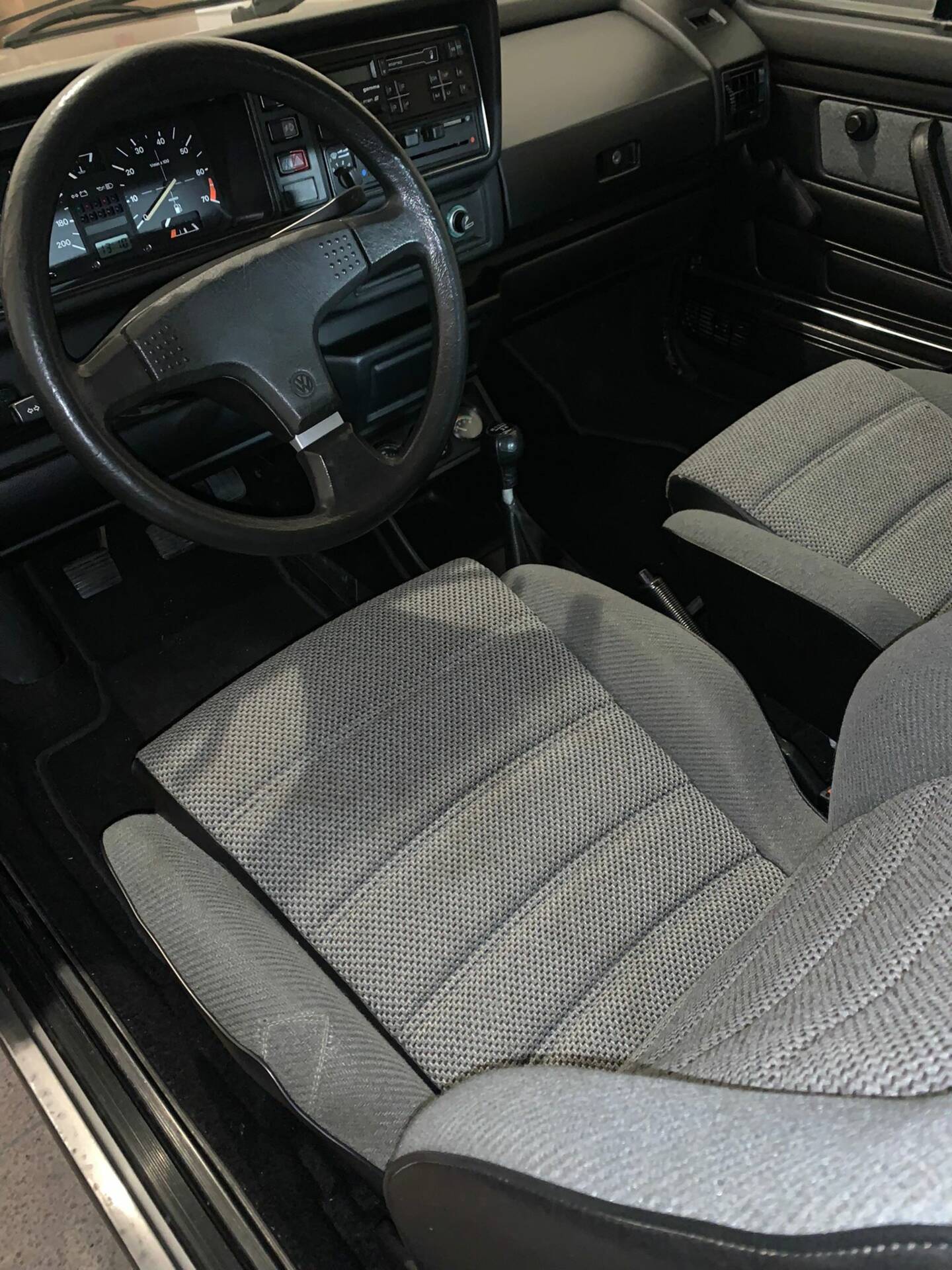
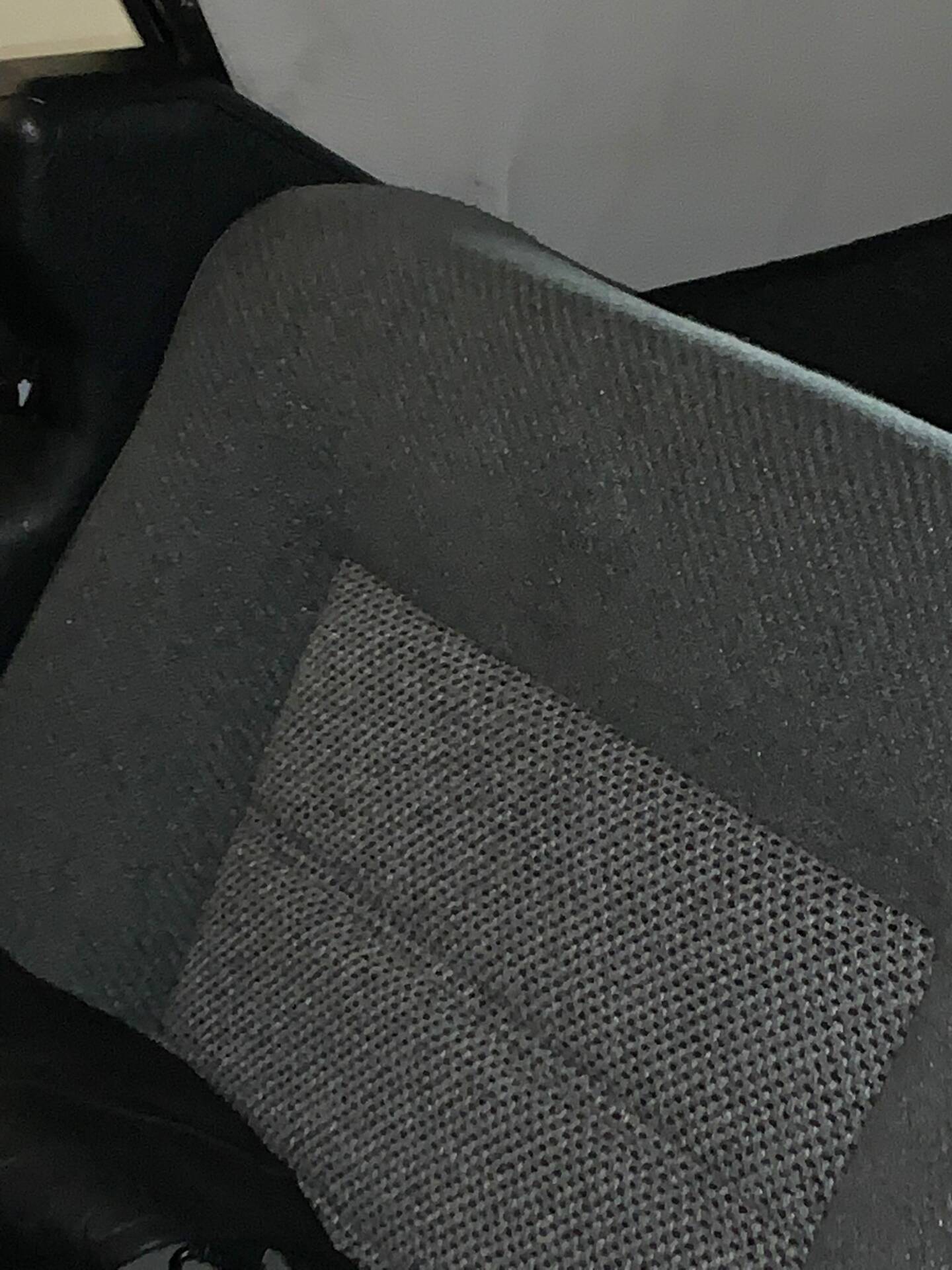
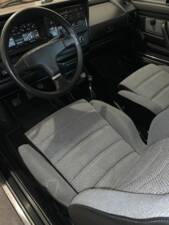
The Golf’s boxy original look—thanks to Giugiaro—gave way to more rounded shapes from Mk3 on, but core details remained: clean lines, upright pillars, practical dimensions, and above-average interior room for the class. Key features across generations included high-quality upholstery choices (velour, rare leather, or Recaro sport seats), sunroof options, and distinctive trims for GTI and special editions (red grille stripes, tartan seat patterns, Pirelli alloys, or unique metallic paints). The Cabriolet's fixed roll bar, developed by Karmann, defined its silhouette, and several specials like 'Etienne Aigner' featured bespoke interior finishes. Accessories such as MFA trip computer, electric windows, upscale radio systems, and sporty wheelsets contributed to Golf’s perceived quality.
Other Information
The Golf was a pioneer in democratizing advanced safety, economy, and comfort features for the compact class. From rapid innovation in passive safety (airbags, ABS), long-life galvanised body shells, and efficient diesels, to its global success—including rare export agreements with GDR authorities—the Golf’s story reflects the evolution of everyday mobility. The vast global club network and spare parts infrastructure make keeping a classic Golf on the road extremely feasible. For many, the Golf’s history is intertwined with their own motoring milestones.
Summary
As one of the most influential and best-selling cars of all time, the Volkswagen Golf demonstrates the impact of continuous technical progression in a single vehicle line. With strong demand especially for Cabriolet, early GTI, and special edition models—as reflected in high demand shares for manufacturer codes Typ 17 and Typ 19E—the Golf series maintains a vital presence in the classic car scene. Anyone searching for a robust, usable classic will find rich variety, practical engineering, and strong aftermarket support in the Golf line-up.