Matra Djet classic cars for sale
The Matra Djet broke automotive ground as the first production sports car with a rear mid-engine layout. Built between 1962 and 1967 by René Bonnet and, later, Matra, the Djet offers a rare piece of French engineering with roots in motorsport innovation. With its limited production run and technical ingenuity, it remains an intriguing choice for enthusiasts seeking something genuinely unique.
Search results
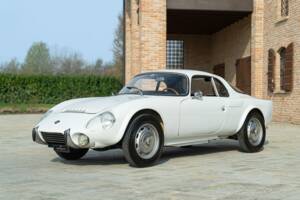
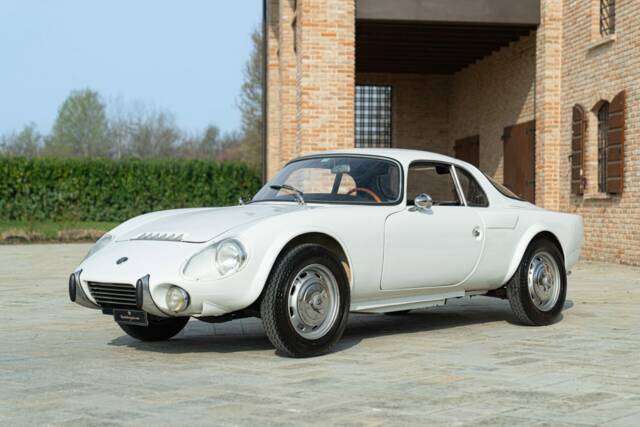
1966 | Matra Djet 6
Matra JET6 1300 GORDINI
Matra Djet listing references from Classic Trader
Below you will find listings related to your search that are no longer available on Classic Trader. Use this information to gain insight into availability, value trends, and current pricing for a "Matra Djet" to make a more informed purchasing decision.

1968 | Matra Djet V / Jet 5
Matra Djet-V Mb8 1968 project
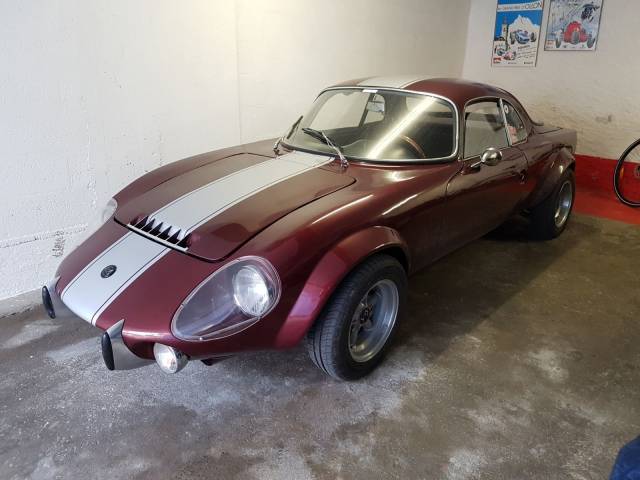
1966 | Matra Djet V S / Jet 5 S
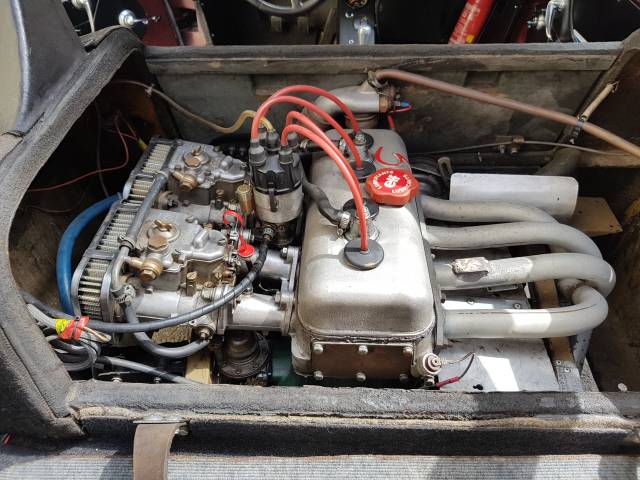
1966 | Matra Djet V / Jet 5
Moteur Gordini

1965 | Matra Djet V / Jet 5
Online Only: The European Sale featuring the Petitjean Collection
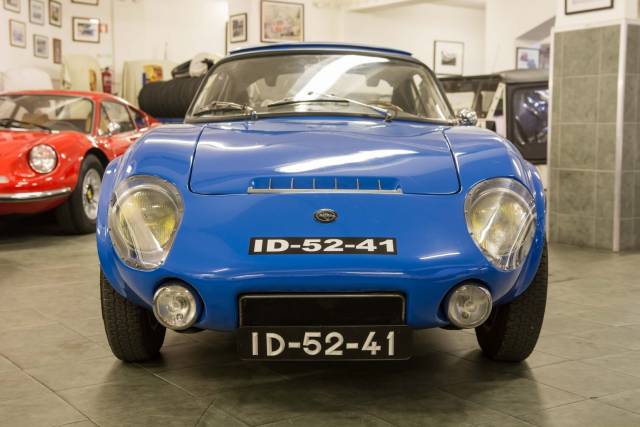
1967 | Matra Djet V / Jet 5
Restored and in great condition
Matra Djet Classic Cars: Prices & Market Values
History of the Matra Djet
Unveiled in 1962 as the René Bonnet Djet, this French sports car not only marked the evolution of its manufacturer but also introduced the world to a technological landmark: it became the first production car to use a rear mid-engine configuration. Initially presented by René Bonnet, the vehicle was born out of a vision to combine lightness and cutting-edge aerodynamics. Following Bonnet's financial struggles, Matra took over production in 1965, refining the model and rebranding it under the Matra name. Over its lifespan, the Djet witnessed several iterations and naming changes, from the Matra-Bonnet Djet to the Matra Sports Jet, but always remained loyal to its advanced packaging and racing DNA.
Model History
The Djet traces its ancestry directly to René Bonnet’s experiments with race-inspired layouts, and it stands as a departure from traditional French sports cars of the early 1960s. With the takeover by Matra, the model received enhancements to suit a broader audience while maintaining its motorsport essence. Notably, the Djet has no direct predecessor, but its successor in spirit—and through Matra’s lineup—is the Matra 530, which inherited its innovative engineering focus and mid-engined architecture.
Highlights and Key Features
A defining feature of the Matra Djet is its status as the world’s first rear mid-engined production road car—an arrangement that would later become the hallmark of high-performance vehicles. The combination of its lightweight body and its unusual engine location created a driving experience ahead of its time, characterised by responsive handling and a distinctive French character. During its limited production run, the Djet was continually refined to ensure both competitive performance and everyday usability. Its engineering roots in competitive motorsport set it apart from contemporaries.
Technical Data
Special Editions and Collectible Models
Throughout its run, the Djet appeared under different badges, including the Matra-Bonnet Djet and Matra Sports Djet, each marking a period of technical refinement. Special versions were often produced in small numbers as homologation models for competition or with specific trim for motorsport customers.
Weak Spots and Common Issues
While the Djet is celebrated for its advanced engineering, the unique mid-engine setup means access to the drivetrain can be more involved than with conventional layouts. As with many classics of the era, corrosion can affect the chassis and body, especially if original components have not been replaced or restored. Spare parts may require sourcing from specialist suppliers due to the vehicle's limited production numbers.
Engine, Transmission, and Driving Dynamics
The Djet’s focus on mid-engined balance delivers highly responsive steering and agile cornering—rare qualities in early 1960s road cars. Power outputs depended on the variant but generally matched the lightweight body for lively performance. Manual transmissions were standard, adding to the engaging, purposeful driving feel. The car’s race-bred engineering is most apparent in its stability and road feedback, qualities prized by enthusiasts today. Noteworthy versions include the Matra-Bonnet Djet V and the Matra Sports Jet 6. These models distinguished themselves with stronger engines and, occasionally, cosmetic tweaks aimed at performance-minded buyers.
Interior, Comfort, Exterior, and Design
Designed with aerodynamics and driving focus in mind, the Djet’s cabin is purpose-driven, with minimal adornments and controls oriented towards the driver. Exterior lines are low-slung, giving a subtle nod to contemporary racing prototypes. Bodywork was typically fibreglass, keeping weight down. Period accessories included alternative steering wheels and racing harnesses, while unique colour choices and trim options were occasionally available for special models.
Other Details
The Djet’s impact on automotive history is underscored by its adoption by innovative privateers in motorsport and its influence on subsequent mid-engined vehicle designs across Europe.
Summary
The Matra Djet remains a milestone in sports car history, offering a fascinating mix of motorsport-derived technology and French automotive ingenuity. Its rare presence on the market, unique handling characteristics, and distinct style mark it out for collectors seeking a pure driving experience coupled with genuine historical significance.