Jeep CJ-7 classic cars for sale
The Jeep CJ-7 stands as a robust off-road vehicle from 1976 to 1986, bridging military heritage with civil utility. Its extended wheelbase, diverse engine range, and celebrated special editions make it a favourite among enthusiasts seeking authentic, purpose-built 4x4s.
Search results
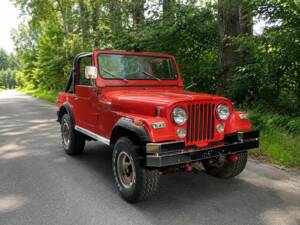
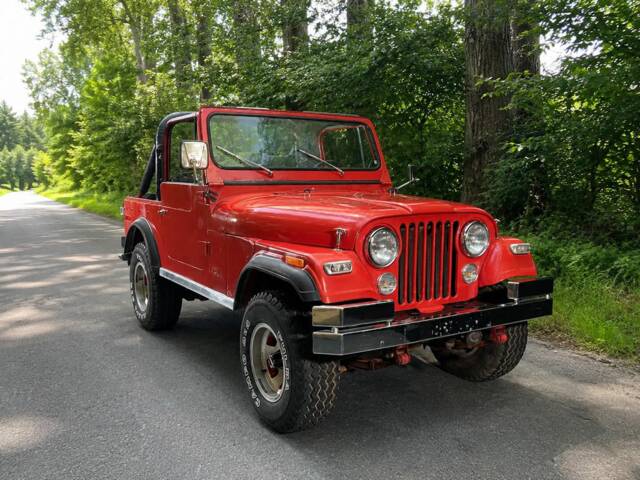
1978 | Jeep CJ-7
Jeep CJ-7 | 1978 | Route 66 Auctions - For sale by auction. Estimate 6500 EUR

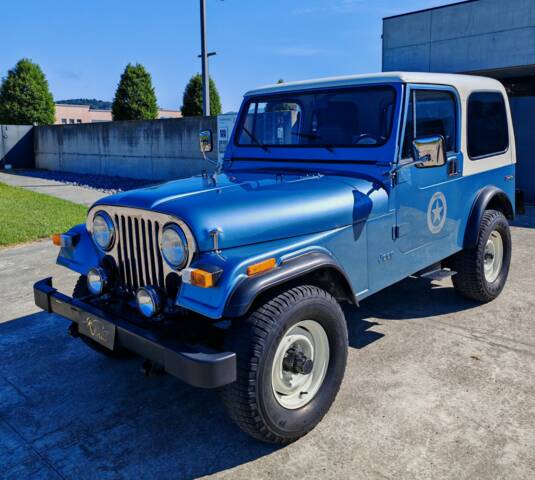
1983 | Jeep CJ-7 2.4L Diesel
WONDERFULL !!!

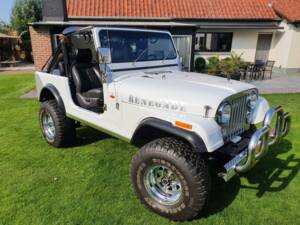
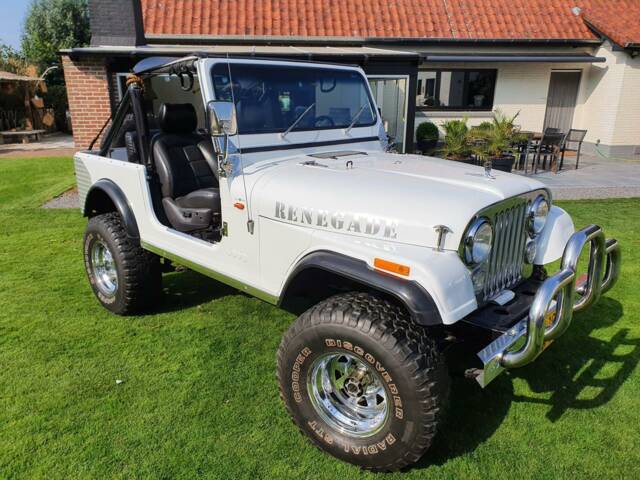
1980 | Jeep CJ-7 Renegade
Te Koop Jeep Renegade
Jeep CJ-7 listing references from Classic Trader
Below you will find listings related to your search that are no longer available on Classic Trader. Use this information to gain insight into availability, value trends, and current pricing for a "Jeep CJ-7" to make a more informed purchasing decision.
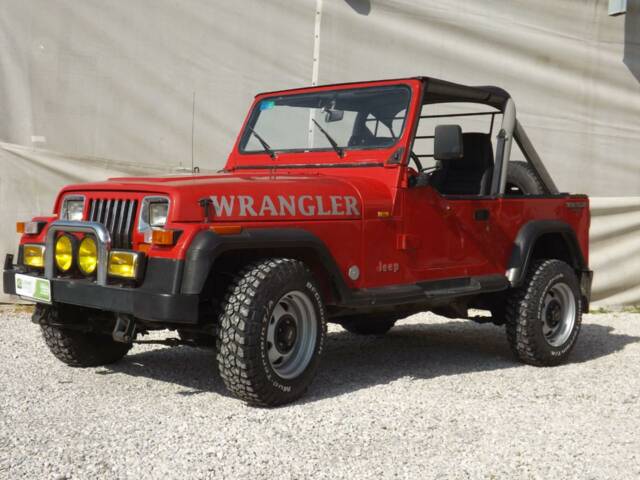
1990 | Jeep CJ-7 "Laredo"
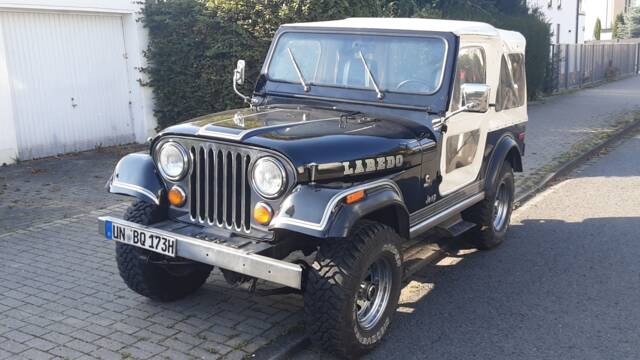
1980 | Jeep CJ-7 "Laredo"
Jeep CJ-7 Laredo in a highly attractive black-and-white color combination.

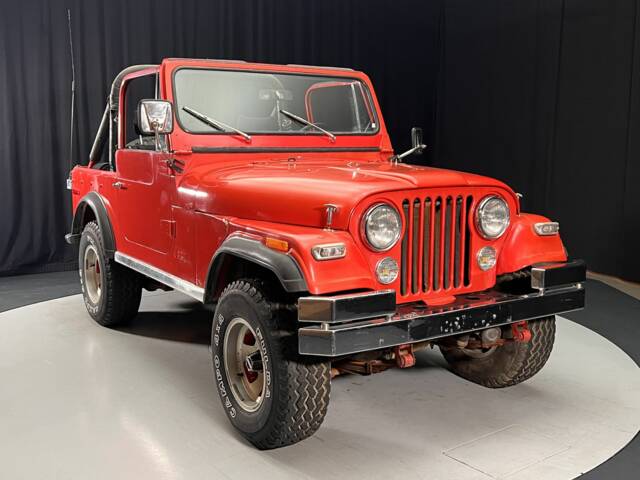
1978 | Jeep CJ-7
Jeep CJ-7 | 1978 | Route 66 Auctions - For sale by auction. Estimate 6500 EUR
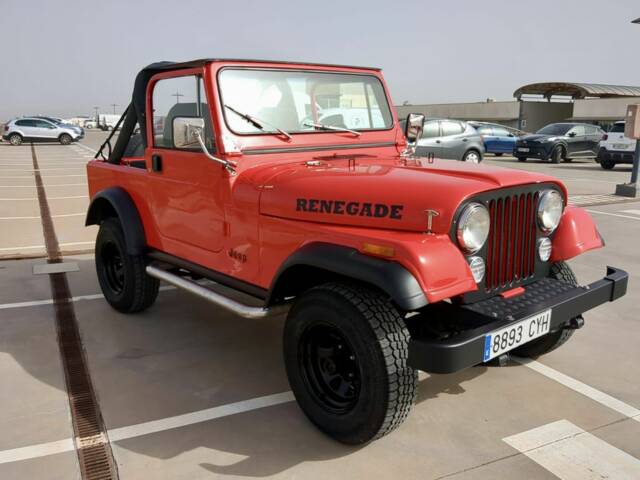
1986 | Jeep CJ-7
Jeep CJ-7 | 1986 | Route 66 Auctions - For sale by auction. Estimate 11500 EUR
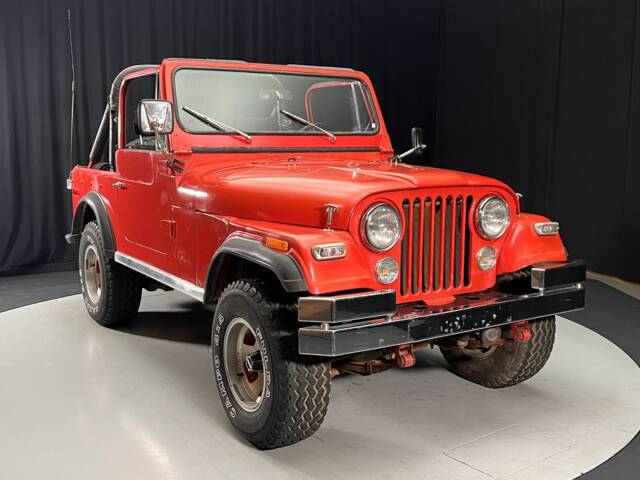
1978 | Jeep CJ-7
Jeep CJ-7 | 1978 | Route 66 Auctions - For sale by auction. Estimate 7500 EUR
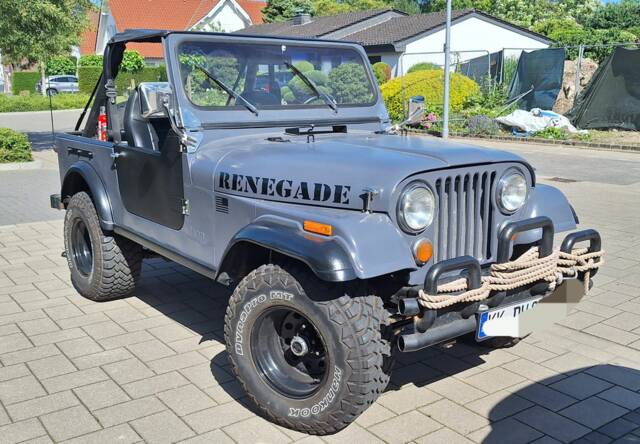
1977 | Jeep CJ-7
Jeep CJ-7 | 1977 | Route 66 Auctions - For sale by auction. Estimate 9500 EUR
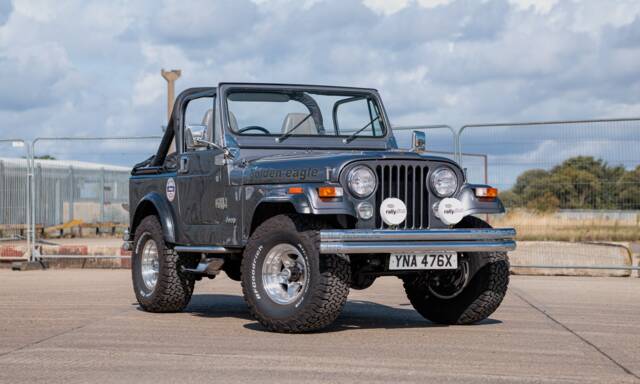
1982 | Jeep CJ-7 Renegade
1982 Jeep Renegade

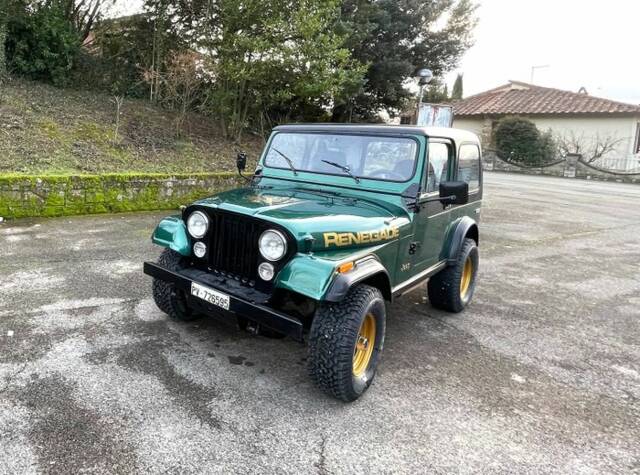
1983 | Jeep CJ-7 2.4L Diesel
Jeep - CJ 7 - 1983
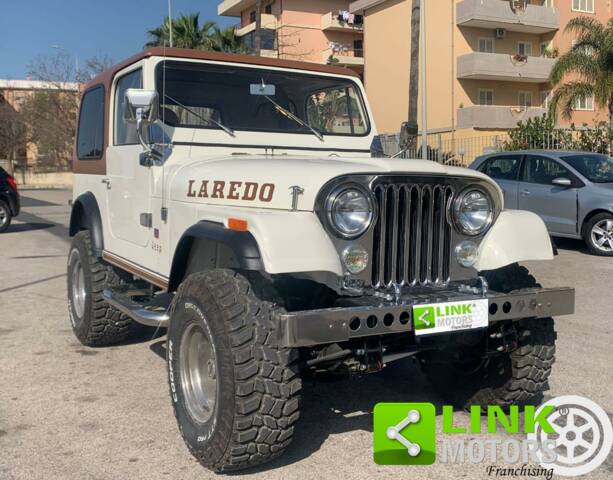
1981 | Jeep CJ-7 "Laredo"
JEEP CJ-7 laredo
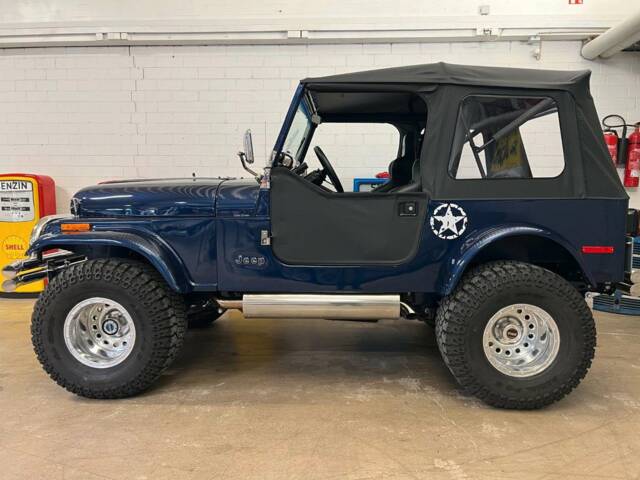
1978 | Jeep CJ-7
Jeep CJ-7 Custom
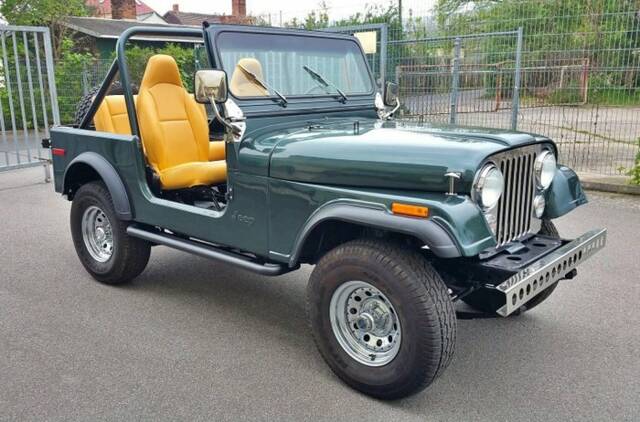
1982 | Jeep CJ-7
Jeep - CJ-7 - 1982
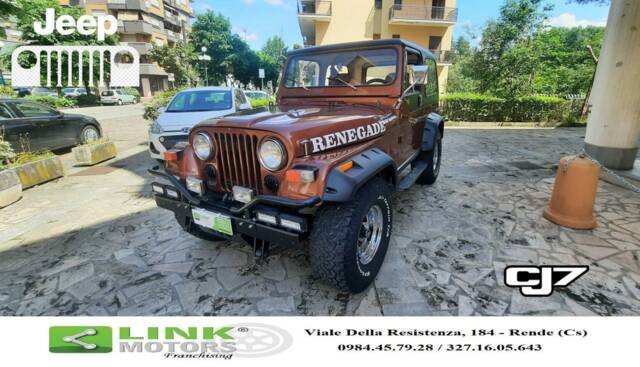
1982 | Jeep CJ-7 Renegade
JEEP Renegade CJ-7
Jeep CJ-7 Classic Cars: Prices & Market Values
The market value of Jeep CJ-7 classic cars is primarily determined by technical condition, originality and mileage, as well as rarity, history and documentation. A well-maintained, largely original vehicle with low, verifiable mileage and complete history including appraisals and documentation typically achieves significantly higher prices than a comparable vehicle with deferred maintenance, many modifications or unclear provenance.
Jeep CJ-7: Market Prices & Value Trends
Based on sales data from the Classic Trader marketplace, the Jeep CJ-7 market in Europe appears broadly stable to slightly firming over the period from February 2021 to November 2025, with most asking prices clustering in the mid-range despite a handful of extreme, highly modified examples. Across typical CJ-7s from the late 1970s to mid-1980s (including Renegade and Laredo trims), a realistic market band sits at roughly €15,000–€40,000, where condition, originality and drivetrain specification make the biggest difference. Entry-level cars such as 2.4-litre Diesel variants commonly appear below €20,000, while well-presented Renegade 304 V8s and higher-spec Laredos more often trade in the €28,000–€40,000 bracket. There are occasional outliers far above this level (e.g., very high horsepower builds in Germany or Italy), but these should not be taken as representative of the mainstream CJ-7 market. Overall, steady demand for simple, usable 4x4 classics and strong nostalgia for 1970s–1980s Jeep styling continue to support prices.
History of the Jeep CJ-7
Unveiled in 1976, the Jeep CJ-7 evolved directly from the CJ-5 and represents a pivotal step in Jeep’s transition from military to civilian vehicles. The CJ series' origins trace back to the Willys vehicles of WWII, but the CJ-7 introduced substantial updates: a 25 cm longer wheelbase, firmer frame rails at the rear to enhance stability, and improved practicality over its predecessor. Jeep manufactured the CJ-7 for eleven years, building 379,299 units until production ceased in 1986. Replacement came in the shape of the Jeep Wrangler, a vehicle continuing the concept but with a clear focus on road manners and safety. The CJ-7 cemented itself not only as a recreational vehicle but also as a rugged tool for work and outdoor adventure across the globe.
Model history
The CJ-7 succeeded the CJ-5 and kept the “Civilian Jeep” philosophy alive, leveraging military roots for civilian enjoyment. Compared to the CJ-5, the CJ-7’s chassis and suspension geometry were substantially revised for improved on- and off-road behaviour. Its distinguishing door design—ditching the CJ-5’s curved cut-outs—made entry and egress easier. The CJ-7 would be produced until 1986, at which point the all-new Wrangler (YJ) replaced it. Special body versions and diesel engines were offered, particularly for export markets. Throughout its run, several special editions, such as the Renegade, Golden Eagle, and Limited, highlighted unique features or bespoke trim.
Highlights and special features
The CJ-7 introduced part-time and full-time four-wheel drive technology, including the automatic 'Quadra-Trac' drive system—a notable leap in usability. It provided a wide spectrum of powertrains: from torquey four-cylinder petrol engines through to the renowned AMC I6 and beefy V8 units, and even an Isuzu diesel for export. Four- and five-speed manual gearboxes and a TH400 automatic were available. Optional kit, including removable hardtops and steel doors, differentiated the CJ-7 from utilitarian predecessors. Luxury editions like the Laredo were distinguished by leather seats, chromed details, and additional instrument cluster features. In supply and demand metrics, CJ-7s constitute 100% of Jeep classic car listings and viewing interest on this platform, underscoring their leading position among classic Jeeps.
Technical Data
Special Editions and Collectible Models
Several CJ-7 special editions stand out: the Renegade (1976–1986) offered unique trims; Golden Eagle (1976–1980) featured special decals and typically V8 power; Golden Hawk (1980) was also V8-powered with distinctive badging; Laredo (from 1980) boasted luxury accents such as leather seats and chrome trim; Limited Edition (1982–83, circa 2,500 units) catered to premium tastes with upscale interior and V6 petrol engine; and the Jamboree Edition (circa 2,500 units) celebrated 30 years of CJ Jeeps. Export markets could access the rare diesel variant, and late models often had 'Last of a Great Breed' dash plaques.
Weak Spots and Common Issues
Due to the robust yet simple construction, the CJ-7 is generally considered straightforward to maintain. However, as with many classic off-roaders, attention should be paid to rust (especially on chassis and body seams), worn suspension components, aging drivetrain seals, and the functionality of selectable or permanent 4WD systems. Parts availability for certain engine variants—especially the diesel and V8 models—can be limited. Inspecting for well-executed restorations or sound mechanical upkeep is essential before purchase.
Engine and Performance, Transmission and Handling
The CJ-7’s versatility comes from an array of powertrains: the 4.2-litre inline-six delivered robust torque and proven durability; the 5.0-litre V8 provided the most grunt for towing or off-road work. The manual gearboxes provided swift, direct control, while the TH400 automatic paired with Quadra-Trac was unique among Jeeps for delivering convenient all-weather traction without manual shifting. Handling remains resolutely off-road, with a simple but rugged ladder-frame, leaf-spring suspension, and solid axles; this means a direct, communicative ride over rough terrain but less sophistication on tarmac. Trak-Lok limited-slip differentials (optional) and heavy-duty Dana 44 axles from 1986 further enhanced grip and reliability. Most CJ-7s feature 15” wheels with aggressive off-road tyres, and the chassis modifications after 1980 improved durability and capability further. - AMC 4.2-litre I6: Optimal mix of torque and reliability.
- AMC 5.0-litre V8: Chosen for top-level power and towing capacity.
- Isuzu 2.4-litre diesel: Rare offshoot, mainly seen in export models.
- Laredo and Limited: Known for premium features and added comfort.
Interior, Comfort, Exterior and Design
The CJ-7’s familiar, squared-off two-door silhouette carries Jeep’s functional tradition, but its longer wheelbase added practicality. Door geometry was conventional, ditching the CJ-5’s deep cut-outs. Interiors ranged from stark (vinyl seats and basic dash in early models) to surprisingly plush: top-spec Laredo and Limited editions gained leather seats, adjustable wheel, clock, chrome trims, and even tachometers. Frequent options and retrofits include custom wheels, winches, tow bars, bull bars, roll cages, Bimini-tops, upgraded audio (speakers in roll bars), hard or soft tops, and both canvas and steel doors. While basic by modern standards, there’s genuine charm in the CJ-7’s preference for purpose over luxury. Factory colour palettes left room for highly personal customisation, helped by an active aftermarket accessories scene.
Other relevant features
Export markets benefitted from diesel drivetrains and market-specific options. Some models had aftermarket or replacement fibreglass bodies, primarily to combat rust—a common preservation approach. The model remains visible in classic off-road competition, testament to the chassis and drivetrain’s ruggedness decades after initial development.
Summary
From agricultural workhorse to off-road toy and classic enthusiast’s fixture, the Jeep CJ-7 embodies a unique blend of military DNA, practical engineering, and adaptability. Its broad engine range, iconic shape, special editions, and continued supply ensure lasting appeal among classic 4x4 aficionados. Its dominance in both supply and demand metrics underlines its pre-eminence in the classic Jeep scene.