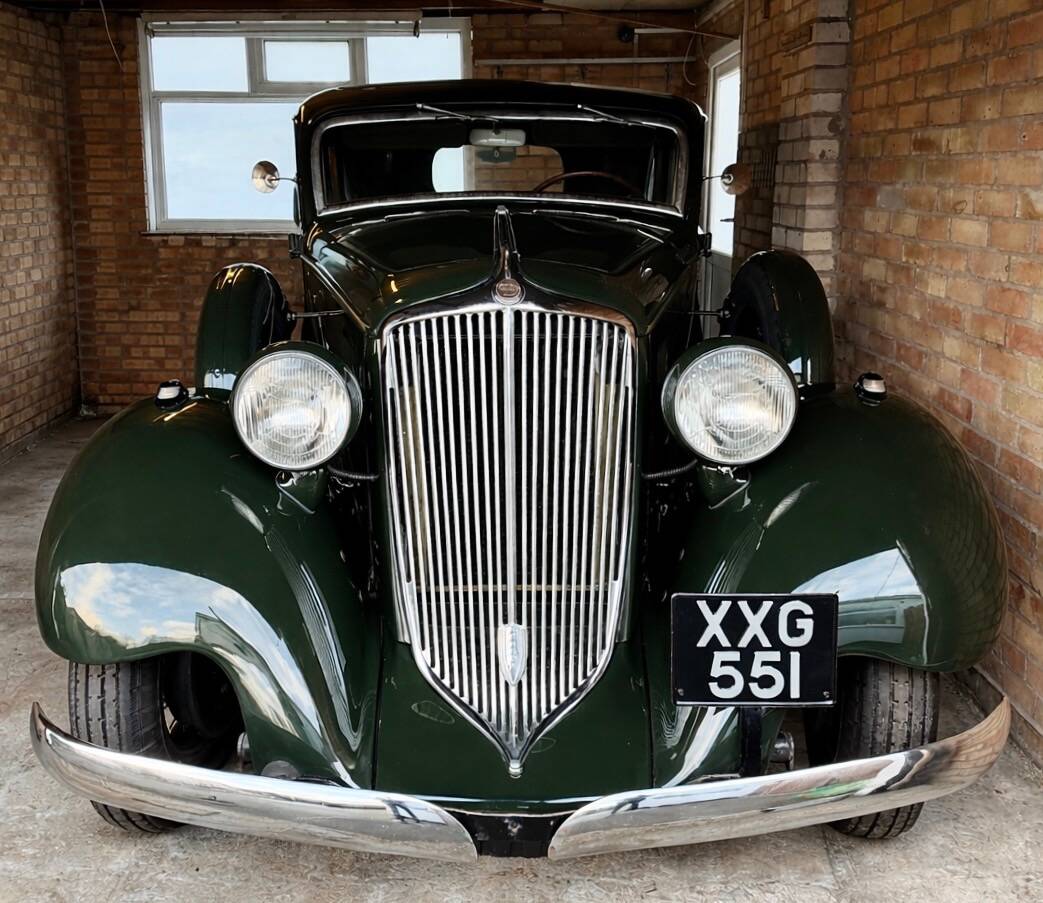
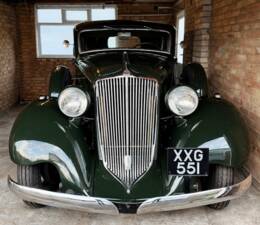
1932-33 Graham Blue Streak Eight - A Recognised Milestone in Automotive History.
The Graham Blue Streak is widely regarded as one of the most influential American automobiles of the pre-war era and is officially listed as the 19th most significant vehicle on the United States National Historic Vehicle Register. For collectors and investor-minded enthusiasts, it represents a rare opportunity to acquire a genuinely important design-turning-point car.
The Blue Streak was nothing short of disruptive. By early-1930s standards it was radically advanced, attracting industry-wide attention much like the Cord L-29 had earlier, yet the Graham was a mainstream production automobile, not an exotic. Its impact was immediate and profound, setting a new template that much of the American industry would follow within just a few years.
Central to this breakthrough was chief engineer Louis Thorns’ innovative “deep banjo” frame, featuring straight side rails and a rear axle passing through the chassis on outboard-mounted springs. This design delivered exceptional rigidity, improved stability, and a dramatically lower centre of gravity while avoiding the traditional rear frame kick-up. The wider track and outboard spring placement further enhanced road-holding and roll resistance.
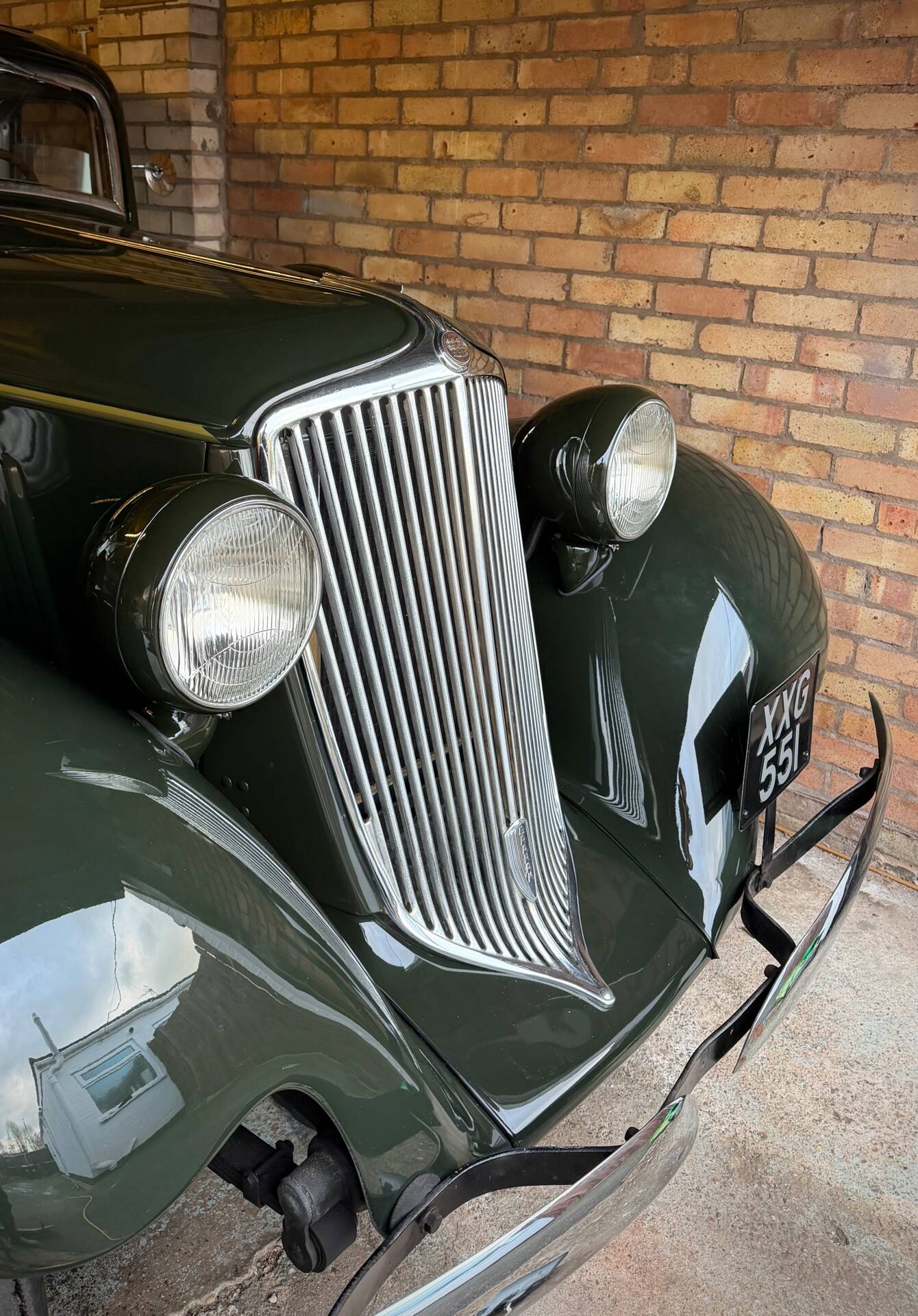
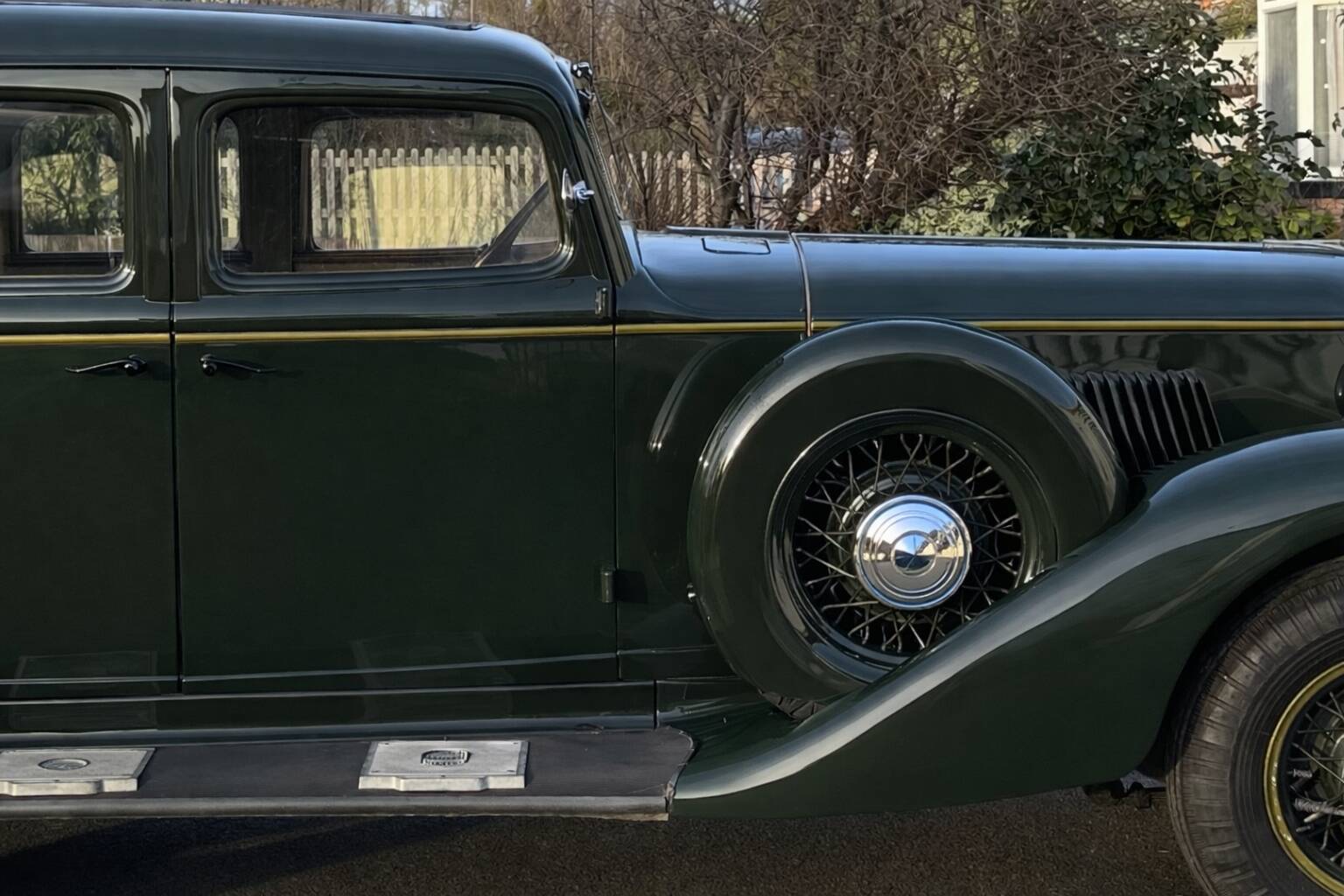
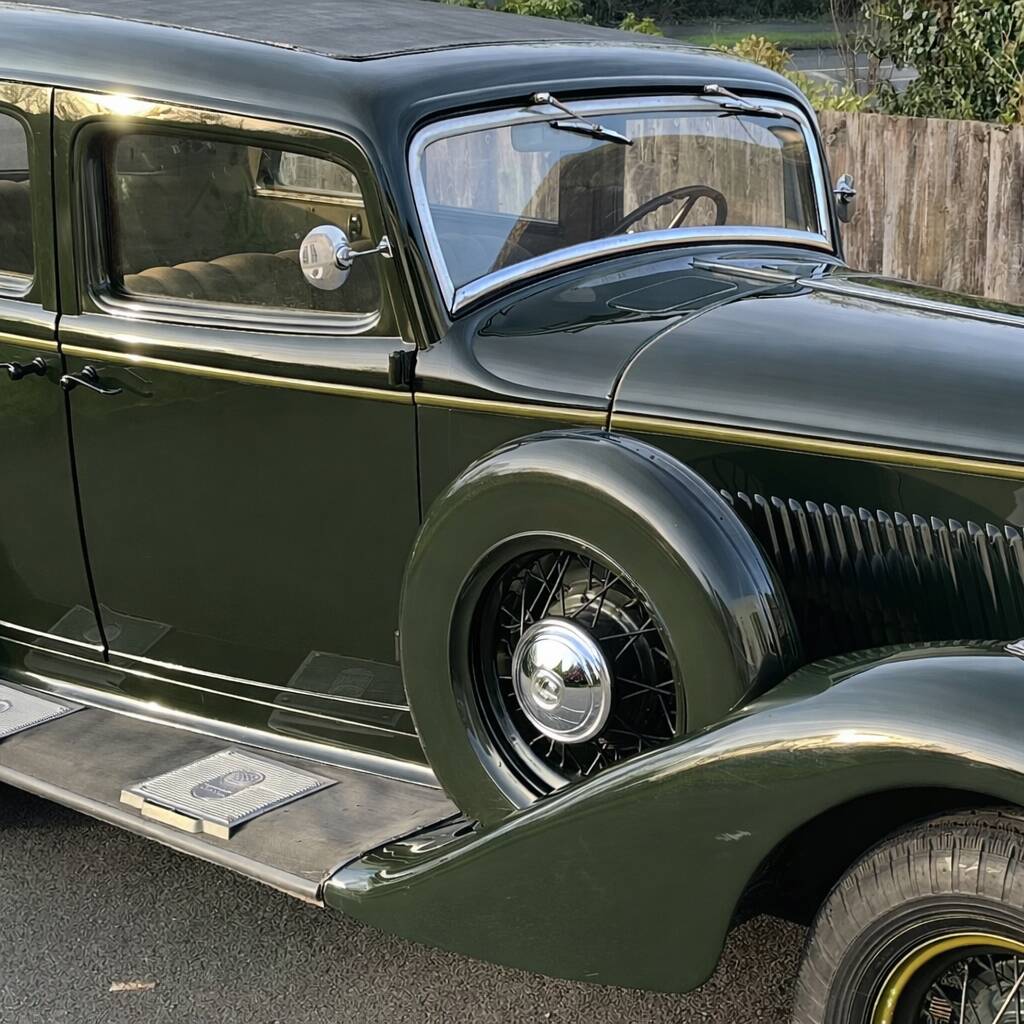
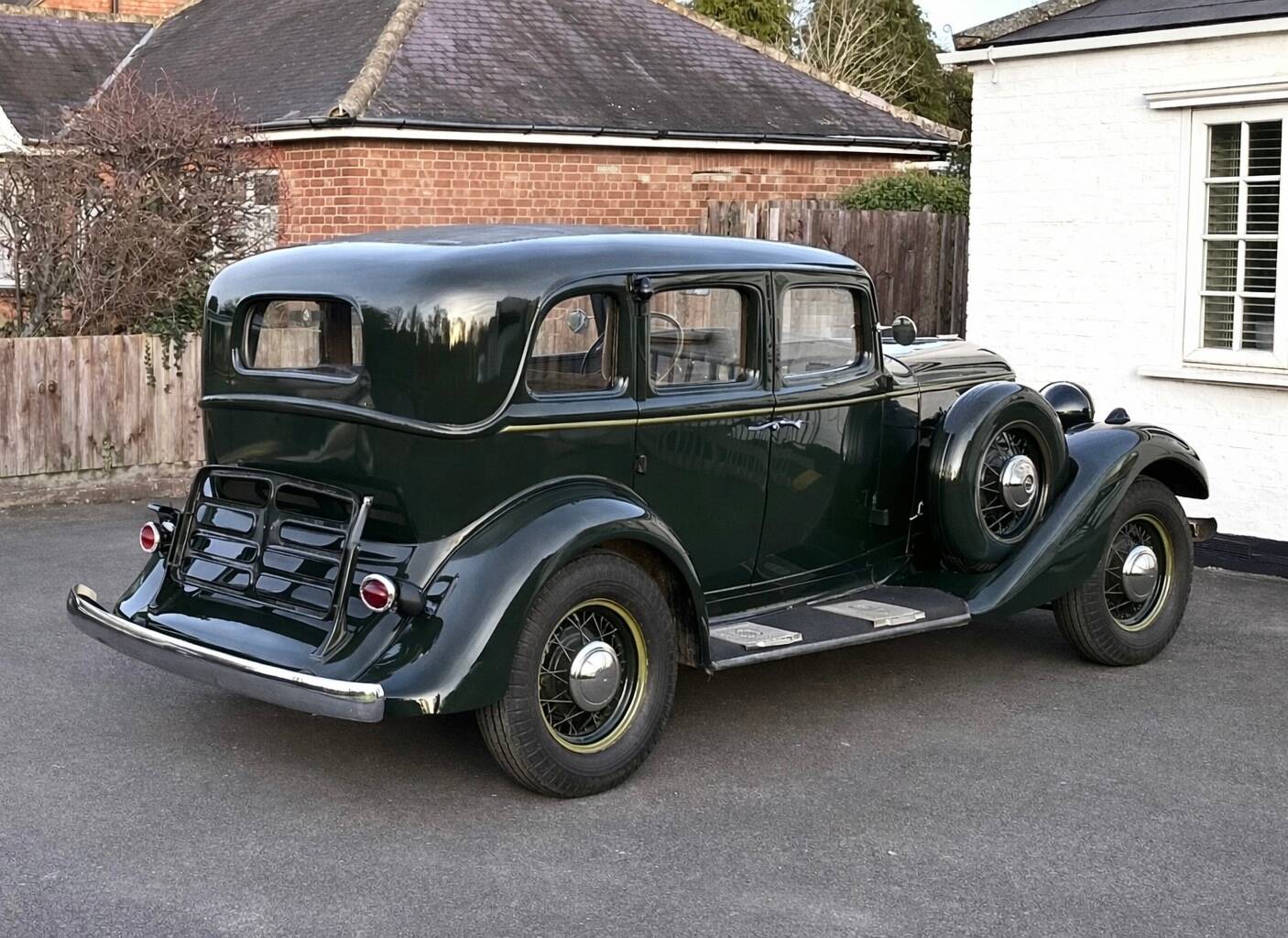
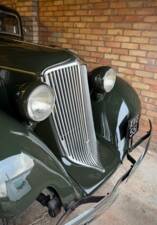
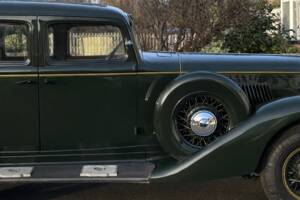
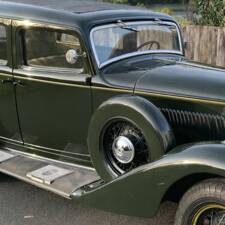
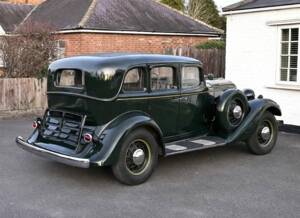
This advanced chassis architecture enabled designer Amos Northup to execute one of the first fully unified American automotive designs. The Blue Streak integrated once-separate elements into a coherent whole: enclosed (“valanced”) fenders, painted and tucked-in headlamps, a raked grille and windshield, partially enclosed wheels, a hidden undercarriage, and a wider, lower stance that decisively broke with the upright carriage-era look. Graham’s 1933 marketing claim “The most imitated car on the road” was fully validated, as by 1934 nearly every major U.S. manufacturer had adopted key elements of the Blue Streak’s design language.
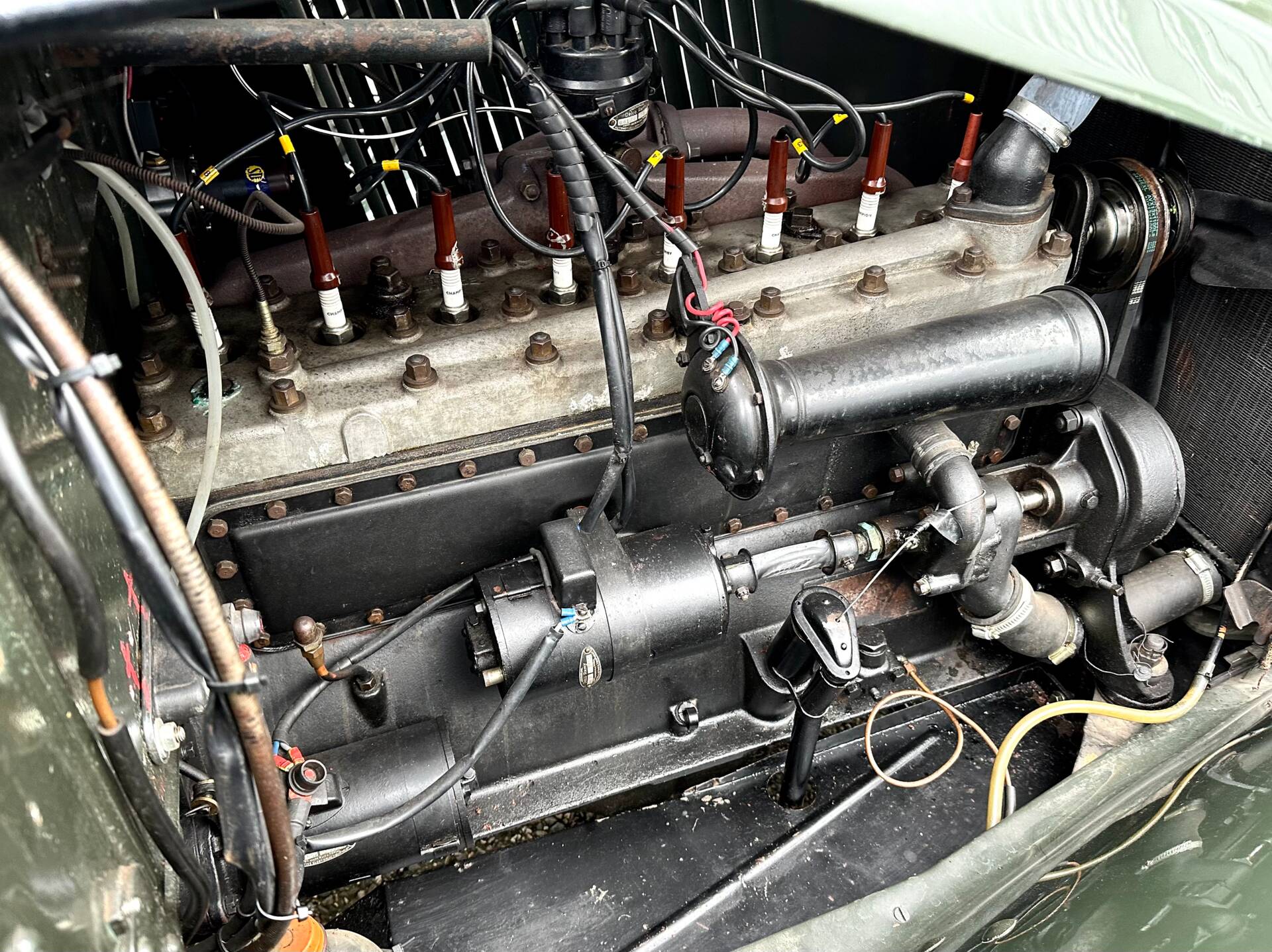
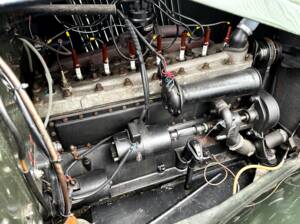
The car was not merely a styling exercise. Power came from Graham’s 245.4 cu in L-head straight-eight producing approximately 90 hp, paired with a Warner-Gear three-speed “silent second” transmission. Period engineering highlights included improved cam profiles, an aluminium cylinder head, advanced brake drum construction and refinements aimed squarely at ride quality, stability, and durability.
The Blue Streak’s performance credibility was emphatically demonstrated when Erwin “Cannon Ball” Baker completed a coast-to-coast U.S. run in a 1933 example in just 53.5 hours, a record that stood for nearly forty years and later inspired the 1981 film ‘The Cannonball Run’.
Despite its technical and stylistic brilliance, the Blue Streak entered the market during the depths of the Great Depression. Production numbers were therefore modest, with approximately 10,967 examples built for the 1933 model year. Survival rates today are extremely low.
This particular car offers:
• Exceptionally low global survival context. Of the 10,967 Blue Streaks built in 1933, only around 20 Model 64 Standard Eight examples are believed to exist, according to Graham Owners Club International.
• Official recognition as a museum-level historical vehicle, ranked #19 on the U.S. National Historic Vehicle Register.
• Long-term single-family provenance, delivered new to a diamond dealer in Antwerp and retained by the same family for over 70 years. It was confiscated by the Germany army and returned to its owner some two years after the war had ended. It also spent some time in the Belgian Congo with the diamond mine owner.
• Original 90 hp straight-eight engine; mechanically straightforward for collectors familiar with pre-war American engineering.
• Factory fitted wire wheels and very rare running-board step plates.
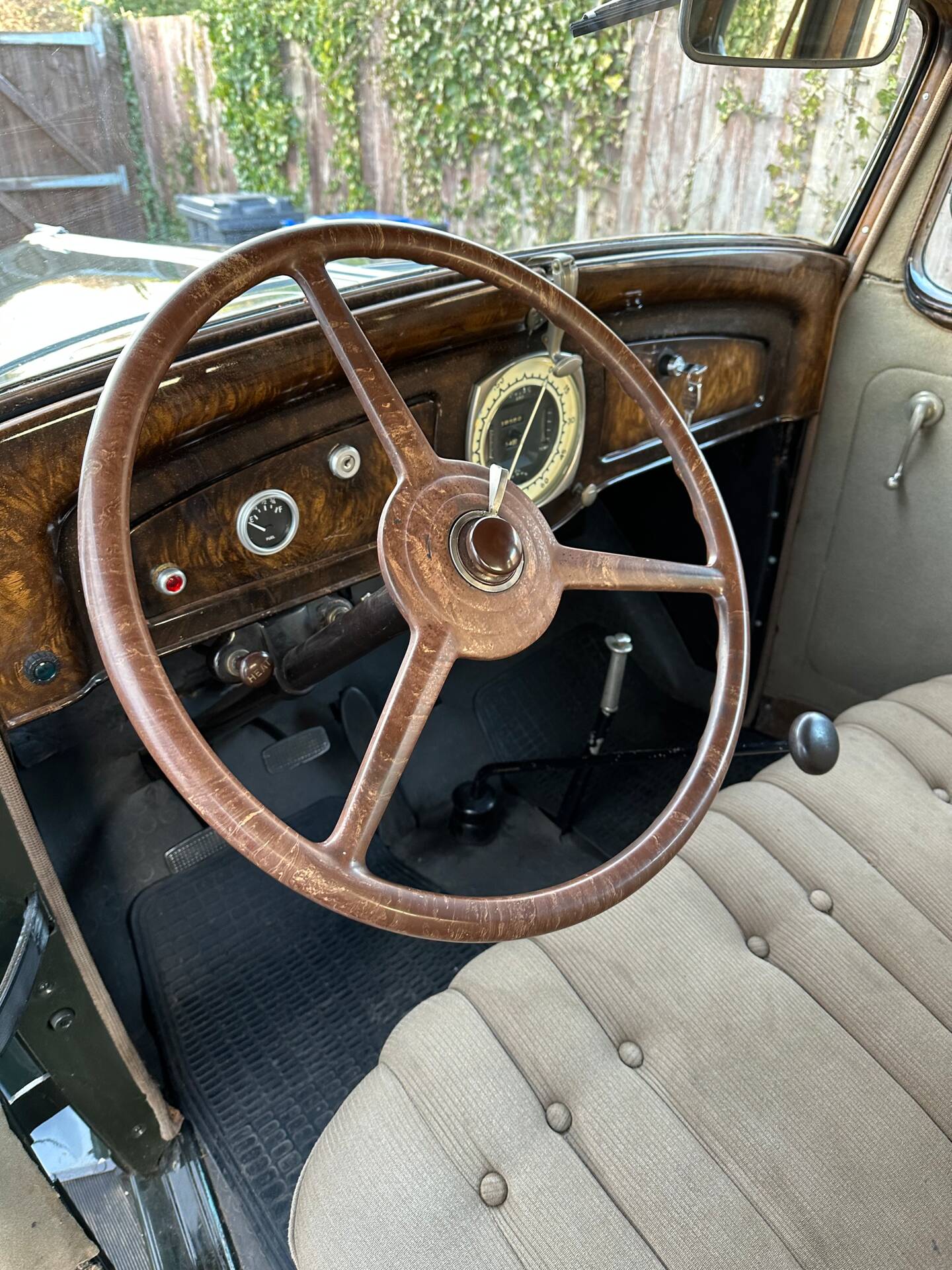
• 6-volt electrical system.
• New ignition components and fresh fluids.
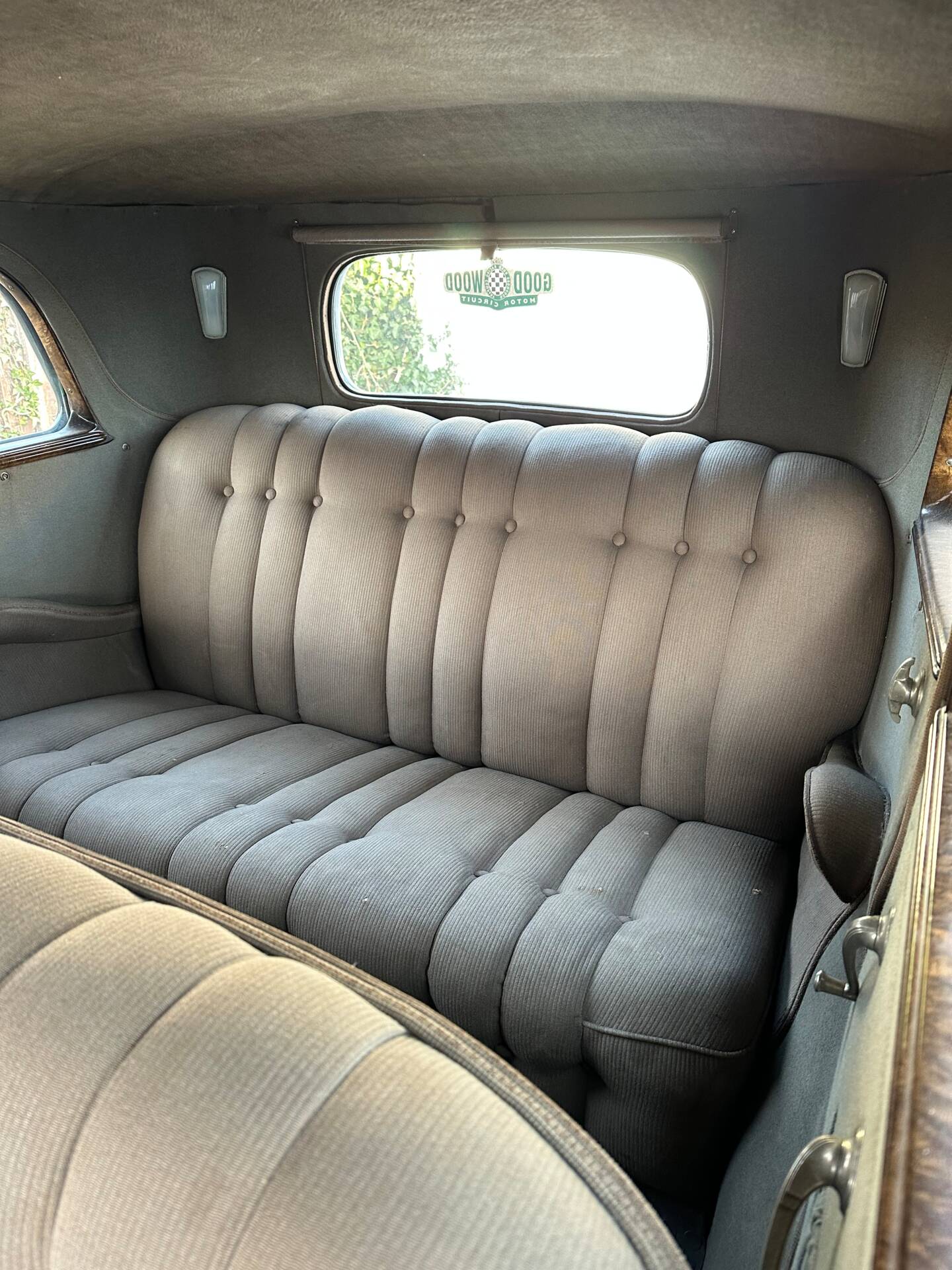
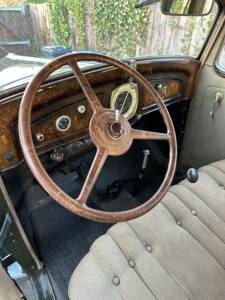
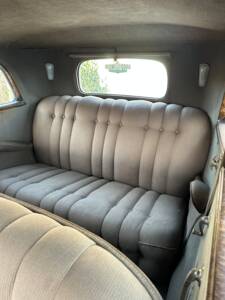
• Solid body and chassis with very good paint; some light cosmetic improvement recommended in a few areas.
• Excellent parts availability, with over 15,000 parts accessible via Graham Club contacts in the USA (If needed).
• Importantly, this is a rare Blue Streak that has not been converted into a hot rod. One of a few remaining factory built original cars.
Included with the car:
• Original owner’s manual
• Spare parts
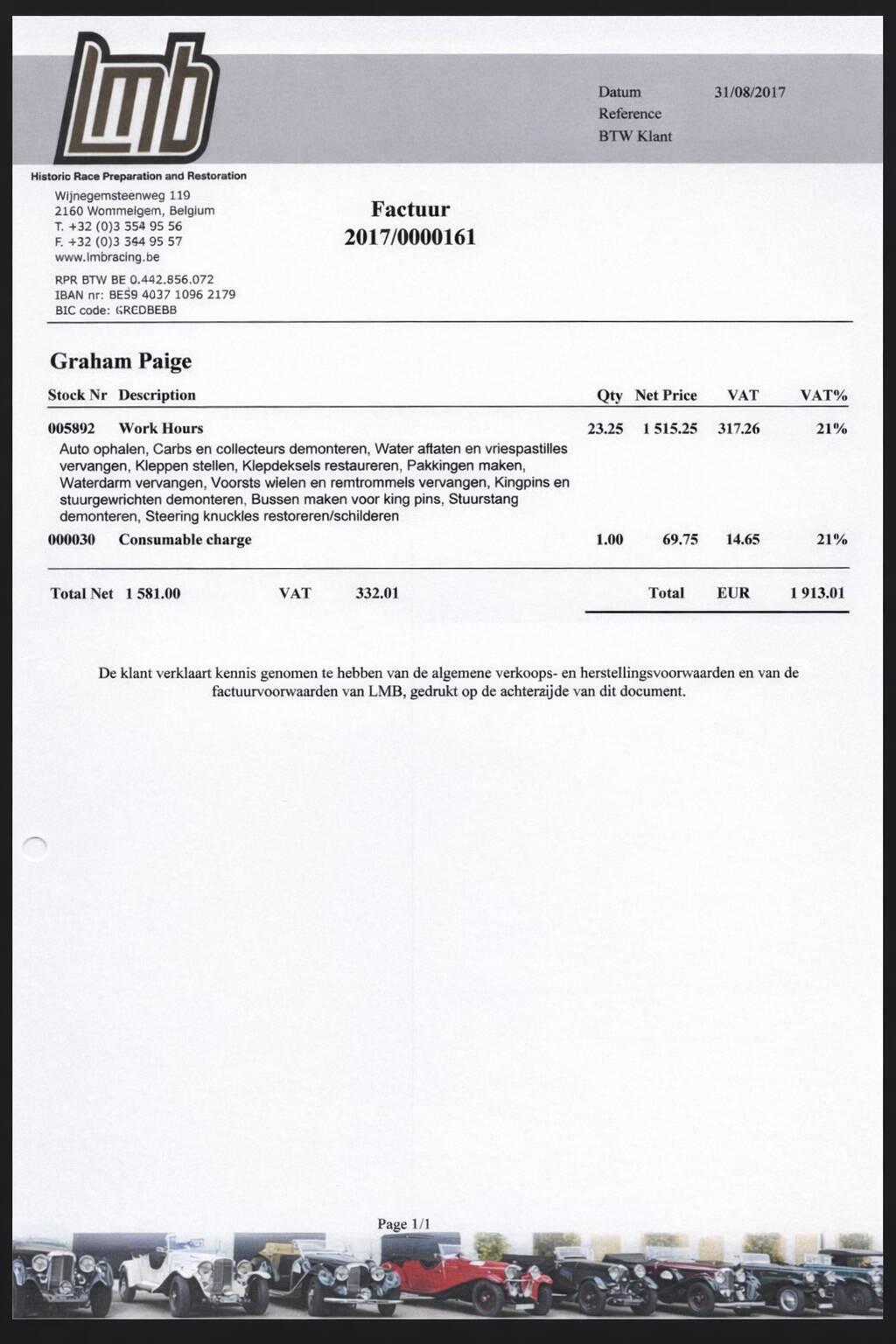
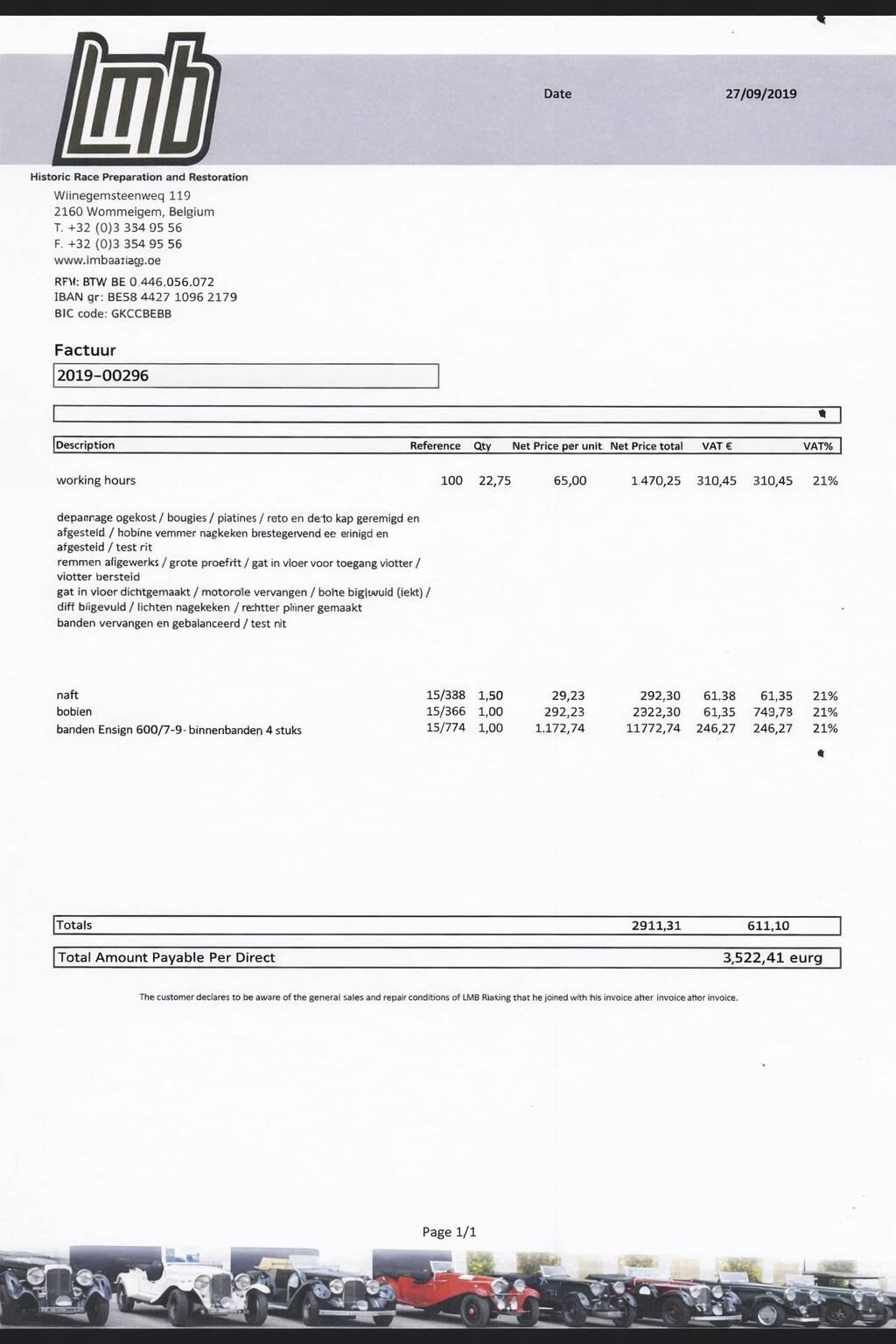
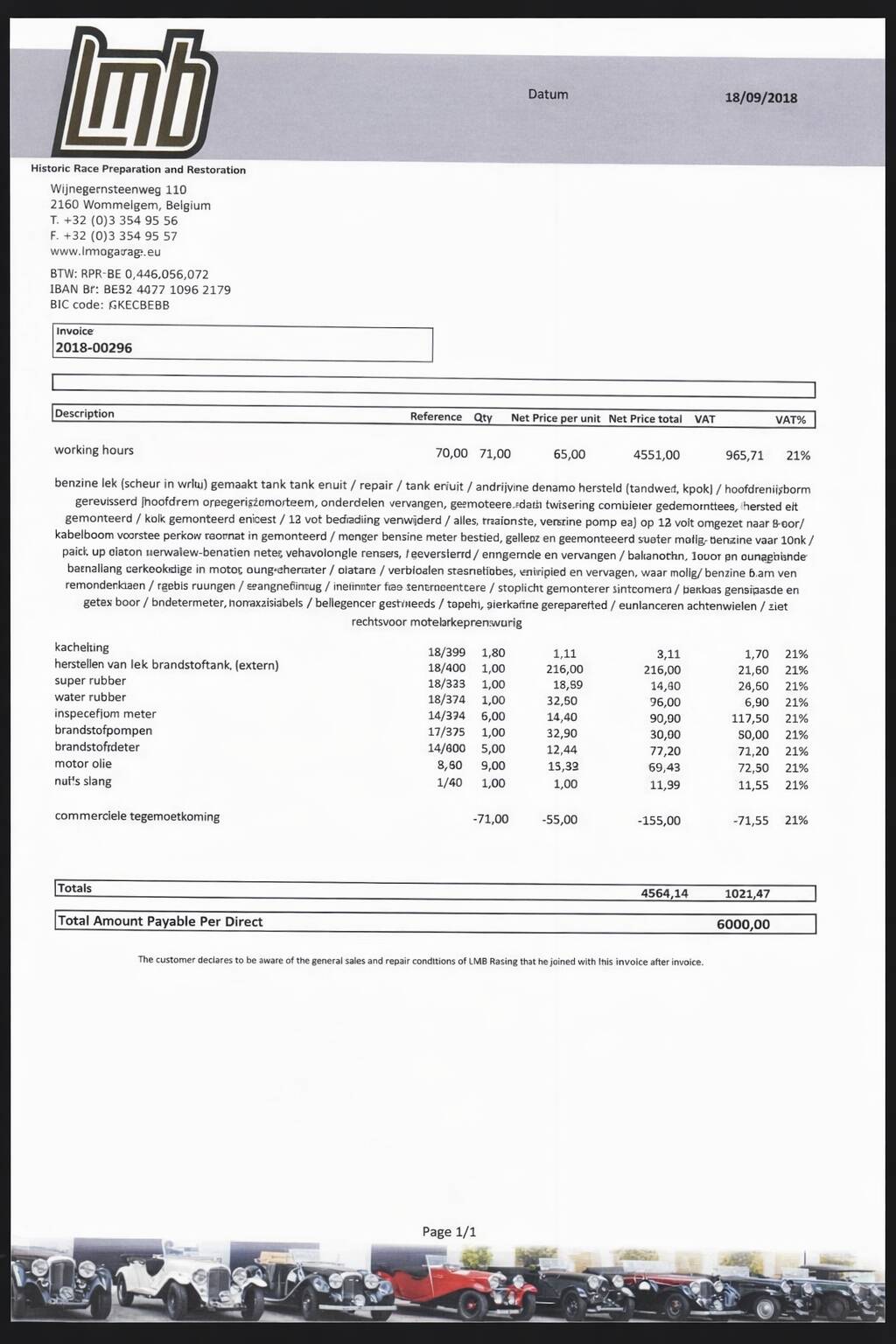
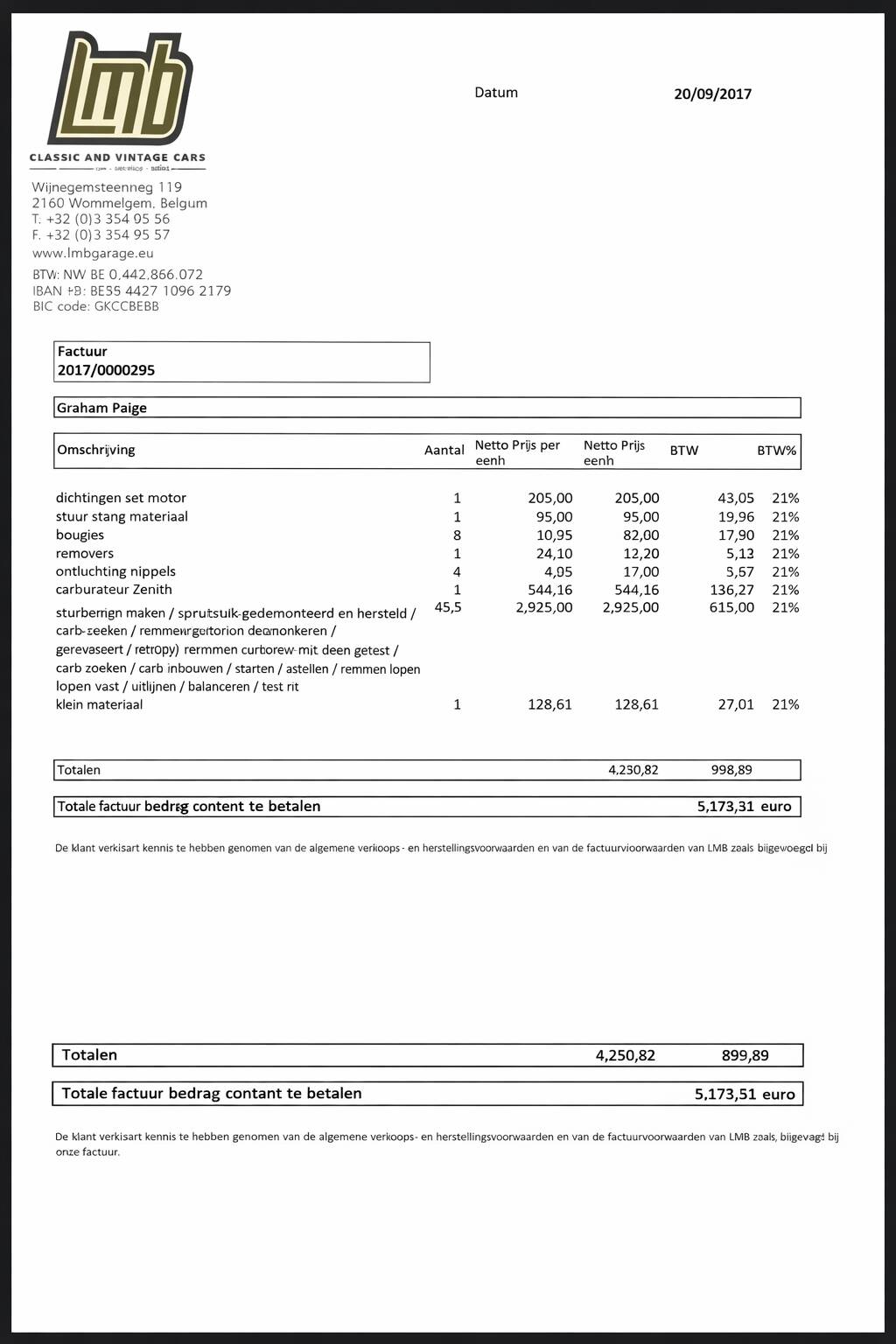
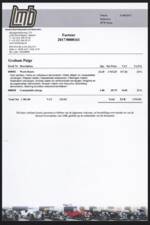
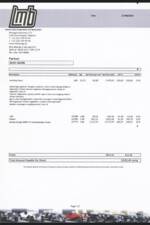
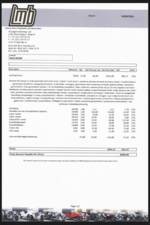
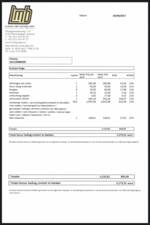
• Belgian works invoices totalling €16,600 (attached)
The Graham Blue Streak is not merely a handsome pre-war automobile; it is a well-documented inflection-point design that reshaped American automotive engineering and aesthetics. Examples very rarely surface on the open market, typically trading privately. The last known public auction appearance was in the United States in 2014.
For discerning collector-investors who understand pre-war design evolution and who are looking beyond the usual Packard, Pierce-Arrow, or Auburn offering, this Graham represents a compelling opportunity to secure an historically significant American automobile.
Part-exchange or swap for another car may be considered.