FIAT Dino classic cars for sale
The Fiat Dino stands out as a unique chapter in automotive history—born from an unprecedented collaboration between Fiat and Ferrari to homologate a V6 engine for Formula 2 racing. Whether as a sleek Coupé by Bertone or a flowing Spider by Pininfarina, the Dino boasts Ferrari power, a sporting character, and distinct Italian charm. Enthusiasts value its genuine connection to Ferrari engineering and rare build numbers. Explore the full Fiat Dino range and discover the enduring allure of this remarkable piece of automotive heritage.
Search results
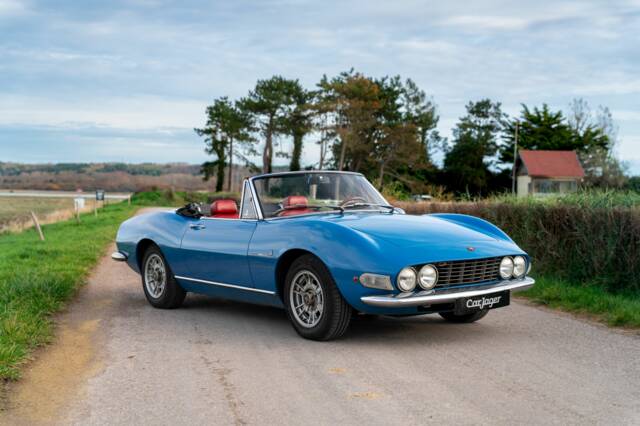
1968 | FIAT Dino Spider
Fiat Dino 2000 Spider 1968 - Très bel état - Garantie 12 mois
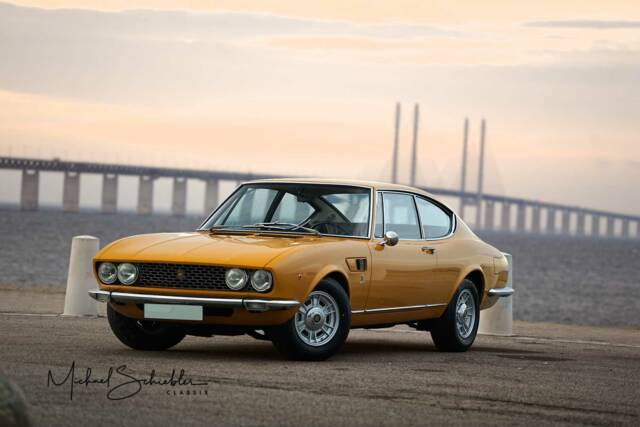
1968 | FIAT Dino Coupe
Super condition!
Auctions ending soon

Loading…
Loading…
Loading…
Loading…
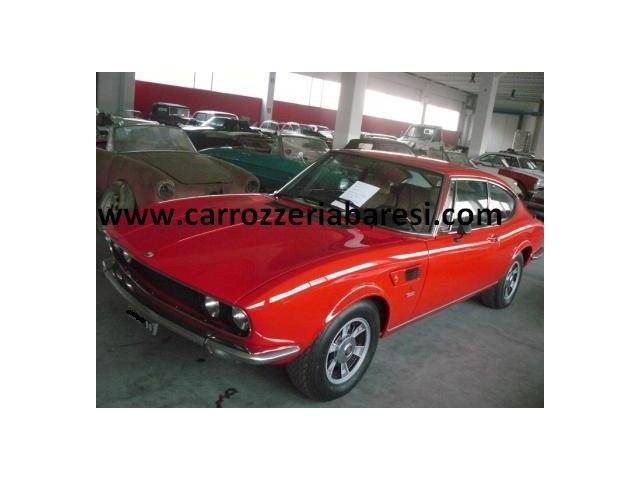
1970 | FIAT Dino 2400 Coupe
Fiat Dino coupé 2400
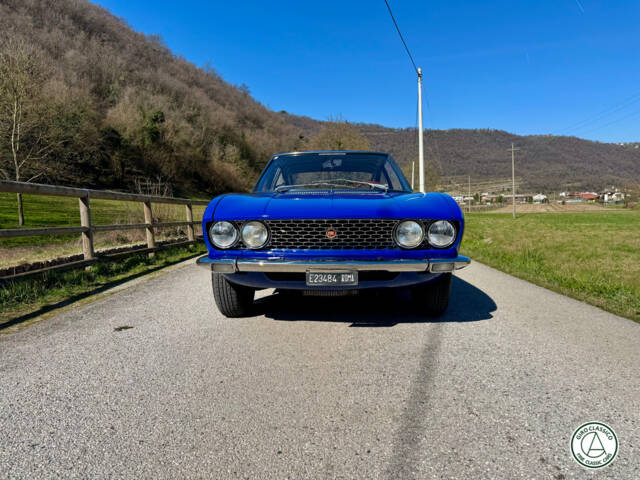
1968 | FIAT Dino Coupe
Nice cosmetic restoration with many mechanical works
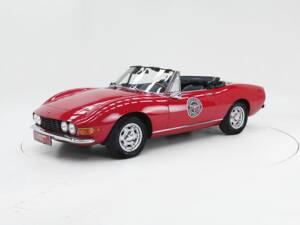
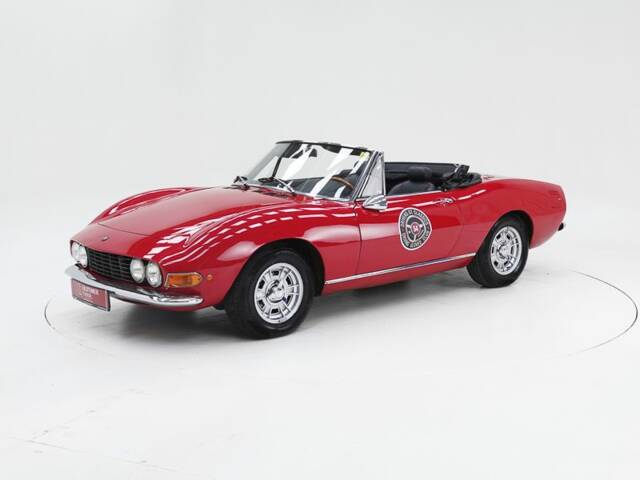
1968 | FIAT Dino Spider
1968 Fiat Dino Spider '68
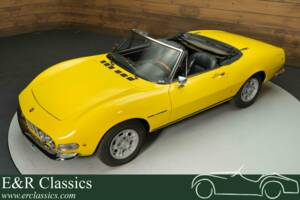
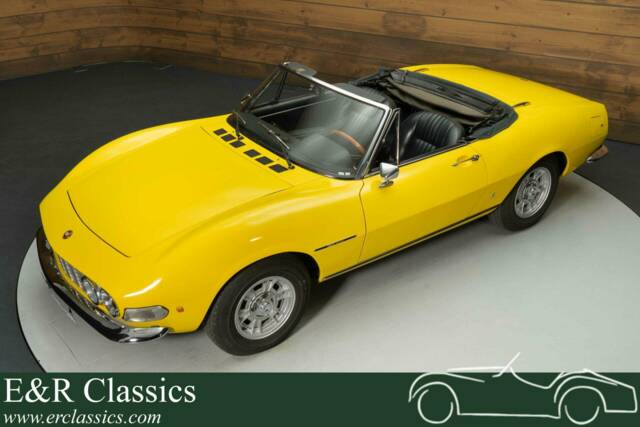
1967 | FIAT Dino Spider
Fiat Dino Spider 2000 | Gerestaureerd | Ferrari V6 | 1967
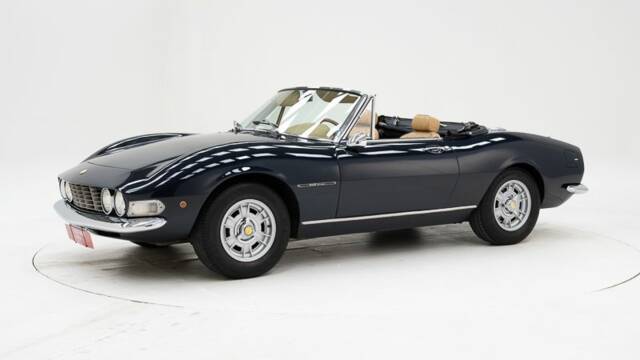
1967 | FIAT Dino Spider
1967 Fiat Dino spider '67
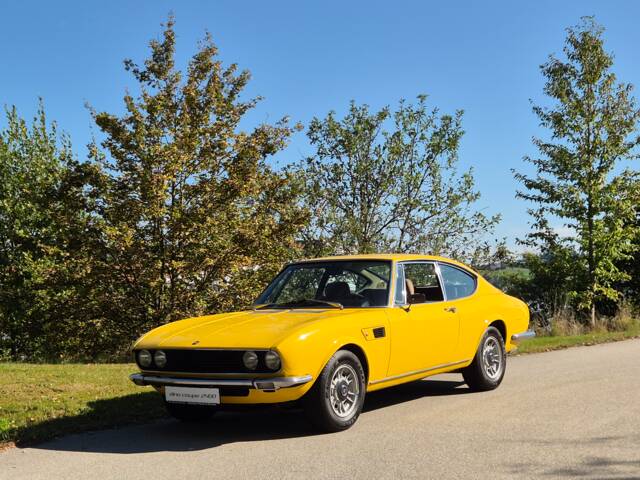
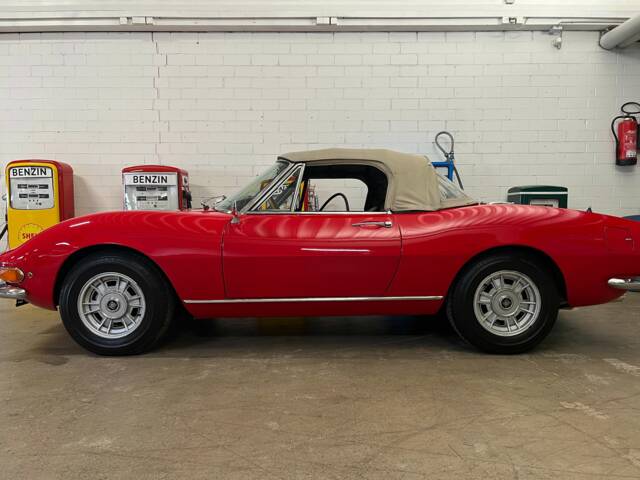
1968 | FIAT Dino Spider
Fiat Dino
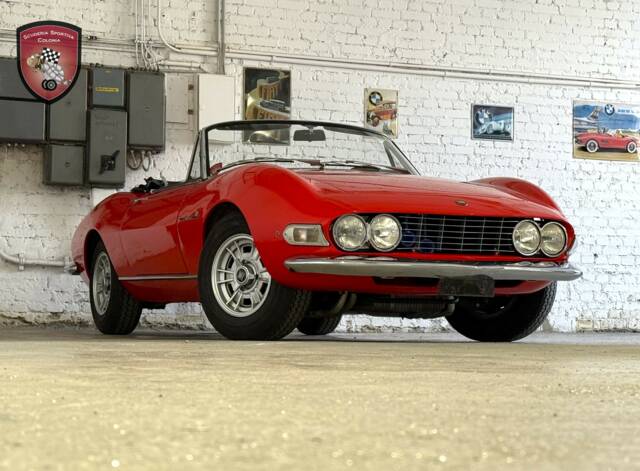
1969 | FIAT Dino Spider
restauriert vom Dino Spezialisten
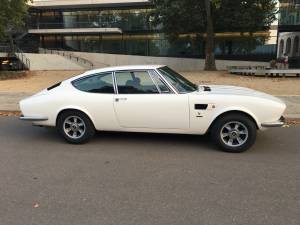
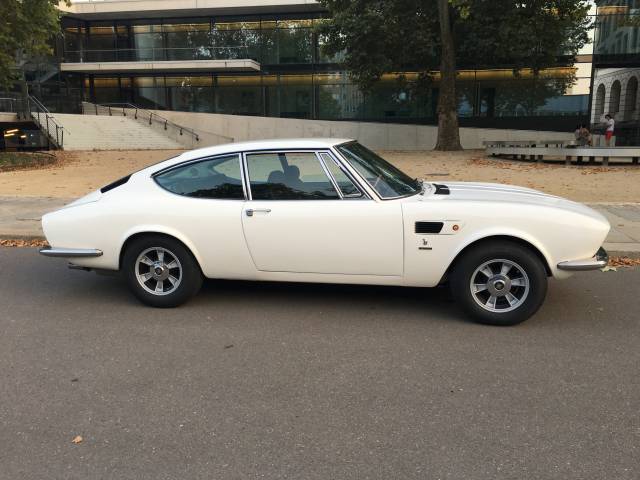
1970 | FIAT Dino 2400 Coupe
TOP ANGEBOT
VAT is reclaimable
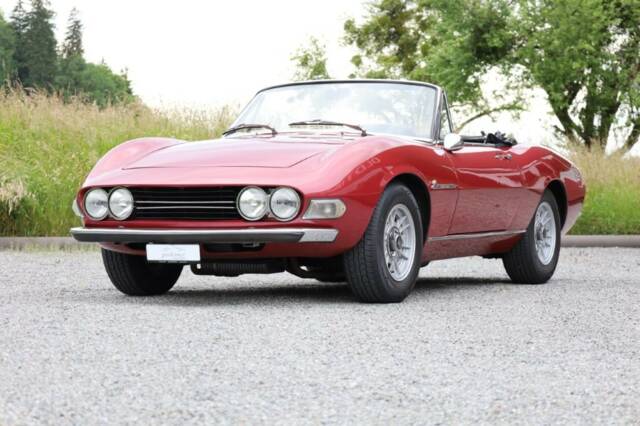
1968 | FIAT Dino Spider
Sammlerstück, Schweizer Erstauslieferung aus 2. Hand, (1 von 1163)
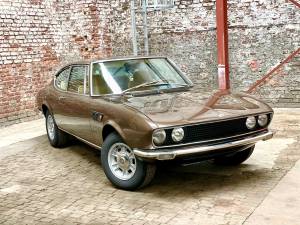
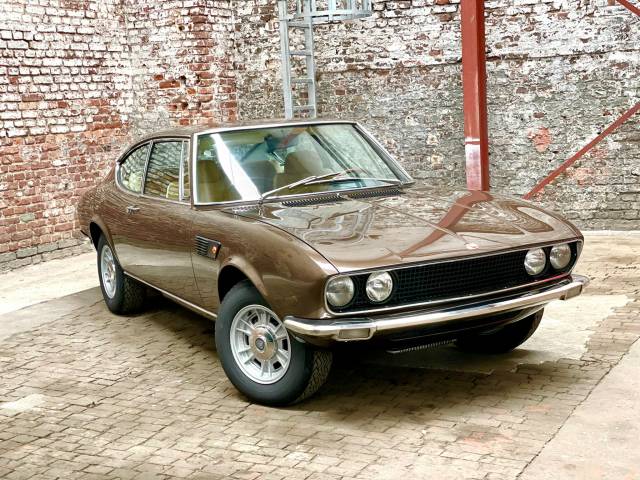
1971 | FIAT Dino 2400 Coupe
*matching in allen Details*
FIAT Dino listing references from Classic Trader
Below you will find listings related to your search that are no longer available on Classic Trader. Use this information to gain insight into availability, value trends, and current pricing for a "FIAT Dino" to make a more informed purchasing decision.
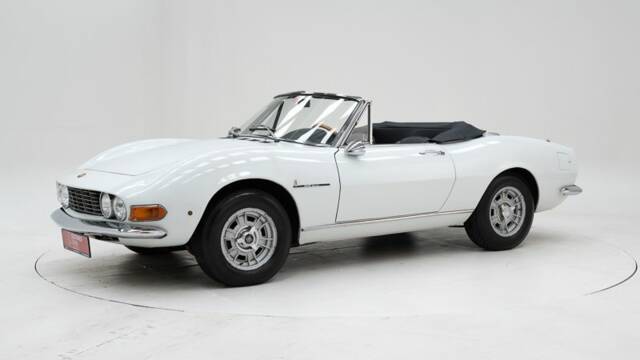
1967 | FIAT Dino Spider
1967 Fiat Dino Spider '67
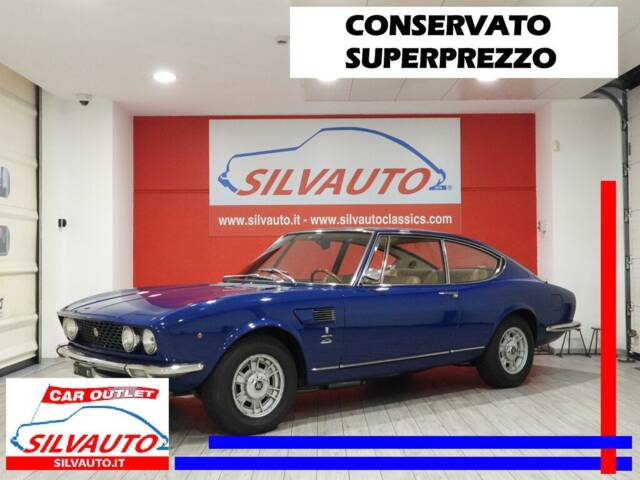
1968 | FIAT Dino Coupe
FIAT DINO COUPE’ 2000 TIPO 135 AC (1968) CONSERVATO – SUPERPREZZO
History of the Fiat Dino
The Fiat Dino owes its origins to Alfredo "Dino" Ferrari, whose vision for a V6 engine became the seed for this model's story. In the mid-1960s, new Formula 2 regulations required engines used in race cars to be derived from series production units. Ferrari, unable to meet the required production volume alone, joined forces with Fiat to facilitate homologation. This collaboration resulted in the Fiat Dino—introducing the remarkable Ferrari-designed V6 engine to a road car and enabling its engines to power Ferrari's Formula 2 efforts. The model debuted at the 1966 Turin Motor Show, immediately making waves for its technical sophistication and direct link to racing technology. Production continued until 1972, after which there was no direct successor.
Model History
The Fiat Dino was offered in two distinct body styles: the Spider, shaped by Pininfarina with its flowing, cabriolet lines, and the Coupé, penned by Bertone with contributions from Giorgetto Giugiaro and Marcello Gandini. The 2.0-litre V6 (1,986 cm³, DOHC, approx. 160 hp) was the original engine, available until 1969. A major revision in 1969 saw the introduction of a 2.4-litre V6 (2,418 cm³, 180 hp), along with mechanical improvements such as all-round independent suspension and a ZF five-speed gearbox. Of the total production—less than 8,000 examples—roughly 25% were Spiders, making them notably rarer. The Dino’s predecessor in Fiat’s range was the 2300 Coupé, and there was no direct follow-up after 1972. The Ferrari Dino 206/246 GT and the Lancia Stratos also used the core engine developed for this car.
Highlights of the Fiat Dino
At the heart of the Fiat Dino lies its Ferrari-designed V6, first intended for Formula 2 and Formula 1. Notable features include a dual overhead camshaft (DOHC) setup, three twin-choke Weber carburettors on the 2.0-litre, and a maximum power output of up to 180 hp in the late 2.4 Coupe and Spider. The model range stands out for its split identity—sporting prowess infused with Italian design, and build numbers ensuring exclusivity. The subtle design differences between Spider and Coupé versions; the use of materials like wood, leather, and magnesium alloys (for wheels); and period-correct details such as chrome trim, round instrumentation, and original ‘Campagnolo’ or ‘Cromodora’ alloys, elevate the Dino among its peers.
Technical Data
Special Editions and Collectible Models
Rarity defines the desirability of Fiat Dino variants: the Spider is the scarcest, with just over 1,500 built (2.0 and 2.4-litre models combined), compared to roughly 4,800 Coupés. Original examples in colours like 'Bianco Polo Park' (white), 'Hazelnut', or 'Giallo Colorado', and those with matching numbers and original fitments—including unique factory accessories or Abarth exhausts—are particularly sought after among collectors. Models with extensive documentation or rare features, such as original Campagnolo wheels or preserved interiors, stand out as collectible highlights.
Engine and Performance, Transmission and Handling
The Fiat Dino’s V6, jointly developed by Vittorio Jano, Franco Rocchi, and Aurelio Lampredi, is a mechanical centrepiece. Its DOHC setup, supported by triple Weber carburettors on most 2.0-litre variants, offers quick throttle response and flexible power delivery. The 2.0-litre models can rev to 7,000/7,200 rpm and reach top speeds around 200 km/h, while the 2.4-litre achieves 210 km/h and benefits from a limited-slip differential. The later models’ fully independent suspension delivers marked improvements in cornering and ride comfort versus the earlier live-axle design. All variants utilise disc brakes at each wheel, ensuring effective stopping power for the era. The five-speed transmission provides a sporting yet civilised drive, especially when matched to the 2.4’s torque. - Fiat Dino 2.0 Spider: Earliest and rarest, pronounced sports focus, manual steering.
- Fiat Dino 2.0 Coupé: Larger production numbers, classic Bertone styling, originally rear leaf spring suspension.
- Fiat Dino 2.4 Spider: Improved chassis with all-round independent suspension, sought-after among driving enthusiasts.
- Fiat Dino 2.4 Coupé: Combines luxury trim with power, practical 2+2 seating.
Interior, Comfort, Exterior and Design
The Fiat Dino’s design credits read like a who’s who of Italian automotive style: Bertone (Coupé) and Pininfarina (Spider). Hallmarks include an elongated bonnet, short rear deck, and crisp side profile. The Spider’s silhouette remains admired for its pure, uncluttered form, while the Coupé projects a slightly more angular presence. Interiors range from leather to velour or vinyl, with wood-rimmed steering wheels and real wood dashboards standard on early cars. Colour choices reflected Italian tastes, with vibrant reds, deep blues, metallic tones, and, on rare occasion, hues like green or yellow. Period options included radio, additional dials, air fans, and Campagnolo or Cromodora magnesium wheels. Factory and aftermarket Abarth exhausts, original toolkits, and spare wheels further define the well-equipped Dino.
Other Features
Many Fiat Dino examples have been at least partially restored or resprayed over decades, but the most valued examples remain in original condition with matching-numbers and comprehensive documentation. The dashboard usually features round, analogue instruments in kilometres, and almost all cars are left-hand drive. Specialist evaluations (e.g. ASI Gold Plaques in Italy, classic car appraisals in Germany) often increase a car’s desirability and market value.
Summary
The Fiat Dino combines Ferrari-bred engineering with Italian style, delivered through two distinct body styles by master designers. With a production total below 8,000 units, sporting performance, rarity, and authentic racing pedigree, it occupies a unique position in automotive history—and in the hearts of driving enthusiasts. Demand and supply indicators underscore the Dino’s enduring appeal, especially for those seeking a classic with a pure link to motorsport heritage.