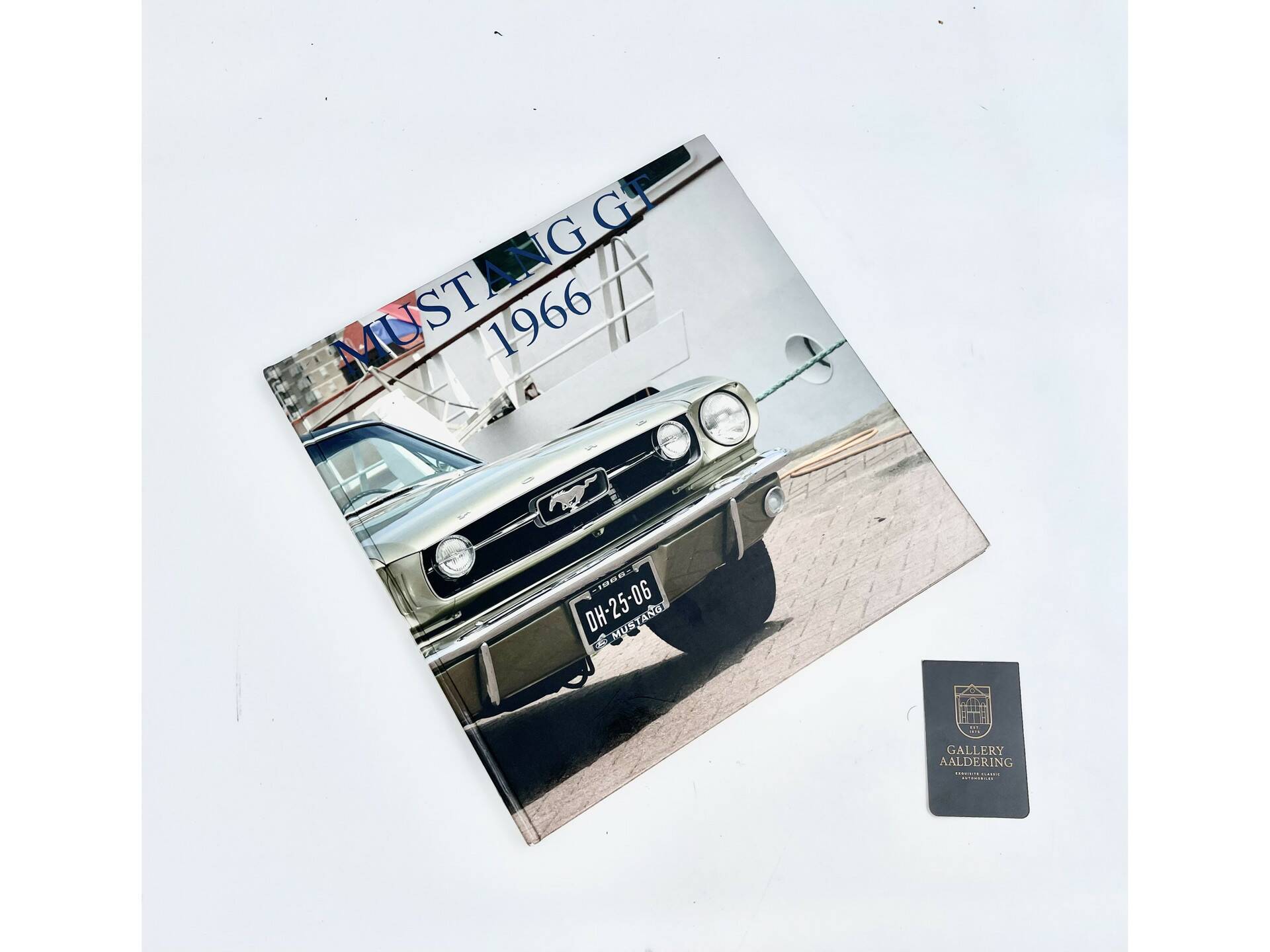
Registration number: DH-25-06
Manufacturer: Gallery Aaldering Arnhemsestraat 47 6971AP BRUMMEN, NL 0575564055 http://www.gallery-aaldering.com info@gallery-aaldering.com
“Restore my Mustang to concours condition.” A simple instruction, at least on paper. But what happens when the owner giving that instruction happens to know almost every nut, bolt, and detail of a first-generation Mustang? Suddenly, “good” is no longer good enough. Neither is “very good.” In this case, there was really only one acceptable standard: as close to perfect as possible. And judging by the results, that instruction was taken rather seriously.
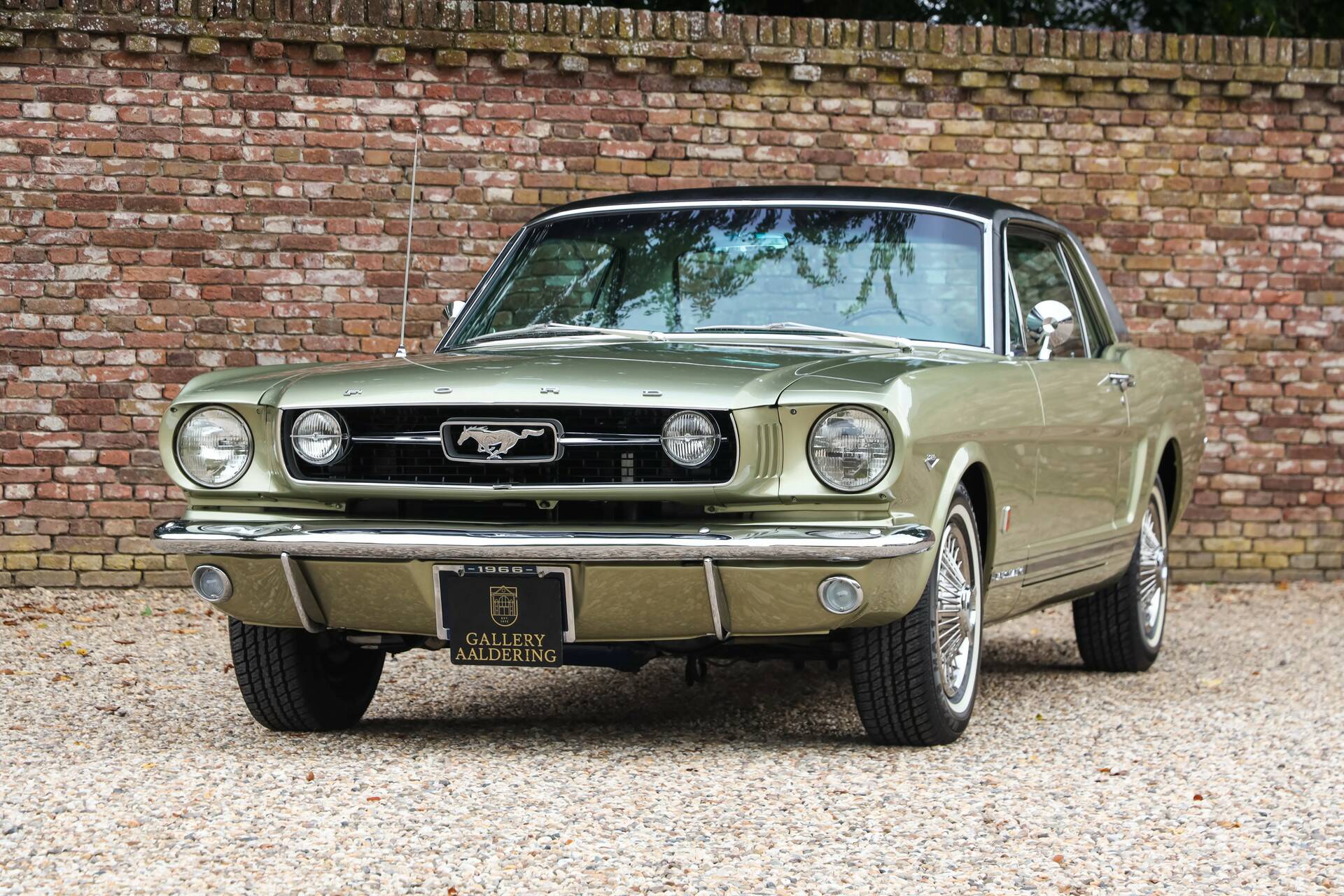
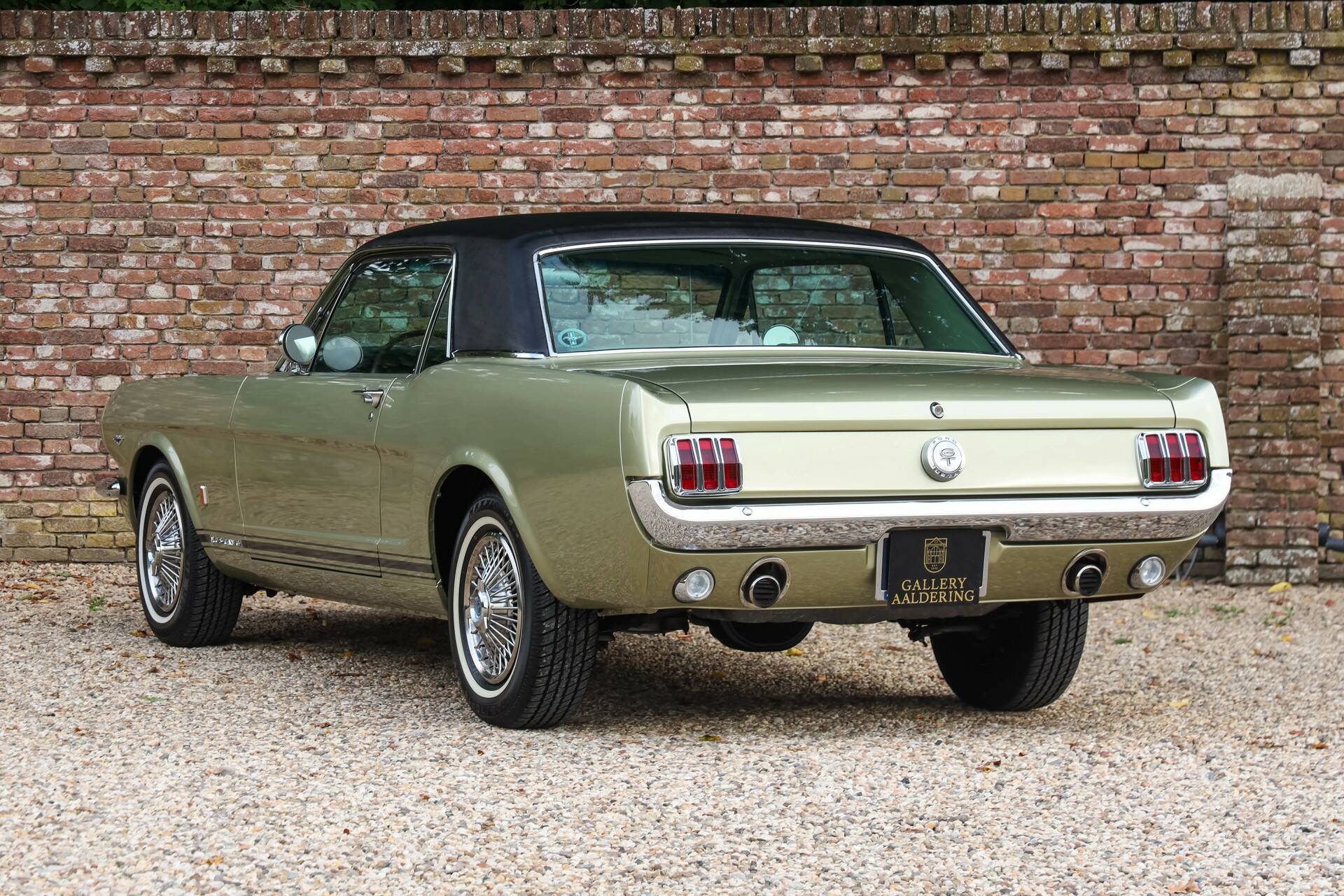
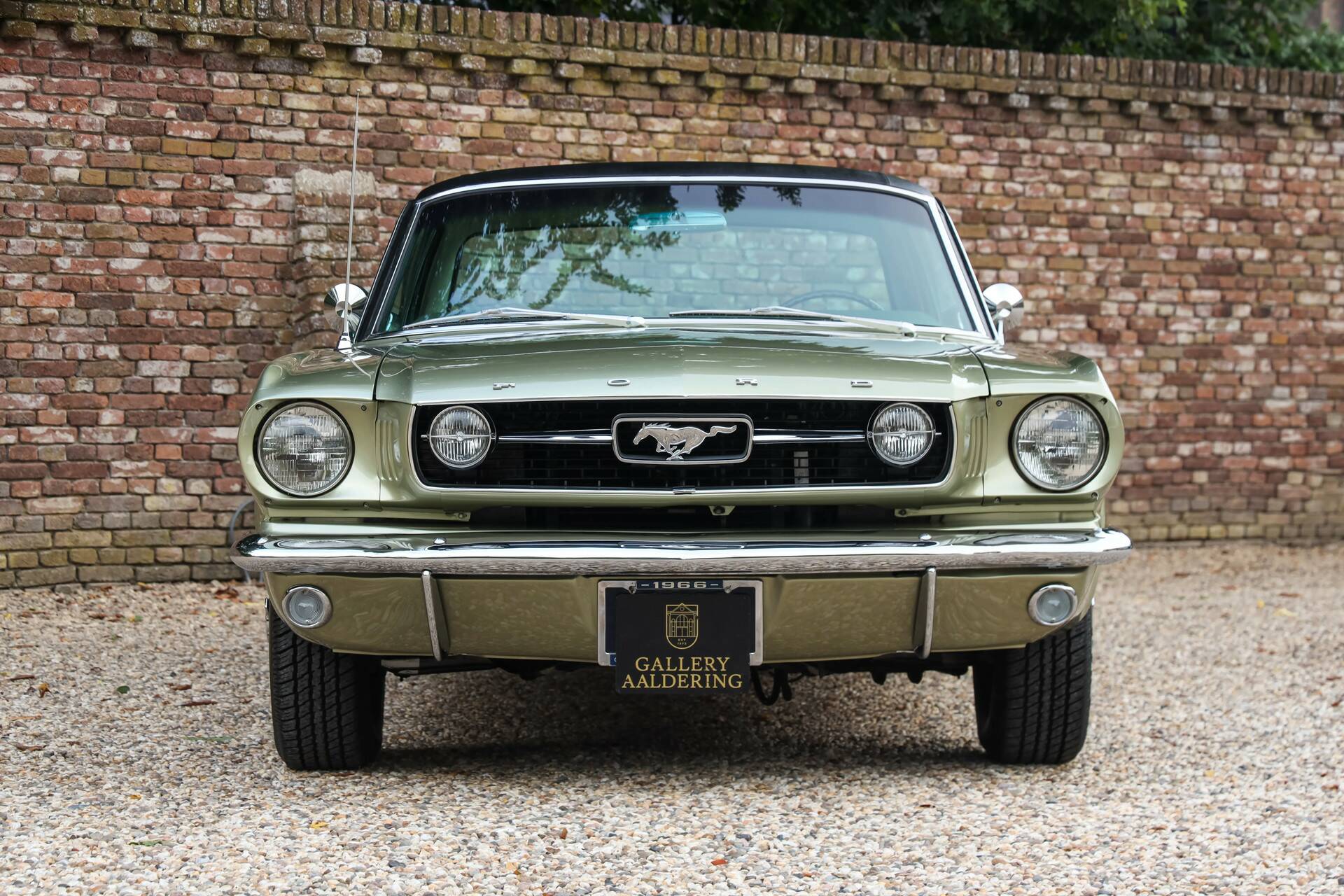
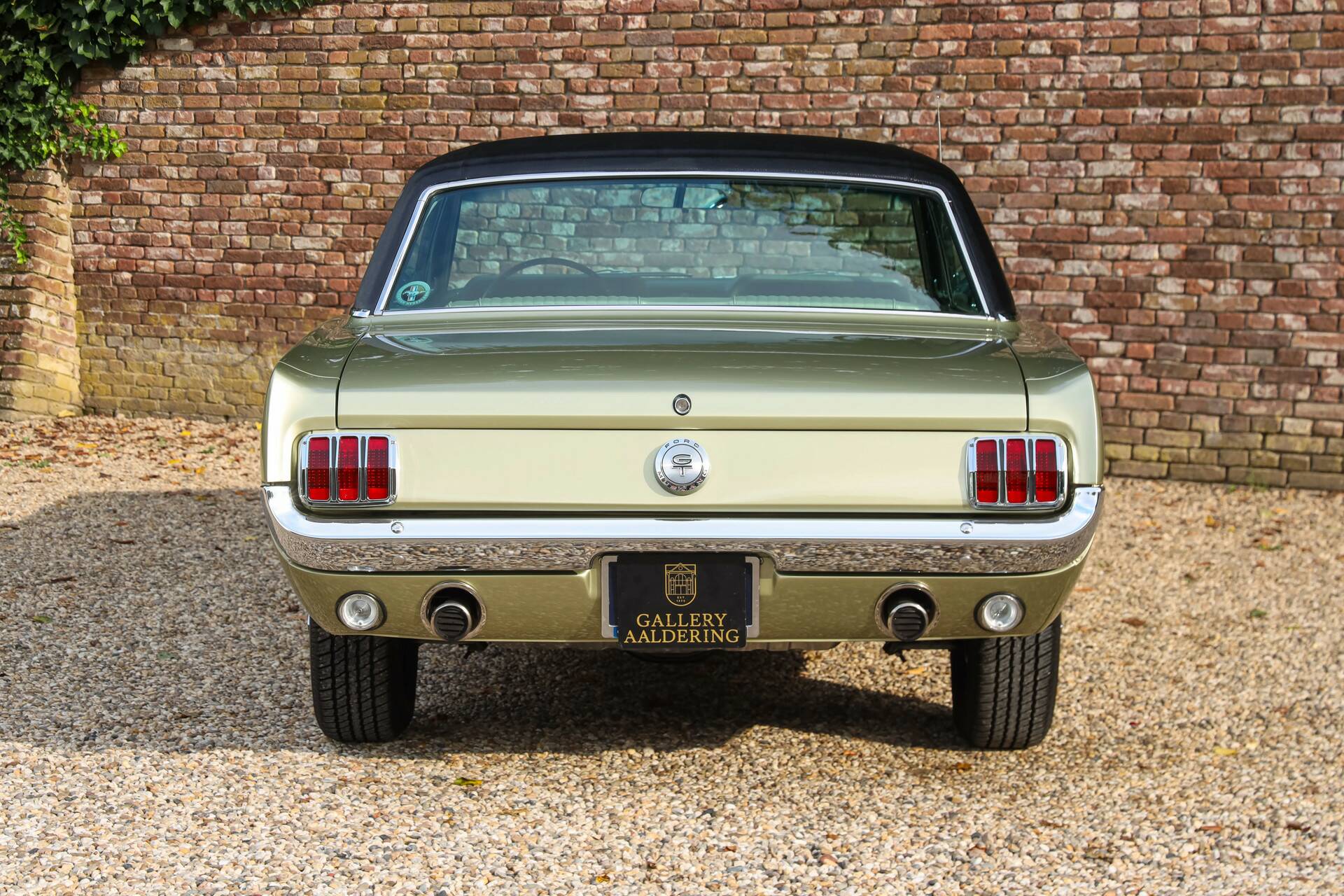
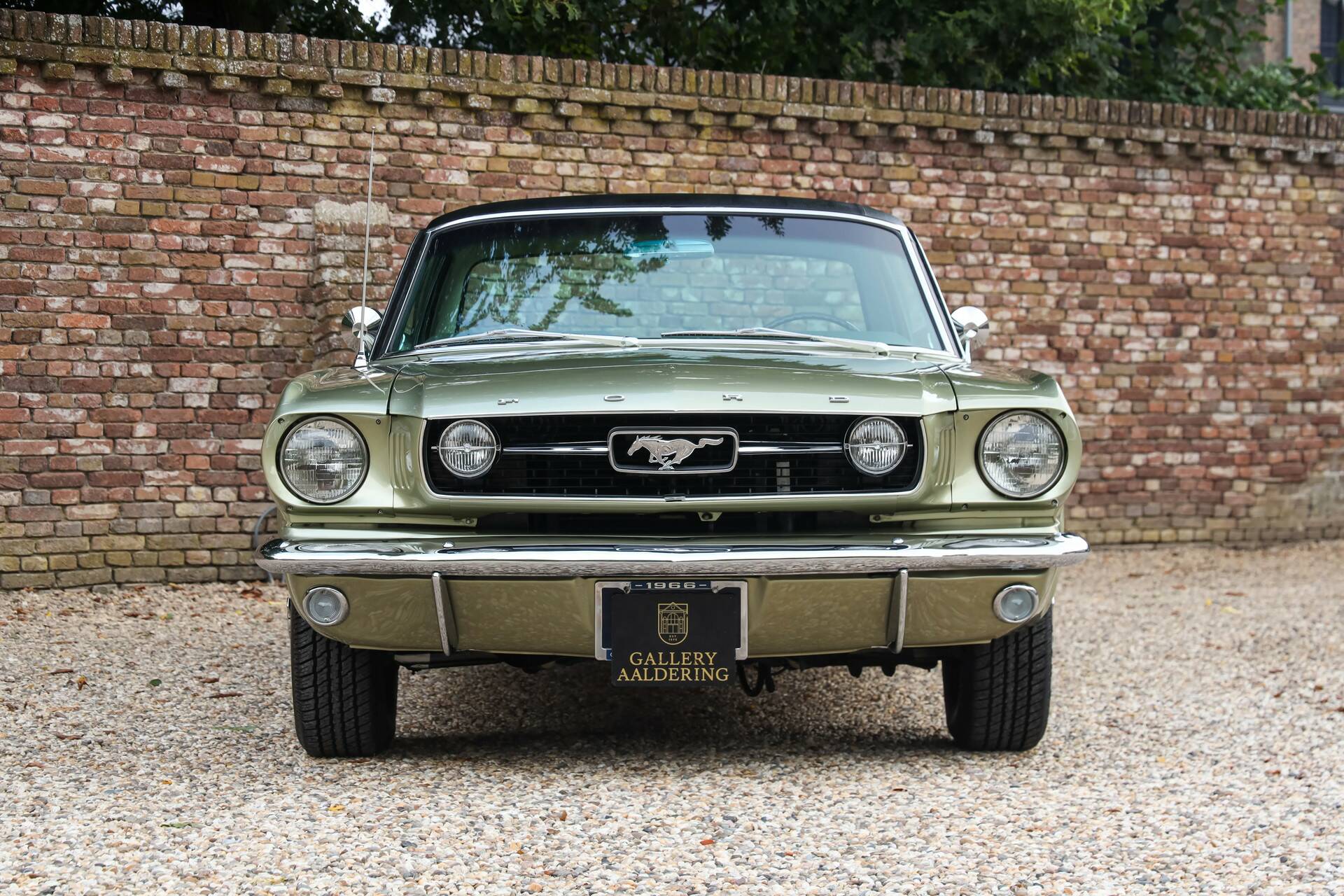
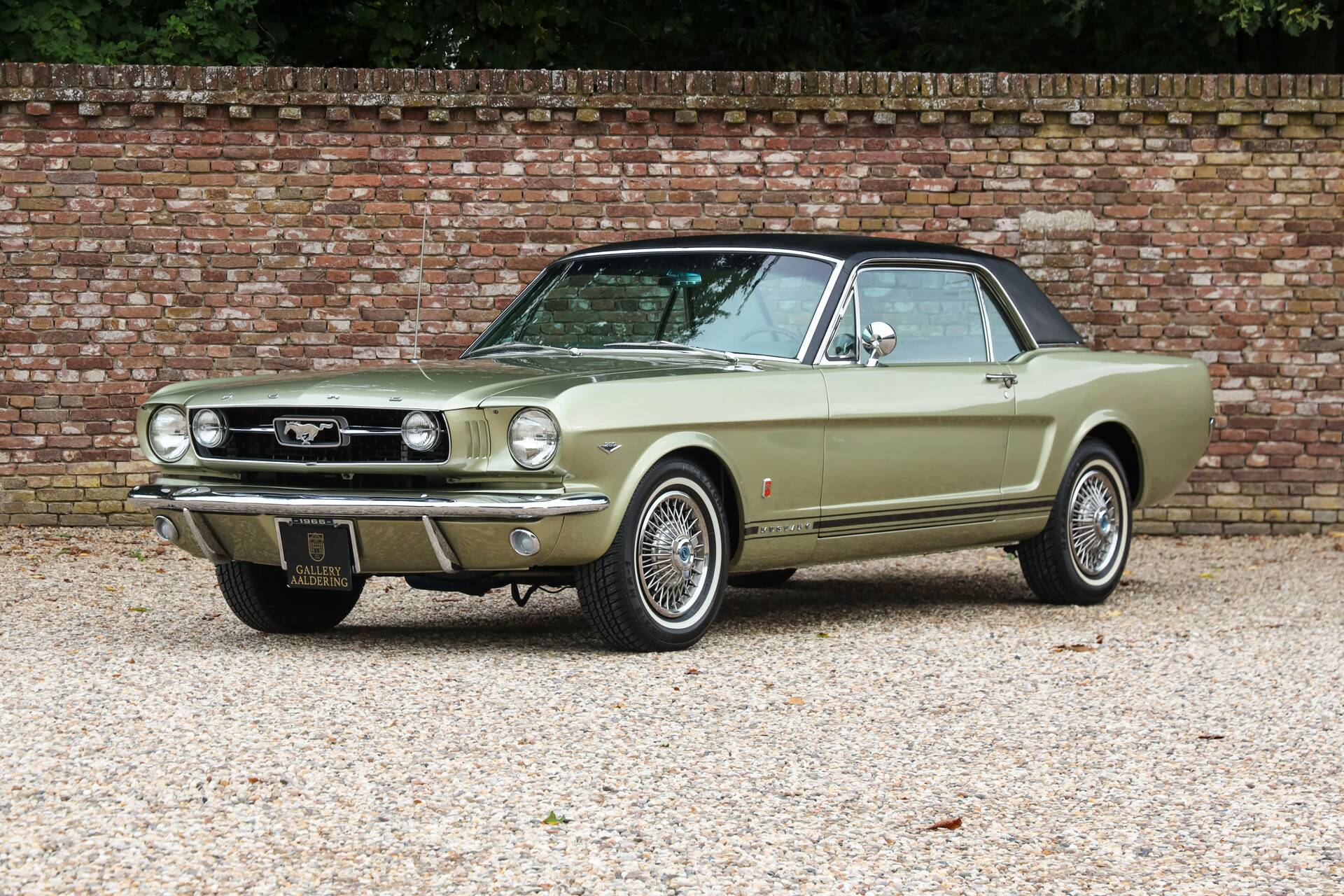
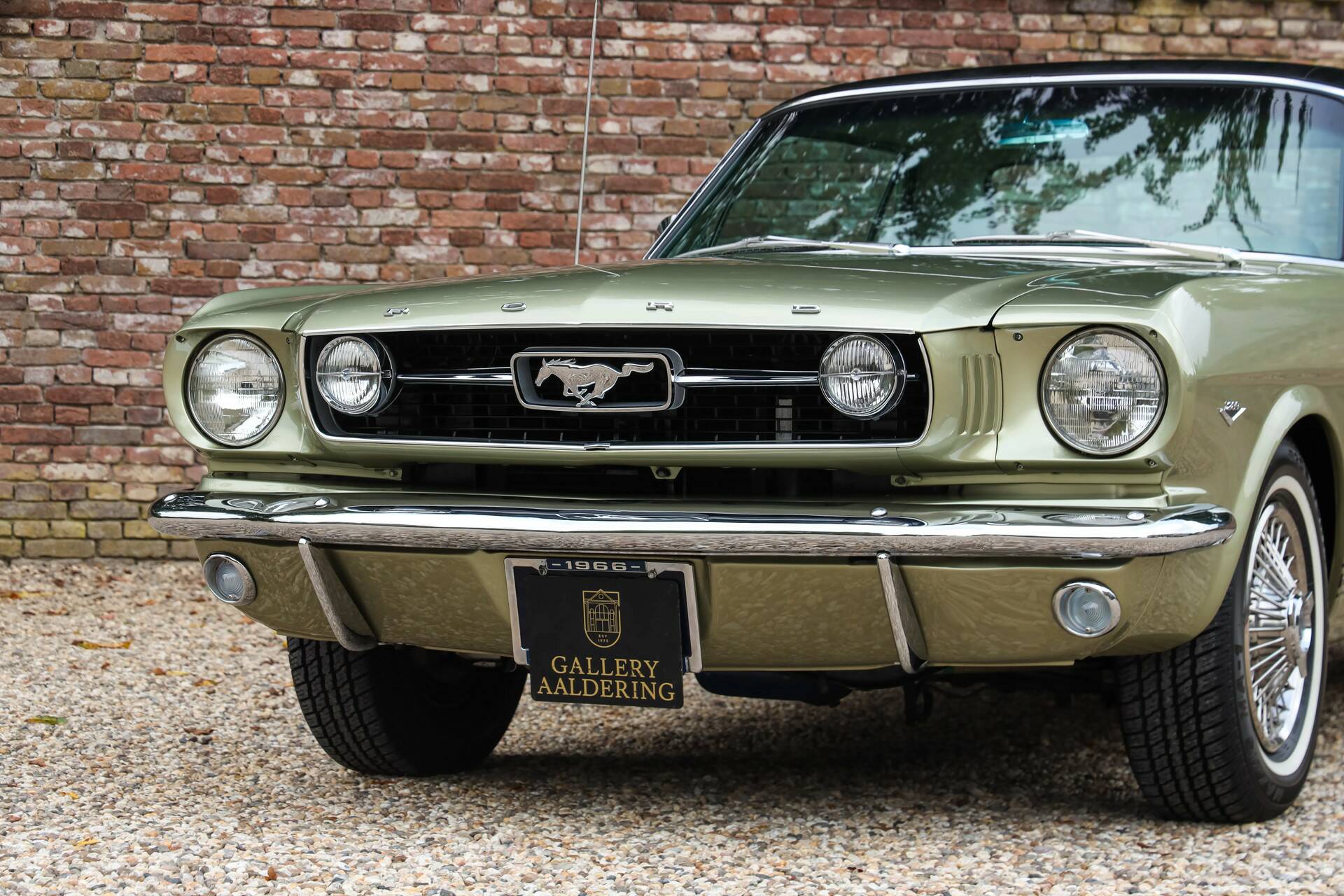
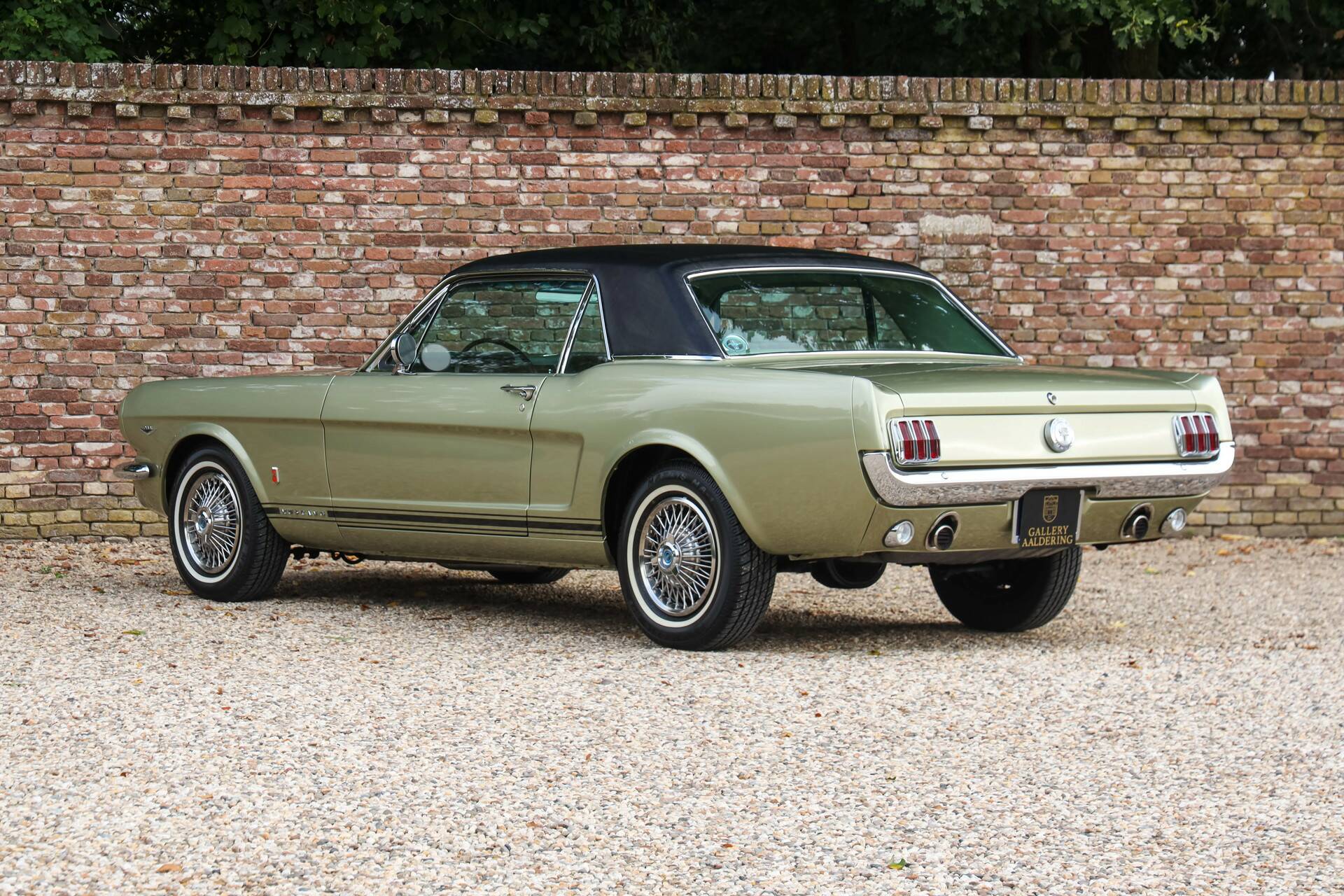
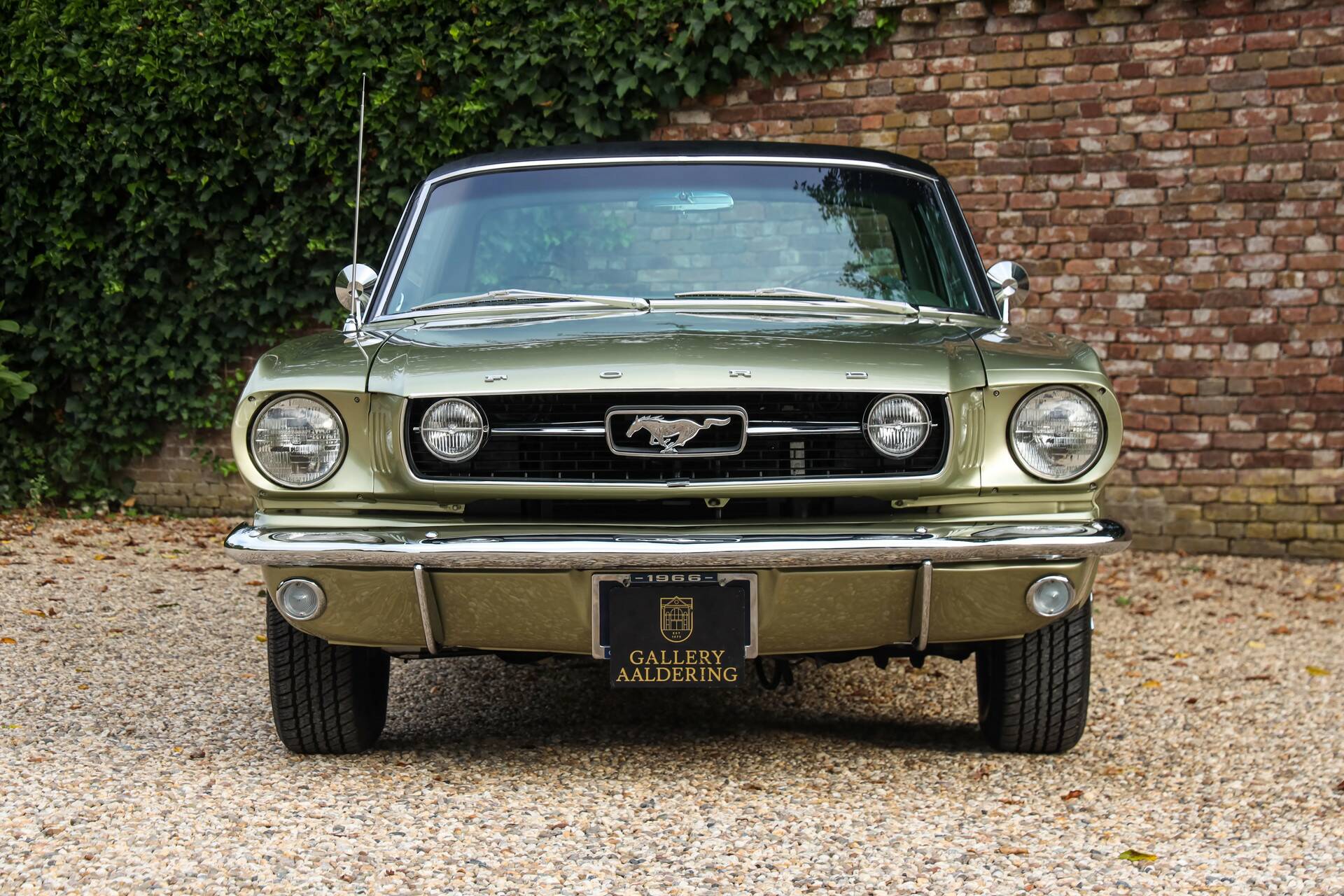
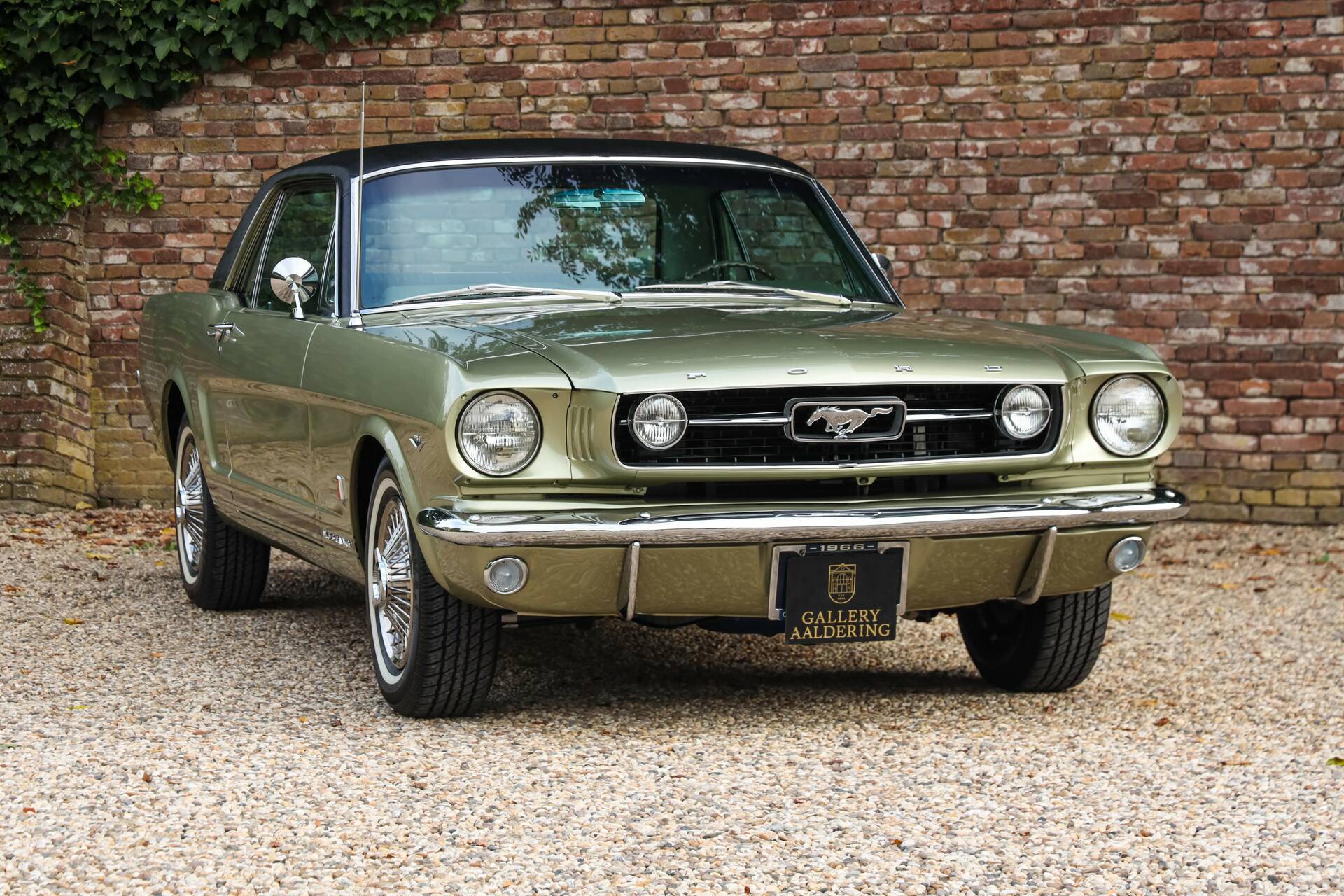
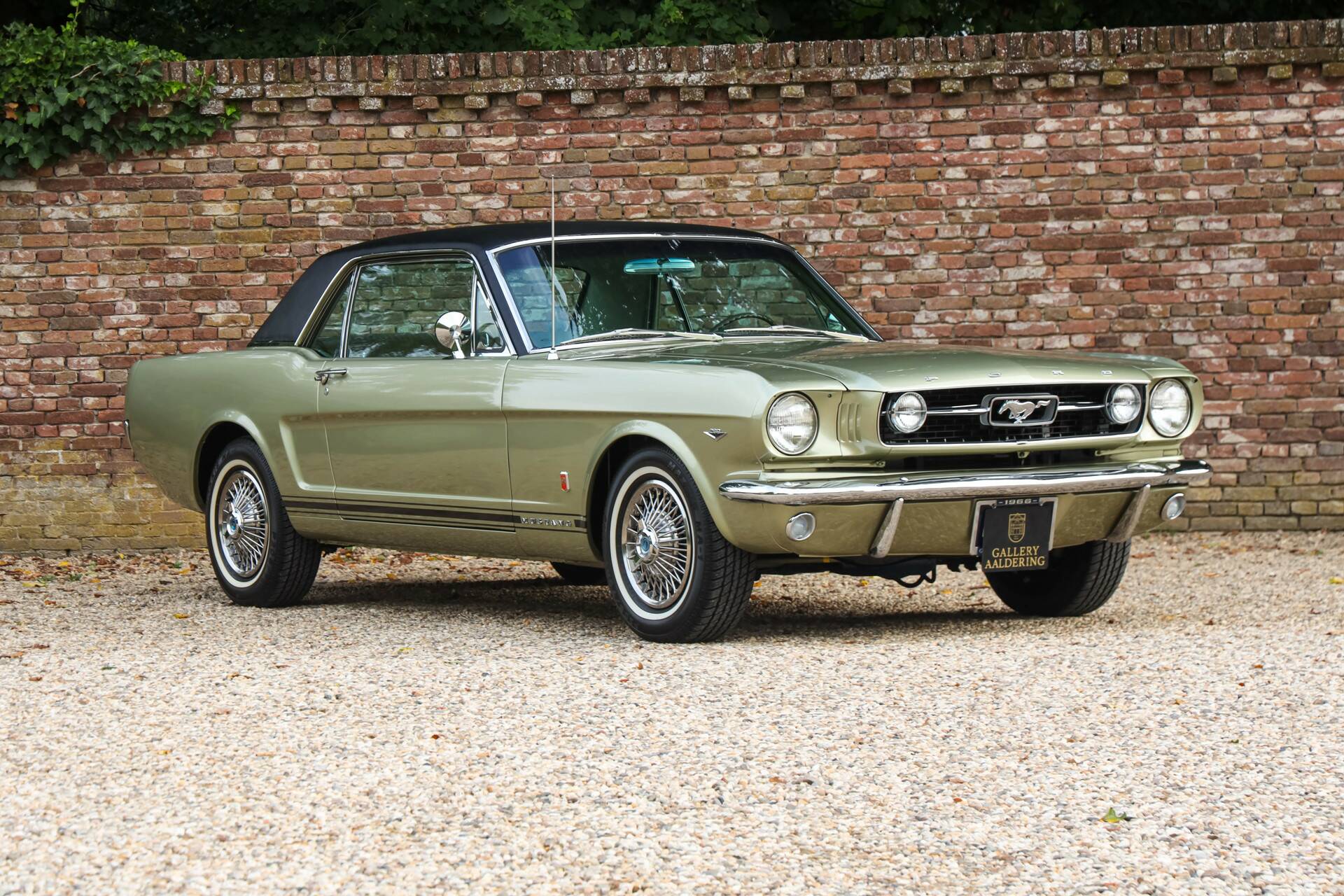
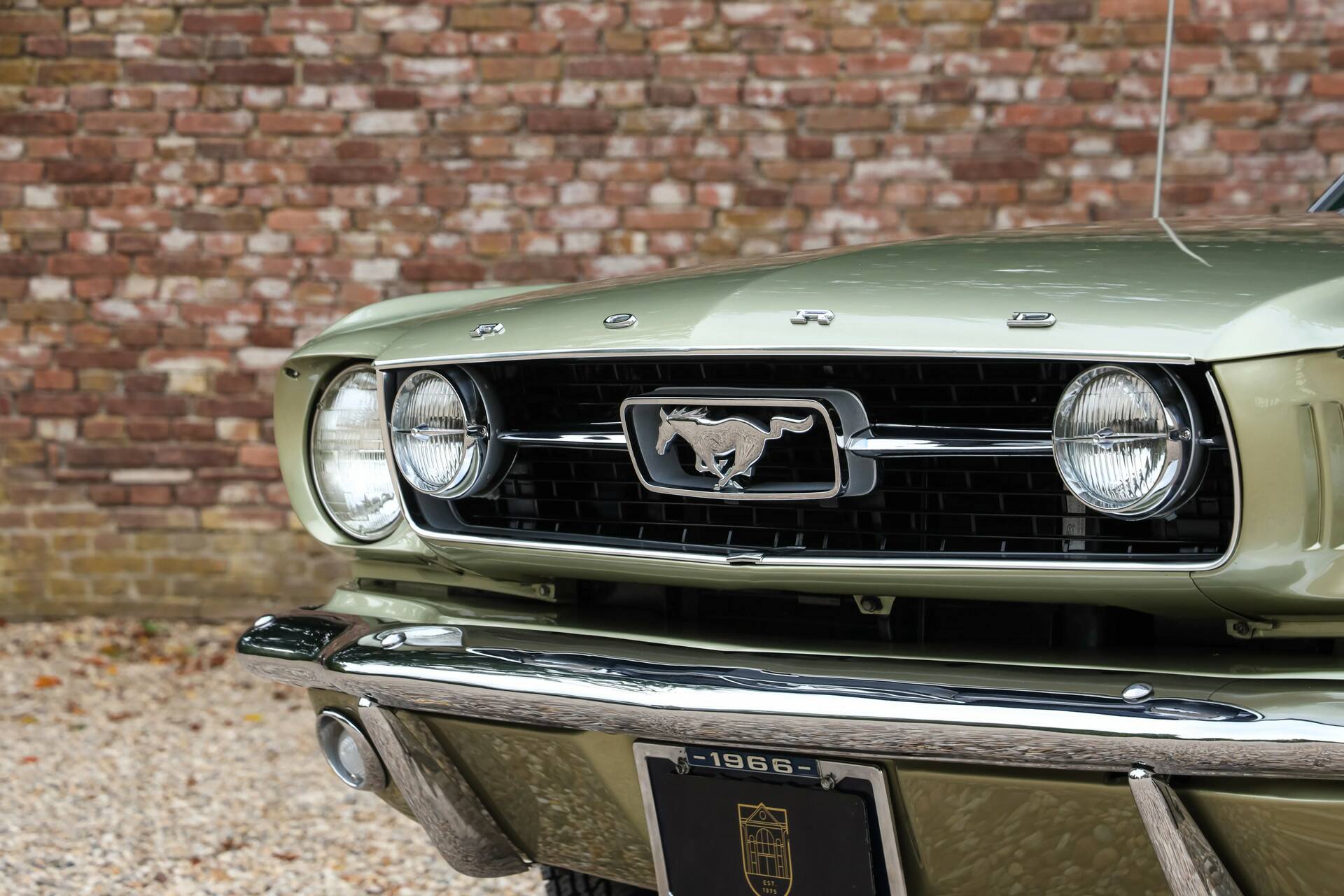
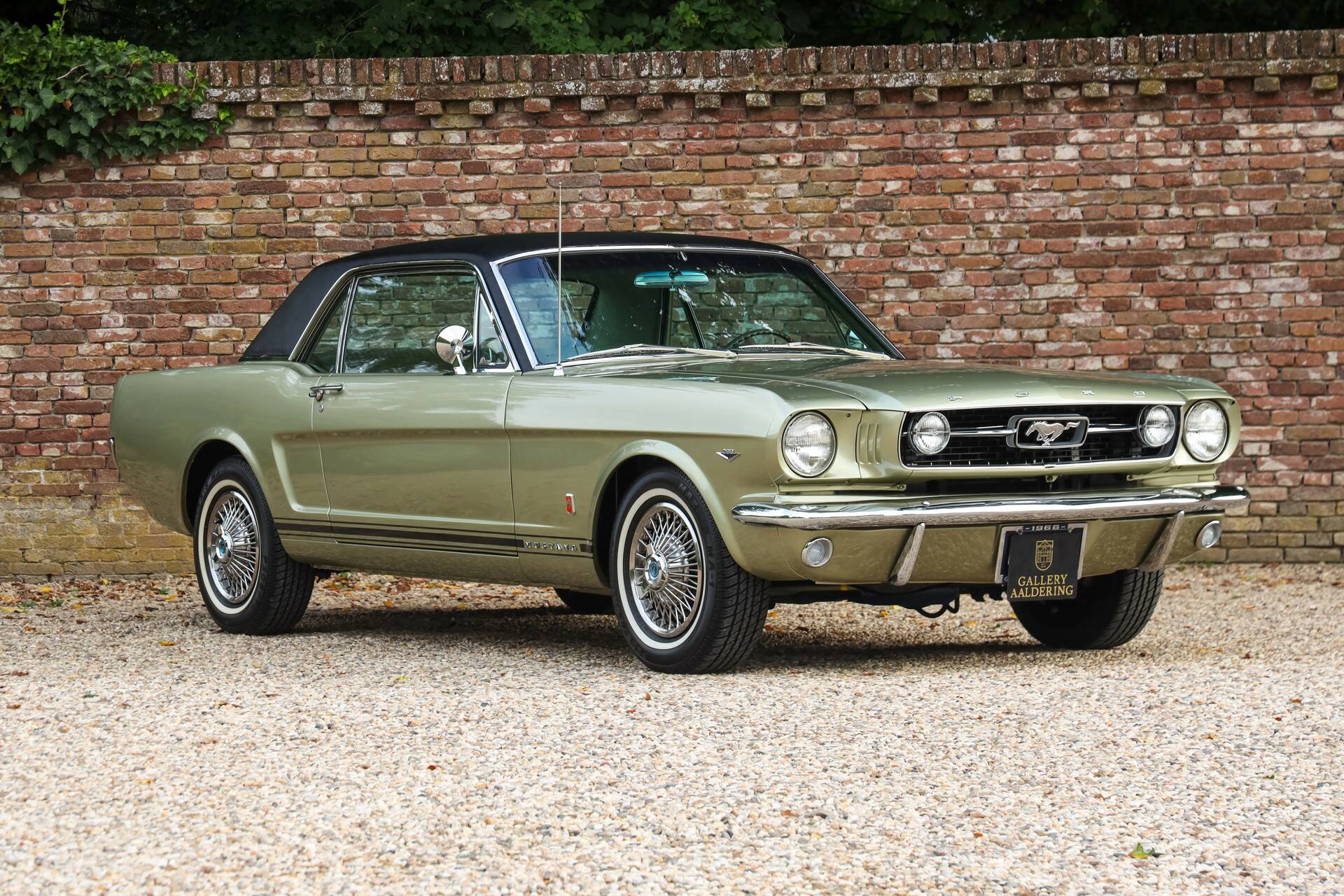
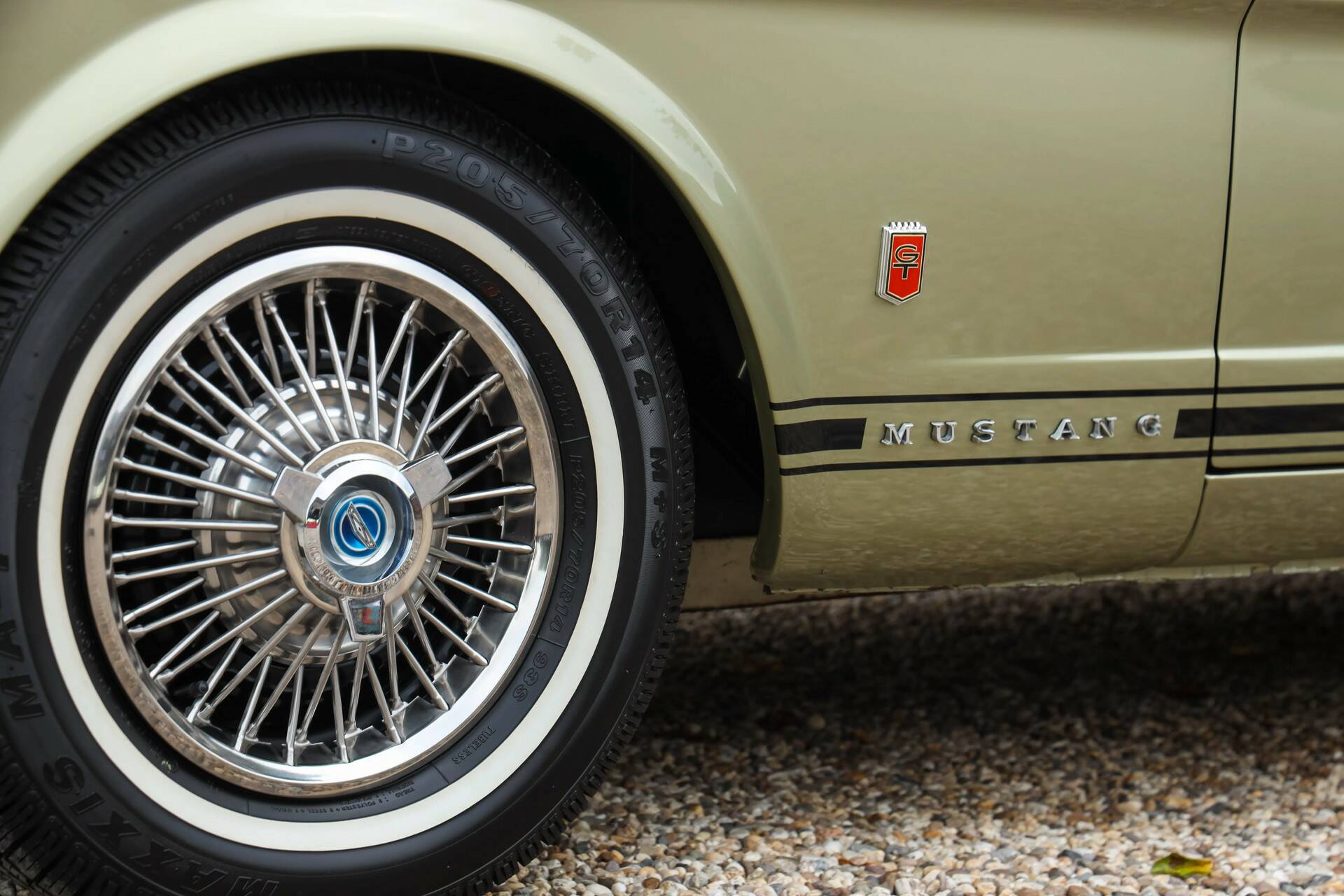
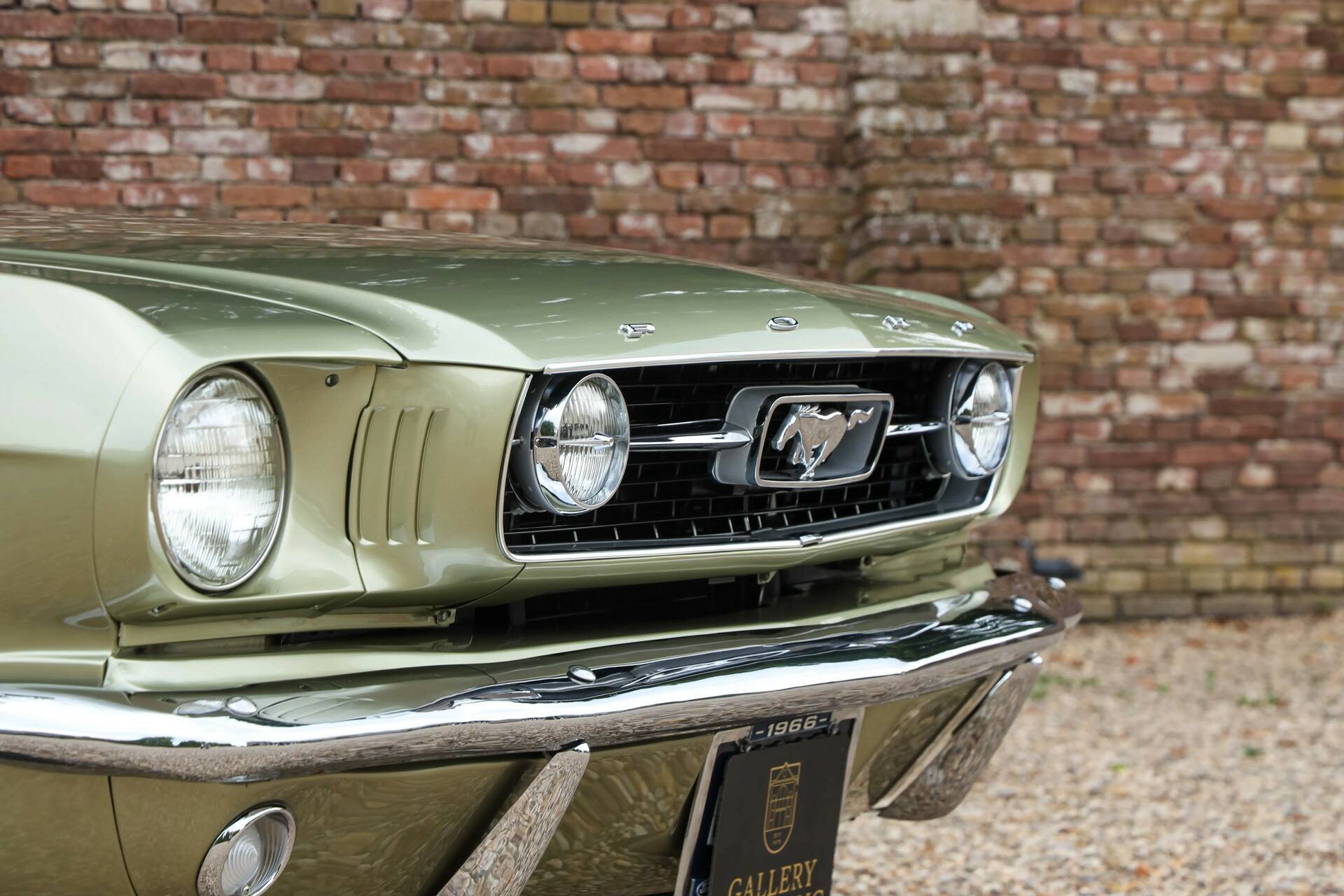
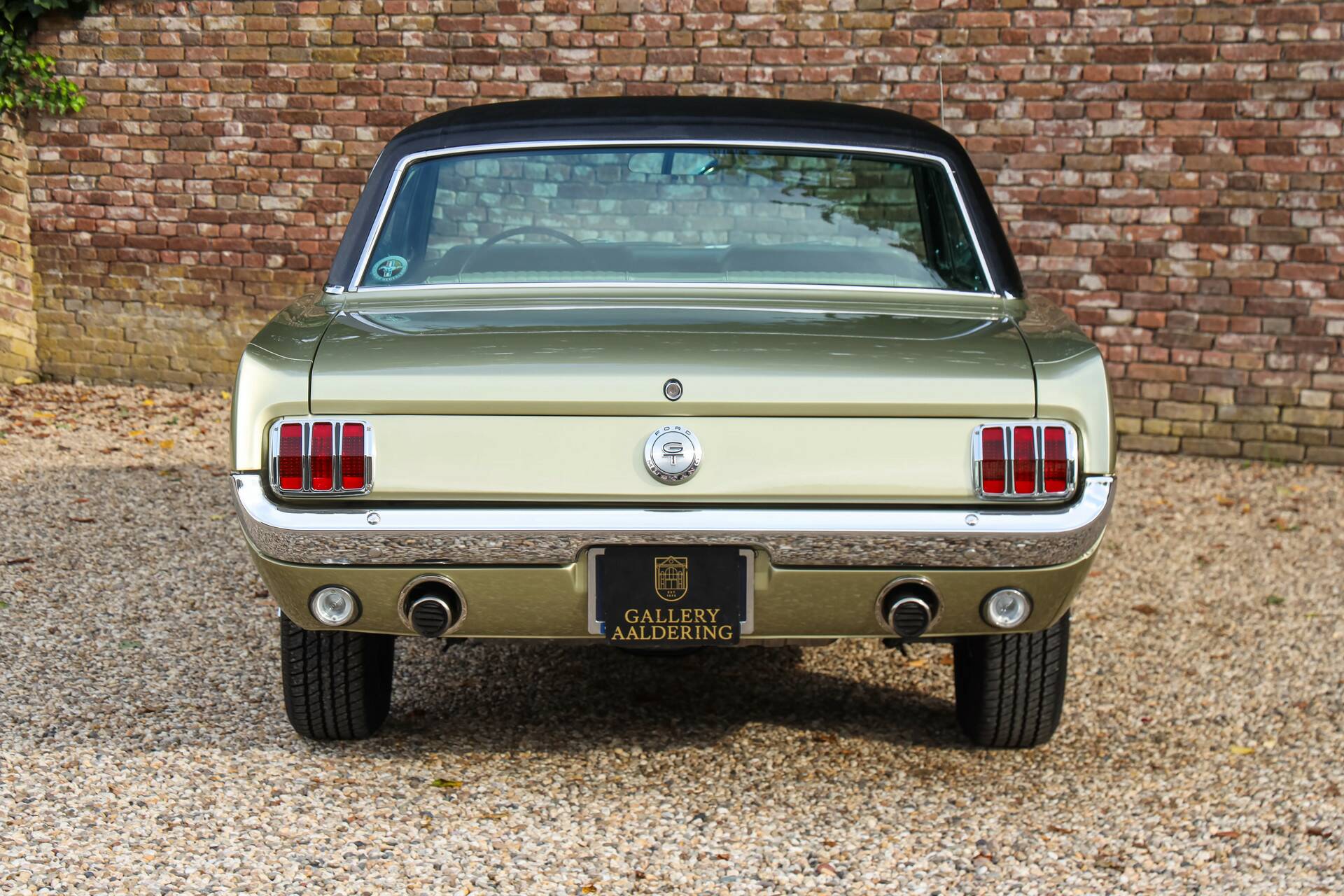
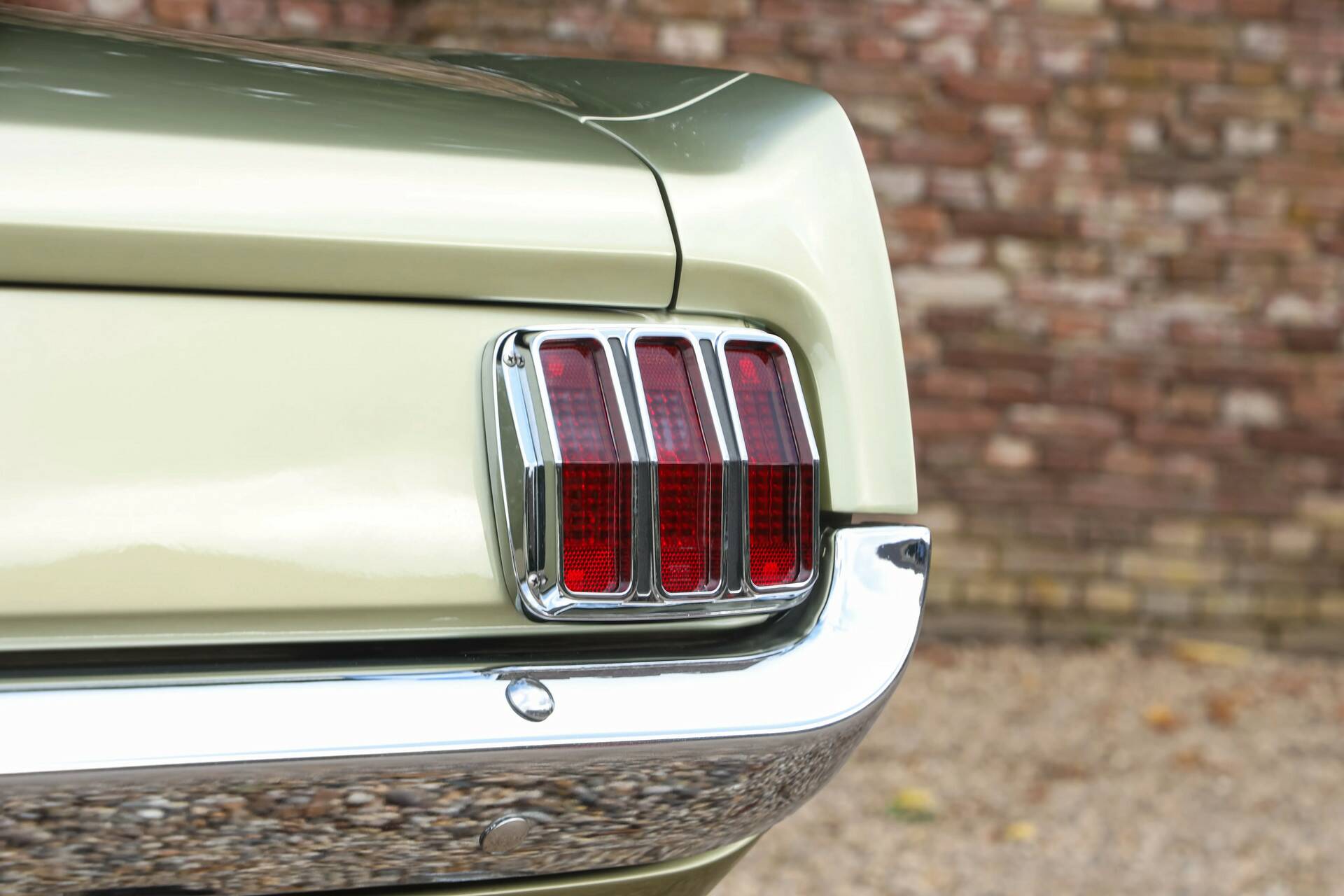
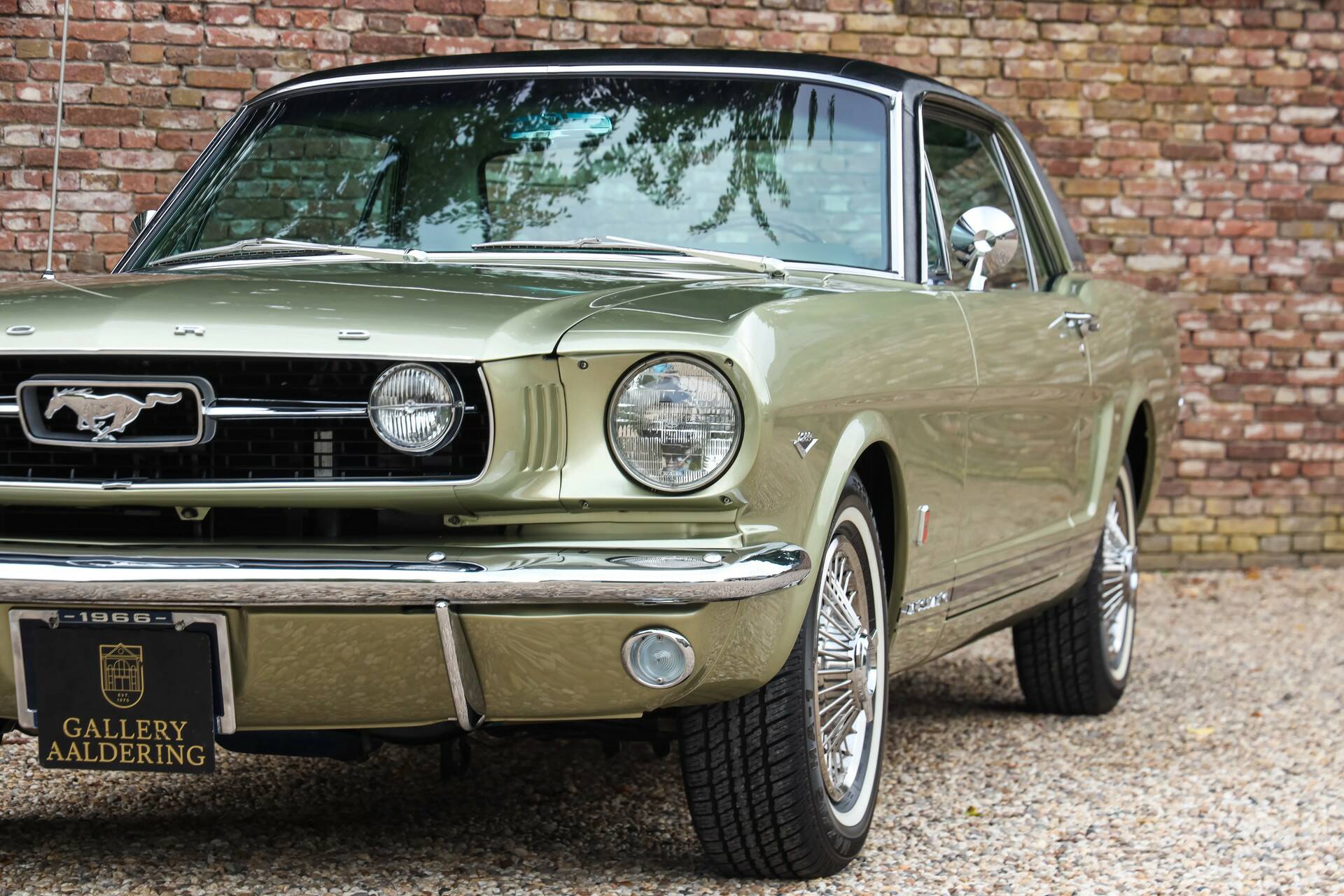
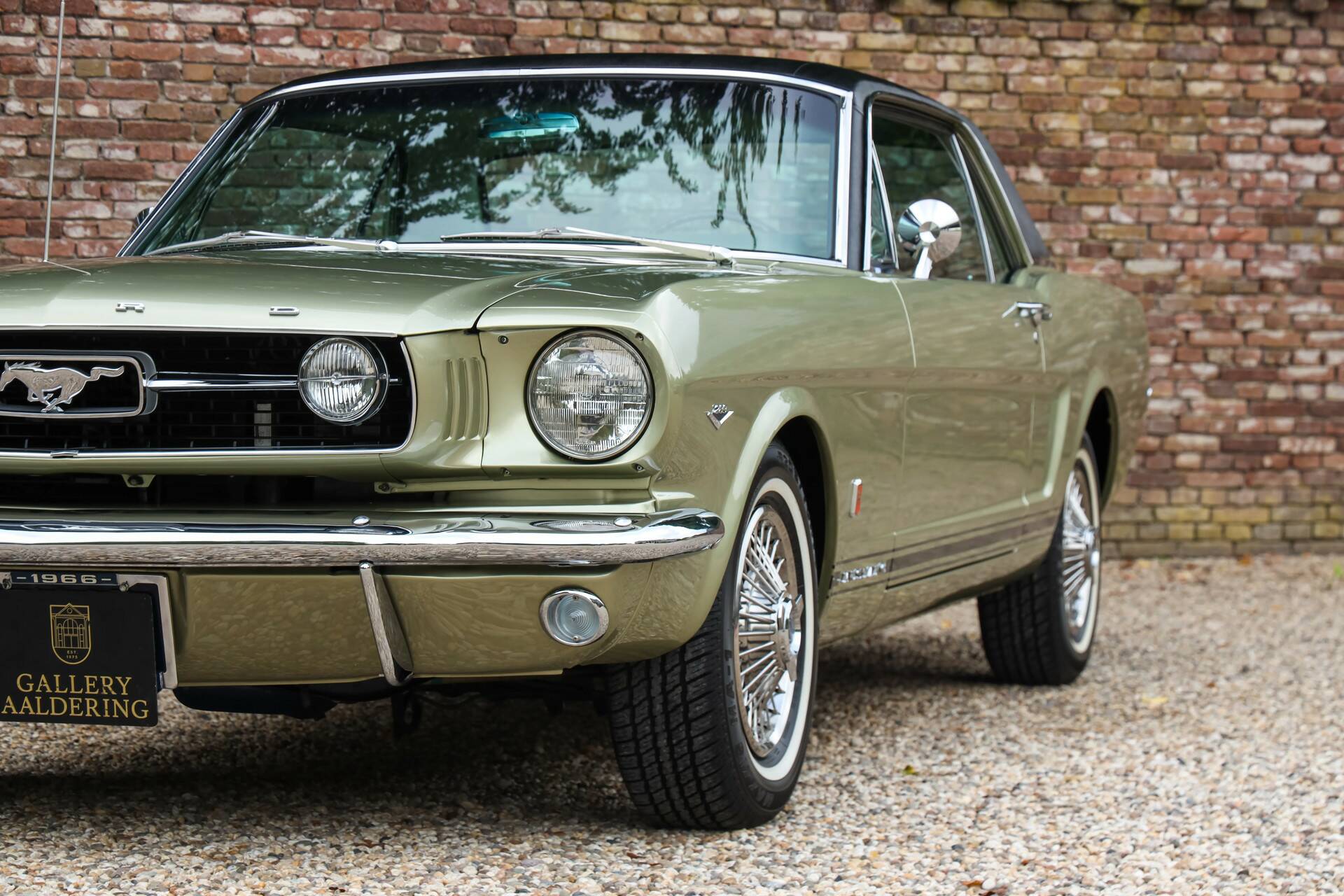
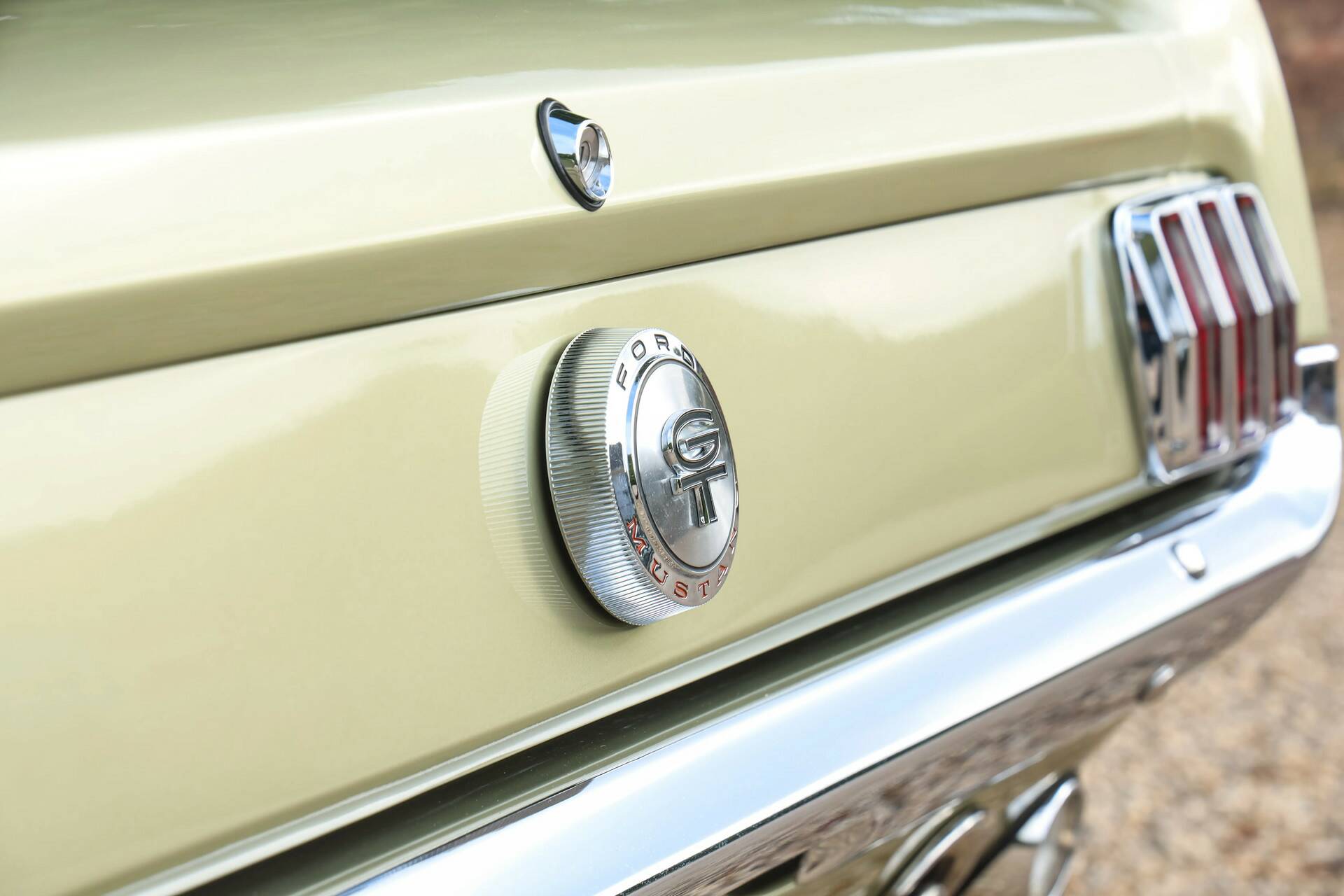
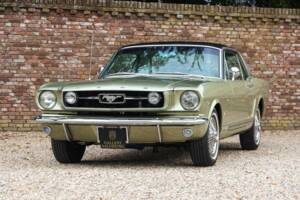
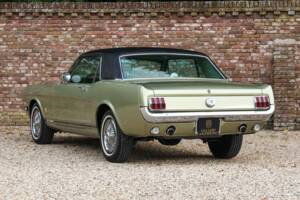
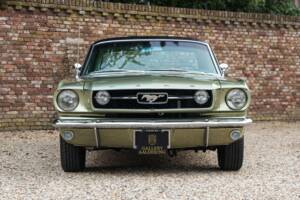
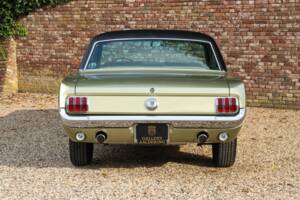
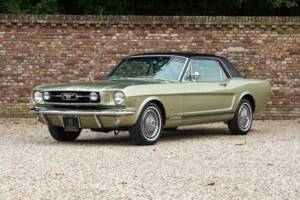
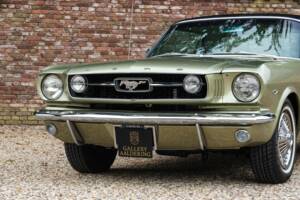
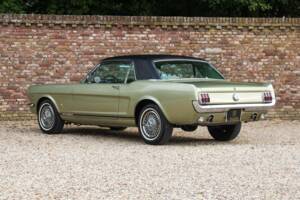
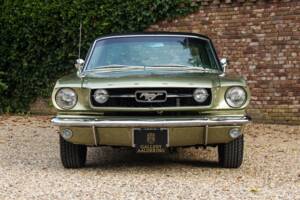
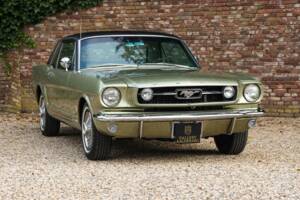
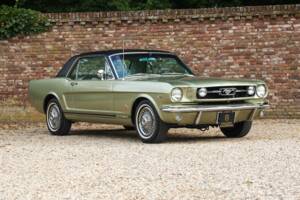
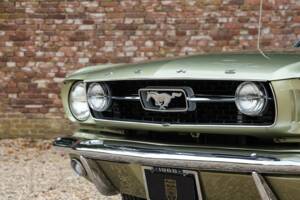
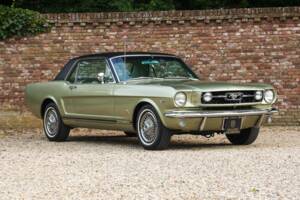
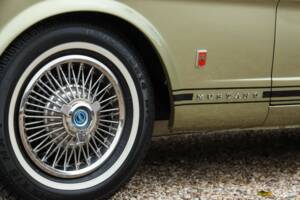
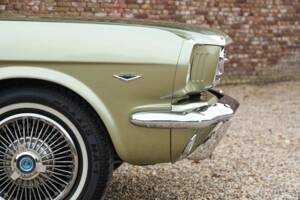
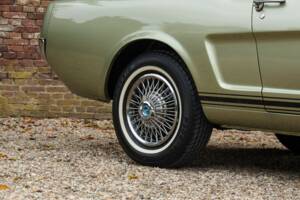
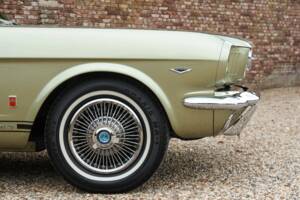
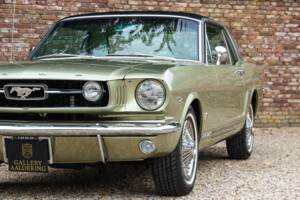
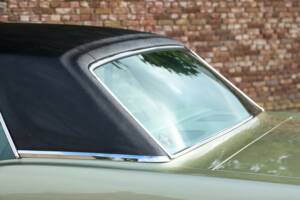
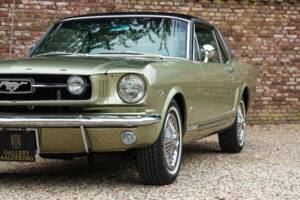
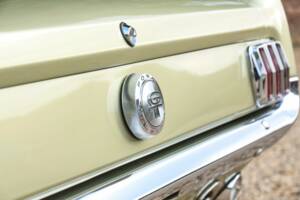
This 1966 Ford Mustang GT A-code underwent an extensive restoration with one overriding objective: to return the car to factory-original concours condition. Not approximately. Not with a few convenient modern interpretations. The intention was to recreate the car down to the smallest details.
The Ford Mustang hardly needs an introduction. When Ford presented the Mustang in 1964, it did more than simply launch another new model. It effectively created an entirely new category of automobile. The long bonnet, short rear deck, low seating position, bucket seats, and enormous choice of engines and equipment made the Mustang something America had not really seen before.
The formula was clever. Ford used proven mechanical components from models such as the Falcon, keeping development and production costs under control, while wrapping them in a completely new body. The result looked far more exotic and sporting than its price suggested. Buyers responded accordingly. The Mustang became an immediate sensation, and the term “pony car” soon existed largely because of it.
By 1966, the Mustang had already established itself as a cultural phenomenon. And among the numerous engine choices, the A-code occupied a particularly appealing position.
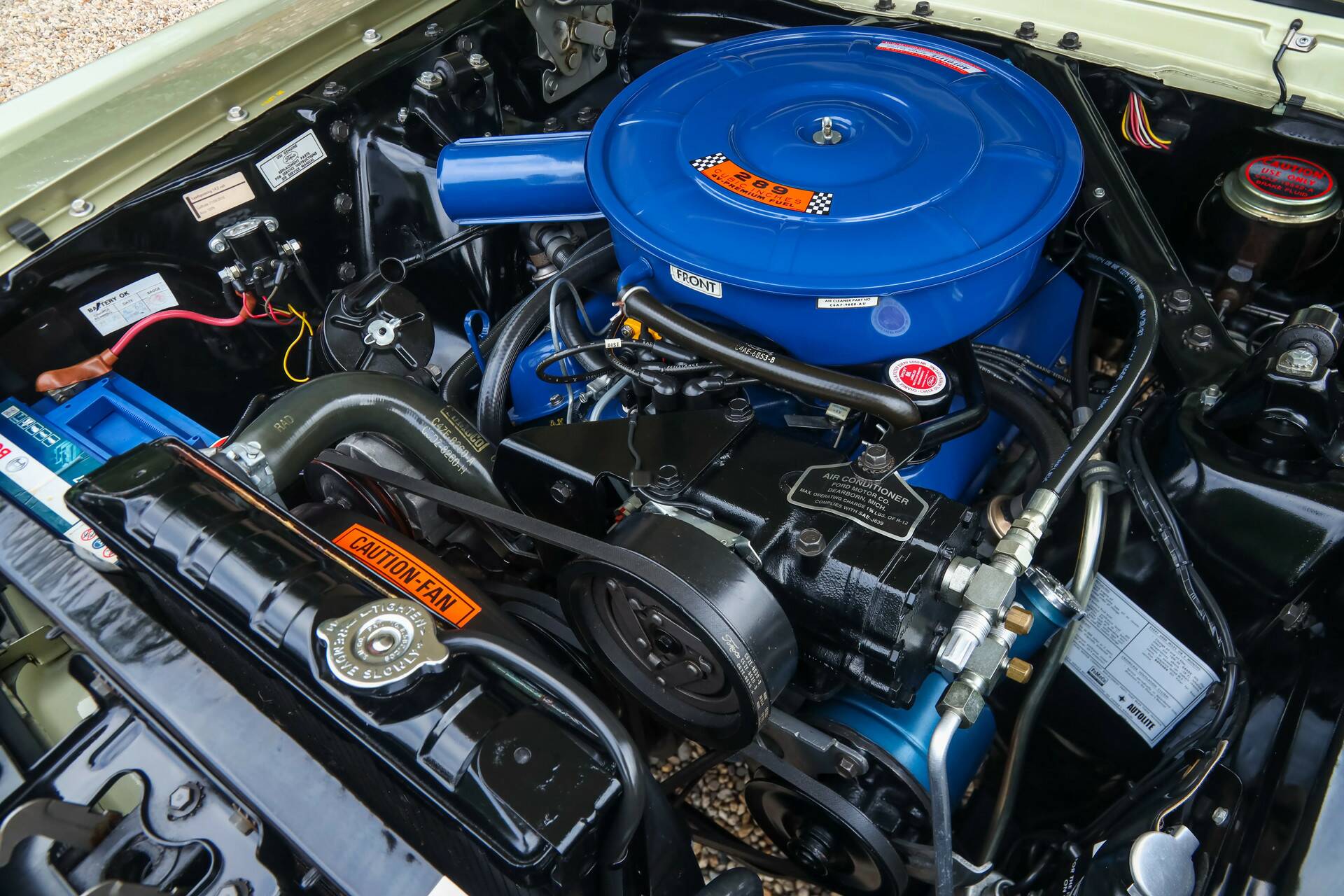
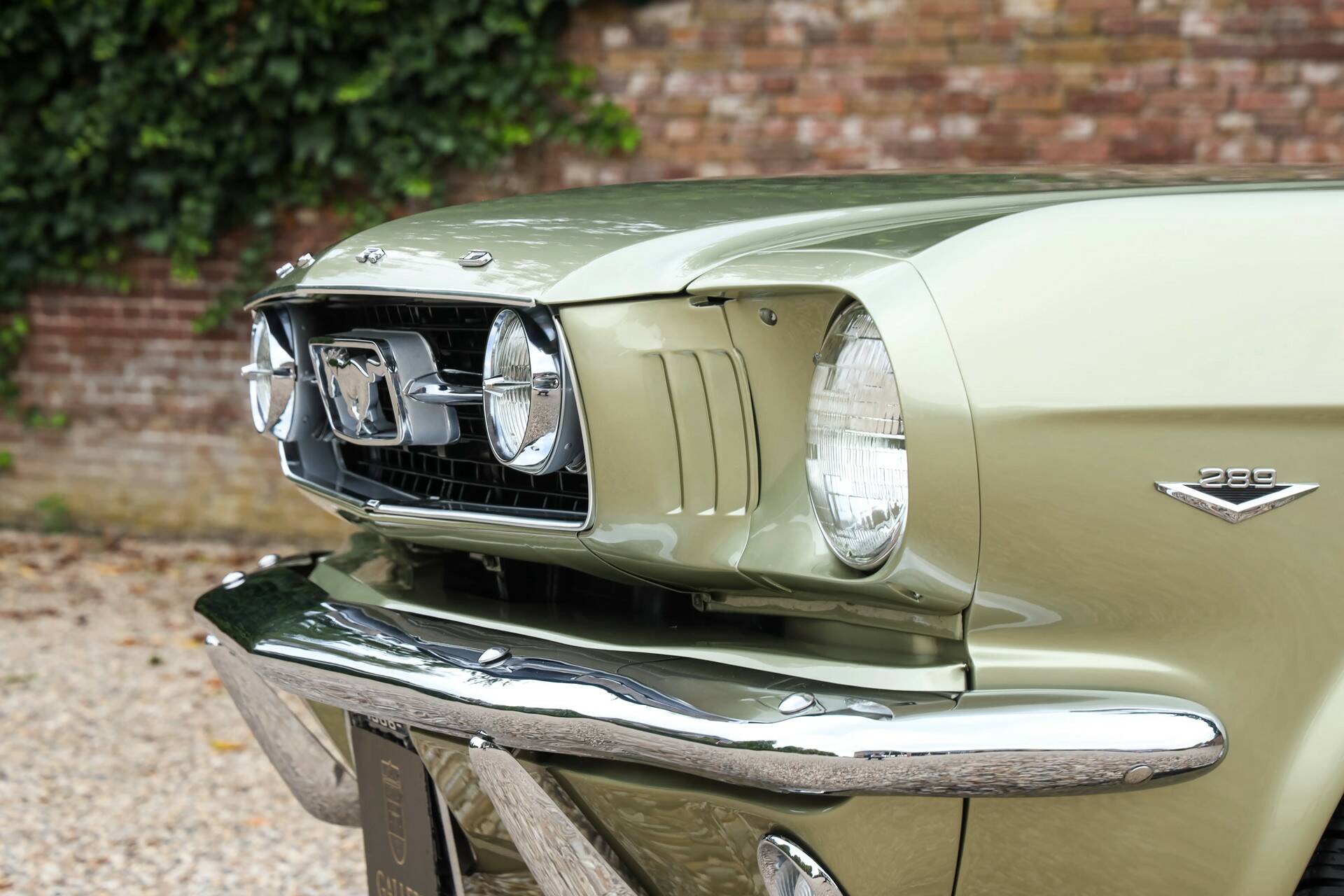
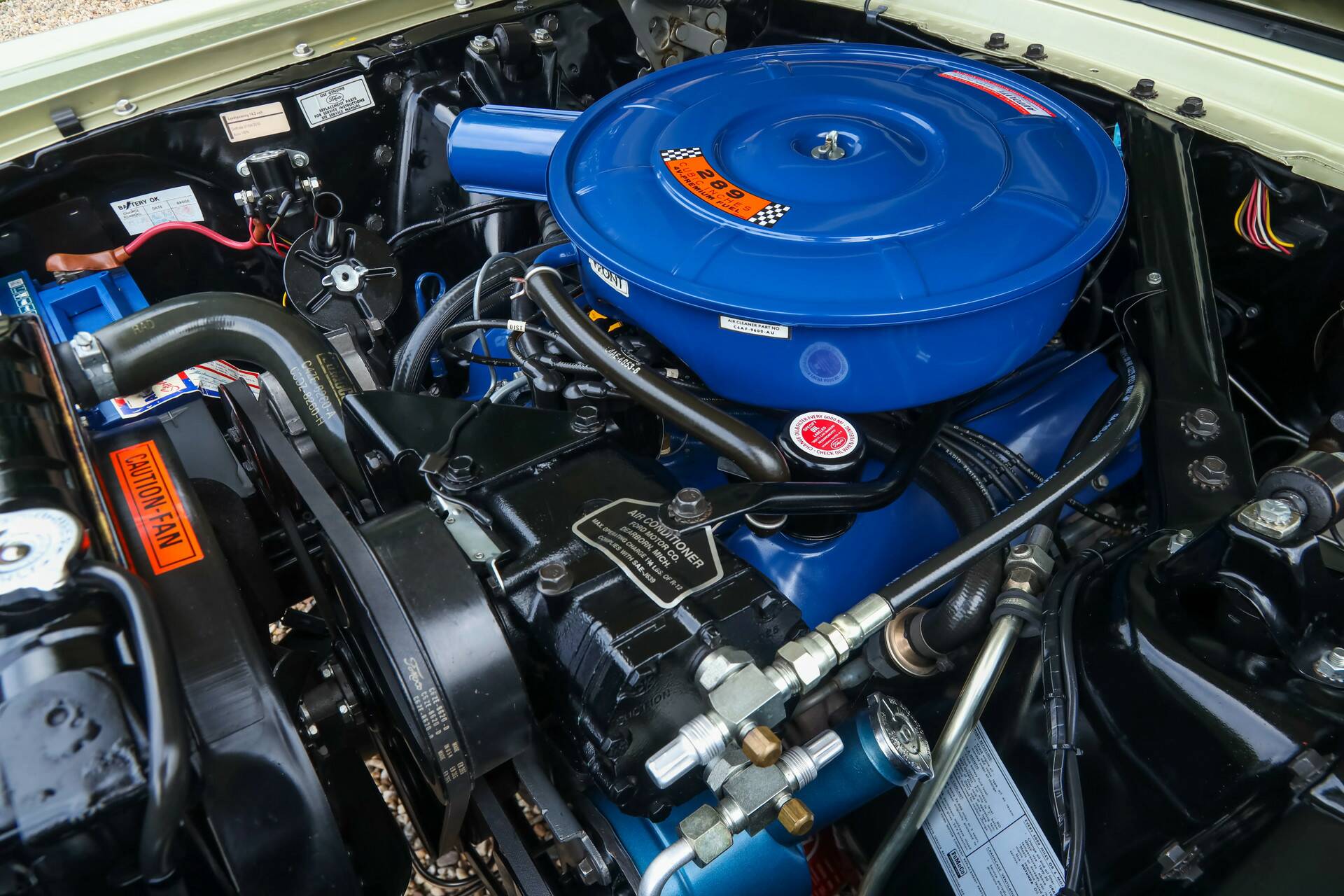
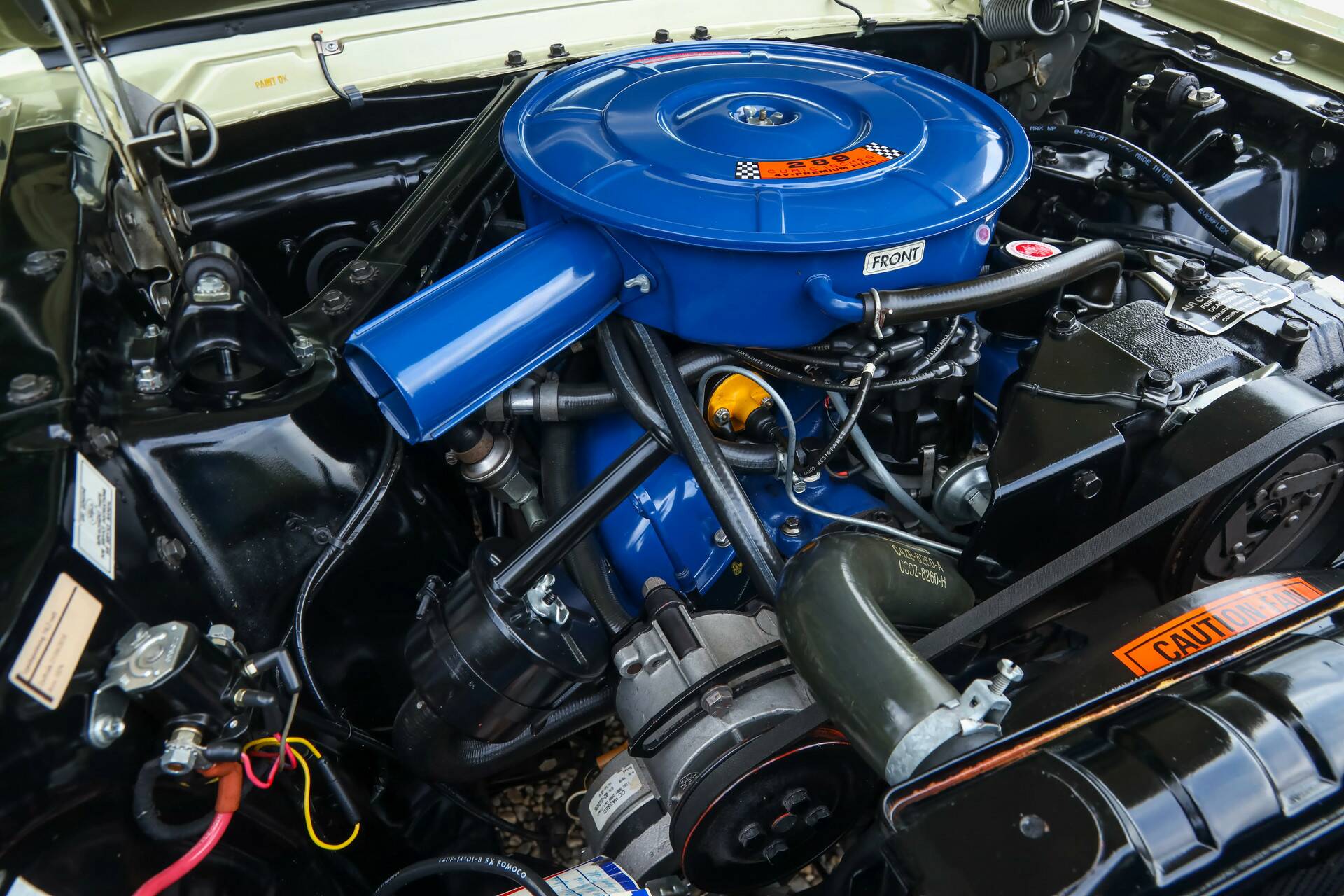
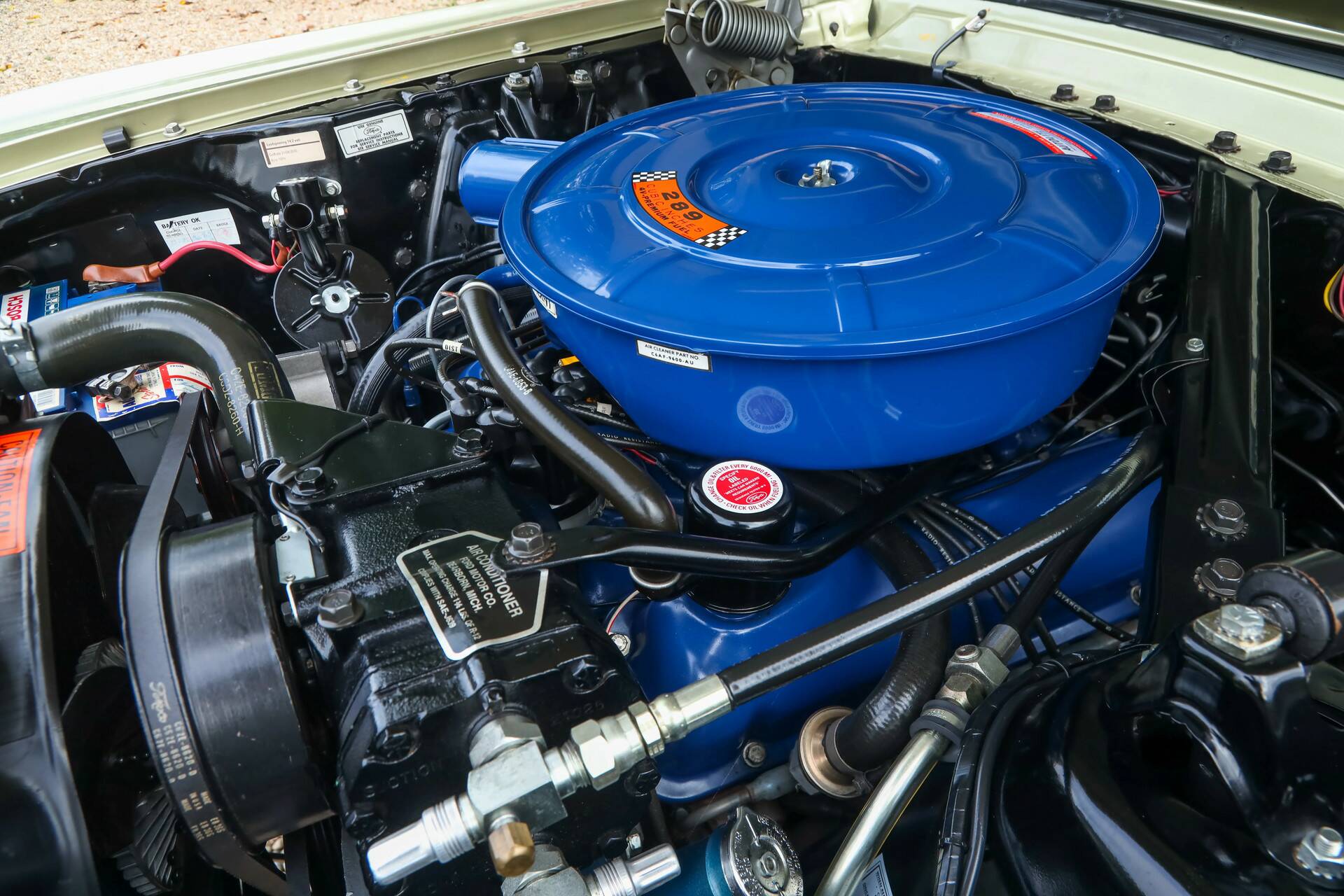
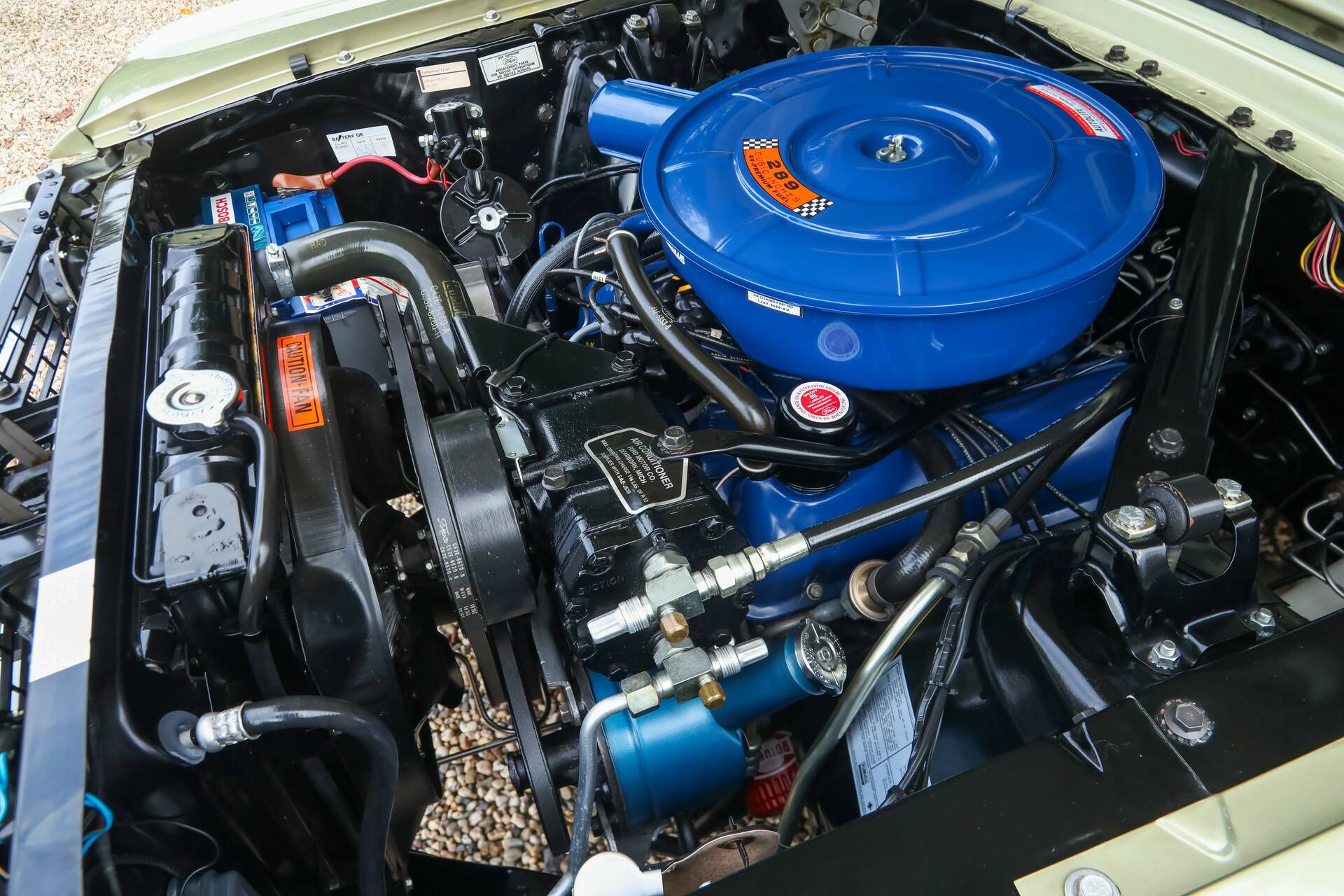
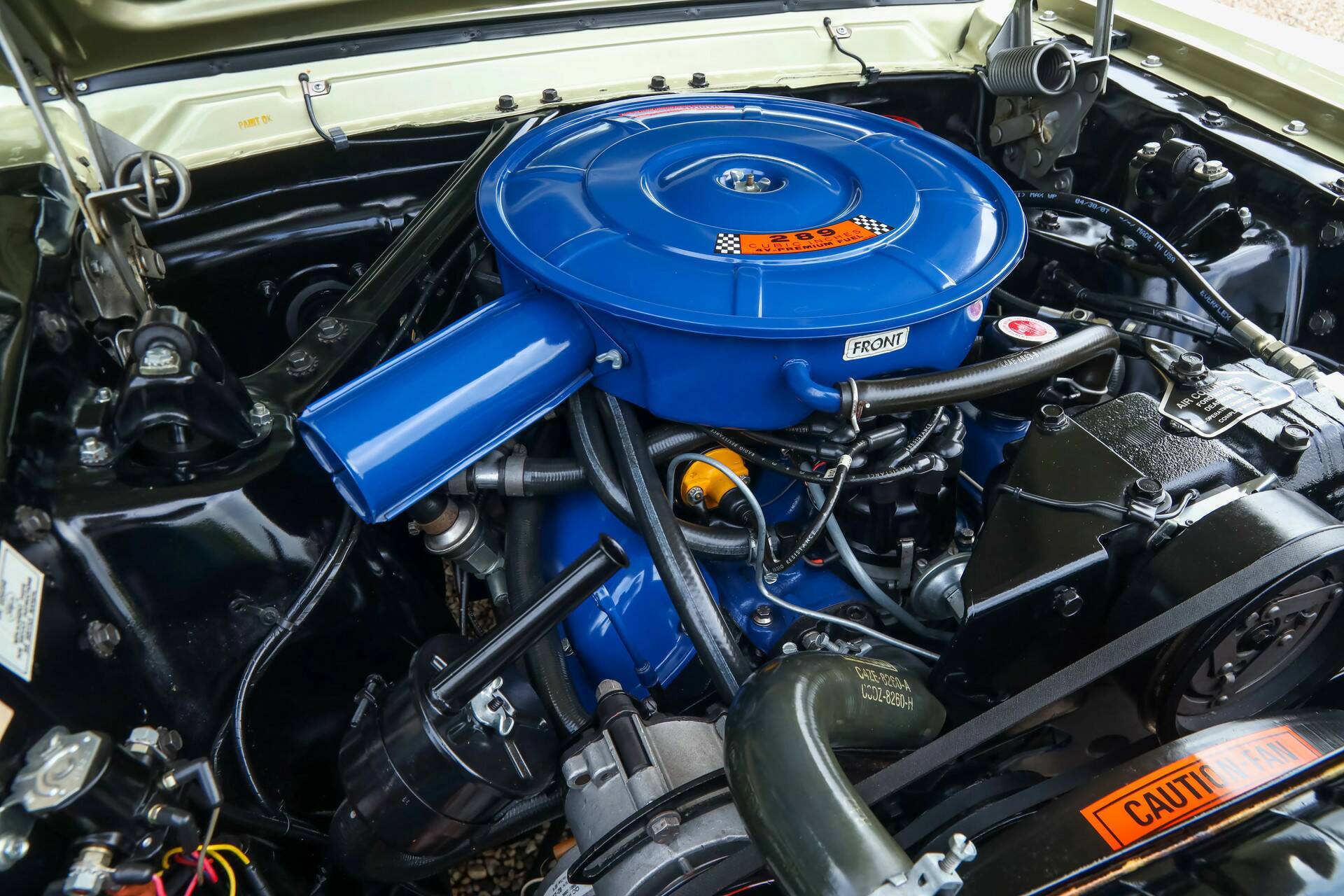
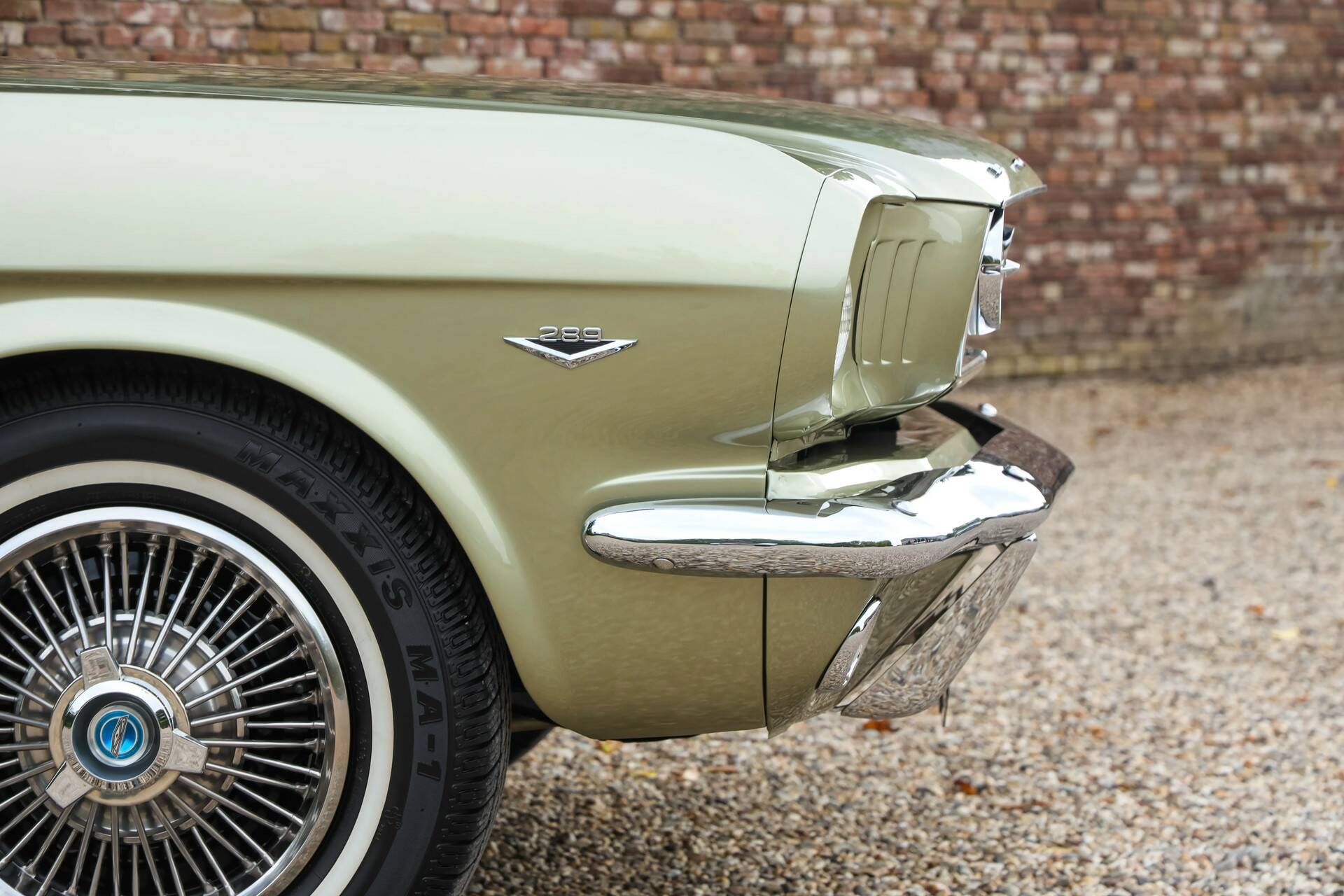
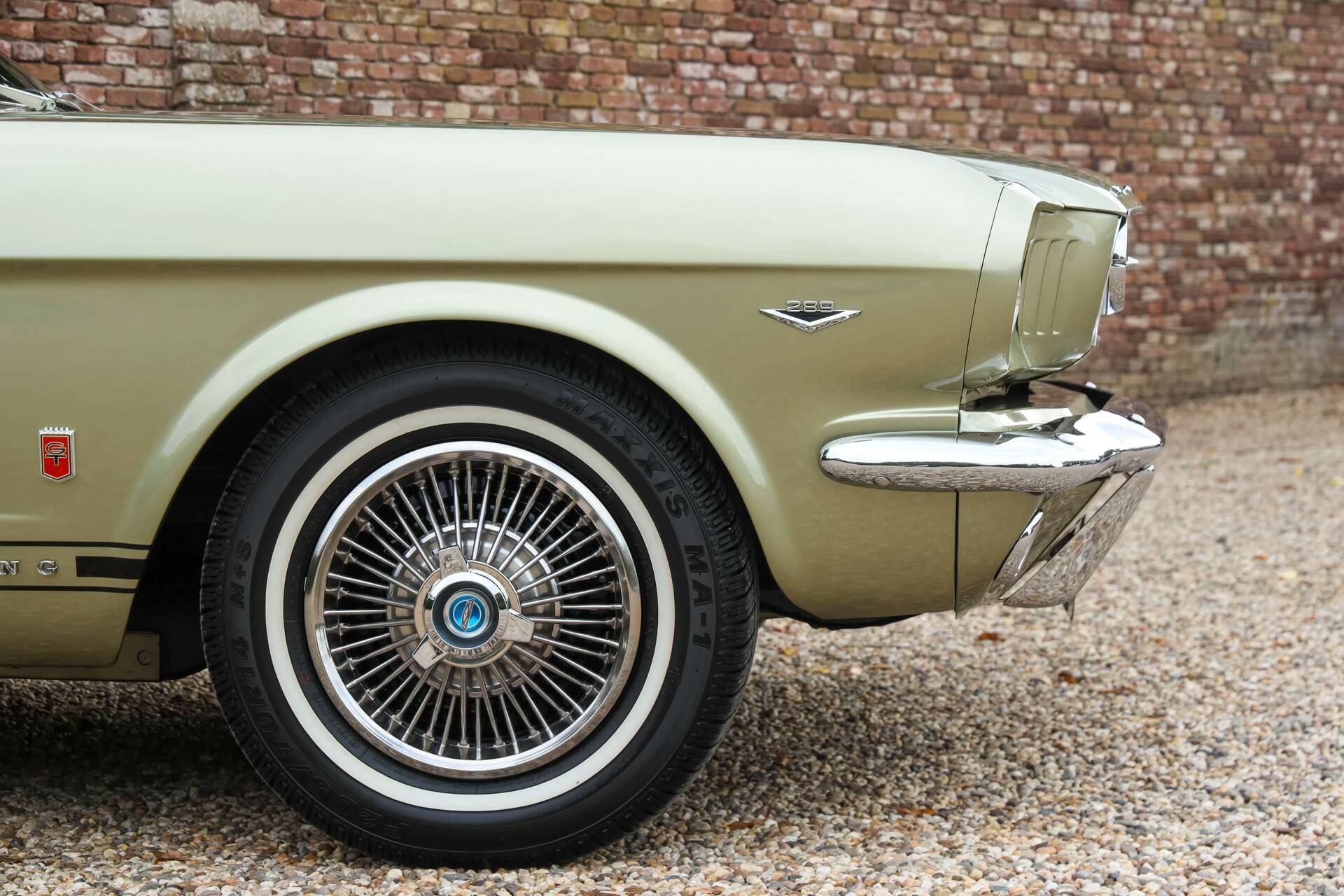
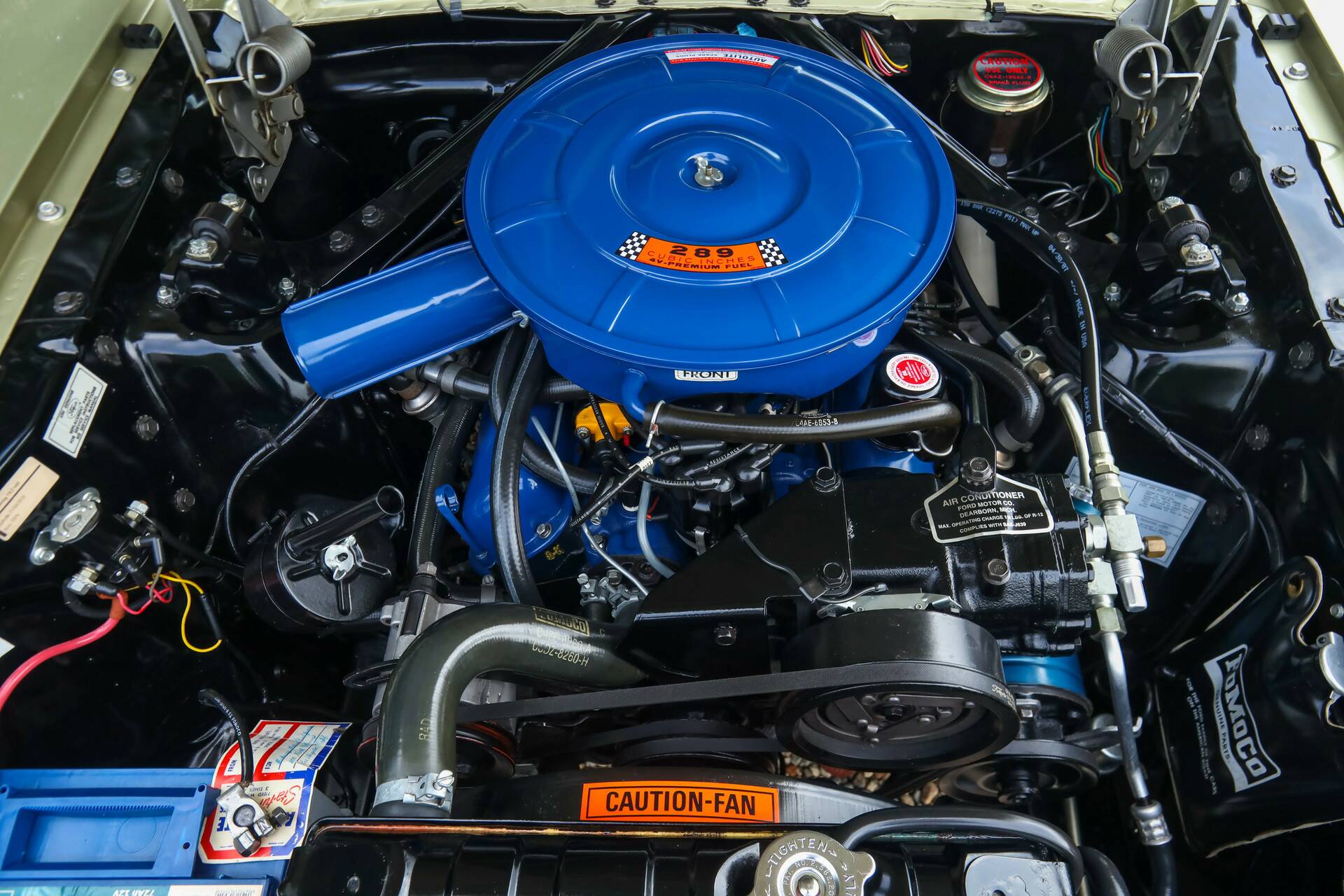
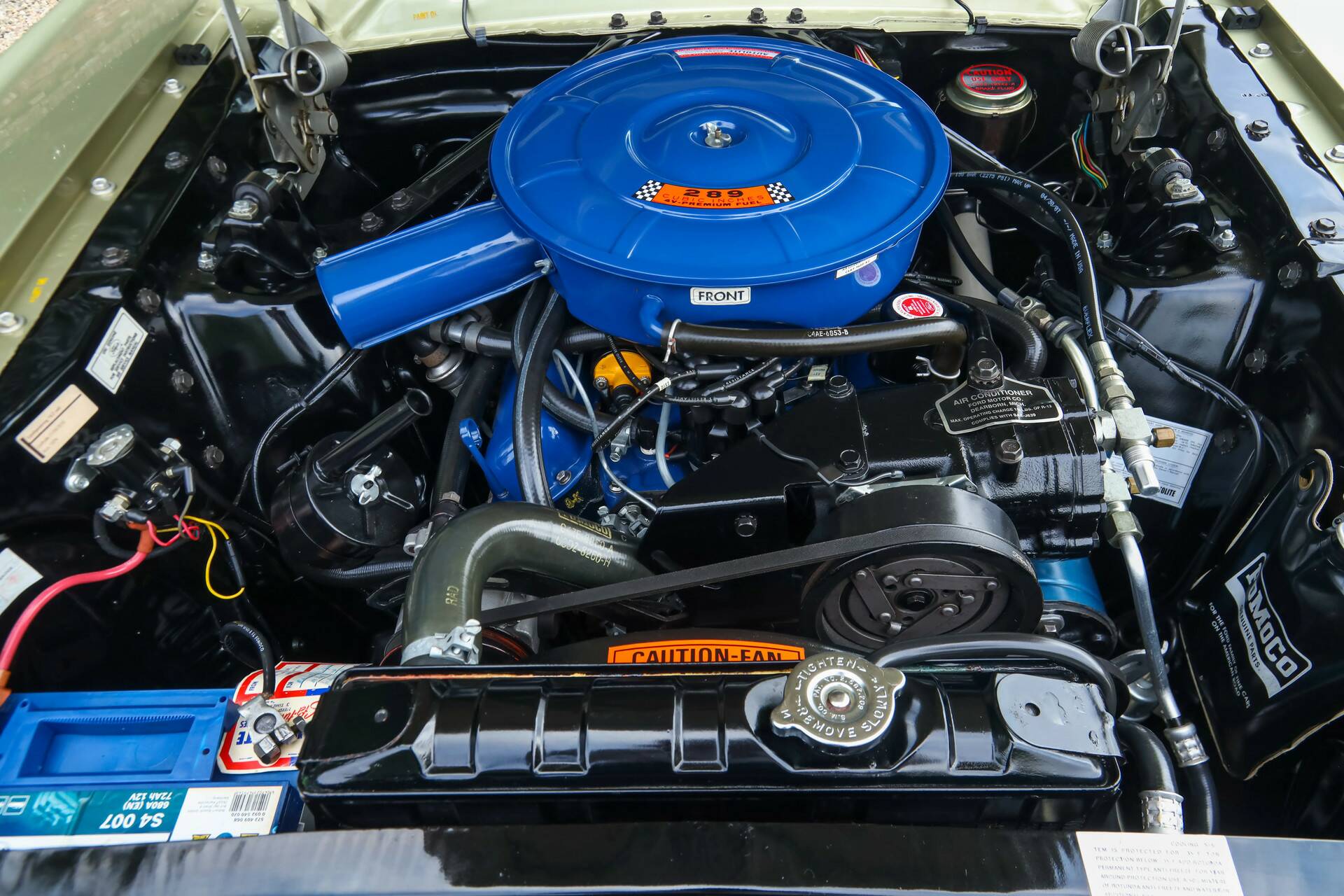
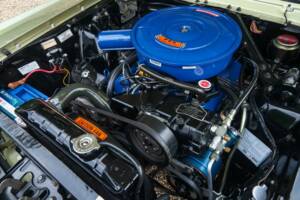
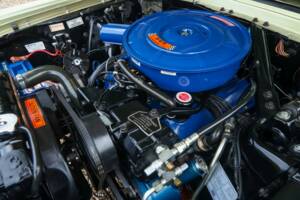
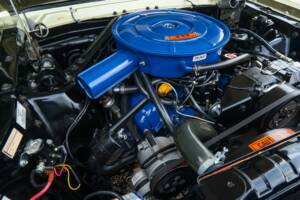
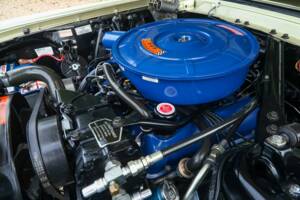
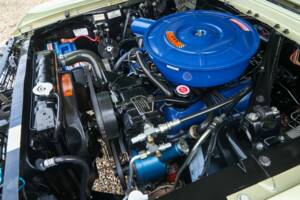
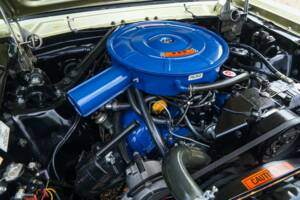
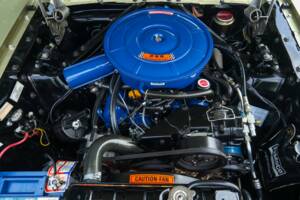
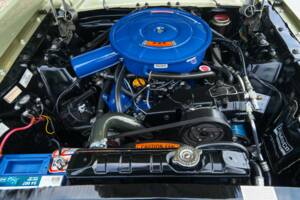
Under the bonnet sits Ford’s 289 cubic-inch V8, equipped in A-code specification with a four-barrel carburetor. Factory output was rated at 225 horsepower. It sat above the more modest two-barrel 289 while remaining somewhat less uncompromising than the famous K-code Hi-Po engine. In many respects, that makes the A-code one of the most attractive specifications for a road-going early Mustang: plenty of V8 character and performance, yet still wonderfully usable. But with this particular Mustang, the specification is only part of the story.
The previous owner is extremely knowledgeable about Mustangs. That may sound like an advantage for the restoration company, although we suspect they occasionally viewed it rather differently. When the person commissioning a restoration knows exactly which component belongs where, which finish is correct, and how seemingly insignificant details should appear, there is very little room for shortcuts. The instructions were clear: restore the Mustang to concours condition. And that is exactly what happened.
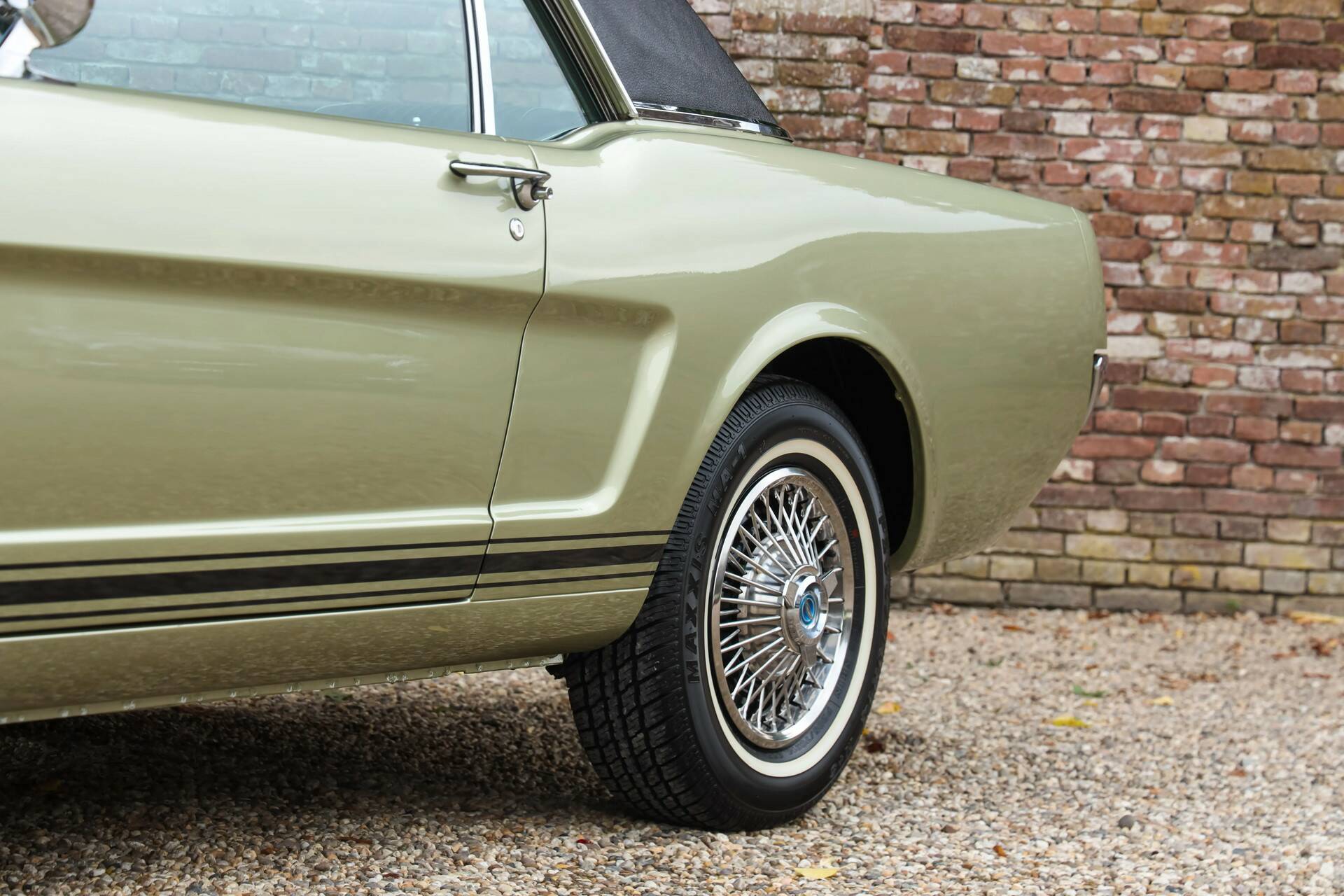
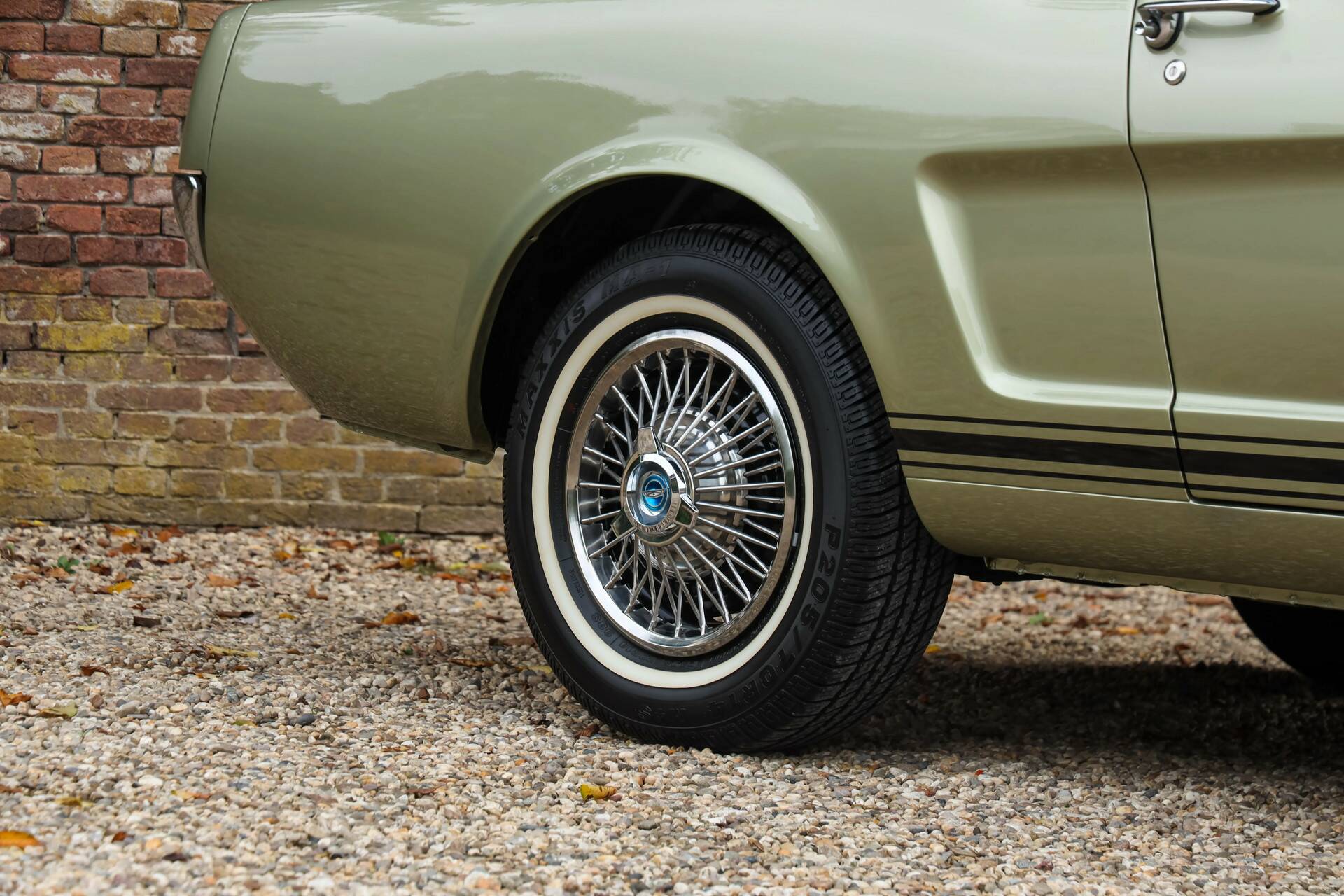
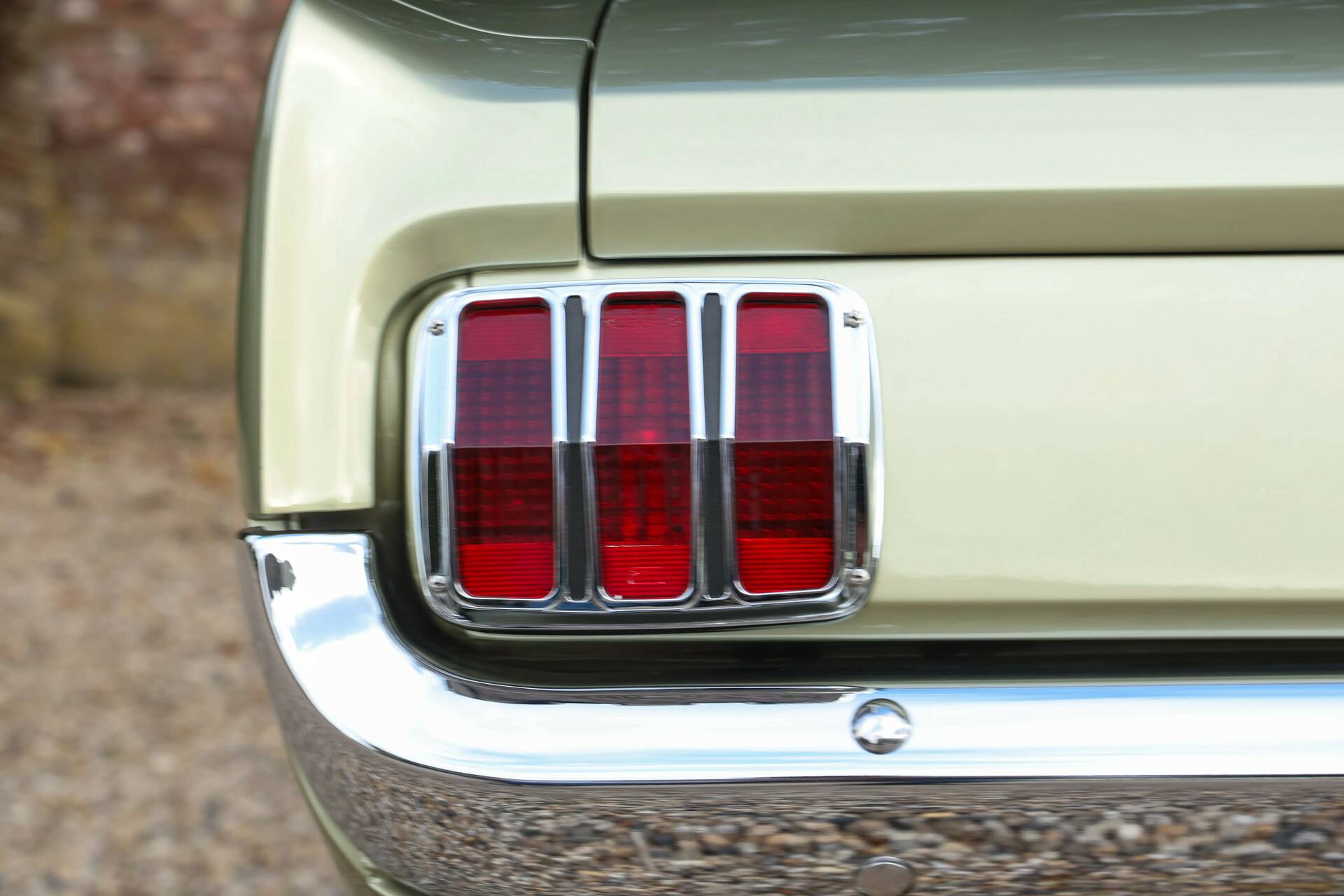
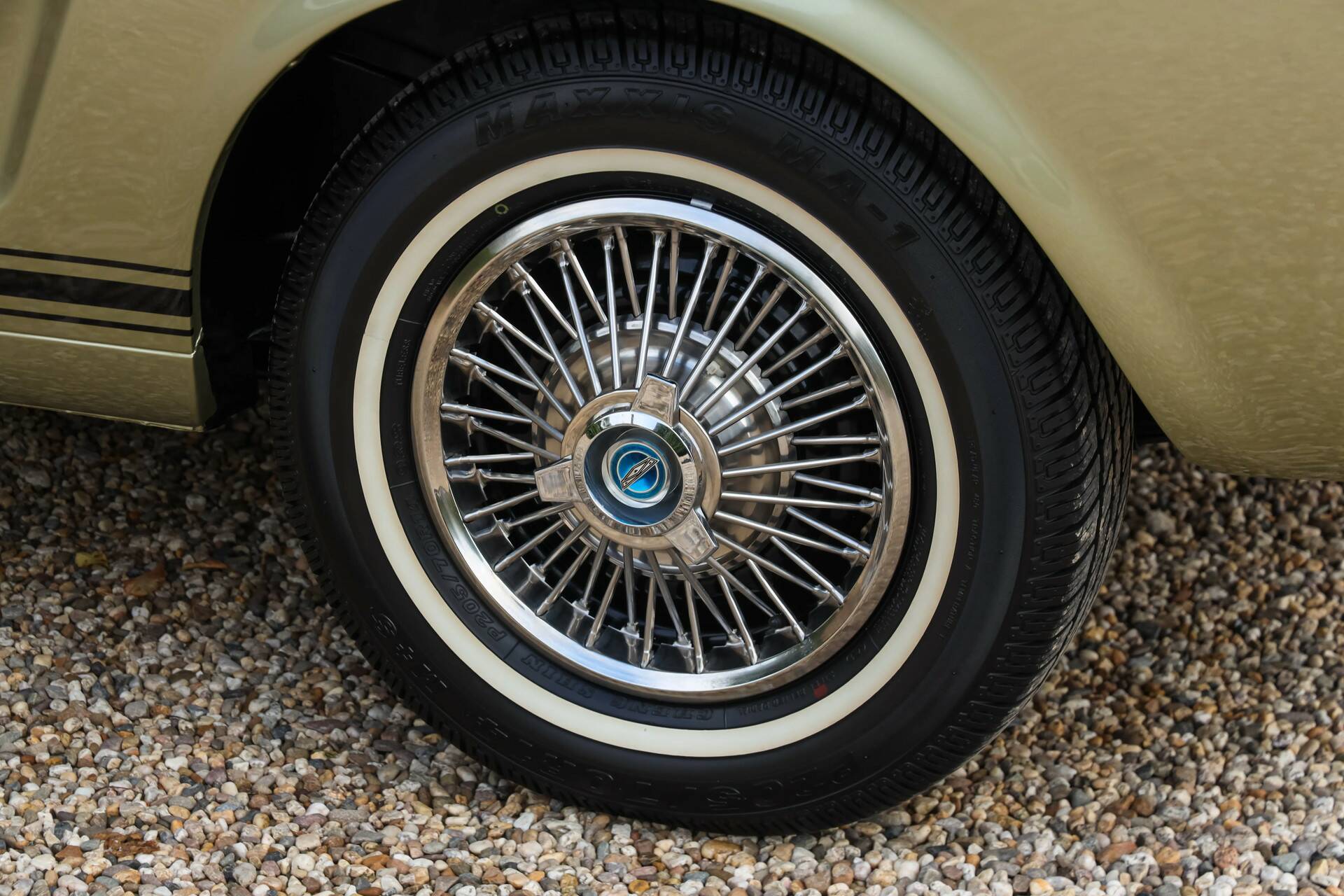
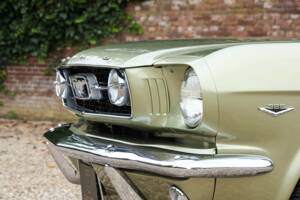
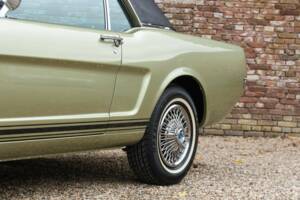
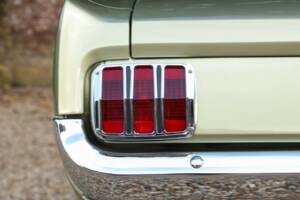
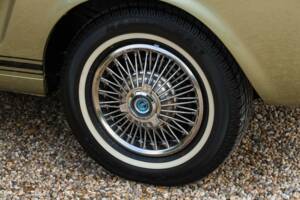
The restoration was carried out extensively and with great attention to factory originality. Wherever possible, the objective was not simply to make something look new, but to make it look correct. There is an important difference. Anyone can make a restored classic shiny. Recreating the way a car actually left the factory requires research, patience, knowledge, and a considerable amount of restraint.
The result speaks for itself. This Mustang has become the most award-winning Mustang in the Netherlands, an achievement that says considerably more than a freshly polished paint finish ever could. Concours judging is precisely where the smallest details begin to matter, and where seemingly minor deviations suddenly become rather less minor.
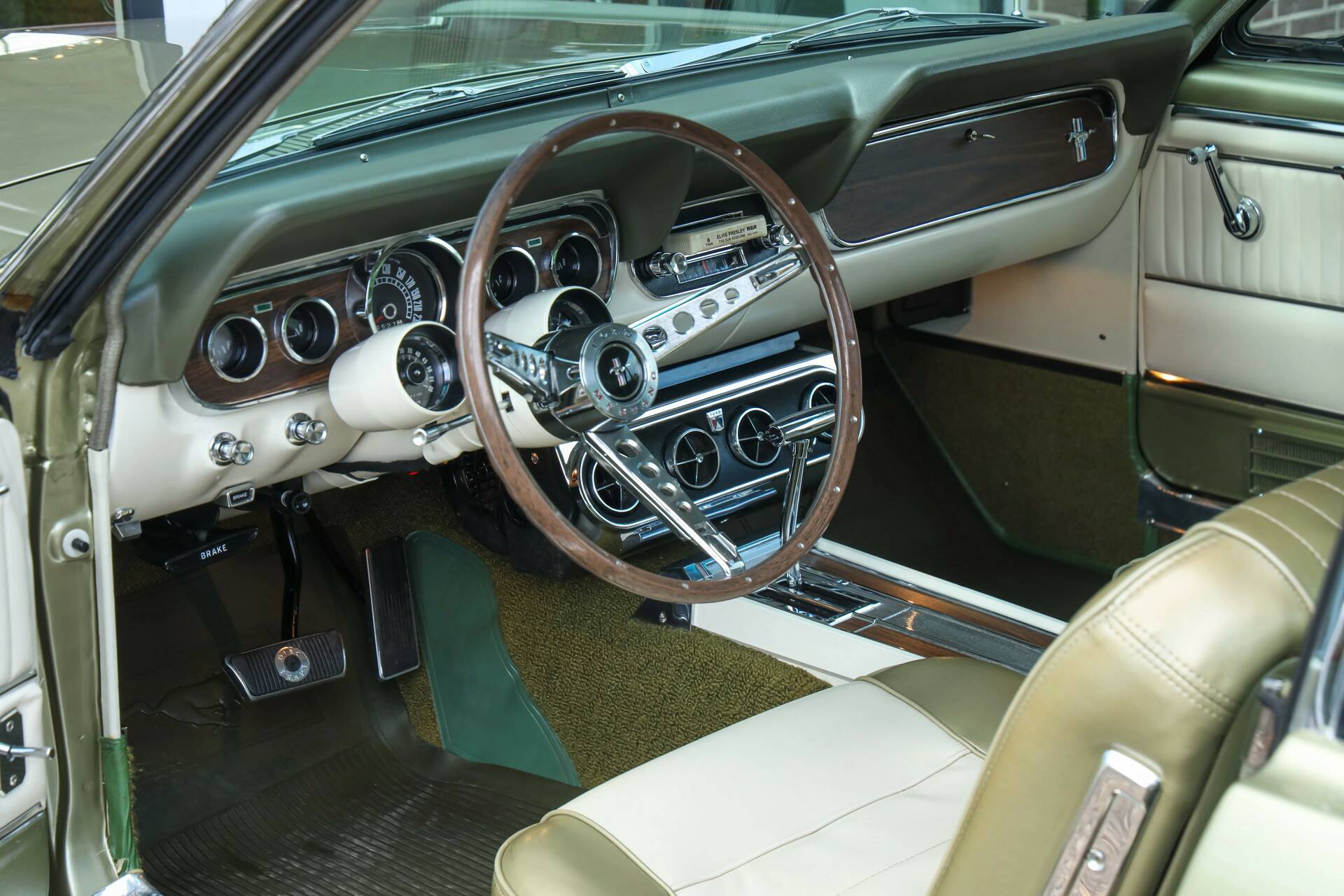
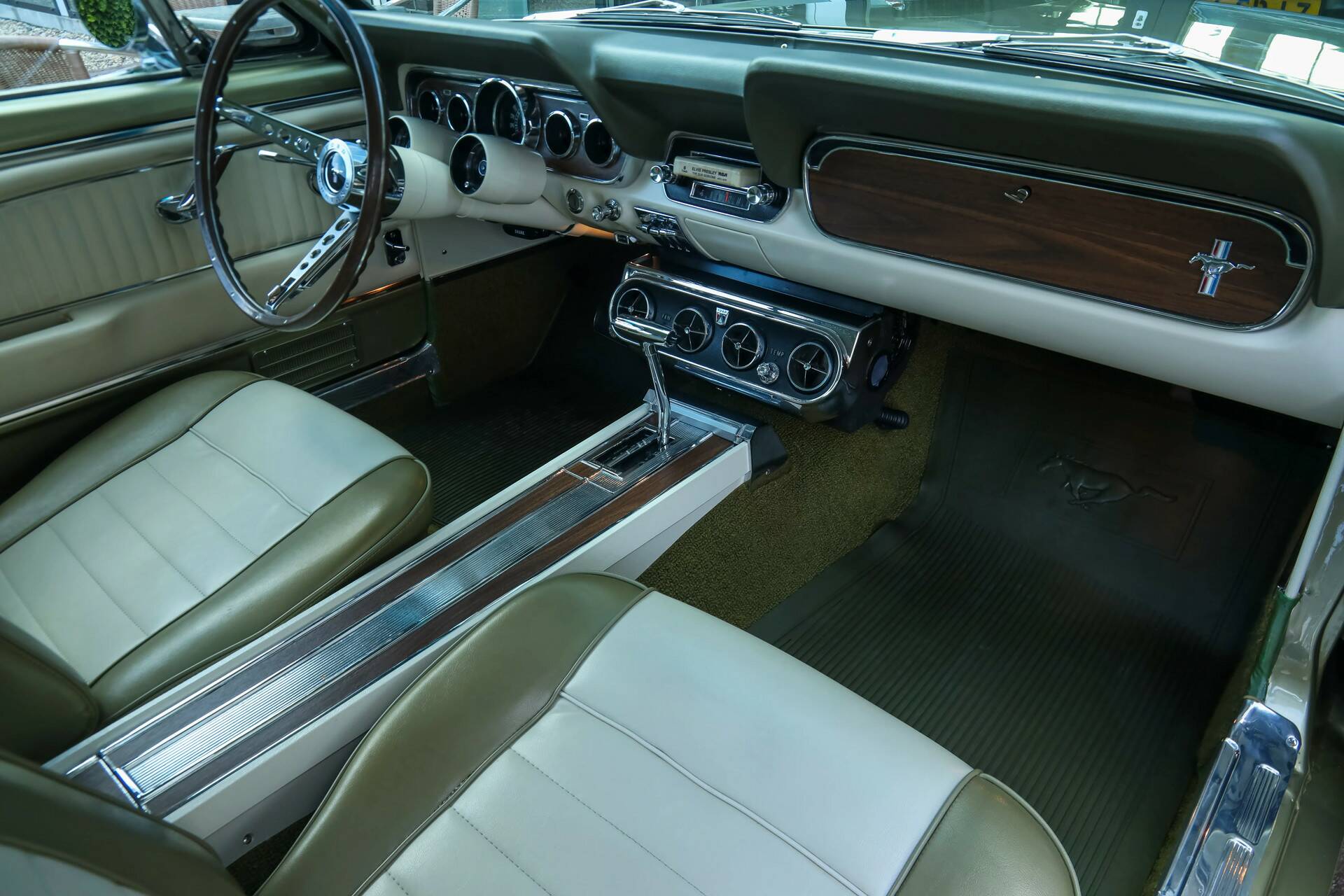
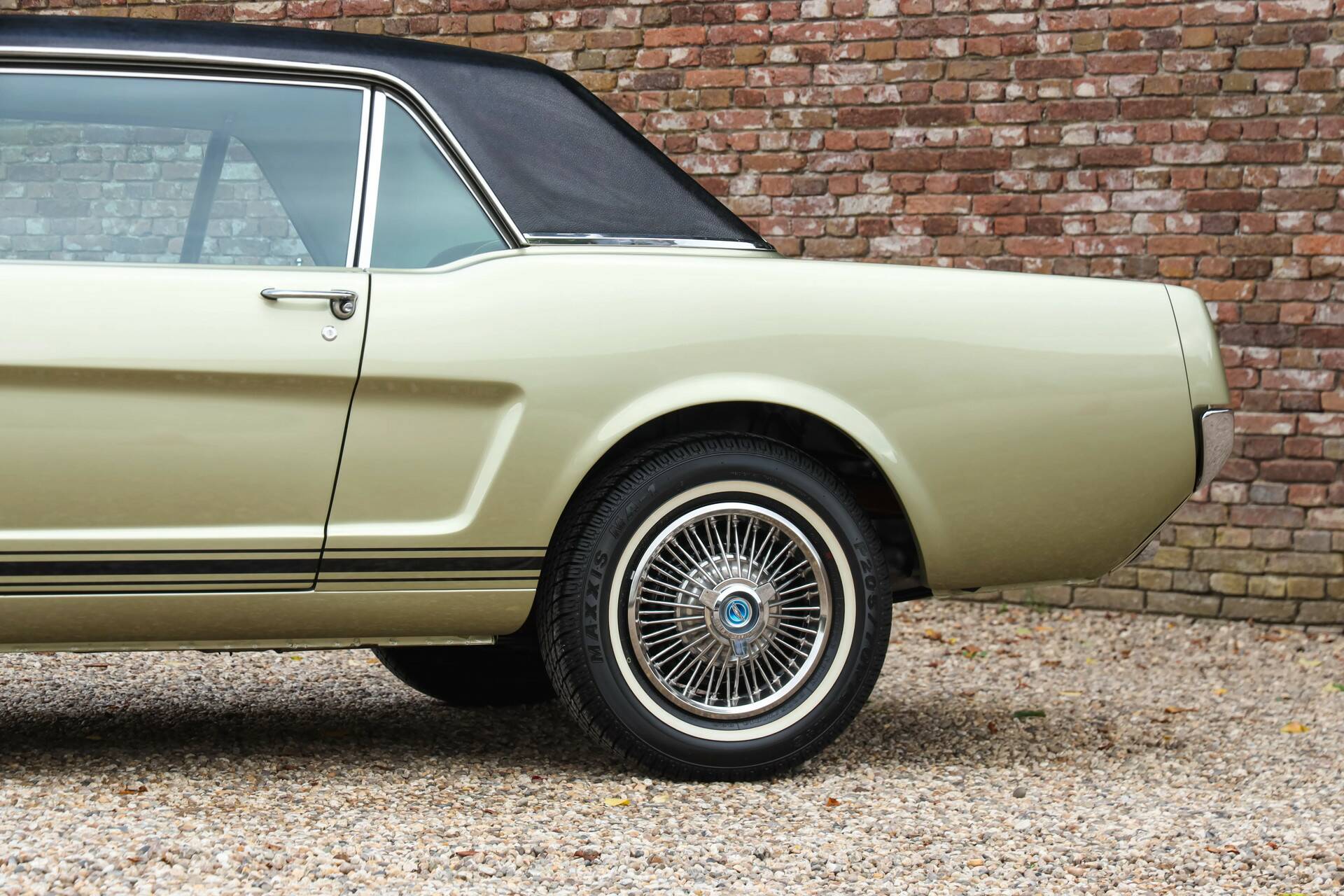
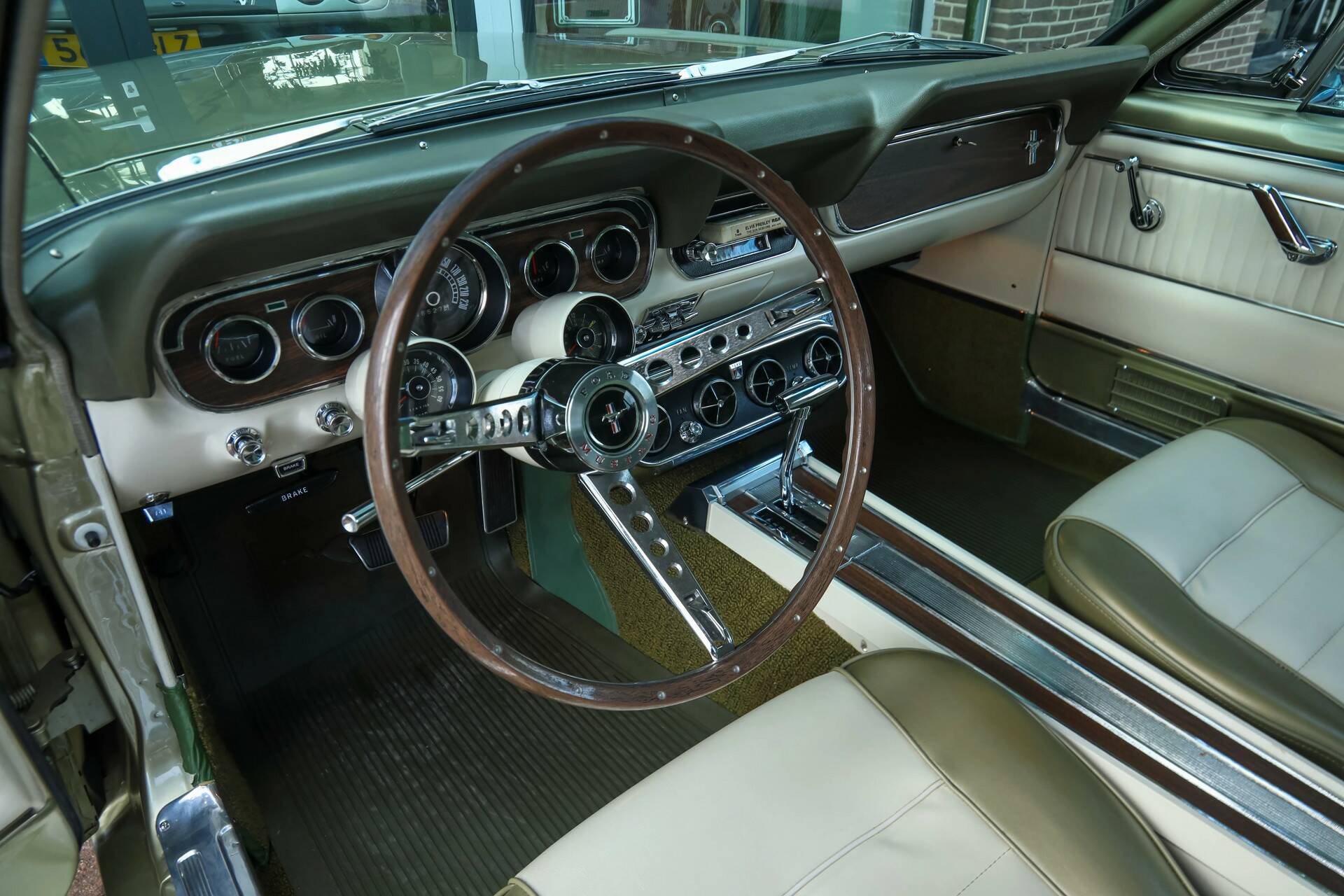
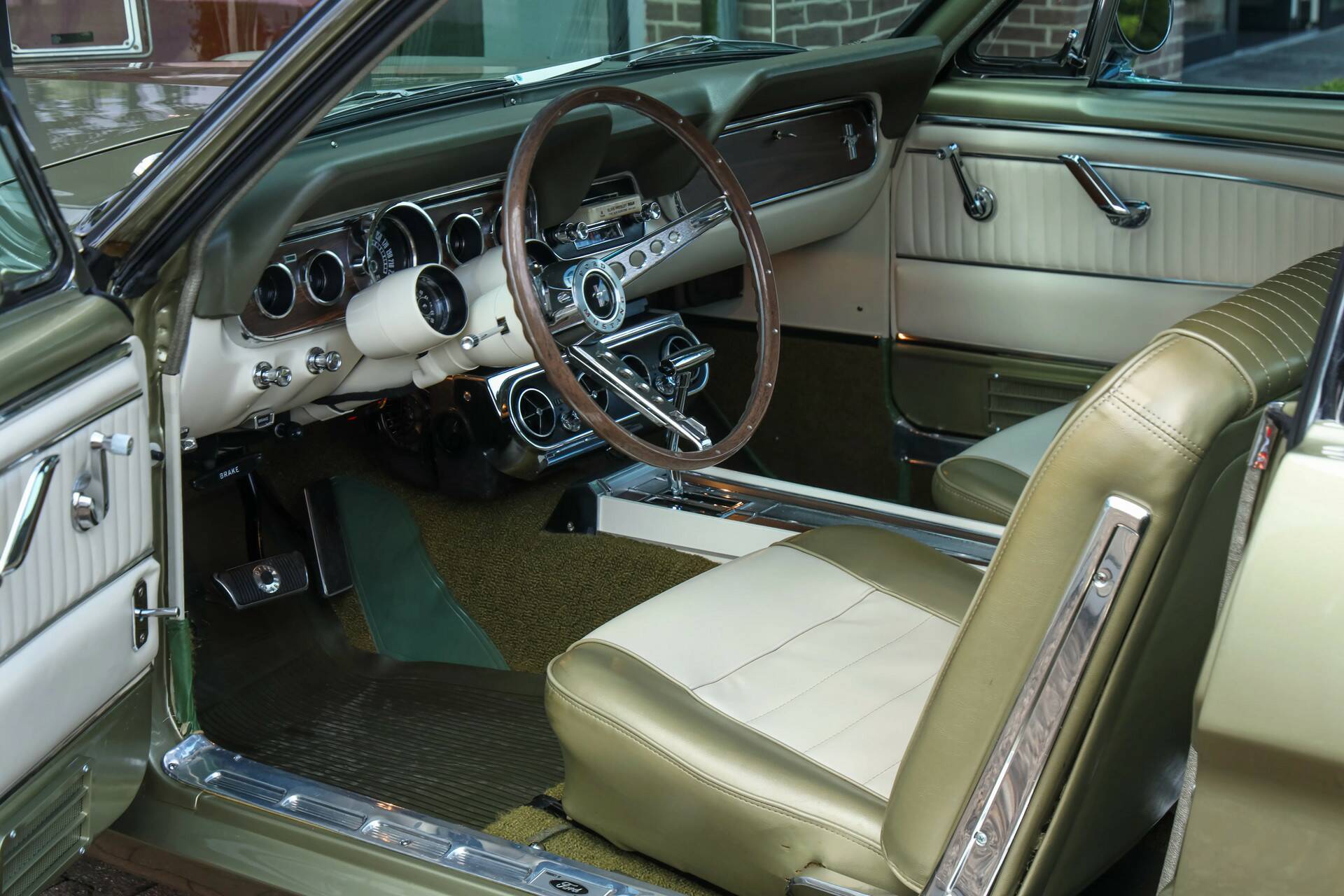
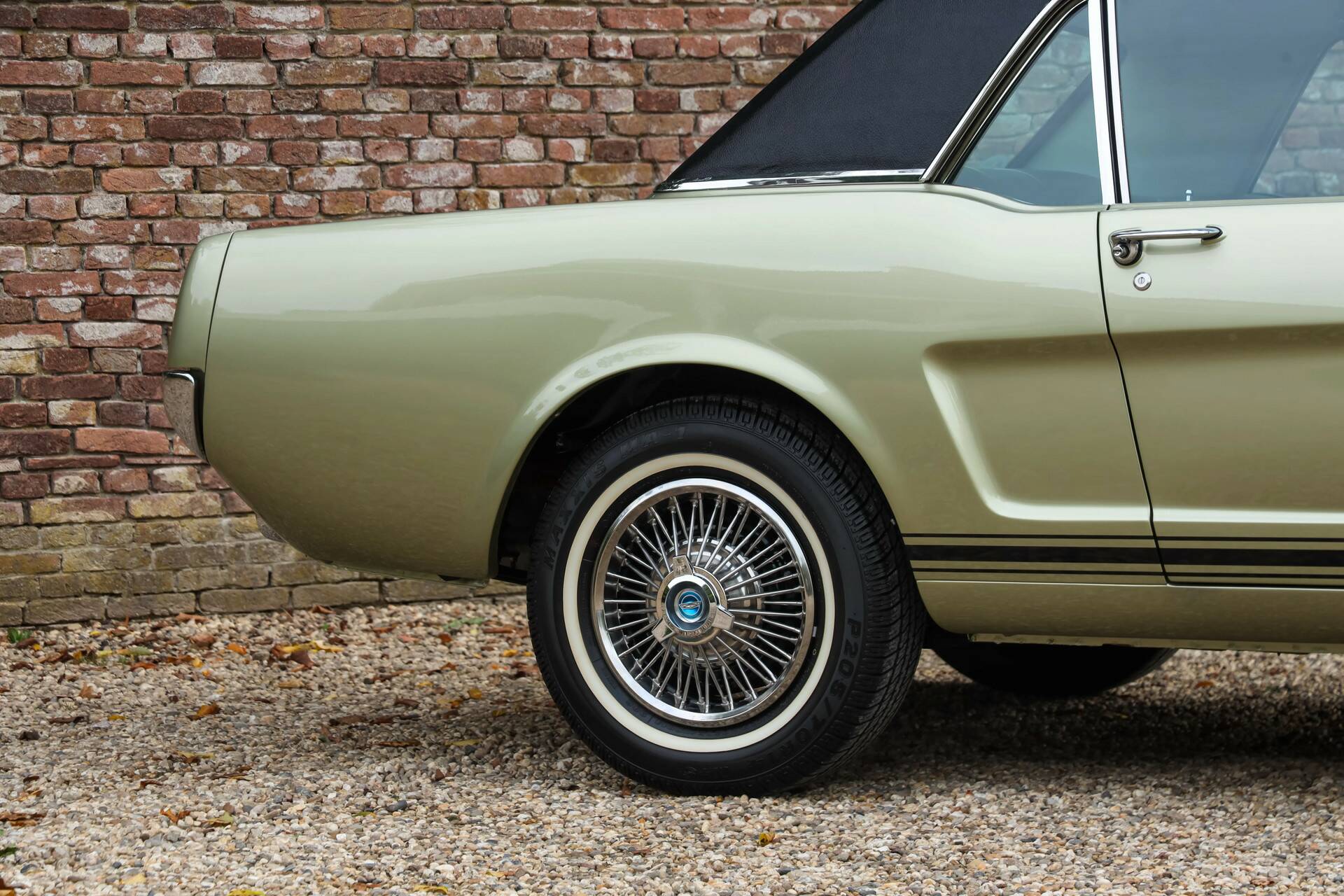
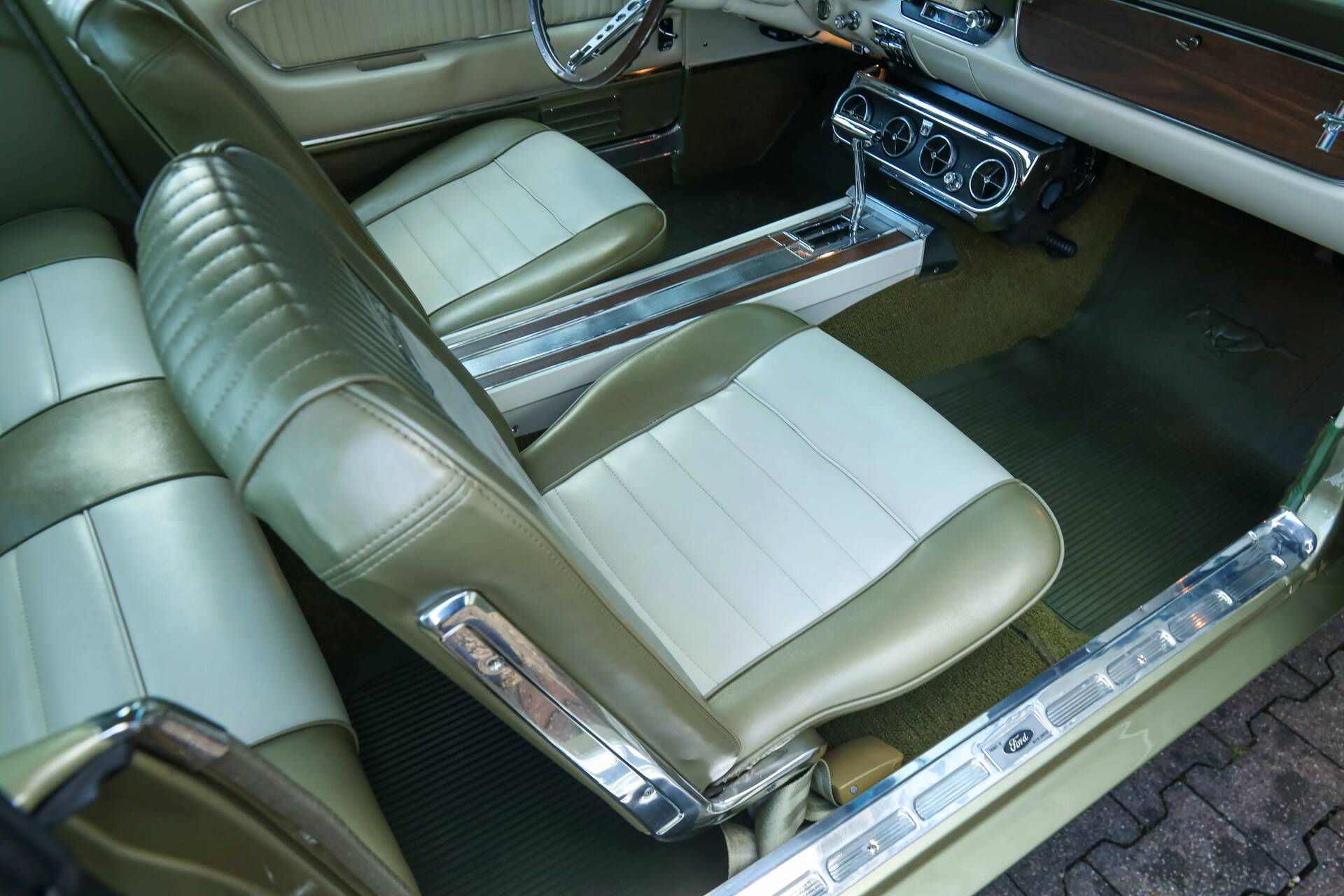
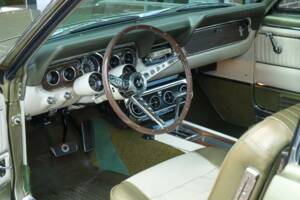
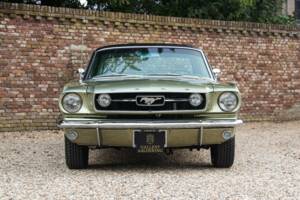
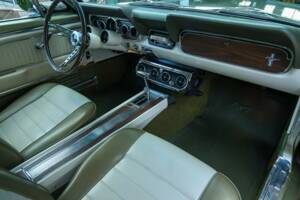
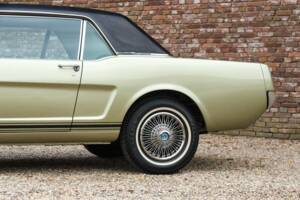
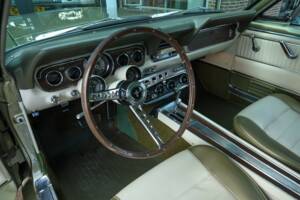
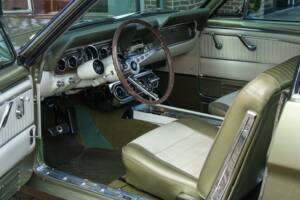
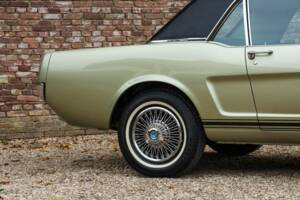
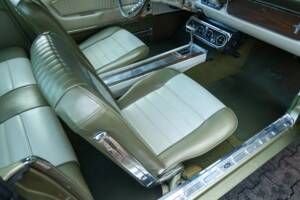
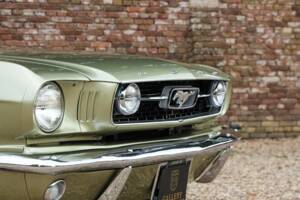
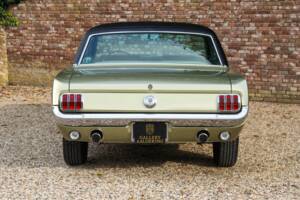
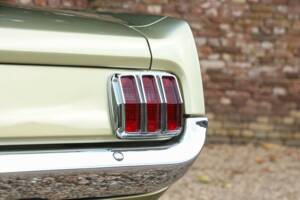
The factory colour combination makes the car particularly attractive. The exterior is finished in Sauterne Gold, combined with an Ivy Gold interior. It is an unmistakably 1960s combination and one that suits the Mustang beautifully. On this car it works remarkably well. Elegant, period-correct, and far more distinctive than the familiar red, black, or white alternatives.
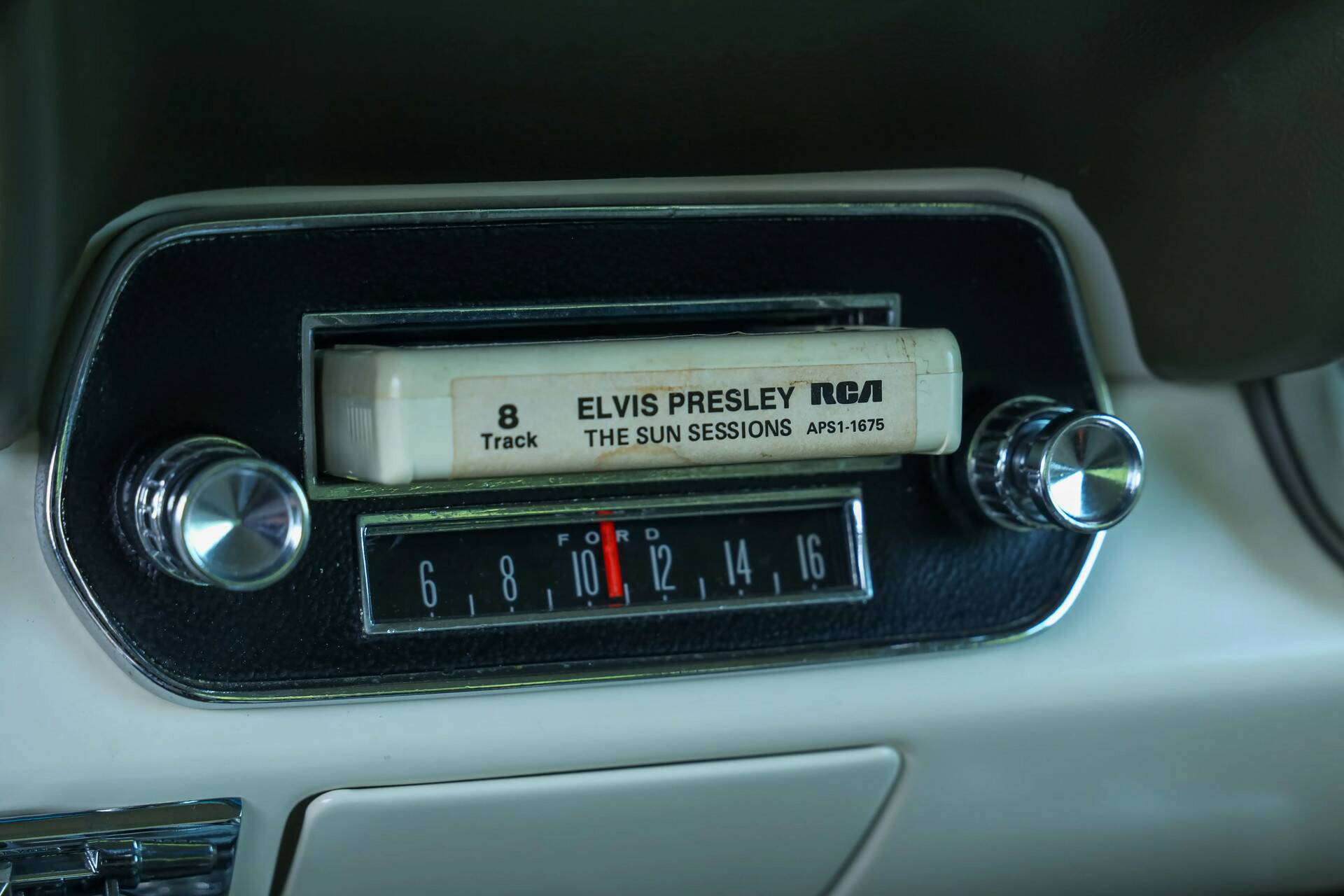
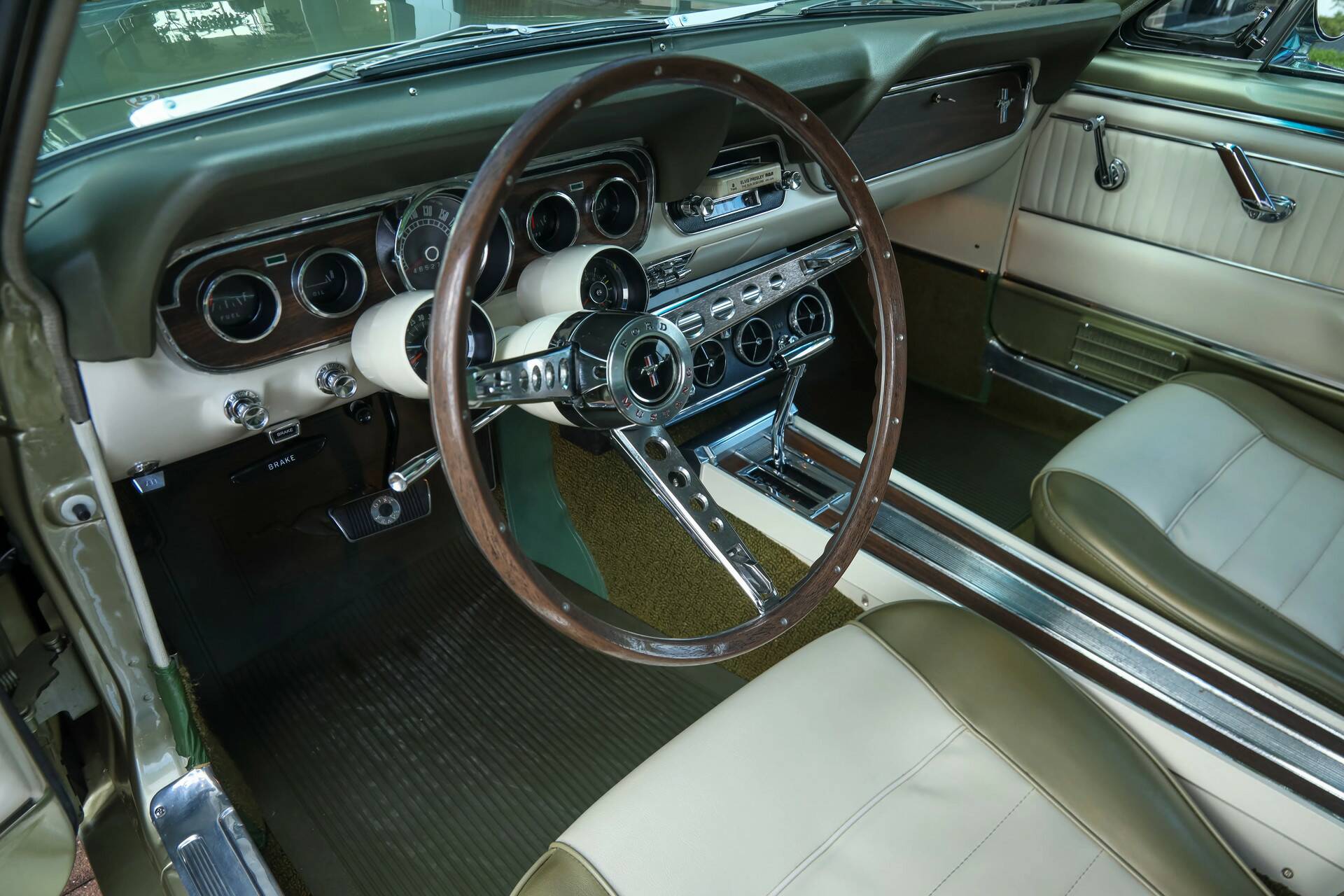
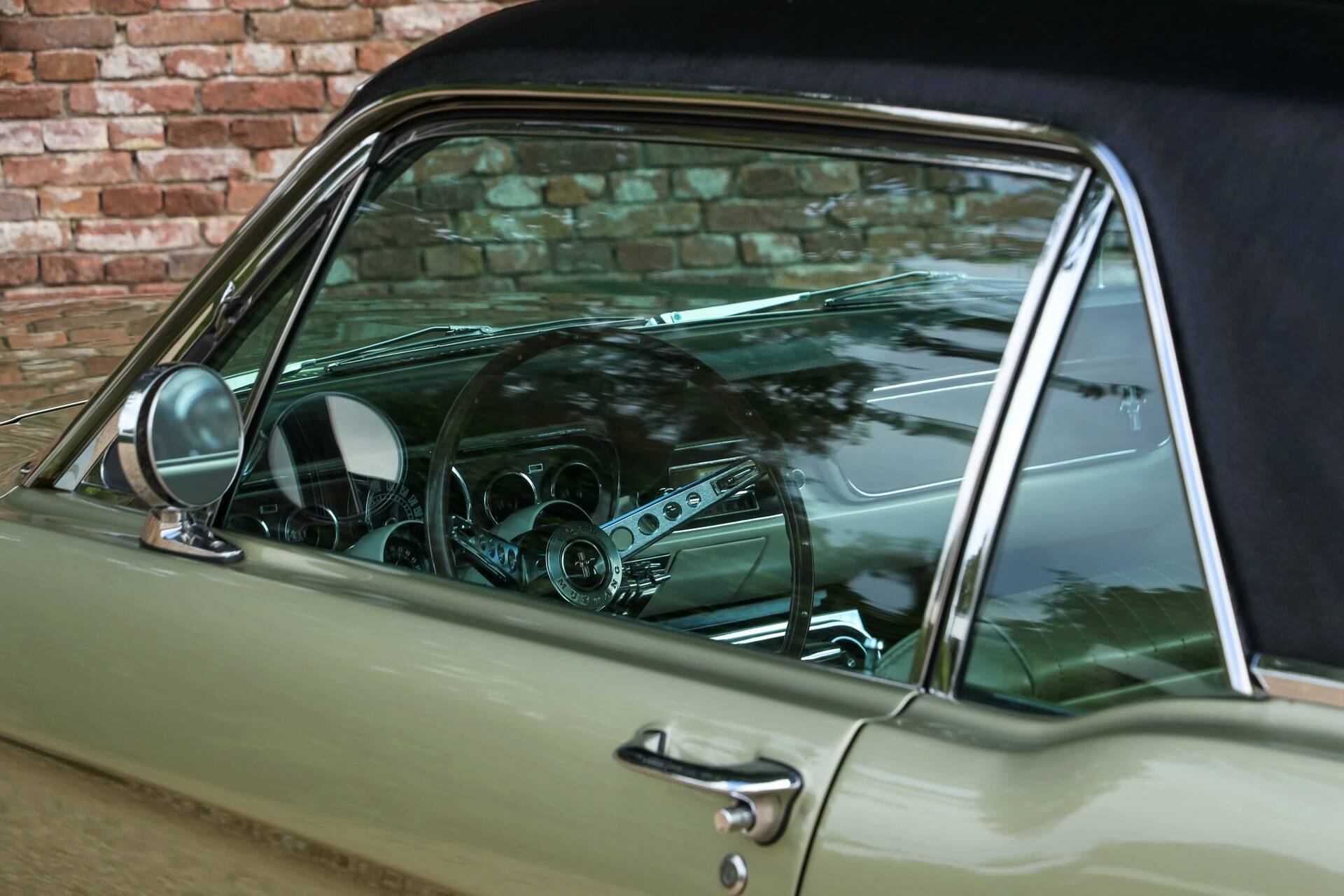
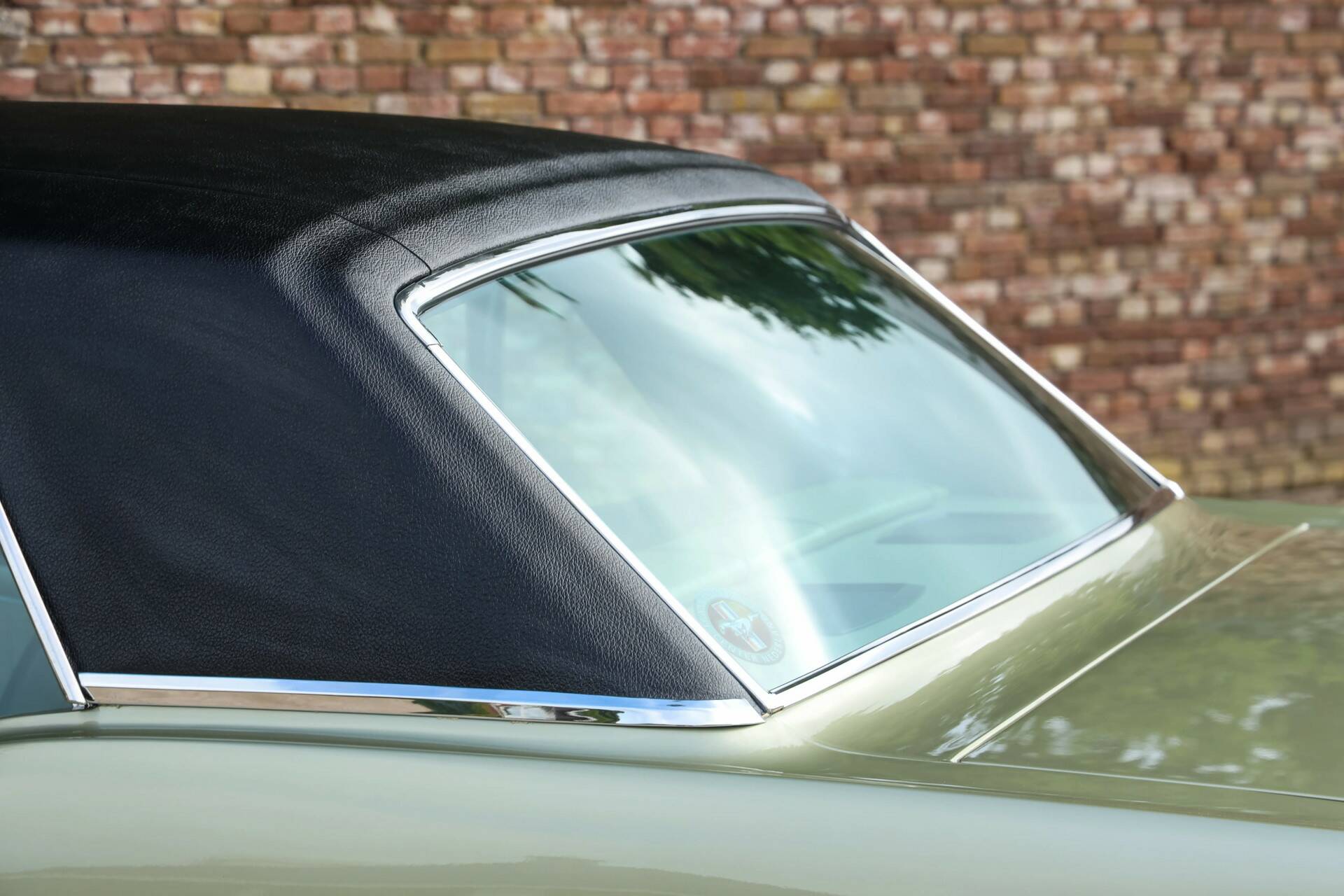
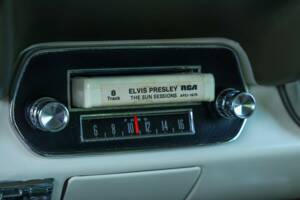
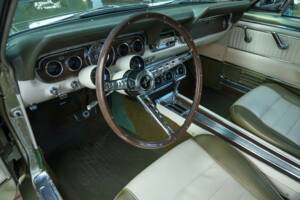
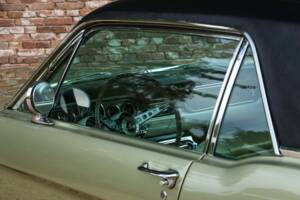
Open the door and the same philosophy continues. The interior does not feel like somebody’s interpretation of a 1966 Mustang. It feels as though the intention has been to turn the clock backwards. Materials, colors, fittings, controls, trim: the closer you look, the more apparent the level of attention becomes.
That continues underneath the car and beneath the bonnet. This is where a truly serious restoration separates itself from a merely attractive one. Areas that most people will never inspect received the same attention as those immediately visible. Correctness did not stop where the photographs stopped.
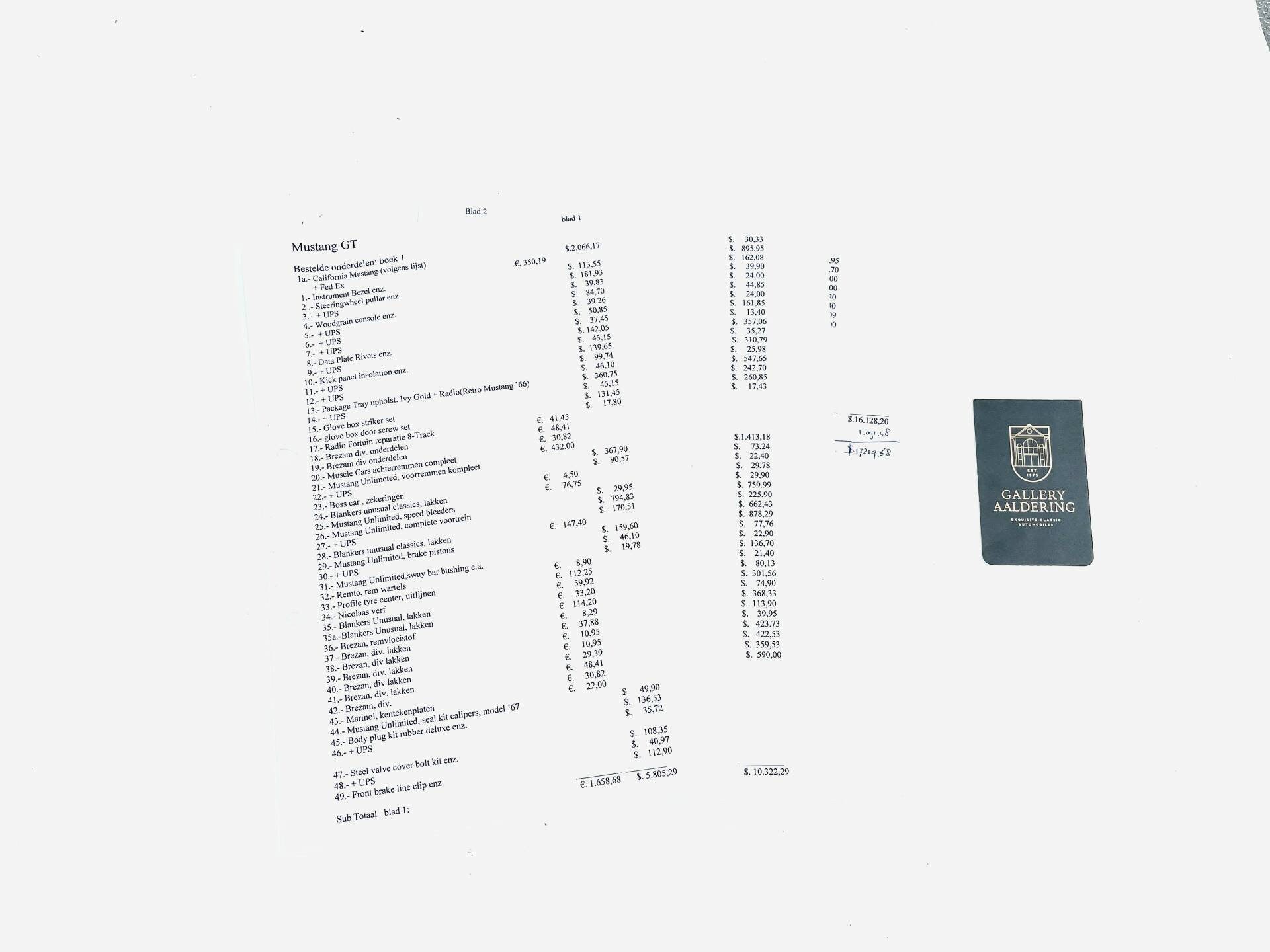
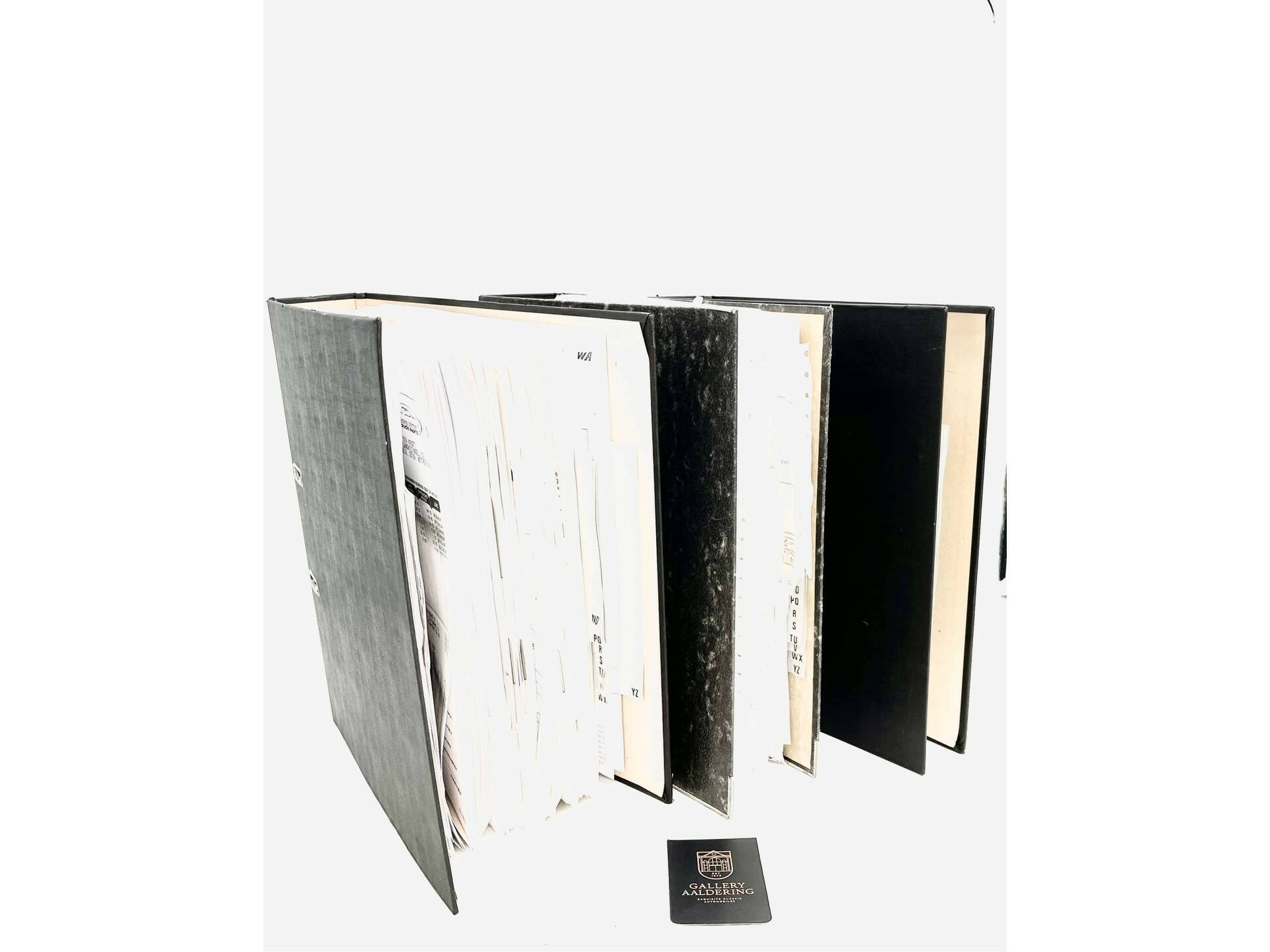
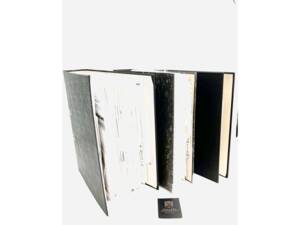
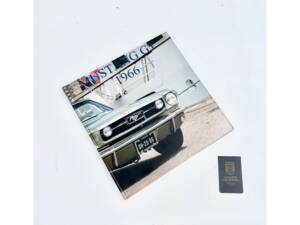
No fewer than three large binders accompany the Mustang, containing extensive documentation relating to the car and its restoration. For a vehicle restored to this level, that documentation is particularly valuable. It allows the next owner to understand not only what was done, but also the enormous amount of effort that went into achieving the final result.
There is an expression that is perhaps used a little too easily when describing classic cars: “only the best.” With this Mustang, however, it appears to have been taken quite literally.
Of course, a concours-quality restoration would mean little if the car only looked impressive standing still. Fortunately, that is not the case here. The Mustang starts, runs, and drives exactly as you would expect from a car restored to such exceptional standards. The 289 V8 has the relaxed, unmistakable character that makes an early Mustang so enjoyable. There is torque when you want it, that characteristic V8 soundtrack, and a wonderfully mechanical feeling that immediately transports you back to the 1960s.
A first-generation Mustang is not a rare sight in itself. Ford built them in enormous numbers, and their popularity has ensured that many survive today. But that also makes the differences between individual cars all the more important.
There are Mustangs that have been restored. There are Mustangs that have been restored very well. And then there are cars where somebody has clearly decided that compromises simply were not part of the assignment.
This 1966 Ford Mustang GT A-code belongs firmly in the latter category. Its factory Sauterne Gold with Ivy Gold colour combination, desirable 289 four-barrel V8, extensive documentation, extraordinary restoration quality, and remarkable concours record make it a Mustang for somebody who does not merely want a fine example. It is for somebody who wants one of the best.
If that is what you have been looking for, we strongly recommend seeing this Mustang in person. Because although photographs can show beautiful paintwork and immaculate detailing, it takes closer inspection to appreciate just how far this restoration has gone.
Contact Gallery Aaldering today and discover this exceptional 1966 Ford Mustang GT A-code for yourself. We export our vehicles worldwide; please inquire about the available possibilities.