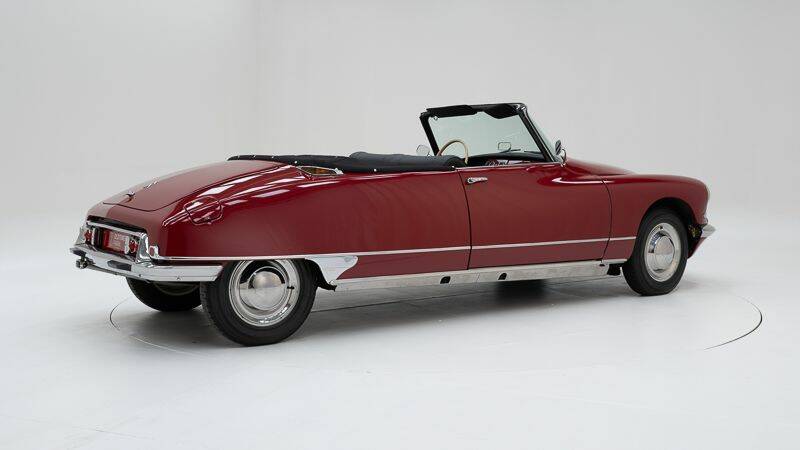
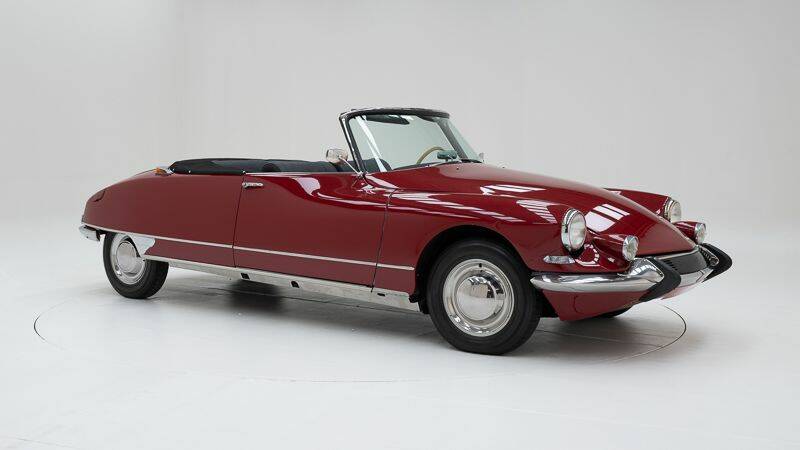
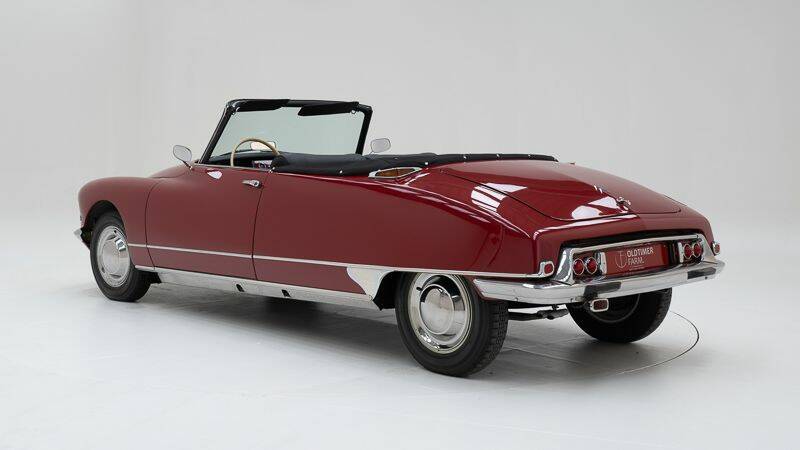
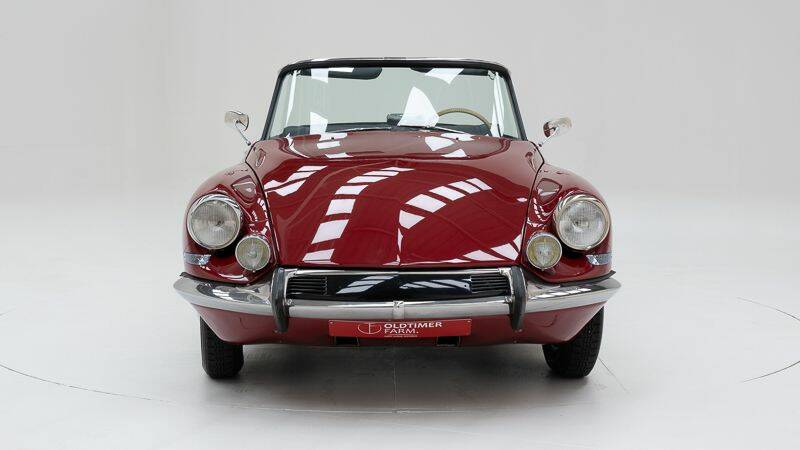
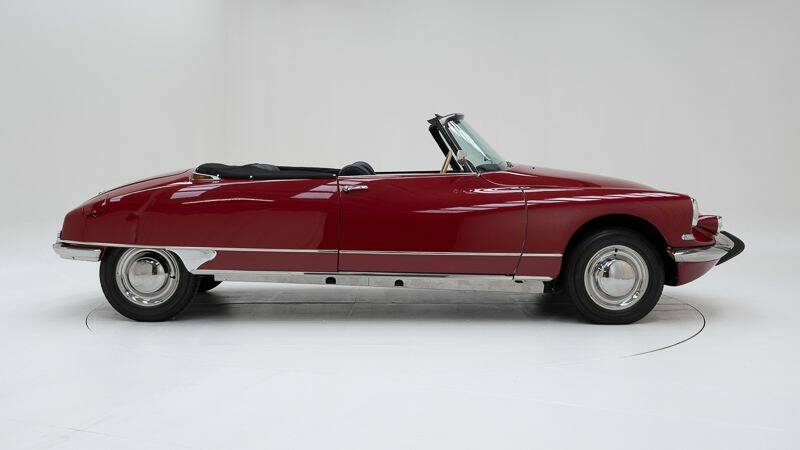
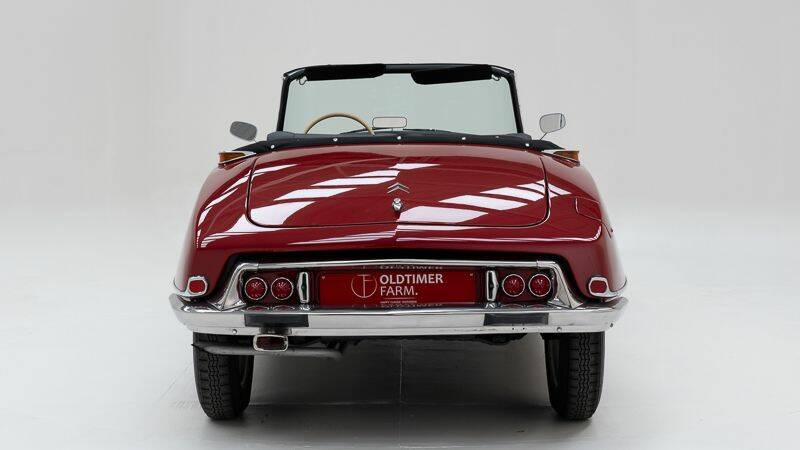
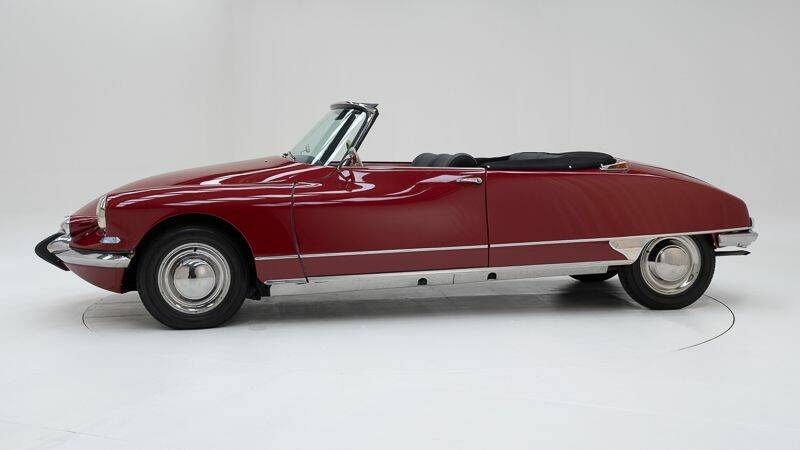
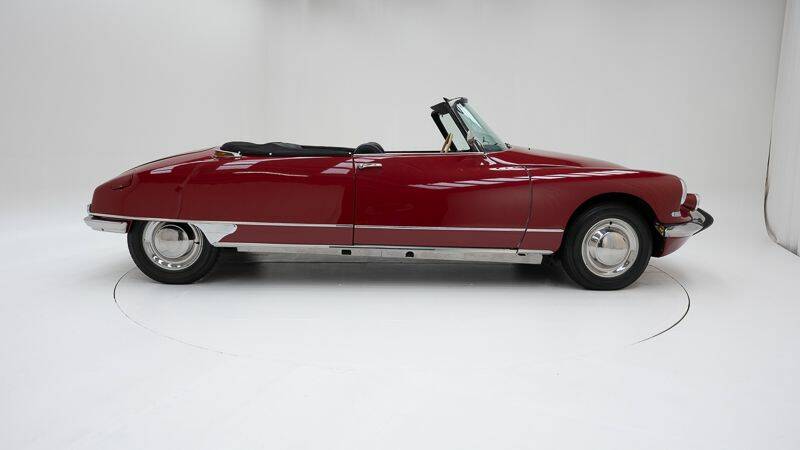
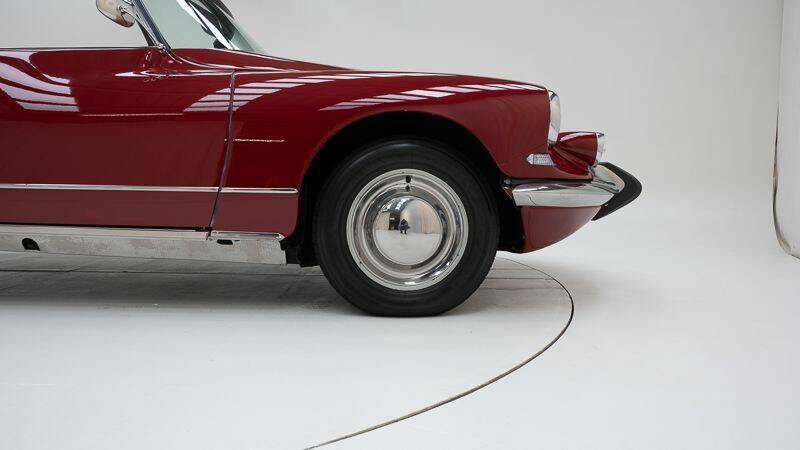
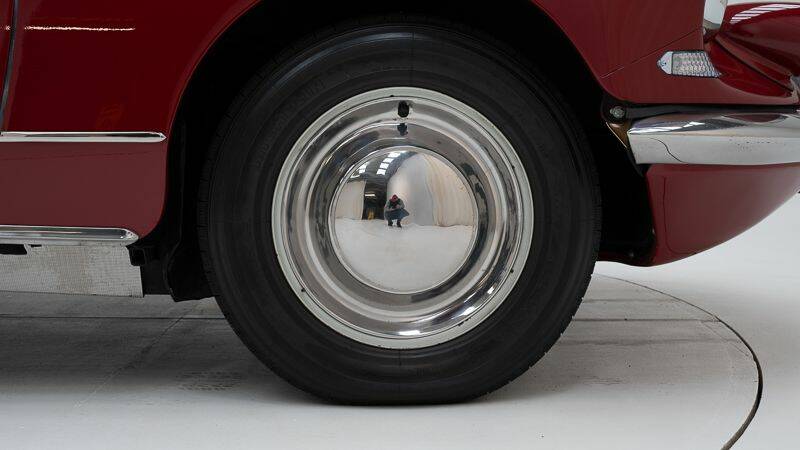
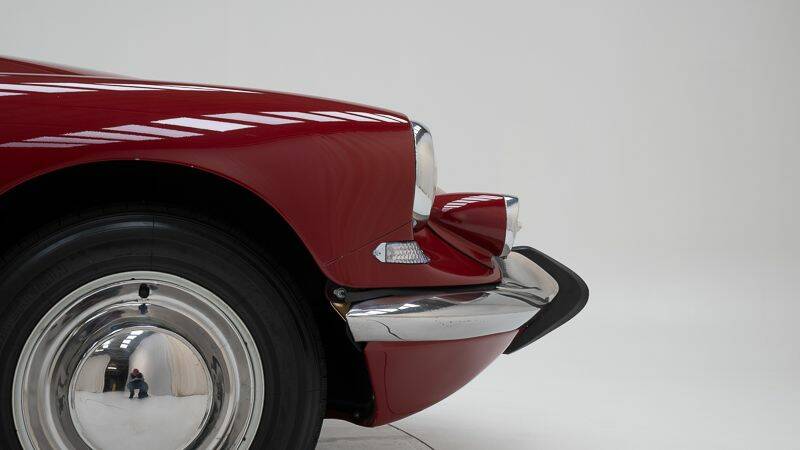
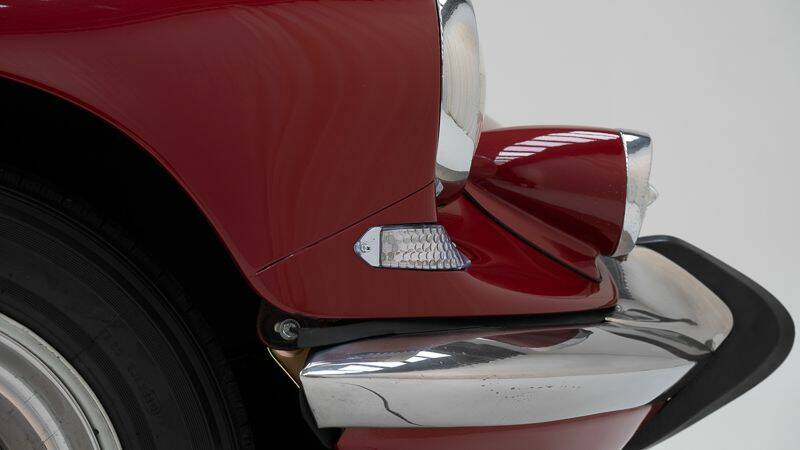
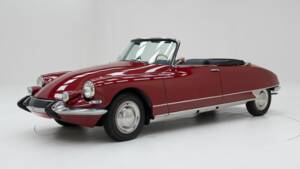
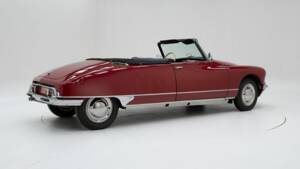
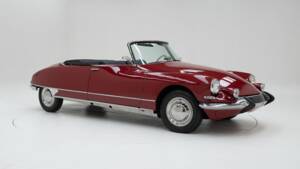
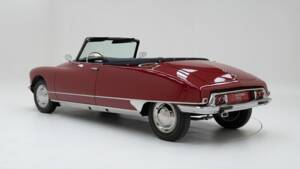
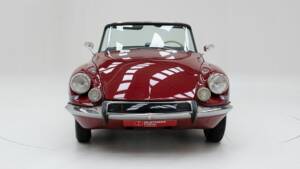
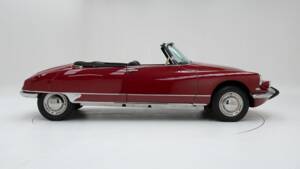
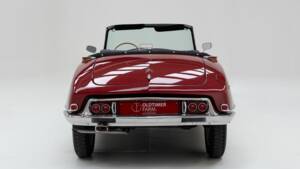
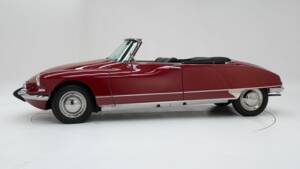
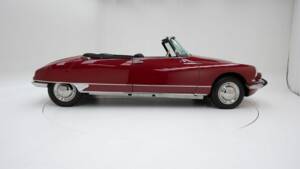
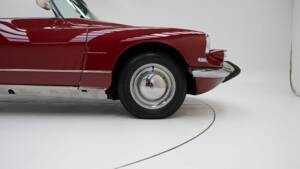
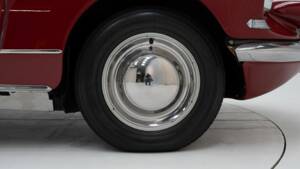
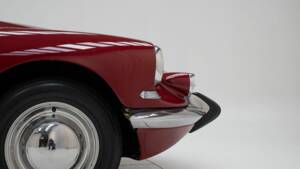
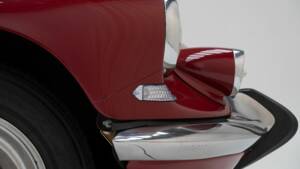
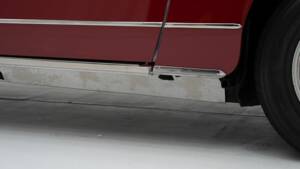
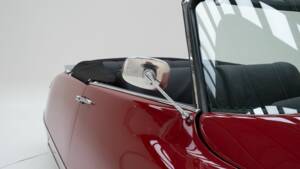
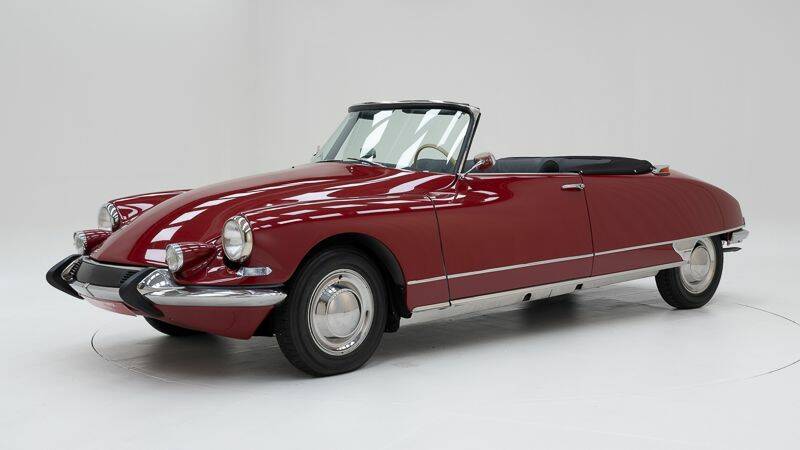
1963 | Citroën ID 19 Usine

1963 Citroen ID Cabriolet '63

696 262 zł
BE flag
Sprzedawca-dealer

Opis

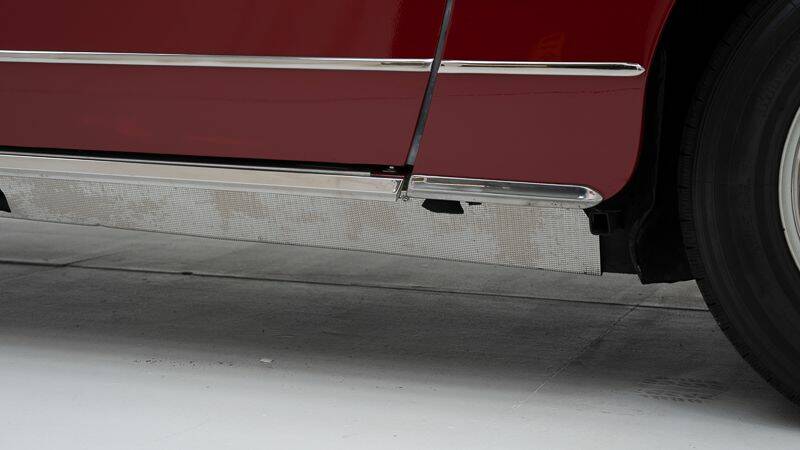
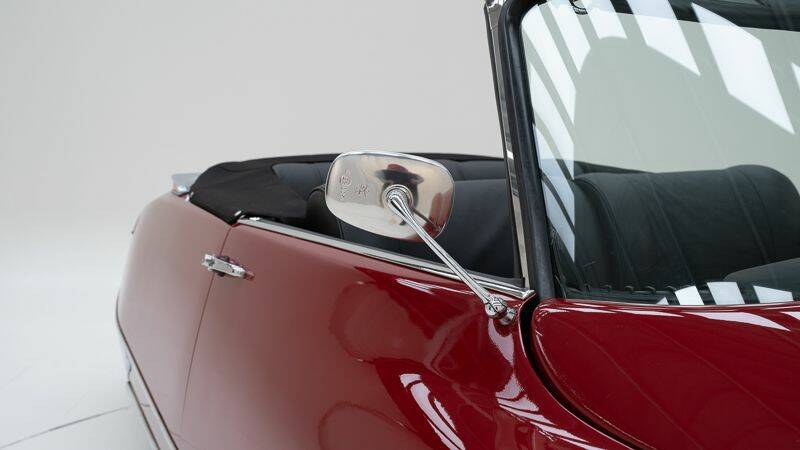
  • Entirely restored, beautiful
    - Lowest mileage you’ll ever see on an ID convertible
    - Bodywork – work of art – done by French coach builder Henri Chapron, with certificate
    - In the mintest of mint conditions
    - With a lot of invoices, documents and certificates

    Walkaround video: Click here

    According to many, the Citroën DS is the most beautiful car of the twentieth century. The "déesse", which means “goddess” in French, was presented at the 1955 Paris Motor Show. During the Paris Motor Show, it was crystal clear that this car would be a great success, 12.000 models were sold only at that show and the following week that amount rose up to 80.000, which was an absolute record. The DS was produced in various bodyworks until 1975. In total, about 1.3 million were delivered.

    The DS, known in Spain as the "tiburón", which means “shark”, and in the Netherlands as the "snoek", meaning "pike", to name just two of its many nicknames, was the successor to the already revolutionary Traction Avant. To maintain this revolutionary trend, the DS was designed using countless groundbreaking technologies, it is almost impossible to list them all. Let’s. Citroën moved away from mechanics and chose for more hydropneumatics: the hydropneumatic suspension provides a wonderful driving comfort that perfectly meets the post-war road condition, and to make the most efficient use of combustion in the engine, they designed a hydraulically operated single-plate clutch, which prevents power loss when clutching. This clutch had to be handled with a lever on the steering wheel. In addition, the single-spoke steering wheel significantly increased safety. The DS was the first mass-produced car with disc brakes on the front wheels, which also improved safety. It was the first car with fuel lines made of plastic, and the dashboard was entirely made of plastic, at the time the largest industrially manufactured piece of plastic ever. The front of the car was built so that the steering gear centreline coincided with the centreline of the wheel, ensuring that the car can continue to accelerate and drive straight even with a flat tire. Even the lighting was groundbreaking: the headlights turned with the turning of the steering wheel so that the driver could quickly anticipate on sinuous roads at night. But that is not all: the window frames are designed to be so thin that there is no longer any blind spot, the roof was made of very light fiberglass to lower the centre of gravity even further, and the engine is located behind the front axle, making it a mid-engine car. A mid-engine design improves road grip, and manoeuvrability.

    The user-friendliness of the DS was anything but conventional due to numerous new features, which is why the car was sometimes considered too revolutionary and mainly sought after by early innovators. To reach a larger audience that was scared off by high technology, Citroën introduced the ID in 1956. The ID was a cheaper and more conservative DS with a higher average level and less sophistication.

    Citroën ID

    The Citroën DS was considered too futuristic by people, even though the DS later became a best-seller, this resulted in sales not fully living up to its potential. Therefore, Citroën decided to design a simpler version with less technological sophistication to the market. This simpler DS was named ID, which is an abbreviation of the French word for ‘idea’.

    Many devoted Citroën customers also admitted not to be ready for the DS, although they did buy one. Instruction manuals helped to clarify many things but were seldom thoroughly read. After purchase, the DS also turned out to be expensive to maintain due to all its technological sophistication.

    In 1957, a wave of relief followed as the Citroën ID came to life. It was less sophisticated version of the DS, with the same charm and Citroën vibe. This time, a clutch pedal, a more conventional gearstick, and a user-friendlier braking system were built. The DS dashboard was also replaced for better usability.

    Technical information:

    Body work

    - Length (cm): 486 (191 inch)
    - Width (cm): 179 (70 inch)
    - Height (cm): 142 (56 inch)
    - Wheelbase (cm): 313 (123 inch)
    - Weight (kg): 1265 (2789 lbs)

    Mechanics

    - Engine: 1911 cc in-line four mid-engine
    - Valve gear: 8
    - Fuel system: 1 carburettor Solex
    - Gear box: 4-speed manual
    - Transmission: FWD
    - Left-steered
    - power: 79 hp (59 kW) at 4250 t/m
    - torque: 142 Nm at 3000 t/m
    - Top speed: 145 km/h (90 mph)

Stan i rejestracja

Zarejestrowany
Gotowy do jazdy
Nie podano

Raport z inspekcji

Niedostępny
Inspection Report
CT Inspections Logo

Zleć ekspertom inspekcję tego pojazdu!

  • Przejrzystość dzięki 128 punktom kontroli
  • Oceny stanu każdego podzespołu
  • Pomiar grubości lakieru
Dowiedz się więcej i zabezpiecz się

Dane techniczne

Dane pojazdu

Marka
Citroën
Seria modelu
ID
Nazwa modelu
ID 19 Usine
Kod producenta
DY
Data pierwszej rejestracji
Nie podano
Rok produkcji
1963
Przebieg (odczyt)
830 km
Numer nadwozia
Nie podano
Numer silnika
Nie podano
Numer skrzyni biegów
Nie podano
Zgodność numerów
Nie podano
Liczba właścicieli
Nie podano

Dane techniczne

Typ nadwozia
Convertible
Moc (kW/hp)
61/83
Pojemność skokowa (cm³)
1911
Liczba cylindrów
4
Liczba drzwi
2
Kierownica
Lewostronne (LHD)
Skrzynia biegów
Manualna
Liczba biegów
Nie podano
Skrzynia biegów
Napęd na przednie koła
Hamulce przednie
Nie podano
Hamulce tylne
Nie podano
Rodzaj paliwa
Benzyna

Indywidualna konfiguracja

Kolor nadwozia
Inne
Nazwa koloru producenta
-
Kolor wnętrza
Inne
Materiał wnętrza
Inne

Lokalizacja

Ładowanie map

Więcej pojazdów od Oldtimerfarm

Podobne pojazdy

Newsletter

Dołącz do ponad 100 000 subskrybentów otrzymujących starannie wybrane ogłoszenia

Otrzymuj starannie wybrane kolekcje najciekawszych samochodów, motocykli i ogłoszeń aukcyjnych w Classic Trader — prosto do swojej skrzynki odbiorczej.

Bez spamu, rezygnacja w dowolnym momencie.