Registration number: CH-45-35
Manufacturer: Gallery Aaldering Arnhemsestraat 47 6971AP BRUMMEN, NL 0575564055 http://www.gallery-aaldering.com info@gallery-aaldering.com
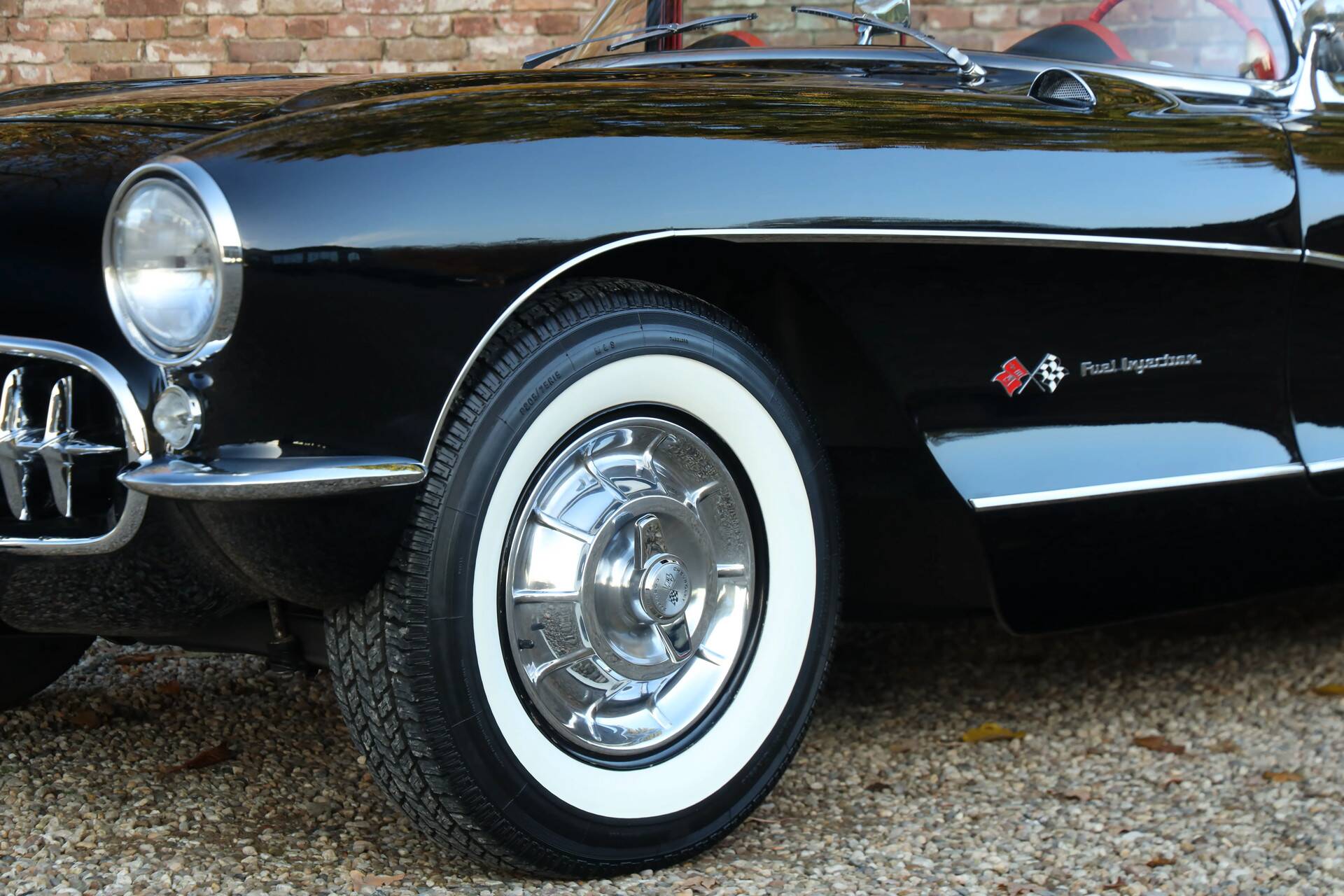
1957. Chevrolet introduces a Corvette with a 283 cubic inch V8 producing exactly 283 horsepower. One horsepower for every cubic inch of displacement. At a time when American cars are largely associated with generous dimensions, chrome, and effortless comfort, Chevrolet decides to make a very different statement. The Corvette is no longer simply an attractive two-seat roadster. It has become a serious sports car. And the nickname? Fuelie. We rather like that.
The Corvette story had begun just a few years earlier, in 1953. Harley Earl wanted to create an American sports car capable of competing with the European roadsters that were becoming increasingly popular across the United States. The result was unveiled at the General Motors Motorama in New York. The public reaction was enthusiastic, but the early Corvette had one obvious weakness. Beneath its beautiful bodywork sat a relatively modest straight-six engine, paired with a two-speed automatic transmission. A wonderful car to look at, certainly, but hardly the sports car enthusiasts had been hoping for.
Fortunately, Zora Arkus-Duntov entered the picture. The engineer and motorsport enthusiast recognised the Corvette's potential and became one of the driving forces behind its transformation into a genuine performance car. The arrival of the V8 in 1955 was an important first step. The following year brought substantially revised bodywork. But 1957 introduced perhaps the most significant development of all: Rochester mechanical fuel injection.
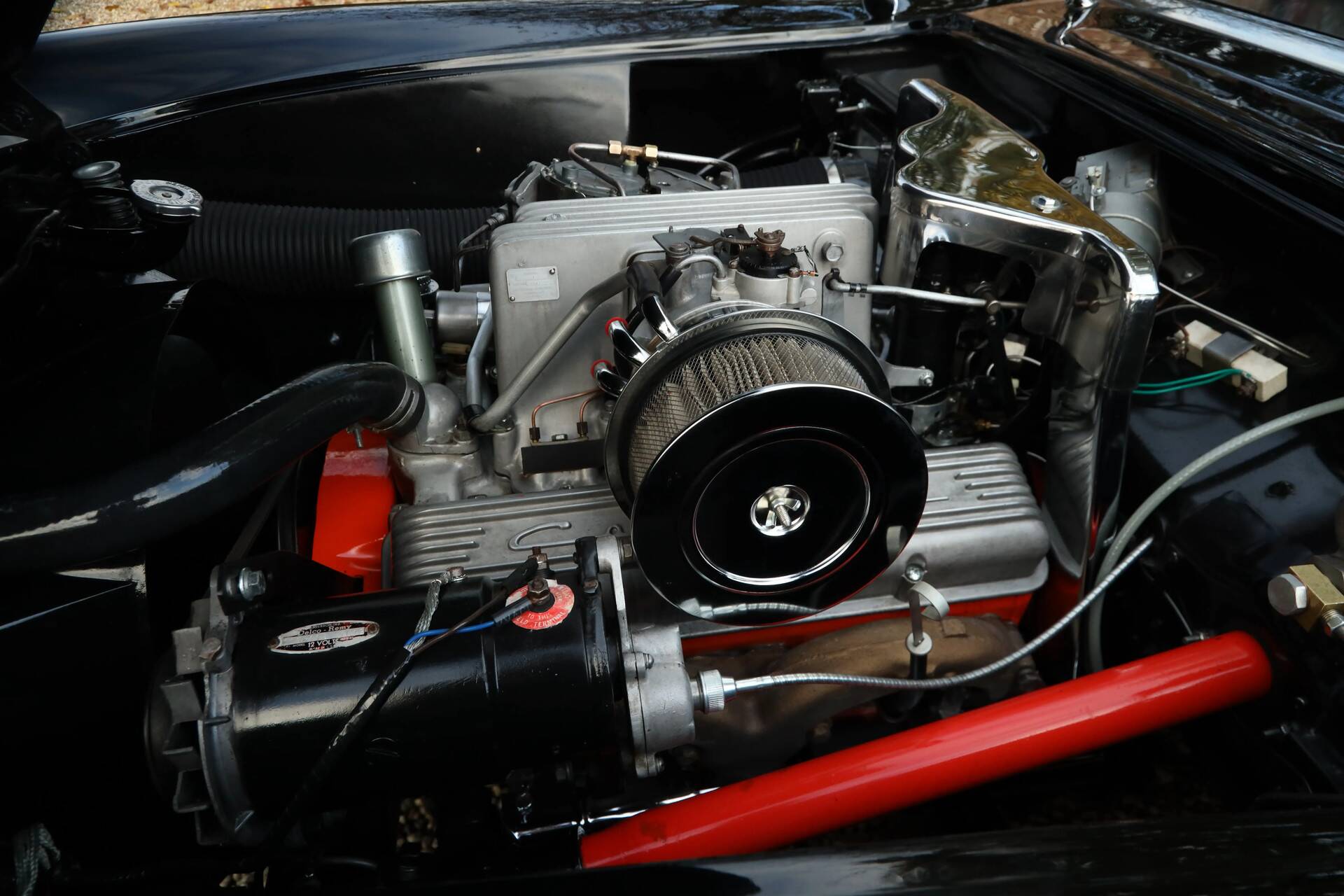
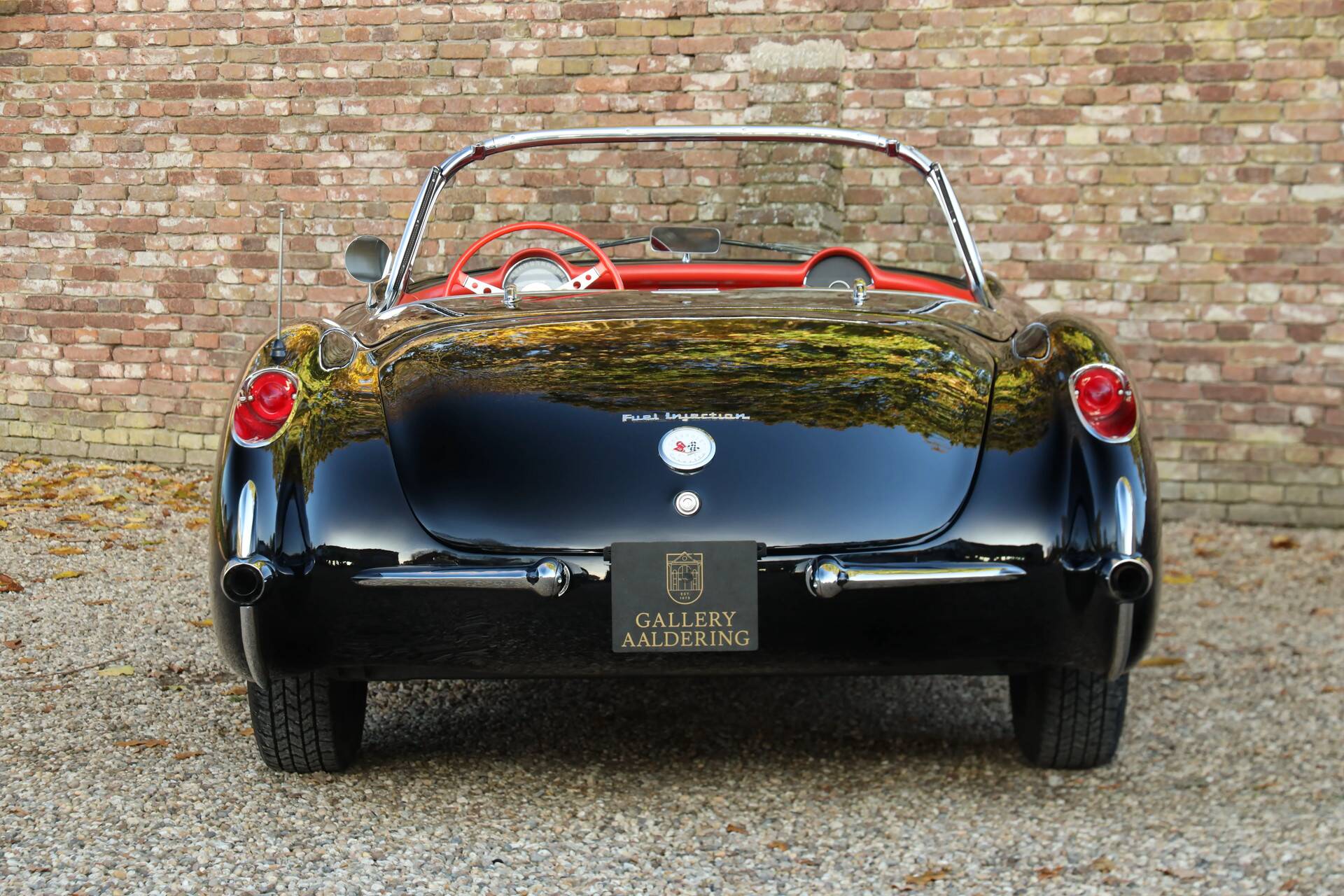
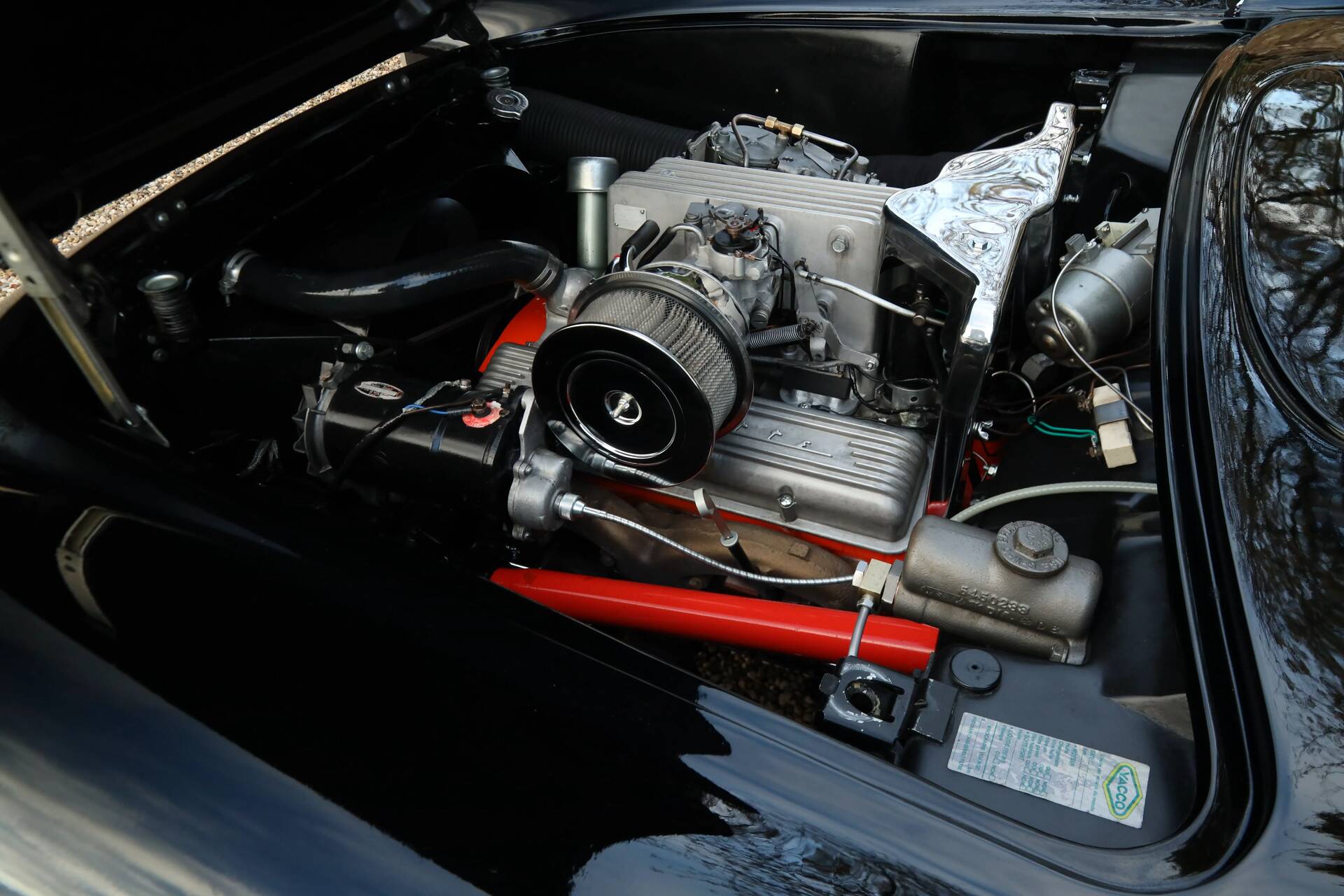
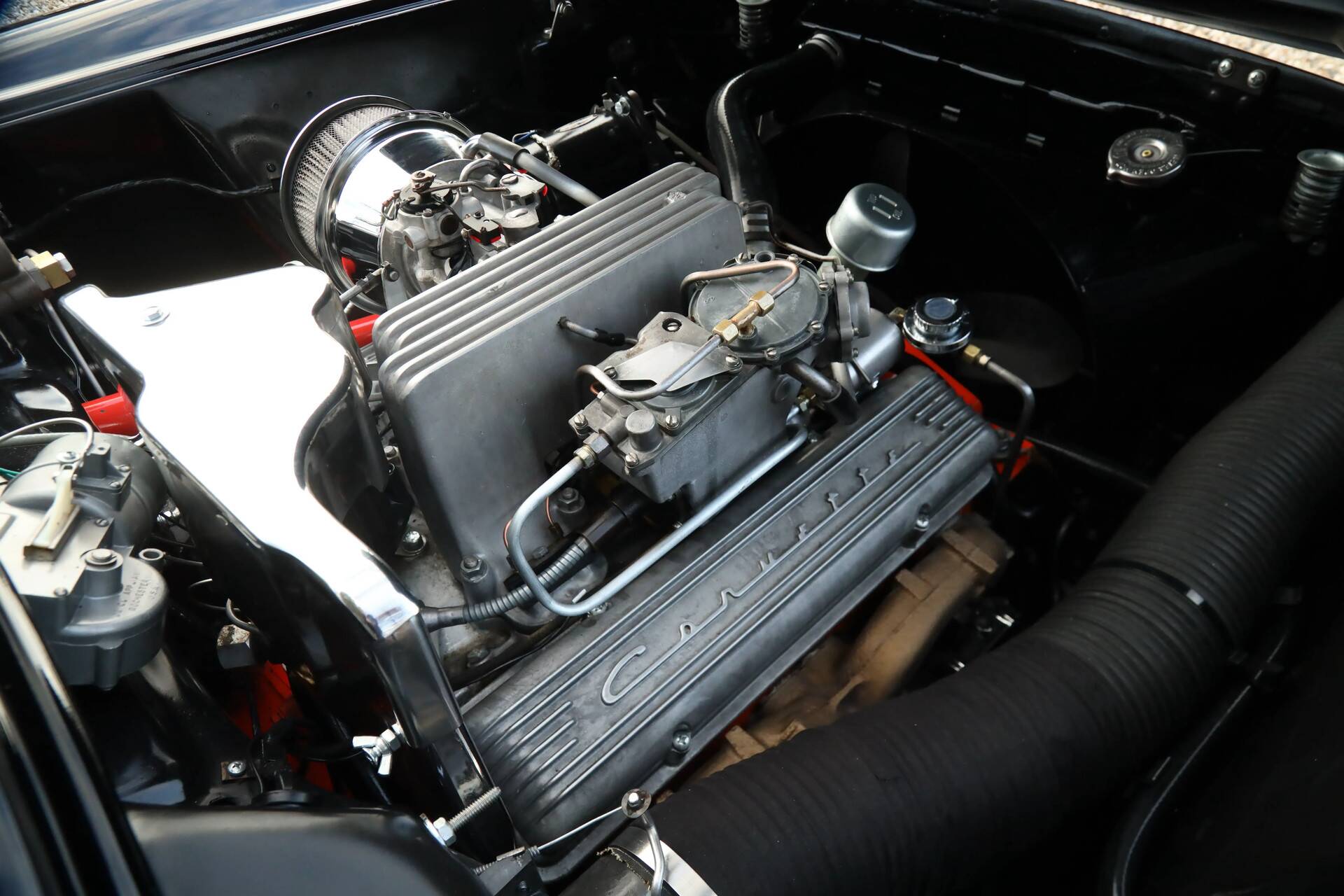
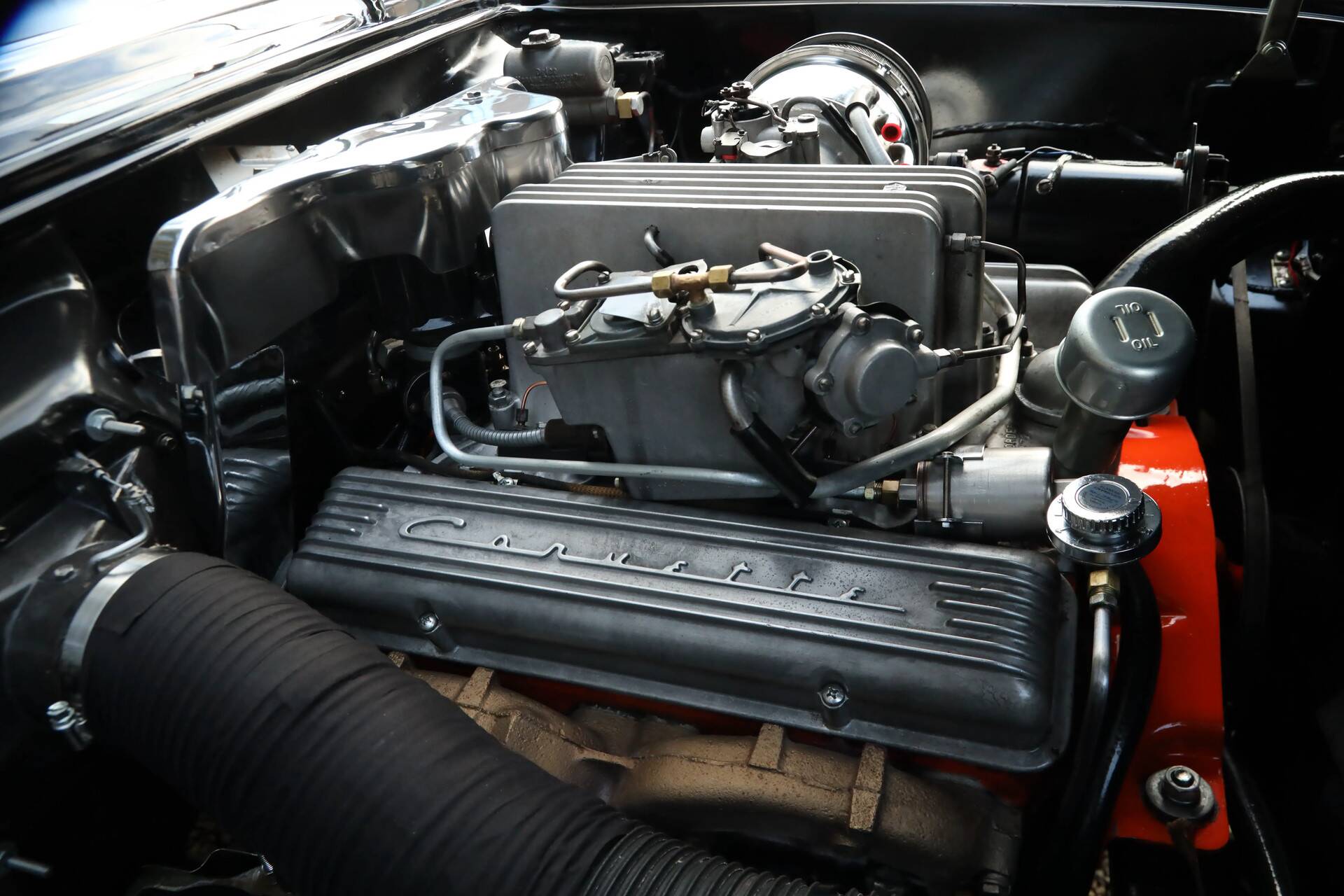
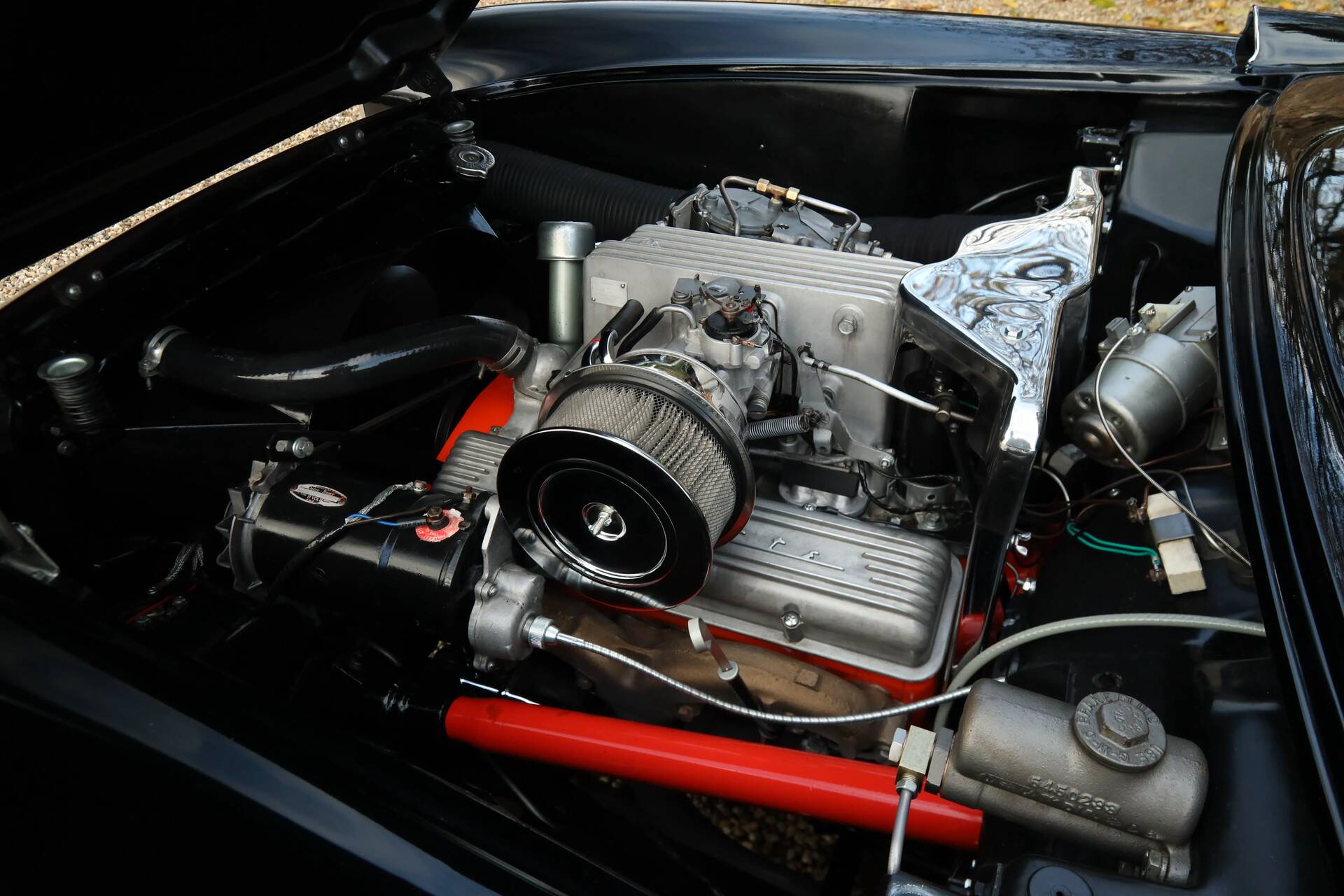
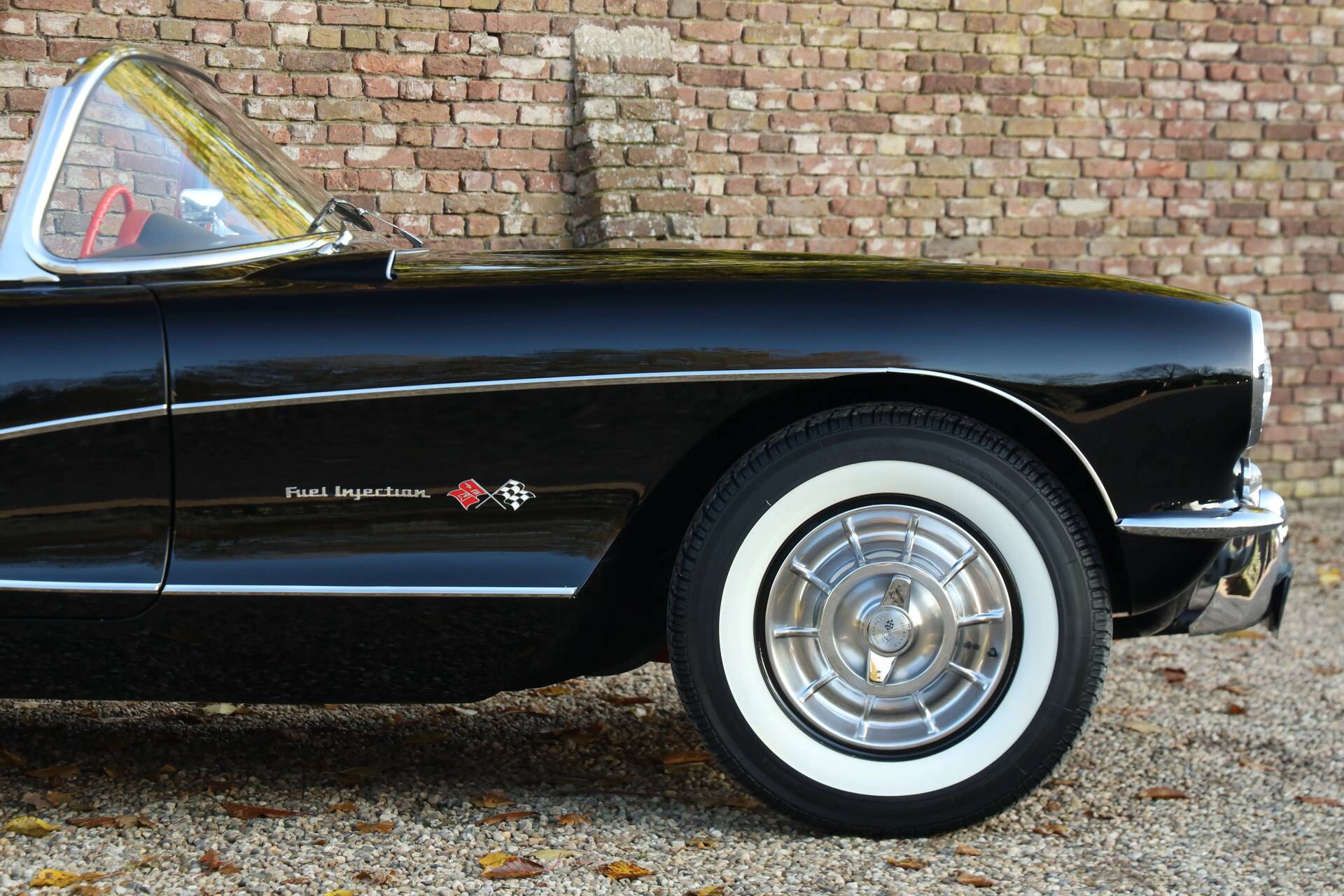
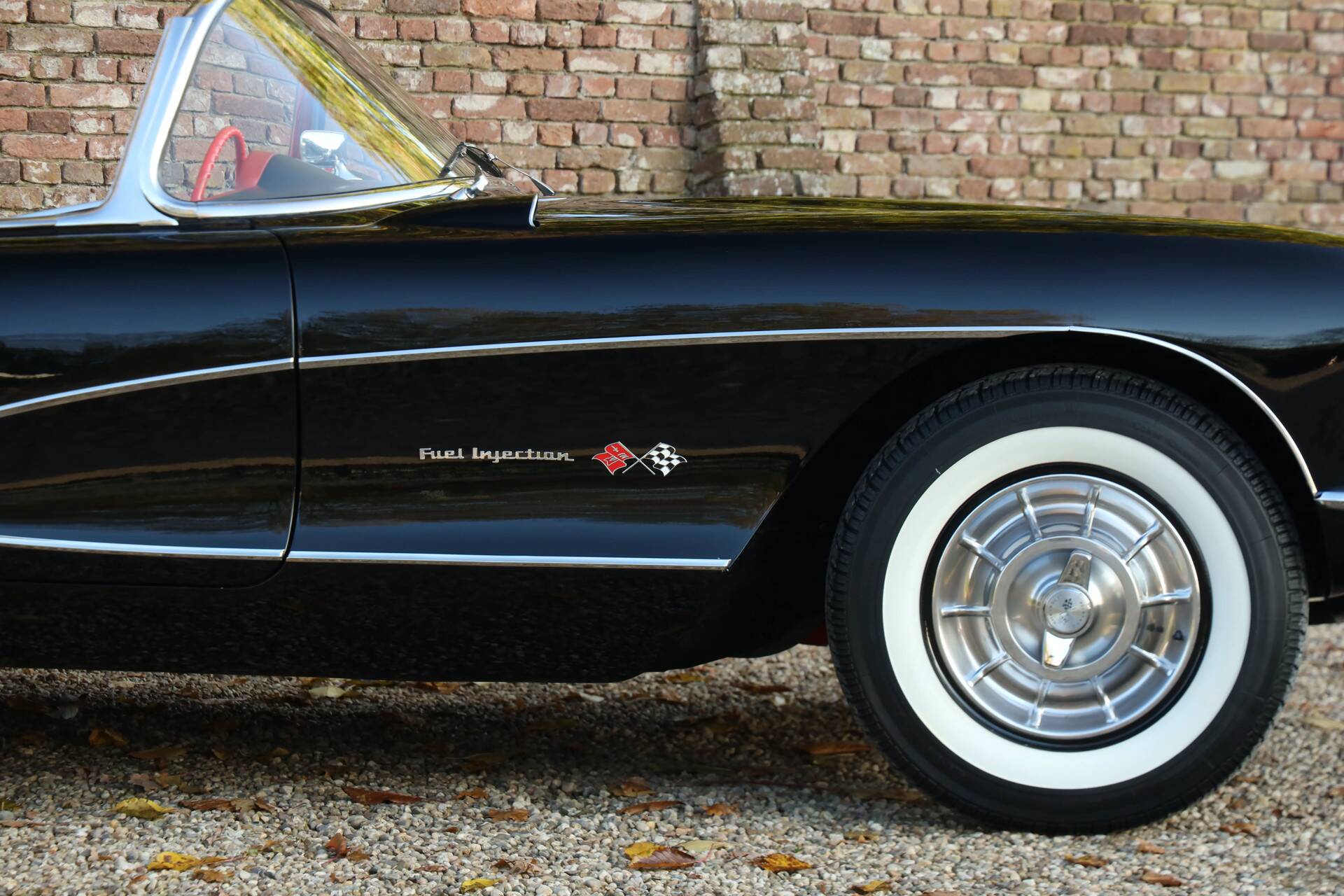
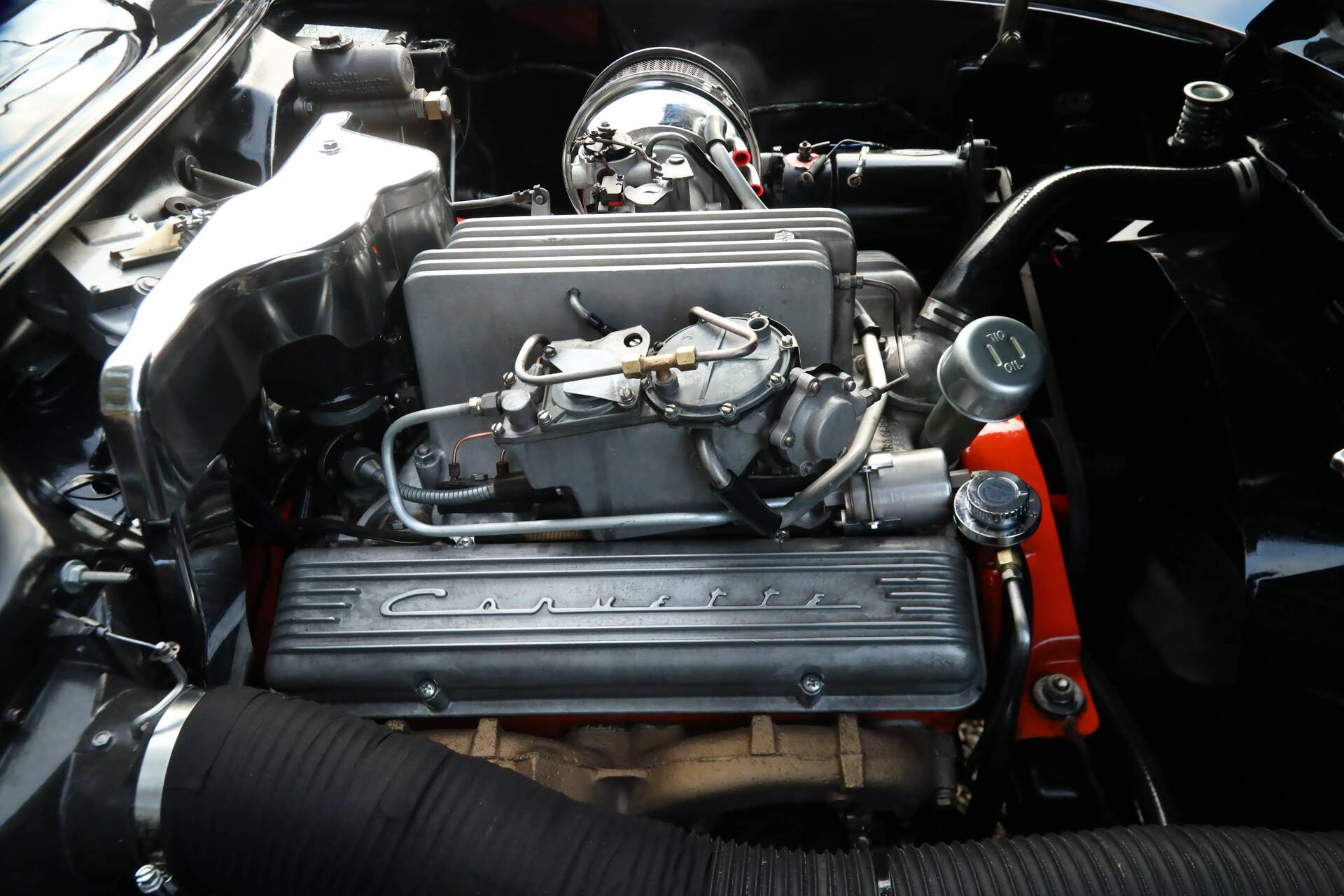
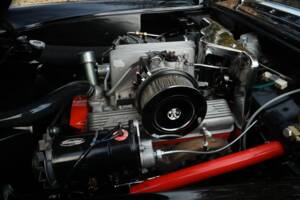
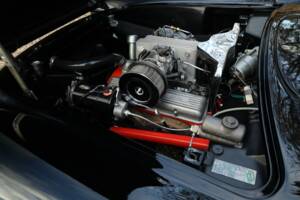
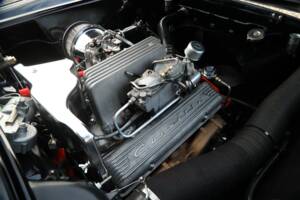
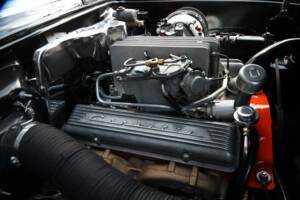
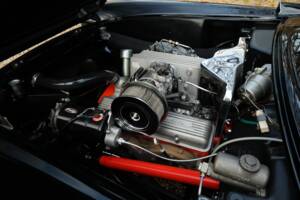
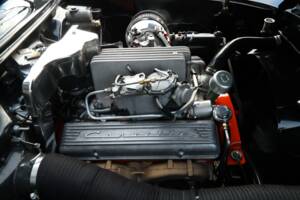
Instead of relying on conventional carburettors, Chevrolet offered an advanced fuel-injection system designed to deliver fuel with greater precision. In its most powerful form, the 283 cubic inch V8 featured higher compression and a competition camshaft, producing an officially rated 283 horsepower. Chevrolet now had an impressive engineering achievement to talk about. And that mattered, because while Ford had its Thunderbird, Chevrolet wanted the Corvette to be recognised as something more than an elegant boulevard cruiser.
Of the 6,339 Corvettes produced in 1957, just 756 were equipped with the highest-output 283-horsepower fuel-injected engine, including the special cold-air-induction variants. A remarkably small number considering how famous this engine would eventually become.
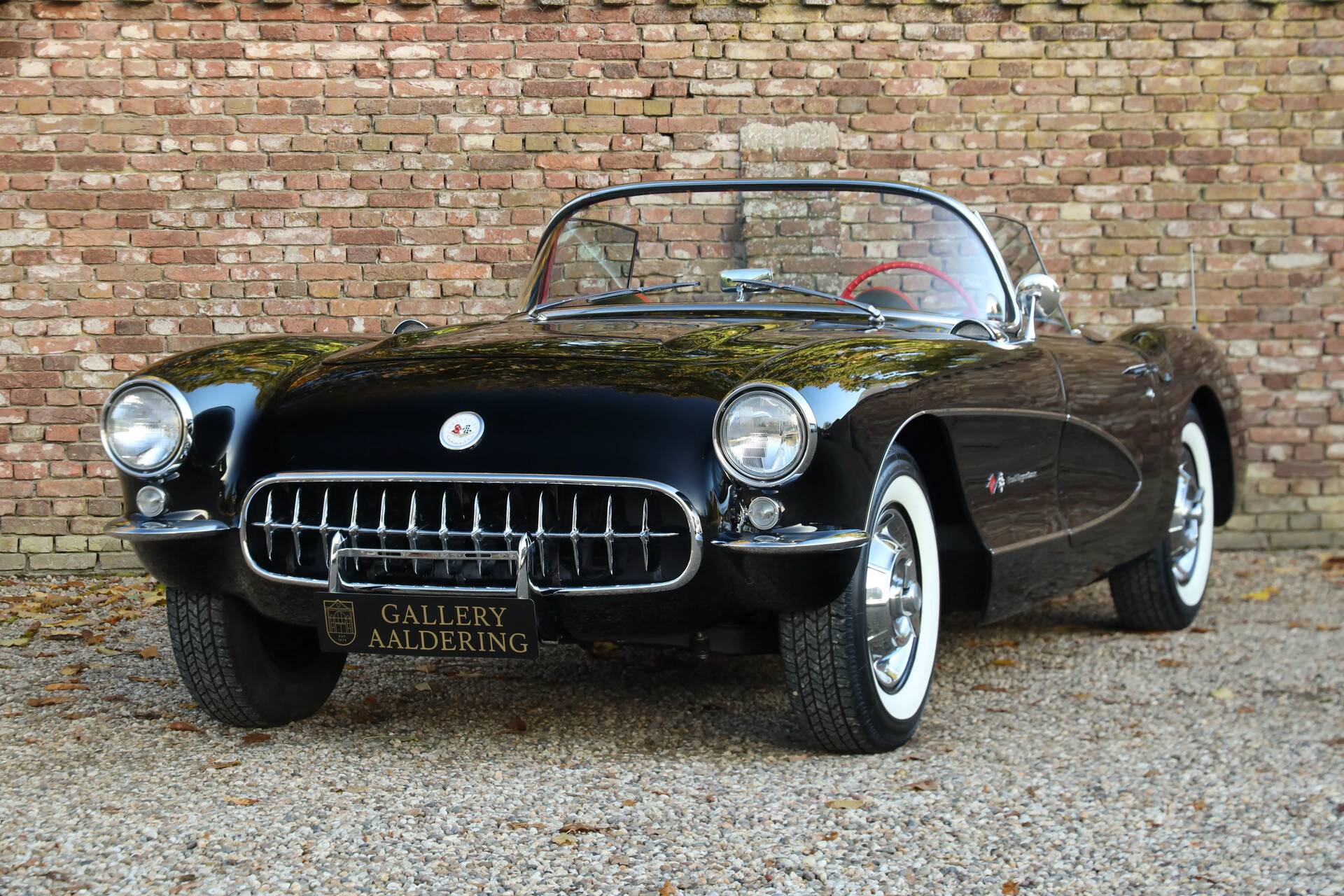
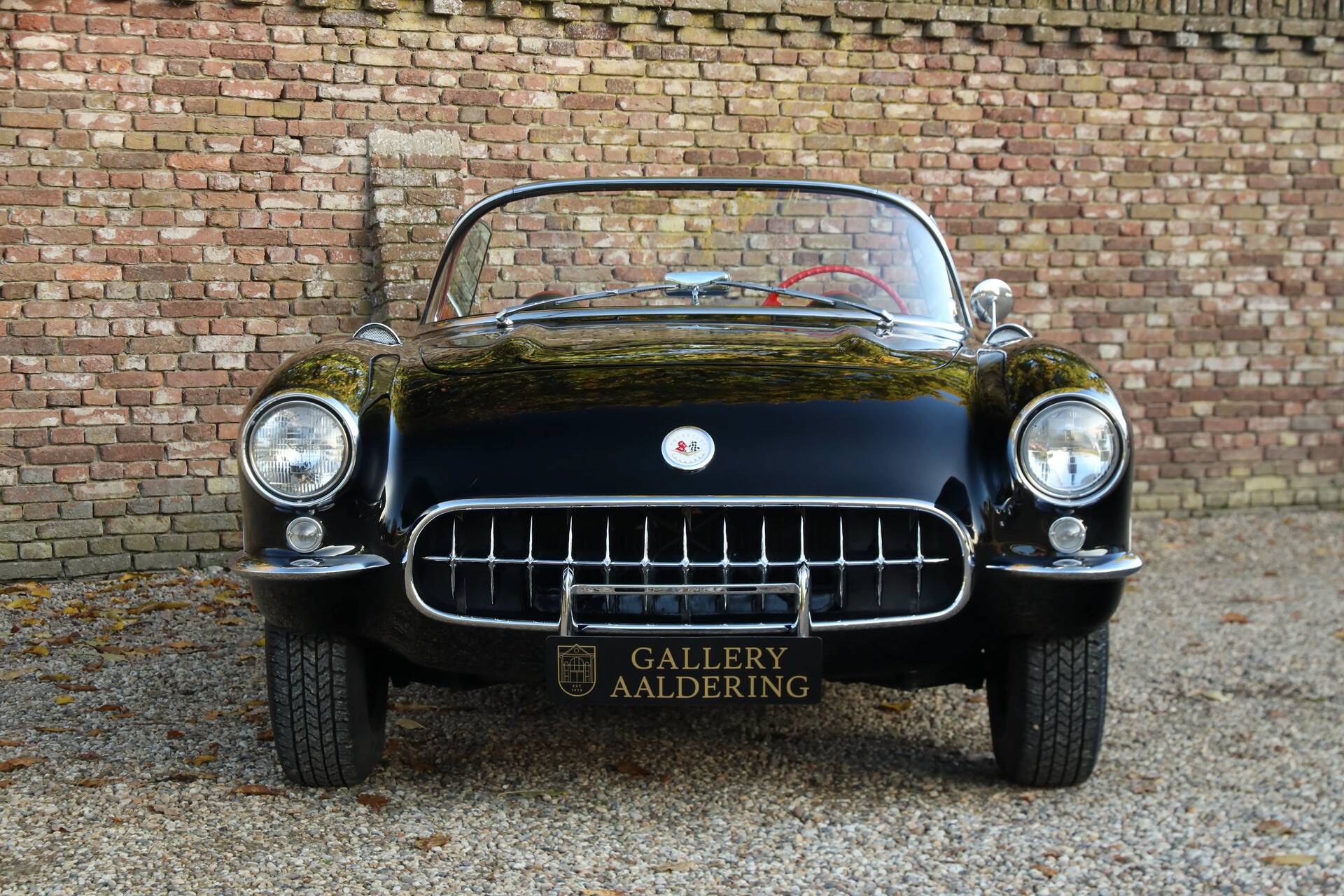
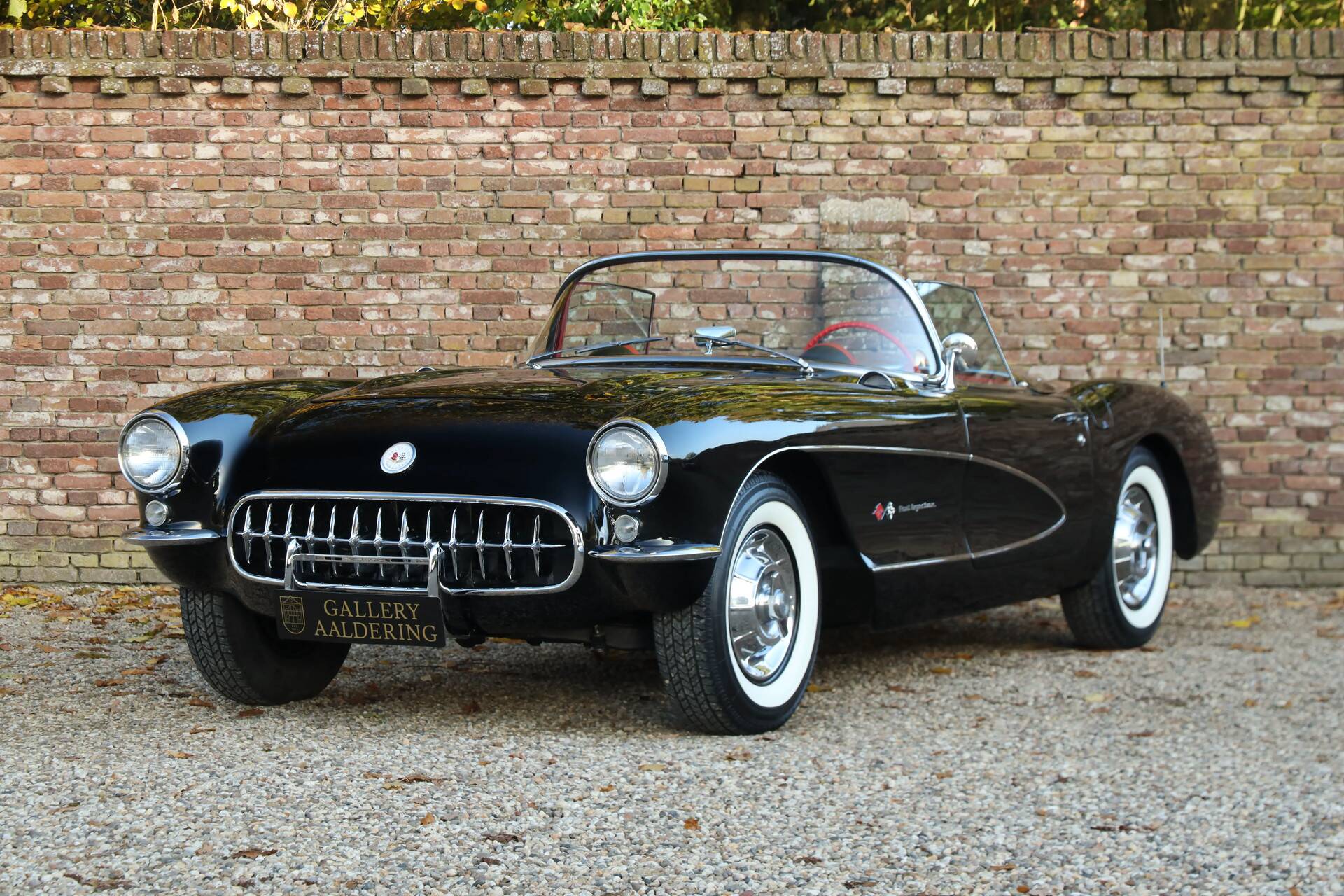
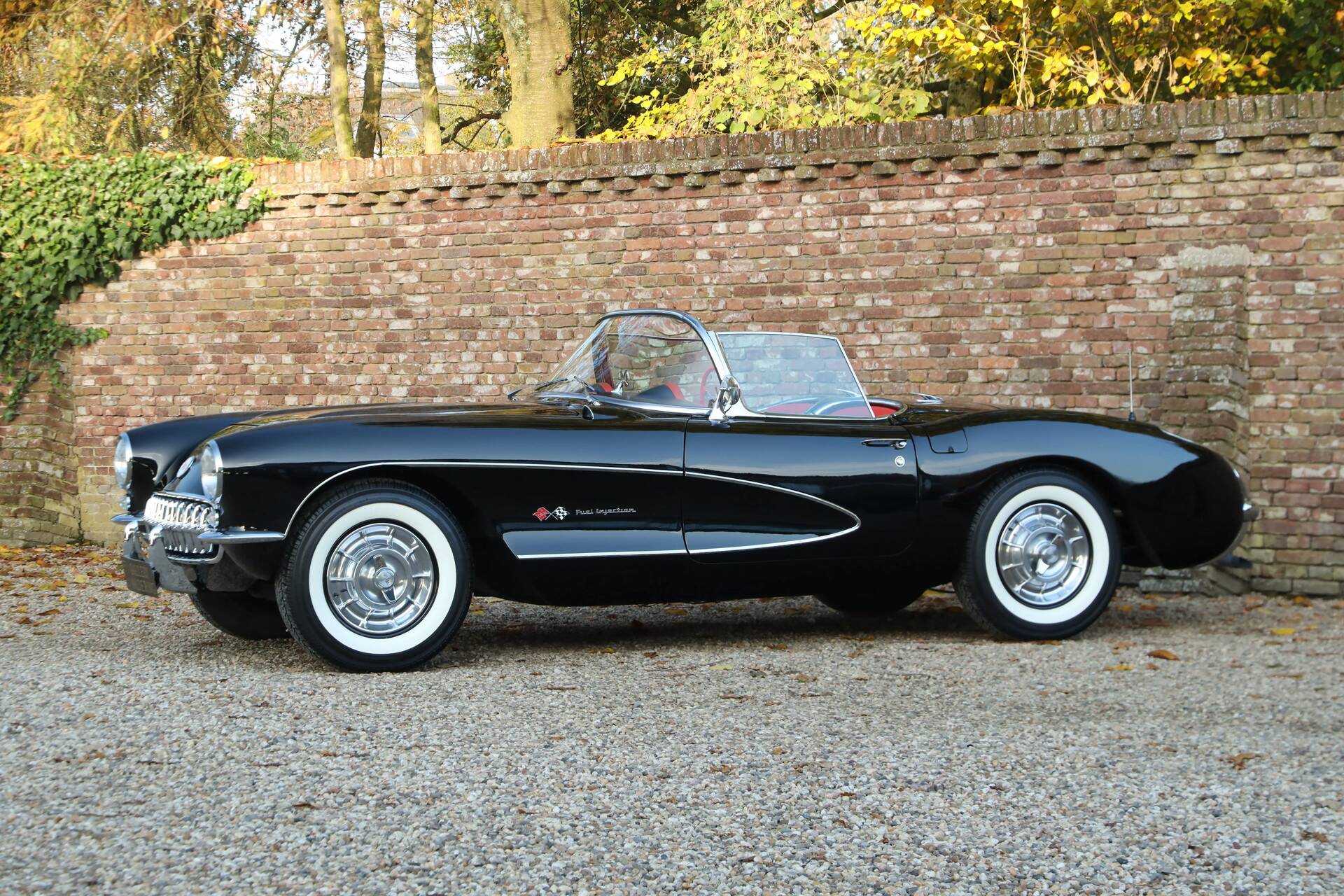
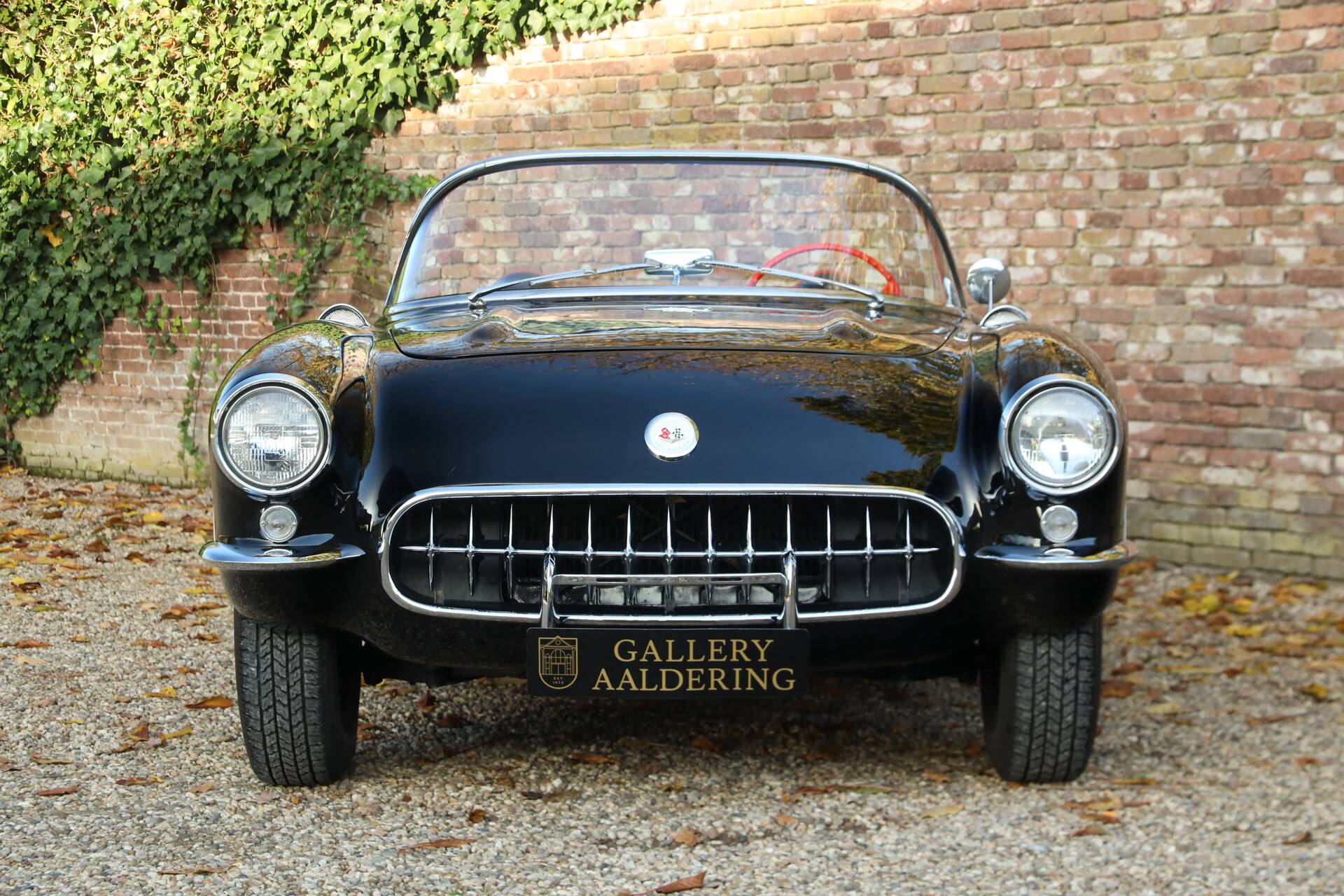
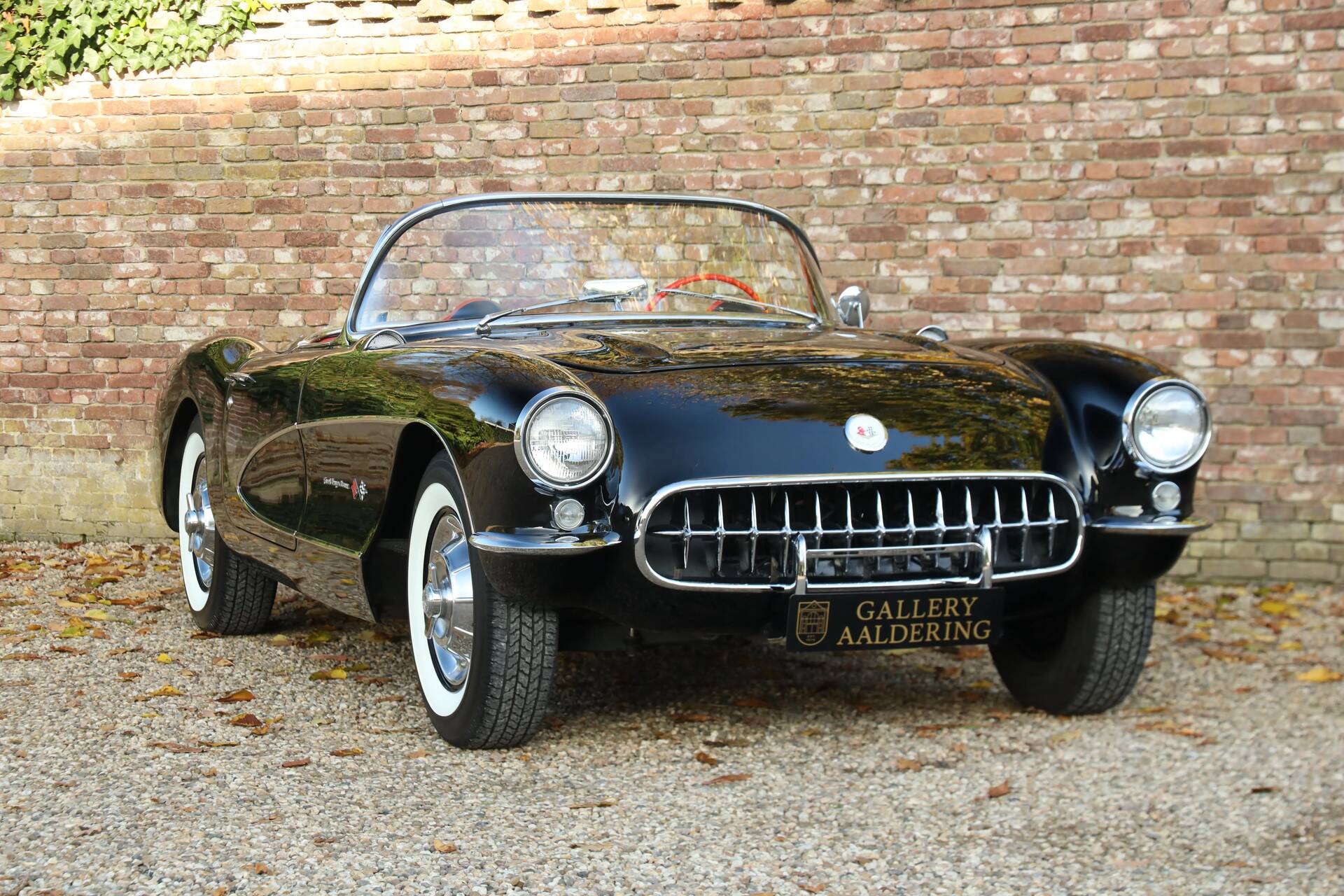
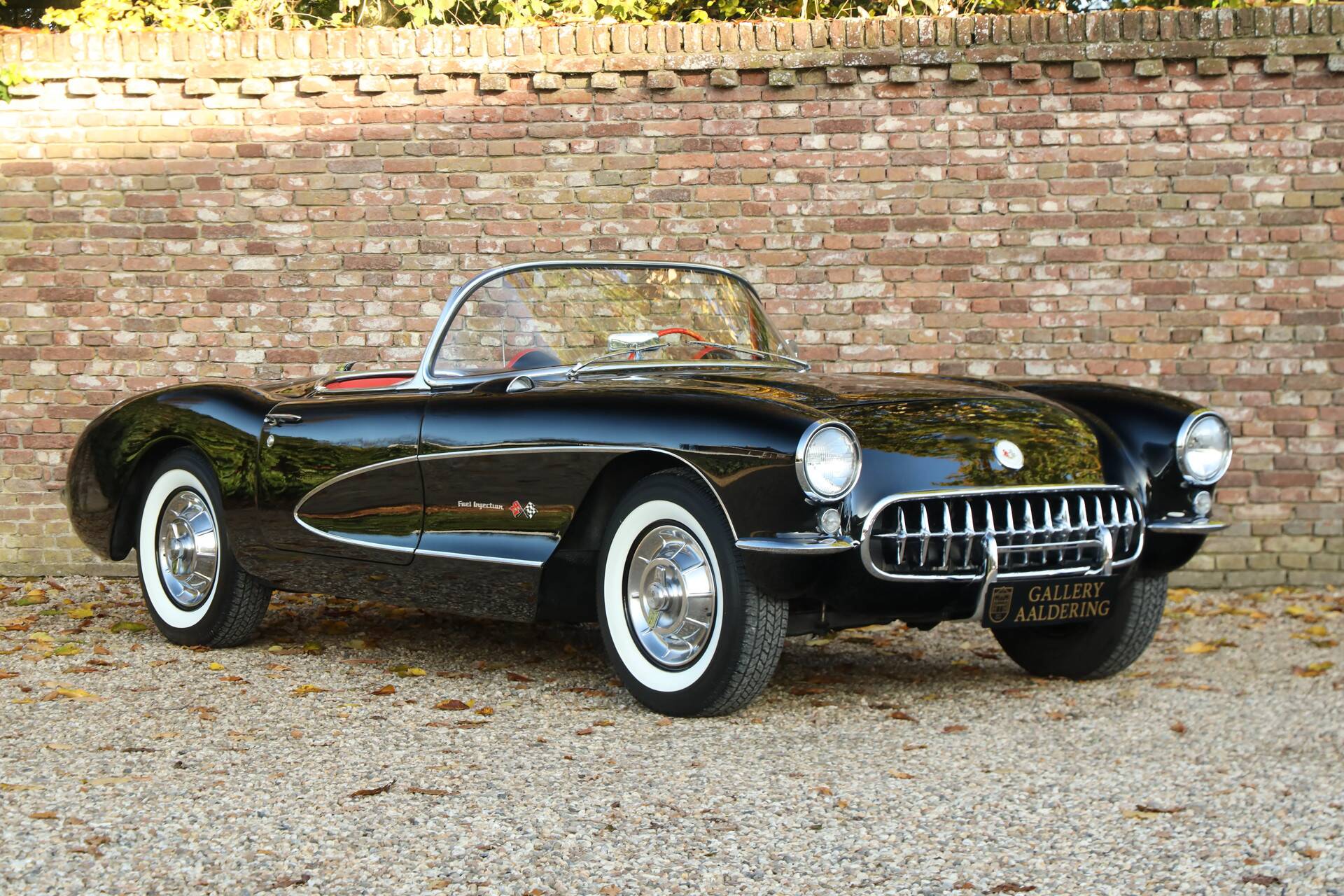
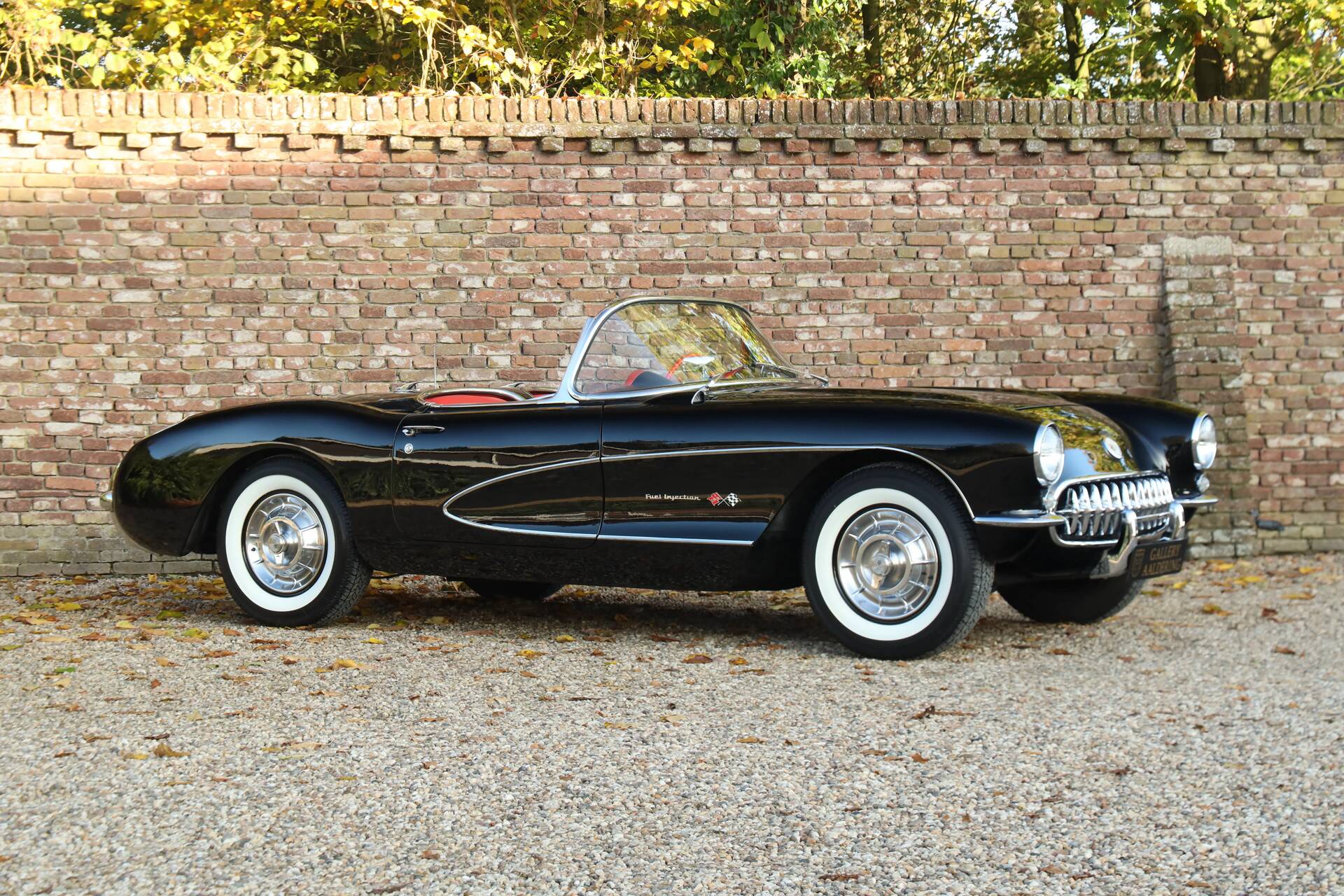
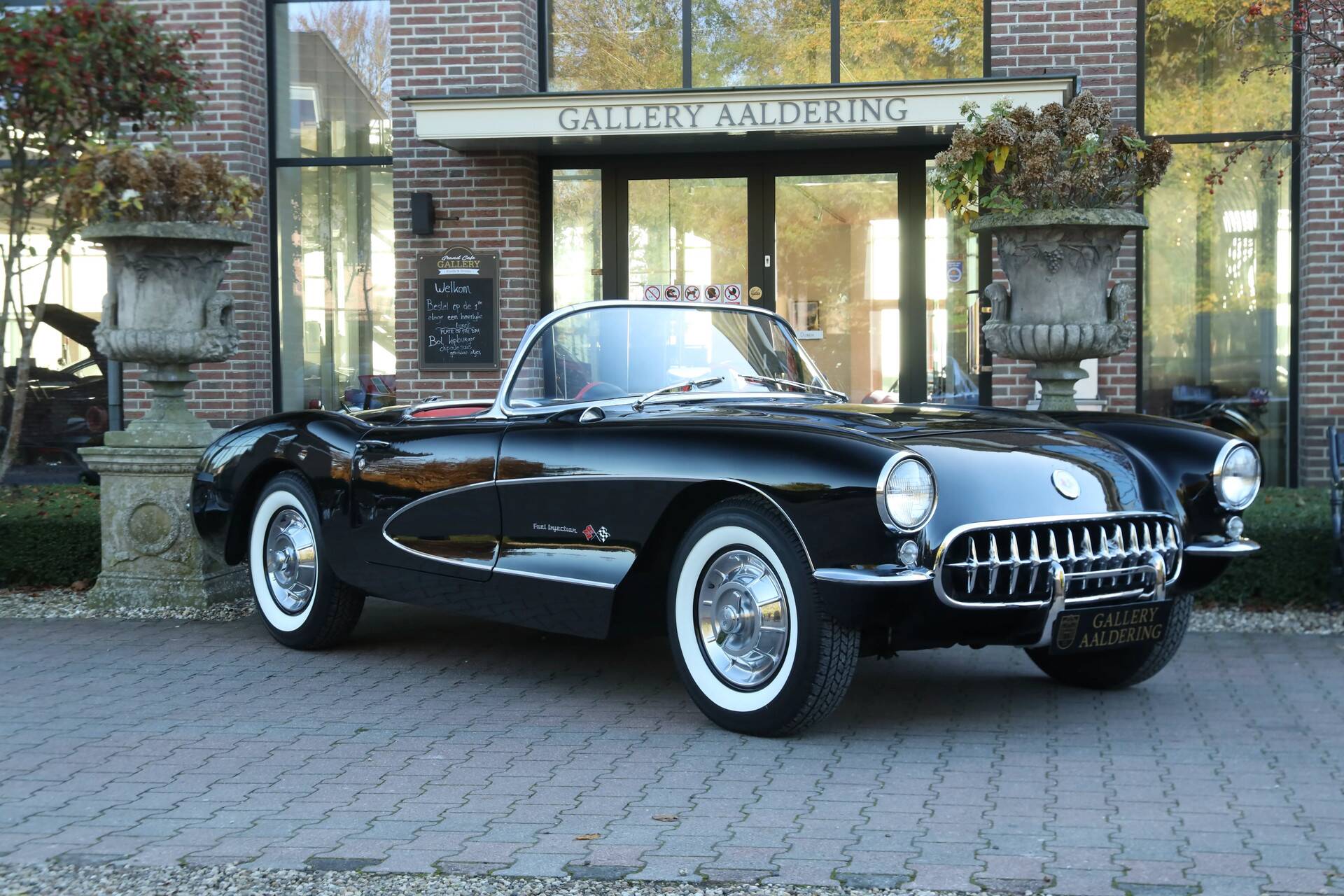
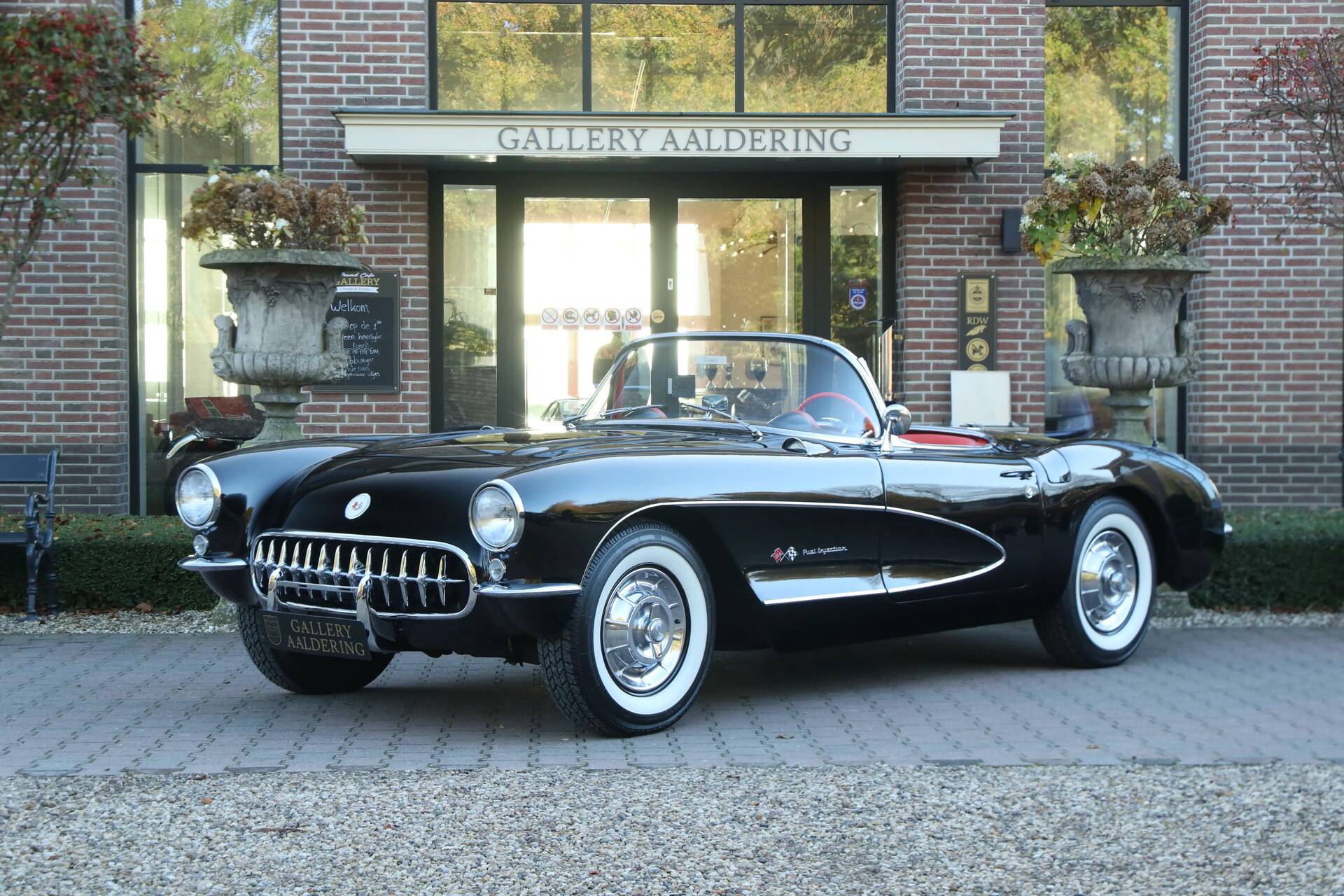
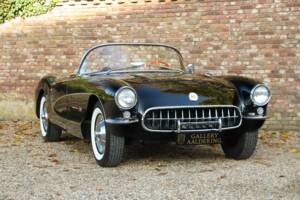
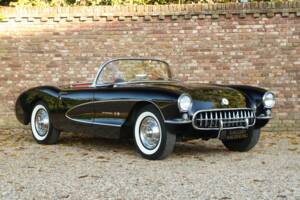
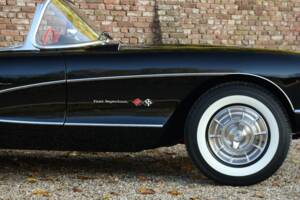
And then there is the example we are offering. This 1957 Corvette is equipped with the desirable 283-horsepower Fuelie V8, bearing the engine designation F429EL. Those letters and numbers tell an interesting story about its mechanical specification, but ultimately it is the combination of this beautiful Corvette bodywork and the remarkable engineering beneath it that makes the car so appealing.
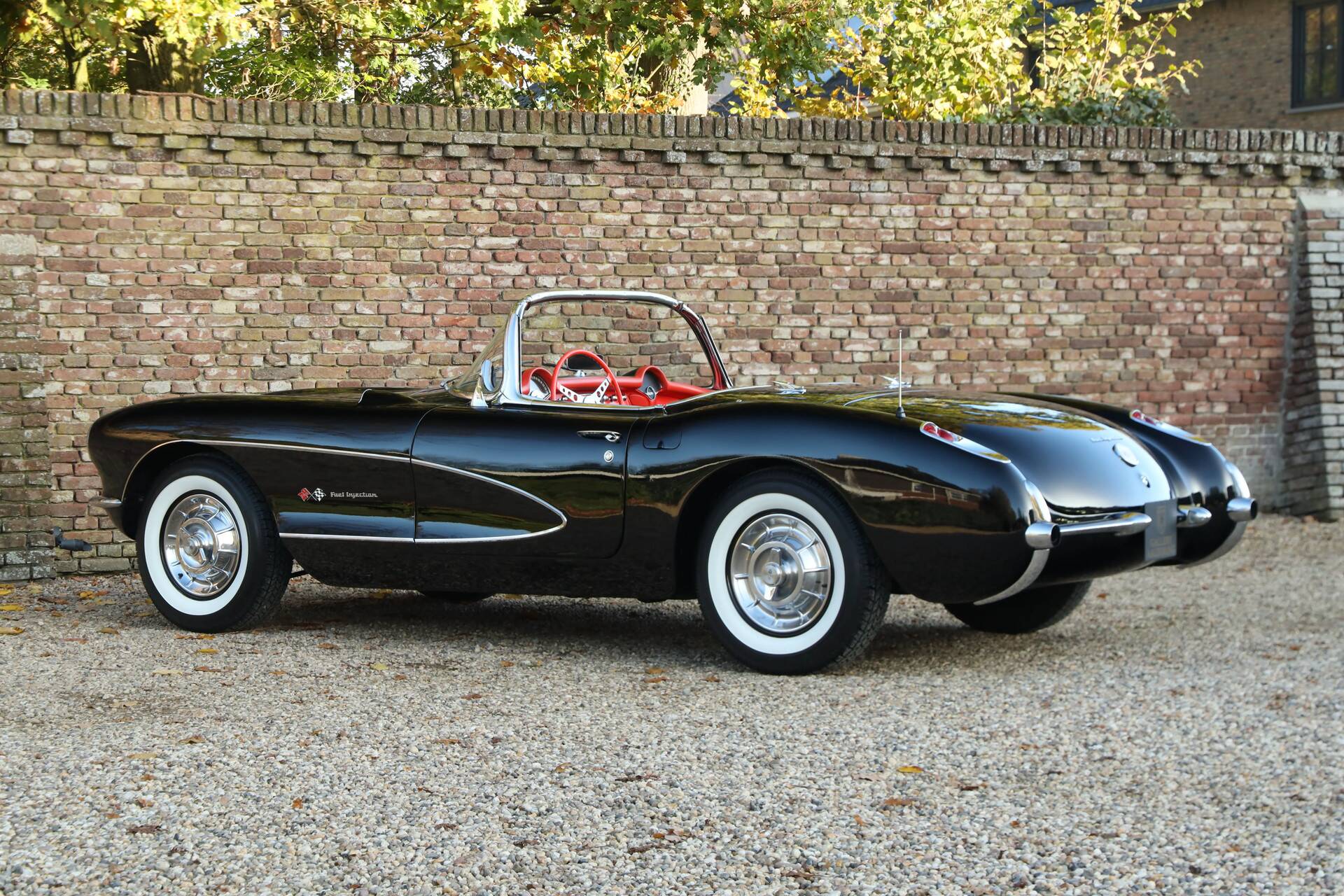
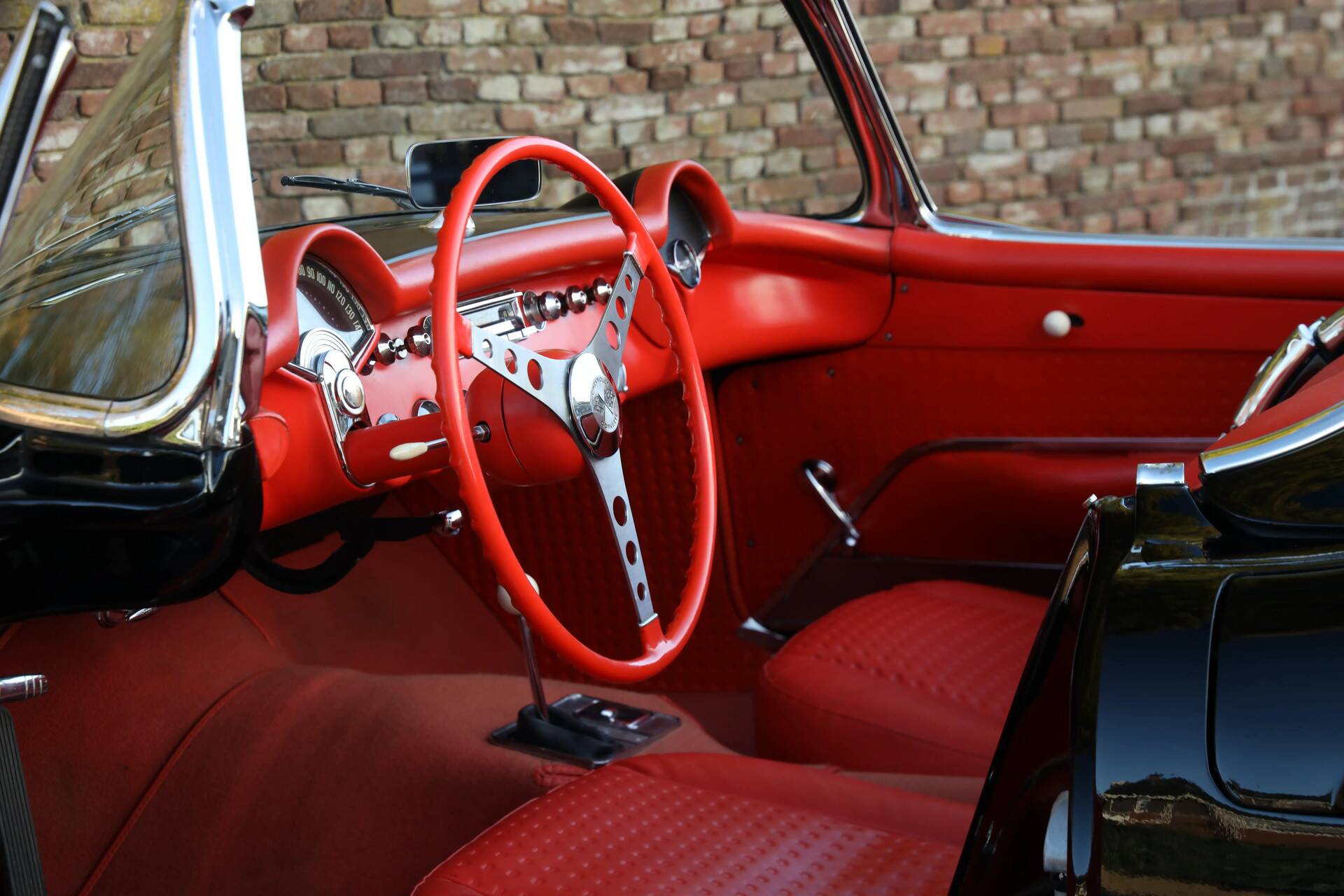
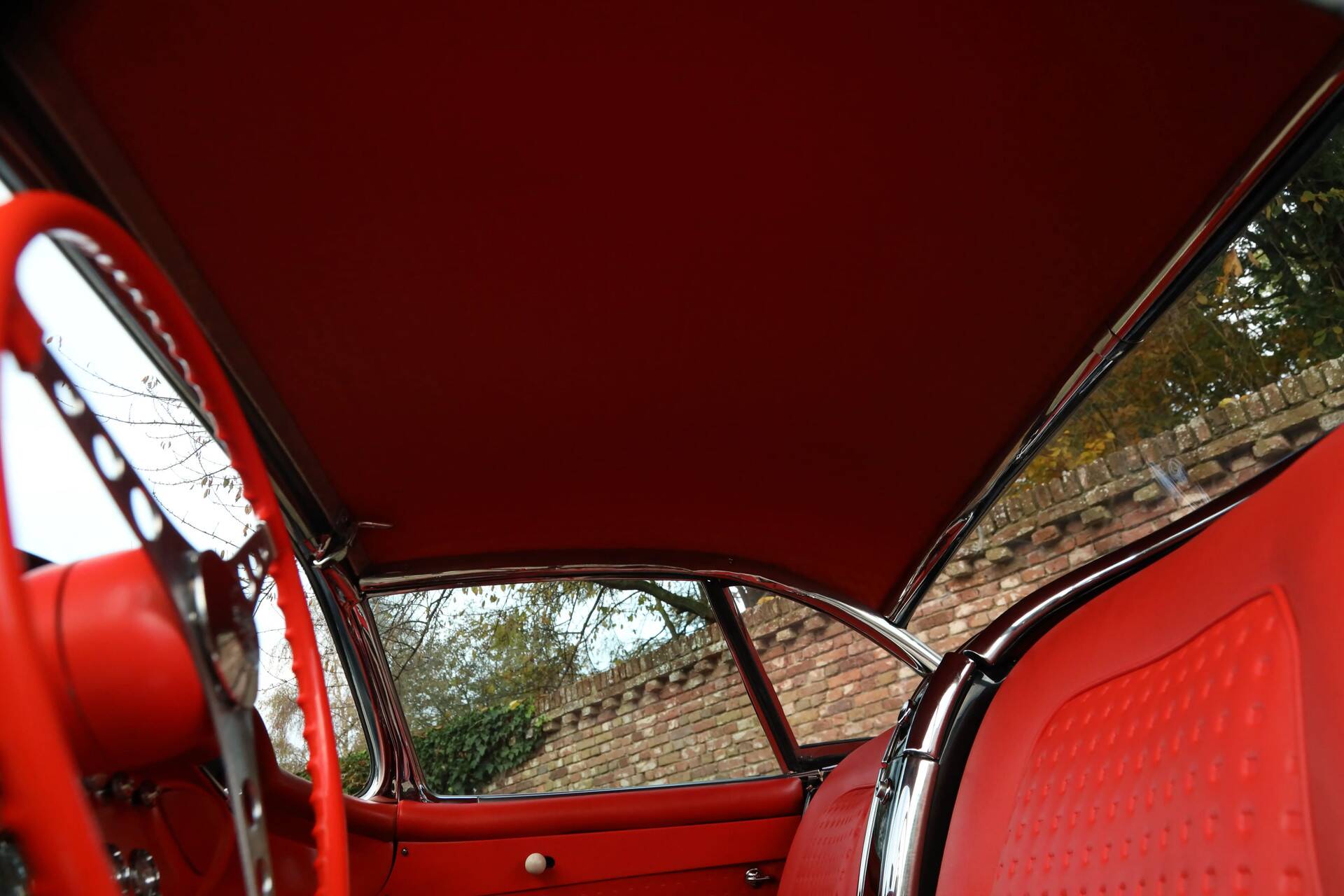
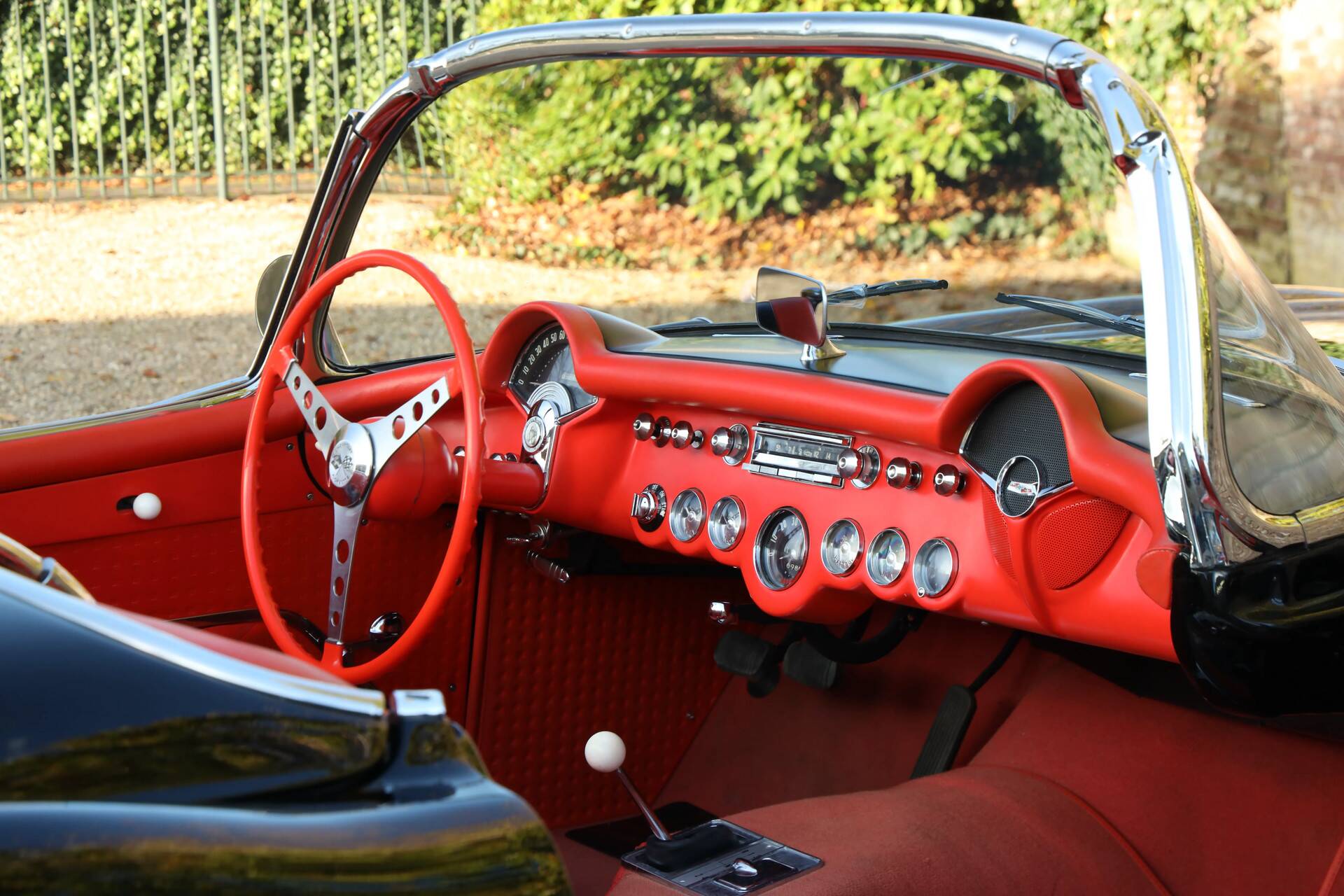
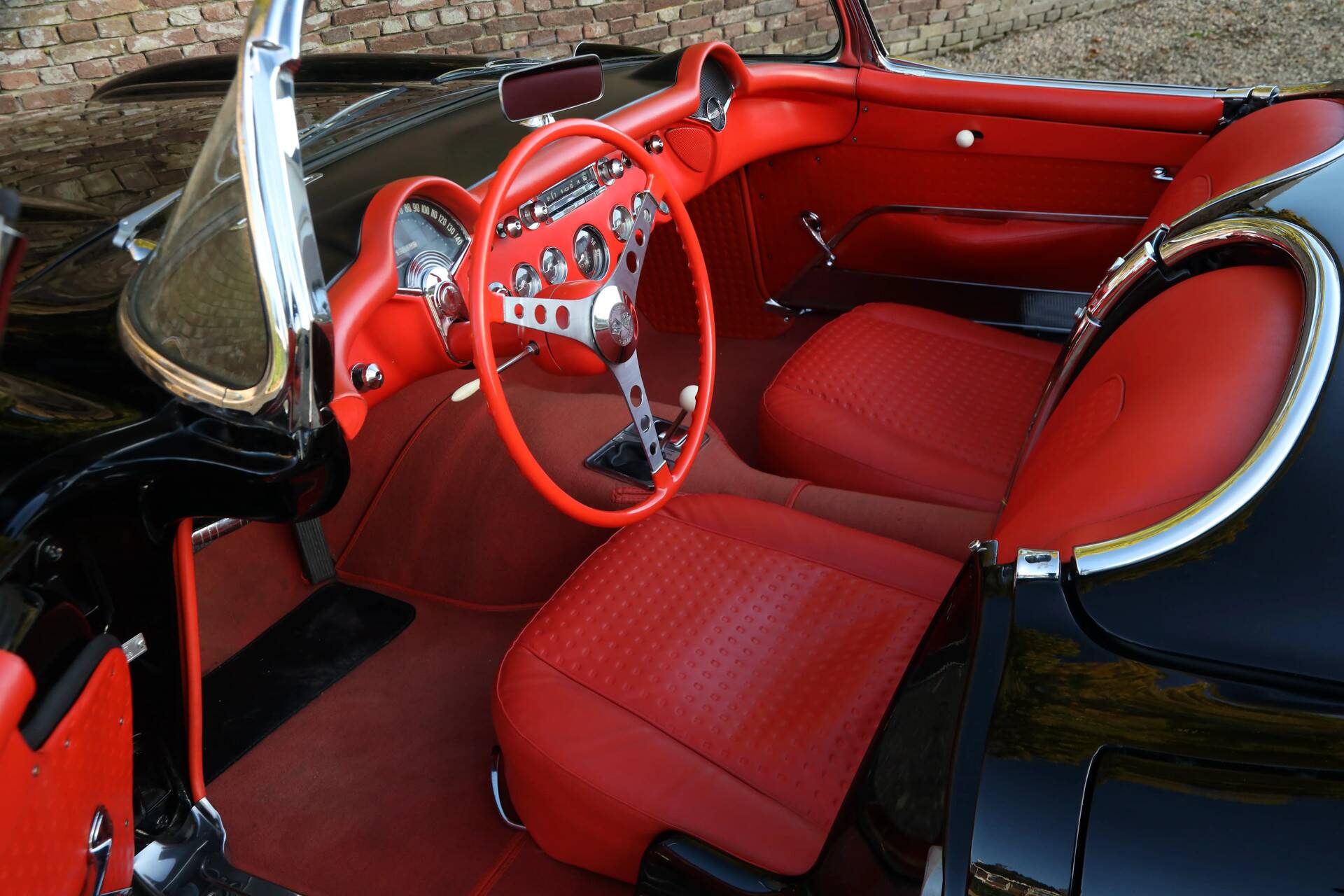
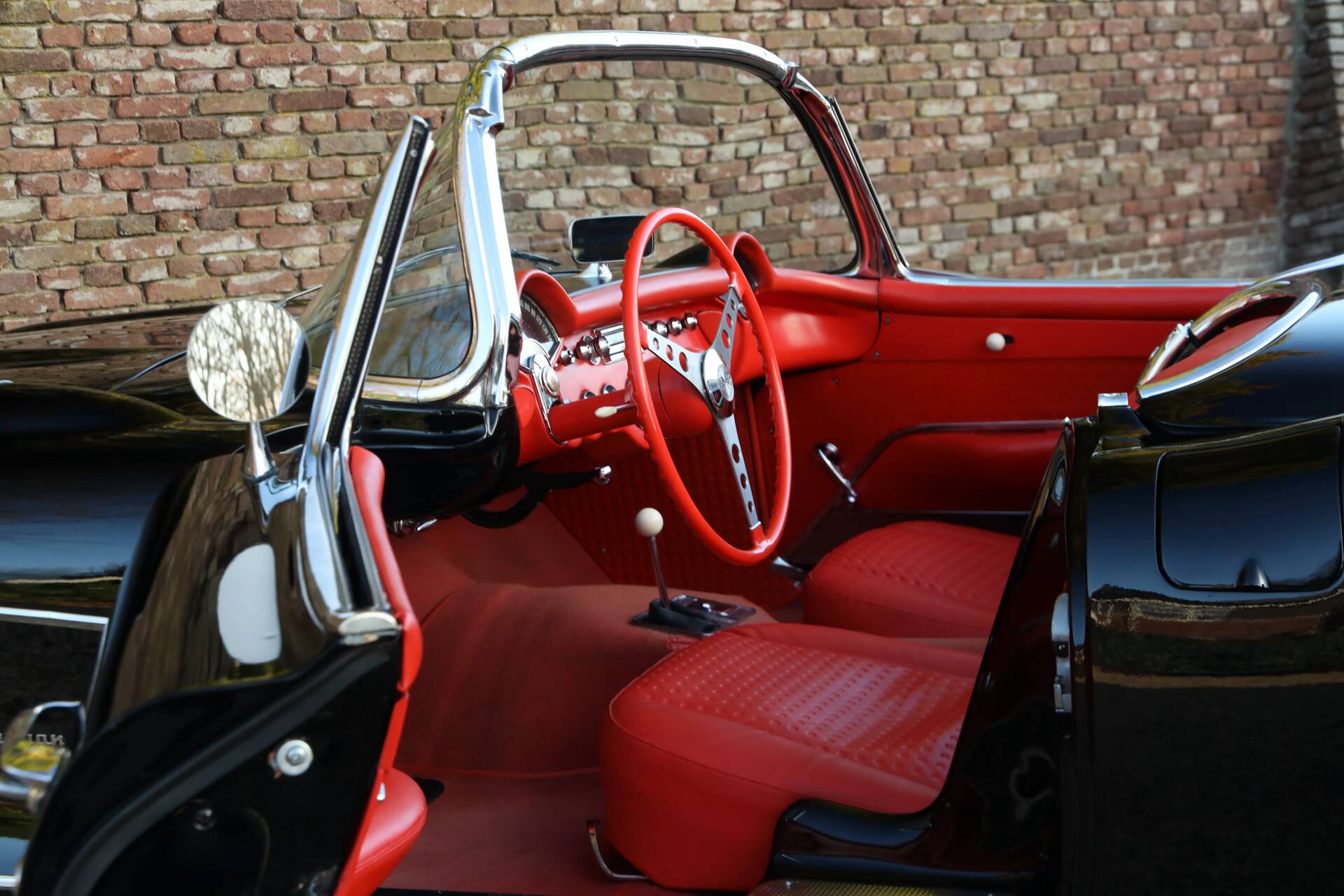
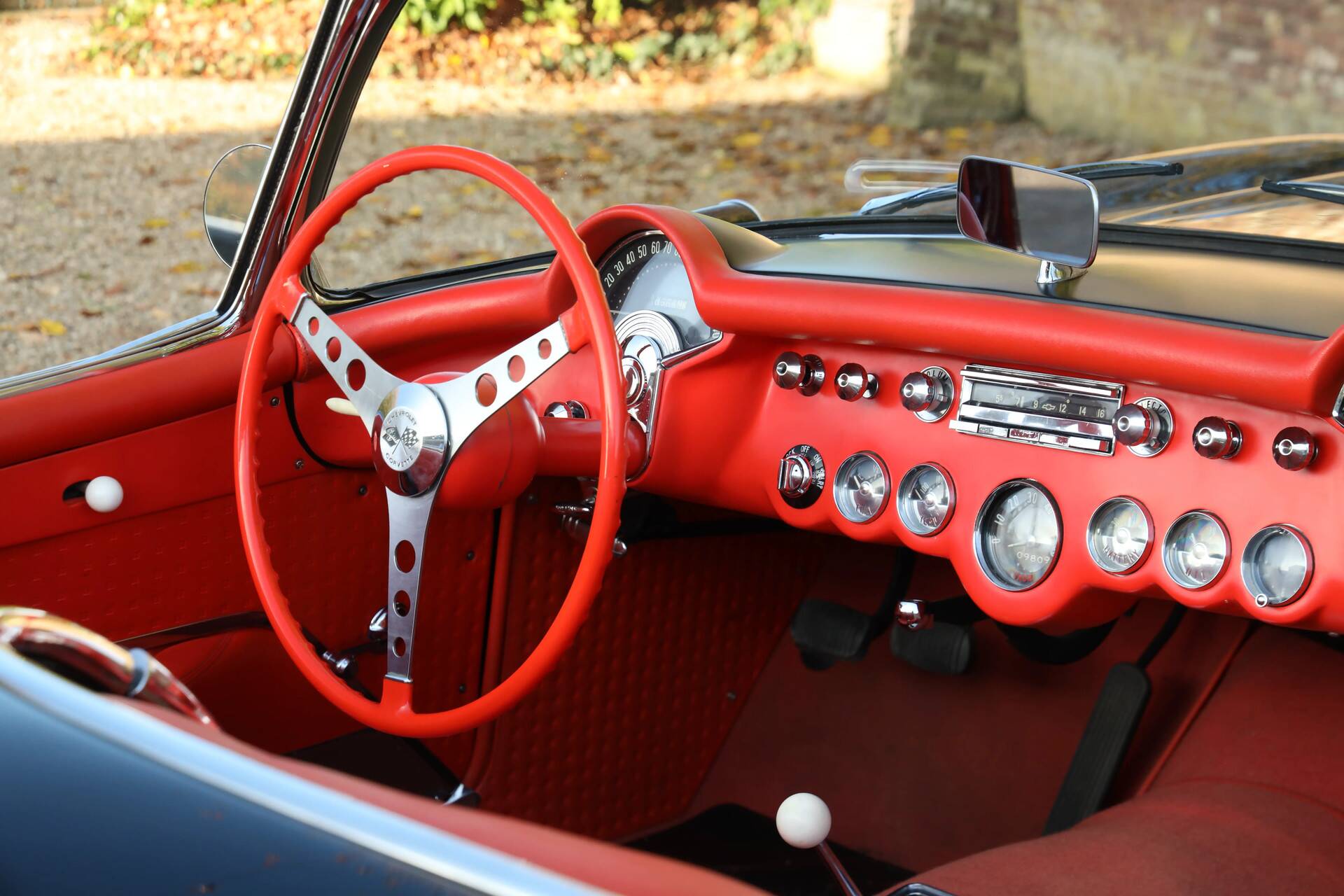
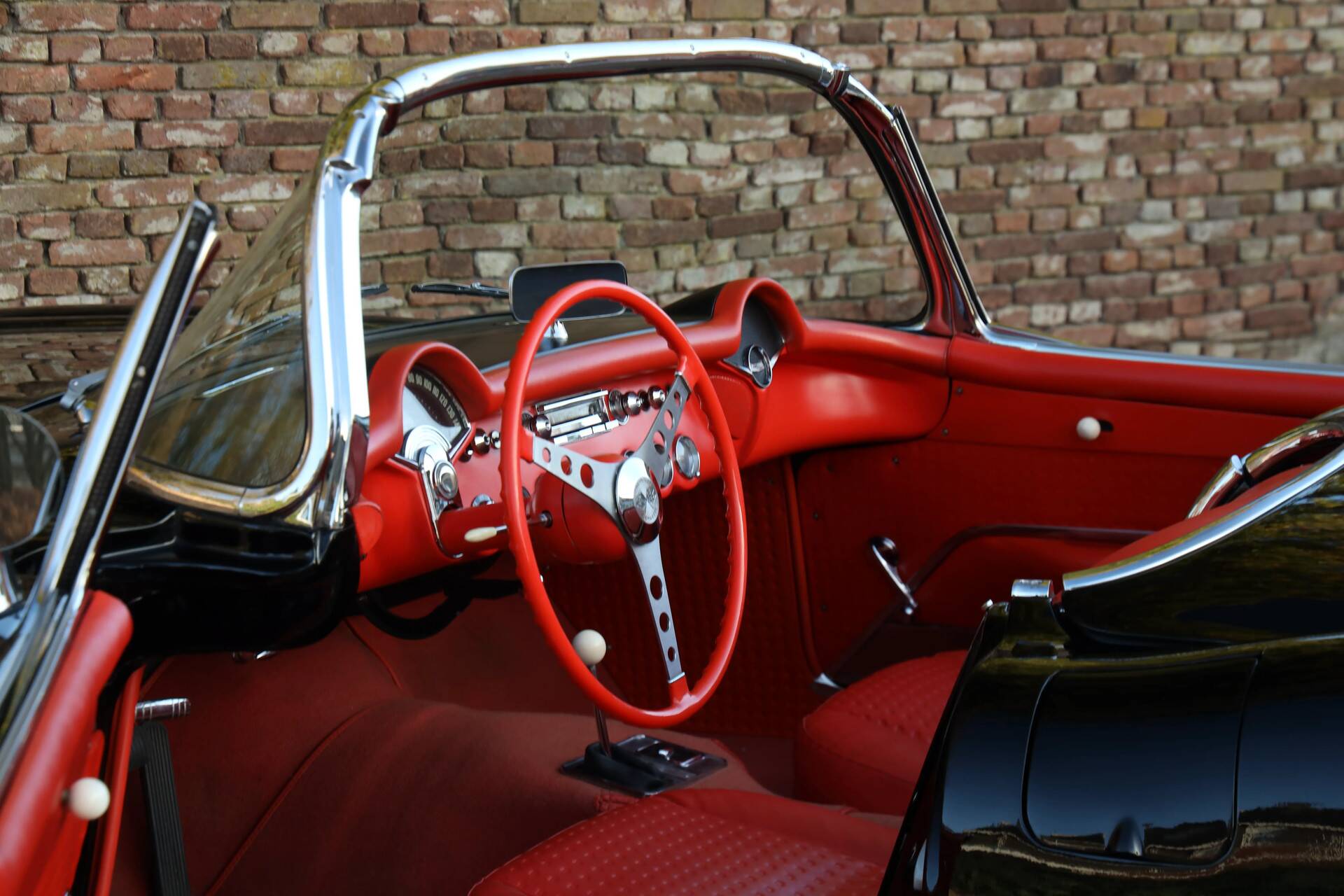
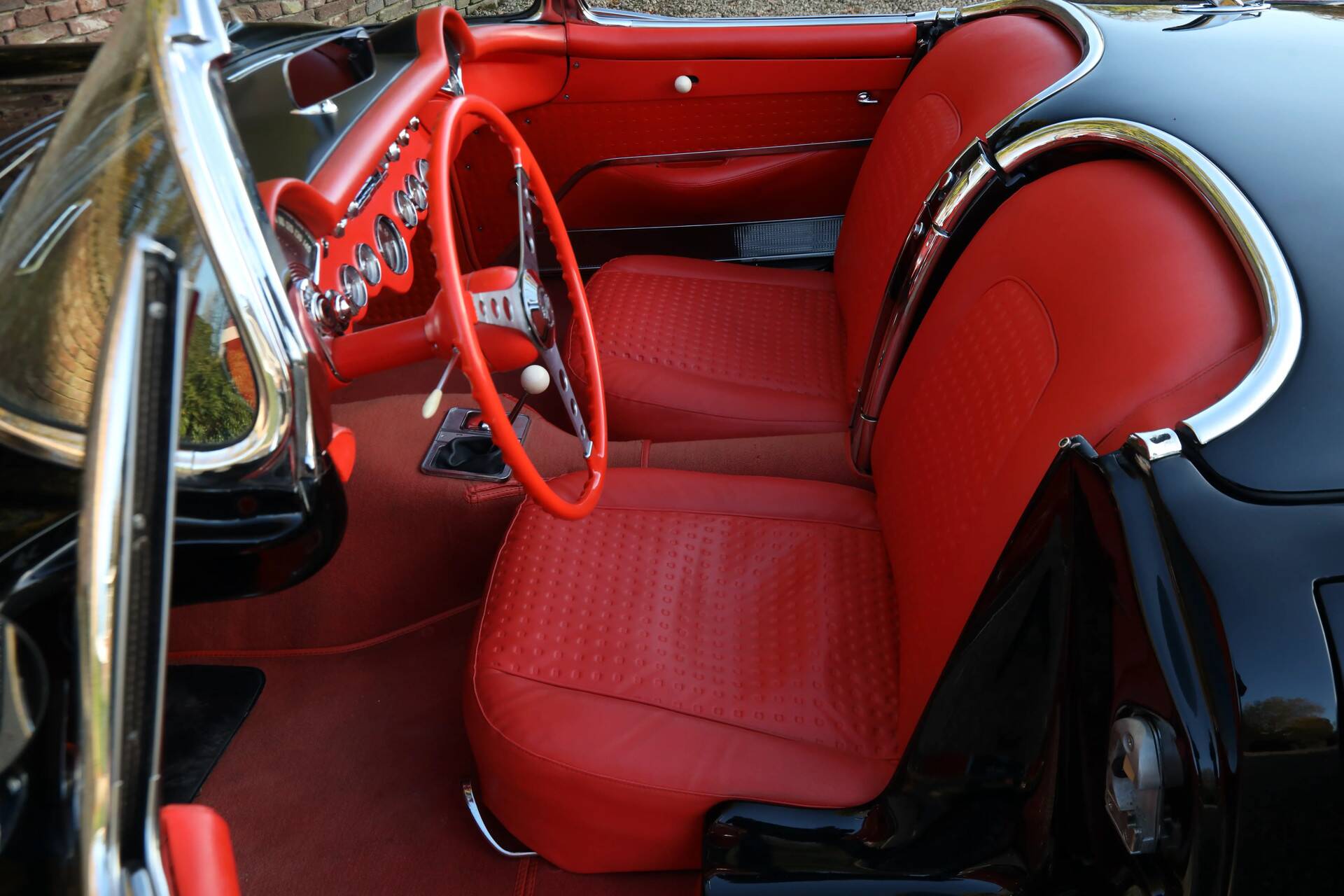
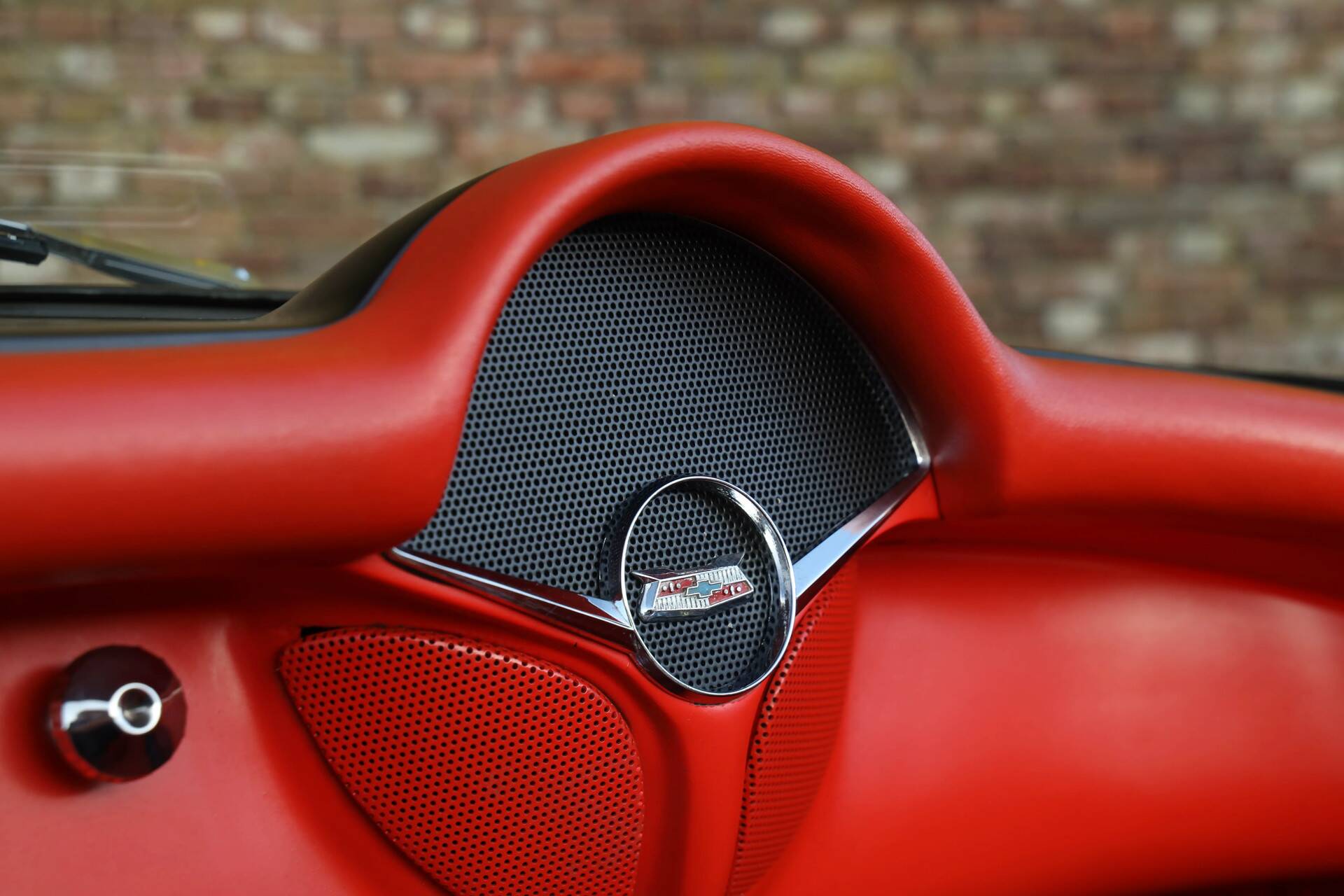
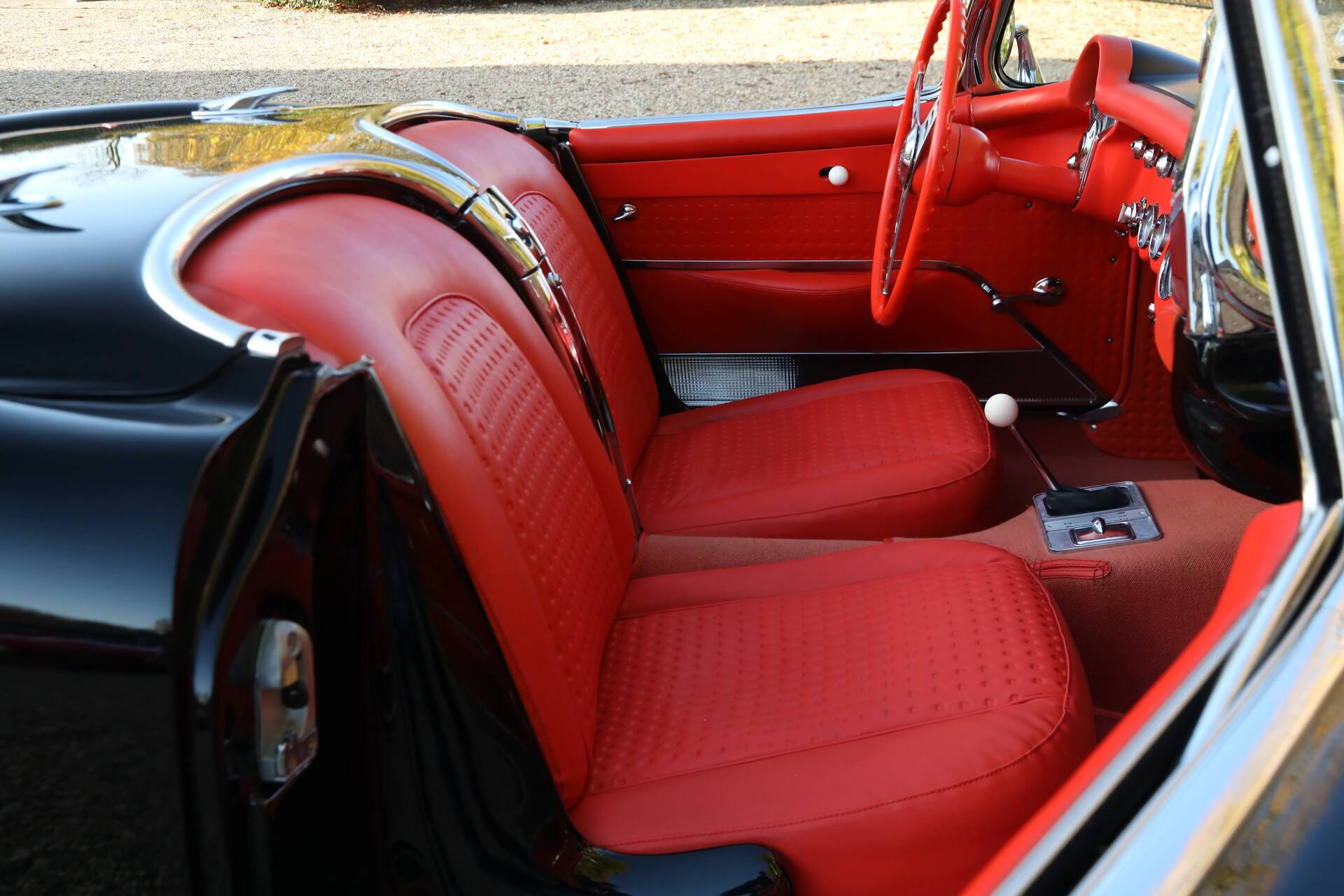
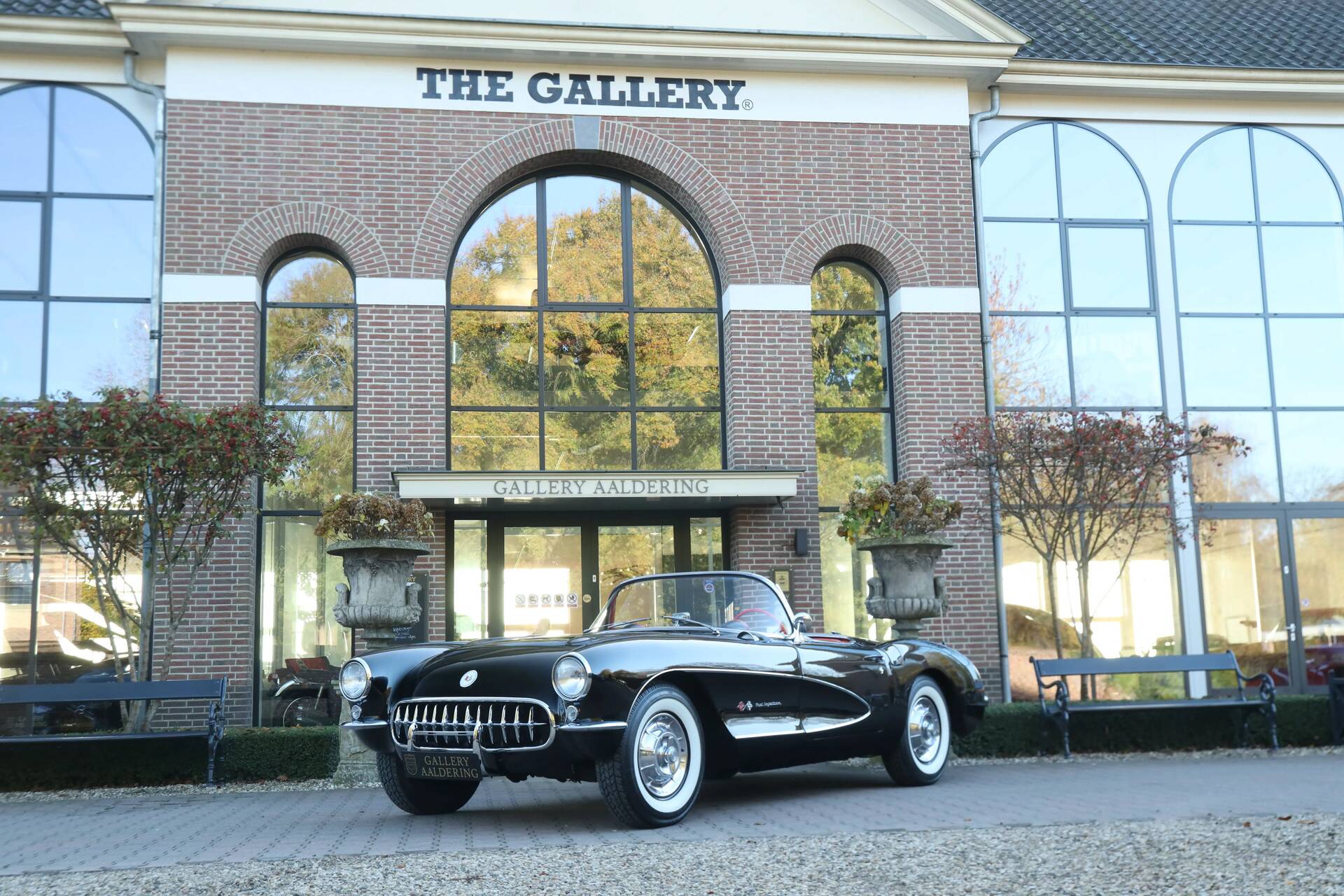
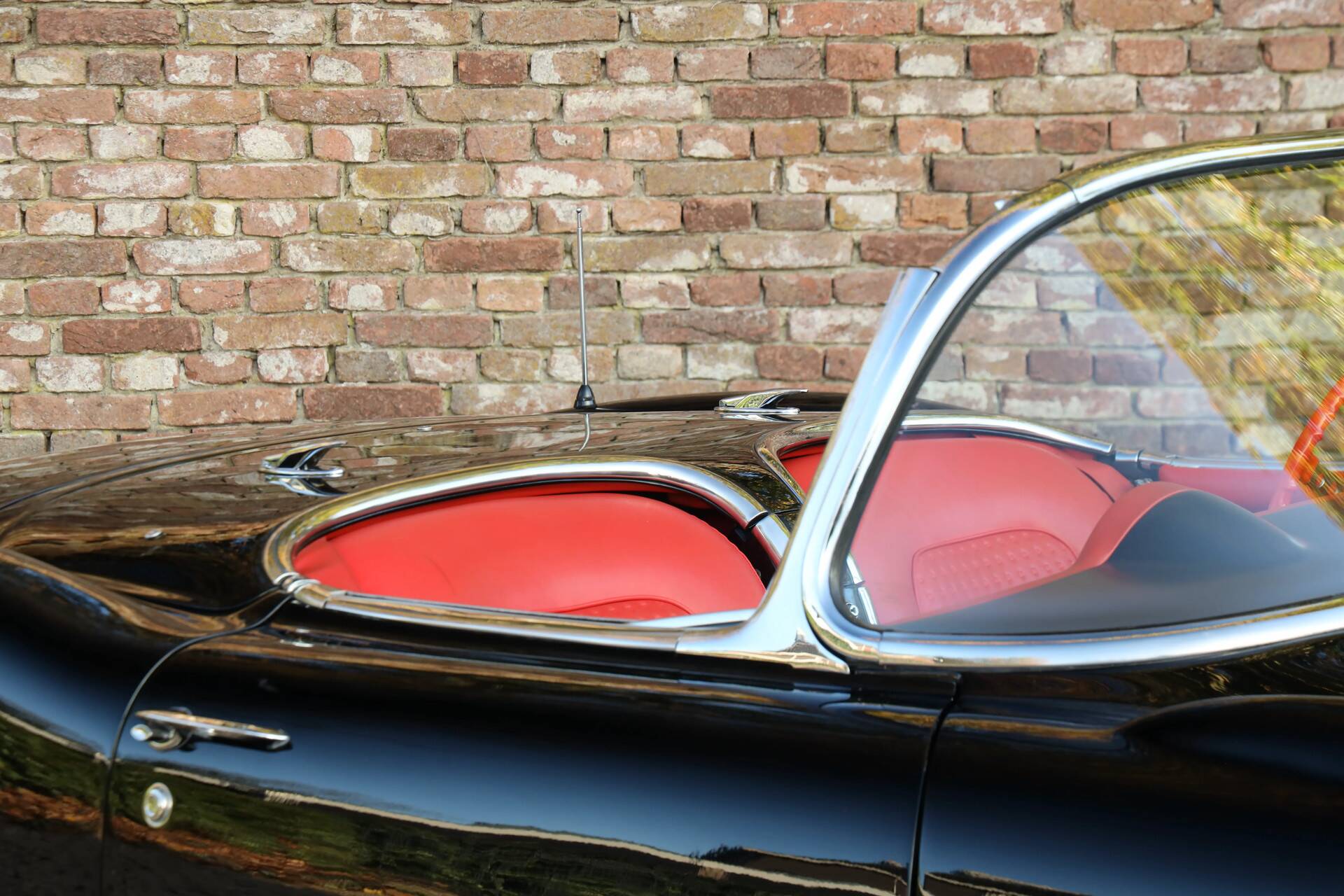
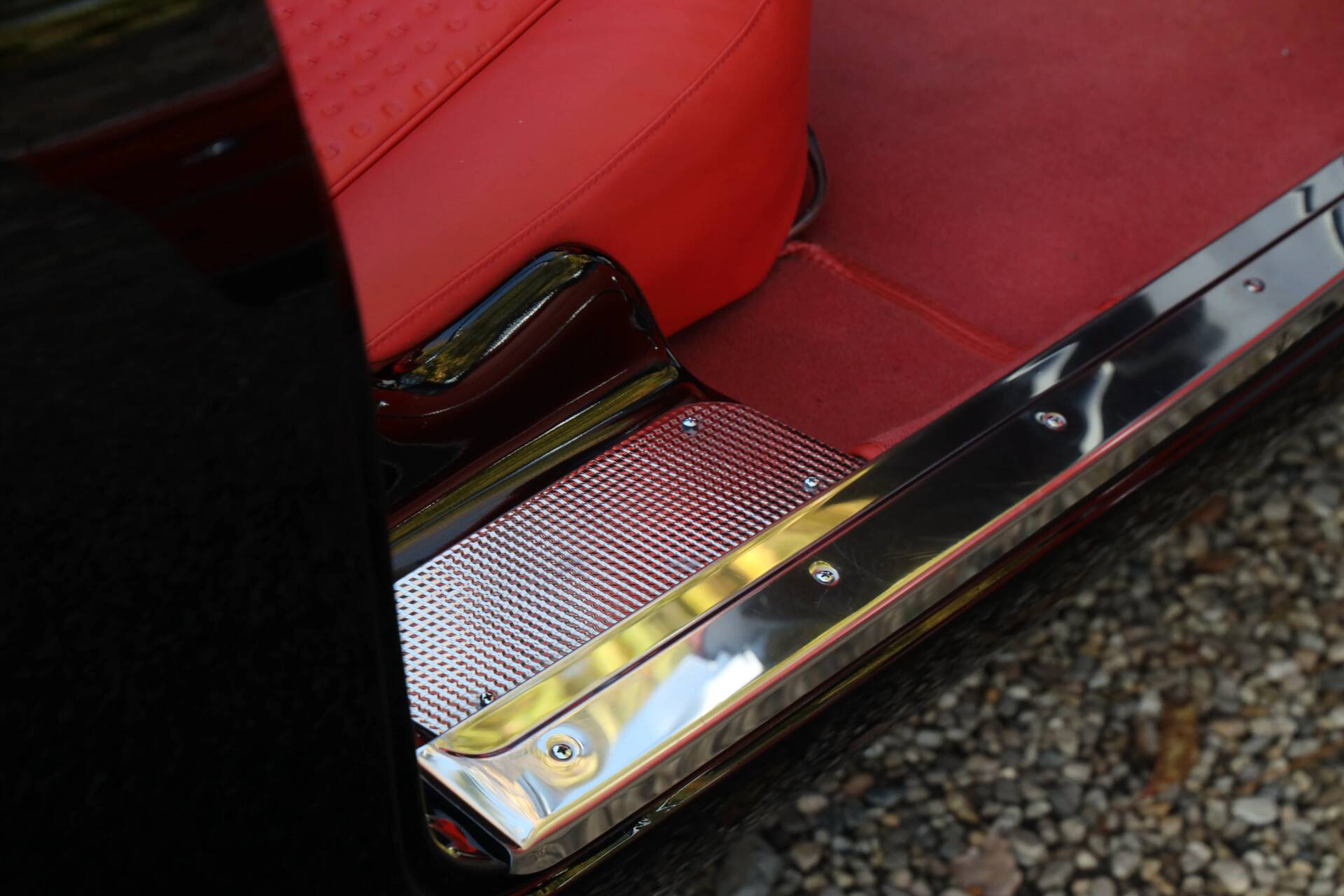
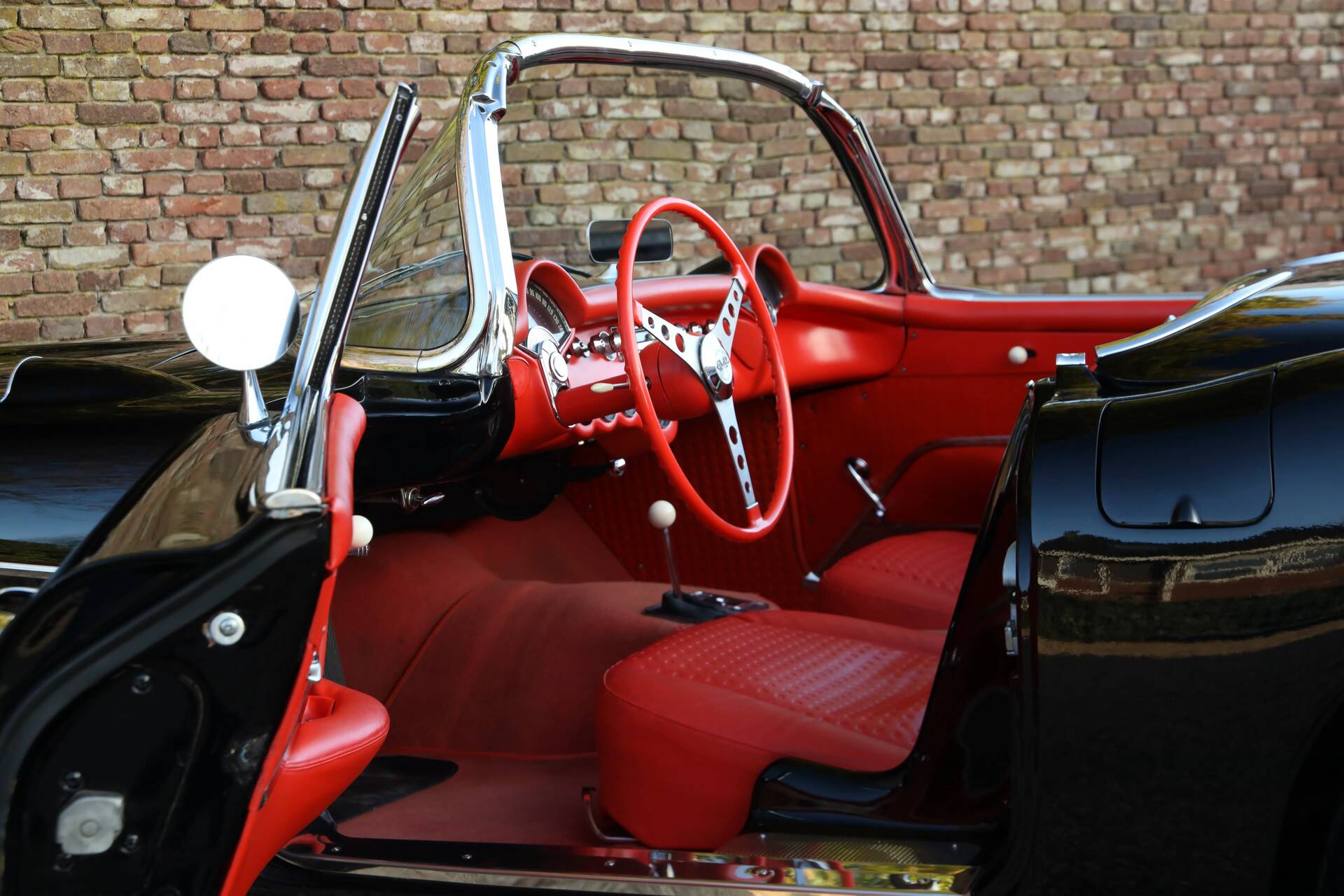
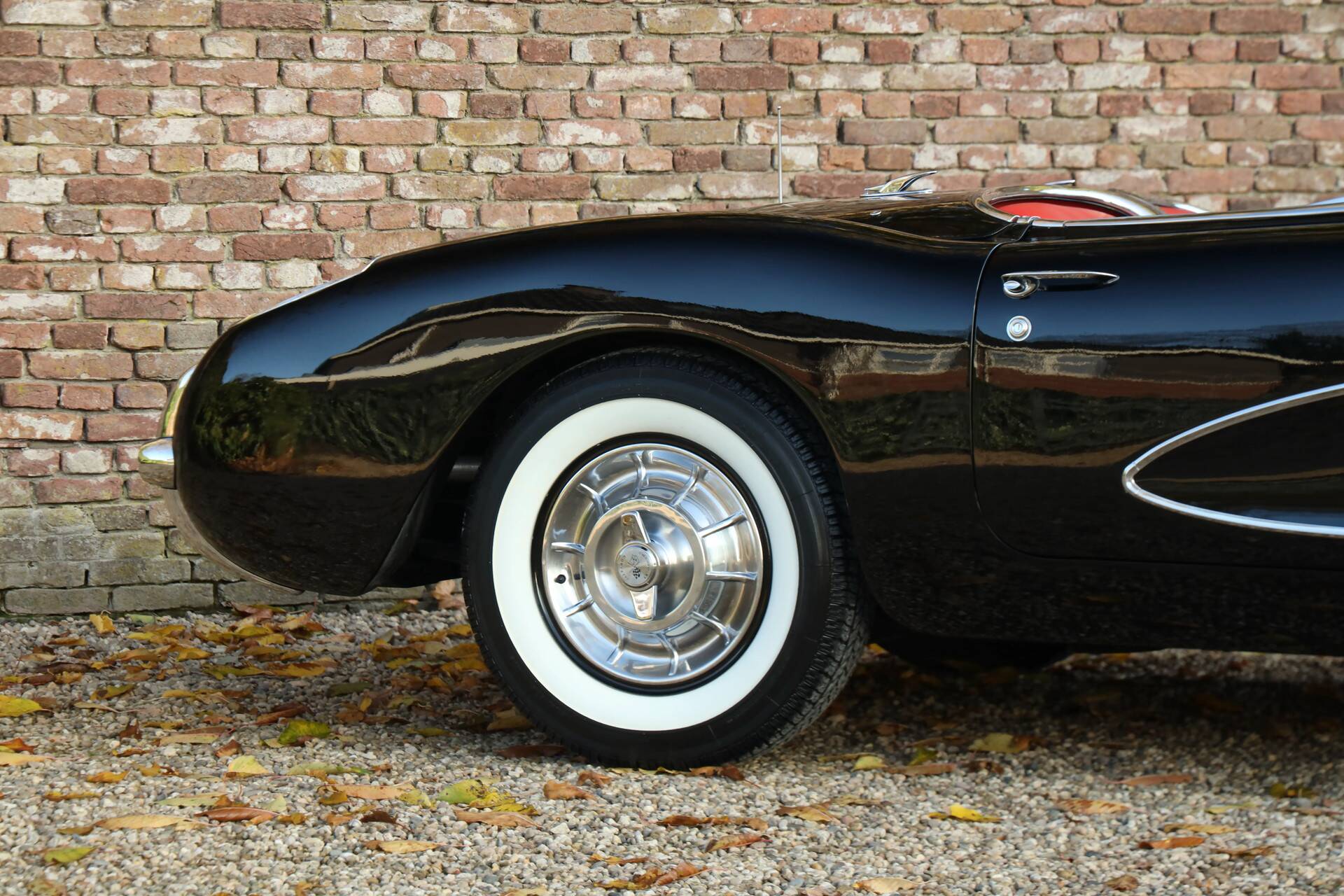
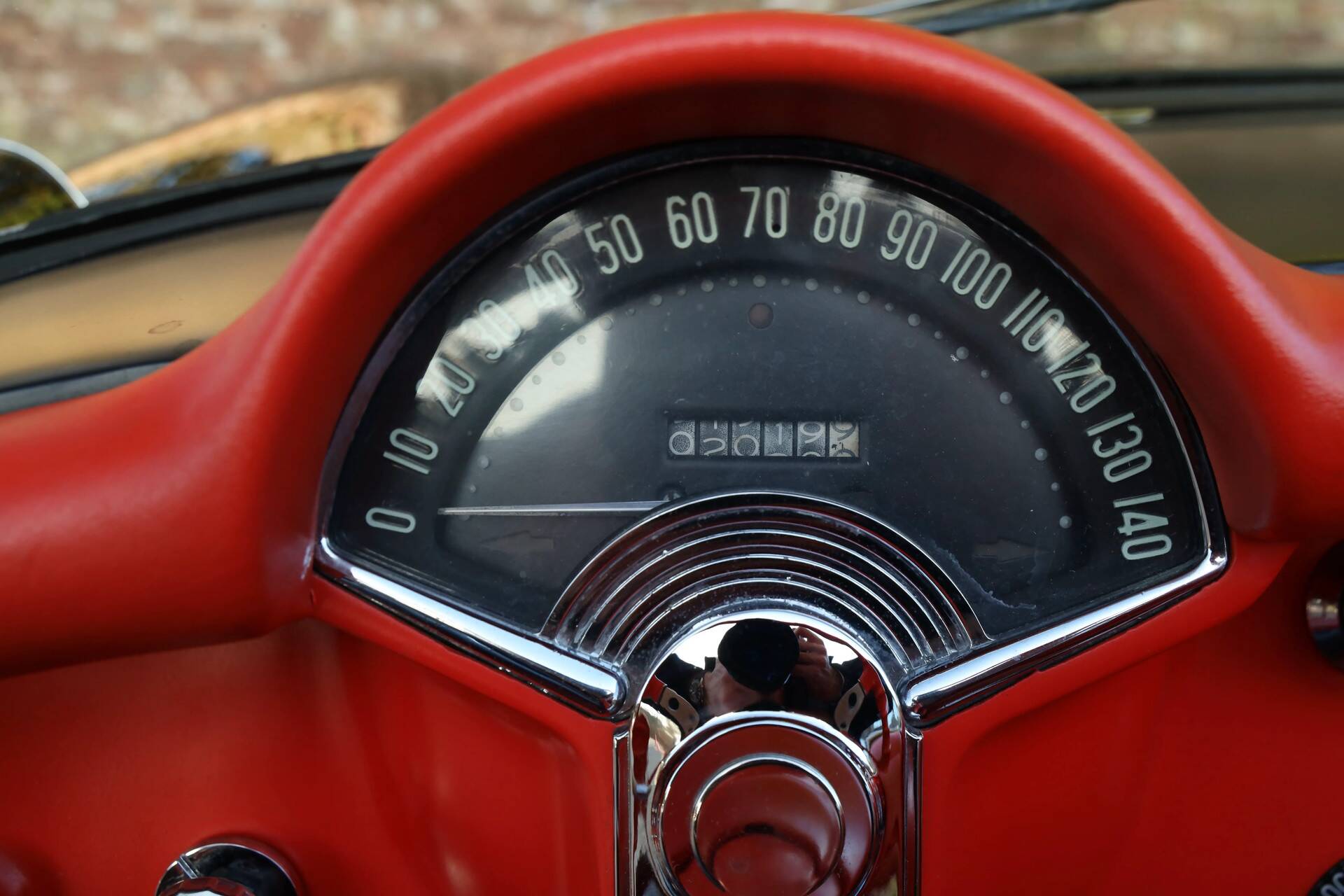
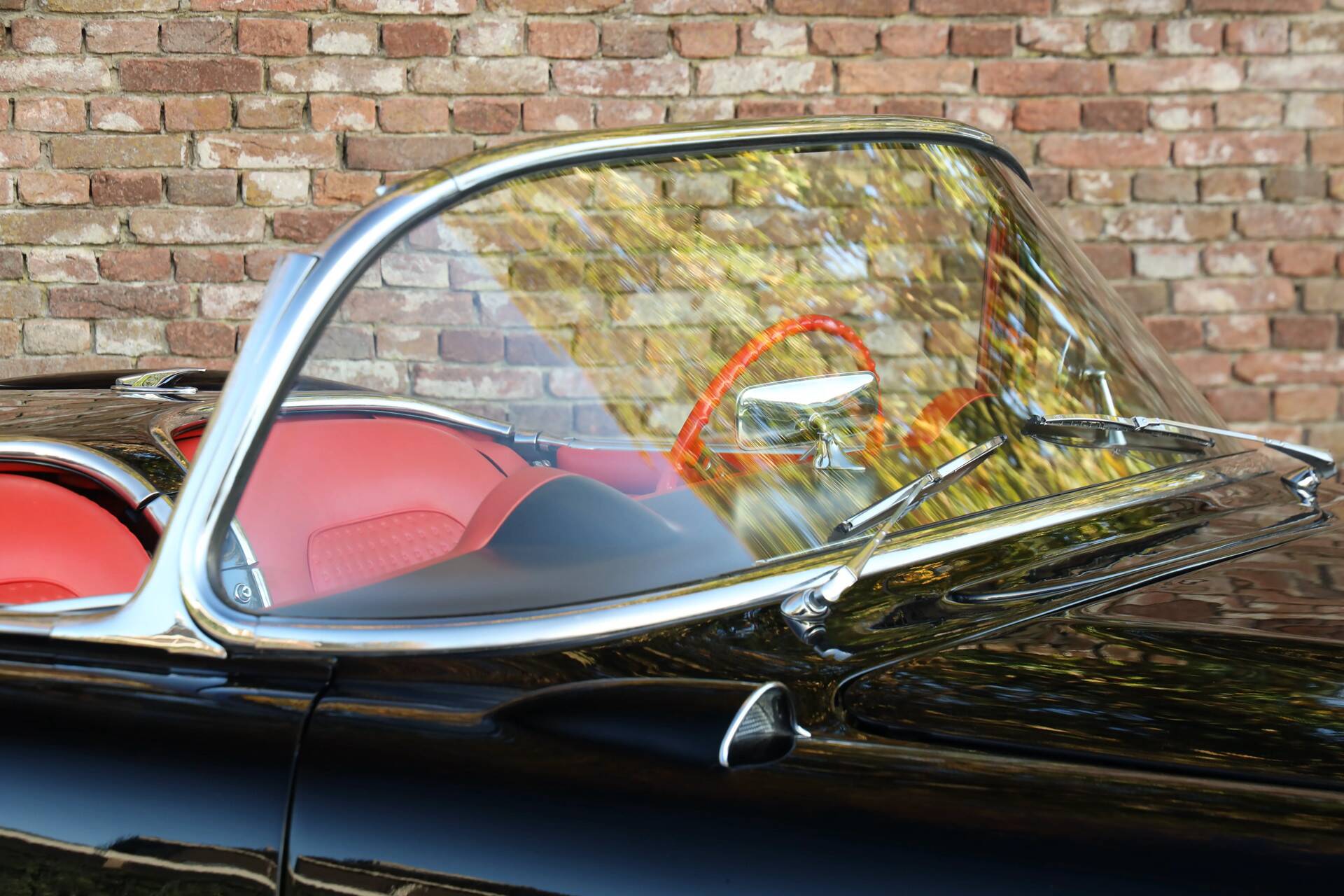
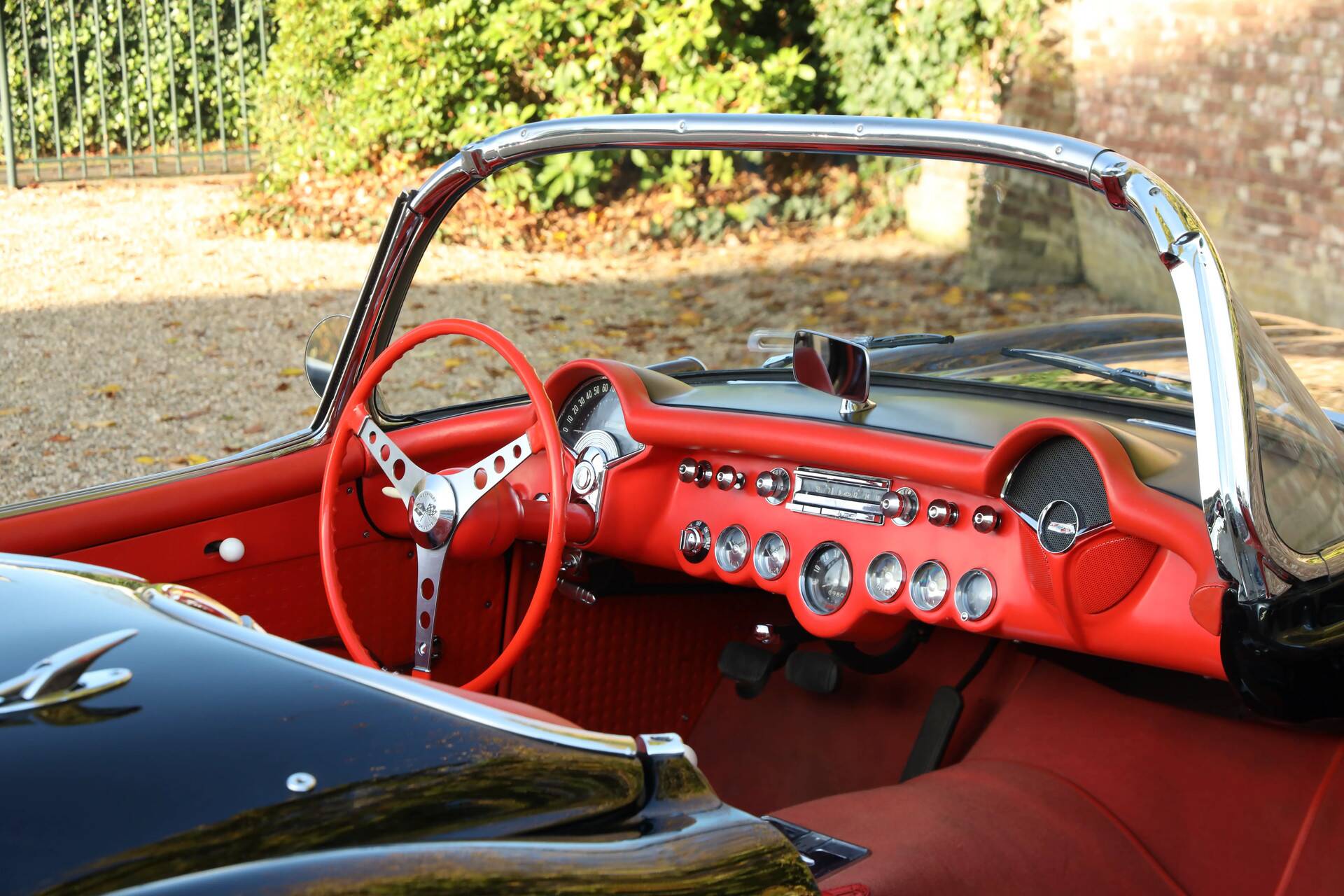
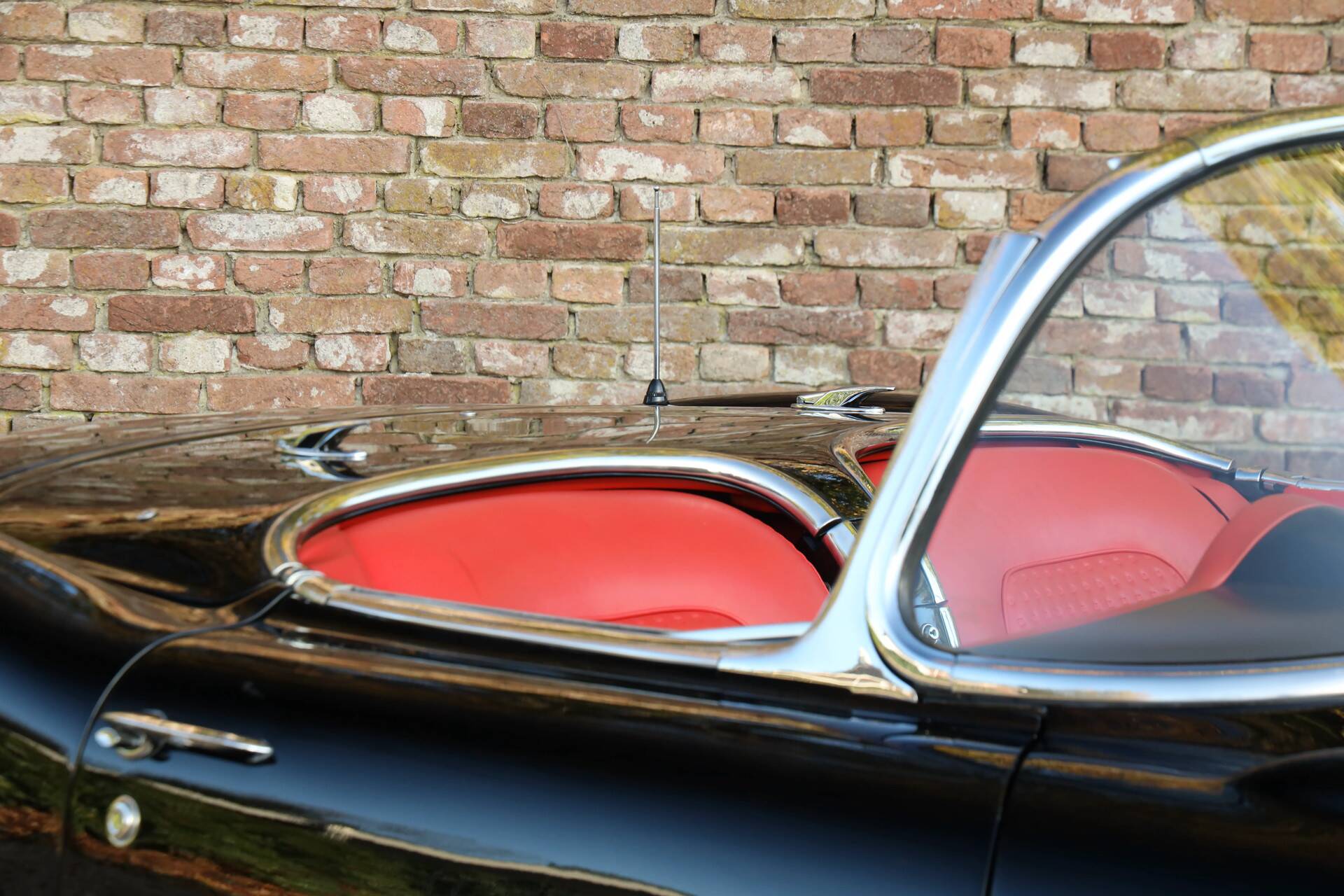
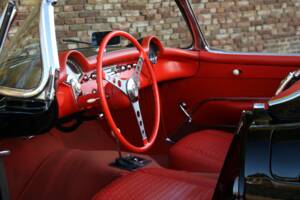
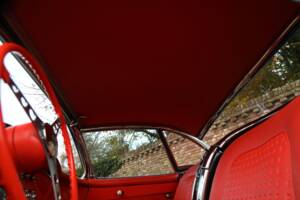
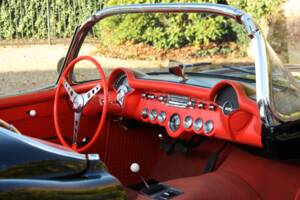
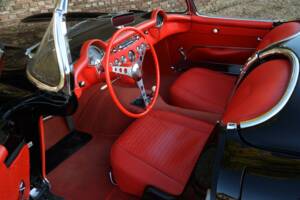
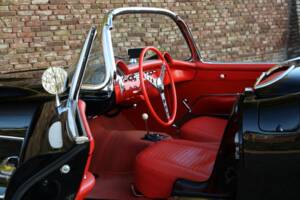
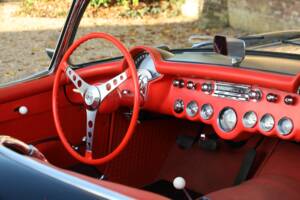
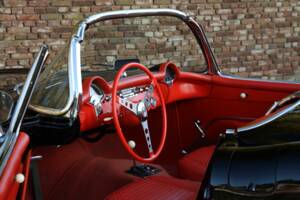
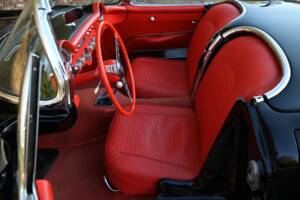
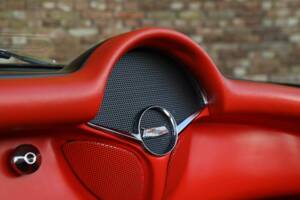
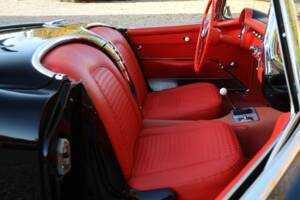
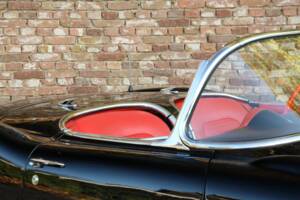
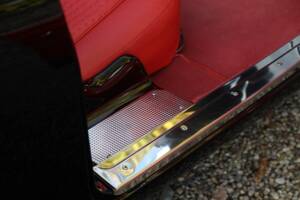
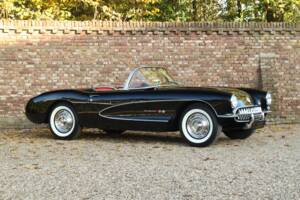
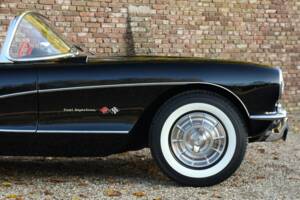
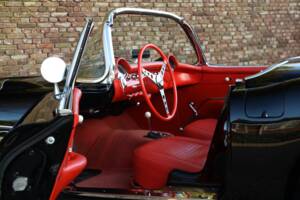
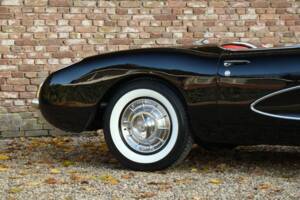
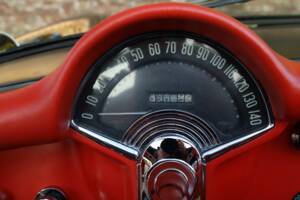
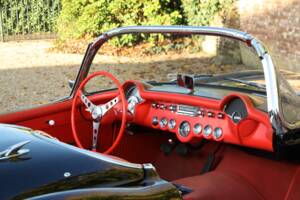
This particular example underwent an extensive five-year body-off restoration project in the United States, carried out by American Dream Machines in Iowa. Five years is a considerable amount of time to devote to any automobile, but when you examine the result, it is easy to appreciate the ambition behind the project. The Corvette presents beautifully, with the quality of the restoration evident throughout. From the overall finish to the smallest details, everything reflects the attention that has gone into bringing this American sports car back to such an impressive standard. This is not simply a car that looks good from a distance. It rewards a closer inspection.
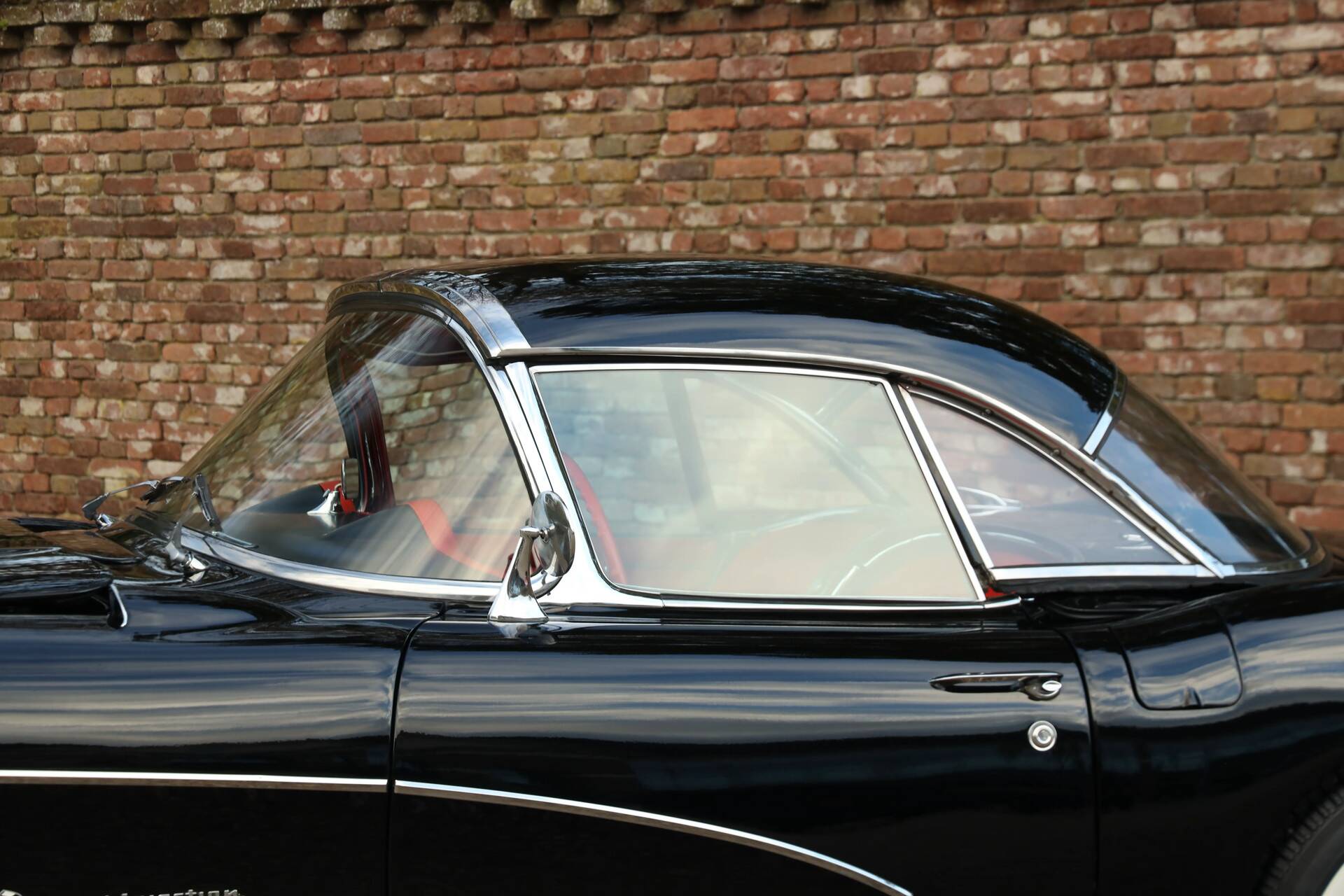
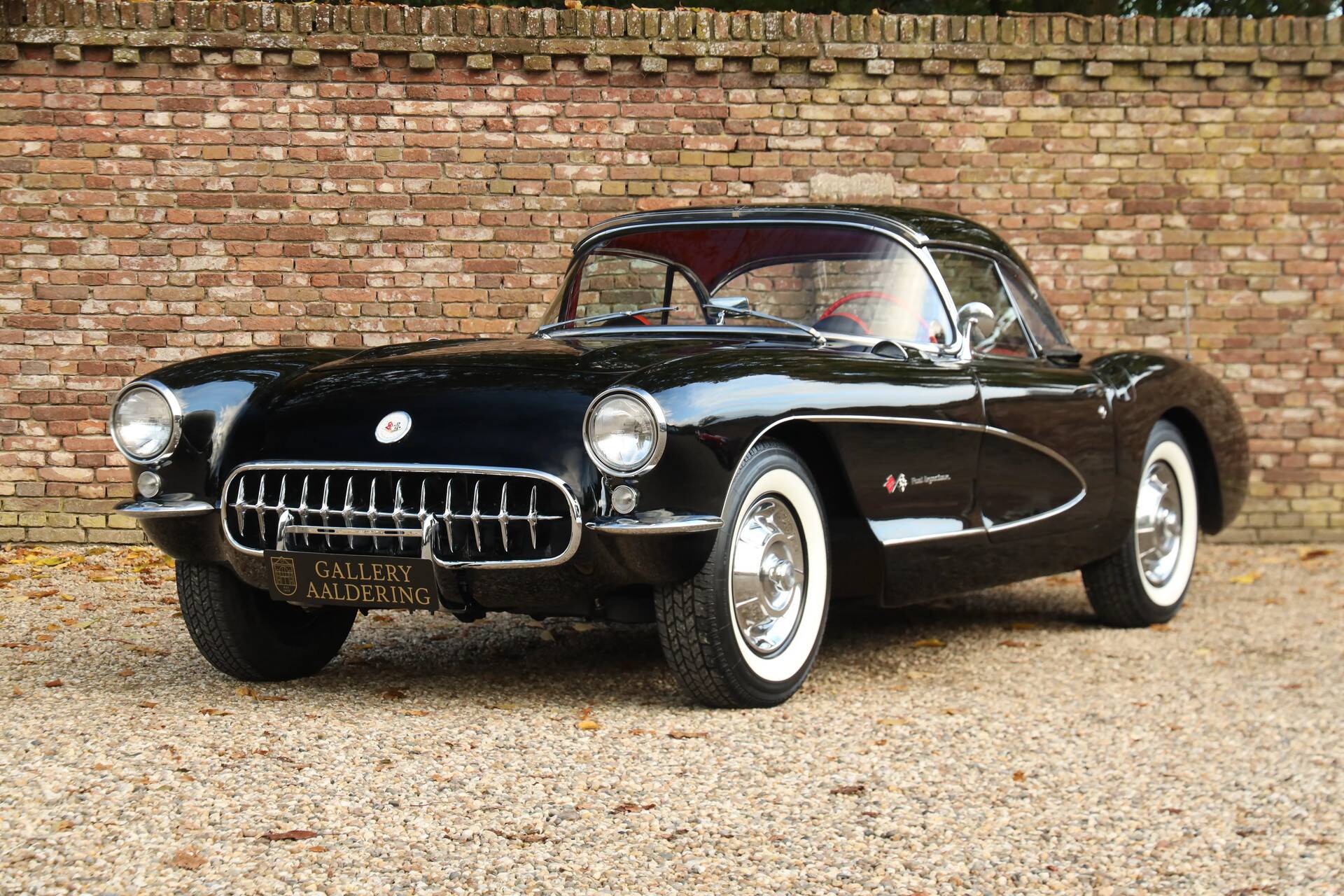
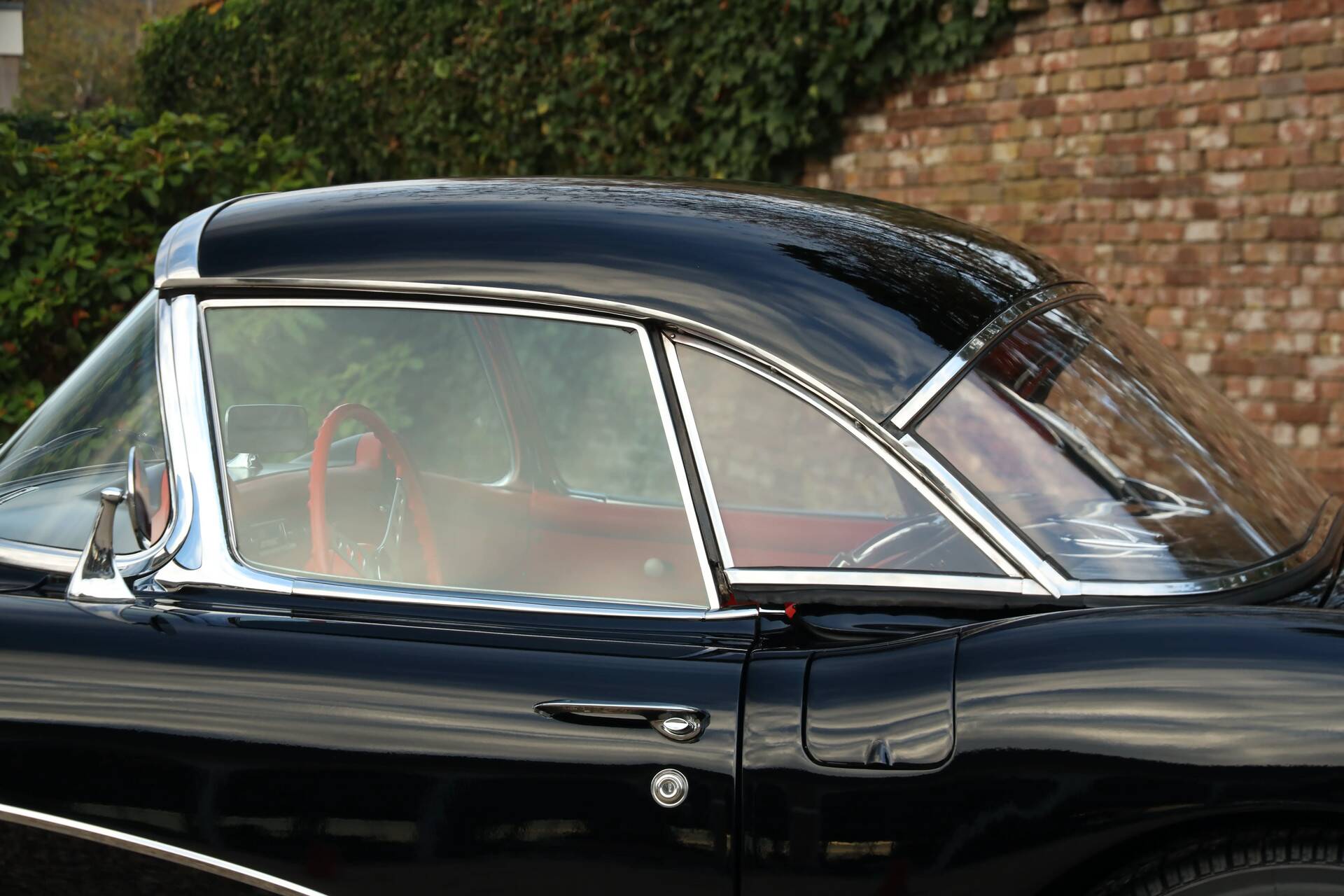
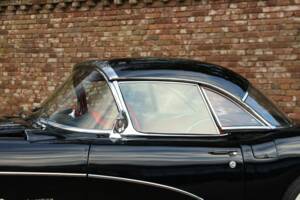
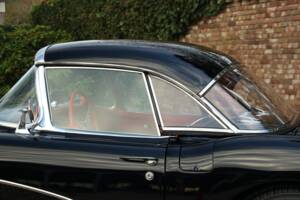
And then there is the hardtop.
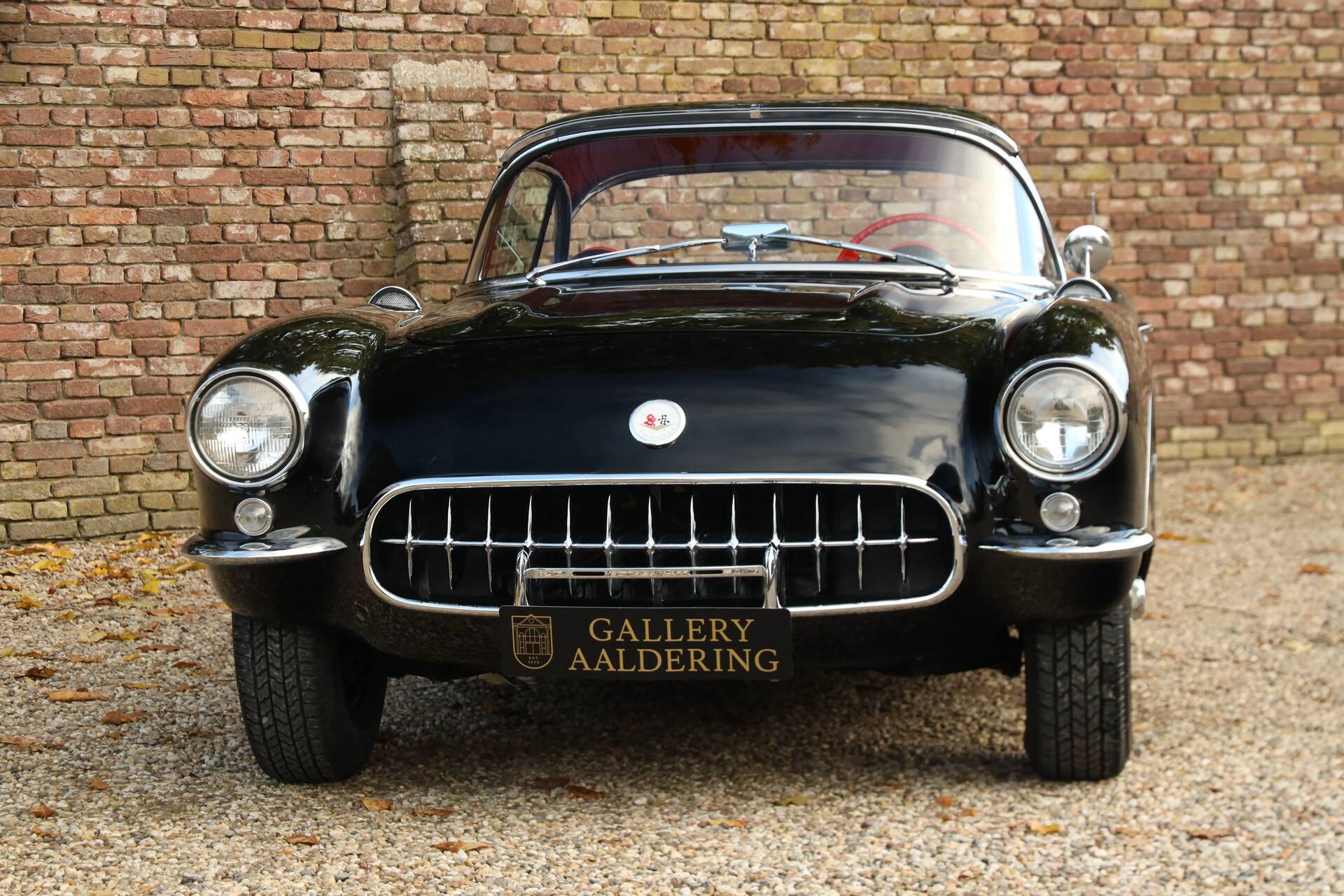
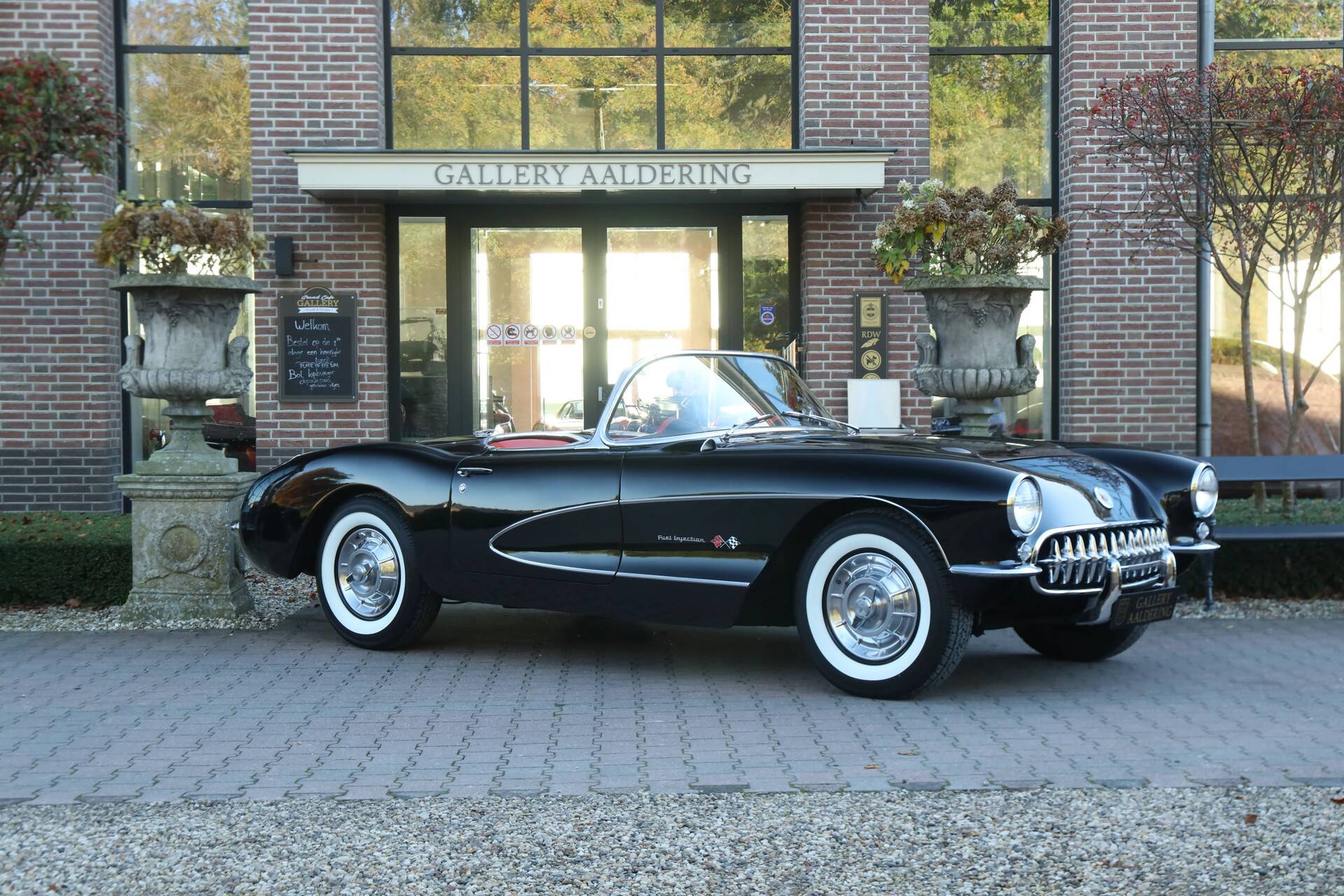
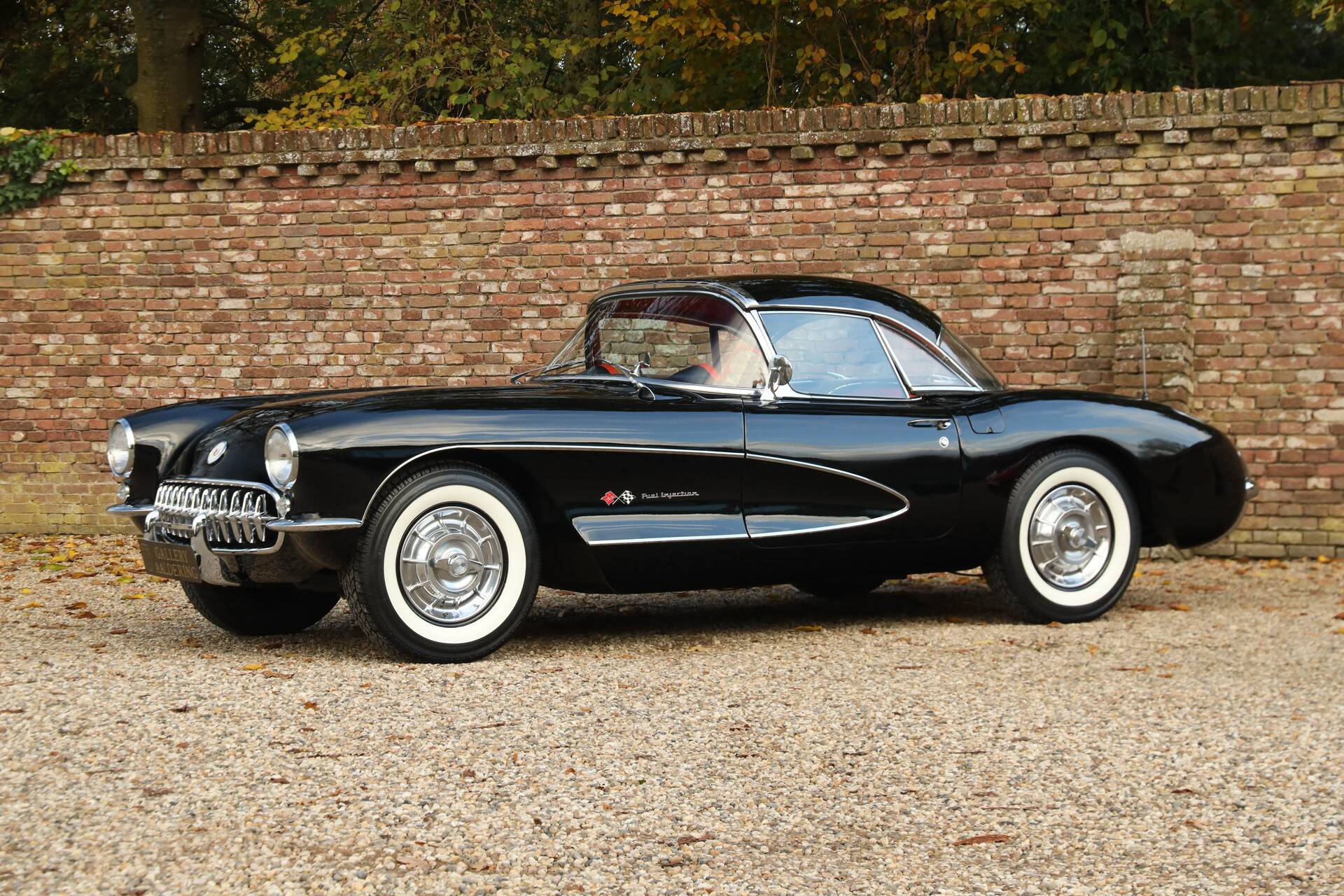
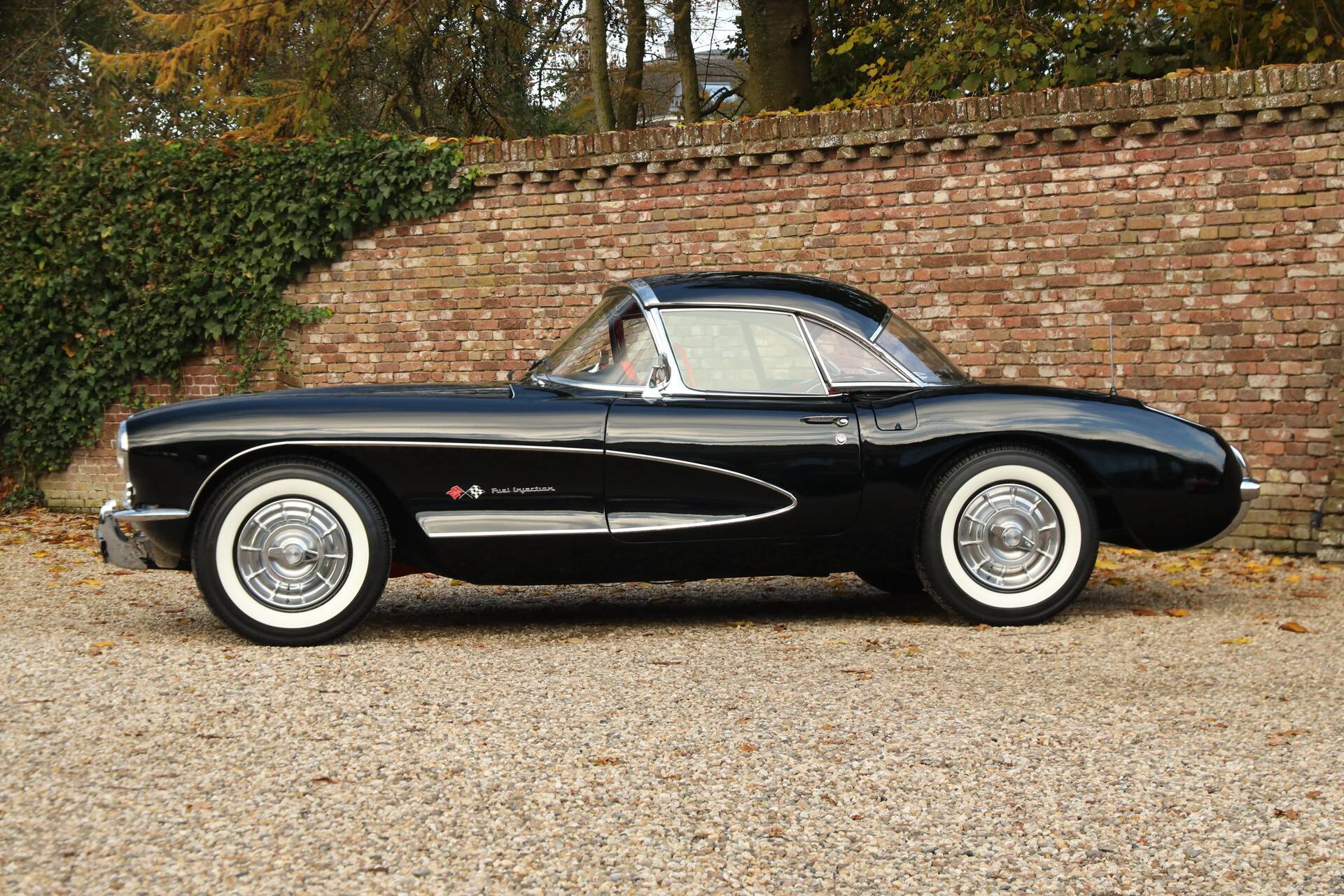
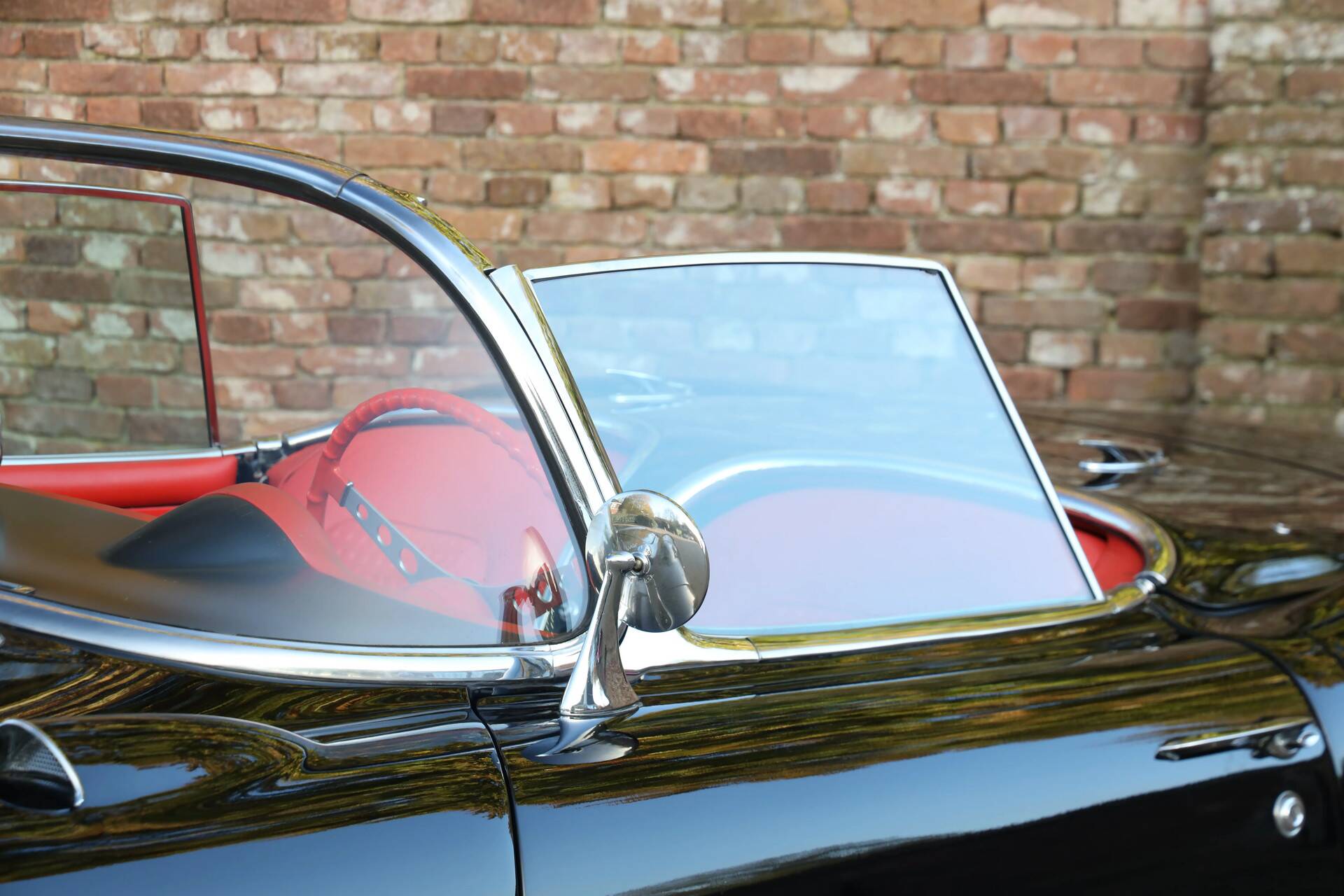
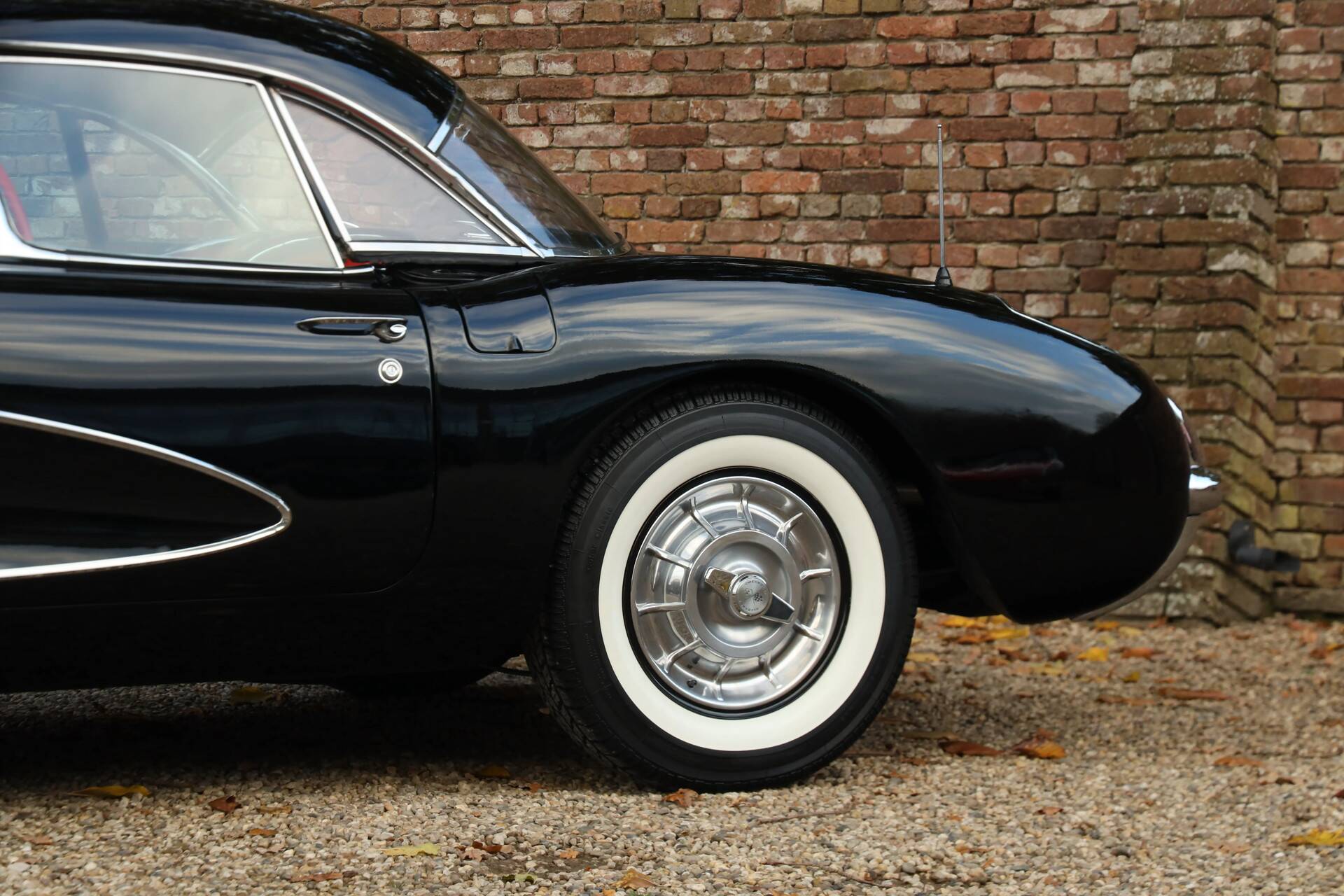
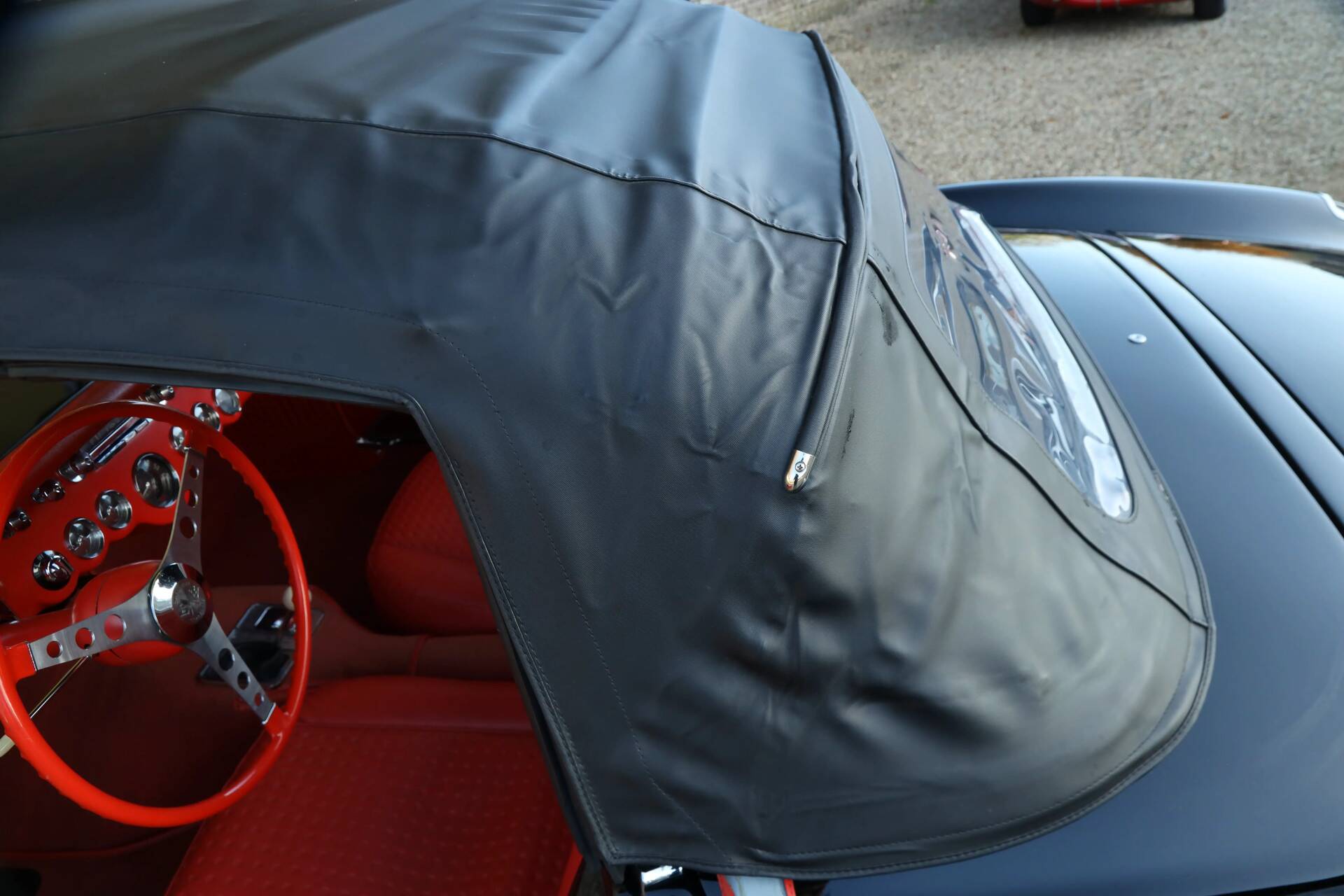
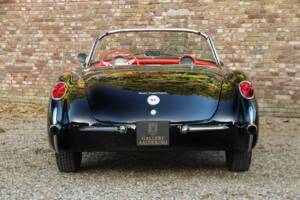
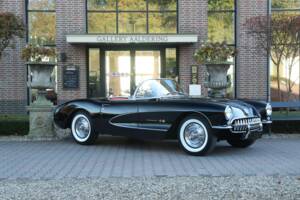
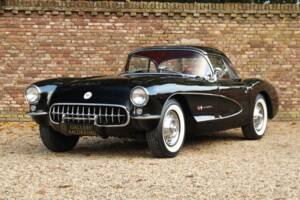
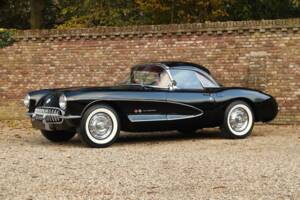
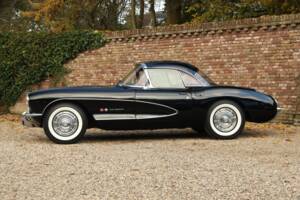
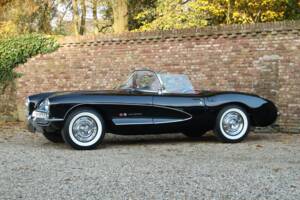
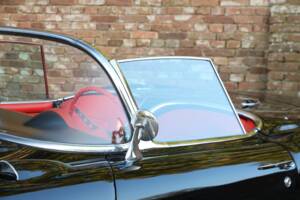
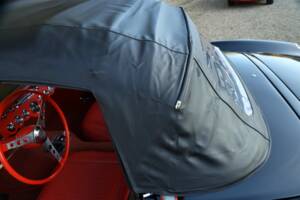
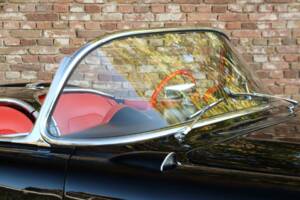
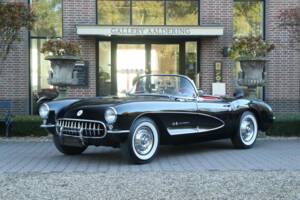
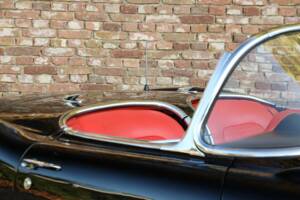
Because what exactly are you supposed to do when your Corvette Convertible looks even more attractive with the roof fitted? A rather difficult question, we think. Most convertibles reveal their best proportions when the roof disappears, but a 1957 Corvette is a different matter altogether. With the hardtop in place, the long bonnet, low bodywork, and beautifully sculpted rear end come together in a wonderfully elegant silhouette. It might actually look even better. But then the sun comes out, the weather is perfect, and naturally you want to drive with the roof off. We certainly wouldn't want to make that decision permanently.
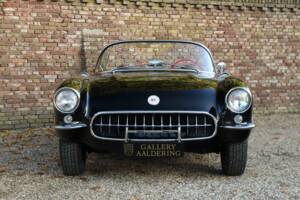
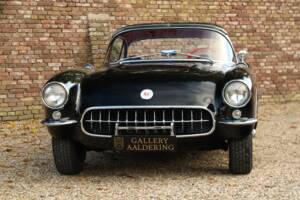
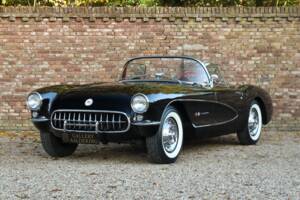
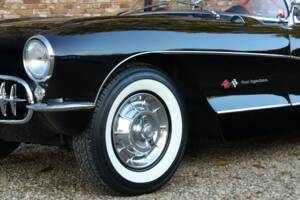
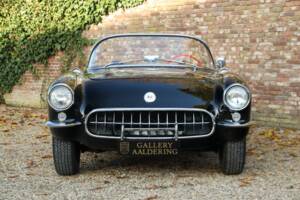
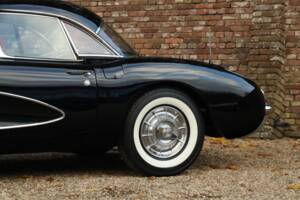
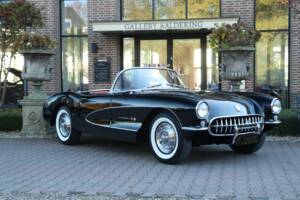
What makes the 1957 Corvette so fascinating is the combination of two very different qualities. On one hand, there is the unmistakable American styling of the 1950s. The chrome, the round headlights, the distinctive grille, and those beautiful proportions. On the other, there is a sophisticated fuel-injected V8 developed at a time when Chevrolet was becoming increasingly serious about sports car performance and competition. That is precisely why the 1957 model year matters.
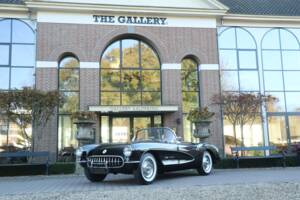
Here we have a Chevrolet Corvette C1 Fuelie with the desirable 283-horsepower engine, built during the year in which the Corvette truly began establishing its performance credentials. An example subsequently treated to a five-year restoration in America, with a result that continues to impress in the smallest details.
283 cubic inches. 283 horsepower. And that wonderful removable hardtop. Some cars really do make it remarkably easy to fall in love.
Interested in this exceptional Chevrolet Corvette C1 Fuelie? Contact Gallery Aaldering and discover this beautiful American sports car for yourself. We export our vehicles worldwide; please enquire about the possibilities.