1977 | De Cadenet LM-3
de Cadenet LM3
Prijs op aanvraag
1 / 29

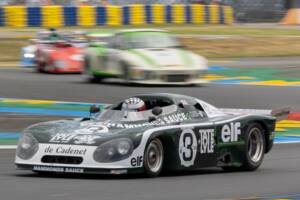
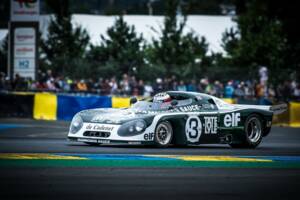
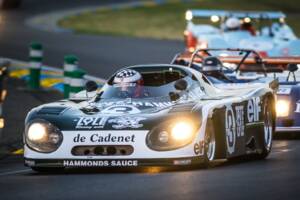
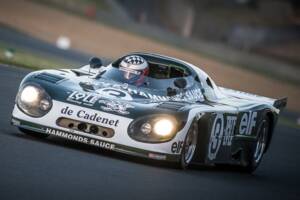


1977 | De Cadenet LM-3
de Cadenet LM3
Prijs op aanvraag
1977 | De Cadenet LM-3
de Cadenet LM3
Prijs op aanvraag

Verkoper
de Cadenet LM3
de Cadenet LM3
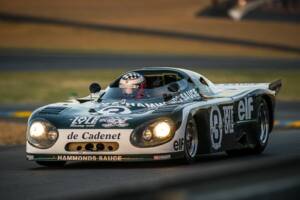
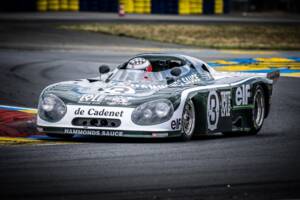
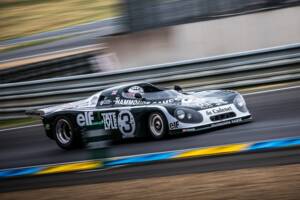
A Central Chapter in the de Cadenet Le Mans Story Fifth Overall in 1977
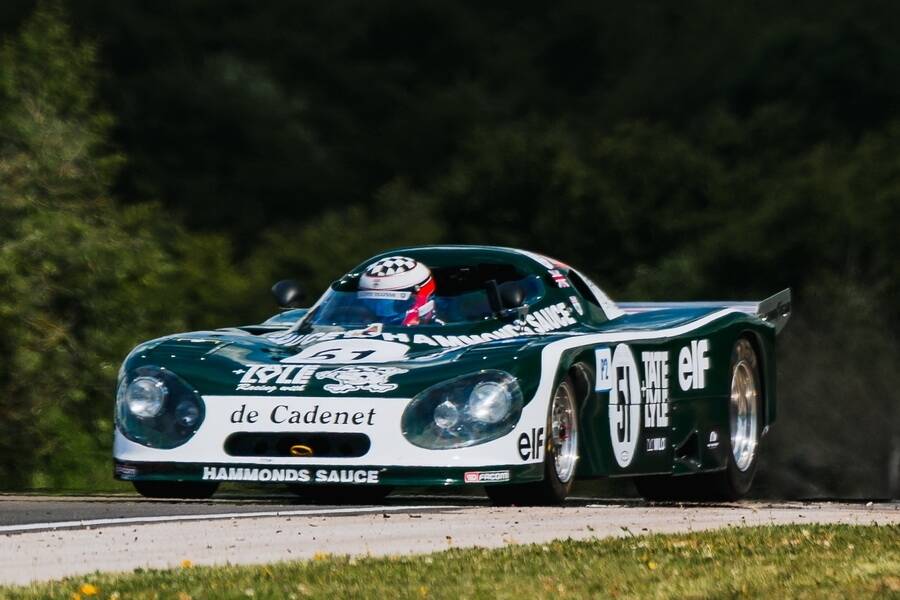
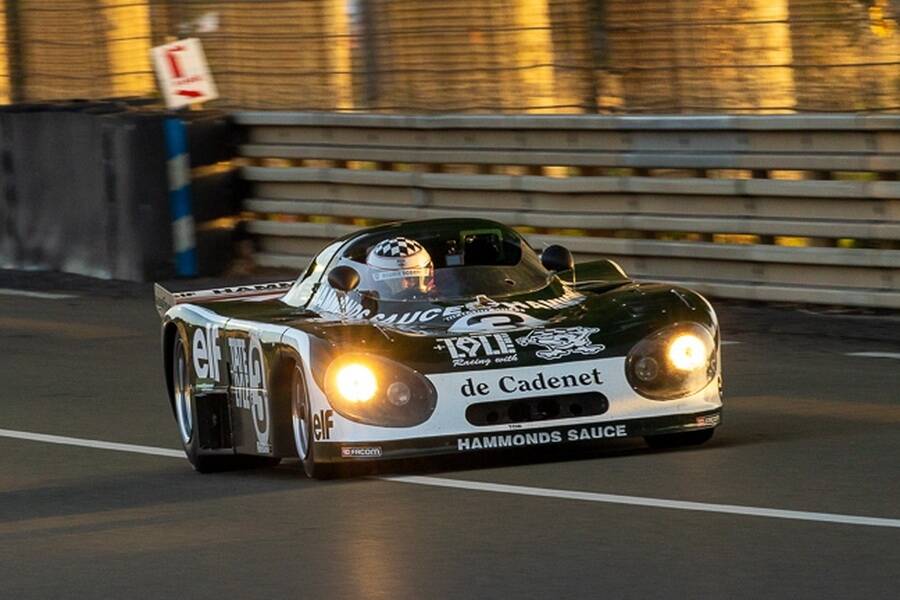
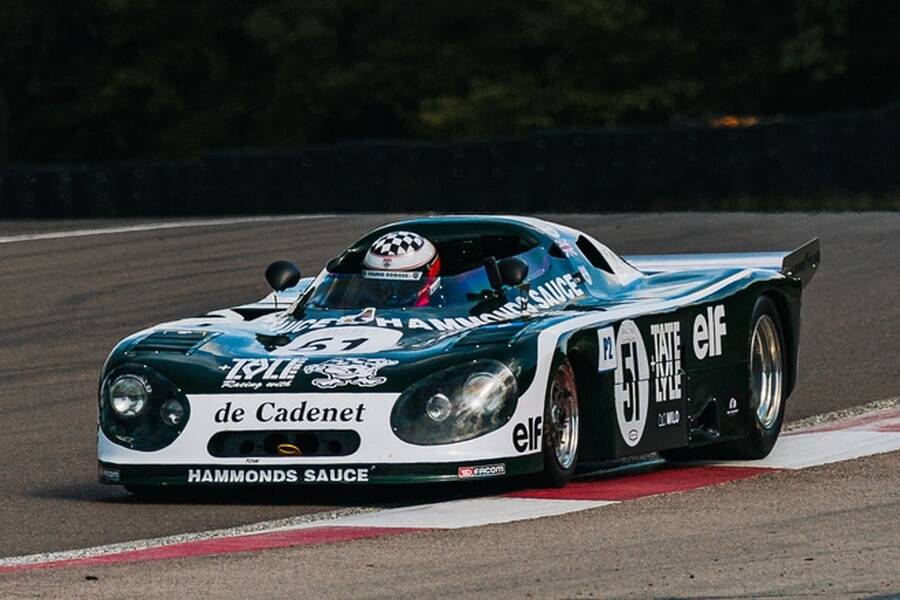
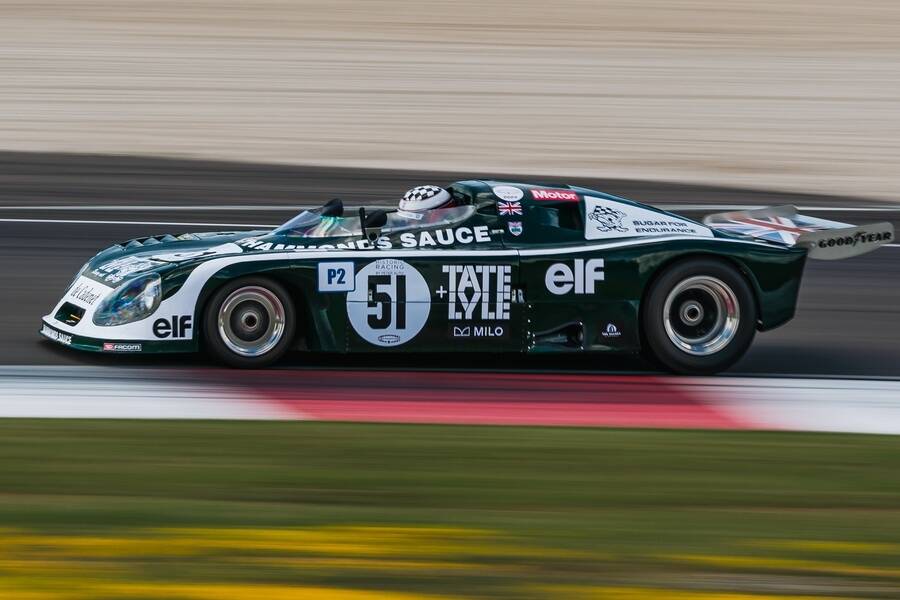
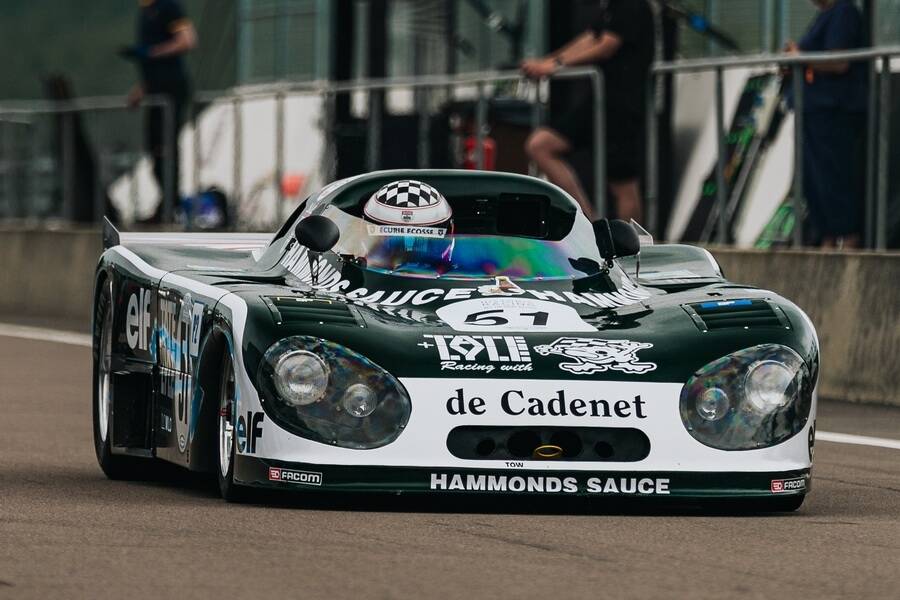
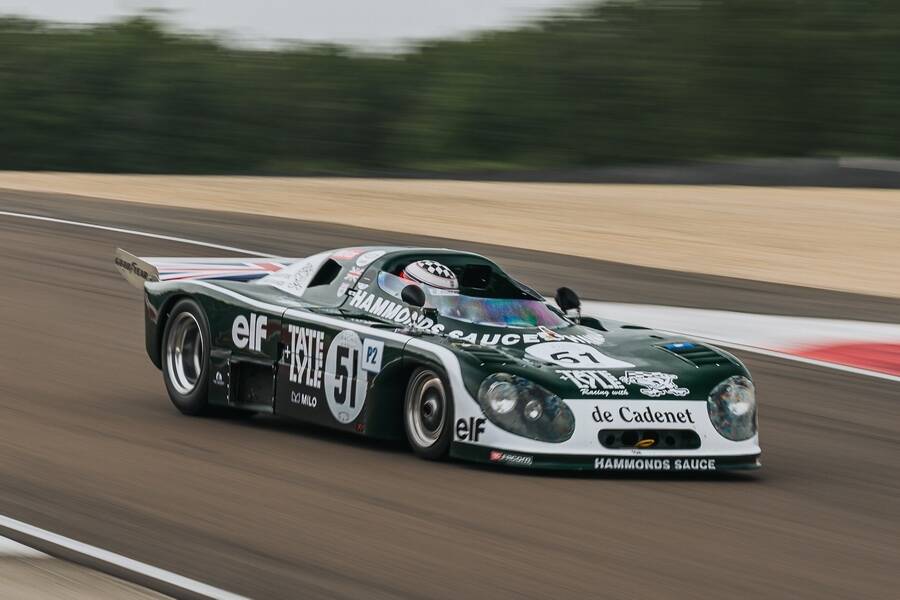
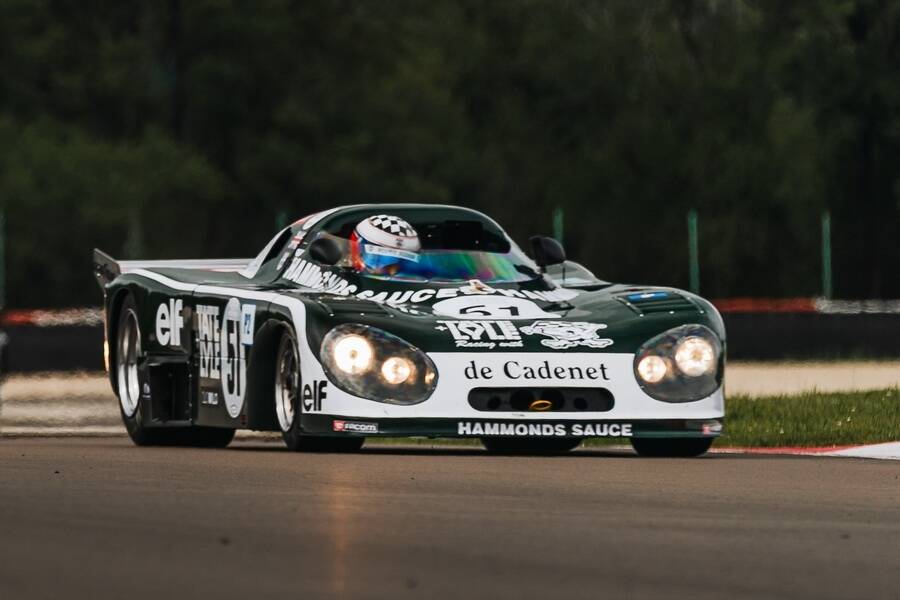
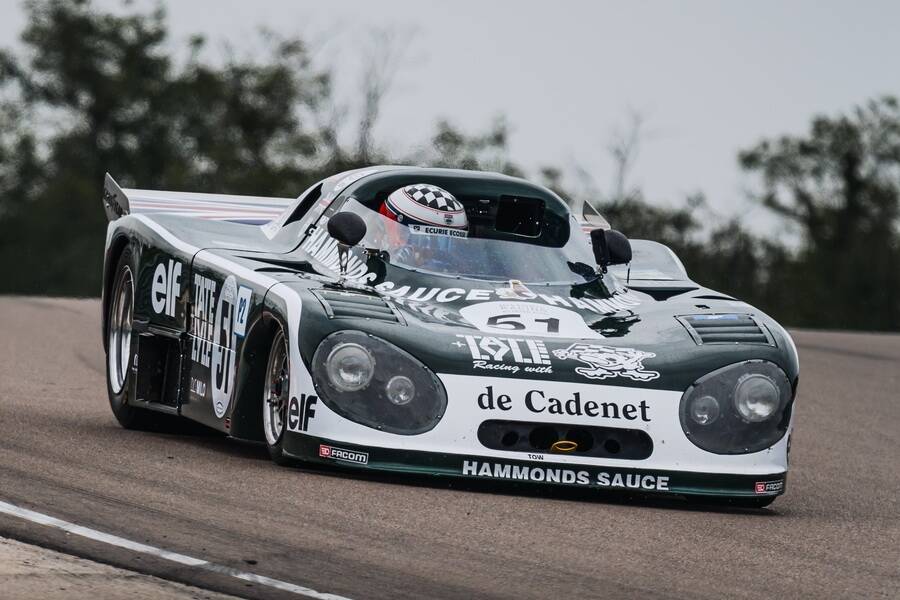
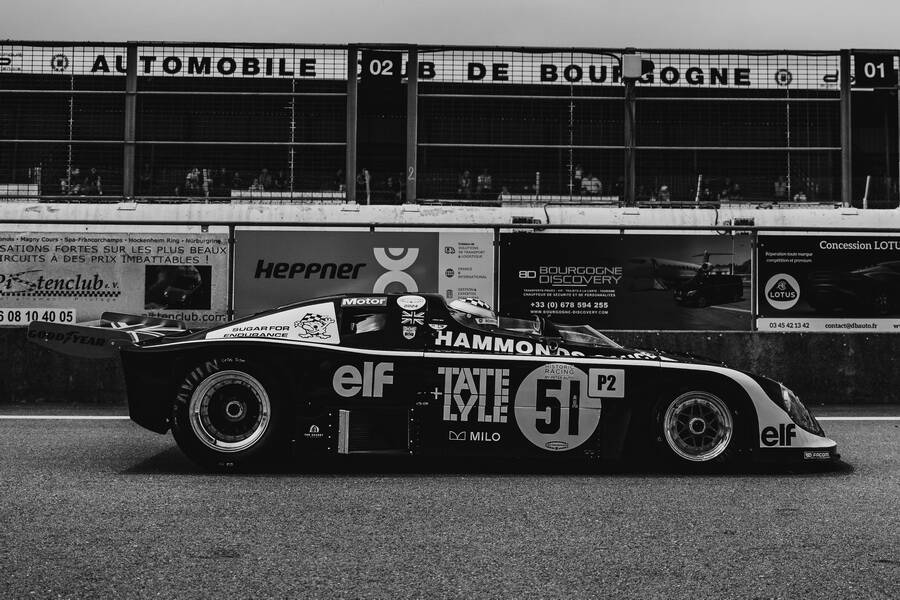
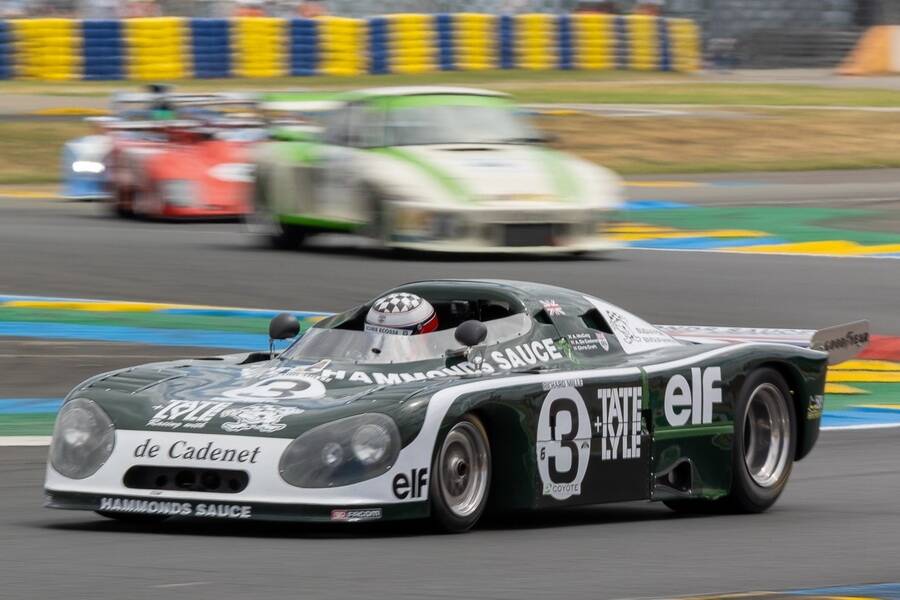
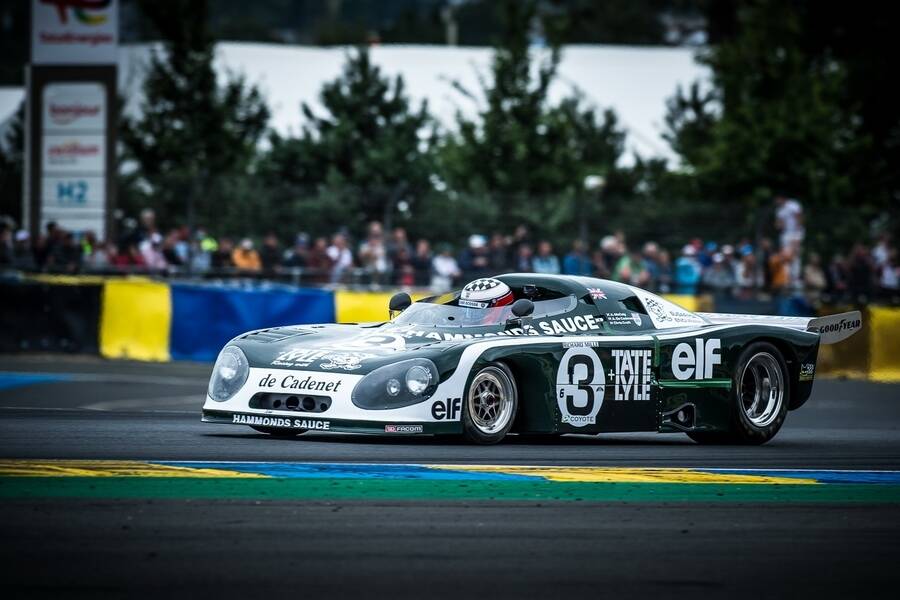
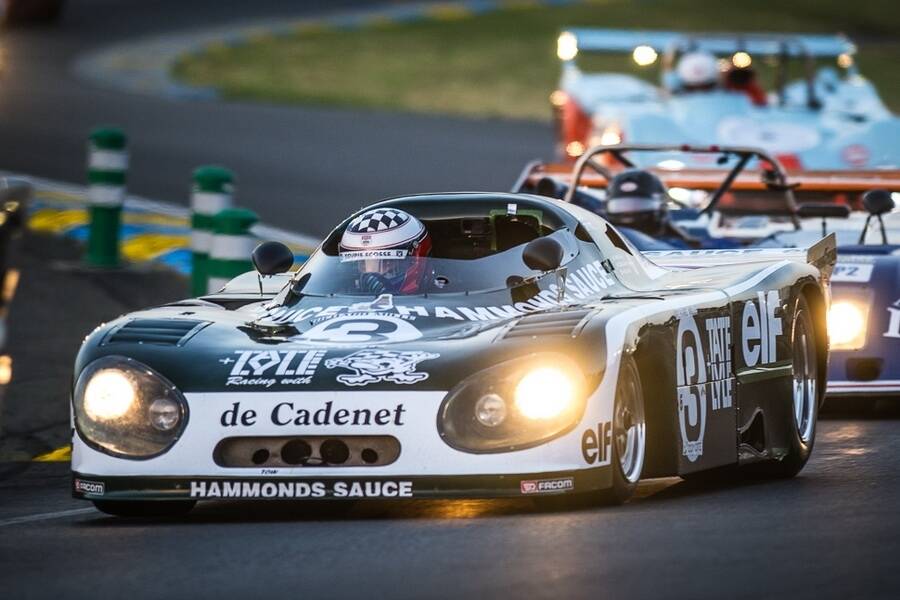
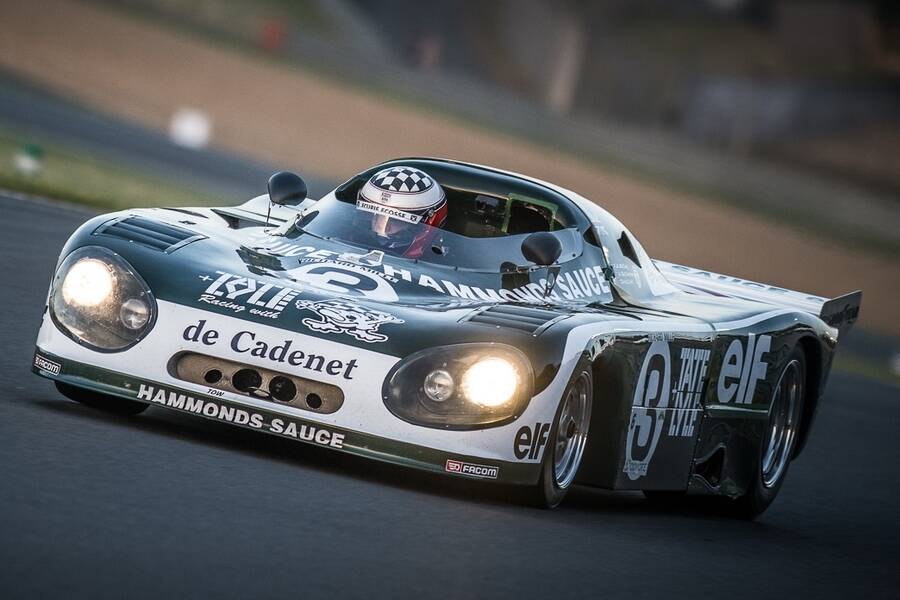
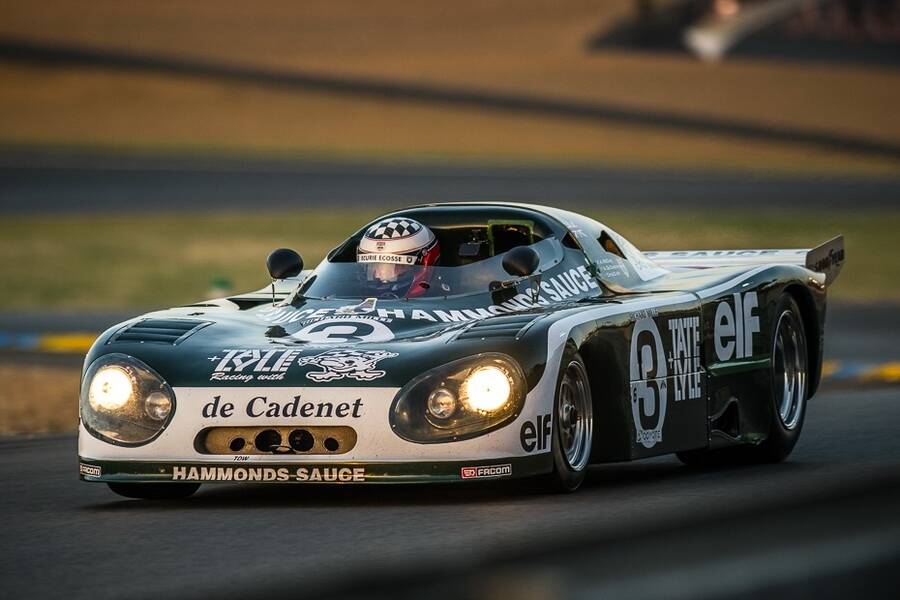
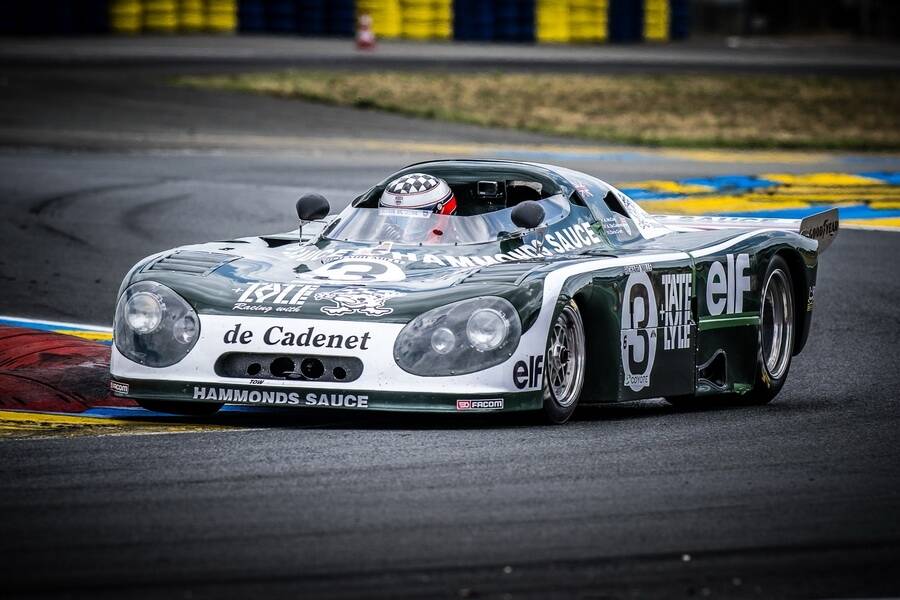
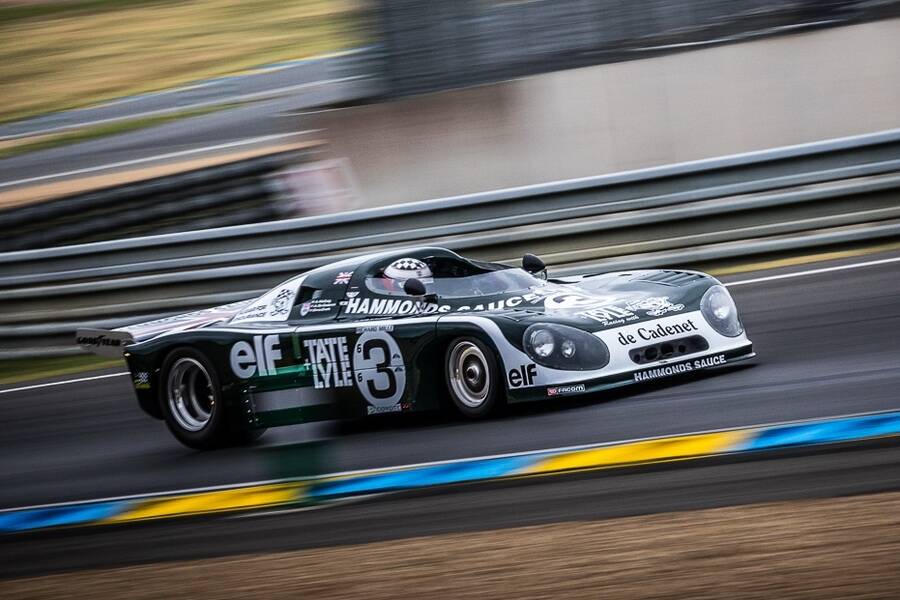
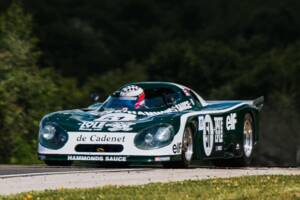
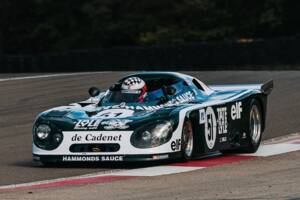
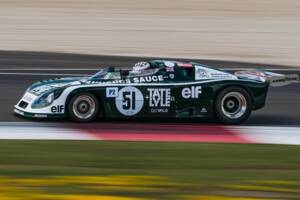
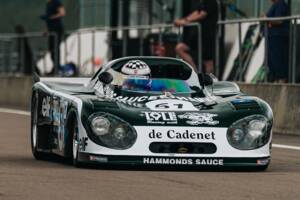
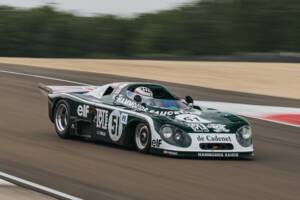
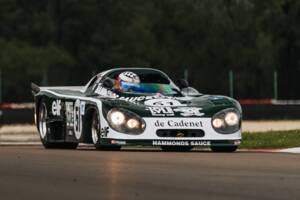
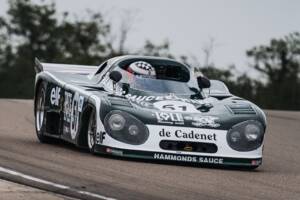
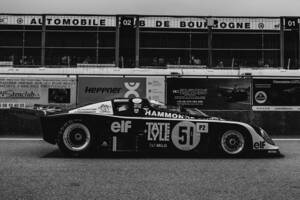
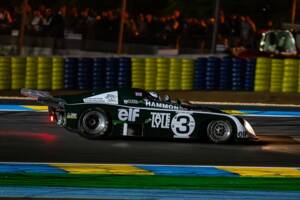
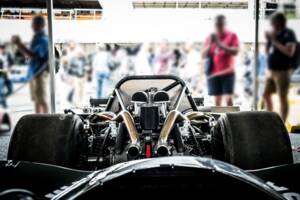
Few privateer programmes are as closely associated with the spirit of the 24 Hours of Le Mans as that of driver-constructor Alain de Cadenet. From the early 1970s onward, his ambition was singular: to challenge the established factory teams on endurance racings greatest stage: Le Mans 24 hours. The de Cadenet LM3, introduced for the 1977 season, represents the culmination of this determined and technically sophisticated effort, and today stands as one of the most significant survivors of the independent prototype era.
Entered on four occasions at the 24 Hours of Le Mans, the LM3 achieved its defining result in 1977, finishing 5th overall, a remarkable performance for a privately developed and operated machine competing against major manufacturer programmes. The car was driven by its creator himself, reinforcing its status as a genuine constructor-driver prototype and a central component of the De Cadenet legend.
The origins of the LM3 can be traced to the early 1970s, when Alain de Cadenet approached a young designer named Gordon Murray, then working at Brabham under Bernie Ecclestone. De Cadenet sought to develop a competitive endurance prototype using available components and inspired by contemporary sports-car designs such as the Ferrari 312PB.
This collaboration produced the Duckhams Special, entered at Le Mans in 1972 with the support of Duckhams Oil Motor Racing. Continuous development followed: in 1973 and 1974 the concept evolved into the de Cadenet LM; in 1975 performance continued to improve, with Chris Craft setting the fastest lap of the race; and in 1976 a revised design by Len Bailey delivered a breakthrough result of 3rd overall at Le Mans. By 1977, the De Cadenet team had accumulated five years of engineering knowledge and race experience. The LM3 would embody the most advanced expression of that development.
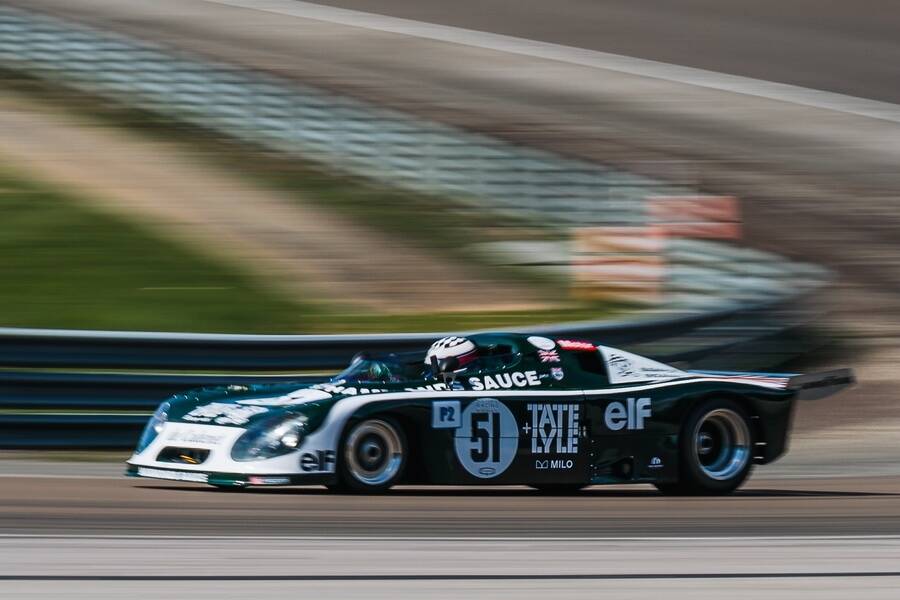
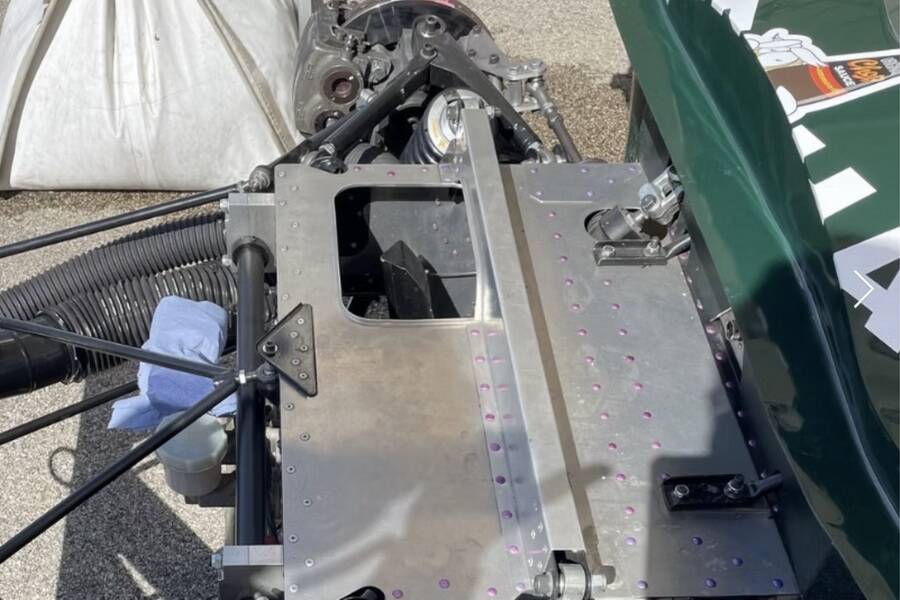
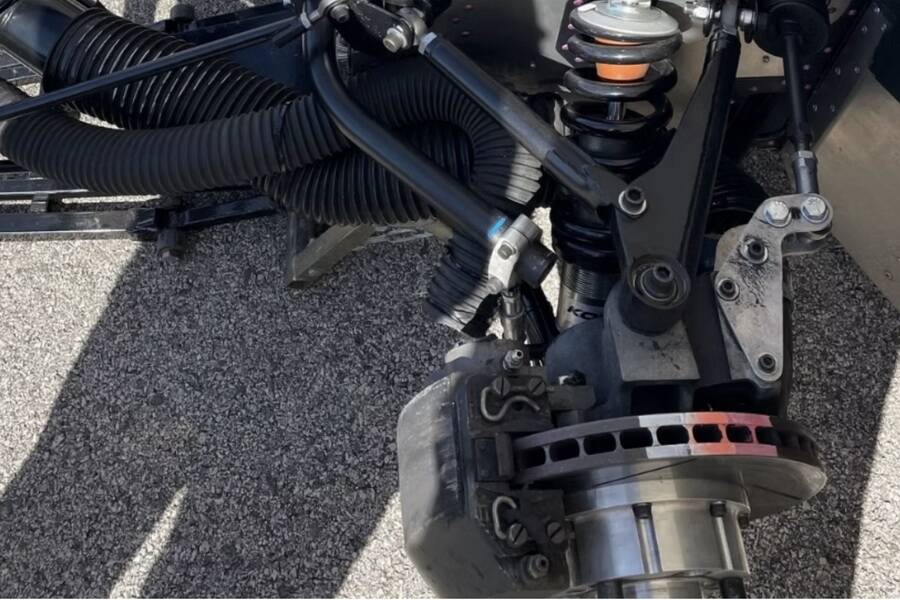
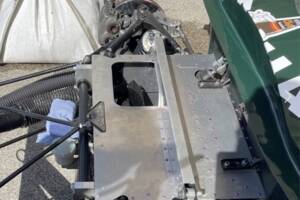
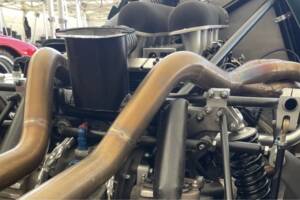
Introduced in 1977, the LM3 represented a comprehensive refinement of the previous chassis, with particular emphasis placed on aerodynamic efficiency and high-speed stability. The chassis consisted of a lightweight aluminum monocoque structure clothed in fiberglass composite bodywork. Wind-tunnel testing at MIRA, supported by Motor magazine, delivered measurable improvements in performance. Period reports recorded a maximum development speed of approximately 228 mph (366 km/h), while the car achieved approximately 330 km/h on the Mulsanne Straight at Le Mans. The bodywork, designed by Len Bailey, demonstrated the effectiveness of systematic aerodynamic developmentan impressive achievement for a privateer operation.
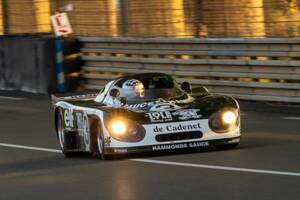
The LM3 made its competitive debut at Le Mans in 1977 under the designation De Cadenet T380 LM. In a field that included factory-backed entries from major manufacturers, the car delivered a disciplined and reliable performance, ultimately securing 5th place overall. This result established the LM3 as one of the most successful privately constructed prototypes of its era.
For the 1978 running of Le Mans, the LM3 was sold to Peter Lovett and entered under the John Cooper banner. Although the car demonstrated competitive pace during qualifying, it ultimately did not start the race and was listed as first reserve. In 1979, the car returned with further mechanical and aerodynamic refinements, but a sequence of issuesincluding starter, gearbox, and alternator failuresled to retirement during the night.
Following a change in ownership to Nick Faure, the LM3 again appeared at Le Mans in 1980. Although positioned as the first reserve after qualifying, it was not called to the starting grid. In 1981, the car returned once more to the Le Mans grid under Dorset Racing, but a broken gearbox casing forced retirement, marking its final period appearance at the event.
In October 1983, the car was acquired by Hugh McCaig as part of an initiative to revive the historic Ecurie Ecosse name in modern endurance racing. To comply with contemporary regulations, the chassis was extensively modified and reborn as the Ecosse C284, competing at the 1984 edition of the 24 Hours of Le Mans. Although the car retired after six hours, this programme formed an important chapter in the vehicles continuous competition history.
Following this period, the McCaig family retained the car and undertook a comprehensive restoration programme. The decision was made to return the chassis to its original 1977 configurationthe specification in which it achieved its landmark Le Mans result. Remaining within the same family stewardship for more than four decades, the LM3 benefited from unusually long and stable custodianship for a competition prototype of this type.
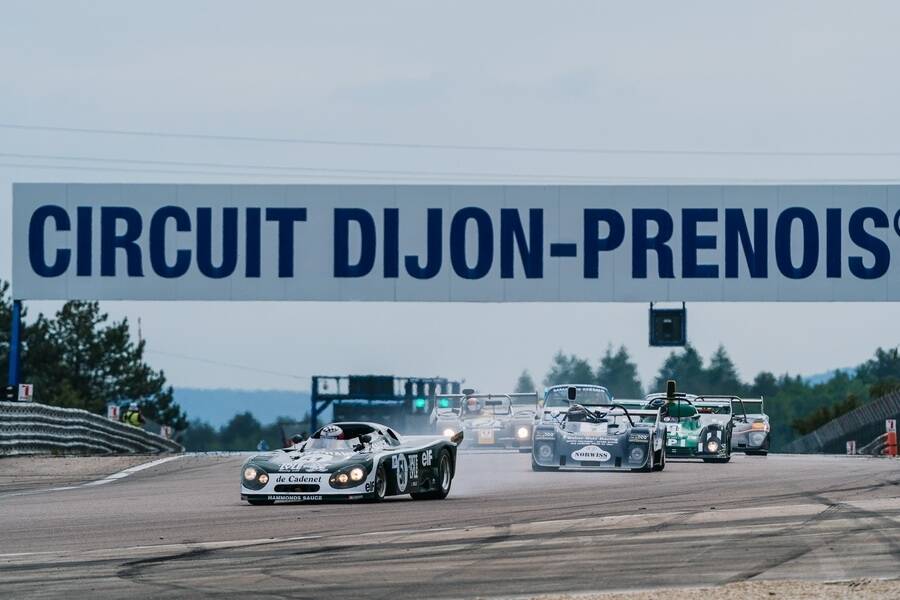
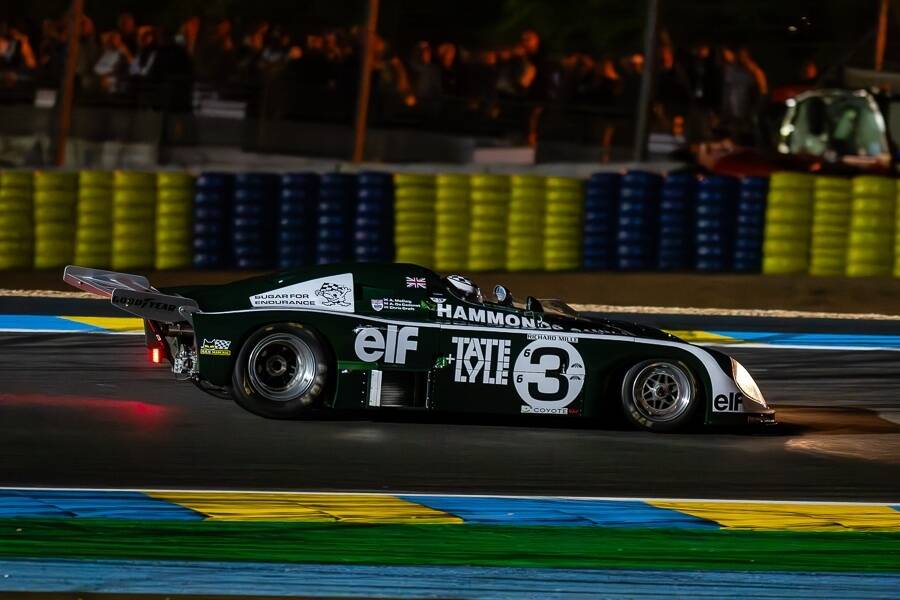
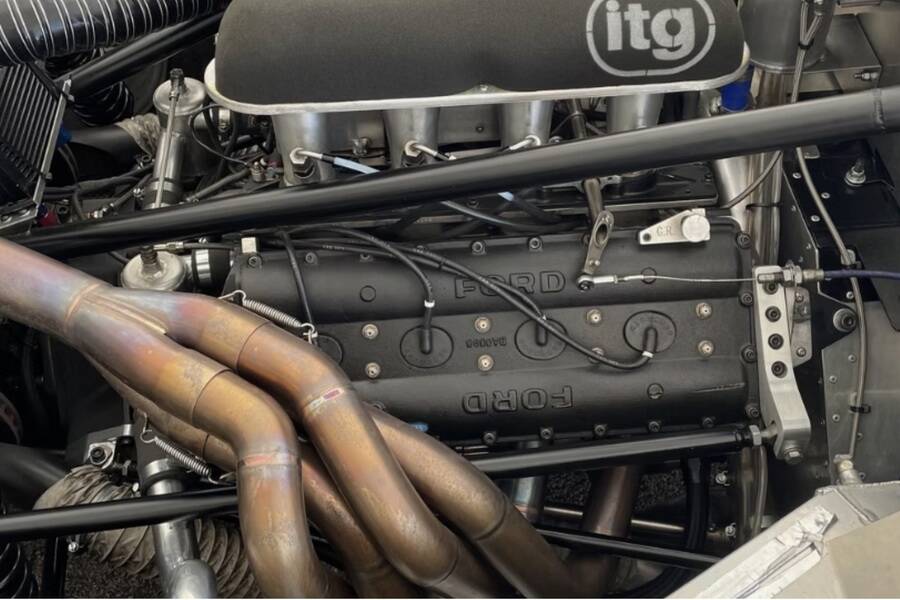
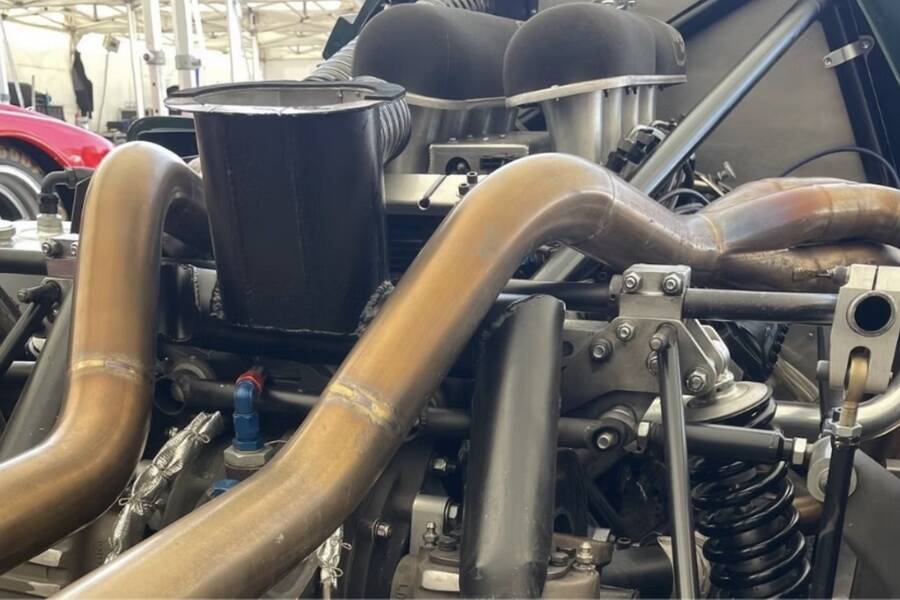
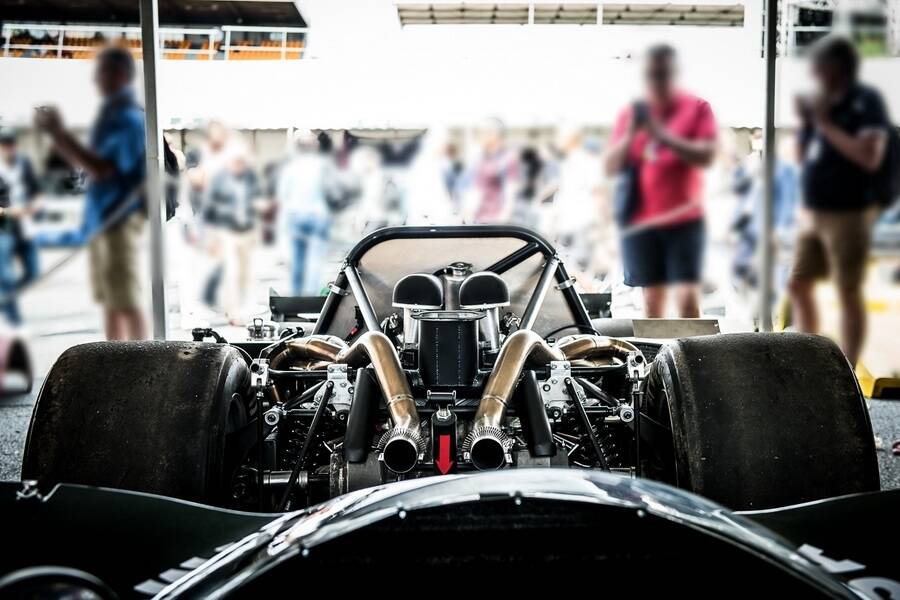
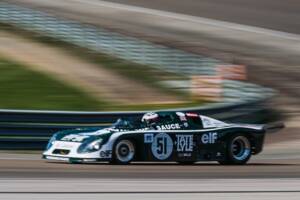
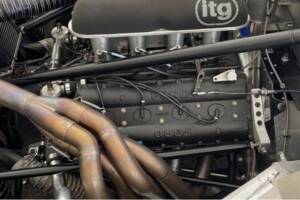
More recently, the restored LM3 returned to competition at the 2023 Le Mans Classic, demonstrating both reliability and competitiveness in modern historic racing conditions. Powered by a Ford Cosworth DFV engine prepared by G. Richardson, the car remains a highly credible entrant for top-tier historic events, including Le Mans Classic and Classic Endurance Racing 2.
The 1977 de Cadenet LM3 is not merely a surviving race car; it is a direct expression of the independent engineering ambition that defined endurance racing in the 1970s. With four Le Mans entries, a documented 5th overall finish in 1977, continuous competition history, long-term family ownership, and proven historic-racing capability, it stands among the most important and compelling privateer prototypes of its generation.
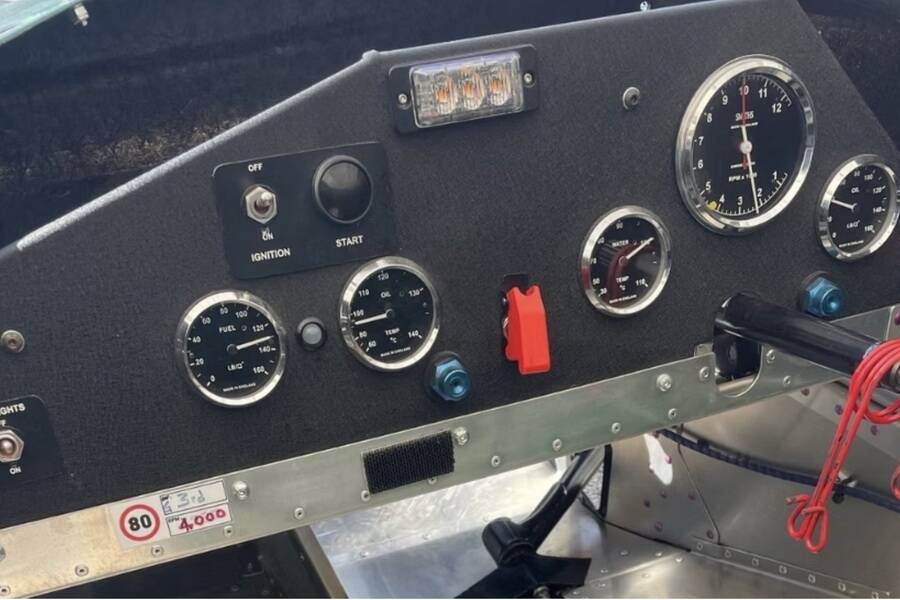
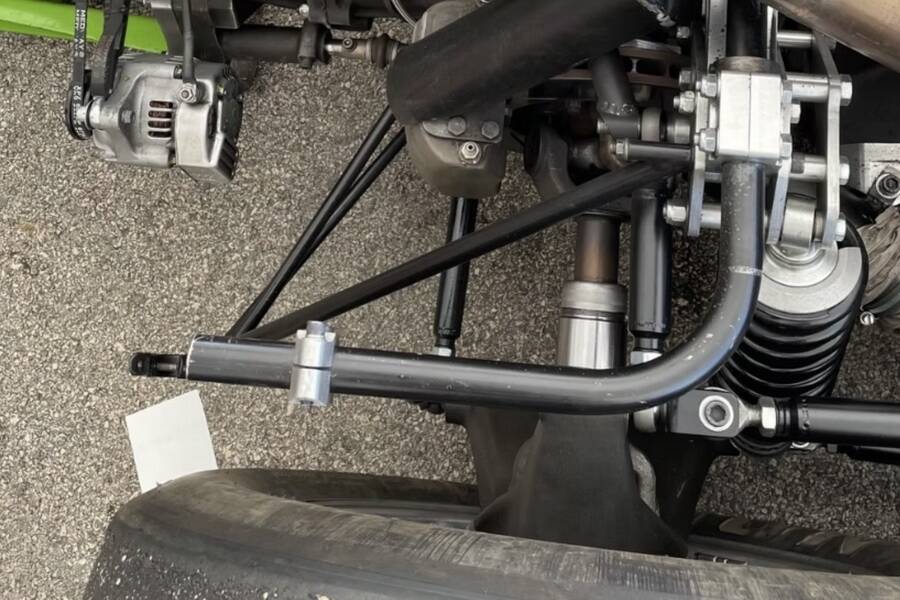
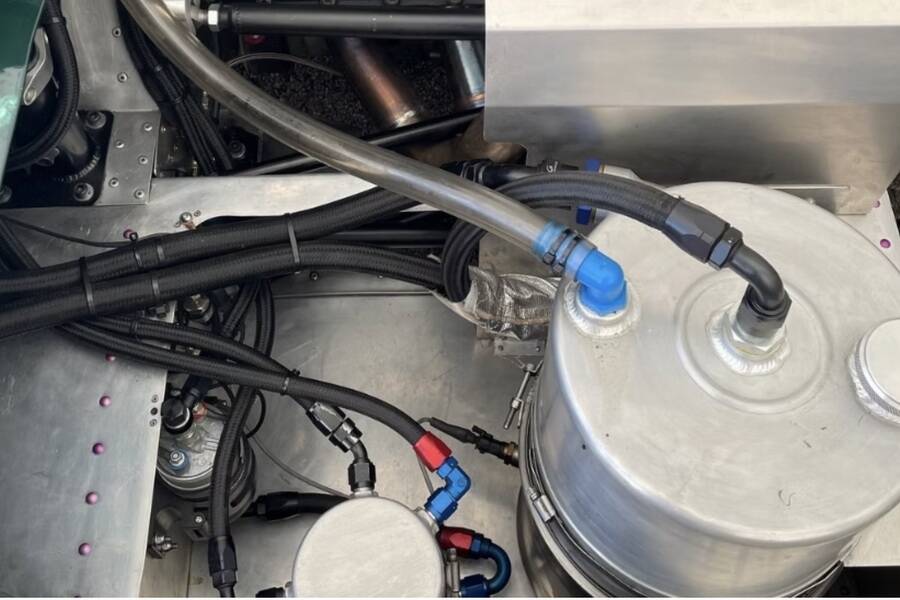
Current Condition, Equipment and Documentation The car is presented in fully race-ready condition and prepared to current historic competition standards. The Ford Cosworth DFV engine has just undergone a full rebuild by Geoff Richardson and is at zero miles since completion. The gearbox has likewise been freshly rebuilt and is also at zero miles. Crack test has been done this year so valid for another 2 years.
In addition to its mechanical readiness, the car is supplied with a comprehensive and highly valuable spares package, including two and a half sets of wheels, an engine pre-heater, various gear ratios, and a full set of spare and original bodywork.
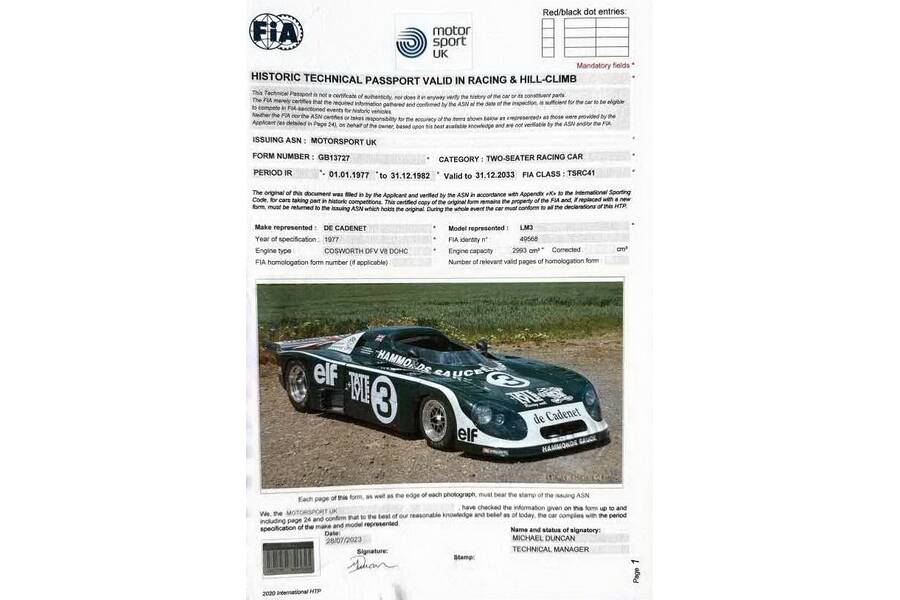
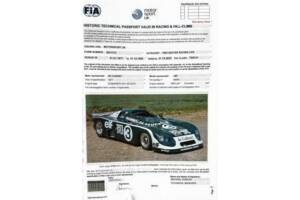
The car is located in England and is accompanied by an extensive history file and current FIA Historic Technical Passport (valid until 2033), ensuring eligibility for all leading historic competitions. It is also supplied with a period UK V5 registration document.
...For more information please visit www.rmd.be.
Ownership History
1977 1978 Alain de Cadenet (constructor / entrant)
- Car built and campaigned by De Cadenet
- Achieved 5th overall at the 1977 24 Hours of Le Mans.
1978 1980 Peter Lovett (entrant: John Cooper)
- The LM3 was sold to Peter Lovett ahead of the 1978 Le Mans event.
- Entered under the John Cooper banner.
- DNS at Le Mans 1978
- Entered as Lola T281 SG with DNF at Le Mans 1979
1980 1983 Nick Faure (entrant: Dorset Racing)
- Purchased from Cooper approximately three months before the 1980 Le Mans race.
- Entered at Le Mans in 1980 (DNS) and again in 1981 (DNF)
October 1983 McCaig family
- Car converted into Ecosse C284 to comply with Group C2 regulations.
- Entered Le Mans 1984 (DNF accident)
- Car retained by the family
- Full restoration undertaken to return the car to its 1977 Le Mans configuration
- Participated successfully at Le Mans Classic 2023
- Continuous family ownership from 1983 to present (over 40 years)
Competition History De Cadenet LM3
Year
Event
Entrant / Owner
Drivers
Configuration
Grid / Status
Result
Notes
1977
24 Hours of Le Mans
Alain de Cadenet
Alain de Cadenet / Chris Craft
De Cadenet T380 LM
Qualified
5th Overall
Debut of LM3; best career result
1978
24 Hours of Le Mans
John Cooper (for Peter Lovett)
Cooper / Evans
De Cadenet LM3
1st Reserve
Did Not Start
13th time in Group VI qualifying
1979
24 Hours of Le Mans
John Cooper
Lola T281 SG (entry name)
Started
Retired
Starter, gearbox bracket and alternator failures
1980
24 Hours of Le Mans
Nick Faure
De Cadenet LM3
1st Reserve
Did Not Start
Replacement decision by ACO
1981
24 Hours of Le Mans
Dorset Racing
Nick Faure / Martin Birrane / Vivian Candy
De Cadenet LM3
Started
Retired
Broken gearbox casing
1984
24 Hours of Le Mans
Ecurie Ecosse
Ecosse C284 (converted from LM3)
Started
Retired
Retired after approx. 6 hours
2023
Le Mans Classic Grid 6
McCaig family
Alasdair McCaig
Restored 1977 specification
Qualified
Finished races competitively
Demonstrated continued competitiveness
...For more information please visit www.rmd.be.

Laat dit voertuig door experts keuren!

Laden…
Laden…
Laden…
Laden…
Laden…
Laden…
Laden…
Laden…
Meer dan 100.000 liefhebbers van klassiekers ontvangen al onze beste advertenties
Ontvang zorgvuldig geselecteerde collecties van de interessantste auto's, motoren en veilingadvertenties op Classic Trader, rechtstreeks in je inbox.