


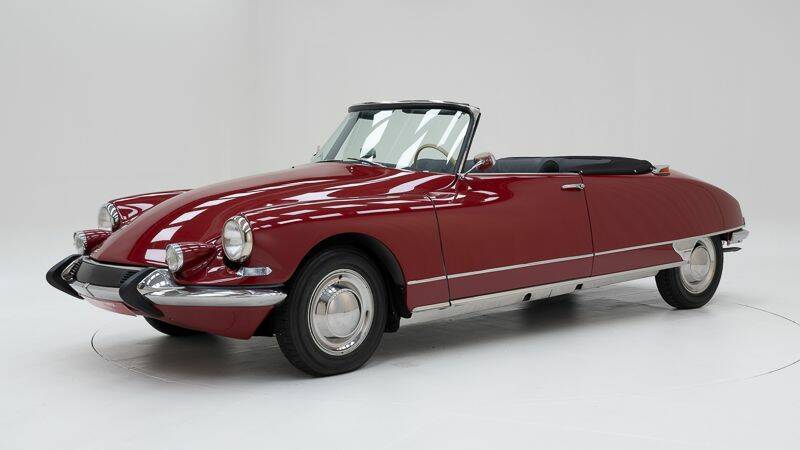
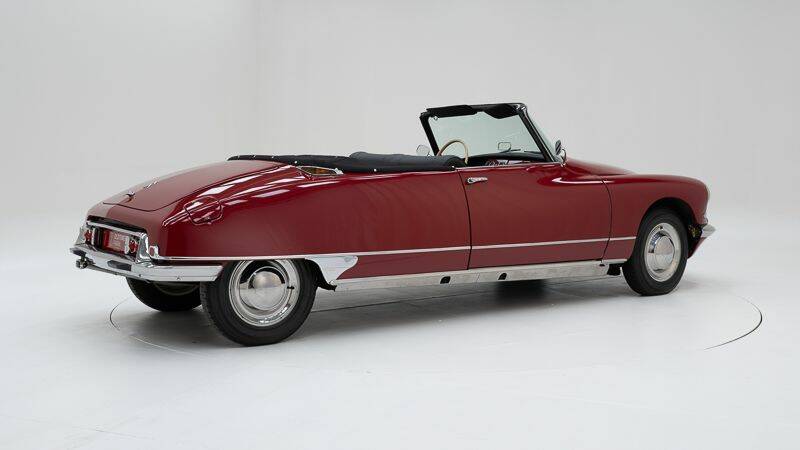
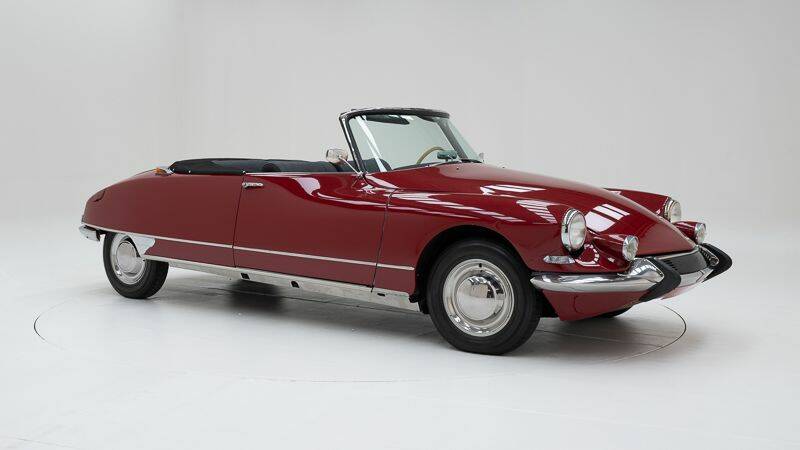
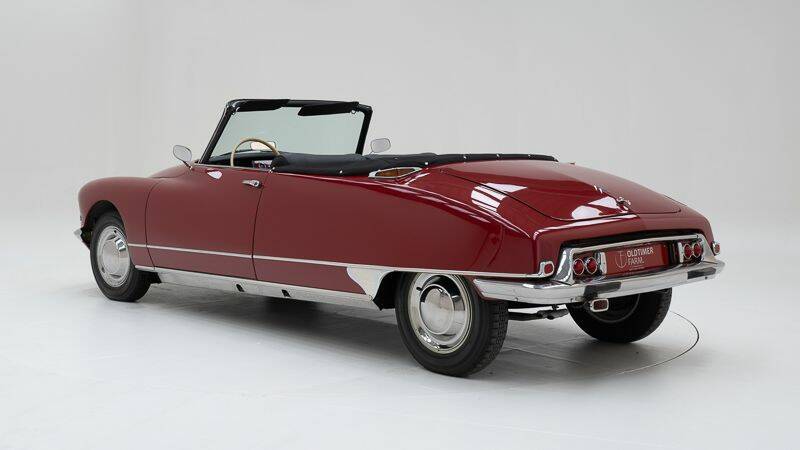
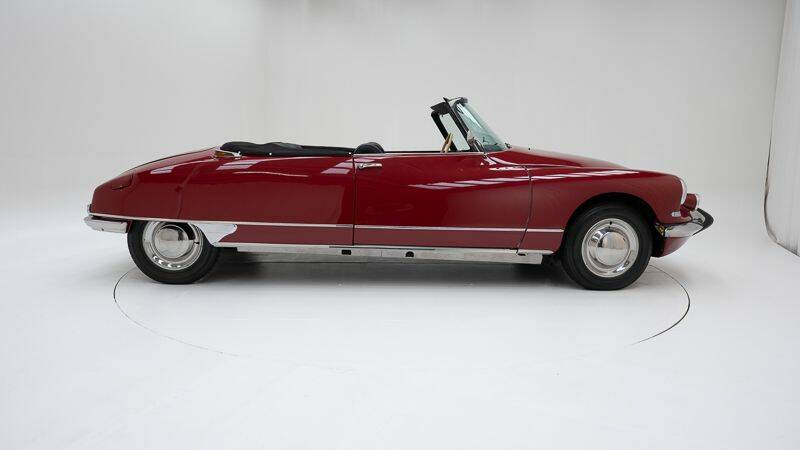
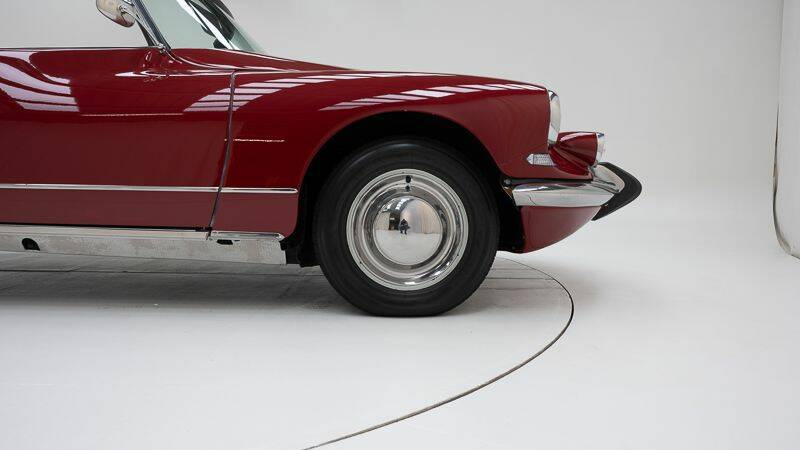

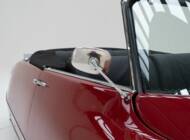
1963 |
Citroën ID 19 Usine
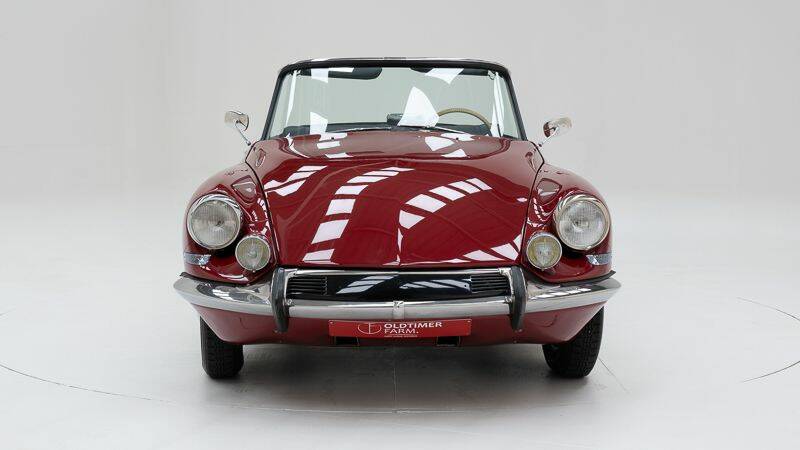
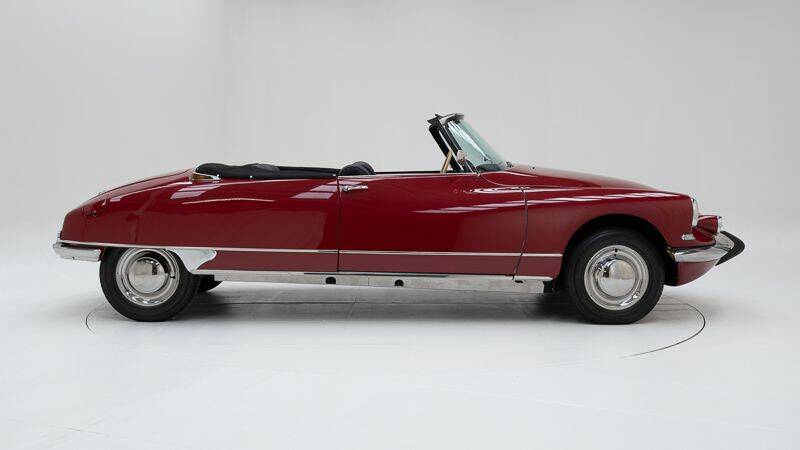
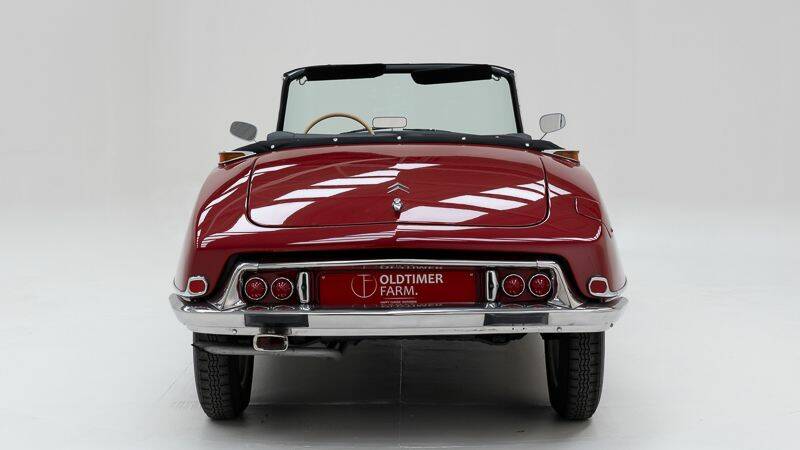
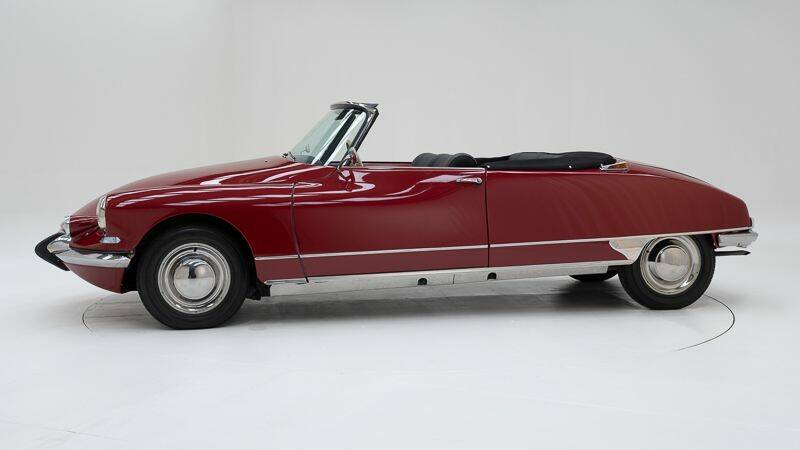
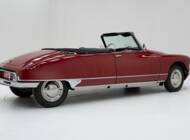
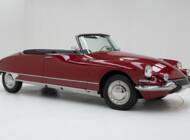
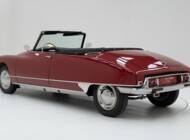
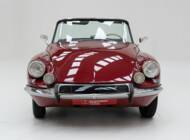
1963 Citroen ID Cabriolet '63
1963 Citroen ID Cabriolet '63

DY
Convertible
61/83 kw/hp
830 km
Xavier
Molenaar

Oldtimerfarm
-
Vehicle details
Vehicle dataMake Citroën Model ID Model name ID 19 Usine Series DY Year of manufacture 1963 Mileage (read) 830 km Technical detailsBody style Convertible Body detail Convertible Power (kw/hp) 61/83 Cubic capacity (ccm) 1 911 Cylinders 4 Doors 2 Steering Left (LHD) Transmission Manual Drive Front Fuel Petrol
Description
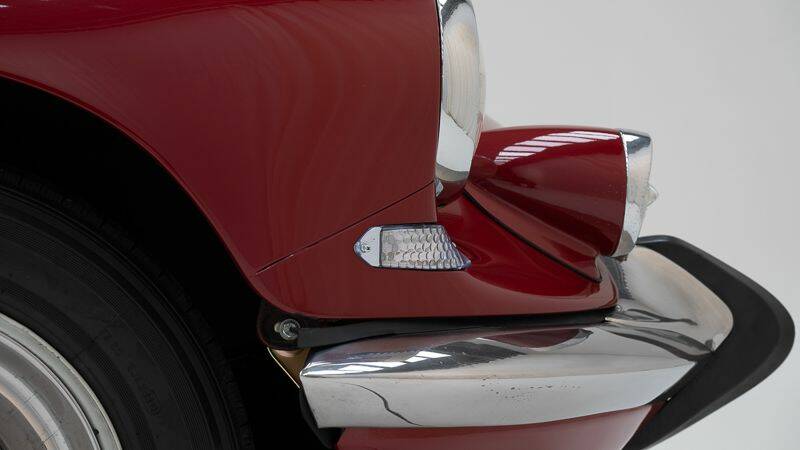
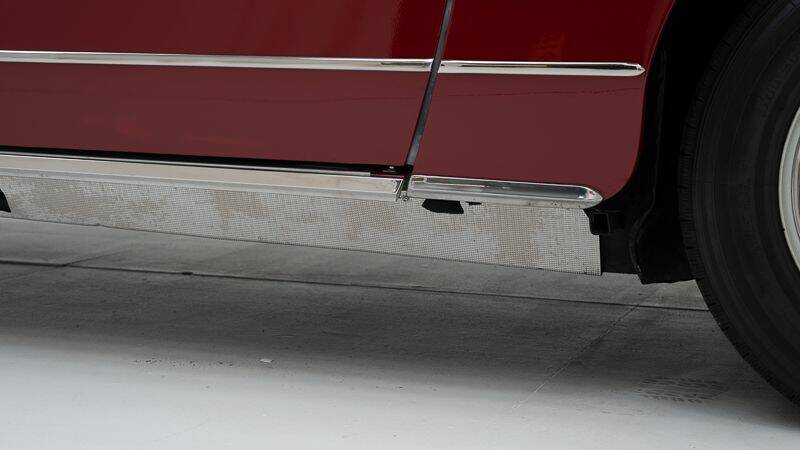
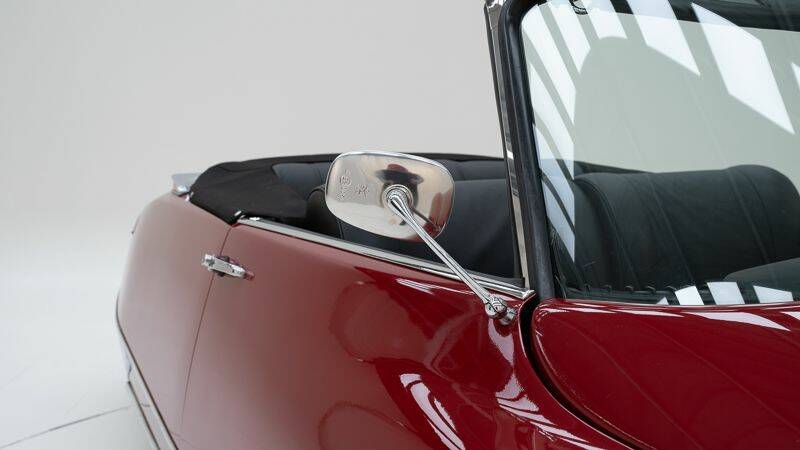
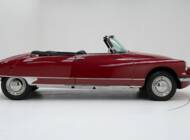
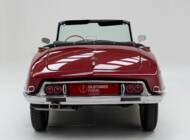
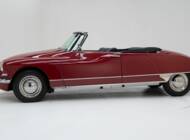
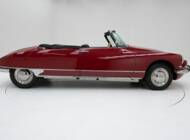
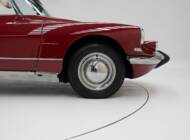
- Entirely restored, beautiful
- Lowest mileage you’ll ever see on an ID convertible
- Bodywork – work of art – done by French coach builder Henri Chapron, with certificate
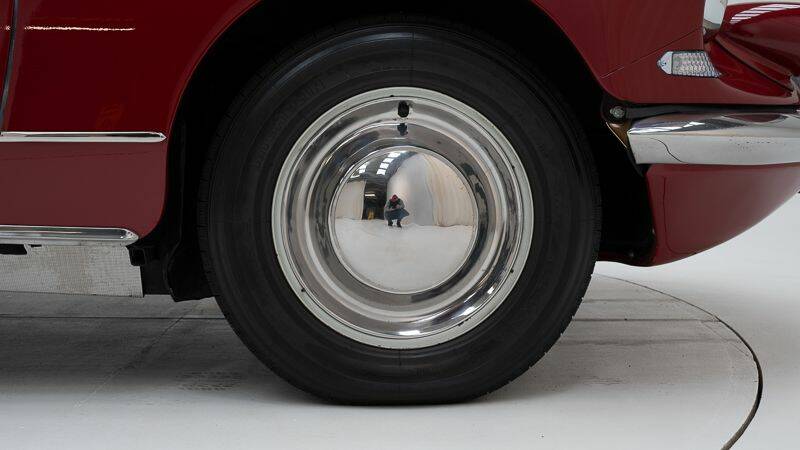
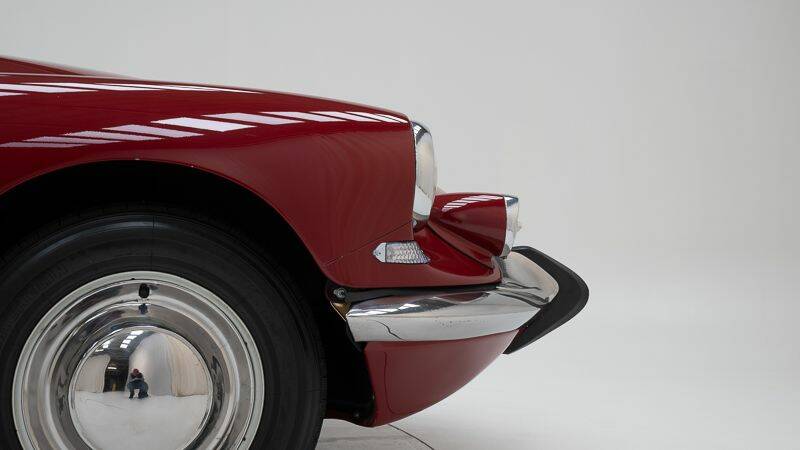
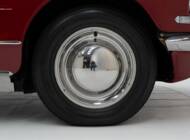
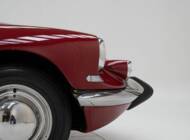
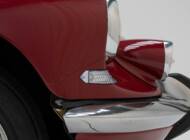
- In the mintest of mint conditions
- With a lot of invoices, documents and certificates
Walkaround video: Click here
According to many, the Citroën DS is the most beautiful car of the twentieth century. The "déesse", which means “goddess” in French, was presented at the 1955 Paris Motor Show. During the Paris Motor Show, it was crystal clear that this car would be a great success, 12.000 models were sold only at that show and the following week that amount rose up to 80.000, which was an absolute record. The DS was produced in various bodyworks until 1975. In total, about 1.3 million were delivered.
The DS, known in Spain as the "tiburón", which means “shark”, and in the Netherlands as the "snoek", meaning "pike", to name just two of its many nicknames, was the successor to the already revolutionary Traction Avant. To maintain this revolutionary trend, the DS was designed using countless groundbreaking technologies, it is almost impossible to list them all. Let’s. Citroën moved away from mechanics and chose for more hydropneumatics: the hydropneumatic suspension provides a wonderful driving comfort that perfectly meets the post-war road condition, and to make the most efficient use of combustion in the engine, they designed a hydraulically operated single-plate clutch, which prevents power loss when clutching. This clutch had to be handled with a lever on the steering wheel. In addition, the single-spoke steering wheel significantly increased safety. The DS was the first mass-produced car with disc brakes on the front wheels, which also improved safety. It was the first car with fuel lines made of plastic, and the dashboard was entirely made of plastic, at the time the largest industrially manufactured piece of plastic ever. The front of the car was built so that the steering gear centreline coincided with the centreline of the wheel, ensuring that the car can continue to accelerate and drive straight even with a flat tire. Even the lighting was groundbreaking: the headlights turned with the turning of the steering wheel so that the driver could quickly anticipate on sinuous roads at night. But that is not all: the window frames are designed to be so thin that there is no longer any blind spot, the roof was made of very light fiberglass to lower the centre of gravity even further, and the engine is located behind the front axle, making it a mid-engine car. A mid-engine design improves road grip, and manoeuvrability.
The user-friendliness of the DS was anything but conventional due to numerous new features, which is why the car was sometimes considered too revolutionary and mainly sought after by early innovators. To reach a larger audience that was scared off by high technology, Citroën introduced the ID in 1956. The ID was a cheaper and more conservative DS with a higher average level and less sophistication.
Citroën ID
The Citroën DS was considered too futuristic by people, even though the DS later became a best-seller, this resulted in sales not fully living up to its potential. Therefore, Citroën decided to design a simpler version with less technological sophistication to the market. This simpler DS was named ID, which is an abbreviation of the French word for ‘idea’.
Many devoted Citroën customers also admitted not to be ready for the DS, although they did buy one. Instruction manuals helped to clarify many things but were seldom thoroughly read. After purchase, the DS also turned out to be expensive to maintain due to all its technological sophistication.
In 1957, a wave of relief followed as the Citroën ID came to life. It was less sophisticated version of the DS, with the same charm and Citroën vibe. This time, a clutch pedal, a more conventional gearstick, and a user-friendlier braking system were built. The DS dashboard was also replaced for better usability.
Technical information:
_Body work_
- Length (cm): 486 (191 inch)
- Width (cm): 179 (70 inch)
- Height (cm): 142 (56 inch)
- Wheelbase (cm): 313 (123 inch)
- Weight (kg): 1265 (2789 lbs)
_Mechanics_
- Engine: 1911 cc in-line four mid-engine
- Valve gear: 8
- Fuel system: 1 carburettor Solex
- Gear box: 4-speed manual
- Transmission: FWD
- Left-steered
- power: 79 hp (59 kW) at 4250 t/m
- torque: 142 Nm at 3000 t/m
- Top speed: 145 km/h (90 mph)
-
Condition & Registration
Registered Ready to drive Vehicle-ID: 441405 Dealer Vehicle-ID: 8857
Dealer-Imprint
Oldtimerfarm SP / BV
Lobulckstraat 9
9880 Aalter
+32472401338
Xavier Molenaar
Seller
Xavier
Molenaar
Lobulckstraat 9
9880 Aalter
Xavier Molenaar
Oldtimerfarm
Loading...
Loading...