


1935 | Bugatti Type 57 T
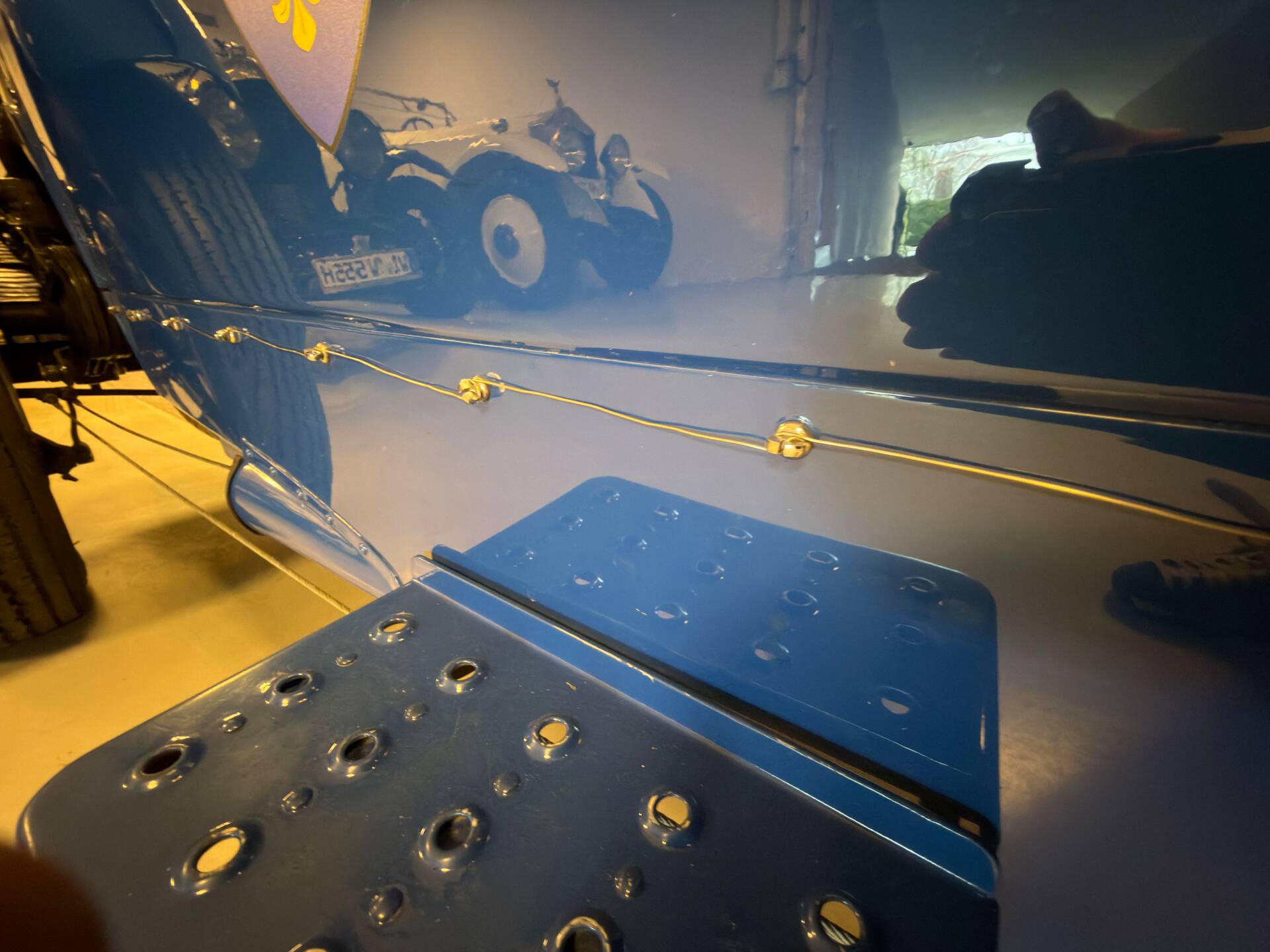
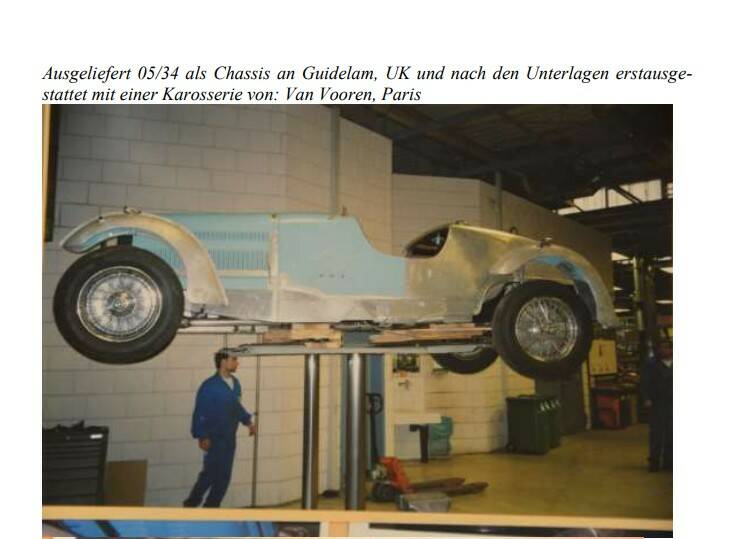
Tourist Trophy roadster body (TT) with shortened chassis: original chassis by Guidelam, UK.
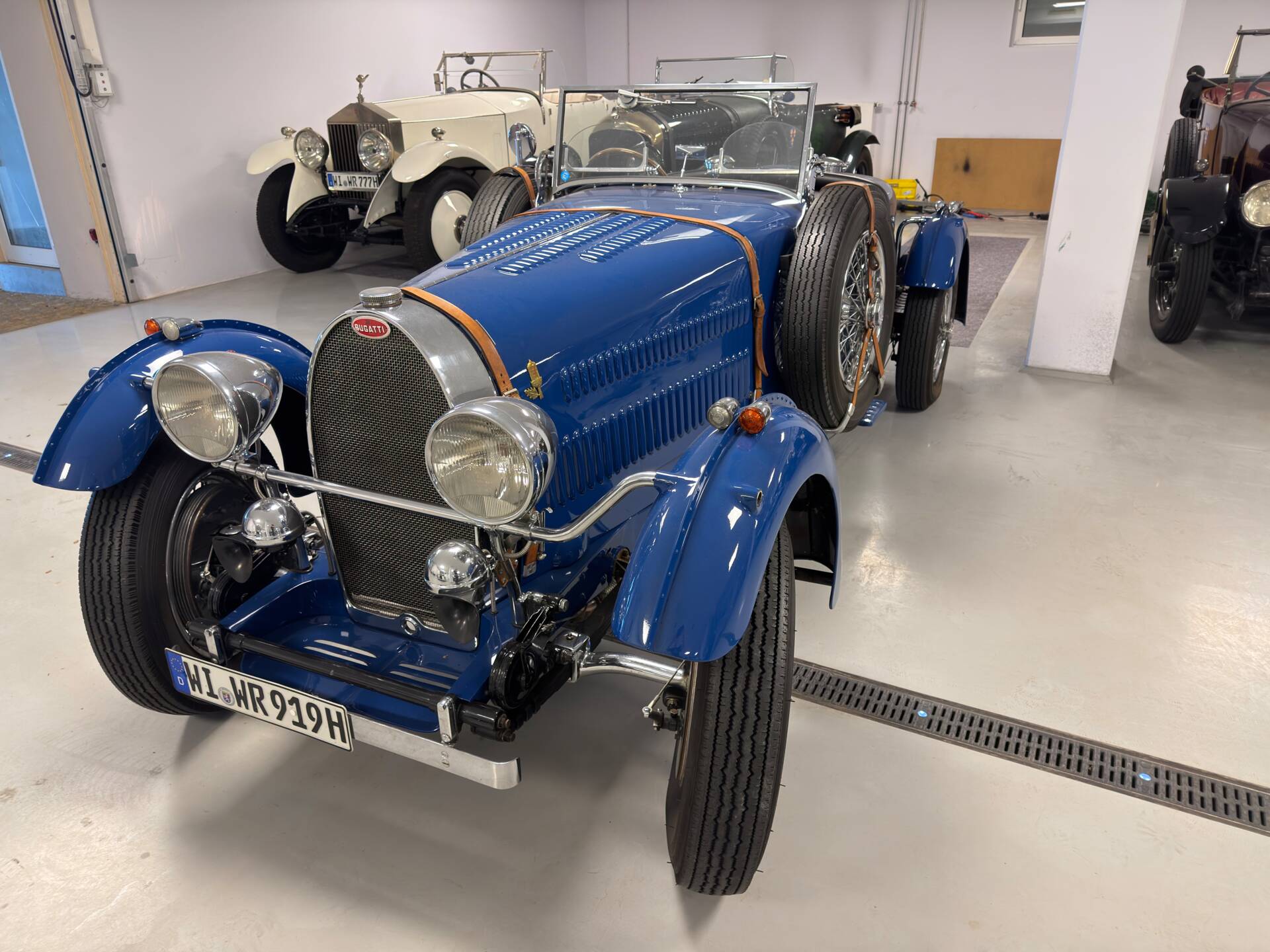
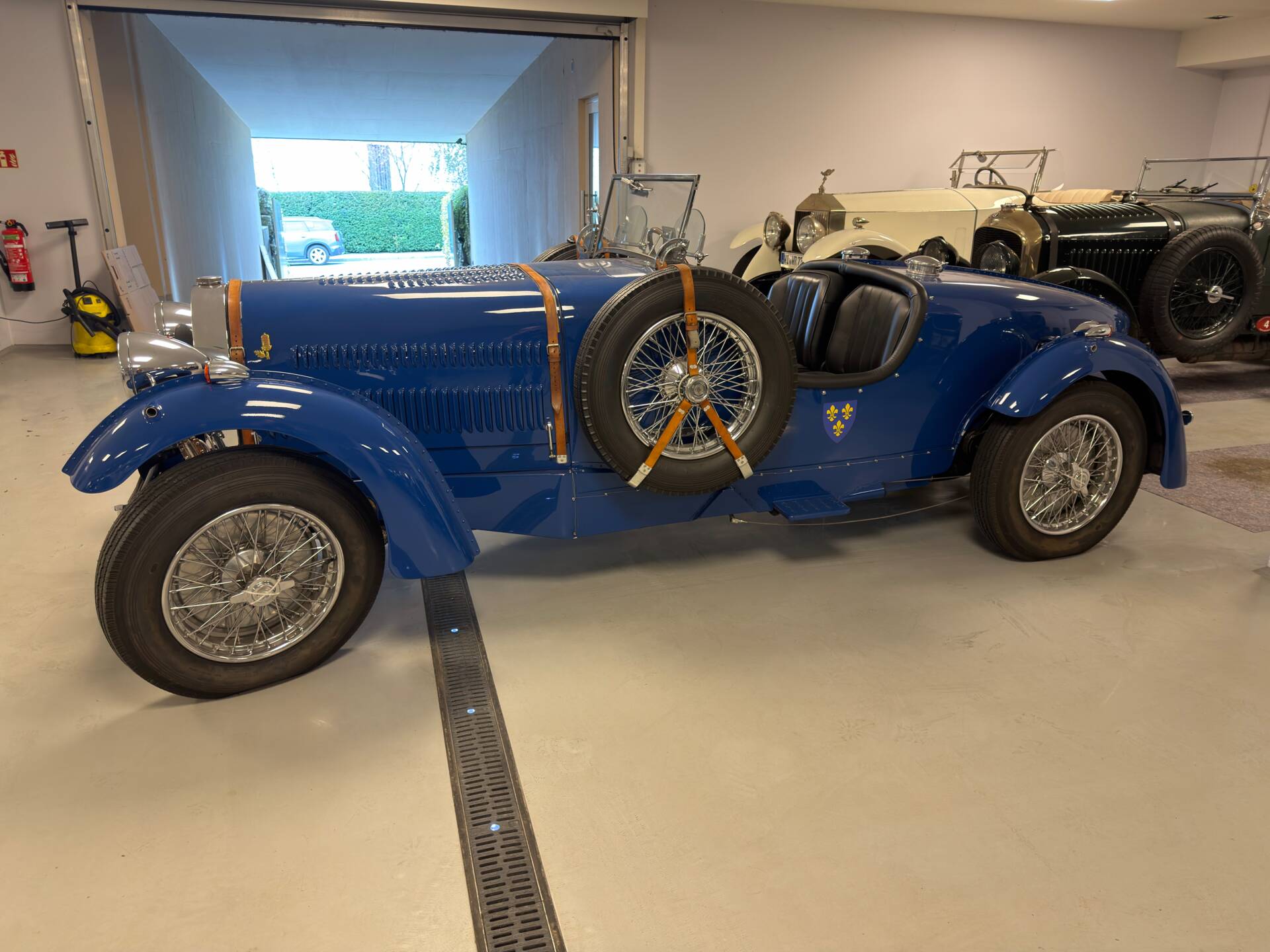
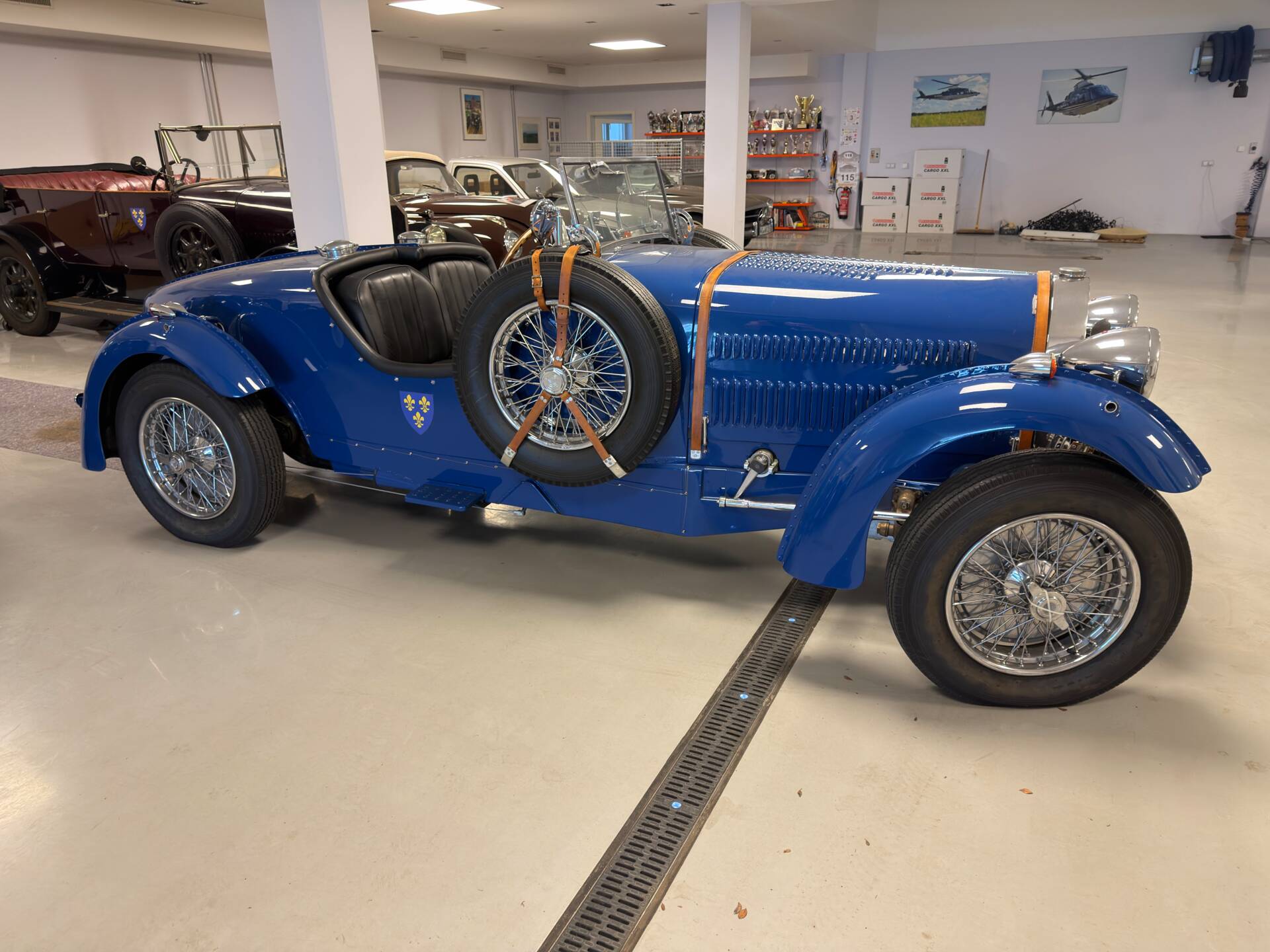
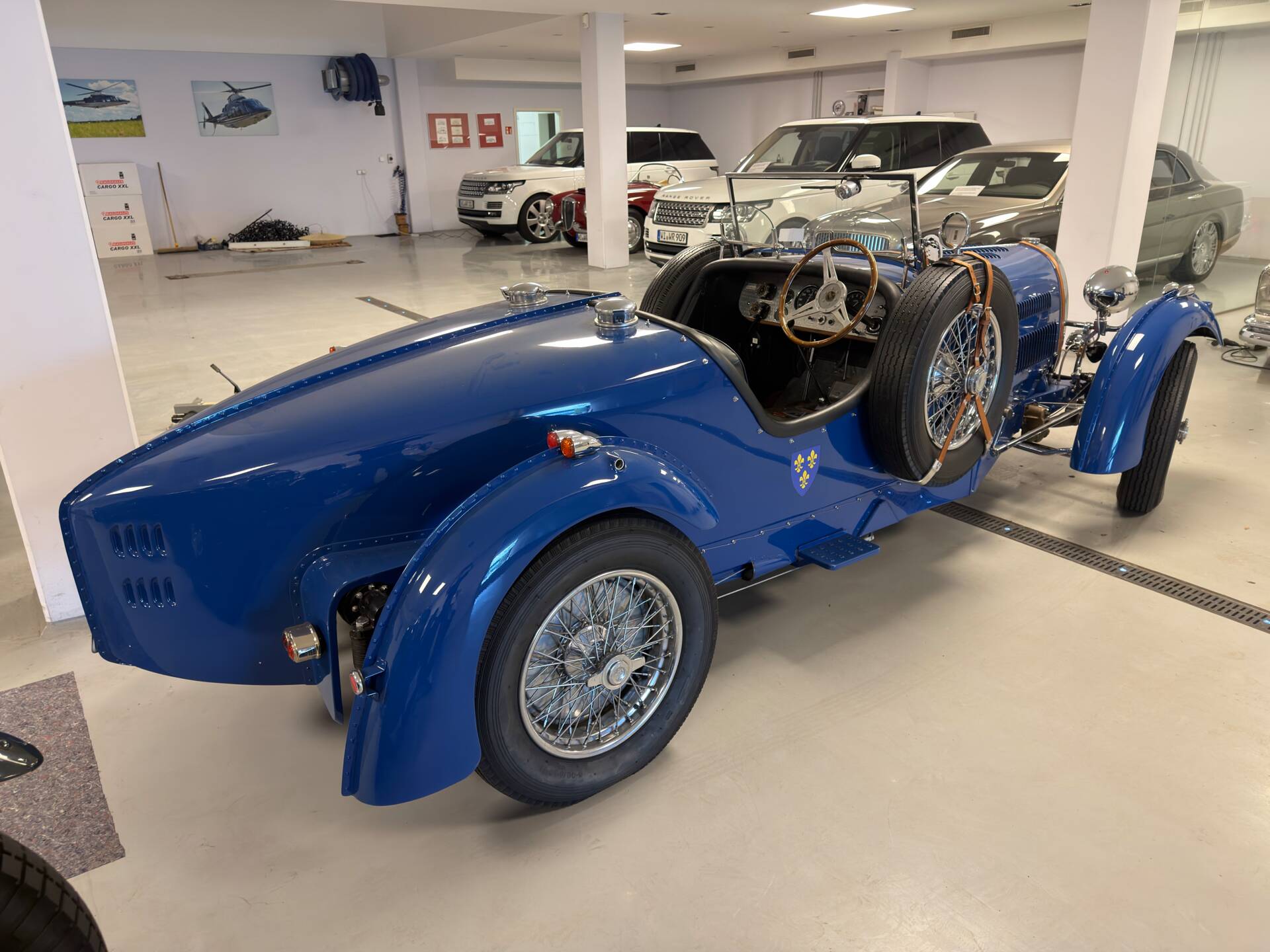
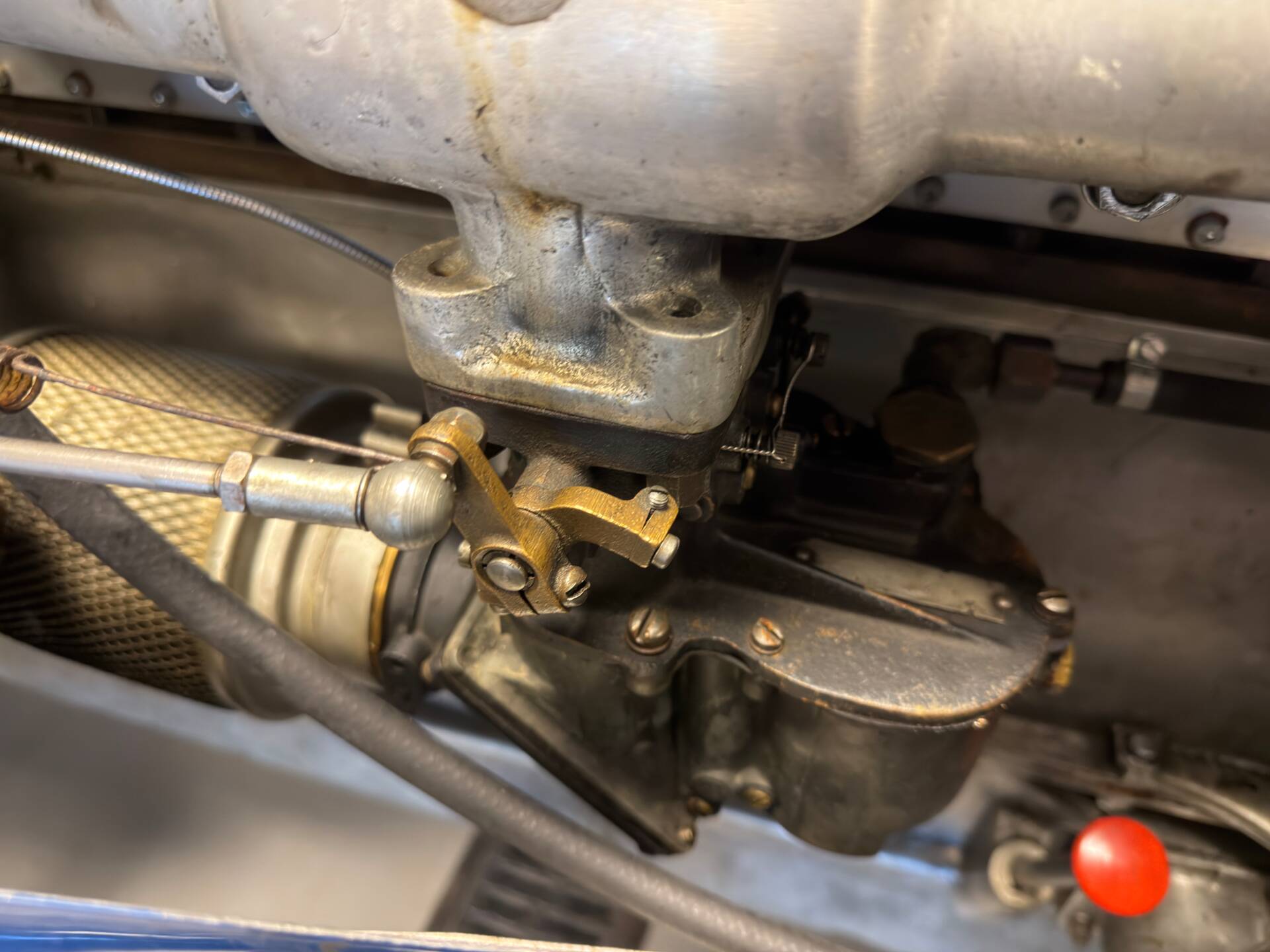
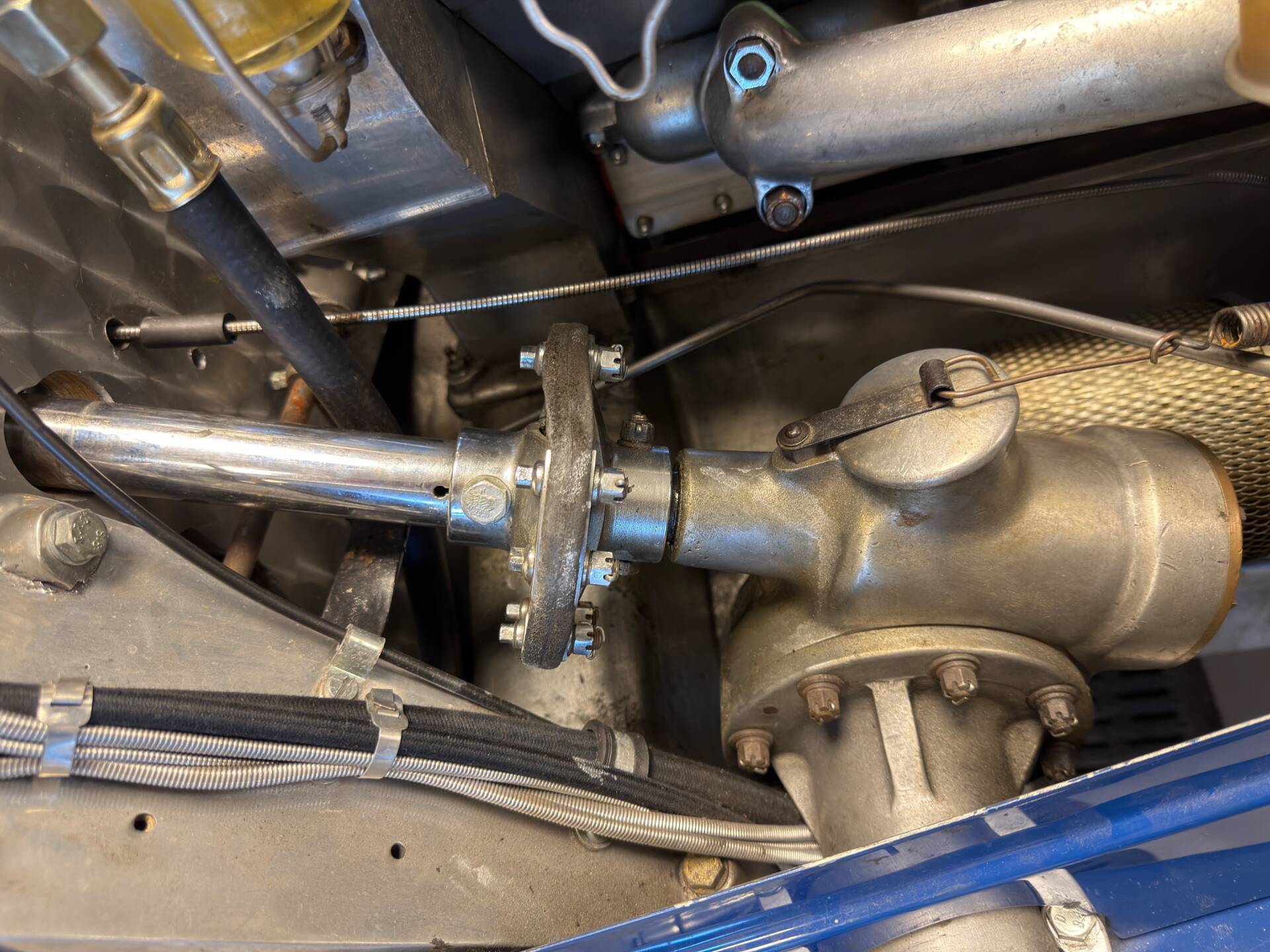
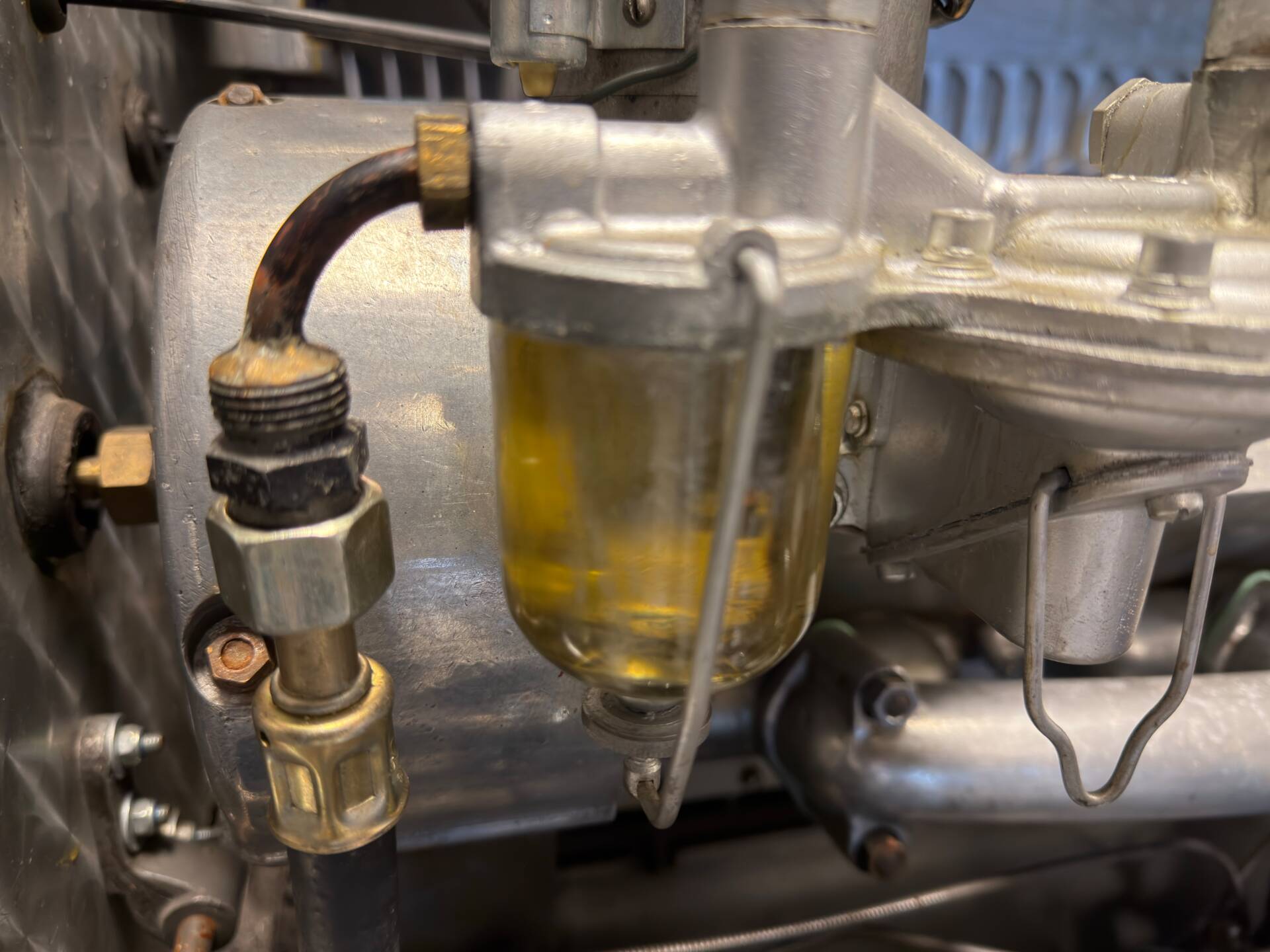
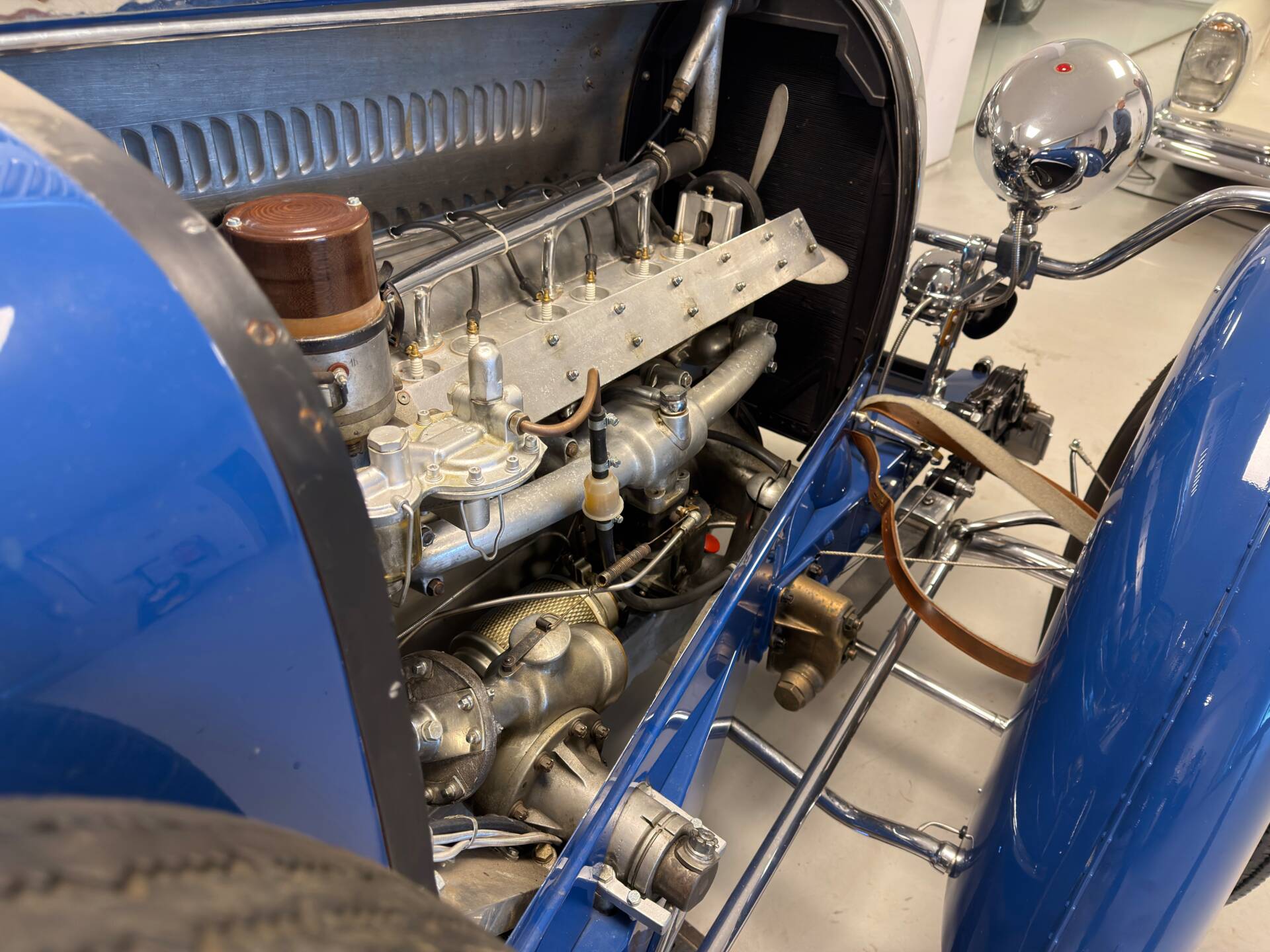
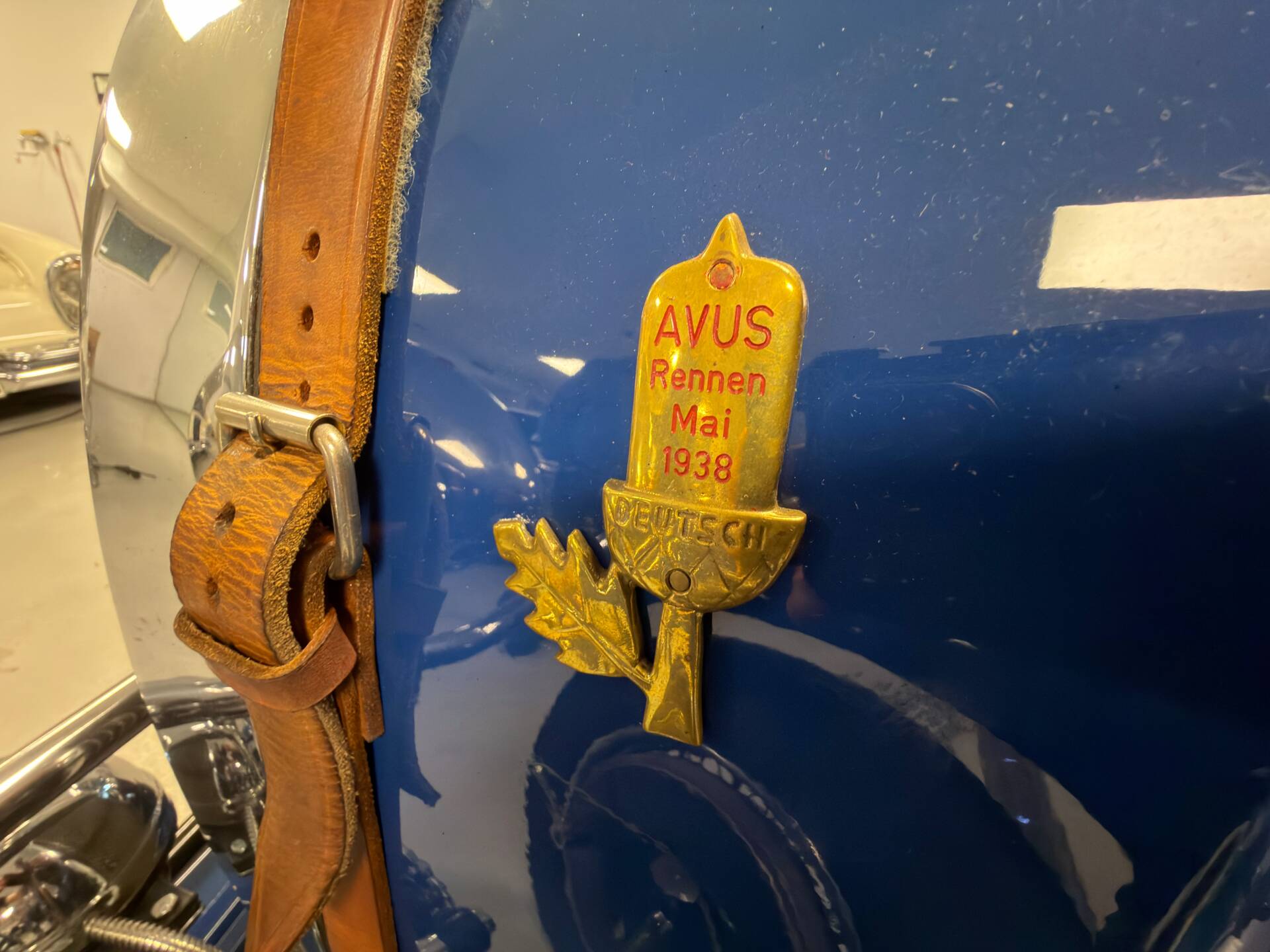
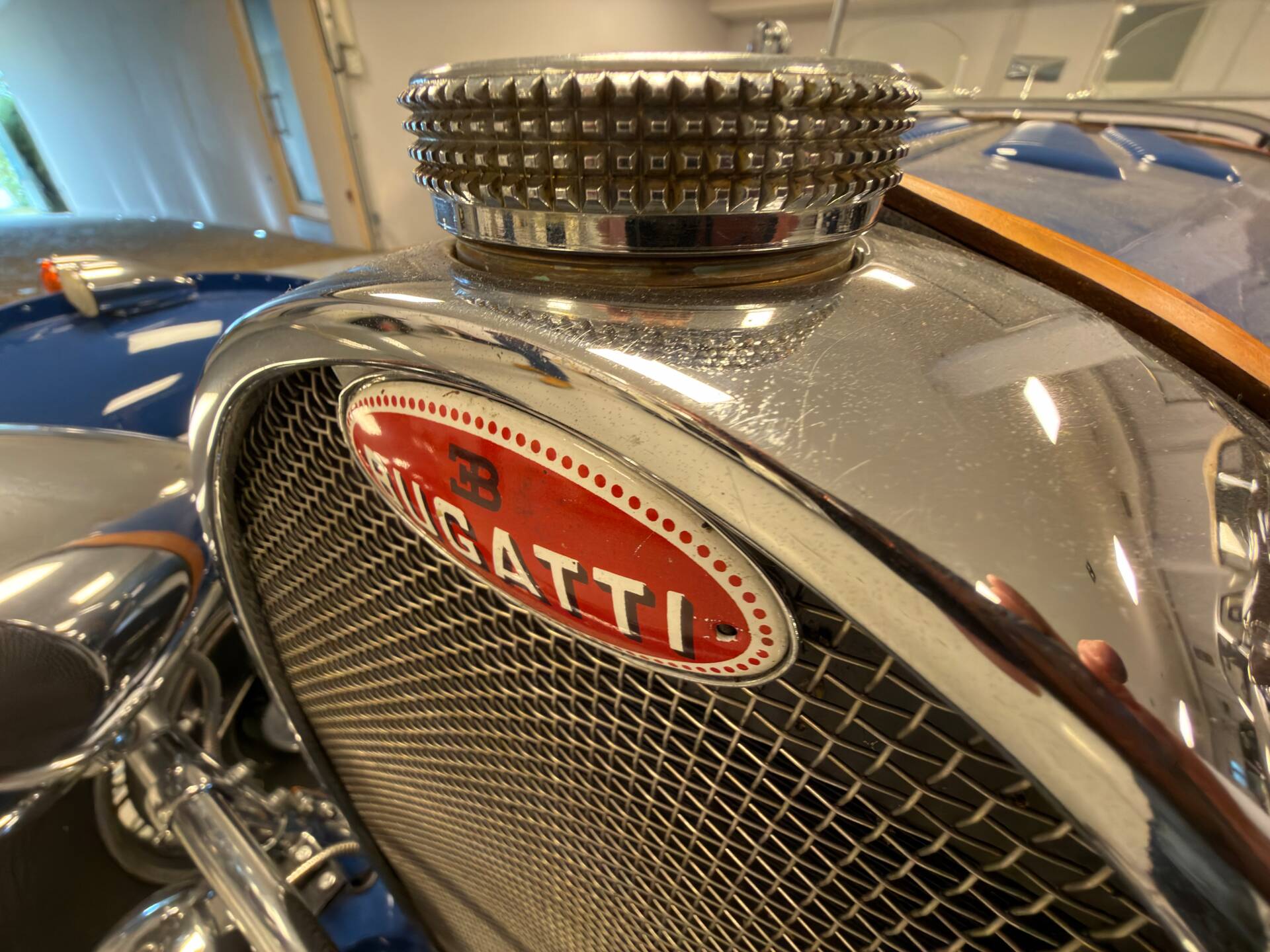
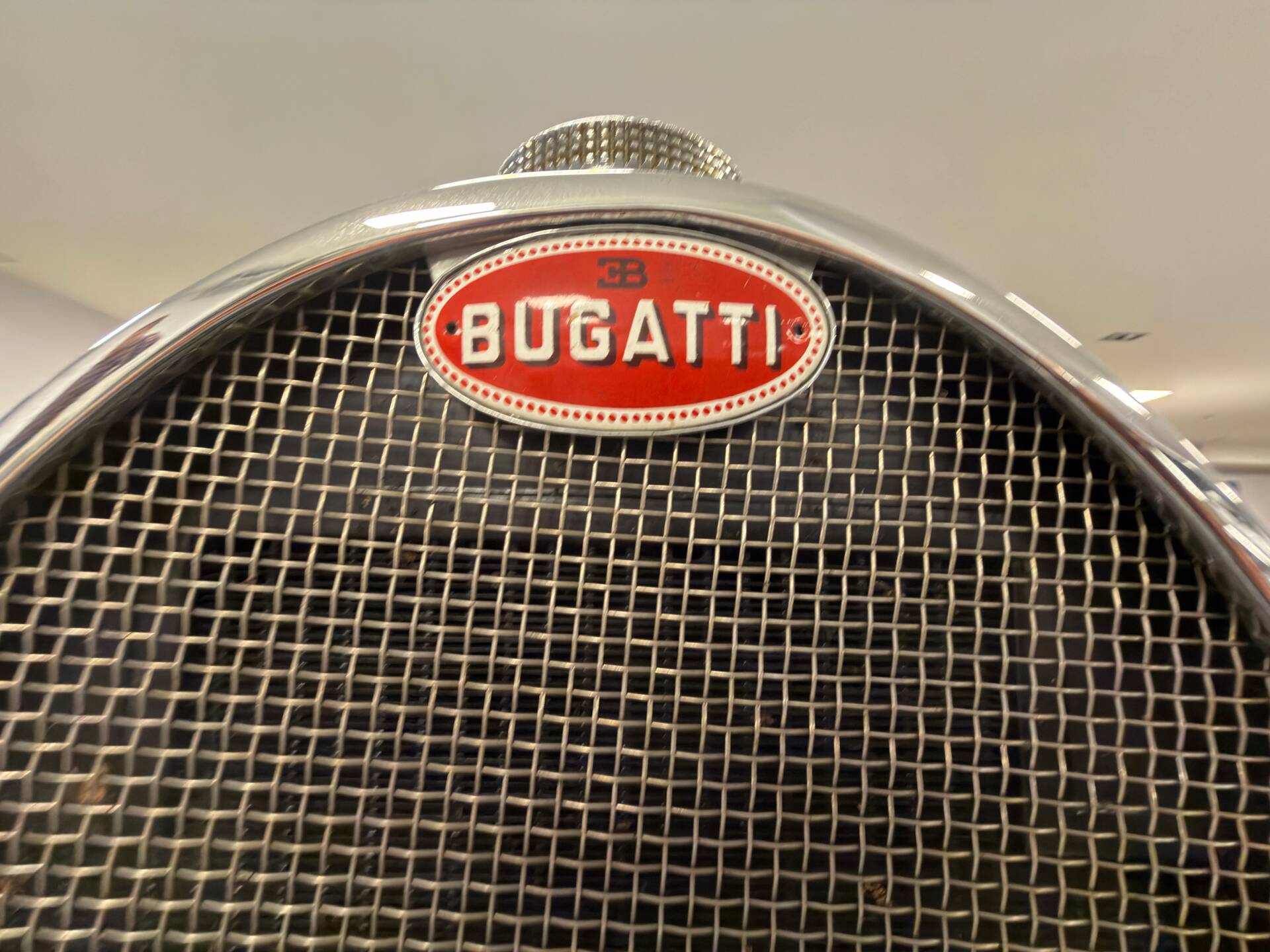
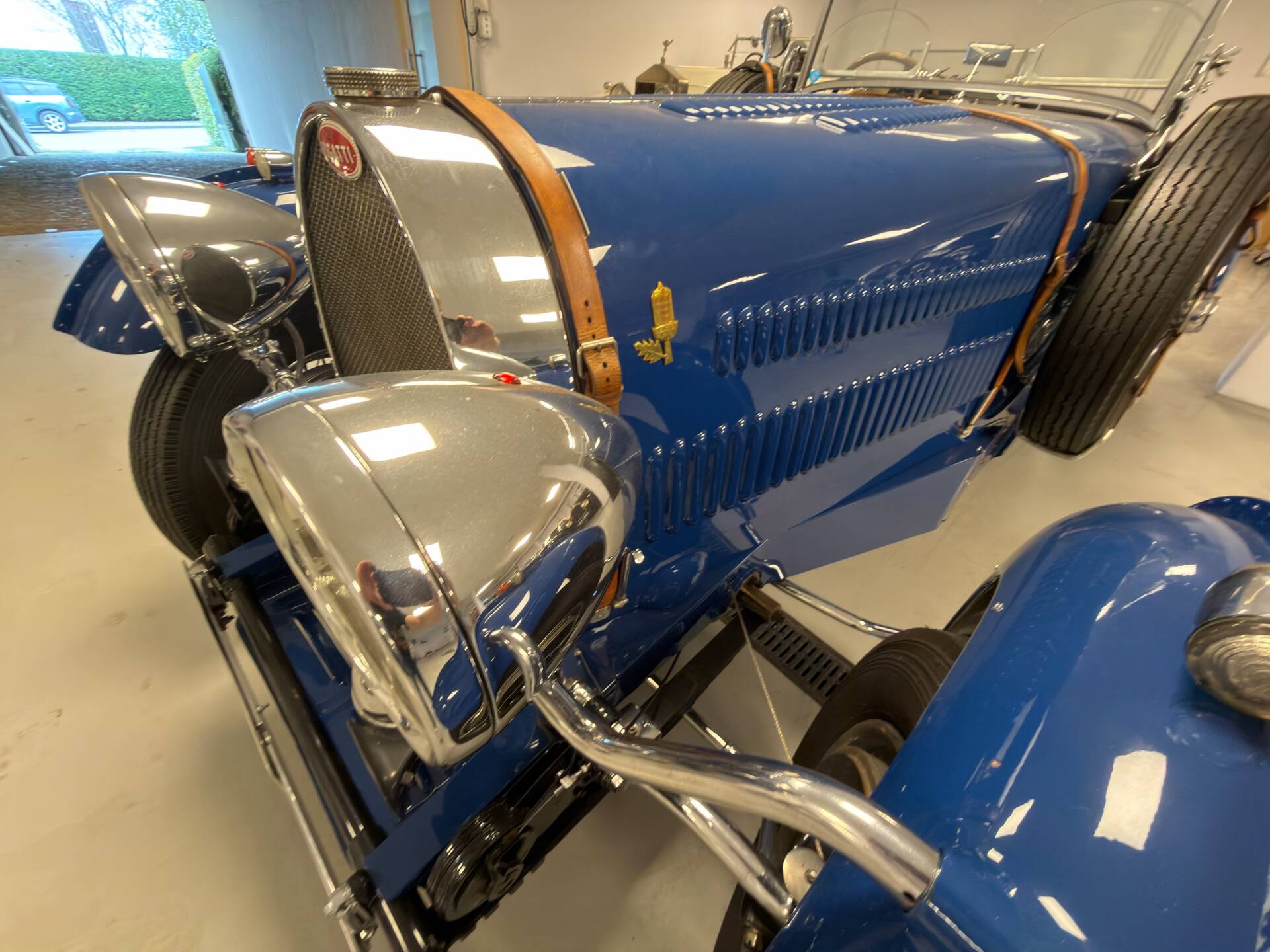
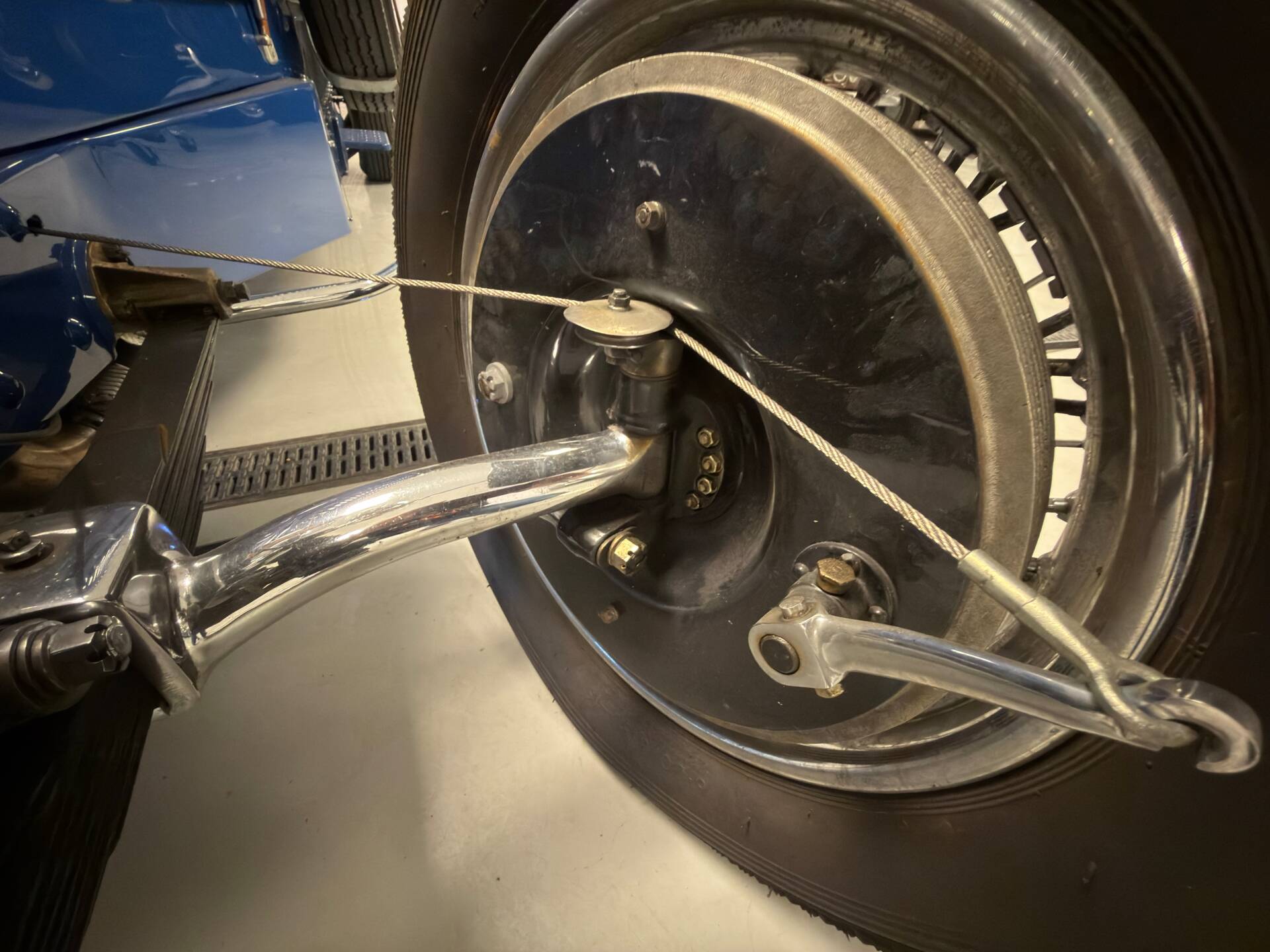
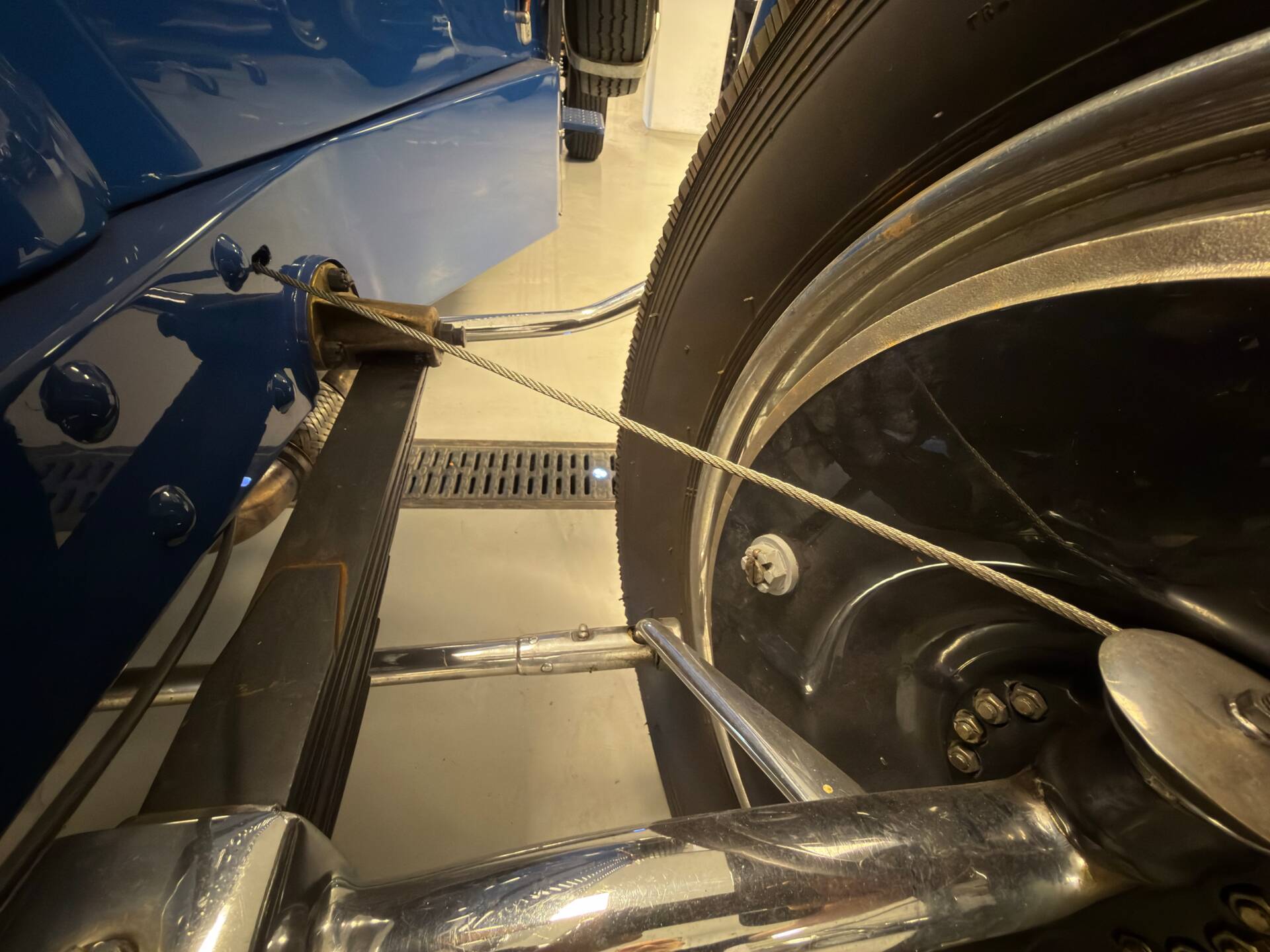
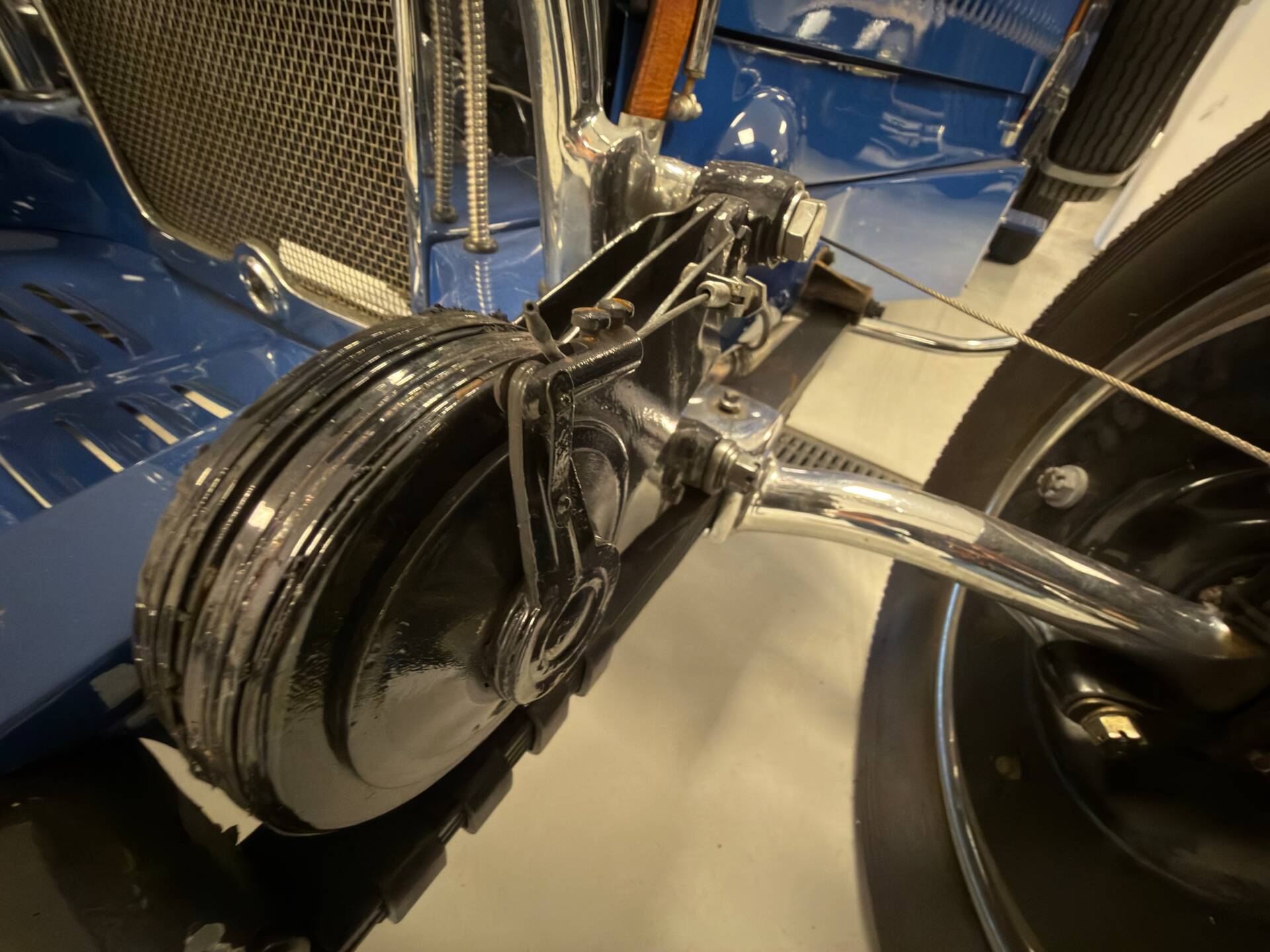
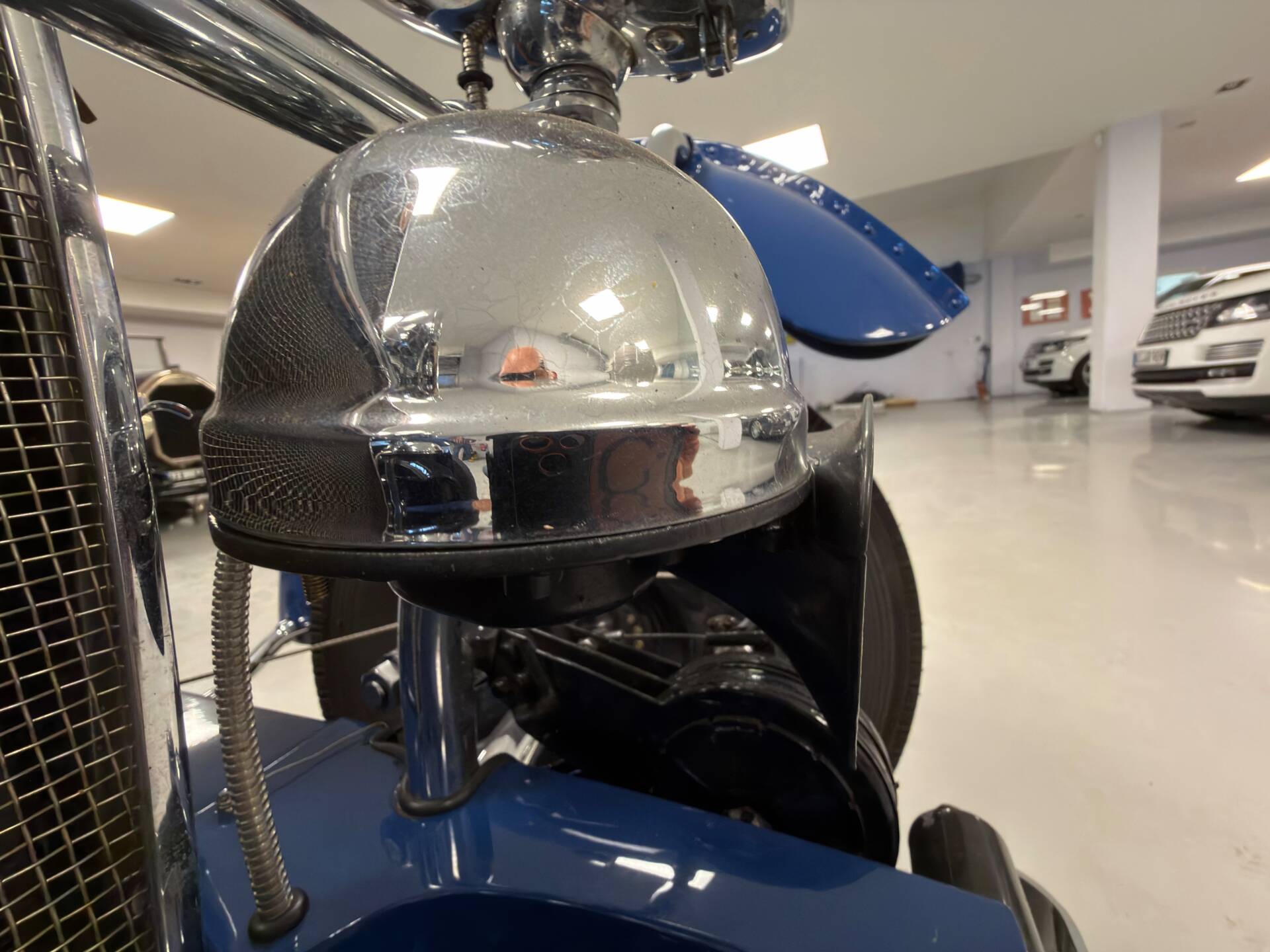
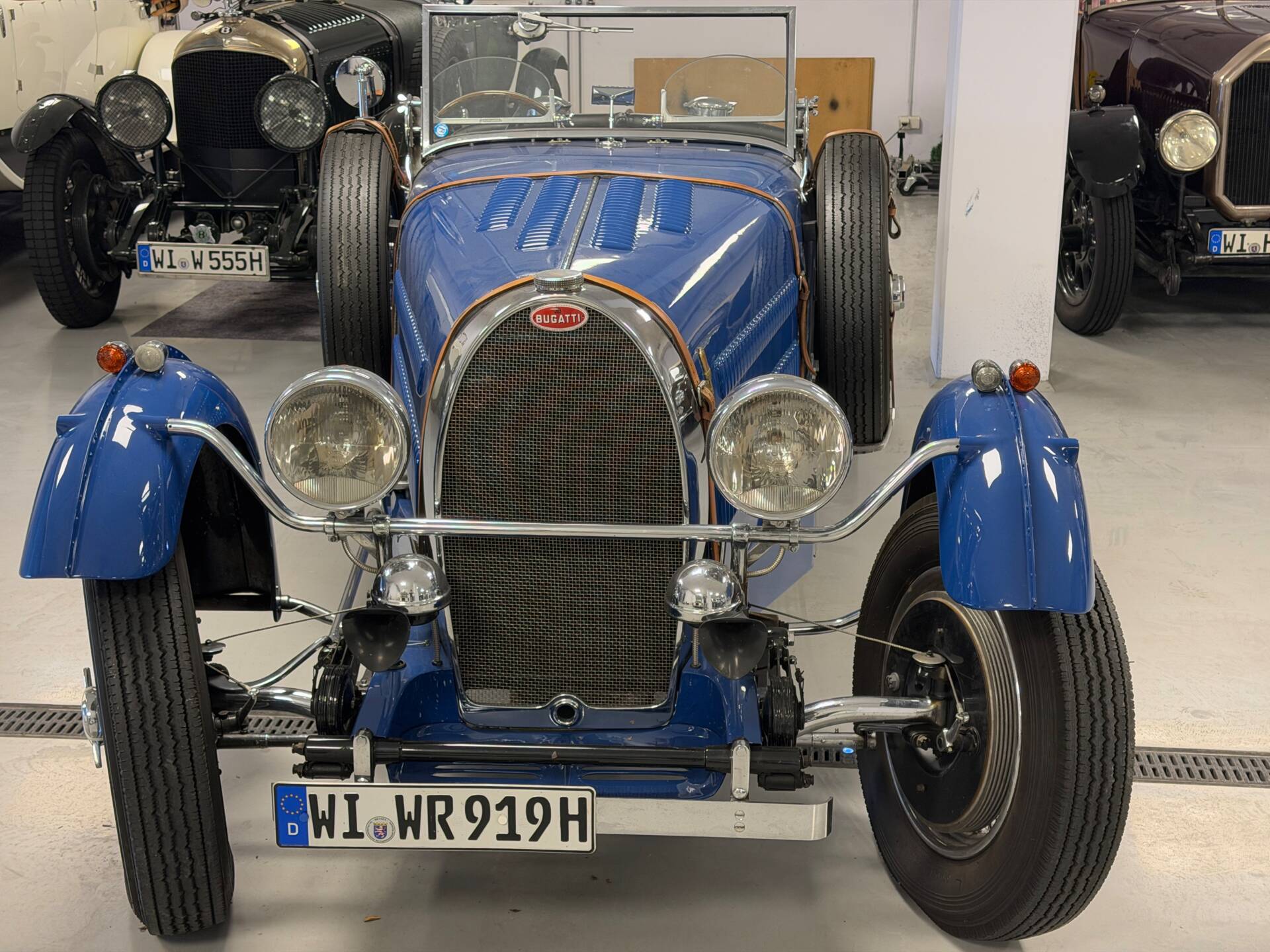
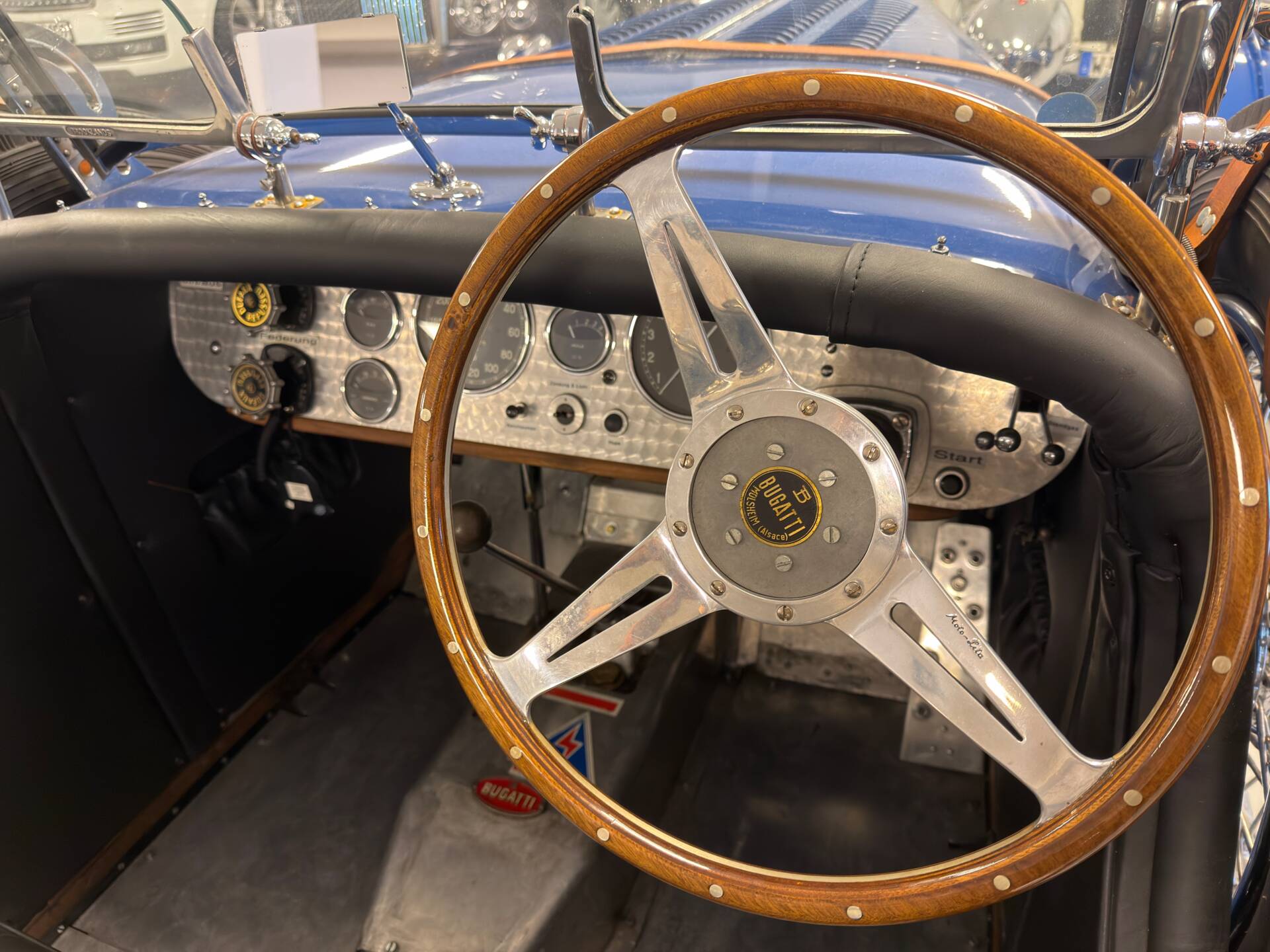
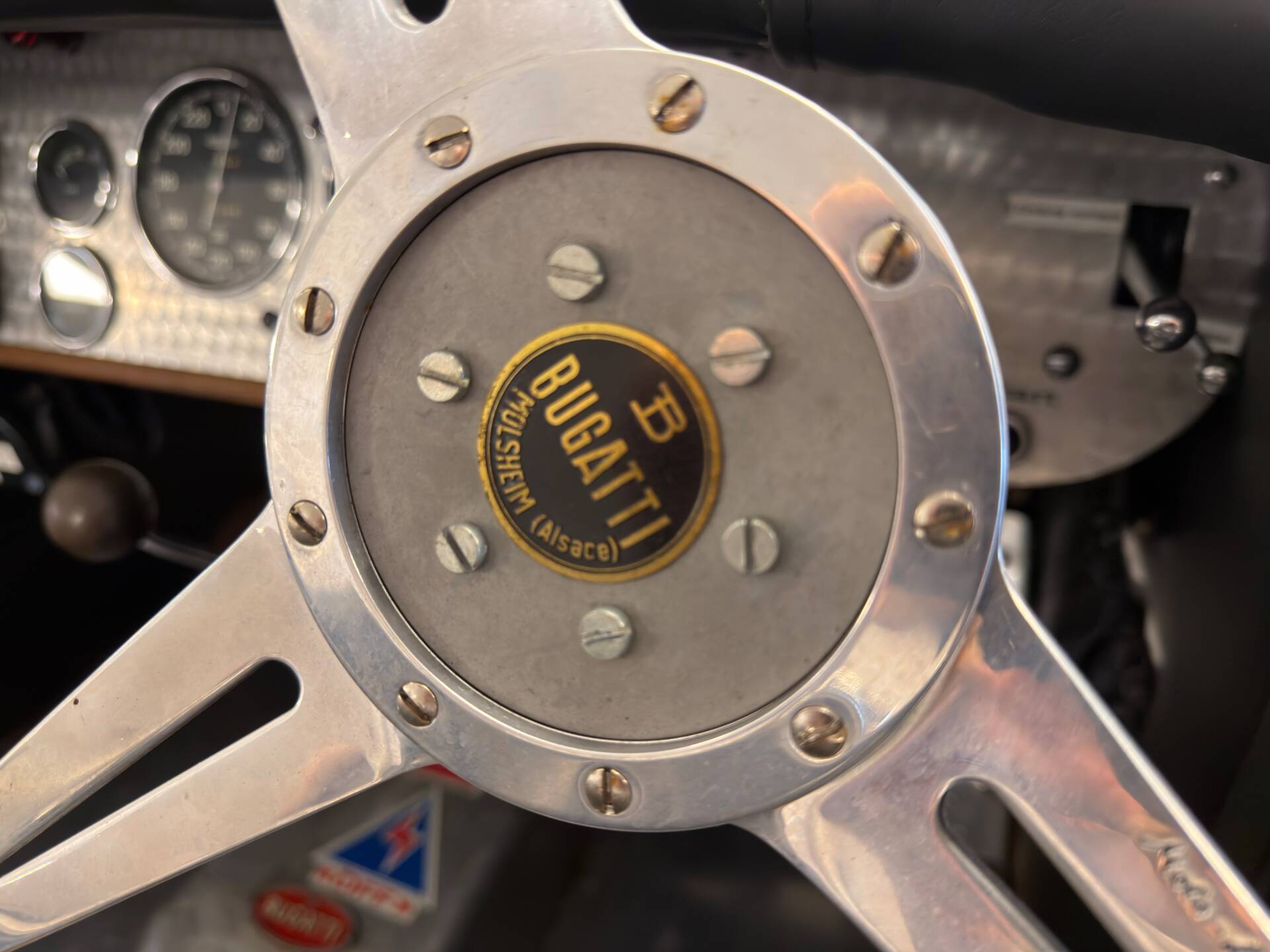
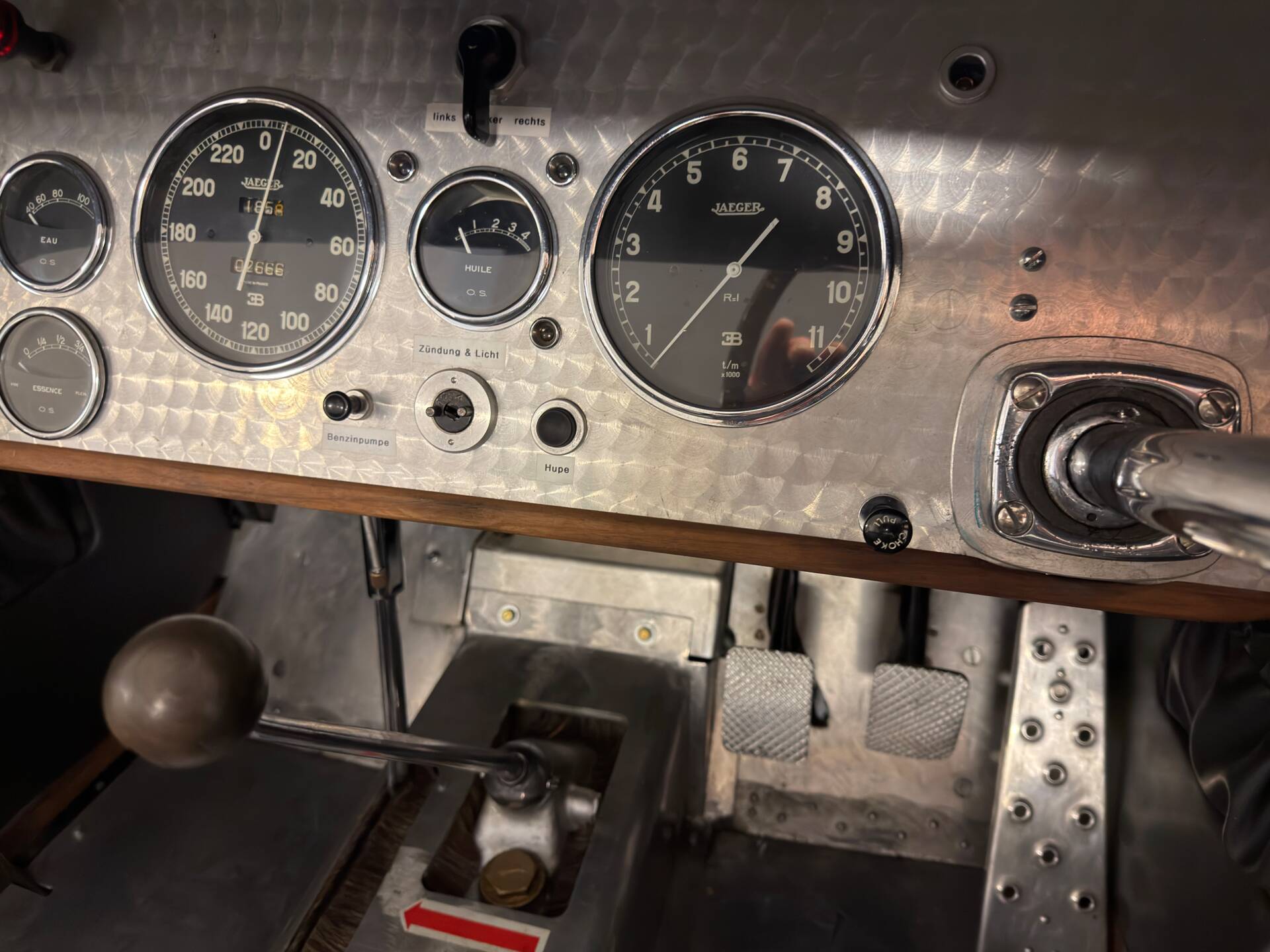
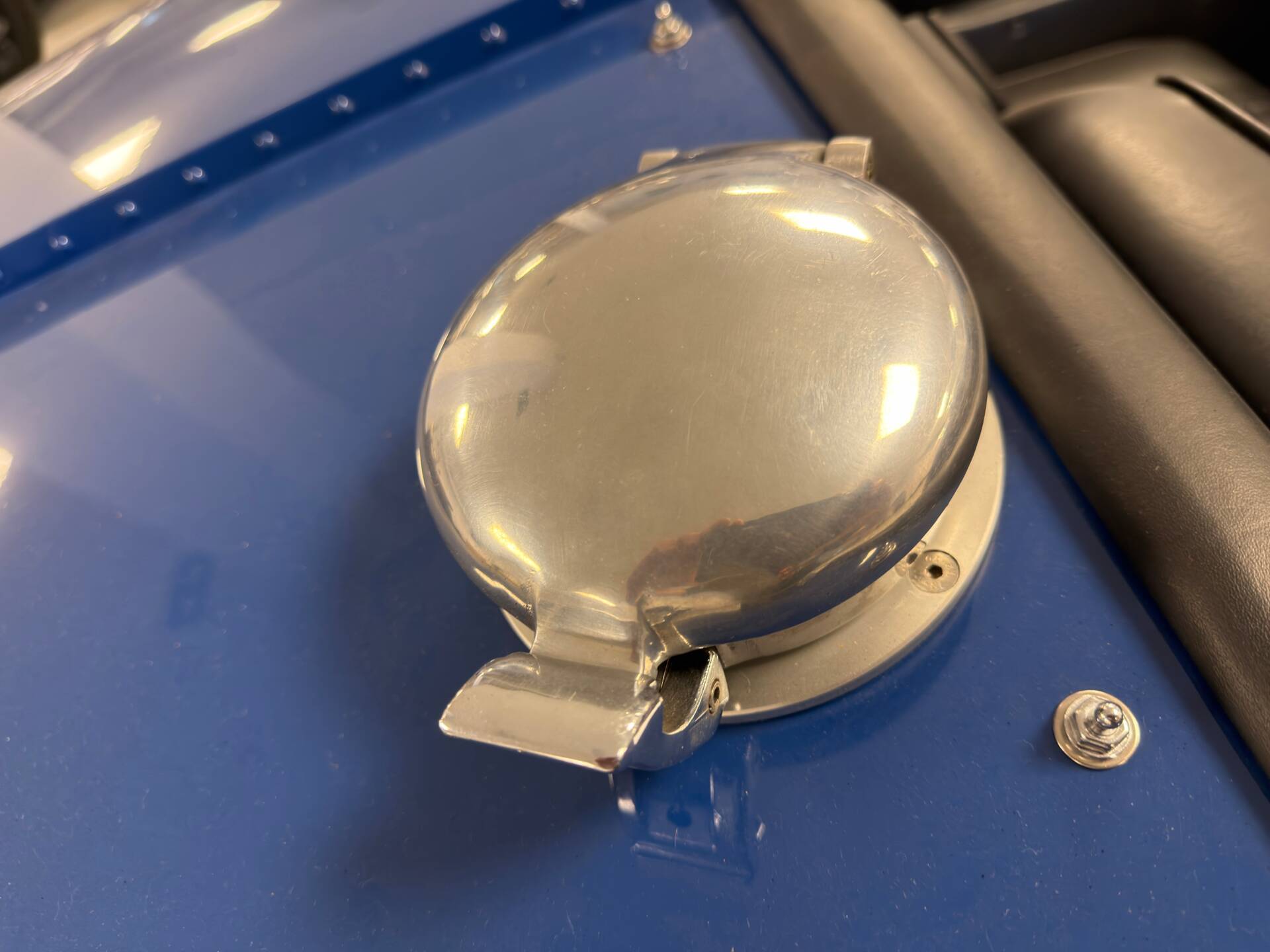
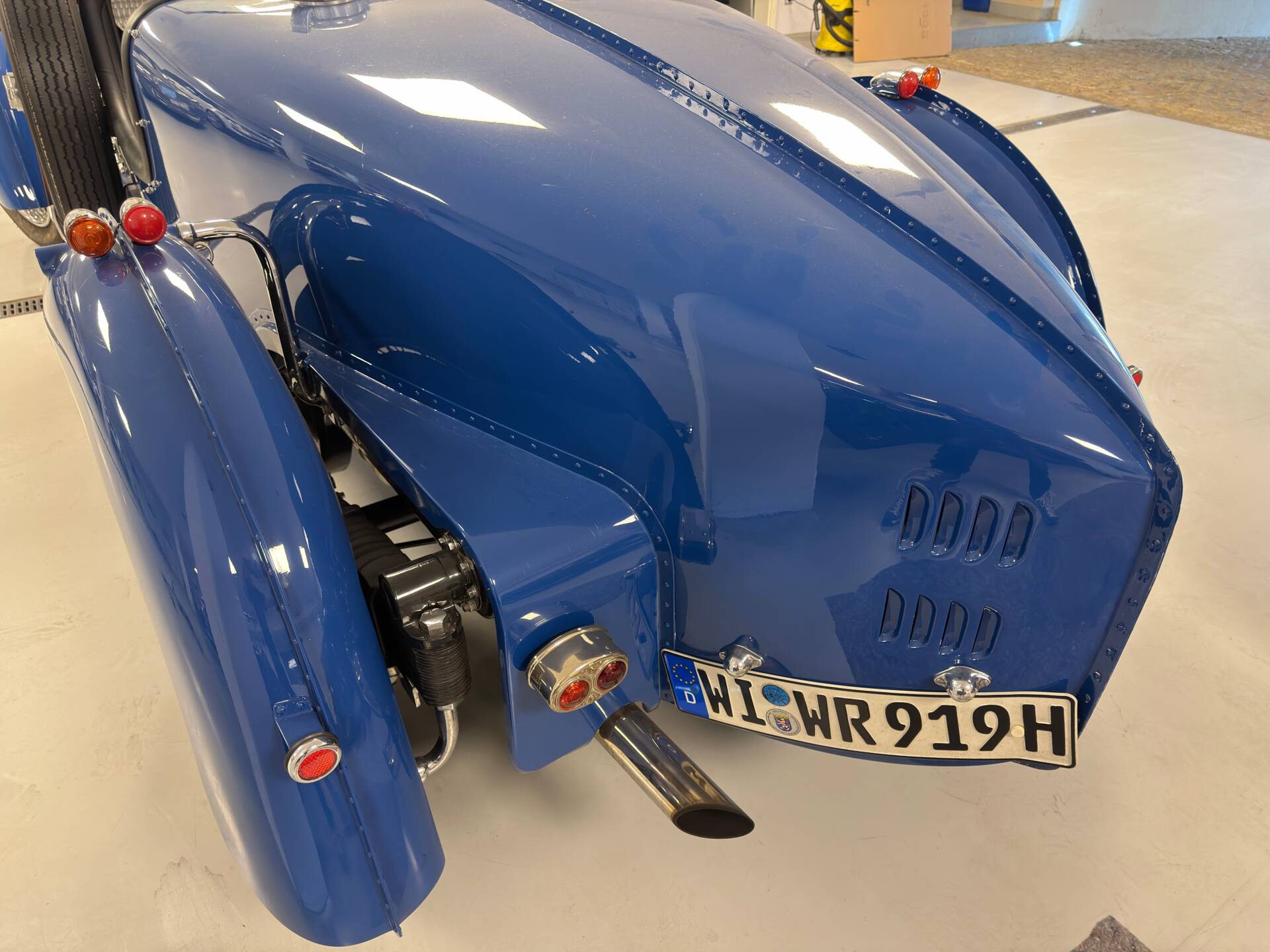
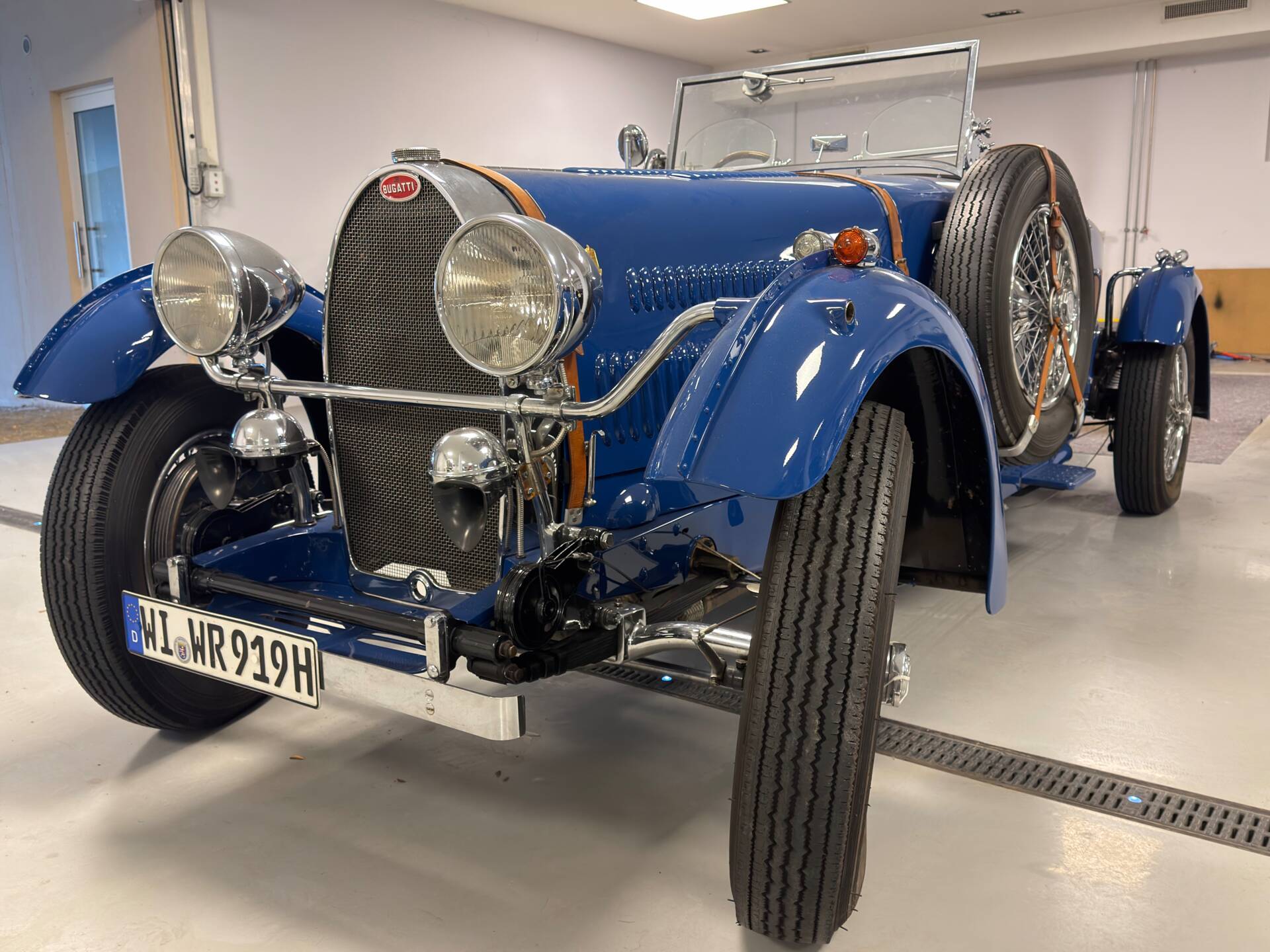
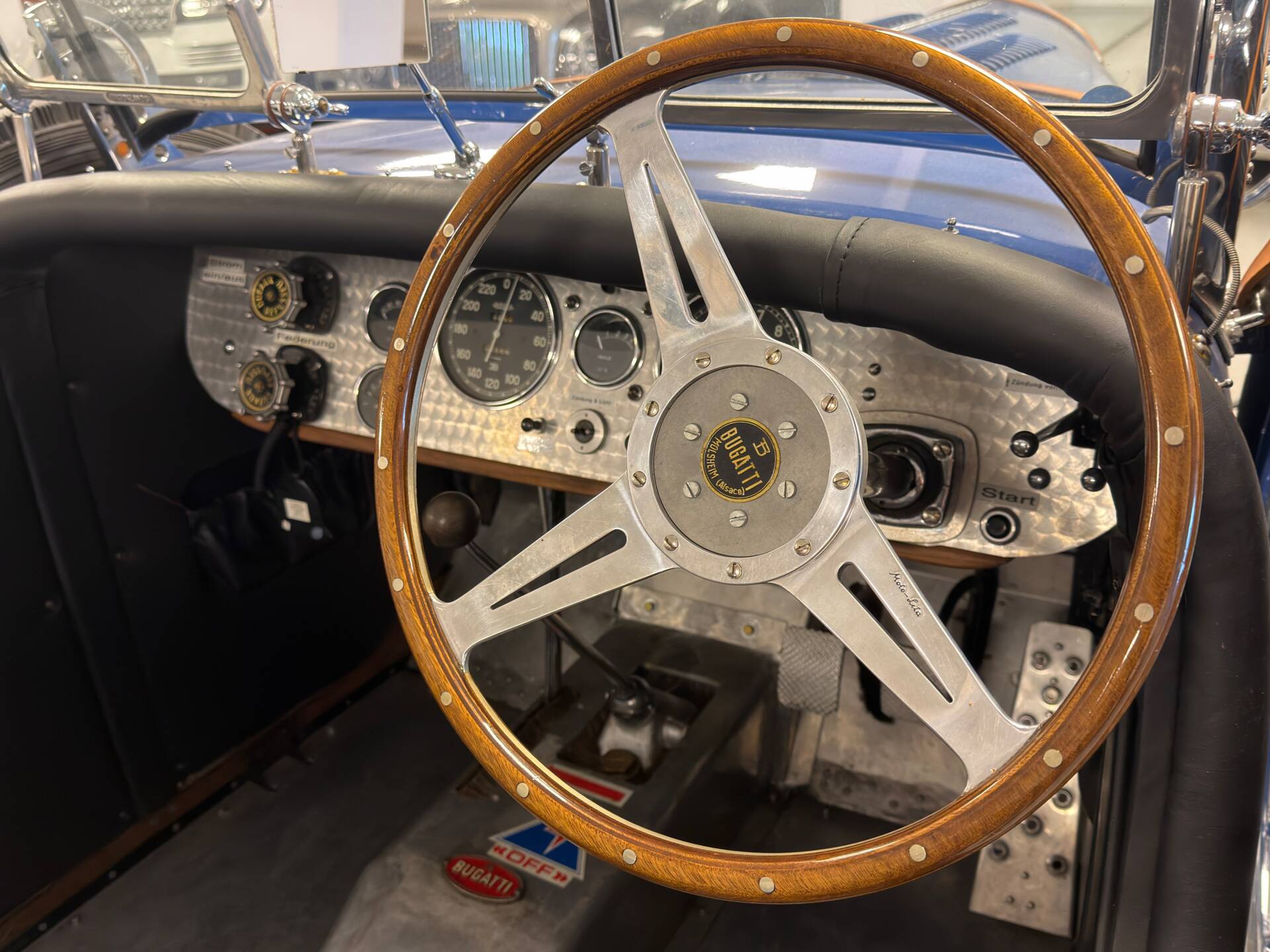
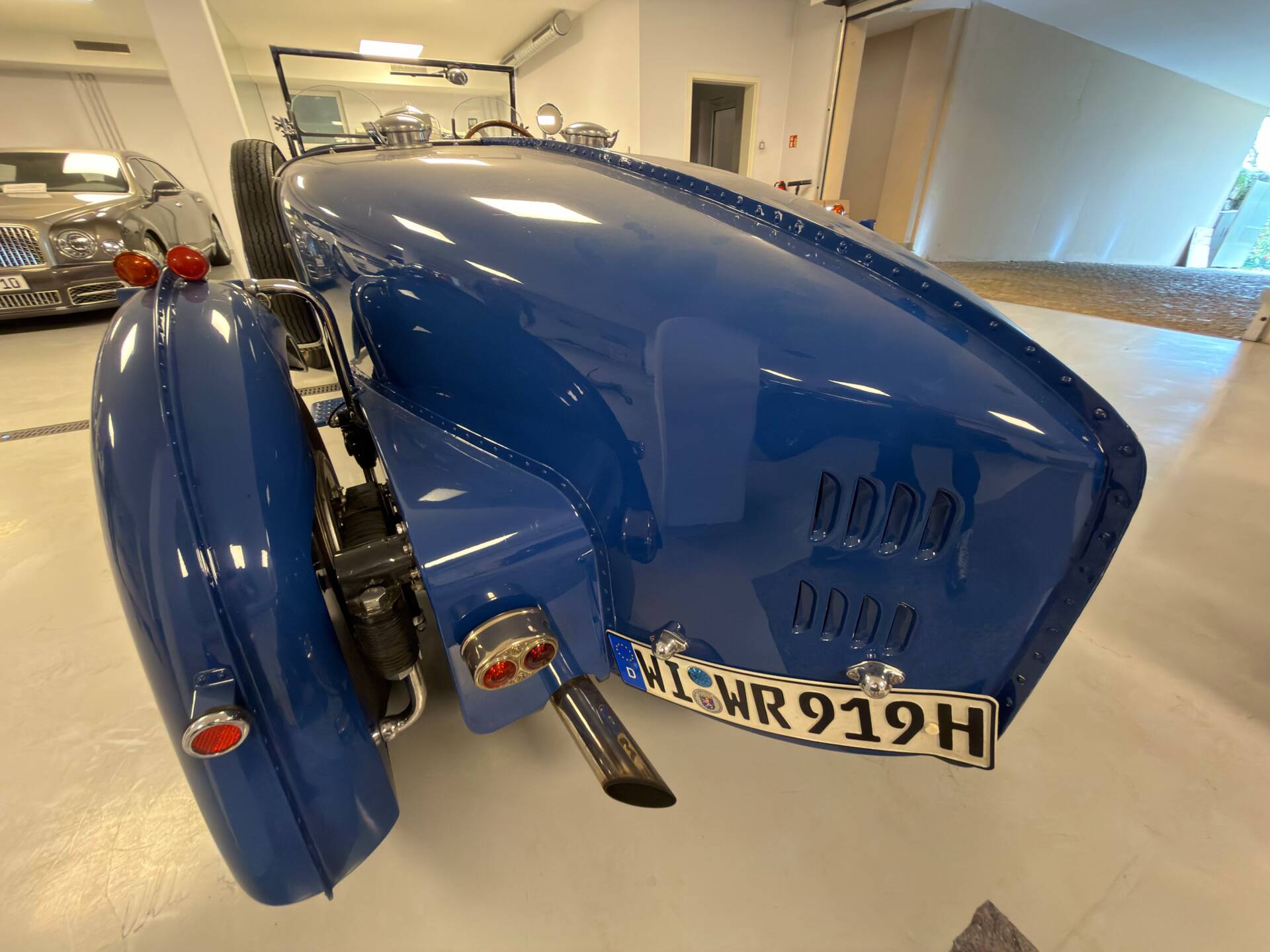
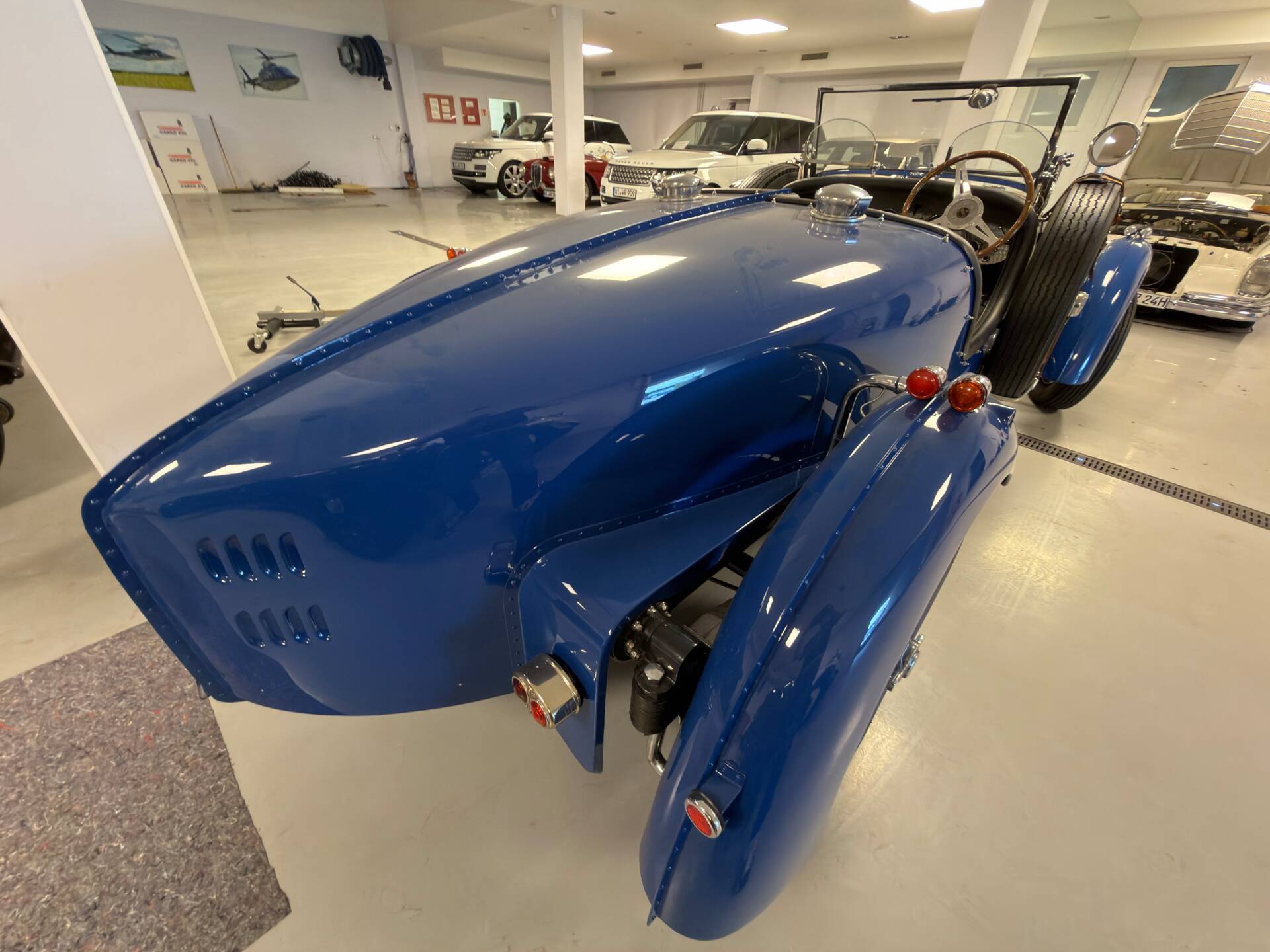
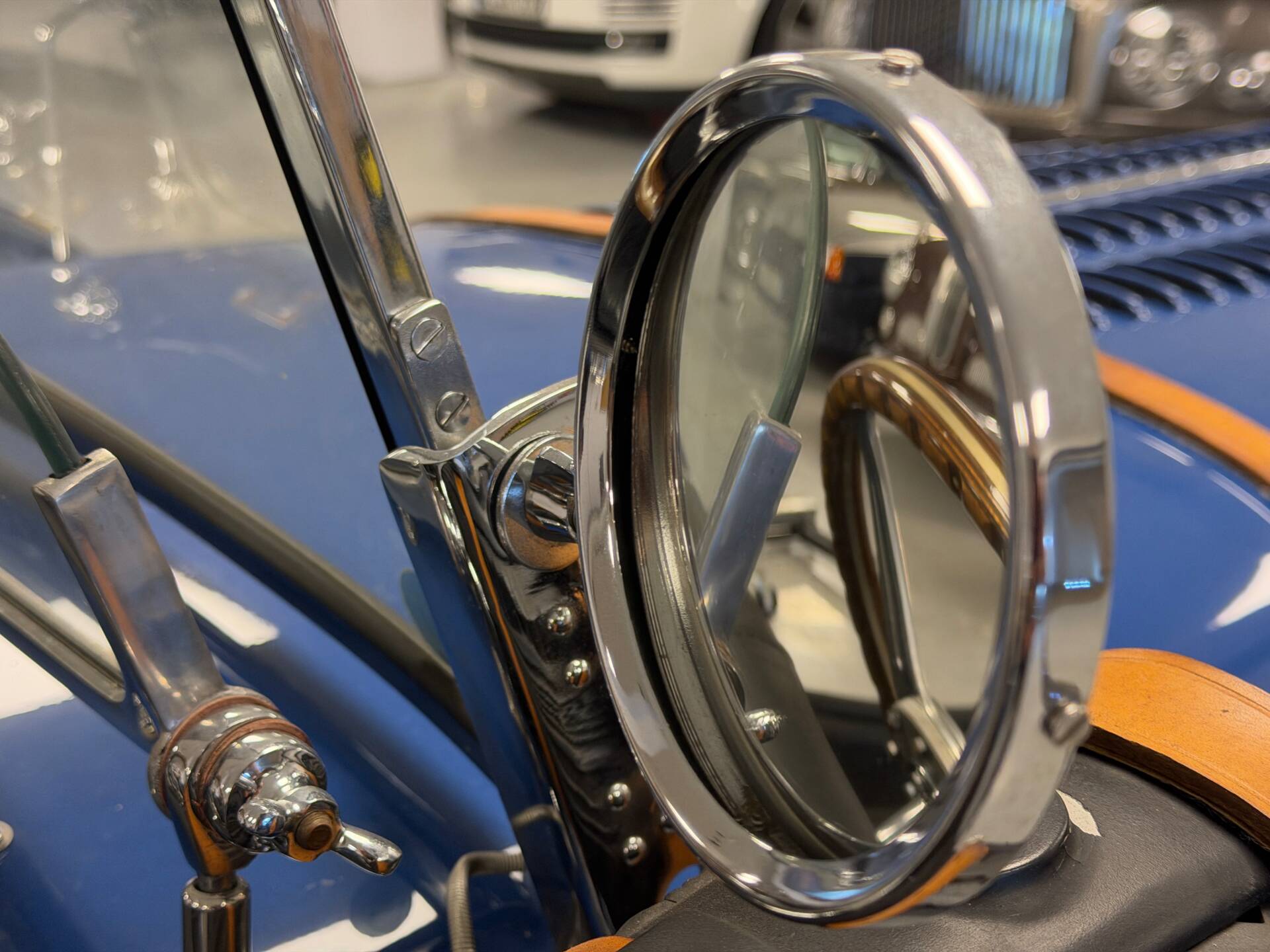
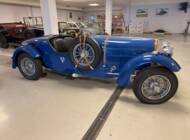
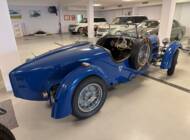
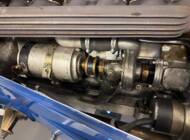
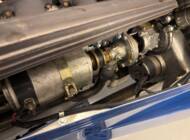
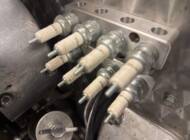
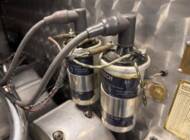
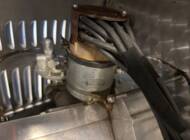
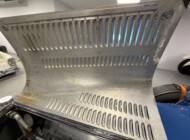
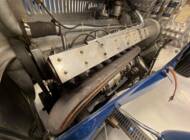
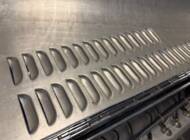
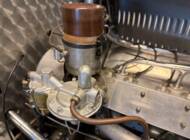
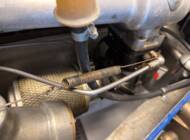
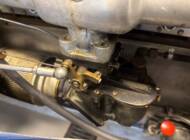
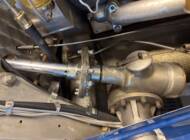
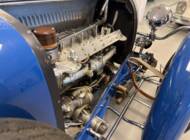
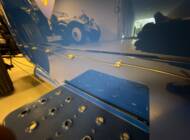
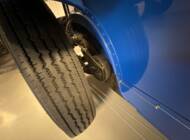
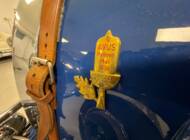

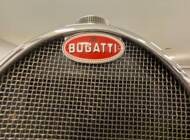
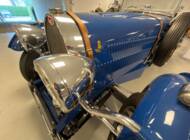
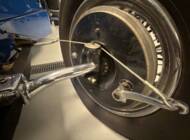
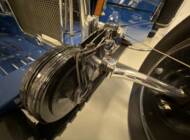
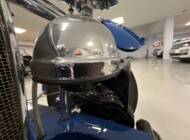
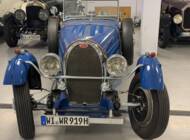
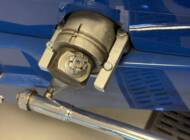
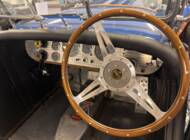
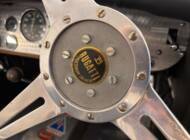
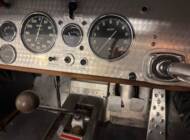
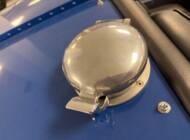
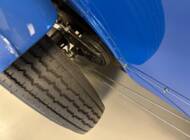
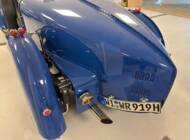
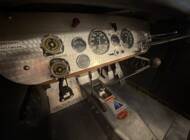
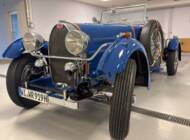

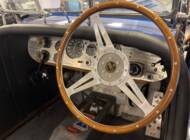
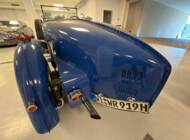
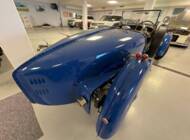
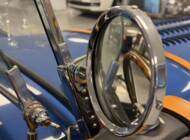
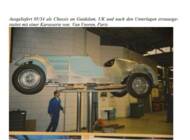
Tourist Trophy roadster body (TT) with shortened chassis: original chassis by Guidelam, UK.

Aukamm Consulting

-
Vehicle details
Vehicle dataMake Bugatti Model Type 57 Model name Type 57 T Series Type 57 TT Year of manufacture 1935 Chassis number 57175 Report 2 Condition category Conversion/ Special Mileage (read) 3 000 km First registration 07/1935 Matching numbers Yes Technical detailsBody style Convertible Body detail Tourer Power (kw/hp) 104/142 Cubic capacity (ccm) 3 257 Cylinders 8 Steering Right (RHD) Transmission Manual Drive Rear Fuel Petrol Individual configurationExterior colour Blue Interior colour Black Interior material Leather
Description
The Type 57 had a conventional, lightweight ladder frame with crossmembers. In Series 1, the engine block was an integral part of the frame and provided stability to its front section. The chassis had a wheelbase of 3.3 m, while the track was 1.35 m at both the front and rear.
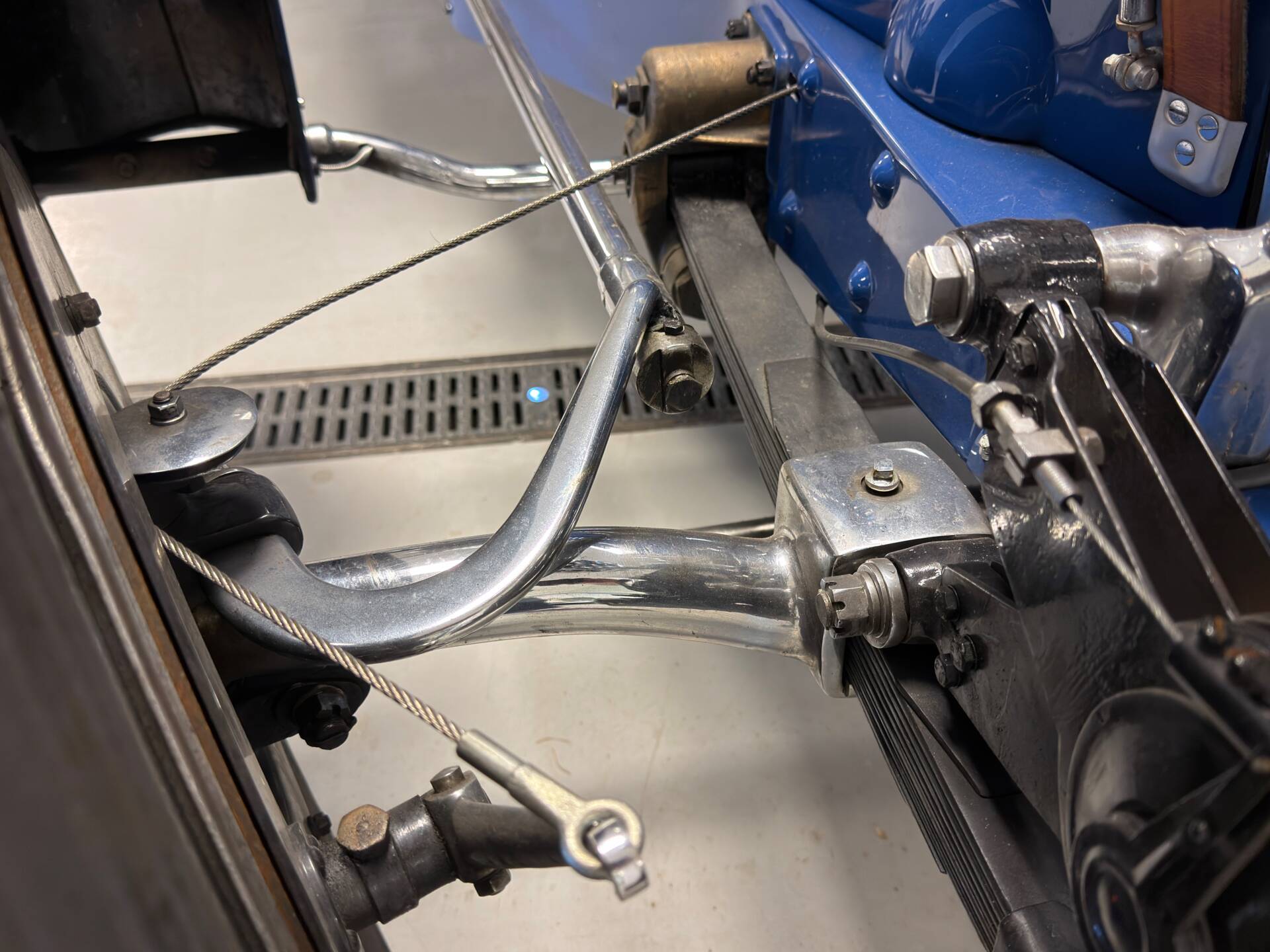
Very early Type 57 Normale models had a split front axle, which was replaced by a one-piece axle very soon thereafter.
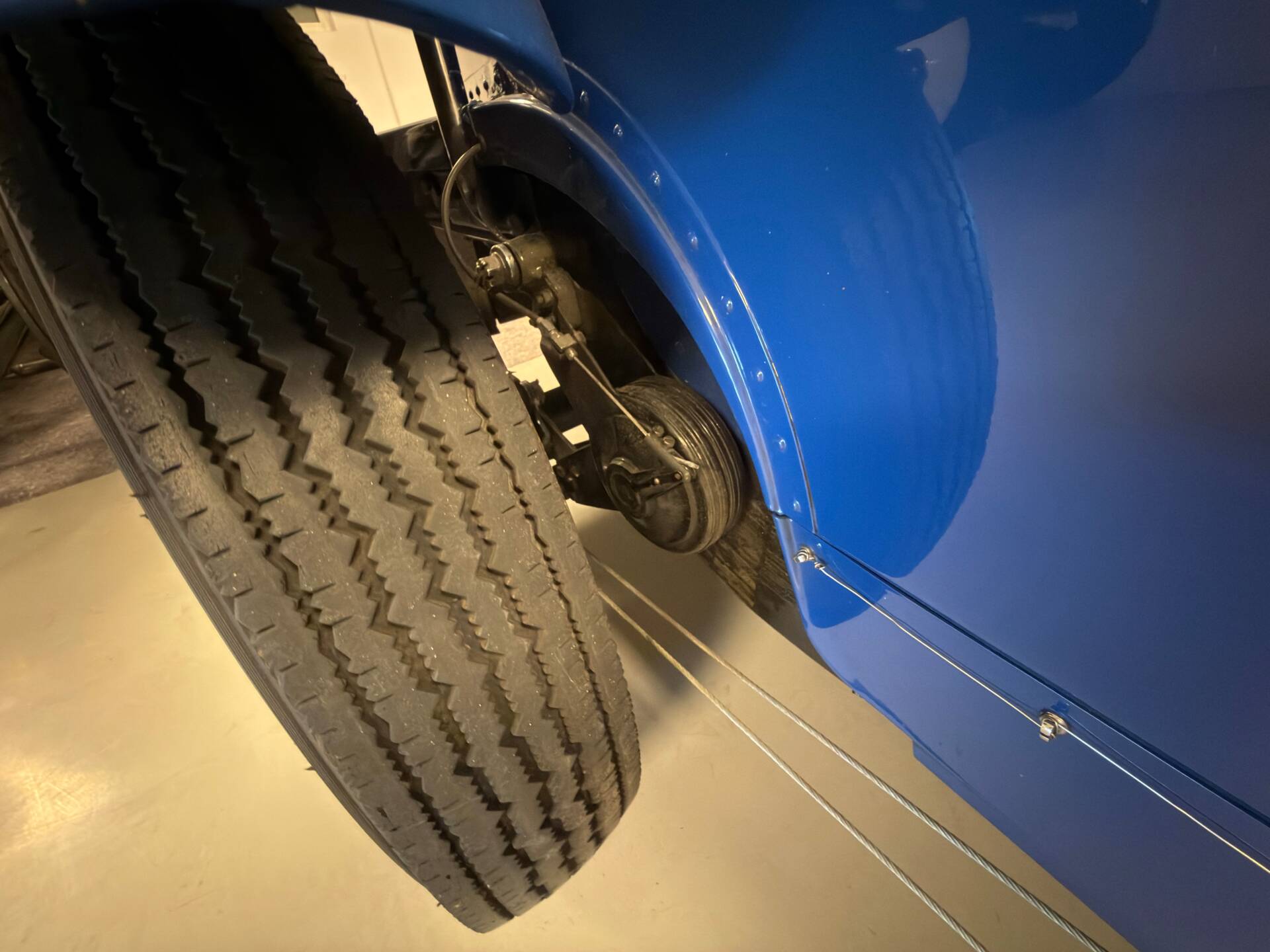
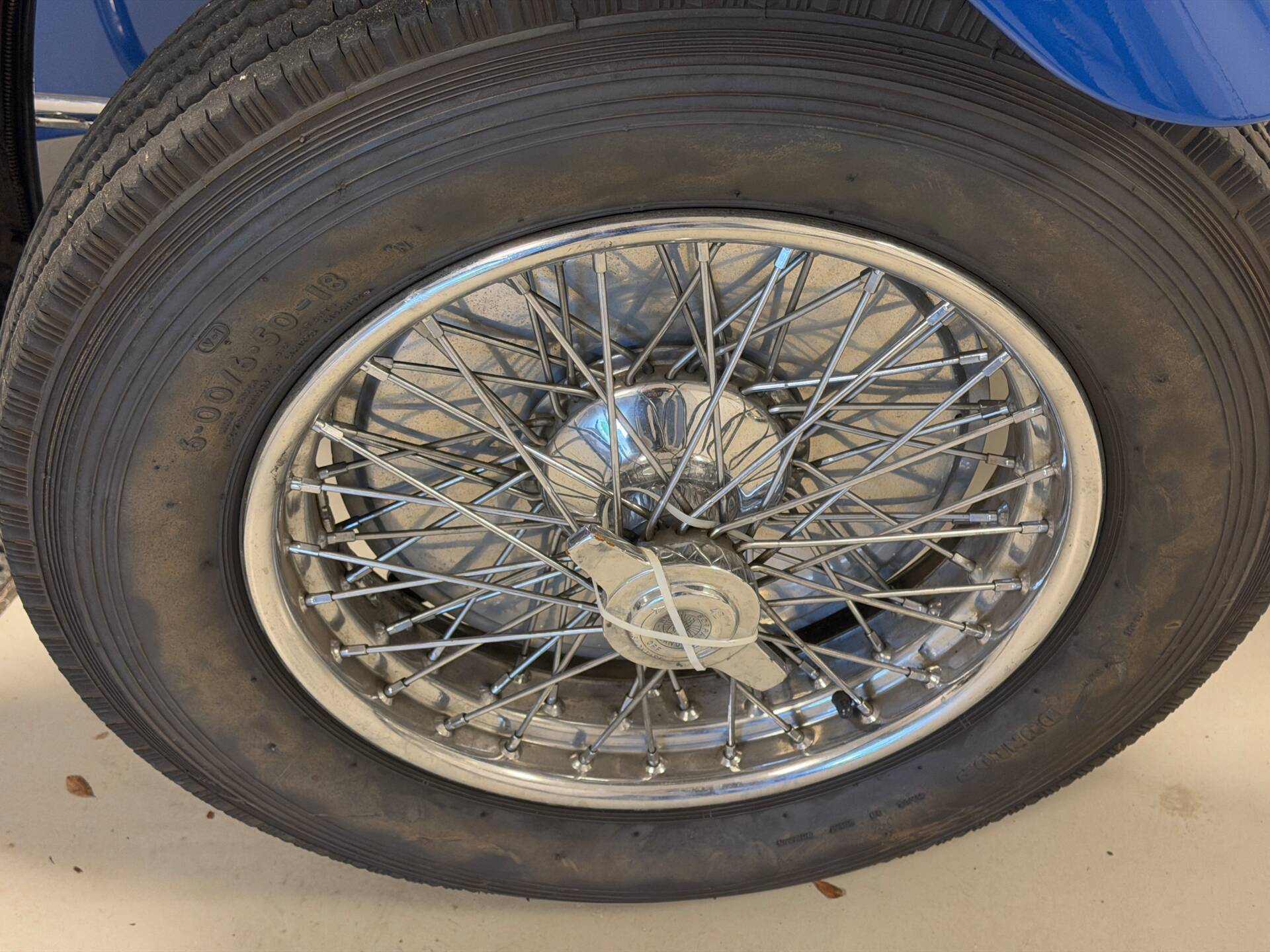
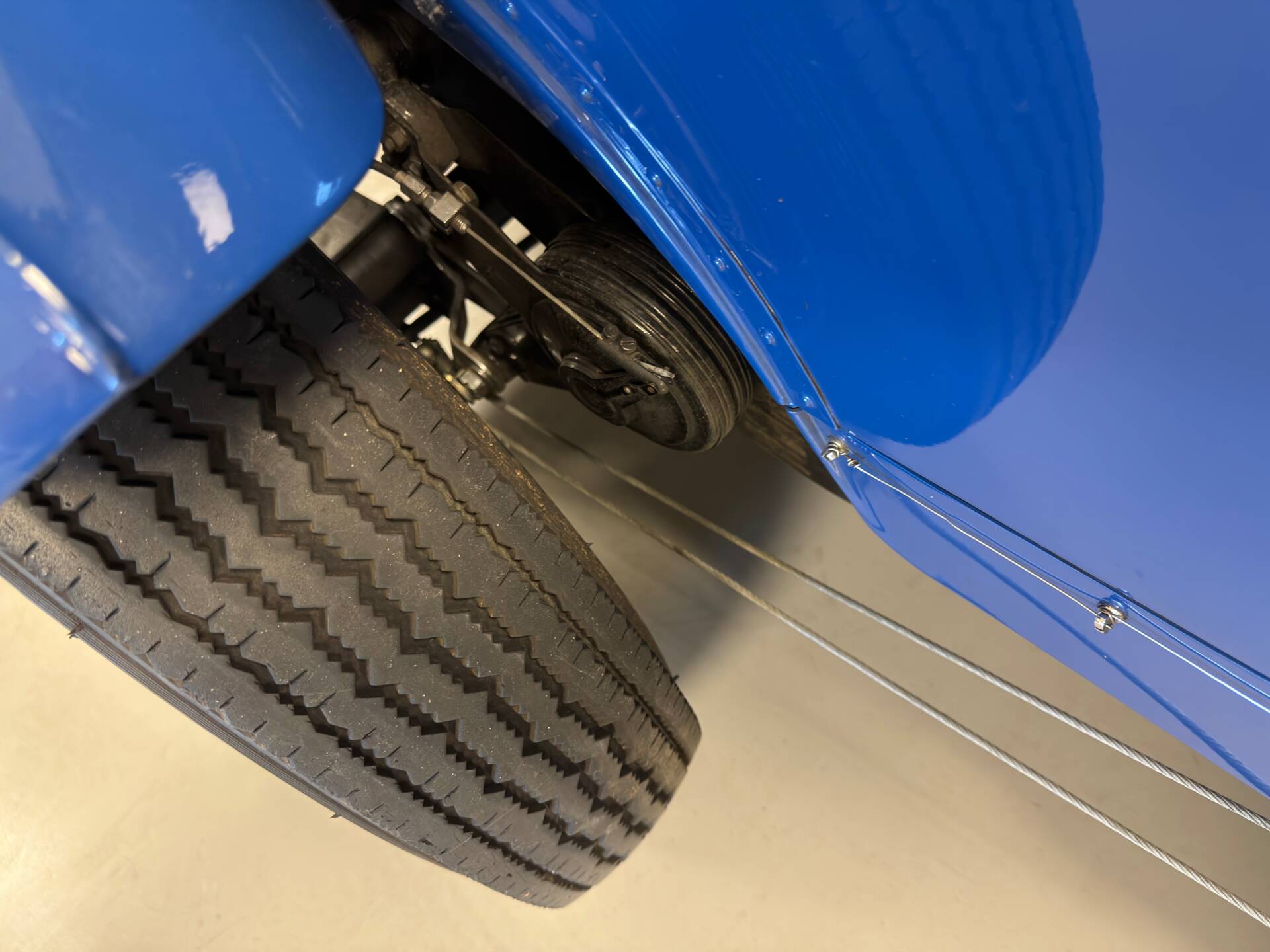
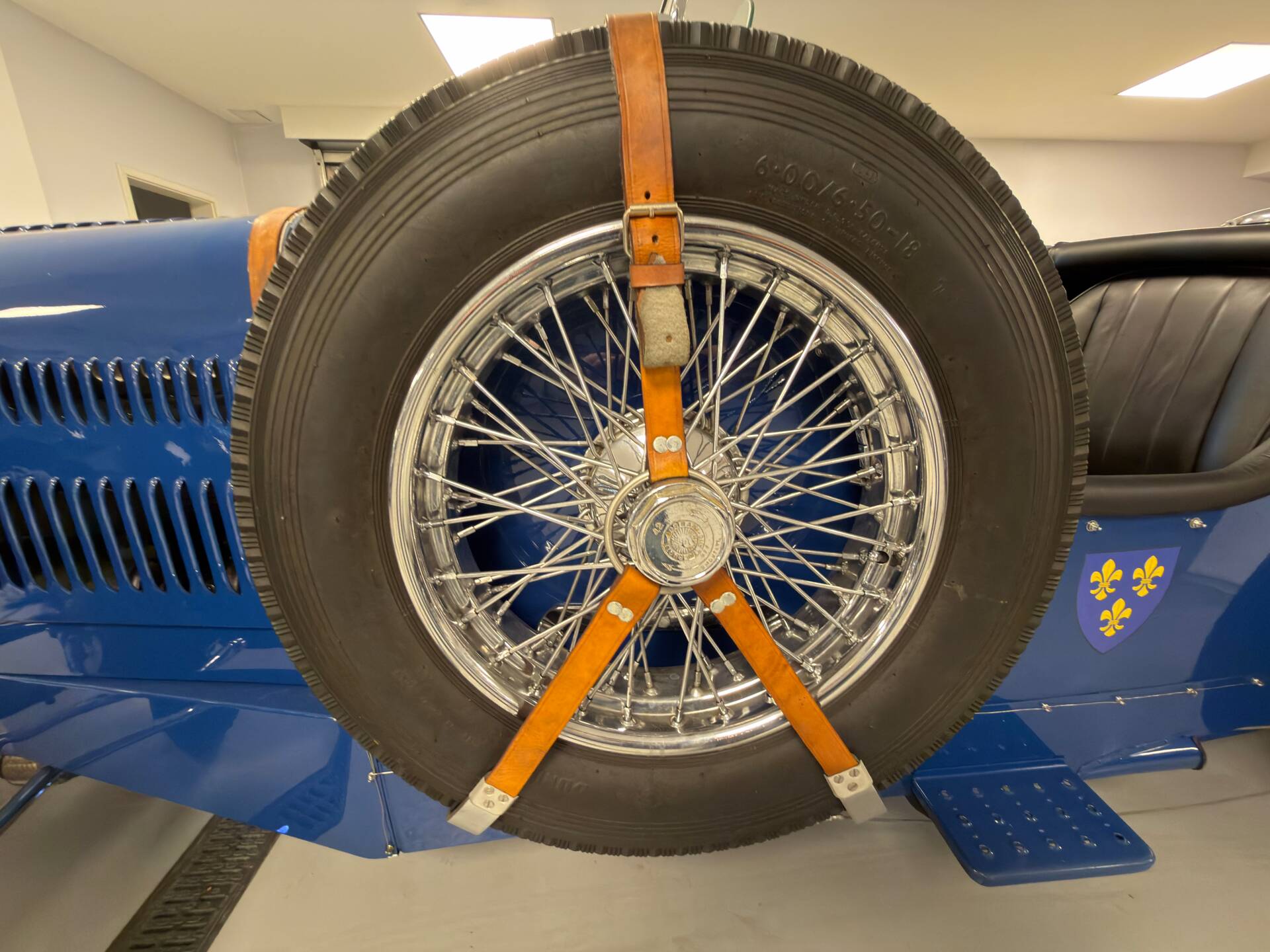
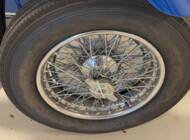
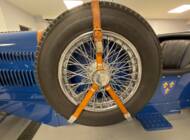
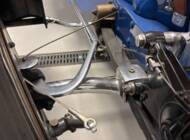
The car had semi-elliptic leaf springs at the front and a drawbar axle at the rear with trailing quarter-elliptic springs and De-Ram or Hartford friction shock absorbers. As standard, the Type 57 was fitted with Rudge wire-spoke wheels in 5.50 × 18 size with a center-locking hub.
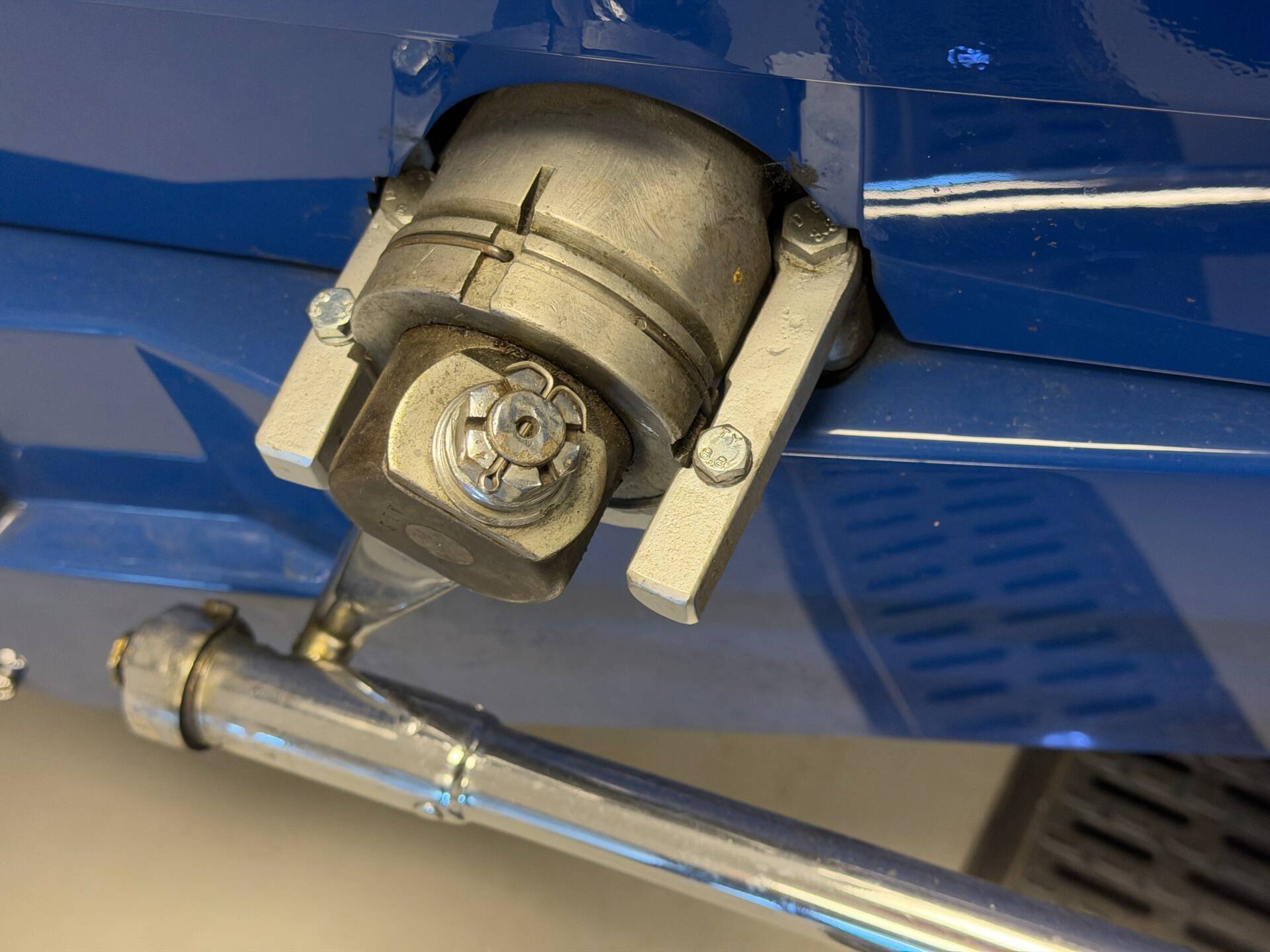
Bugatti continued to use cable-operated, large-diameter drum brakes until 1938.
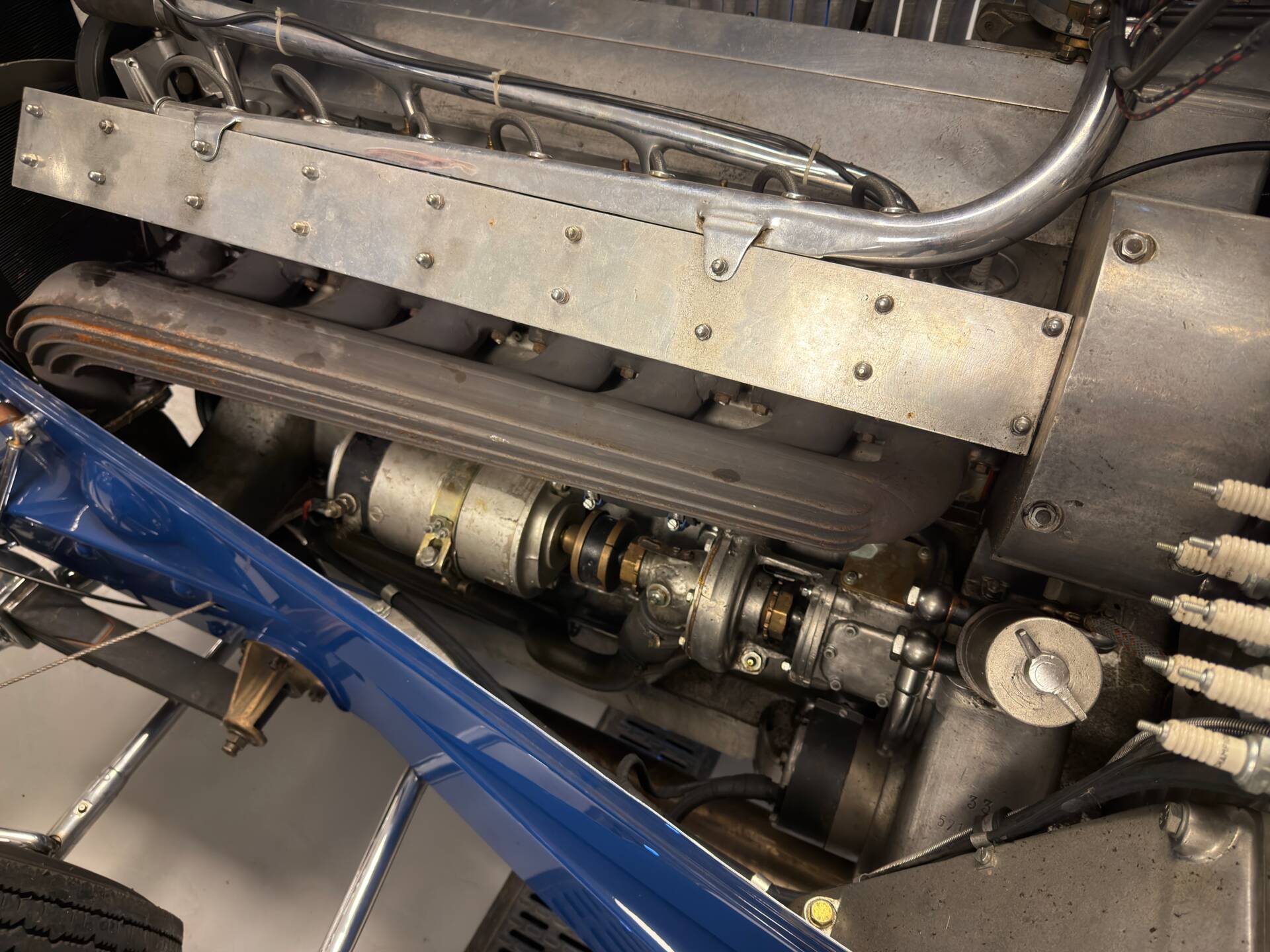
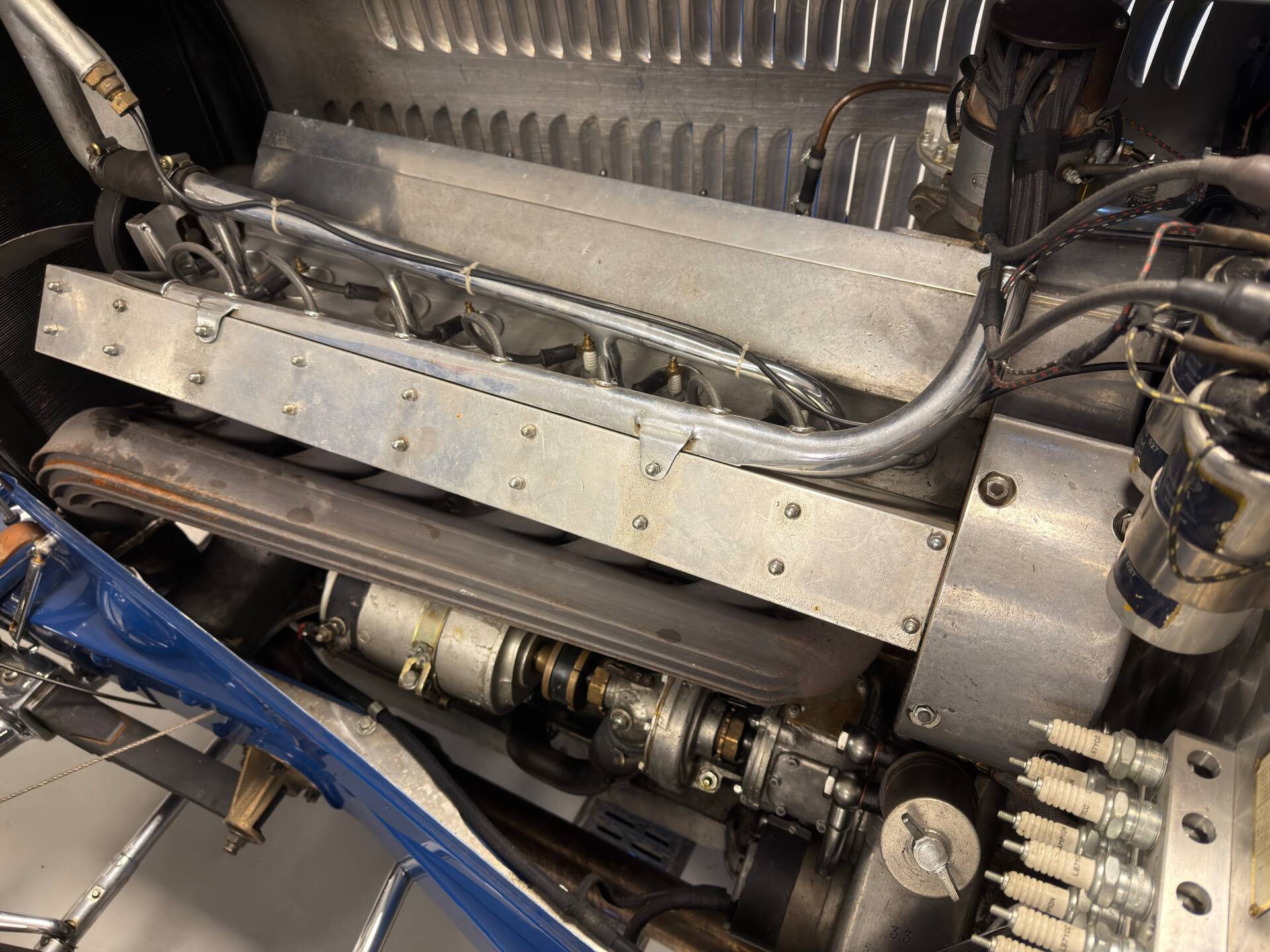
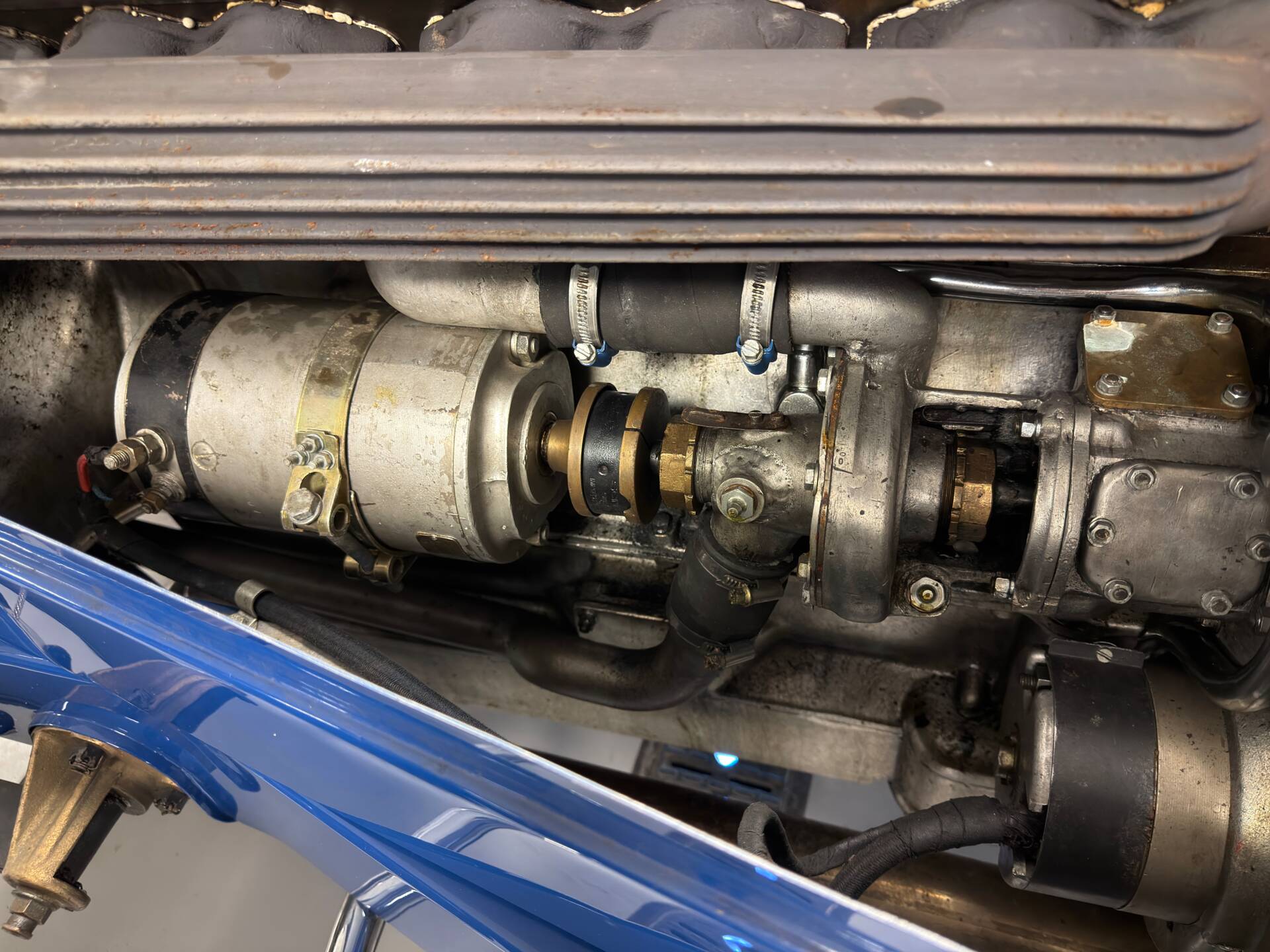
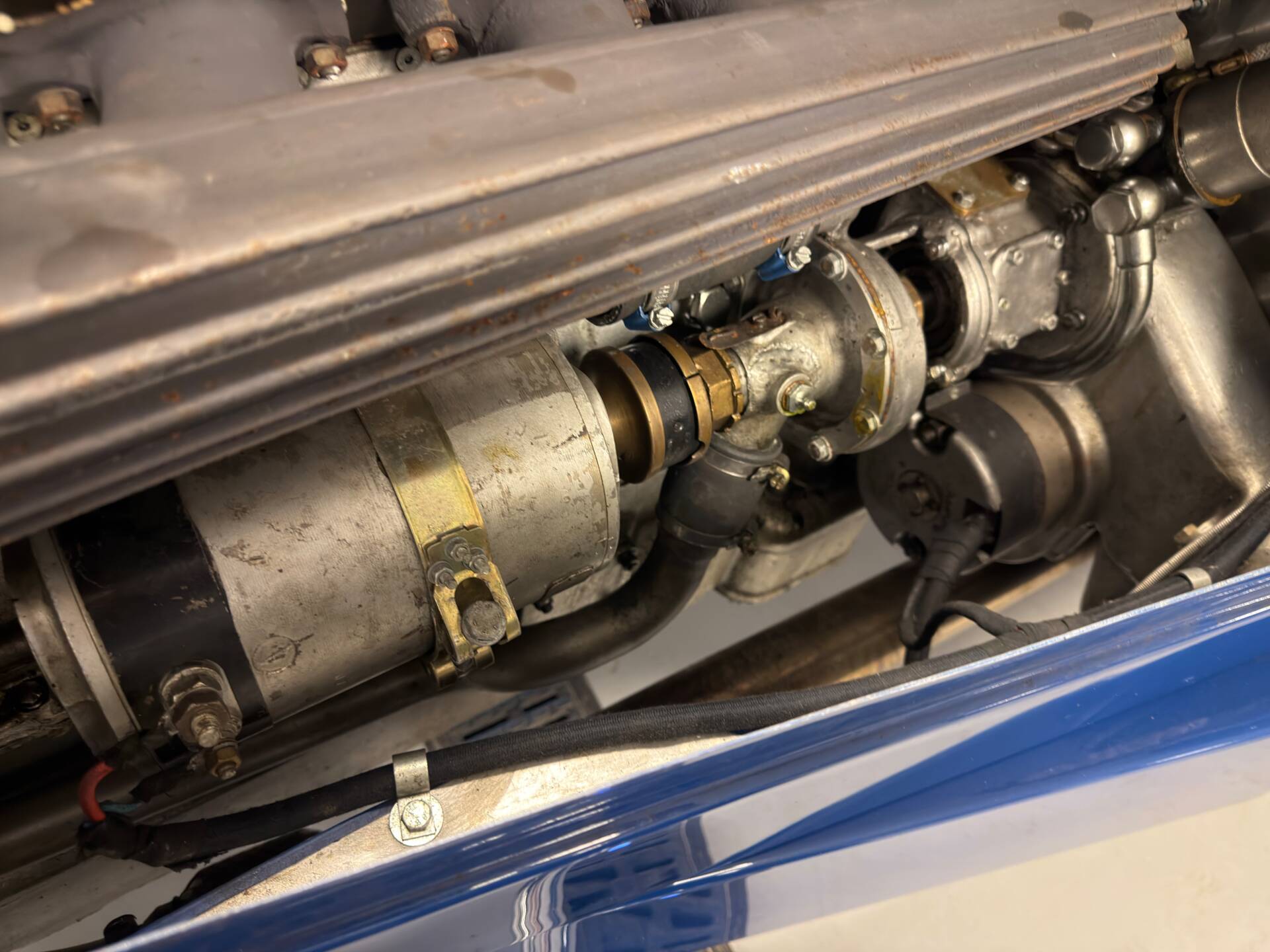
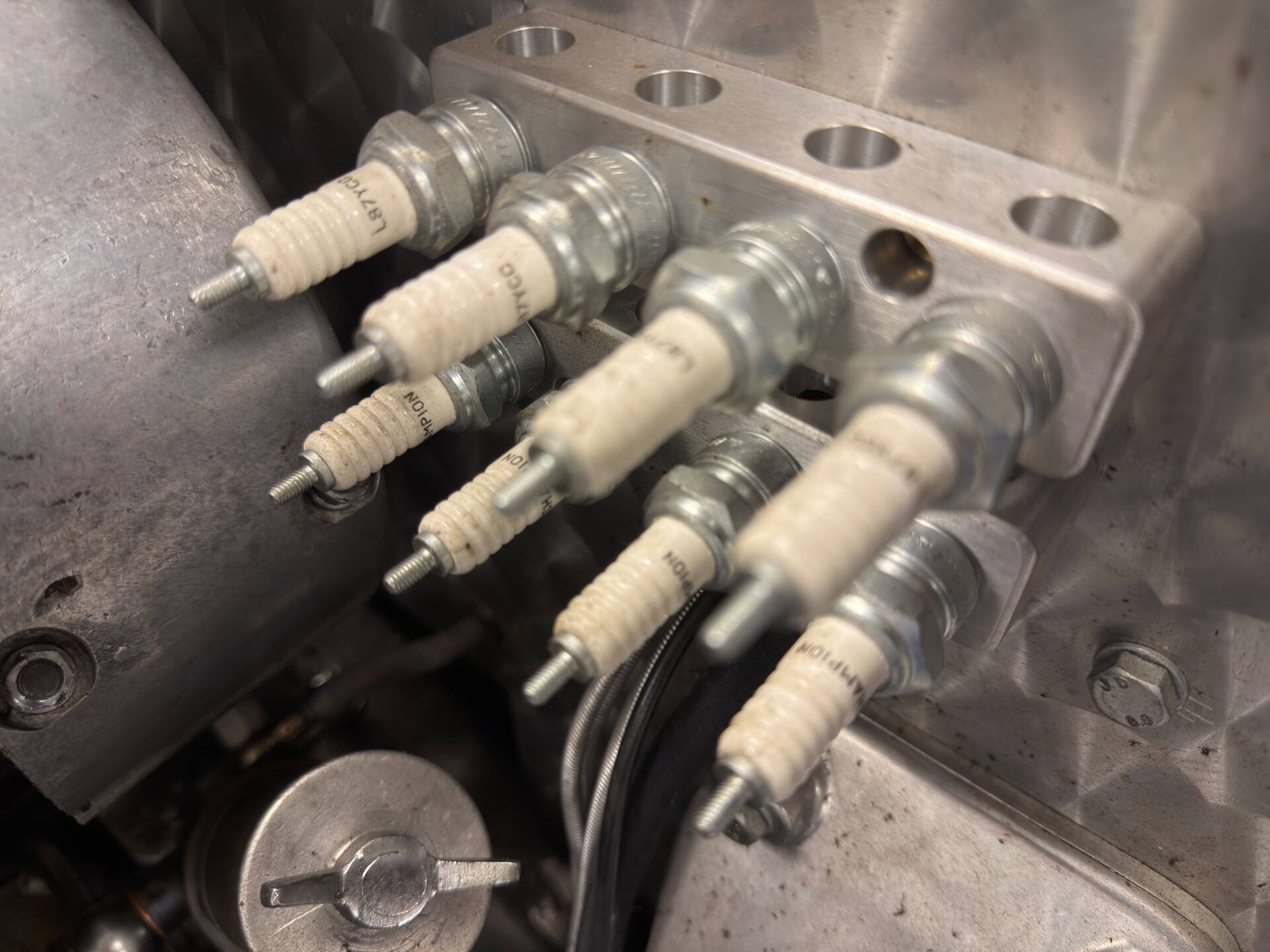
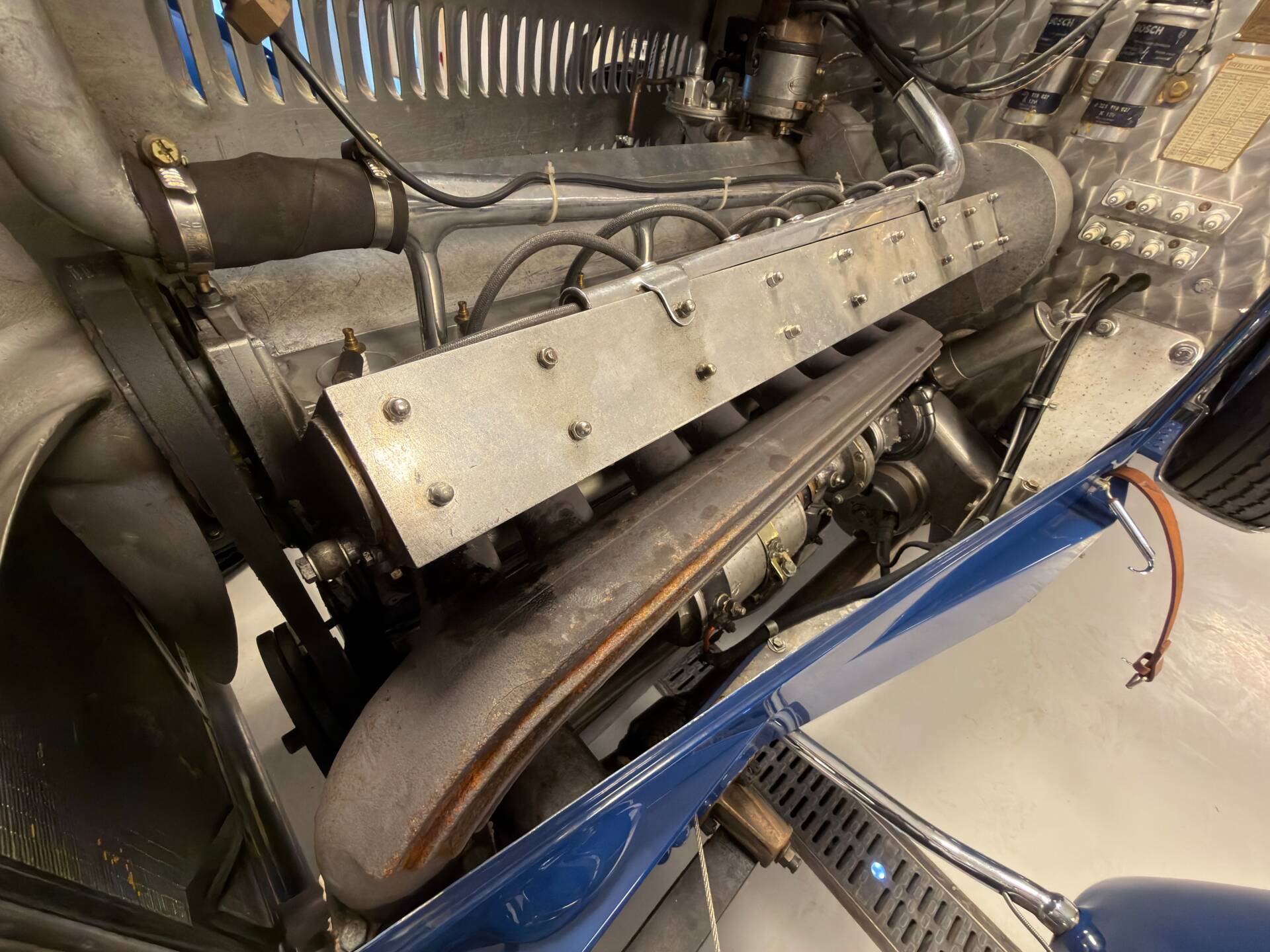
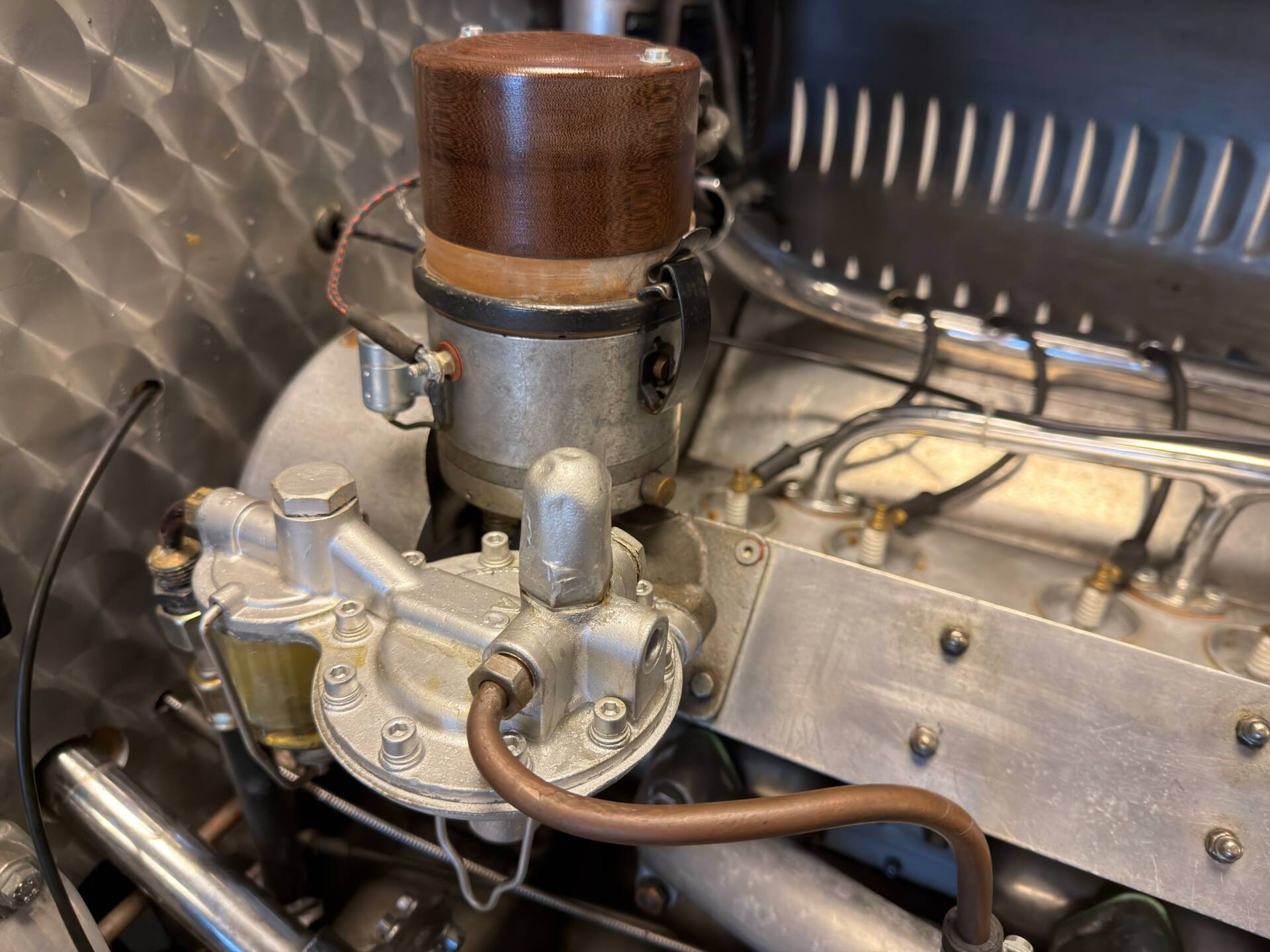
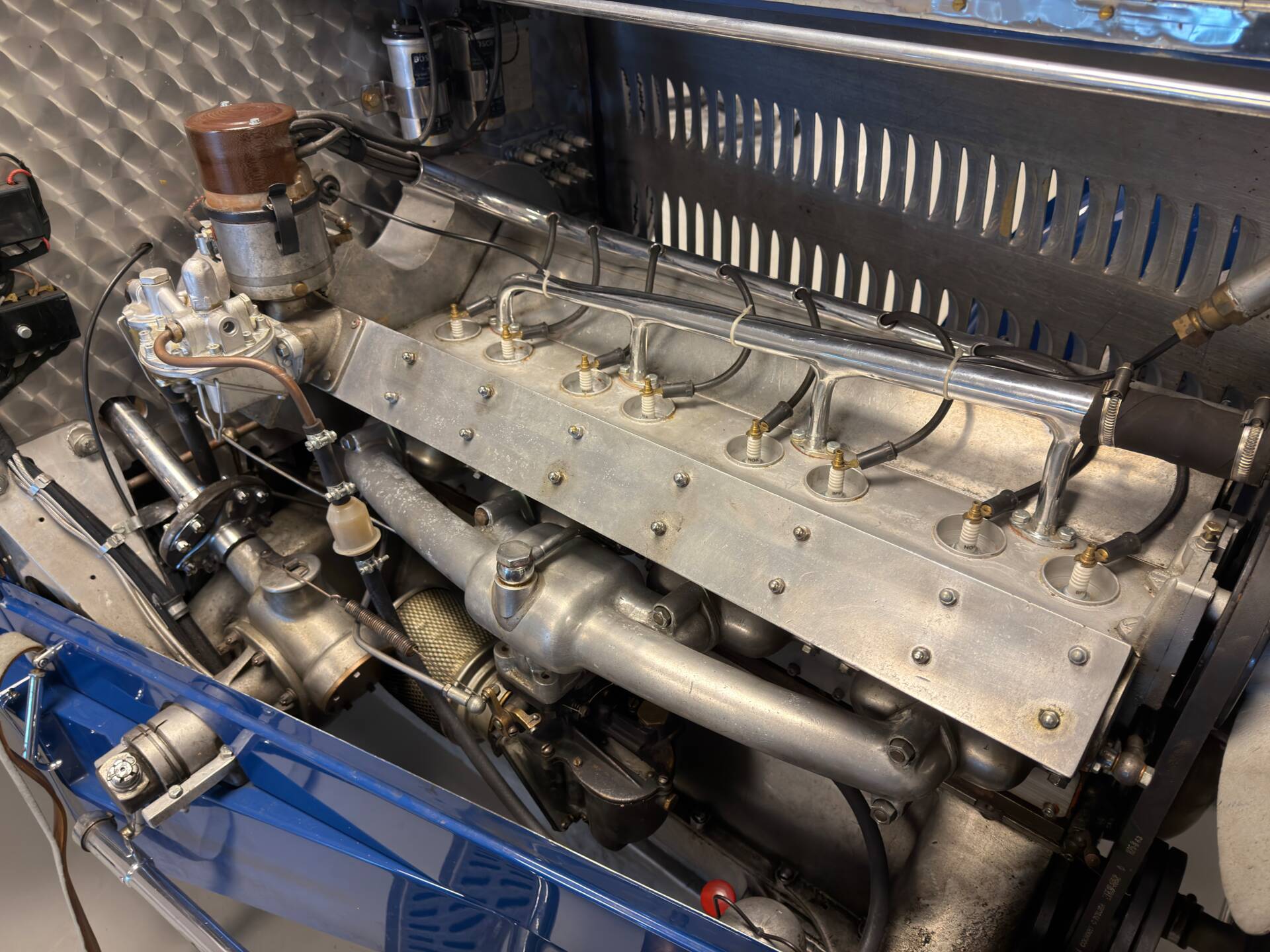
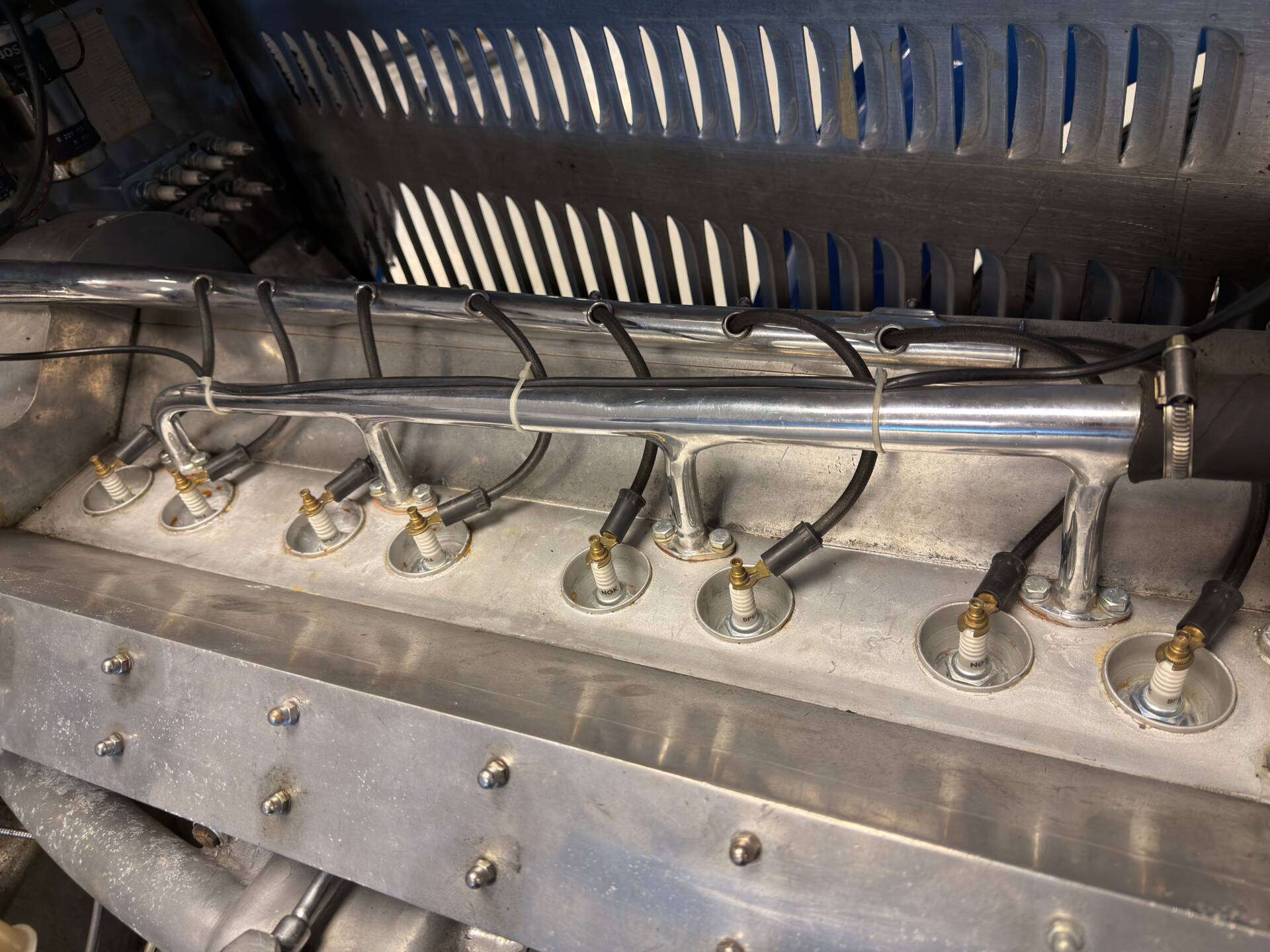
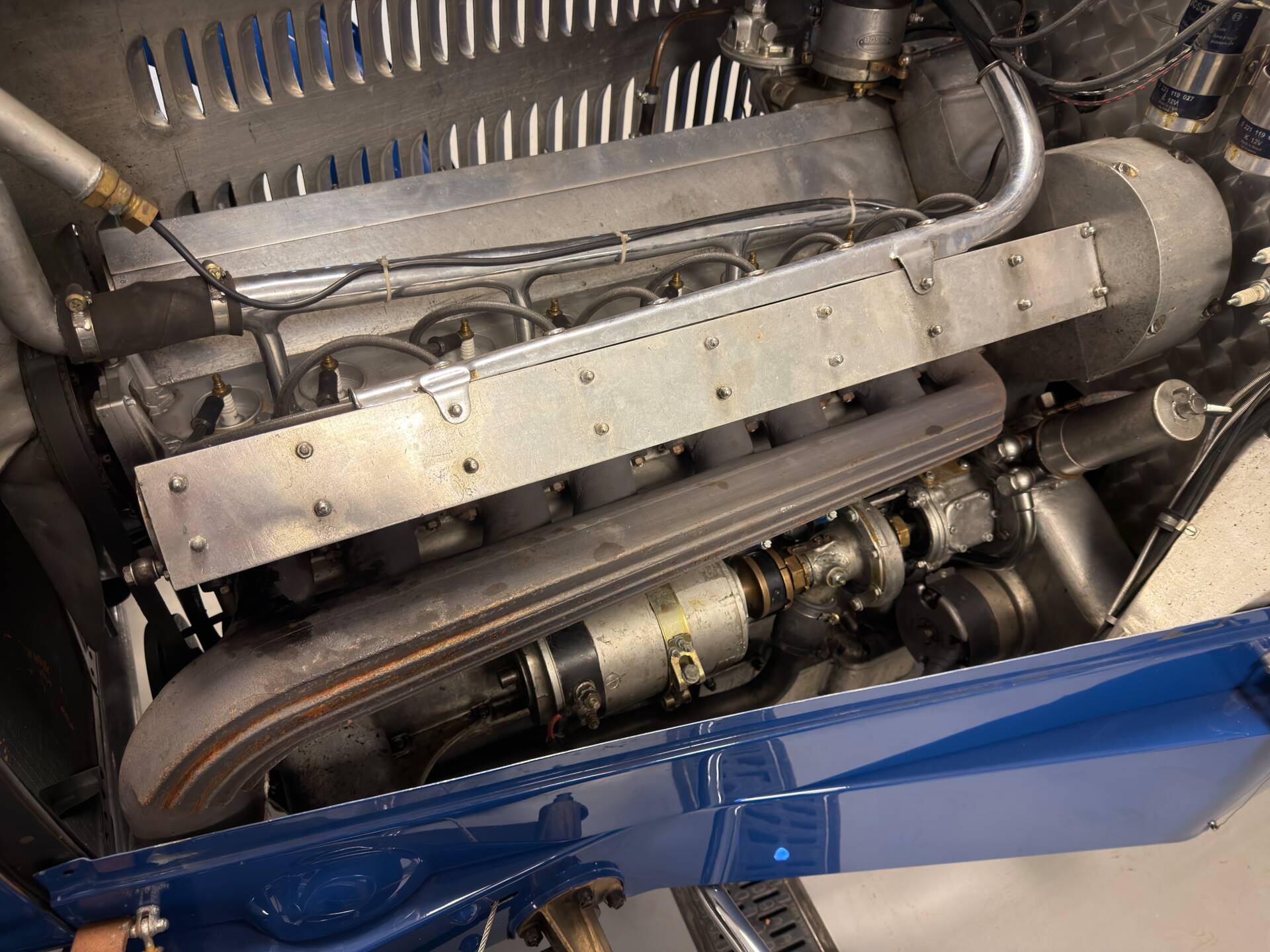
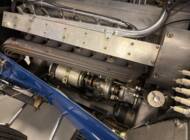
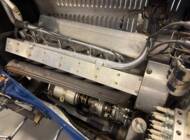
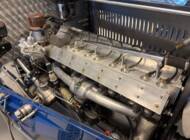
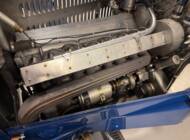
The engine was based on the 3.3-liter inline eight-cylinder engine of the Type 49. Like that engine, it was constructed in typical Bugatti fashion from light alloy with a non-removable cylinder head (“monobloc” construction). The displacement of 3257 cm³ (bore × stroke = 72 × 100 mm) was carried over from the Type 49, but not its valve train with only a single overhead camshaft (OHC). The Type 57 (and the related Type 59) had two overhead camshafts (DOHC), driven by spur gears at the rear of the block. The three-valve principle pursued by Bugatti for many years (two intake valves and one exhaust valve) was also no longer used. The combustion chambers were hemispherical, and the crankshaft had six main bearings.
At this time, monobloc engines were otherwise used only in motorsport; a missing cylinder-head gasket cannot cause engine failure and therefore increases reliability. However, this advantage comes at a considerable cost in terms of ease of maintenance.
Power was already approximately 135 hp (99 kW) at 5000 rpm in the base version.
With a lightweight body, the vehicle accelerated from 0 to 100 km/h in little more than 12 seconds. The Type 57 was also one of the few cars of its era capable of reaching 160 km/h under normal road conditions.
However, sober figures do not do Bugatti’s light-alloy engines justice.
Ettore Bugatti always placed importance on aesthetic appearance as well. Thus, Bugatti engine casings were decorated with a hand-worked stippled pattern.
The engine of the Type 59 Grand Prix racing car was also derived from the Type 49.
The joint development of the Types 57 and 59 saved development costs, resources, and time and made it possible to use several common engine components.
Bugatti Type 57 is a model range produced by the former French automobile manufacturer Bugatti (1910–1956). Jean Bugatti (1909–1939), the son of company founder Ettore Bugatti (1881–1947), was officially responsible for the project. He also contributed key design elements, which were implemented together with draftsman Joseph Walter.
Depending on the source, a total of 630[1][2], 680[3][4], 710[5], 750 (including 41 Type 57 S and 4 Atlantic) or 830 vehicles of the Type 57 range were produced in three series from 1934 to 1940.
Regardless of the exact number, the Type 57 was the brand’s model produced in the greatest numbers and for the longest period, and one of its most important models. A 1938 Type 57 SC Atlantic has, for several years (as of 2013), been regarded as the world’s most expensive “used car,” with an estimated auction price of US$30–40 million.
Unlike Talbot-Lago, Bugatti no longer considered it practical to develop a single model for both road use and racing. This led mainly to Jean Bugatti preparing the Grand Tourisme Type 57 together with the new Bugatti Type 59 racing car. One common feature was the Bugatti Type 49 engine as their starting point. At the time, Ettore Bugatti was strongly influenced by the designs of American engineer Harold Arminius Miller.
The factory continually introduced improvements to the Type 57 during production. Major changes were made in 1936 and 1938, which is why a total of three model series are distinguished. The Type 57 was available from the factory in four road versions: 57 (base version, also called “Normale”), 57 C (supercharger), 57 S (sport model), and 57 SC. The latter two were offered only from 1936 to 1938 (Series 2) and had modified engines and chassis. The Type 57 SC in particular is regarded as one of the first supercars.
Both the concept of the model range as sporty, comfortable Grandes Routières and the design of the factory bodies bear Jean Bugatti’s signature. An early but consequential intervention in the design of the two prototypes shows who ultimately had the deciding influence: Jean Bugatti had provided for modern independent front suspension. Ettore learned of this during a visit to the factory and, without consultation, ordered it to be replaced by a technically outdated solid front axle. In modified form, it was retained throughout the entire production period, and even its successors, the Type 64 and Type 101, still had to make do with it.
Series 1
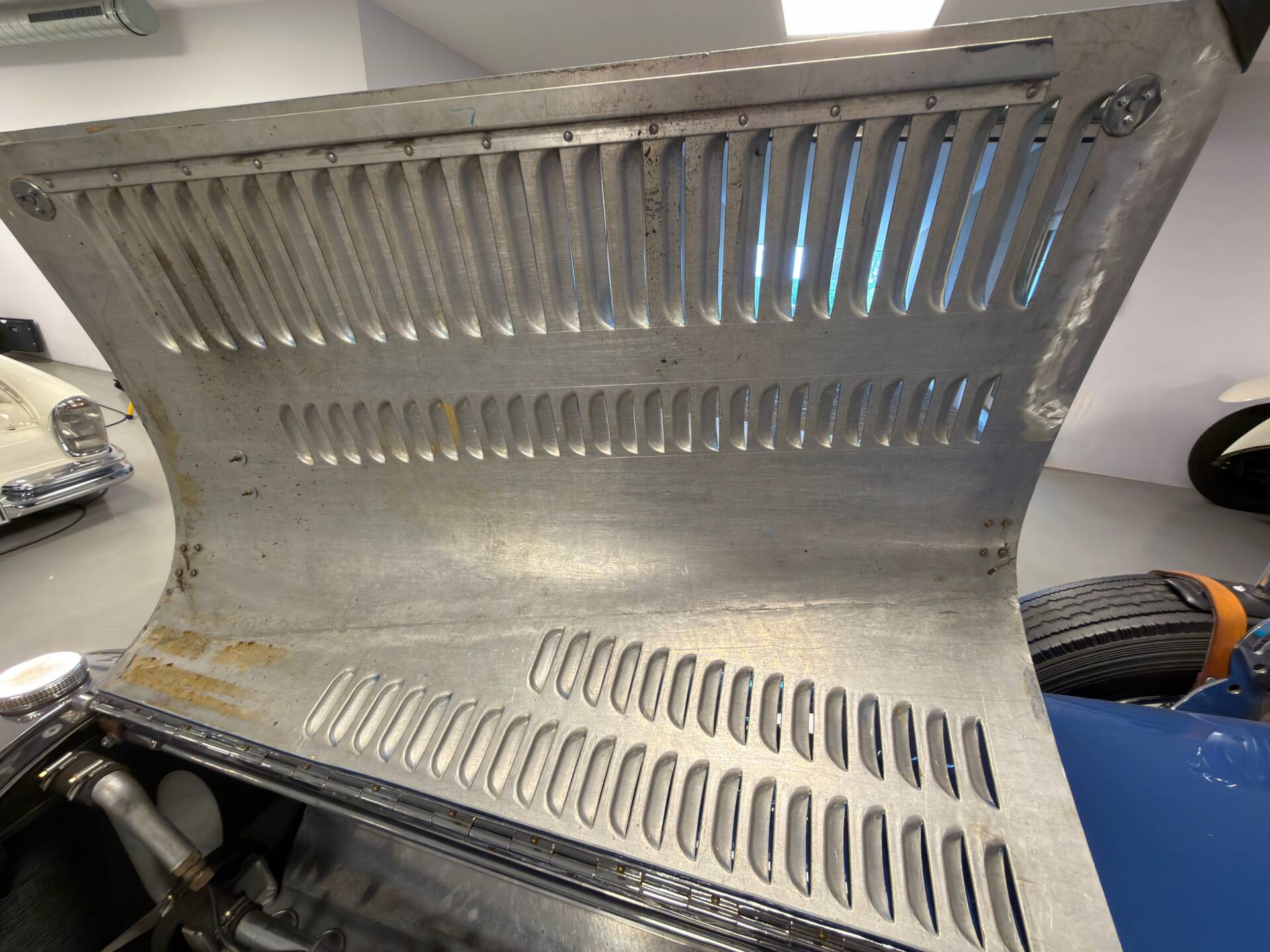
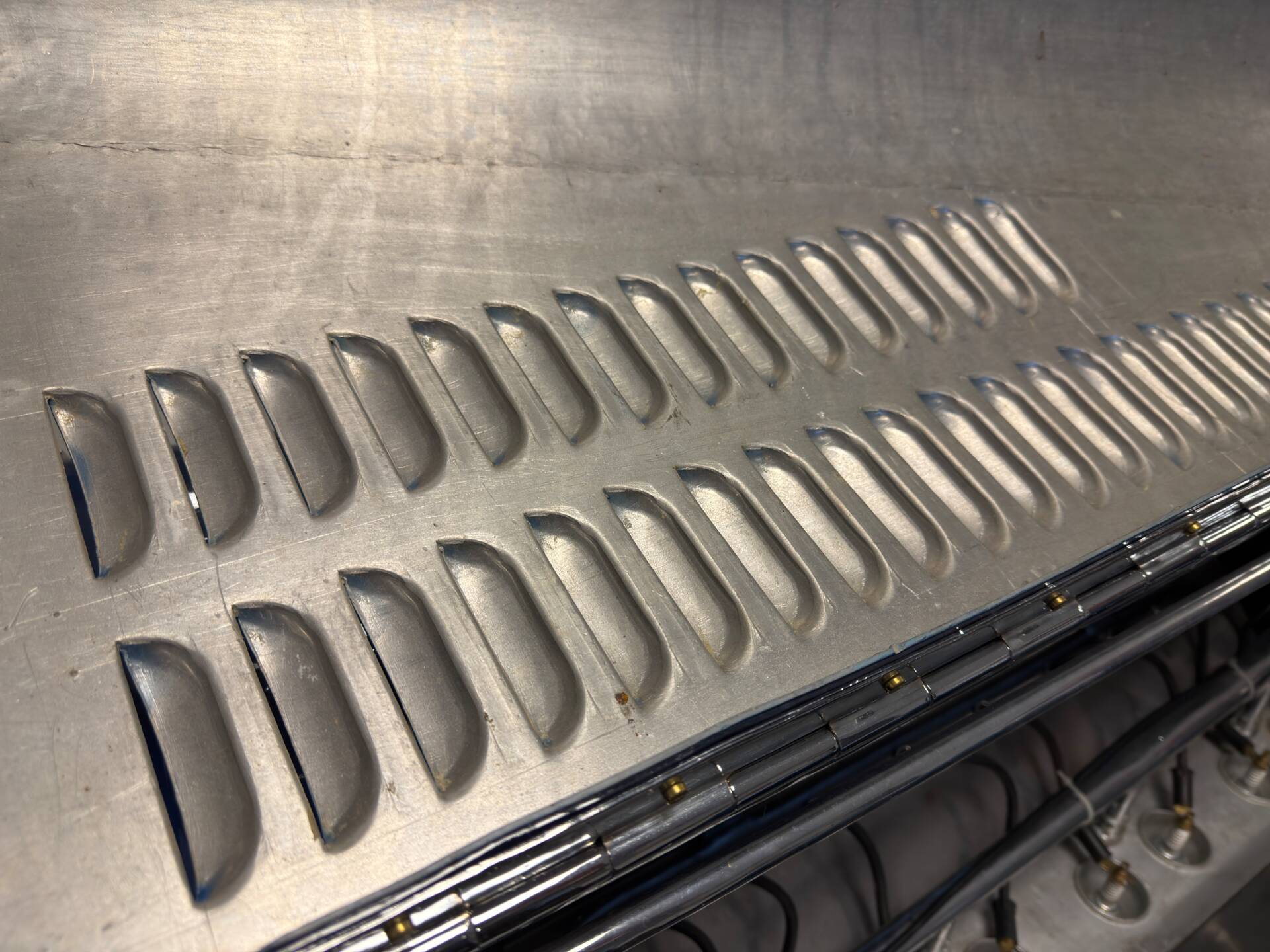
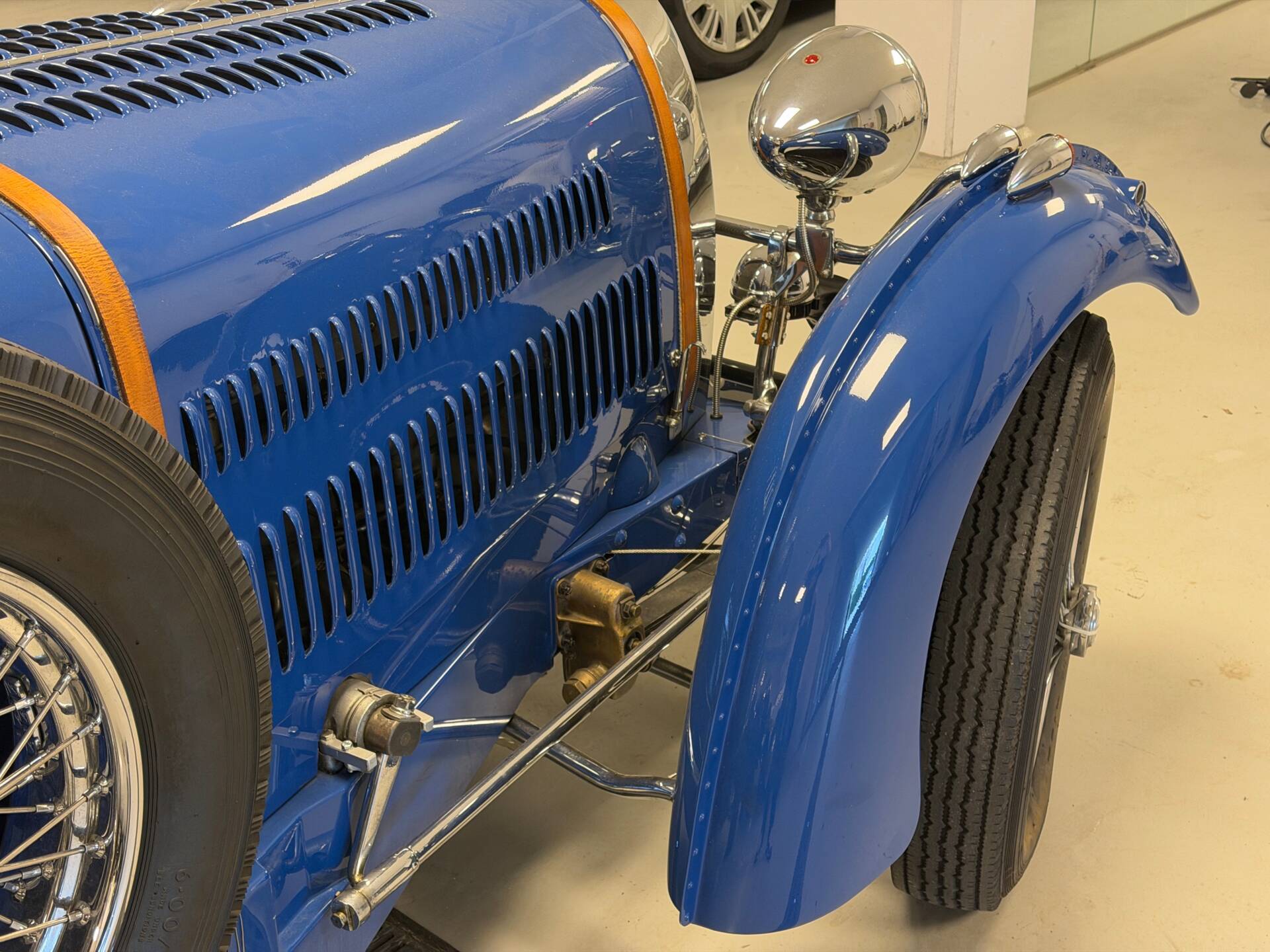
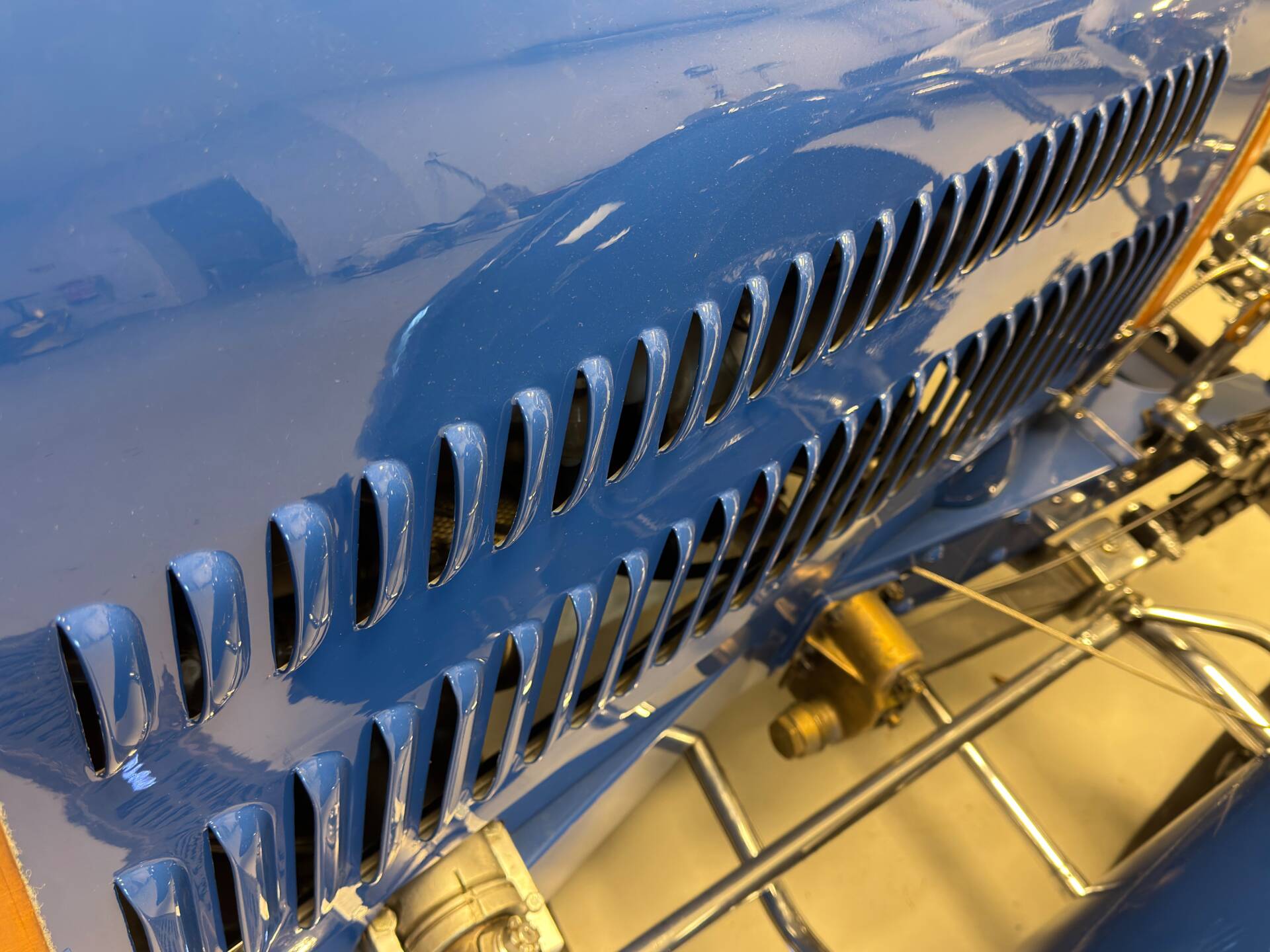
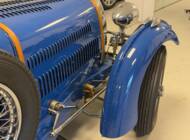
External identifying features of the first series are the freestanding headlights mounted on a support and the long, vertical ventilation slots on the engine hood.
Not only the example of the front suspension shows that the Type 57, built from 1934 to 1940 and very advanced in many respects, was hopelessly outdated in some details. Jean Bugatti also secretly had a prototype with an engine featuring a modified camshaft drive tested, but was unable to push through such a change.
Series 2
Bugatti Type 57 C Atalante Series 2 (1938)
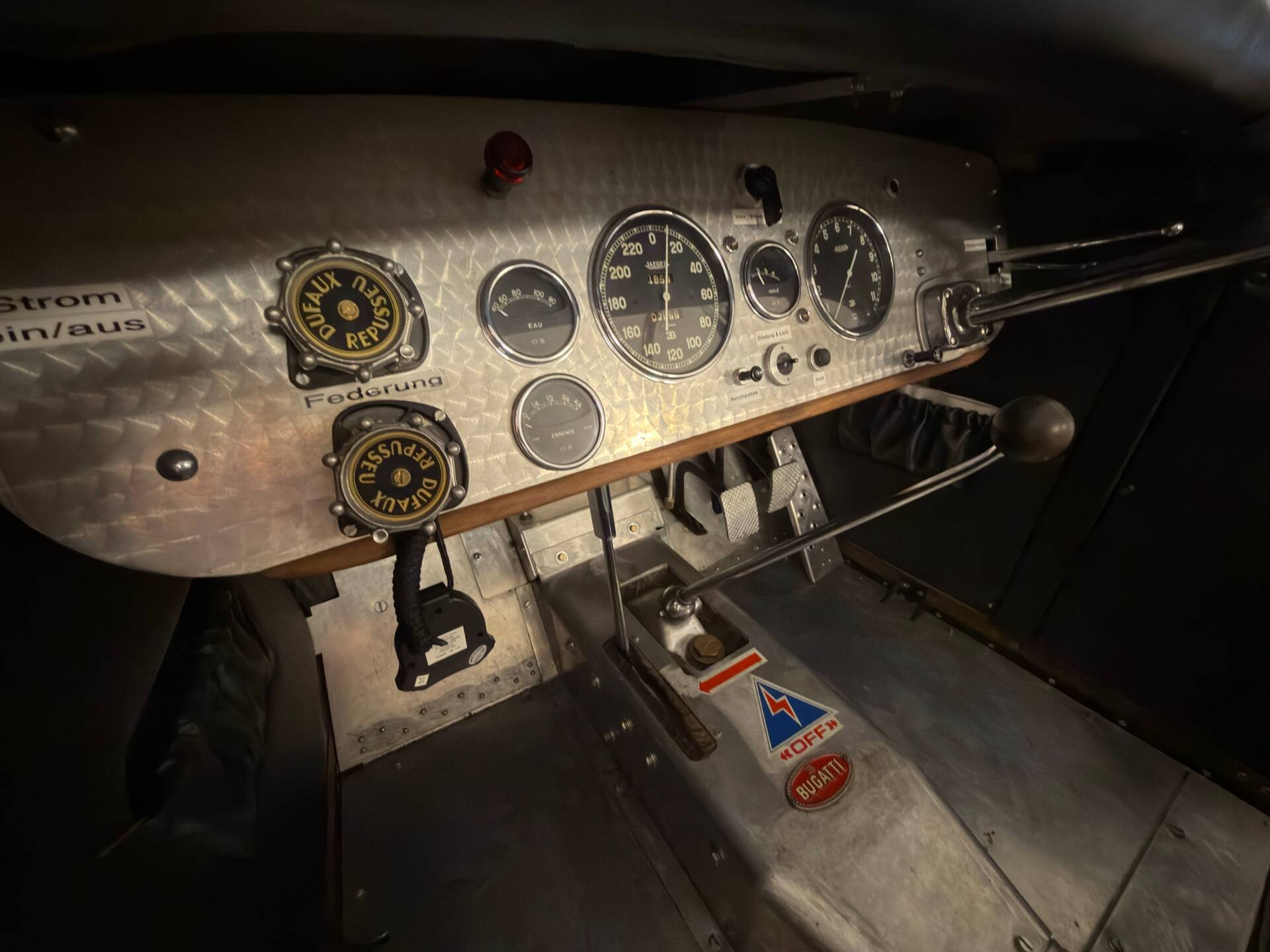
Introduced at the end of 1936, Series 2 received a more heavily dimensioned chassis. The engine block no longer had a structural function because it was mounted in rubber within the chassis; instead, there were more crossmembers. There was also a new exhaust manifold and more modern, less expensive telescopic shock absorbers from Alliquant, which were retrofitted to Series 1 vehicles upon request. The dashboard was redesigned as well.
The changes were accompanied by a revision of the bodies. The Stelvio, Ventoux, and Galibier variants in particular benefited from improved lines.
A heavily modified variant in the second series was the Type 57 S described further below.
Type 57 and 57 C Series 2 can be identified by the vertical ventilation slots on the engine hood, arranged in three horizontal rows. The radiator has thermostat-controlled shutters, and the headlights are mounted lower on the fenders without a support.
Series 3
Bugatti Type 57 C; 3rd Series; Stelvio Cabriolet (1939)
With Series 3, the Type 57 received hydraulically operated brakes from 1938. Bugatti’s technicians adapted the widely used Lockheed system to the Type 57 and equipped it with two master cylinders. The system could be retrofitted to older Type 57s.
Externally, the headlights, now integrated into the fenders, and two chrome elements that replaced the front bumper were noticeable. They were shaped like elongated drops tapering toward the outside. The horn was also integrated into them.
The modernization looked attractive and aerodynamic and was also suitable for the older series. Numerous Type 57s were modernized in this way by the factory or in authorized workshops.
This made sense given the high vehicle prices and taxes on new cars, but makes identification difficult today.
In 2005/2006, the restoration that had been started was continued and completed. As part of the restoration, the frame was shortened by Paul in accordance with the submitted invoice dated 16.11.2005. According to the submitted invoice from Ganslmeier dated 20.12.2005, the engine was fully and professionally restored.
This description has been automatically translated. Original language: German.
-
Condition & Registration
Note (Condition) 2 Report provider Kukuk / Schwadorf BVSK Historic license plate Registered Ready to drive Accident-free Vehicle-ID: 468264 Dealer Vehicle-ID: Bugatti Type 57 TT - Torpedo
Dealer-Imprint
Aukamm Consulting
Sudetenstr. 55
65239 Hochheim am Main
+49 160 5826060
Thomas Aukamm
Seller
65239 Hochheim am Main
65239 Hochheim am Main