


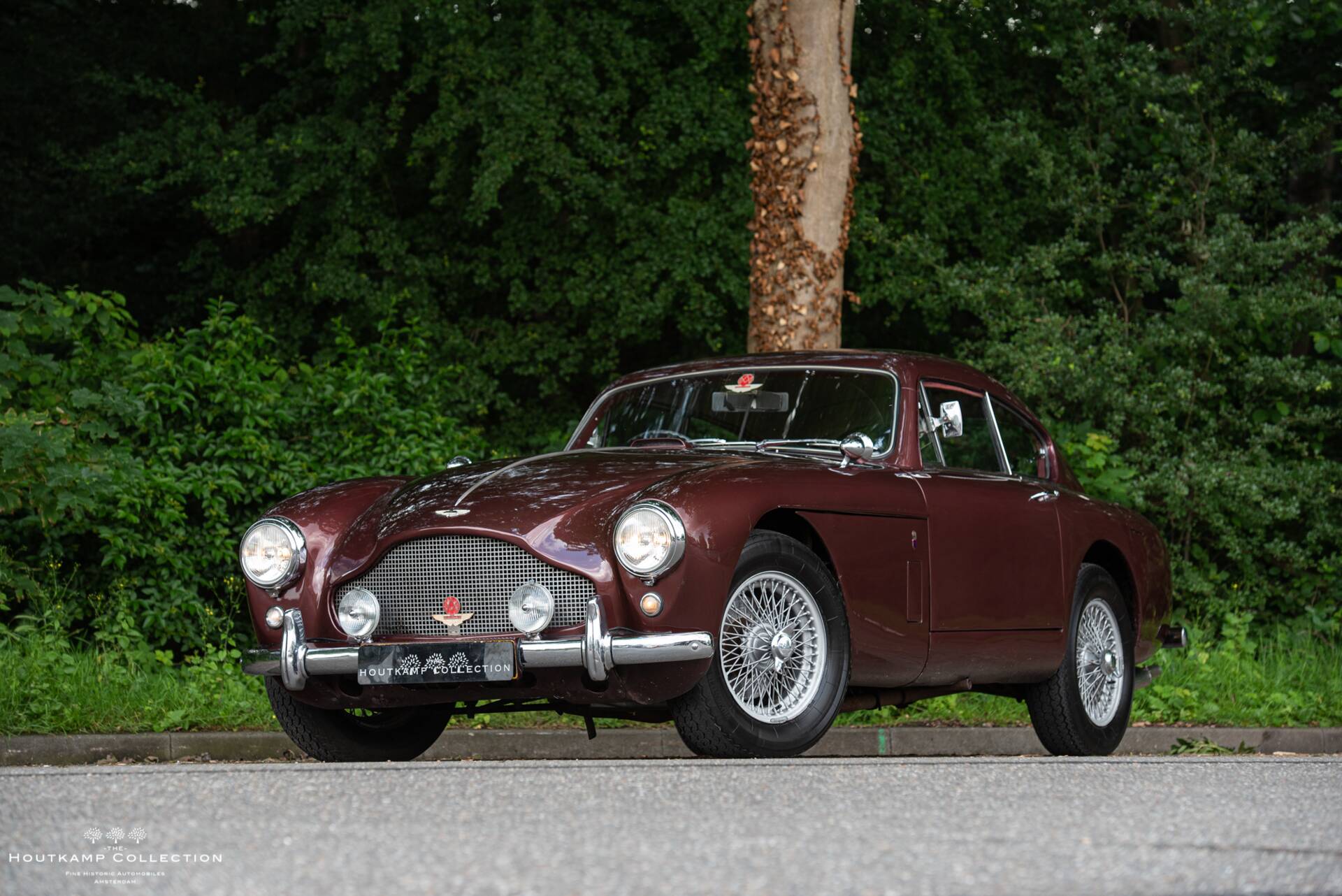
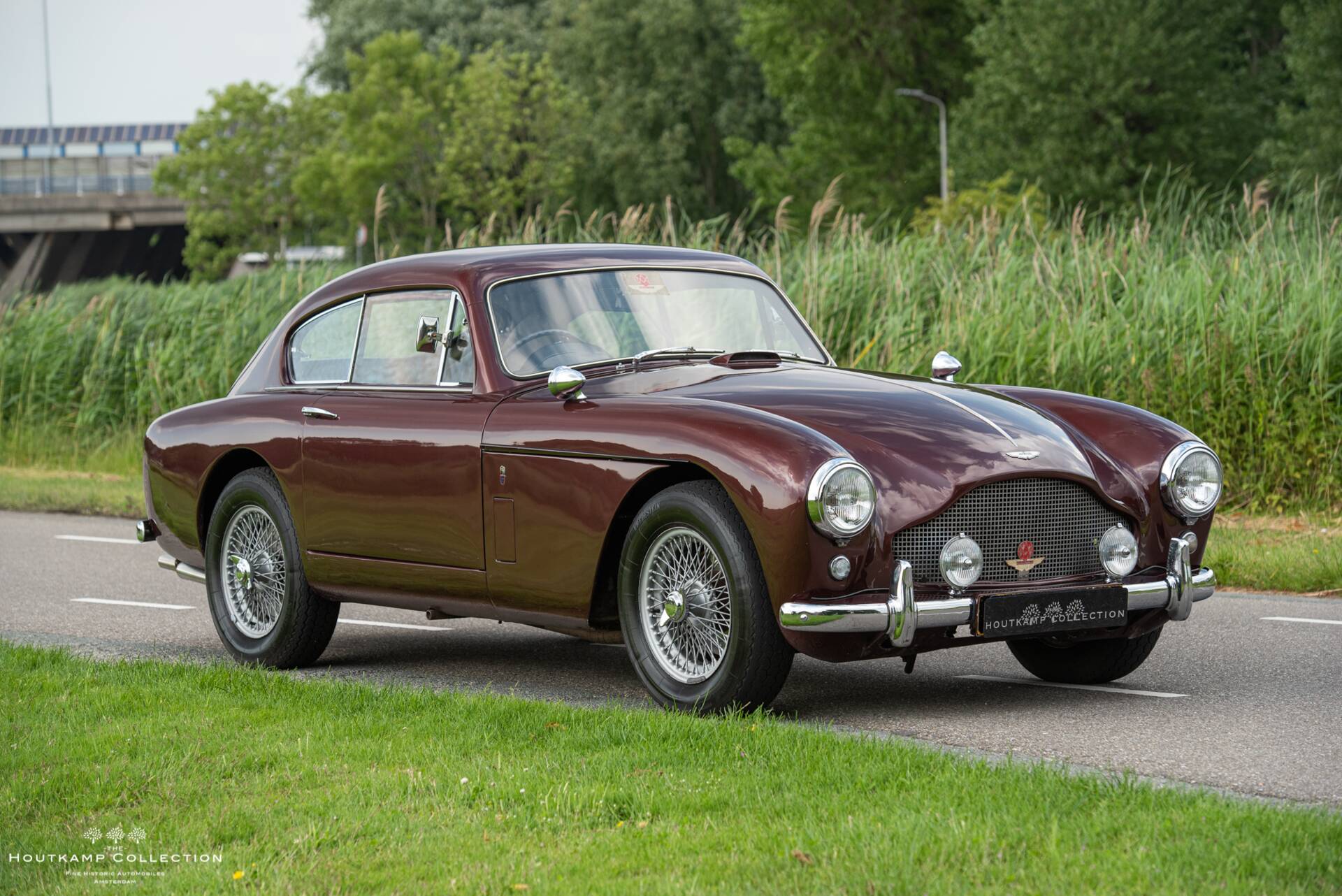
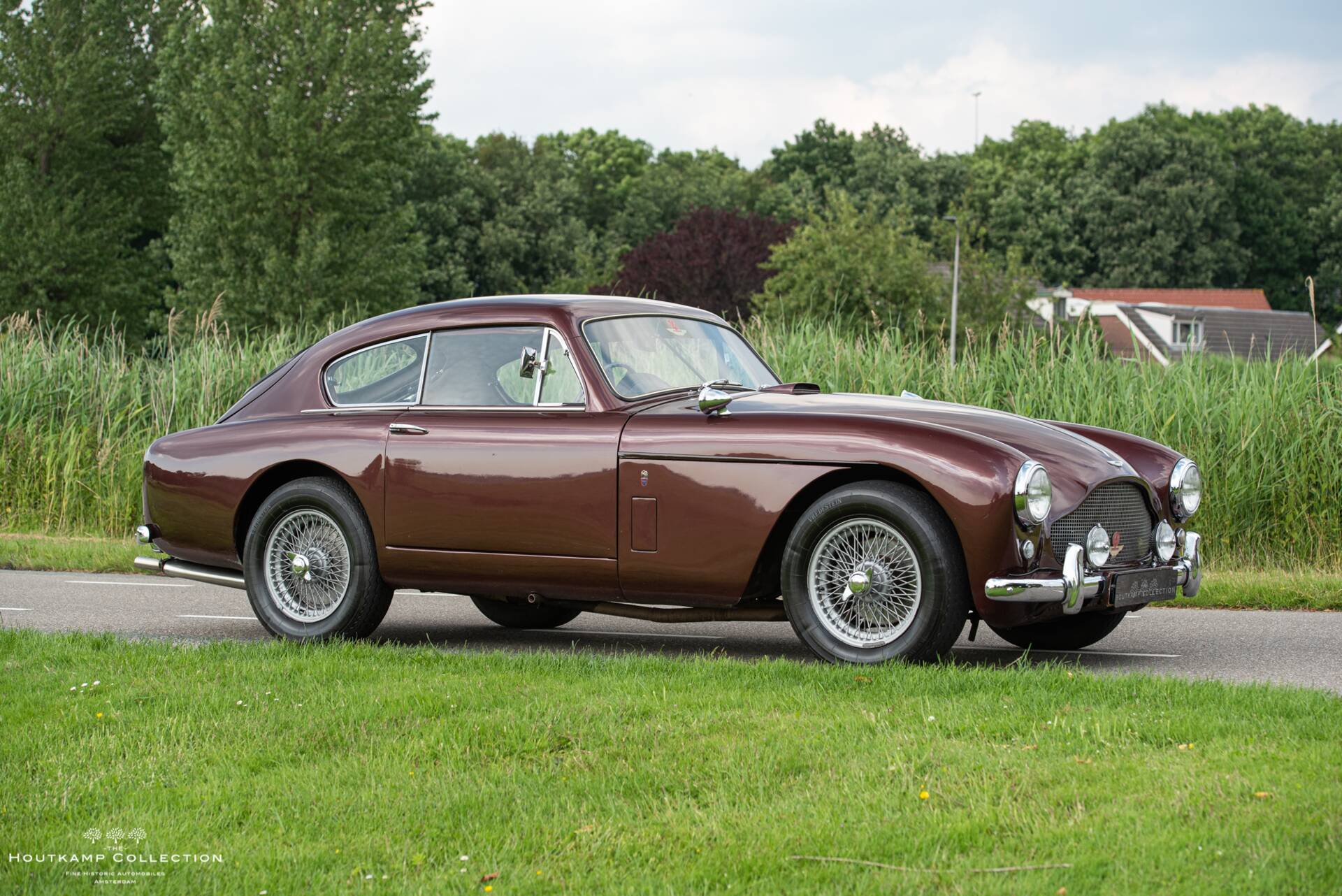
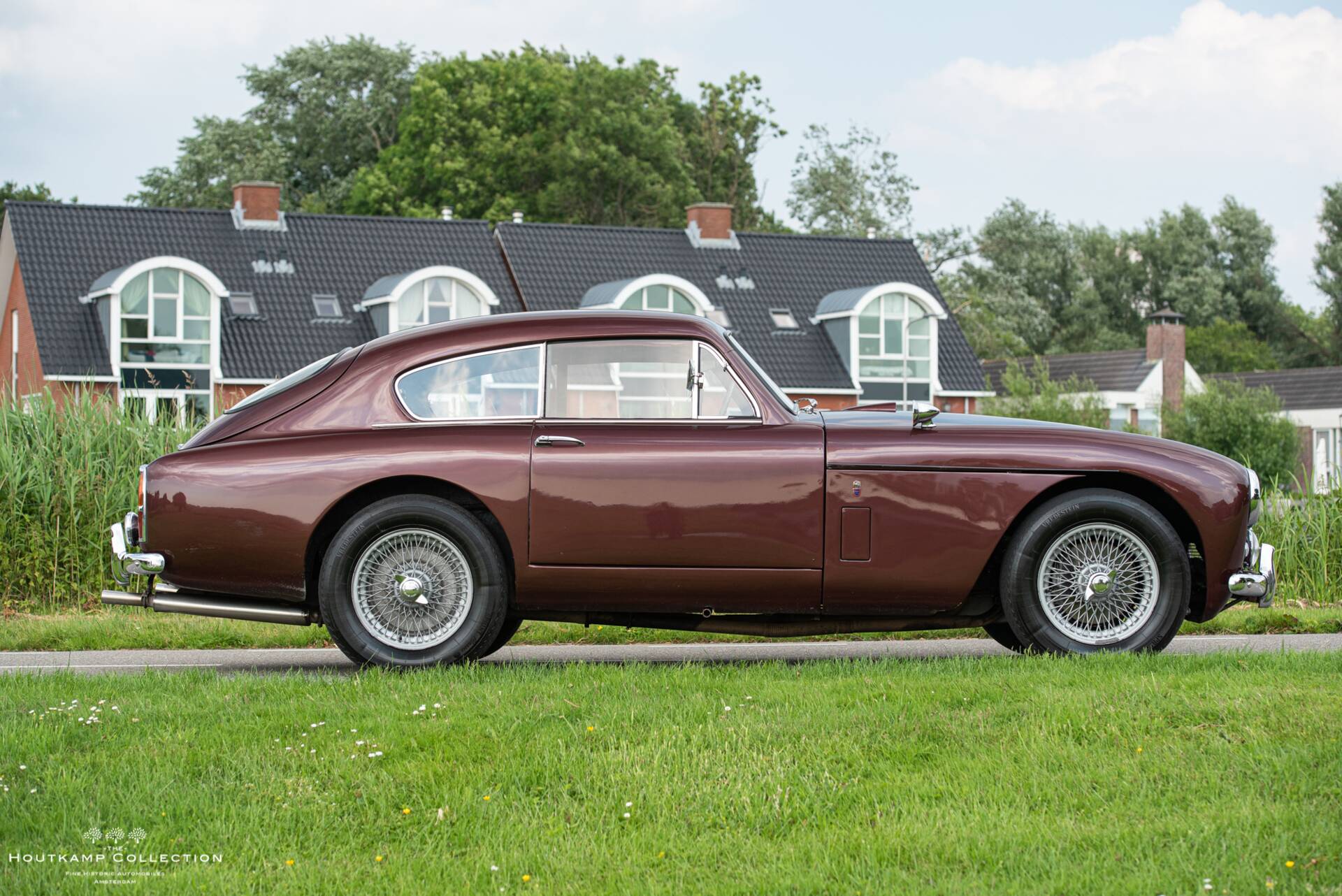
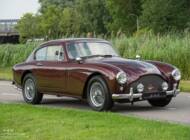
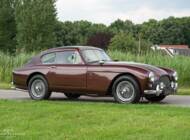
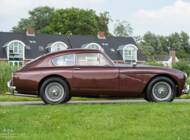
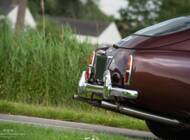
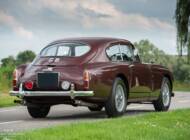
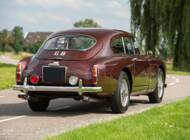
One of 462 MKIII Hatchback (2+2)

The Houtkamp Collection

-
Vehicle details
Vehicle dataMake Aston Martin Model DB 2/4 Model name DB 2/4 Mk III Series Mark III Year of manufacture 1958 Technical detailsBody style Coupe Body detail Coupe Power (kw/hp) 119/162 Cubic capacity (ccm) 2 922 Cylinders 6 Steering Right (RHD) Transmission Manual Fuel Petrol Individual configurationExterior colour Brown Interior colour Beige Interior material Leather
Description
With just 551 examples produced, the DB Mark III is among the rarer post-war Aston Martins
The MK III introduced Aston Martin’s distinctive new radiator grille, inspired by the racing DB3S
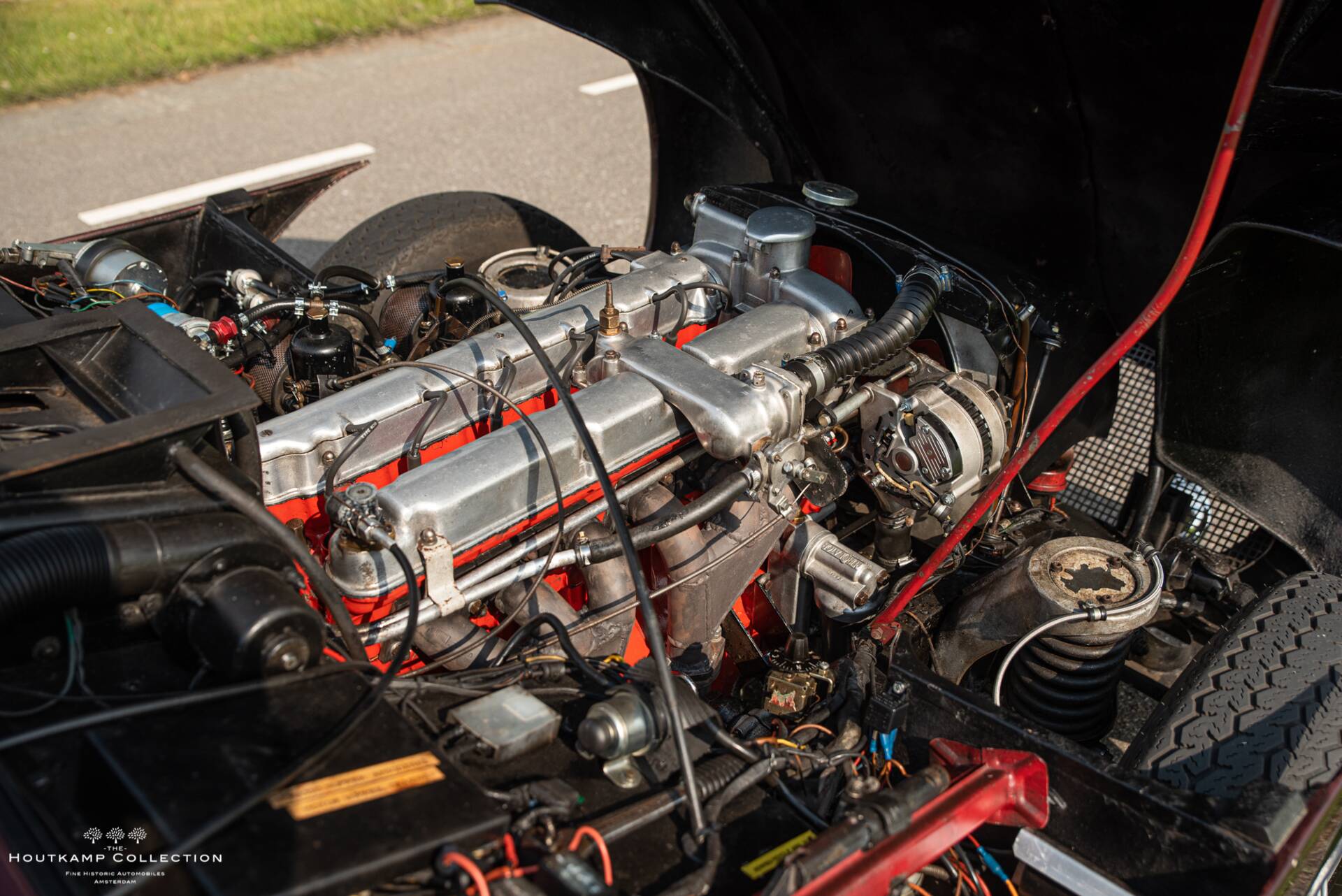
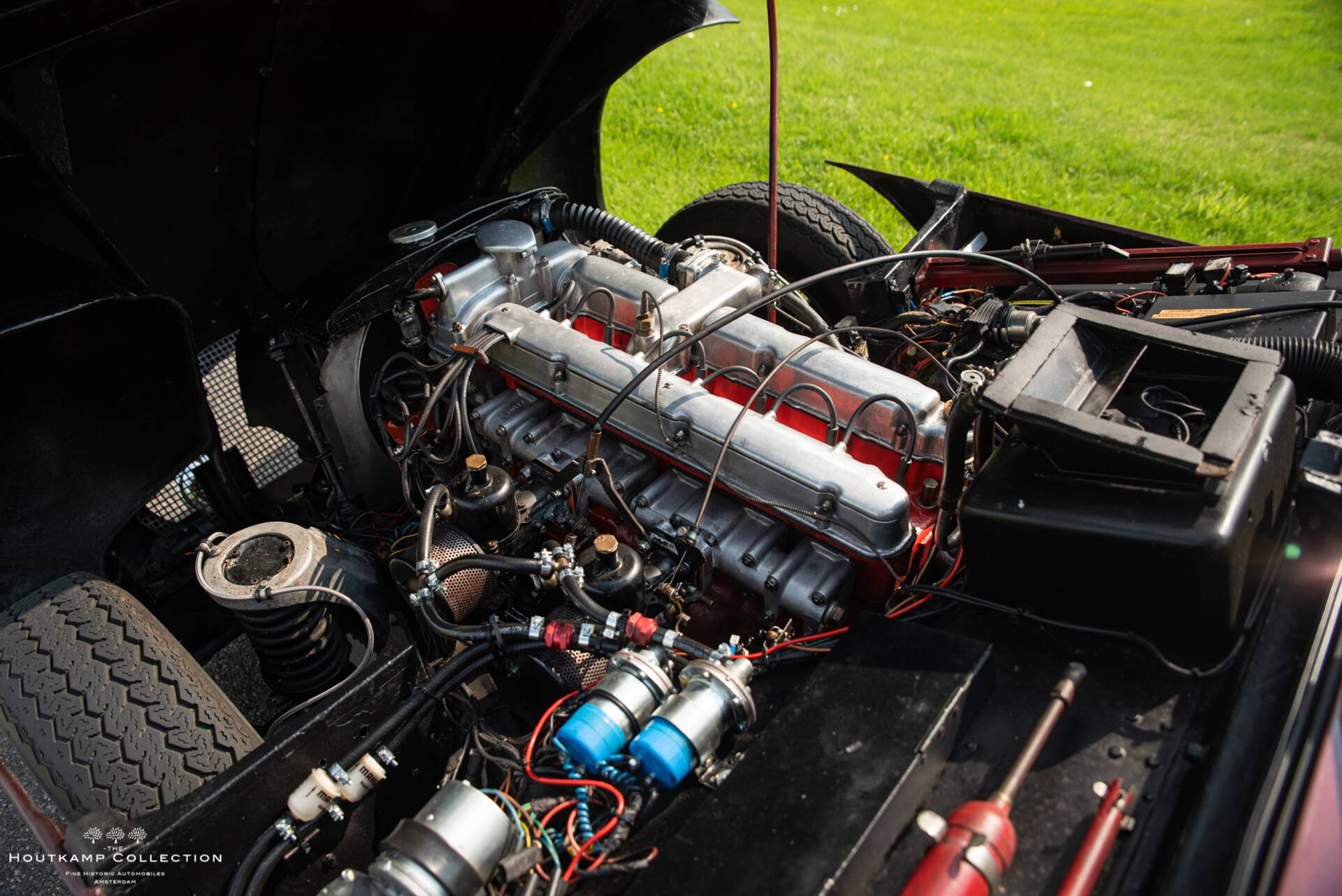
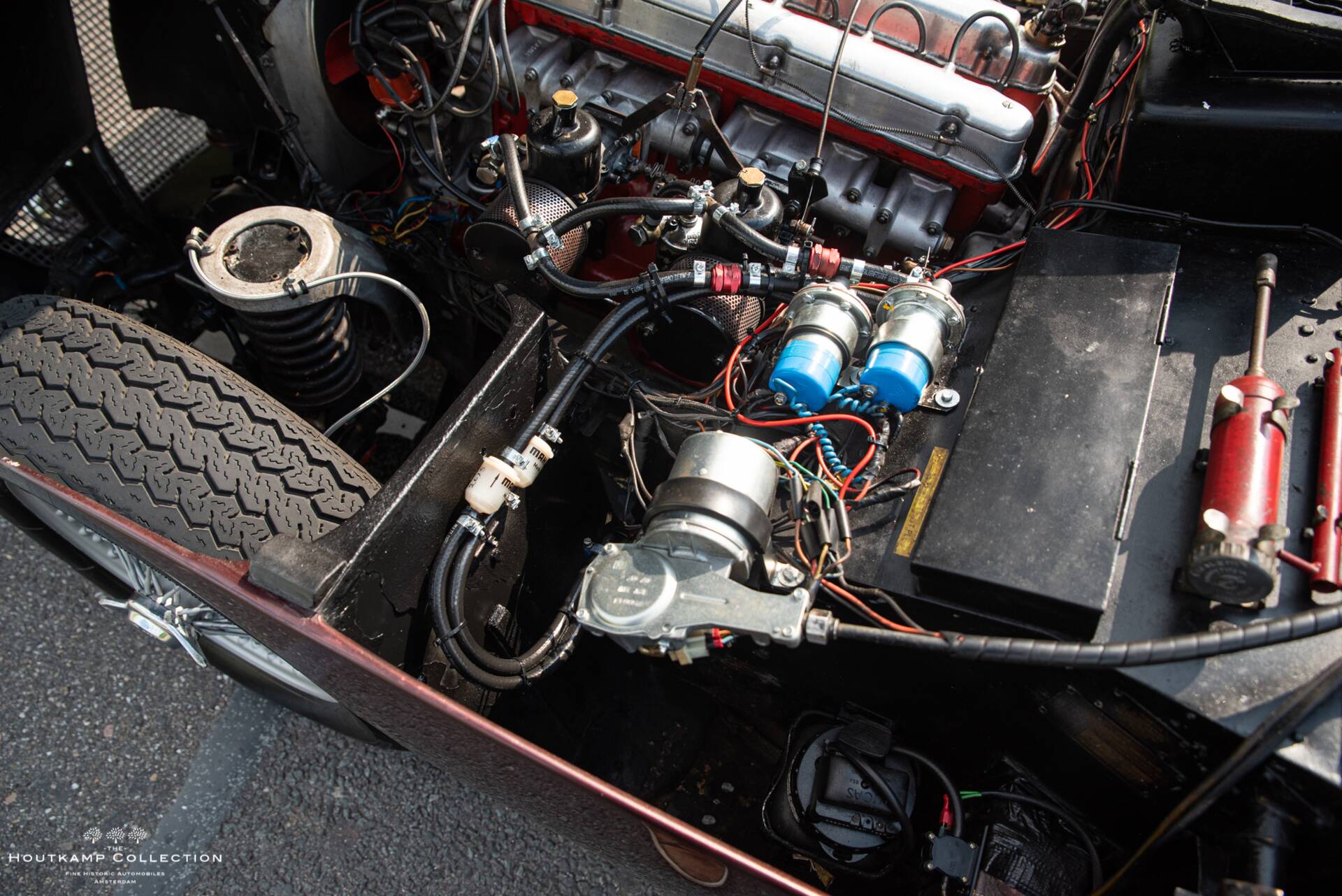
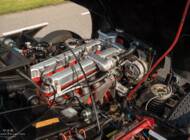
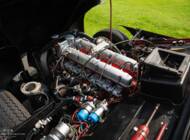
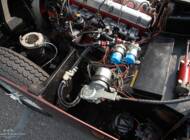
2,922 cc twin-cam six-cylinder engine
The first Aston Martin model associated with James Bond, before the DB5 became a cinema legend
Equipped with front disc brakes
A driver-focused example with participation in a variety of rallies
Its participation in rallies and motoring events meant that it was routinely prepared and maintained to perform reliably, with any mechanical issue addressed whenever necessary
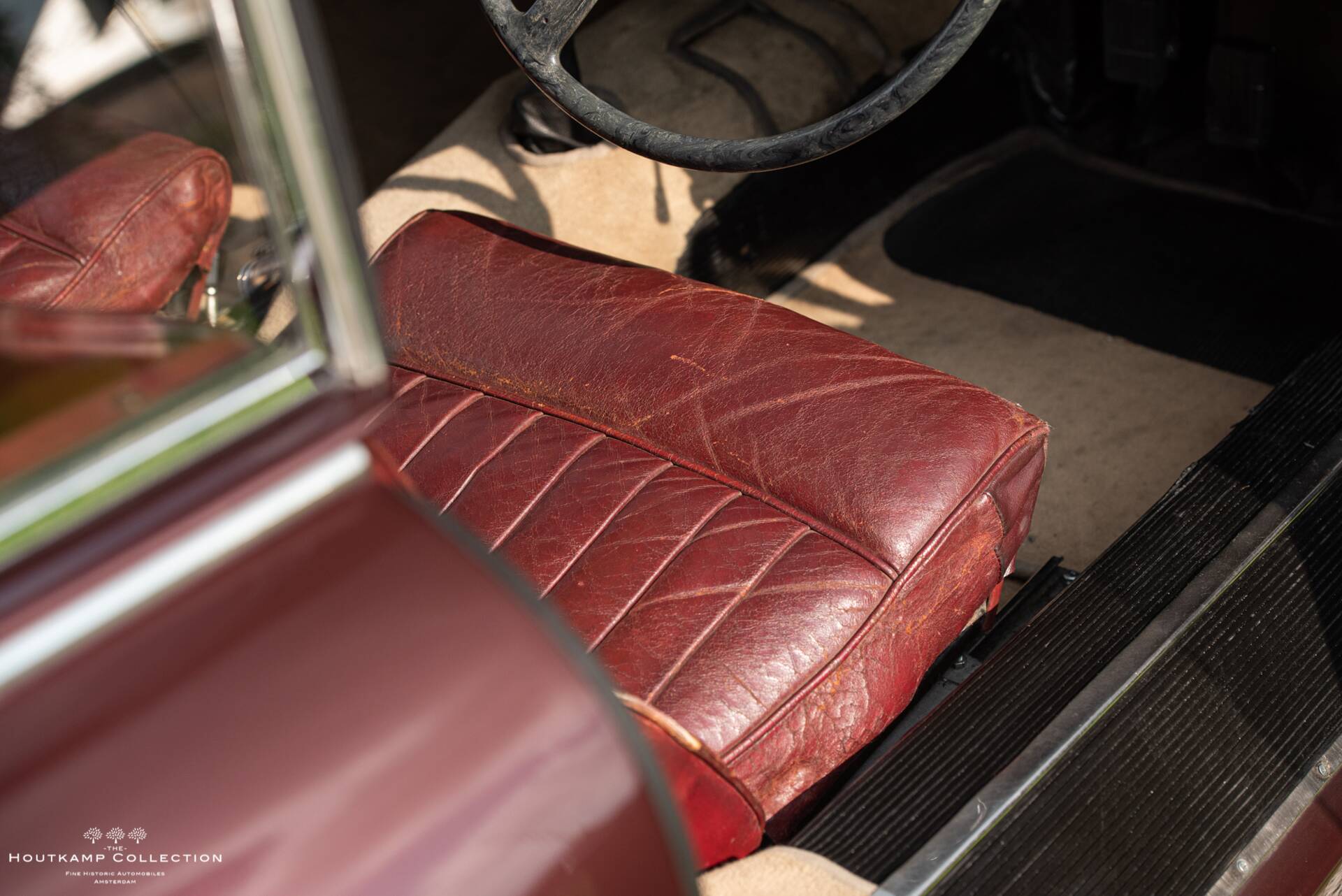
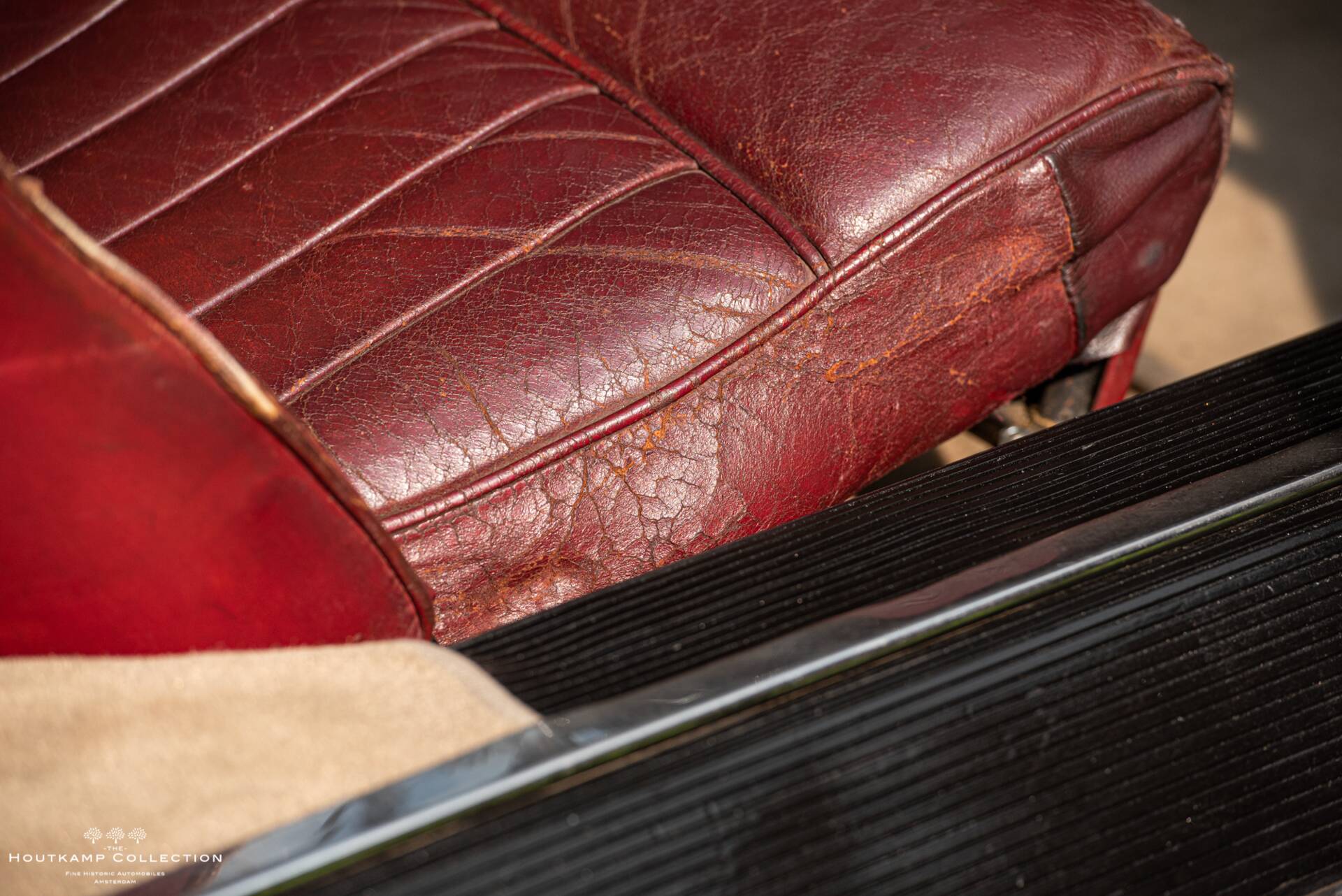
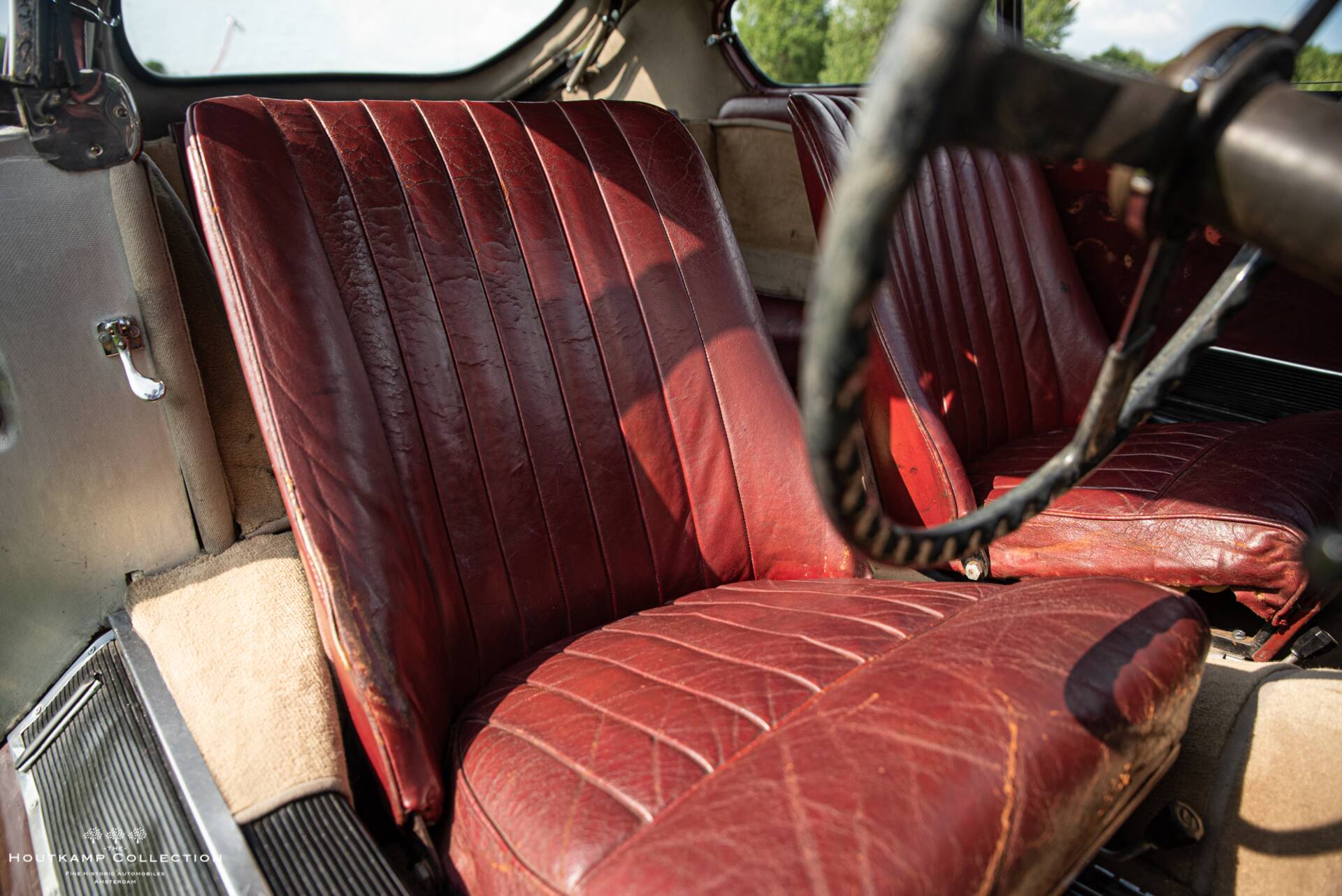
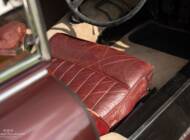
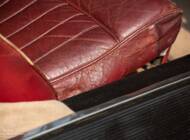
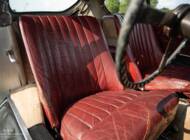
The leather seats appear to retain their original upholstery, an increasingly rare and highly valued feature
Between 1955 and 1960, Aston Martin experienced one of the most important periods in its history.
Under the ownership of industrialist David Brown, the small British manufacturer was evolving from a specialist sports-car company into one of the world’s most prestigious makers of high-performance Grand Tourers.
In 1955, the company introduced the DB2/4 Mark II, an evolution of the successful DB2/4.
It retained the elegant 2+2 concept and the unusual rear hatch, while receiving a number of styling and mechanical refinements.
The DB2/4 Mark II remained in production until 1957, when Aston Martin presented its most refined development of the original DB2 family: the DB2/4 Mark III, usually known simply as the DB Mark III.
Introduced in March 1957, the DB Mark III represented much more than a simple facelift.
Its most important visual feature was the elegant new radiator grille inspired by the racing DB3S and designed by Tickford’s Bert Thickpenny.
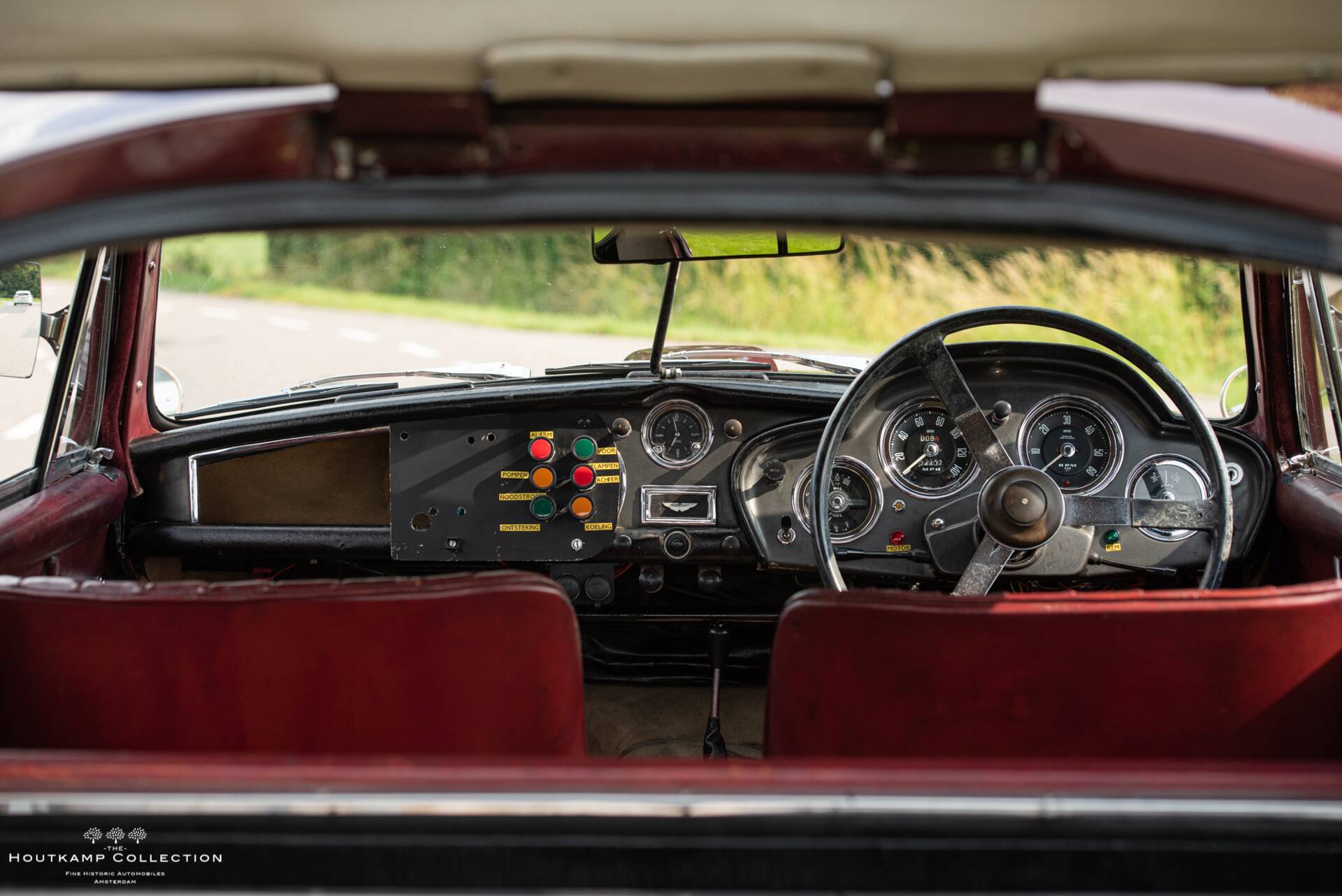
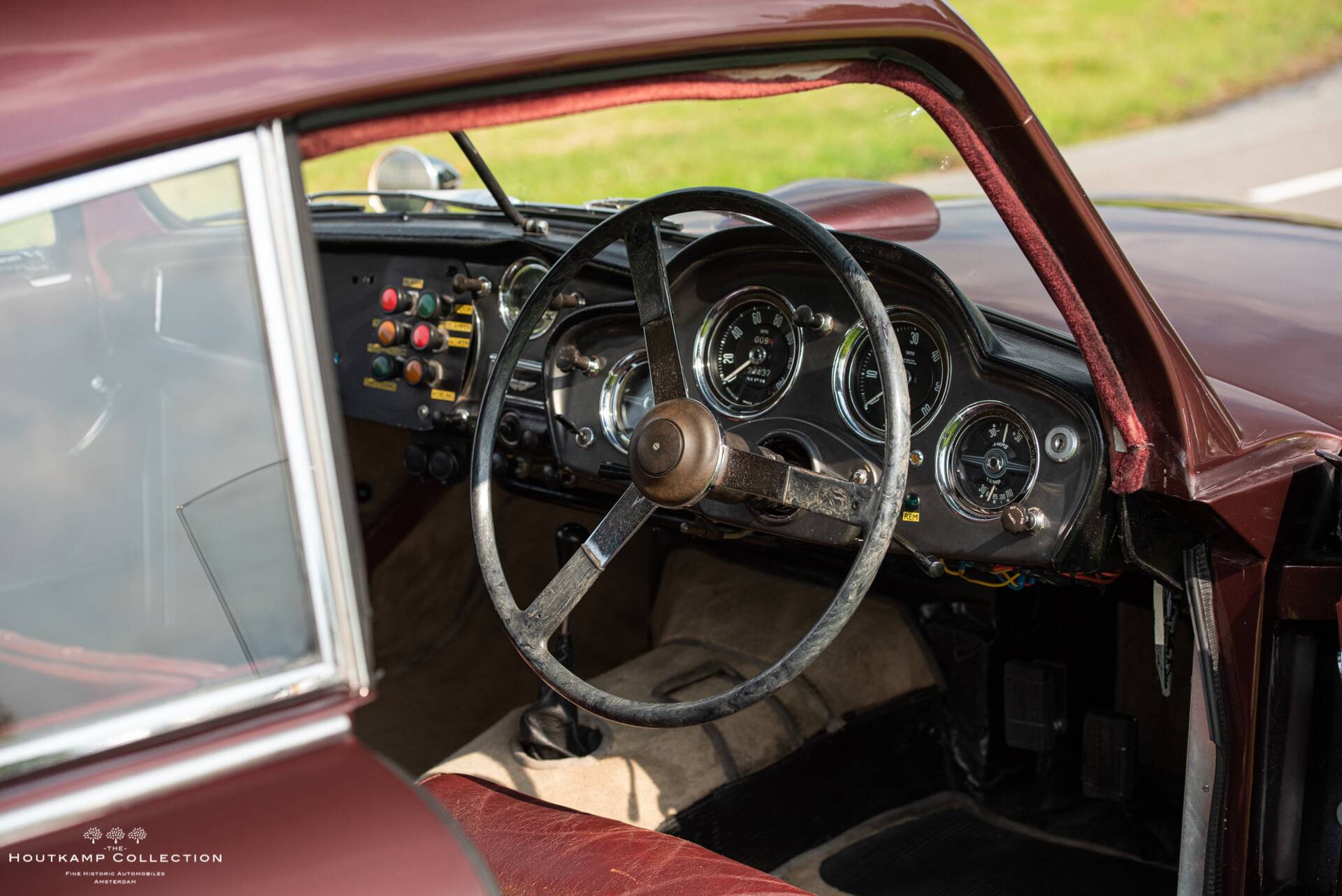
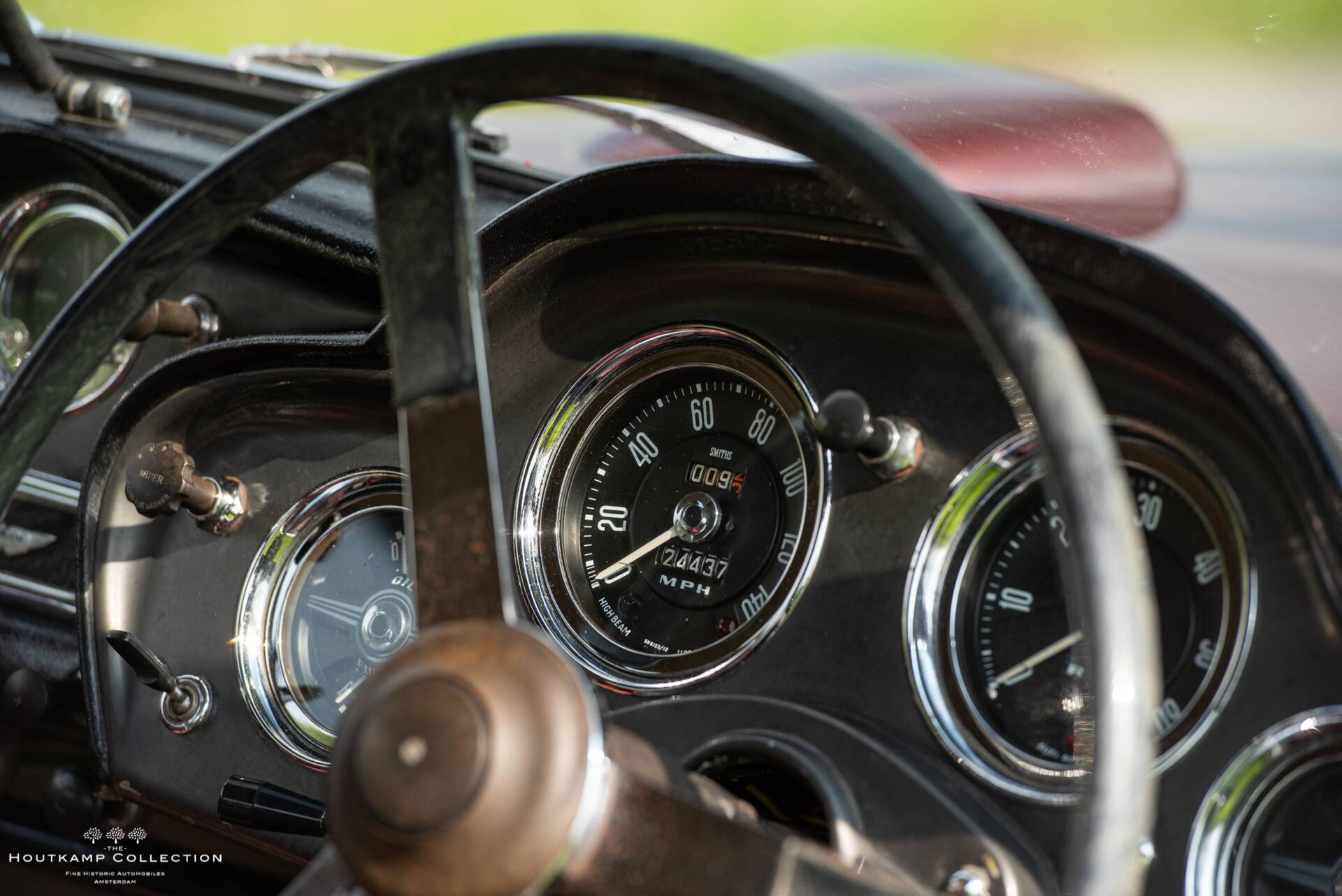
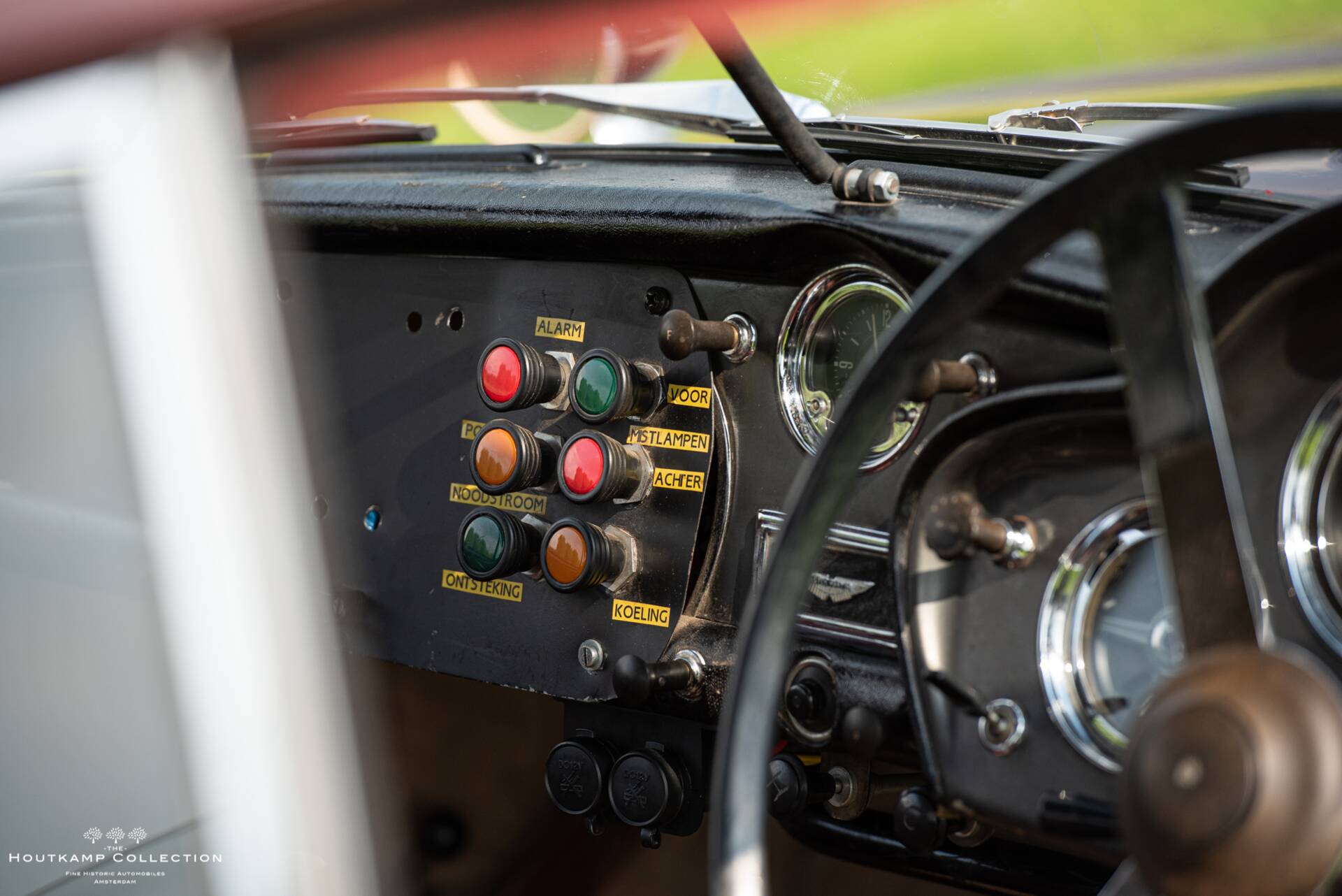
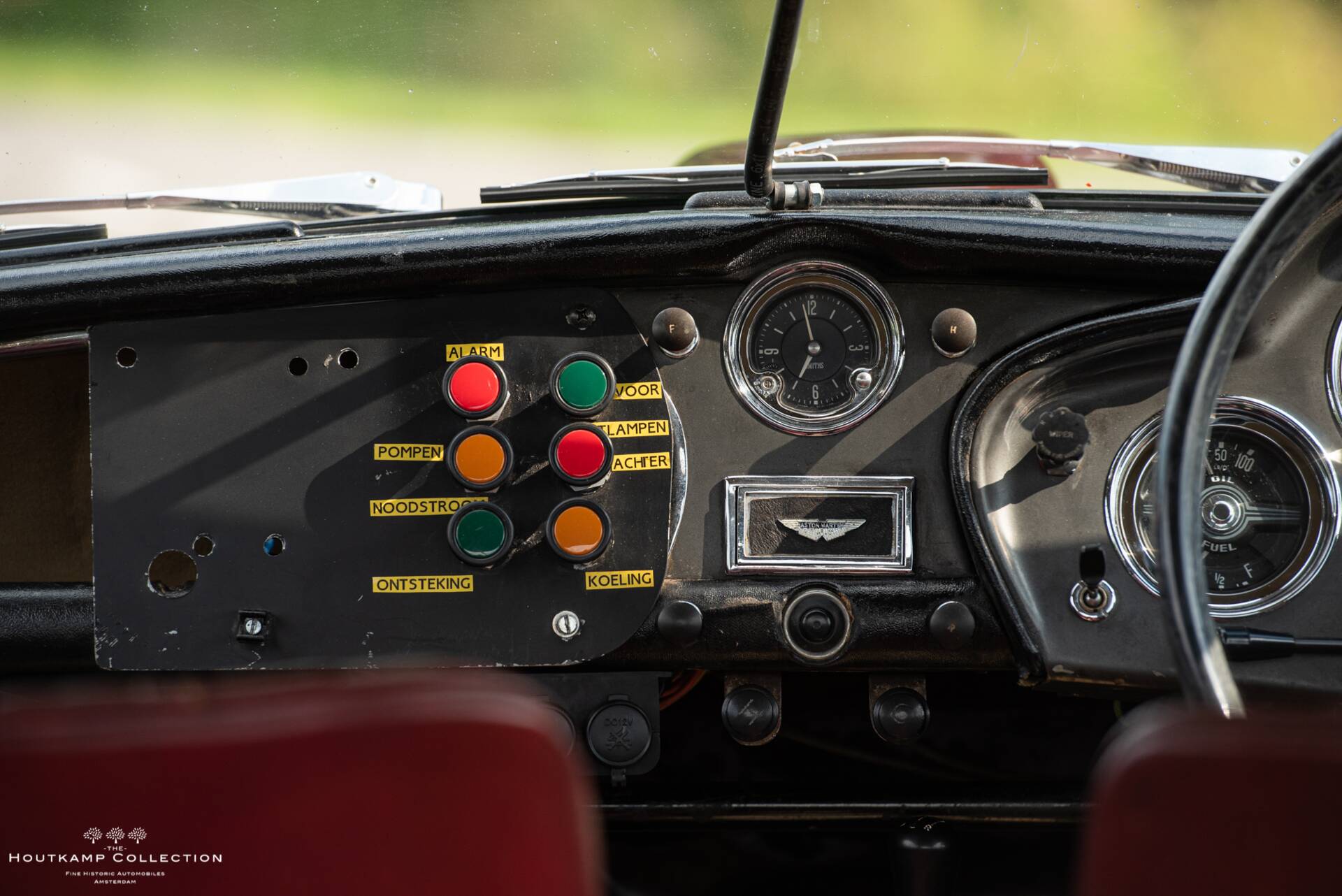
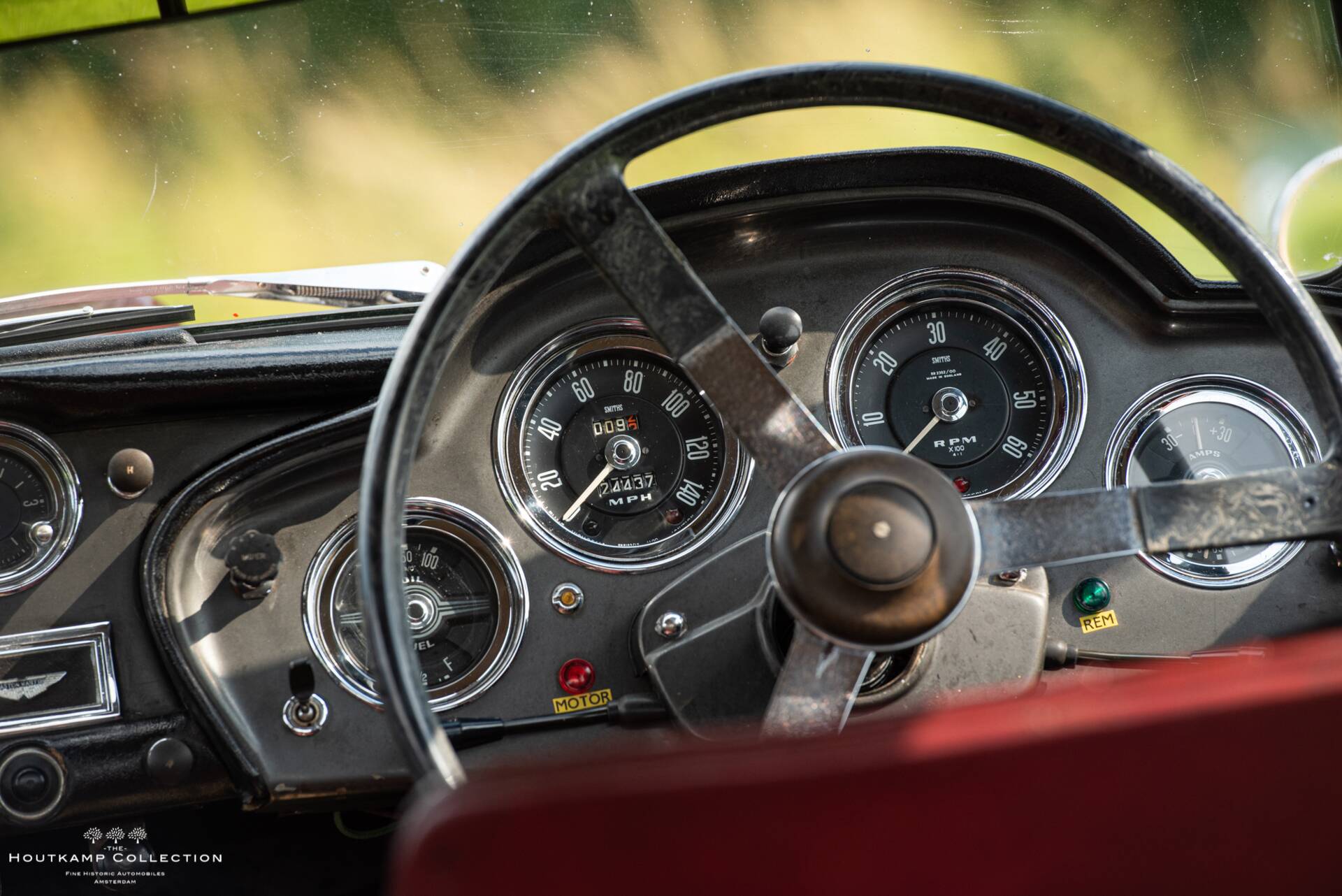
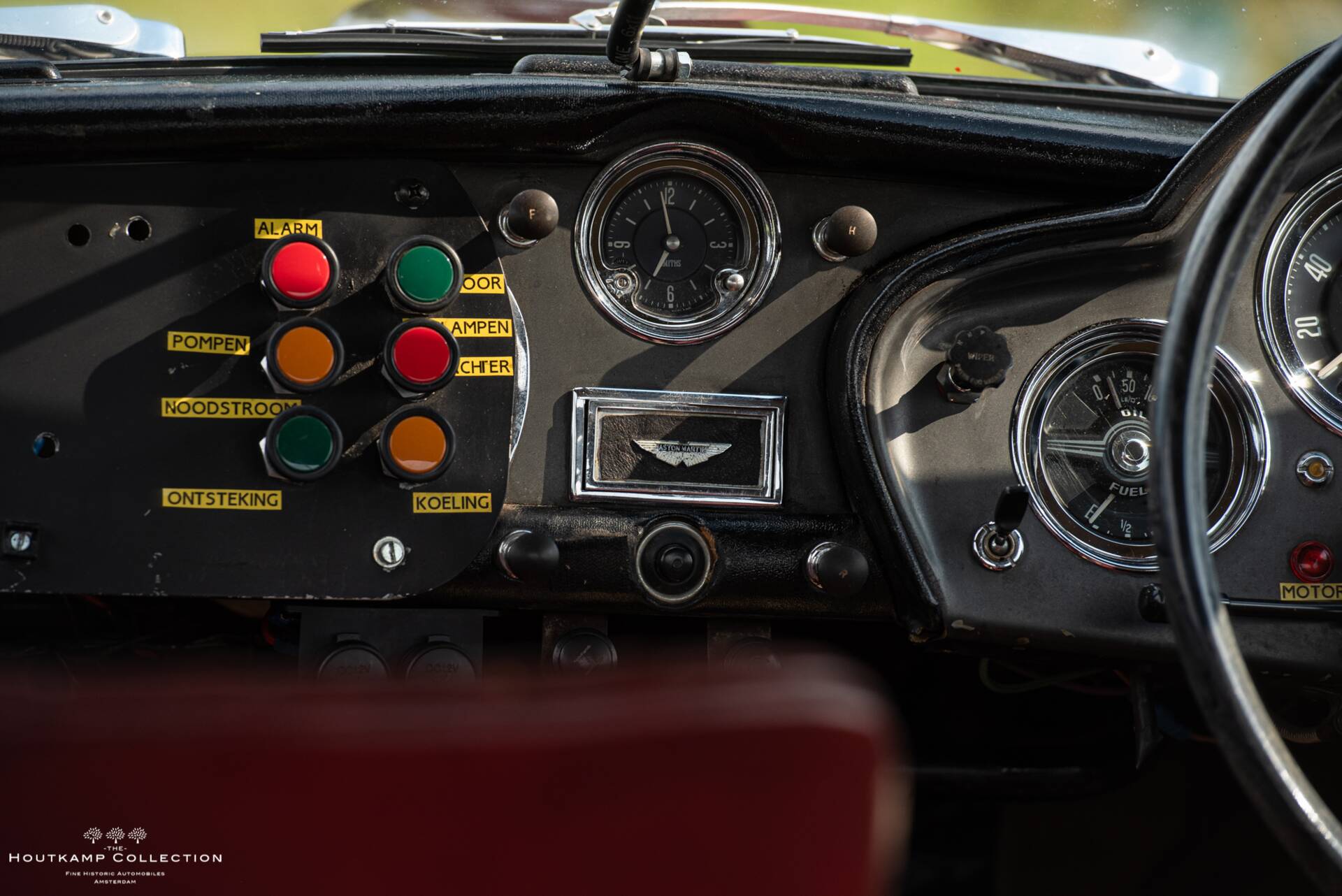
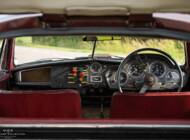
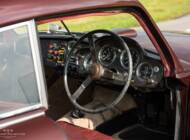
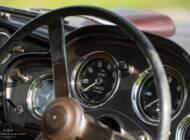
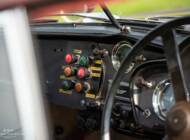
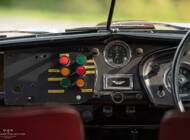
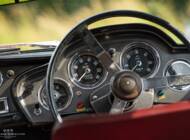
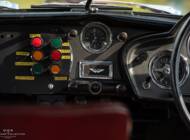
The dashboard was redesigned as well, with the main instruments grouped directly in front of the driver.
Under the bonnet was the famous 2,922 cc Lagonda-derived twin-cam straight-six, extensively redesigned by Polish engineer Tadek Marek.
Performance was impressive for a luxury road car of the late 1950s. In standard form the Mark III was capable of approximately 120 mph (193 km/h), with 0–60 mph taking around 9.3 seconds.
The DB Mark III was produced from 1957 until July 1959, overlapping briefly with its successor, the DB4.
Just 551 examples were built, making it a rare automobile even by Aston Martin standards.
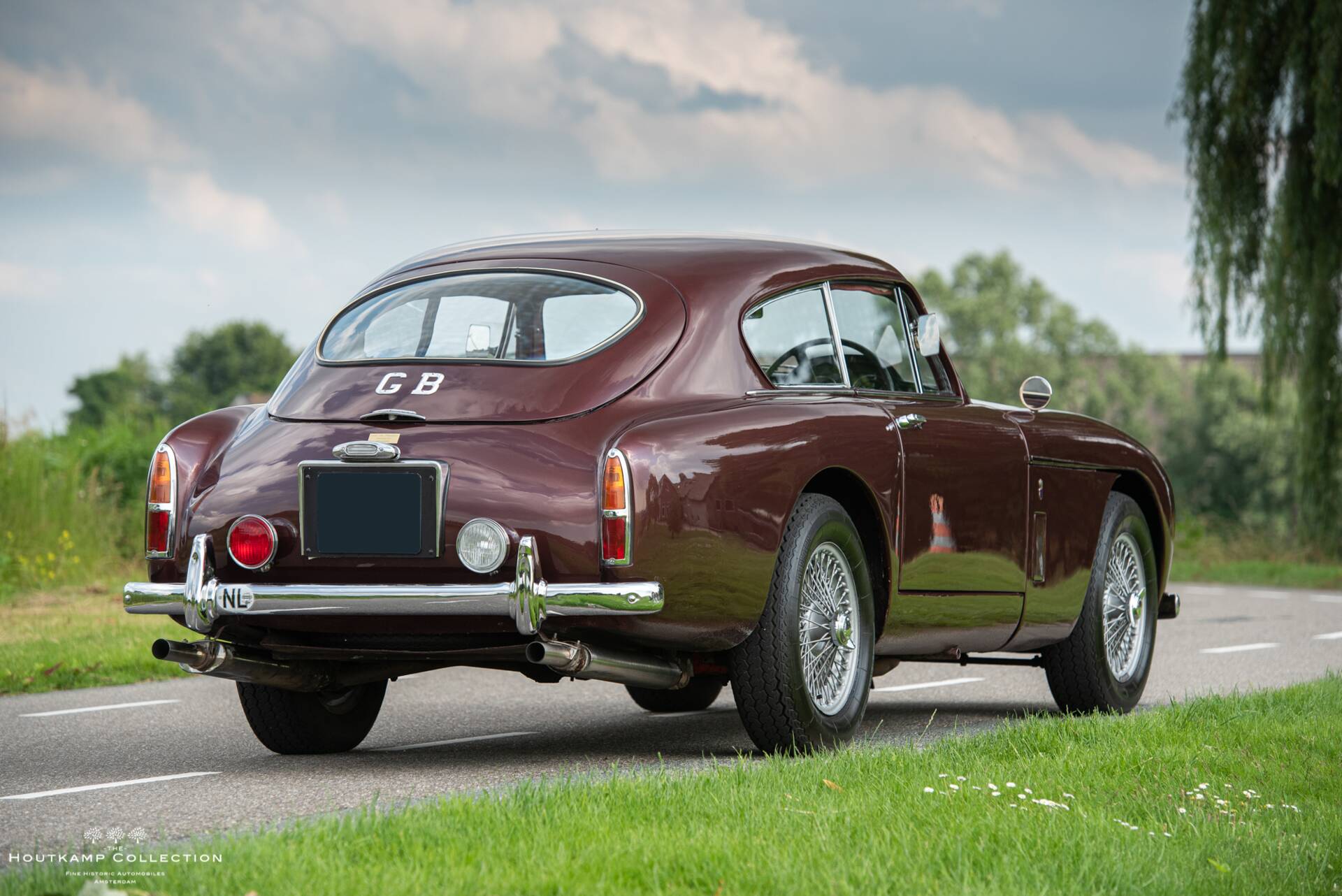
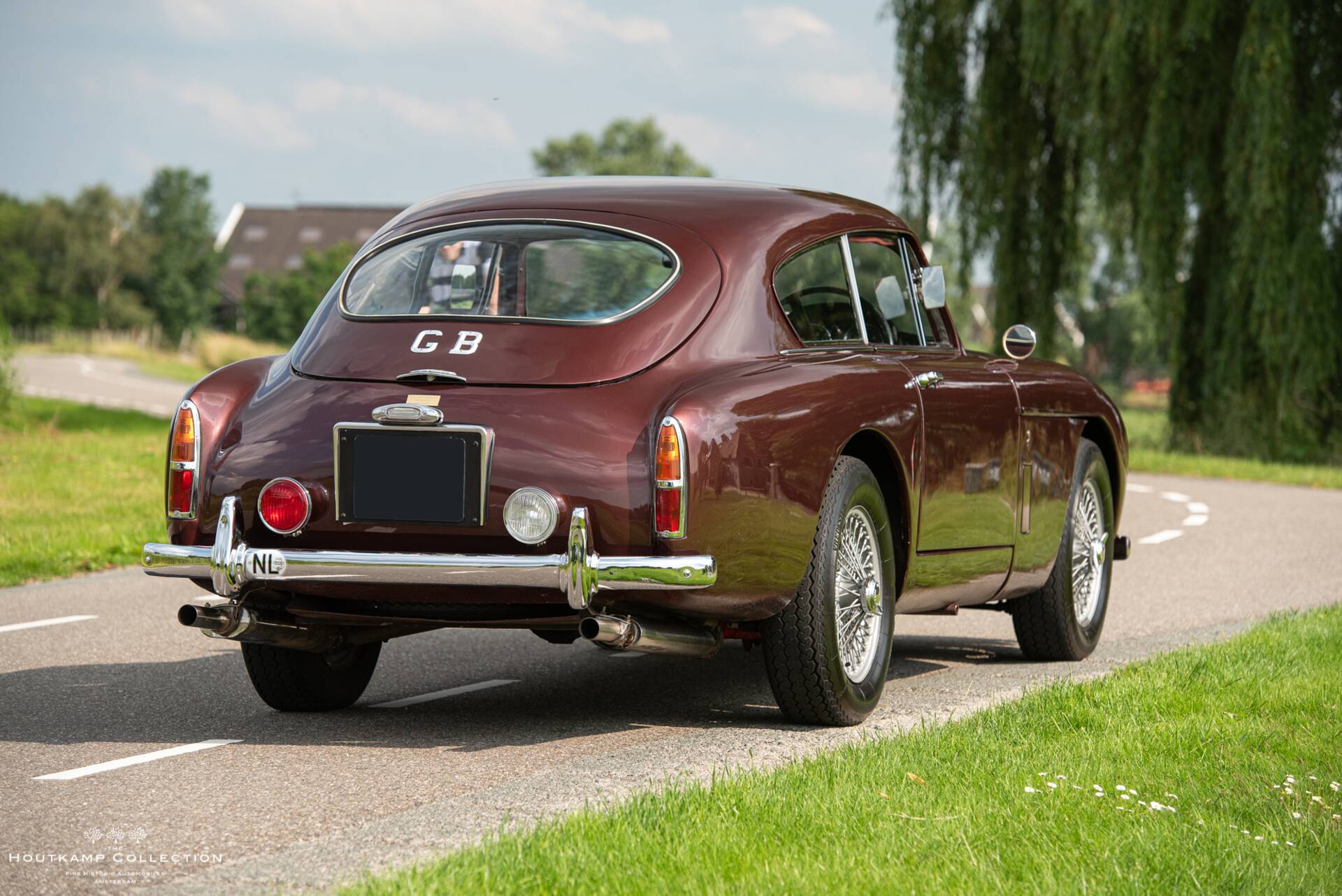
Approximately 462 were 2+2 saloons, with their distinctive rear hatch, while 84 were elegant Tickford Drophead Coupés and only five Fixed Head Coupés were produced.
There is also an important connection with James Bond. Before the DB5 became a cinema icon, Ian Fleming gave Bond an Aston Martin in the 1959 novel Goldfinger.
The car was a DB Mark III, described by Fleming as a “DB III”, making the Mark III the first Aston Martin associated with James Bond.
By 1960, Aston Martin had entered the modern DB4 era, but the DB2/4 Mark III remained a particularly significant chapter in the company’s history.
ABOUT THIS SPECIFIC EXAMPLE
This particular Aston Martin DB Mark III, was first registered on 5 March 1958 in the UK.
On 21 March 1996, the car was first registered in the Netherlands, beginning another chapter in its history.
Today, it presents itself as a genuine driver’s example.
Rather than presenting as an immaculate, freshly restored example, this Mark III has the charm of a classic that can be used without hesitation.
Its exterior condition also creates an interesting opportunity for the next owner: it can be enjoyed exactly as it stands, preserving its authentic patina, or gradually improved according to personal preference.
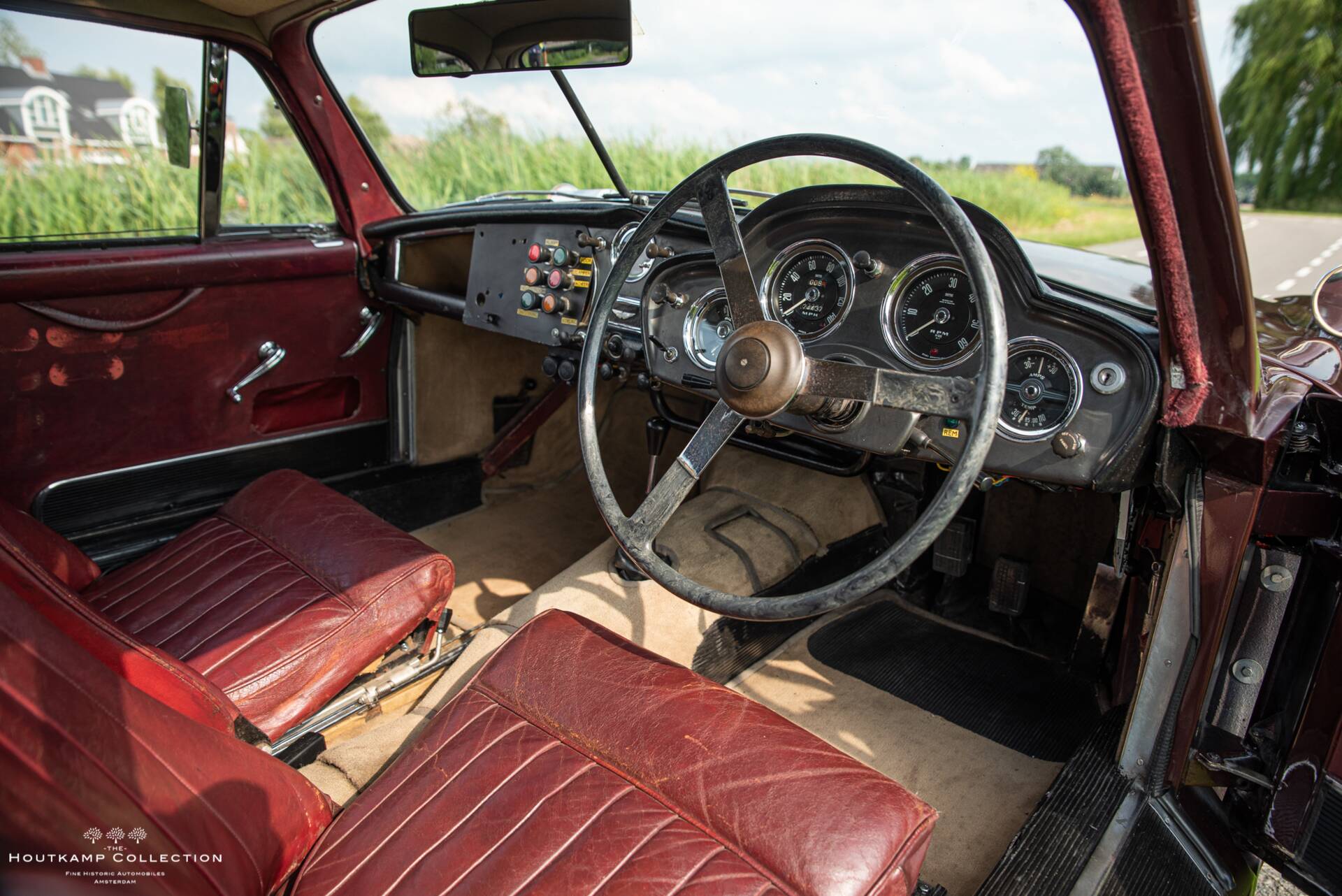
Particularly noteworthy is the interior, where the leather seat upholstery appear to remain original and unrestored, adding a level of authenticity that is becoming increasingly difficult to find.
The current presentation is appropriately reflected in the attractive asking price, making this a particularly appealing proposition for the enthusiast looking for a DB Mark III to drive and enjoy.
EXTERIOR CONDITION
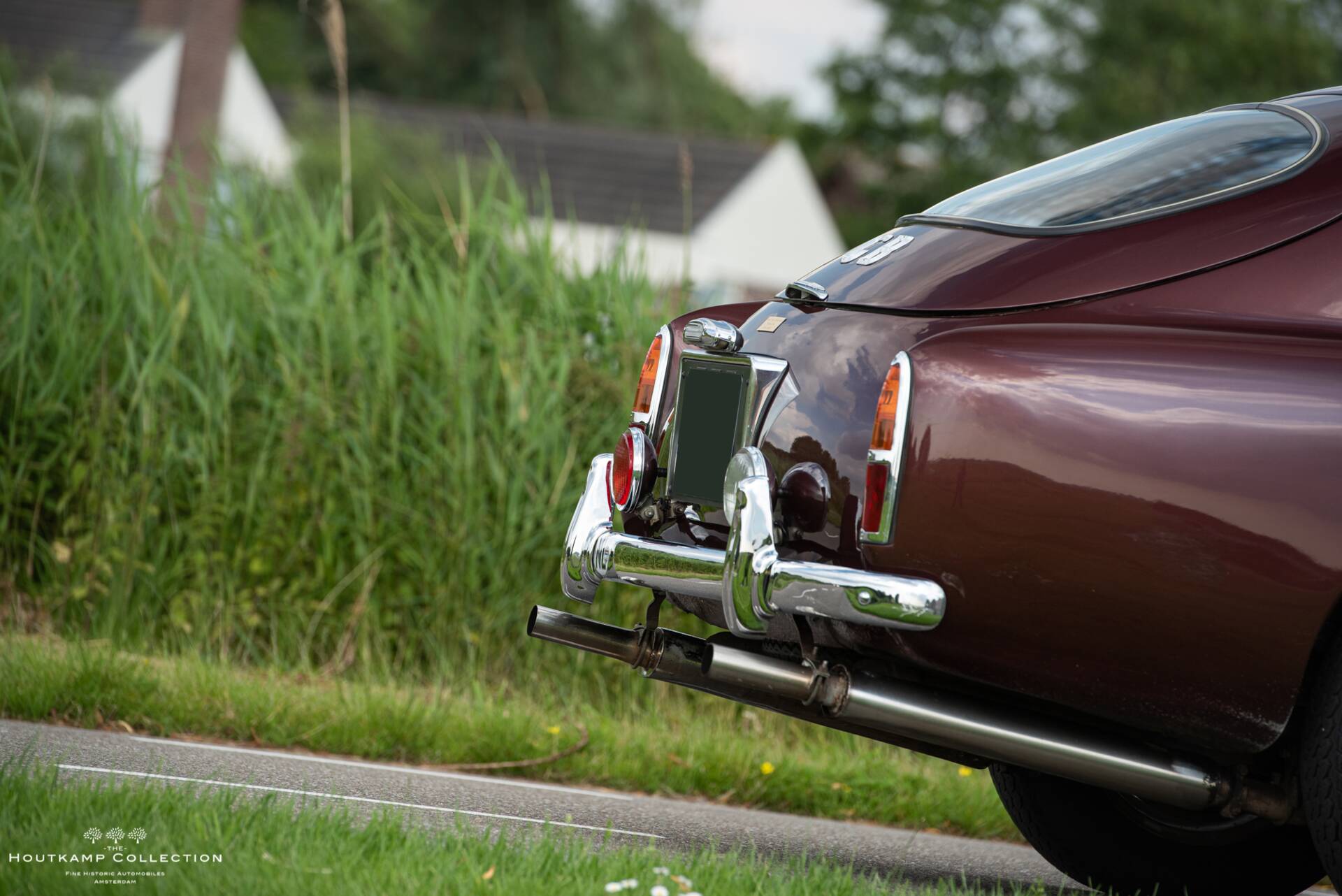
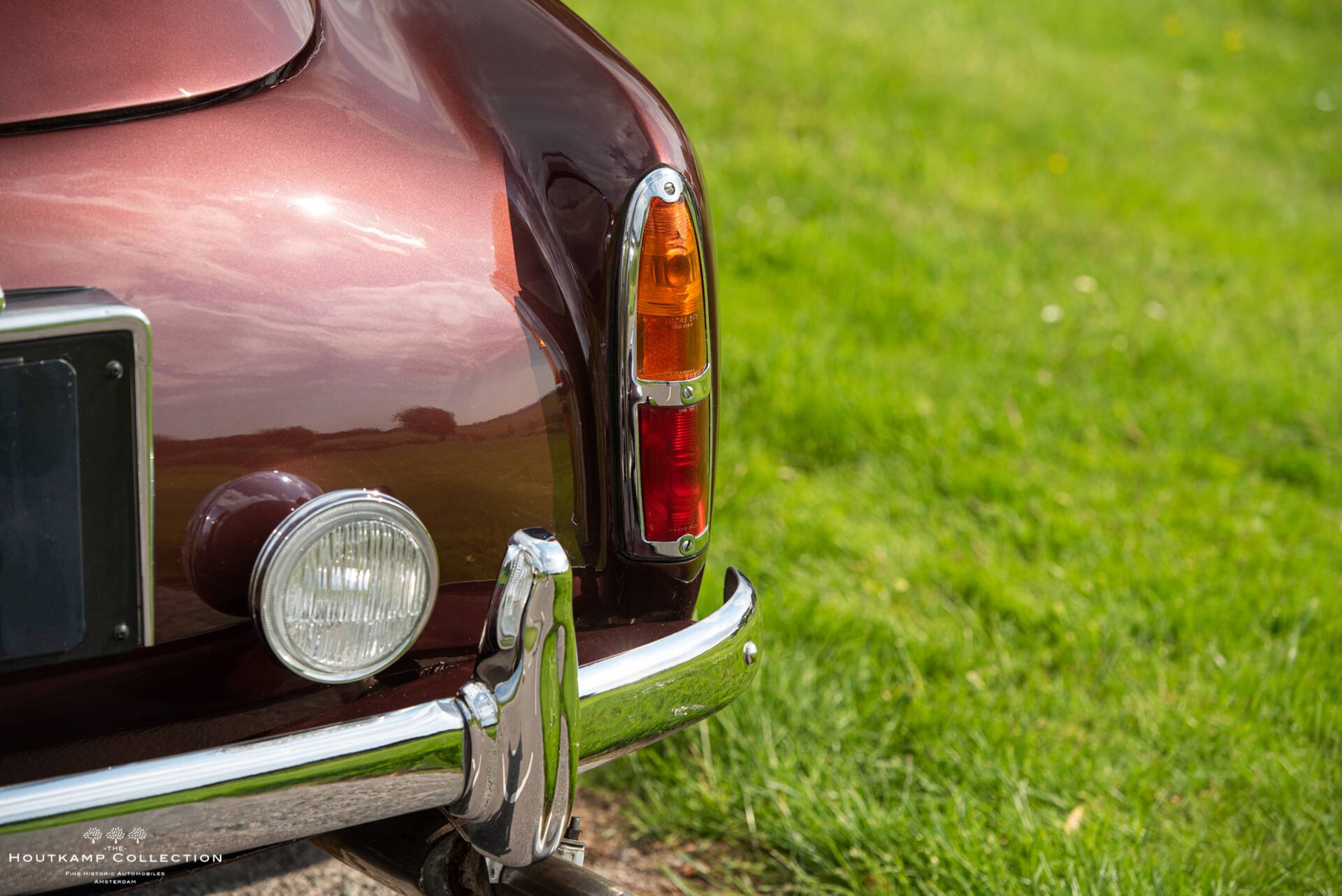
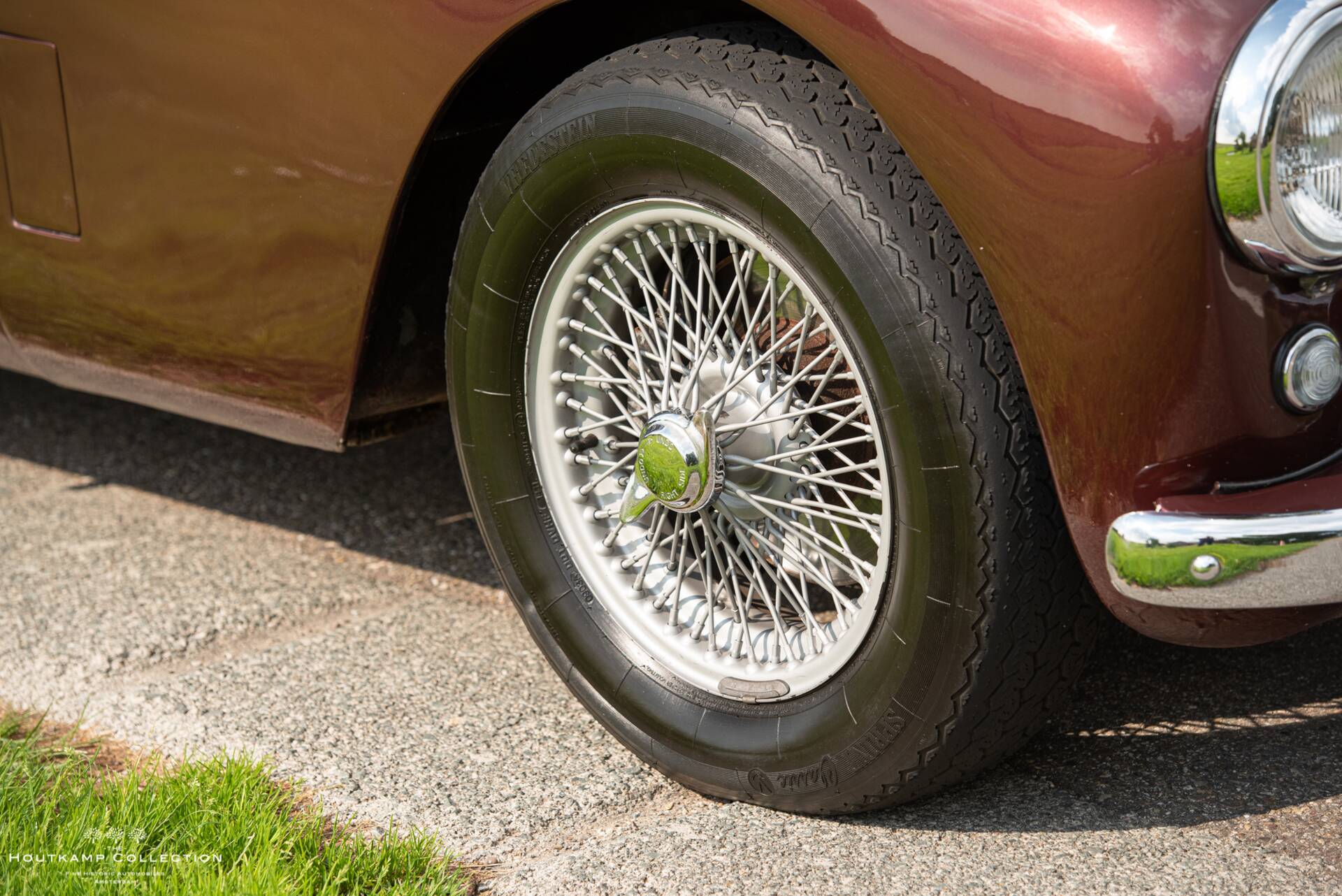
The bodywork presents well overall, retaining the elegant lines and proportions that make the DB Mark III such a distinctive 1950s Grand Tourer.
Naturally, closer inspection reveals cosmetic imperfections and age-related signs of use.
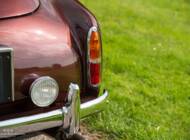
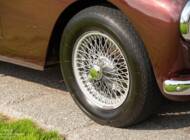
The paintwork shows some marks and blemishes acquired over the years, consistent with a car that has been regularly driven and enjoyed in rallies and touring events.
Far from detracting from its appeal, these details give the car an authentic and pleasantly lived-in character.
INTERIOR CONDITION
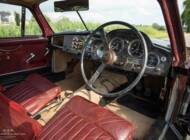
The interior is undoubtedly one of the most appealing aspects of this Aston Martin DB Mark III, offering a wonderful combination of originality, authenticity and carefully preserved period character.
Of particular note are the leather seats, which appear to retain their original upholstery.
DRIVING EXPERIENCE
This DB Mark III is first and foremost a car to be driven.
The driving quality of this DB Mark III reflects a life of regular use.
Its regular participation in rallies meant that the car was regularly maintained and prepared for each occasion, with anything not performing as it should being repaired, adjusted or improved when necessary.
The 2,922 cc twin-cam straight-six starts readily and delivers strong, smooth performance, accompanied by the unmistakable sound of an early Aston Martin.
With just 551 examples produced, the DB Mark III is among the rarer post-war Aston Martins.
Rare, historically significant and above all enjoyable to drive, this is an Aston Martin that invites continued use rather than static display.
The information provided on this website has been compiled by The Houtkamp Collection with the utmost care. The information contained within this advert is provided ‘as-is’, without warranties as to its accuracy whether expressed or implied and is intended for informational purposes only. The Houtkamp Collection is not liable for any errors or mistakes.
-
Condition & Registration
Registered Ready to drive Vehicle-ID: 459899
Dealer-Imprint
Houtkamp Collection
Postbus 6
1190 AA Ouderkerk aan de Amstel
+31 20 260 2898
Rutger Houtkamp
Seller
1191 JN Ouderkerk aan de Amstel
1191 JN Ouderkerk aan de Amstel