Triumph Spitfire classic cars for sale
The Triumph Spitfire is a British roadster from 1962 to 1980, famed for its low weight, agile handling and Giovanni Michelotti design. With five generations and over 314,000 units built, the Spitfire remains a sought-after entry into classic convertible motoring.
Search results
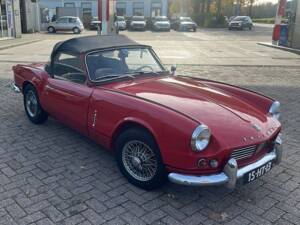
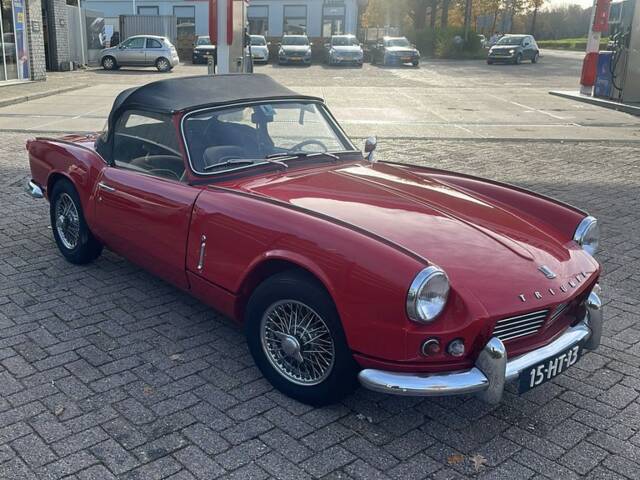
1967 | Triumph Spitfire Mk II
Triumph Spitfire | 1967 | Route 66 Auctions - For sale by auction. Estimate 8500 EUR
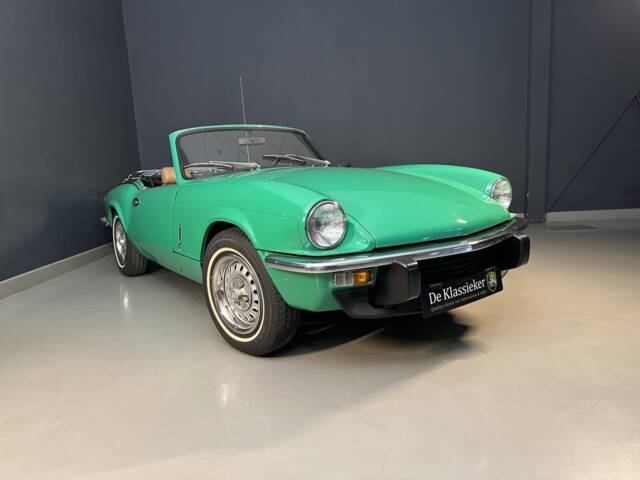
1977 | Triumph Spitfire 1500
Triumph Spitfire 1500 TC
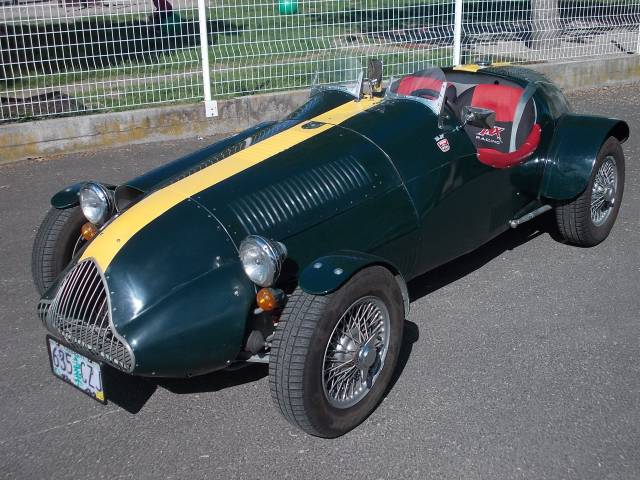
1968 | Triumph Spitfire Mk III
1968 TRIUMPH Cooper, 1300cc, trés léger et véloce
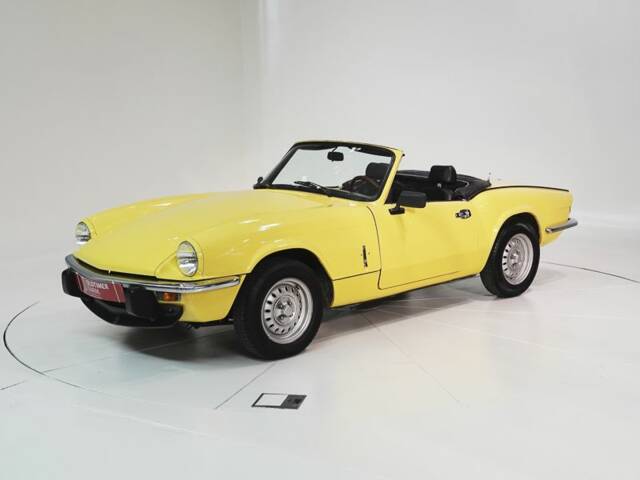
1976 | Triumph Spitfire 1500
1976 Triumph Spitfire '76
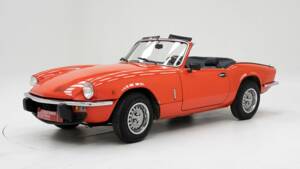
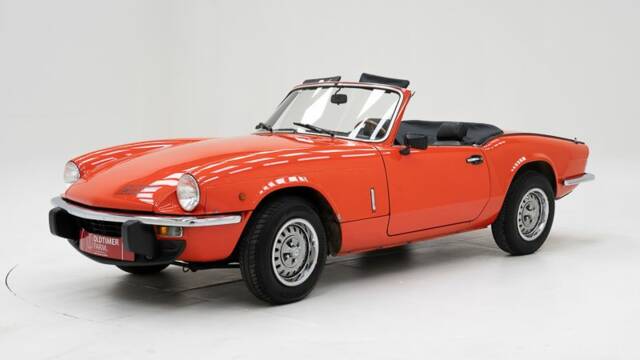
1980 | Triumph Spitfire 1500
1980 Triumph Spitfire 1500 '80


1968 | Triumph Spitfire Mk III
Triumph Spitfire
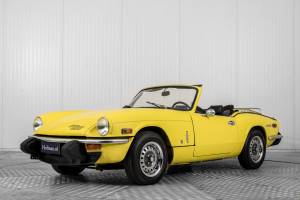
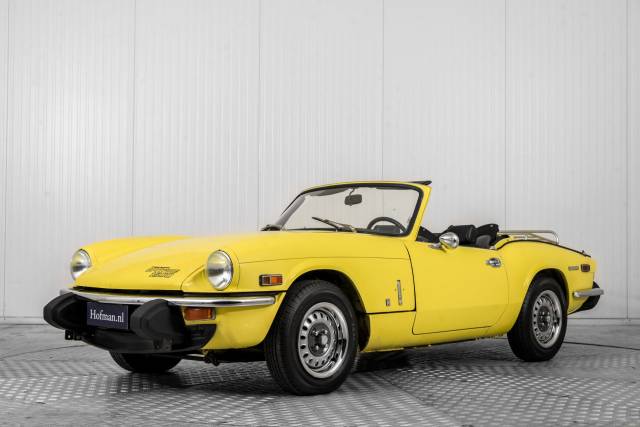
1974 | Triumph Spitfire 1500
Triumph Spitfire 1500
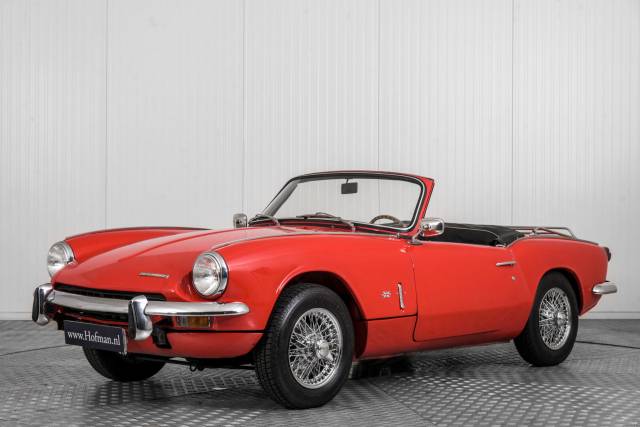
1970 | Triumph Spitfire Mk III
Triumph SPITFIRE MK III
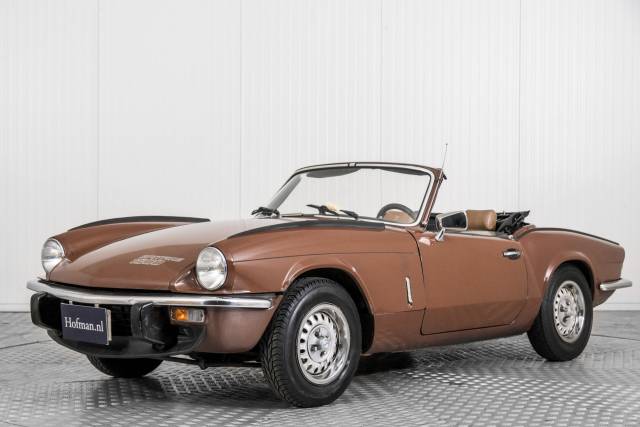
1979 | Triumph Spitfire 1500
Triumph Spitfire 1500 Soft Top
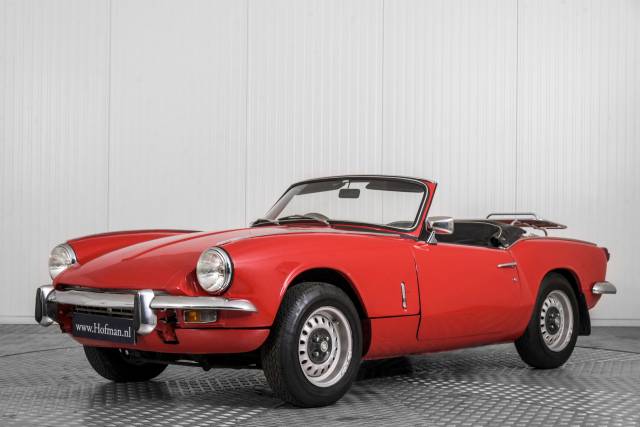
1968 | Triumph Spitfire Mk III
Triumph SPITFIRE MARK III
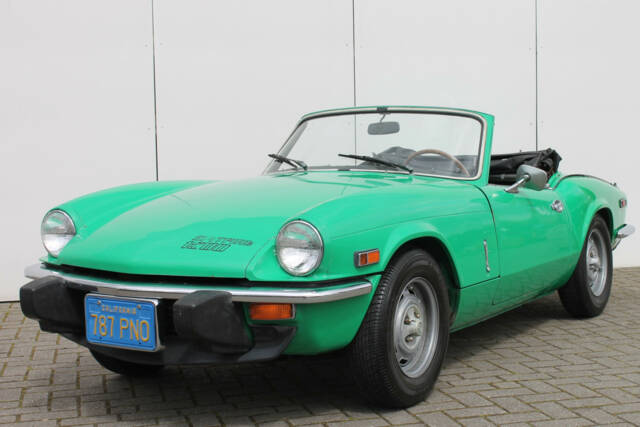
1976 | Triumph Spitfire 1500
Triumph Spitfire 1500 Overdrive
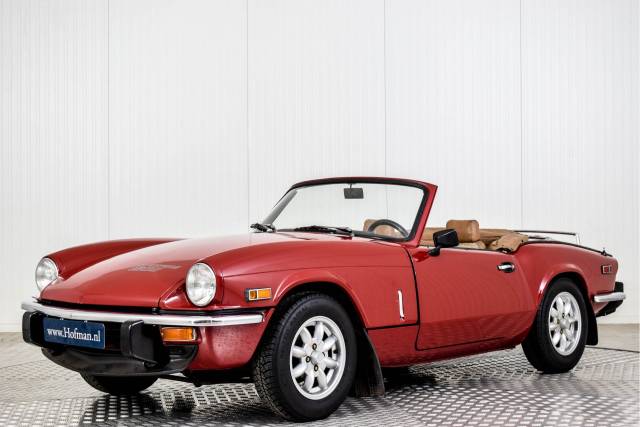
1979 | Triumph Spitfire 1500 USA
Triumph Spitfire 1500 Overdrive
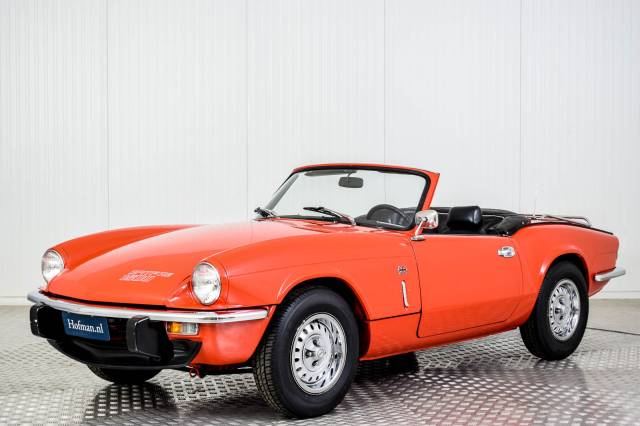
1976 | Triumph Spitfire 1500
Triumph Spitfire 1500 TC
History of the Triumph Spitfire
The Triumph Spitfire made its debut at the 1962 London Motor Show, the product of Italian designer Giovanni Michelotti. Conceived as a compact sports car for Standard-Triumph, production started following Leyland's acquisition of the company. The Spitfire was intended as an affordable open-top roadster based technically on the Triumph Herald, but featured its own distinctive design and chassis strengthening. With approximately 315,000 built until 1980 at Canley, Coventry, the Spitfire's legacy stretches across nearly two decades of consistent updates and enthusiastic following.
Model History: All Spitfire Generations
There are five generations: Spitfire 4 (Mk I, 1962–1964), Mk II (1964–1967), Mk III (1967–1970), Mk IV (1970–1974) and the Spitfire 1500 (1974–1980). Early models featured 1.1–1.3L four-cylinder engines, with the last Spitfire adopting a 1.5L powerplant. The Spitfire 4 laid the technical foundations, with Mk II gaining more power and improved interior. The Mk III benefited from increased displacement and a refreshed look, while Mk IV introduced a redesigned rear and overhauled suspension. The 1500 closed the model line with the largest engine, further chassis improvements, and compliance with tightening emissions standards—especially for the US market.
Highlights and Production Data
A fully tilting bonnet offered exceptional engine accessibility, while the classic rear-wheel drive, featherweight construction (715–850 kg), and robust mechanics defined the Spitfire experience. Interiors evolved from basic to more refined with features like wood dashboards, Hounds Tooth upholstery and better soundproofing. Triumph Spitfires make up 94.2% of Triumph supply and demand on Classic Trader, demonstrating a clear dominance in both listings and buyer interest for the marque. Early models and special colours or accessories such as hardtops and wire wheels see keen attention among enthusiasts.
Technical Data
Special Editions and Collectors’ Models
Rare early Mk I and Mk II Spitfires in original specifications, as well as factory competition cars with rally history (such as those used in the 1964 Monte Carlo Rally), are especially valued. Optional factory equipment included wire wheels, hardtops, and overdrive gearboxes. US models from 1978 featured black impact bumpers and unique trim due to federal regulations.
Weak Spots and Maintenance Notes
Attention is required for corrosion—particularly in the body and chassis. The 1500 model’s three-bearing crankshaft can suffer from wear (check for adequate oil pressure and film). Early swing-axle rear suspension caused unpredictable handling at the limit but was greatly improved from Mk IV with the introduction of the swing spring. Original interiors and rare accessories increase collectability but can be challenging to source. Mechanical components are robust, and parts support remains excellent thanks to widespread club and aftermarket backing.
Engine, Transmission and Handling
The Spitfire offers a lively, direct driving experience due to its featherweight body, rear-wheel drive and simple mechanics. Engine output was not high by contemporary sports car standards, but the low mass delivered enjoyable acceleration—especially in the Mk III and 1500. Early models had 63–67 PS from 1.1–1.3L engines, mid-series Mk III increased to ~75 PS, while the 1.5L engine of the 1500 produced up to 75 PS (subject to emission controls, especially in export versions). Overdrive became a desirable option for relaxed higher-speed cruising. Suspension improvements after Mk IV notably increased predictability, transforming the Spitfire from an entertaining (but potentially snappy) roadster to a more confidence-inspiring classic. - Mk I: 1,147cc, 63 PS, top speed ~146 km/h
- Mk III: 1,296cc, 75 PS, top speed ~160 km/h, 0-100 km/h in 12.5s
- Mk IV: swing spring rear axle, improved cabin layout
- 1500: 1,493cc, up to 75 PS, top speed 161 km/h
Design: Exterior, Interior and Accessories
Giovanni Michelotti’s lines give the Spitfire its unmistakable shape, inspired in part by Jaguar’s E-Type. The body features a clamshell bonnet for excellent serviceability. A range of vibrant period colours included British Racing Green, Inca Yellow and Royal Blue. Interiors ranged from utilitarian with rubber mats to plush with wood panels, headrests and unique seat upholstery such as Houndstooth. Accessories and factory options such as hardtops, wire wheels, tonneau covers, and wood-rimmed steering wheels are highly regarded today. The US market saw design changes—especially black rubber bumpers from 1978 onward and bespoke side markers due to safety laws. Luggage space is small, but practical enough for touring with period-correct extras like map lights and boot lamps.
Other Notable Details
Spitfire assembly extended beyond Coventry, with CKD kits made in Belgium, South Africa, and other locations. Motorsport history includes successful rallying, particularly the works team’s showing at the 1964 Monte Carlo Rally. Excellent club and community support remain, aiding with restoration, technical advice and parts sourcing.
Summary
The Triumph Spitfire stands as the most prominent and popular Triumph for classic car buyers, combining approachable running costs with classic British styling and engaging driving character. Mechanical simplicity, affordable maintenance, and superb spare parts supply make it a compelling choice for enthusiasts seeking a purist open-top motoring experience. Its wide market share and strong club scene ensure the Spitfire remains firmly on the radar of classic sports car aficionados.