Cadillac Model K classic cars for sale
The Cadillac Model K stands as an early milestone in automotive engineering, epitomising precision manufacturing and reliable single-cylinder powertrains from Detroit's pioneering workshops. As part of Cadillac’s earliest offerings, these vehicles reflect both the innovation and robust design that shaped the marque’s reputation.
Search results
Currently, there are no matching listings for your search.
Create search alert
Let yourself be notified as soon as a listing is published that matches your search filters.
Create listing
Do you have a Cadillac Model K that you want to sell? Then create a listing now.
Create listingCadillac Model K listing references from Classic Trader
Below you will find listings related to your search that are no longer available on Classic Trader. Use this information to gain insight into availability, value trends, and current pricing for a "Cadillac Model K" to make a more informed purchasing decision.
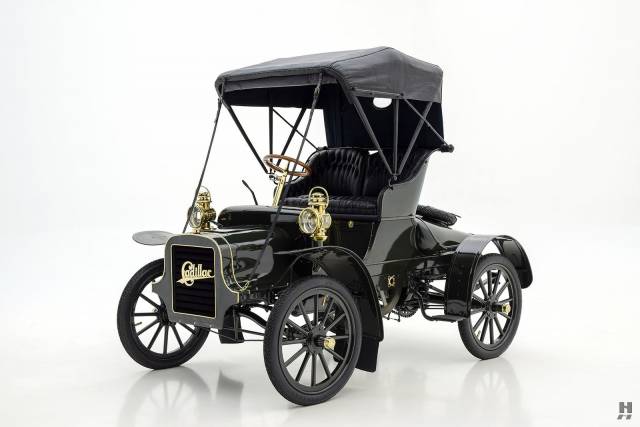
1906 | Cadillac Model K Folding Tonneau
Cadillac Model K
Create search alert
Let yourself be notified as soon as a listing is published that matches your search filters.
Create listing
Do you have a Cadillac Model K that you want to sell? Then create a listing now.
Create listingCadillac Model K Classic Cars: Prices & Market Values
Introduction and history of Cadillac Model K
The Cadillac Model K is rooted in the formative years of the American automobile industry. Released in the early 20th century, its creation signified Cadillac’s dedication to setting automotive standards in reliability and production quality. Born from the collaboration between Henry Leland and Alanson Partridge Brush, the Model K arose from a Detroit landscape keen on mechanical excellence. Unlike many contemporary ‘horseless carriages,’ the Model K presented refined engineering including a 10 hp single-cylinder engine, symbolic of Cadillac’s early commitment to precision and dependable motoring.
Model history
The Cadillac Model K followed closely after the initial 1903 Cadillac, slotting into Cadillac’s burgeoning line-up of compact, two-seater automobiles. Its architecture and mechanical layout set the foundation for later four-cylinder Cadillacs and, subsequently, the famous V8s. Its predecessors were those first single-cylinder Cadillacs, while successors in Cadillac’s trajectory gradually transitioned to larger, more sophisticated machines as the brand’s identity shifted toward luxury touring cars.
Highlights of Cadillac Model K
Distinctive for its 10-horsepower single-cylinder engine, the Cadillac Model K was noted for the precision build quality characteristic of Leland’s management and the use of innovative production methods uncommon for its time. These vehicles were assembled in Detroit’s Leland and Faulconer workshops, marking Cadillac’s firm entry into serial car manufacturing. The emphasis on durability, interchangeability of parts, and ease of maintenance made the Model K stand out in an era dominated by custom and frequently unreliable vehicles.
Technical data
Special Editions and Collectible Models
The Model K did not feature special editions in the sense of later 20th-century vehicles. However, variations existed in bodywork, as coachbuilders occasionally modified these chassis, resulting in some rare configurations known to collectors due to limited original production.
Engine and Performance, Transmission and Handling
The Cadillac Model K’s single-cylinder engine provided modest but reliable performance suitable for the lighter, two-seater configuration. Its output of 10 hp propelled the vehicle with sufficient pace for early motoring. The car featured a planetary transmission and handled predictably for its day, benefiting from Leland’s attention to mechanical integrity and robustness in manufacture. Due to the limited production run, the Model K as a whole is notable rather than individual variants. Some examples that retain original mechanical components and early Detroit serial numbers are particularly prized among enthusiasts.
Interior, Comfort, Exeterior and design
Inside, the Model K reflected minimalism typical of early ‘horseless carriage’ designs: simple seating for two, basic instrumentation, and a utilitarian dash layout. The exterior was defined by a high, open carriage body, large-diameter wheels, and prominent brass detailing. Paintwork was often darker shades, with woodwork exposed as part of the era-appropriate finish. Many examples were delivered with custom touches, depending on customer requirements or regional coachbuilders. Accessories included lantern-style headlamps, a basic folding canopy for shelter, and period-correct tyre arrangements.
Summary
The Cadillac Model K represents a critical step in American automotive history, notable for its reliable single-cylinder engine, outstanding build quality, and early adoption of interchangeable parts in car manufacturing. As a reflection of both Henry Leland’s and Alanson Brush’s mechanical vision, the Model K is essential for collectors who value the origins of Detroit carmaking and Cadillac's storied reputation.