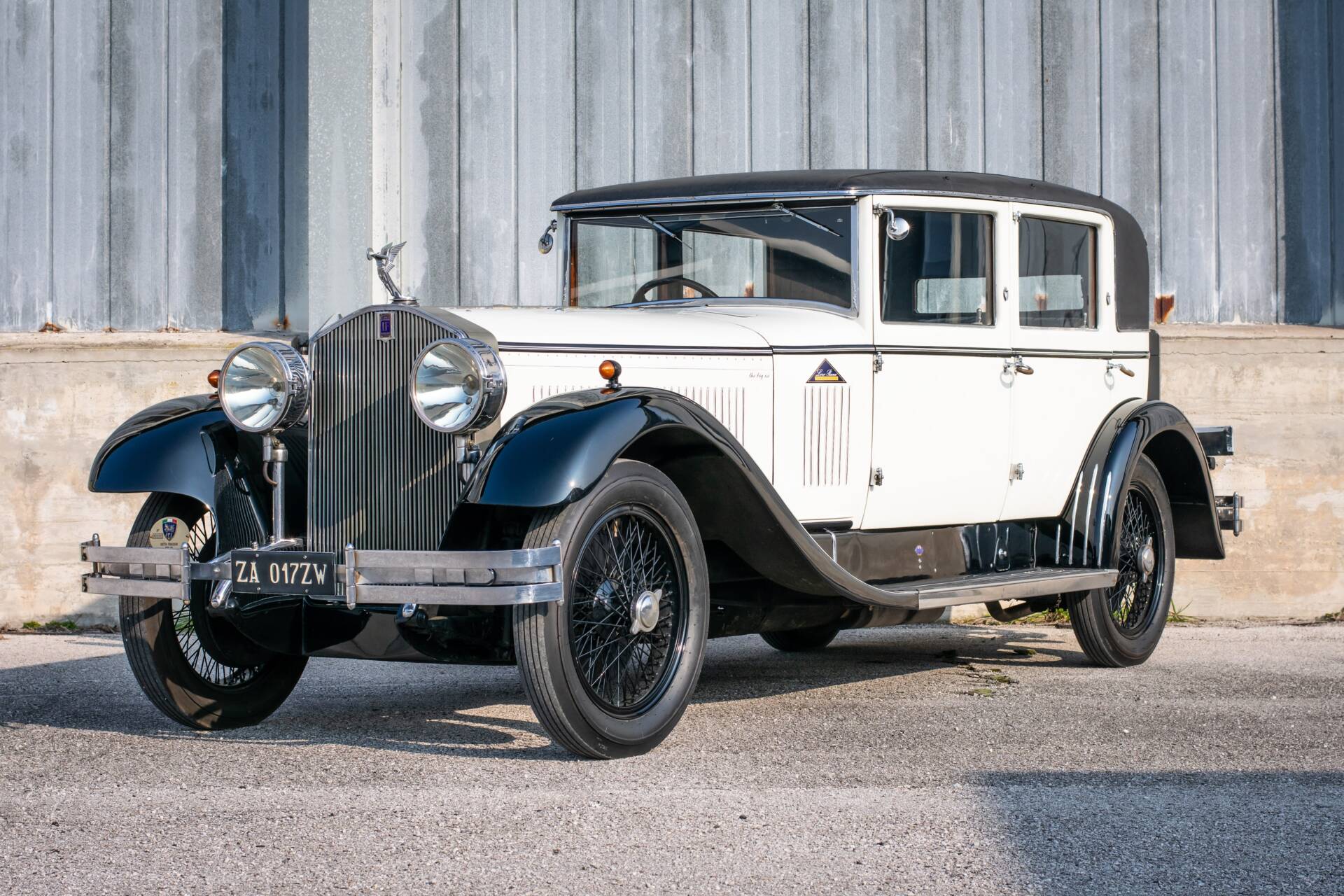
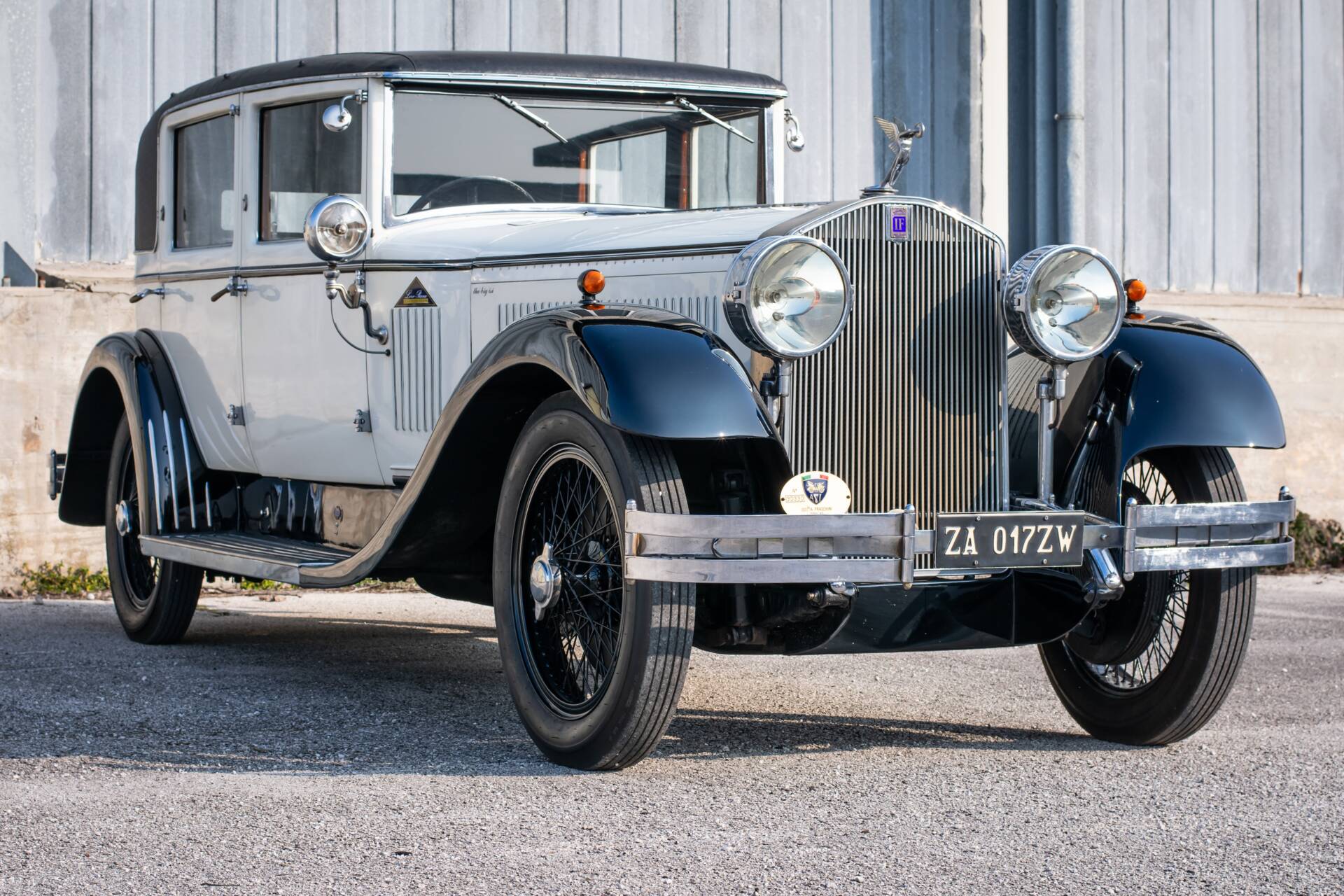
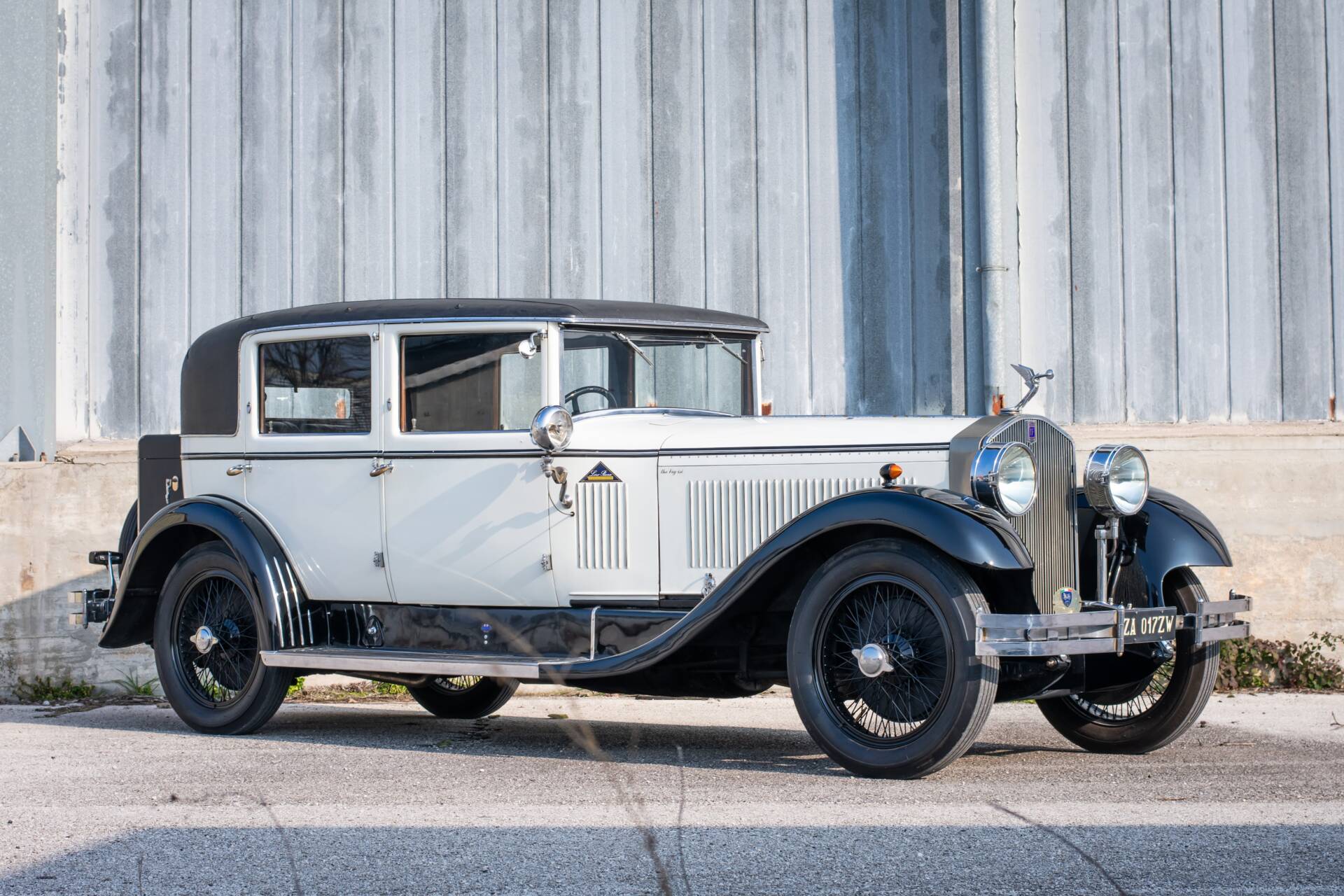
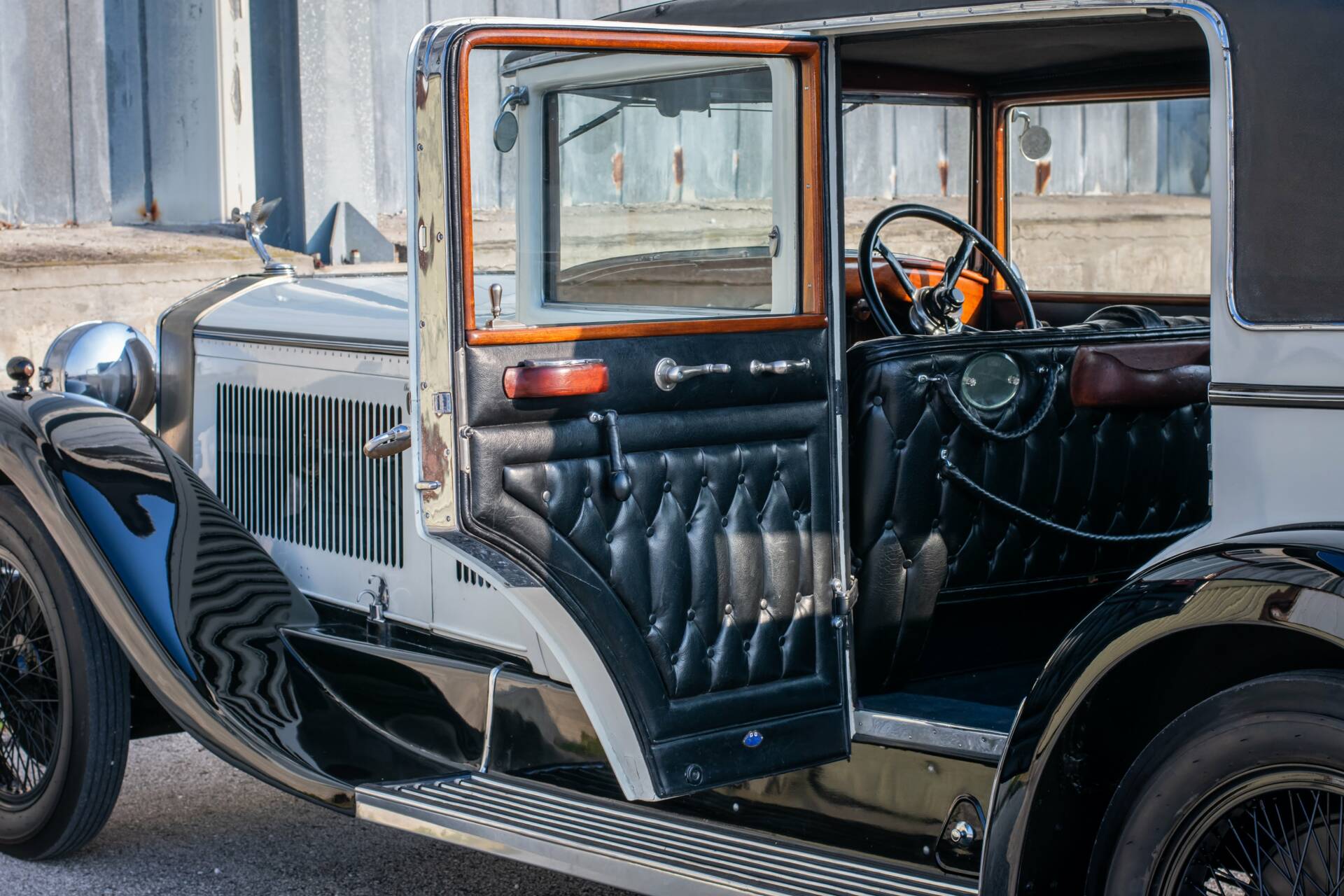
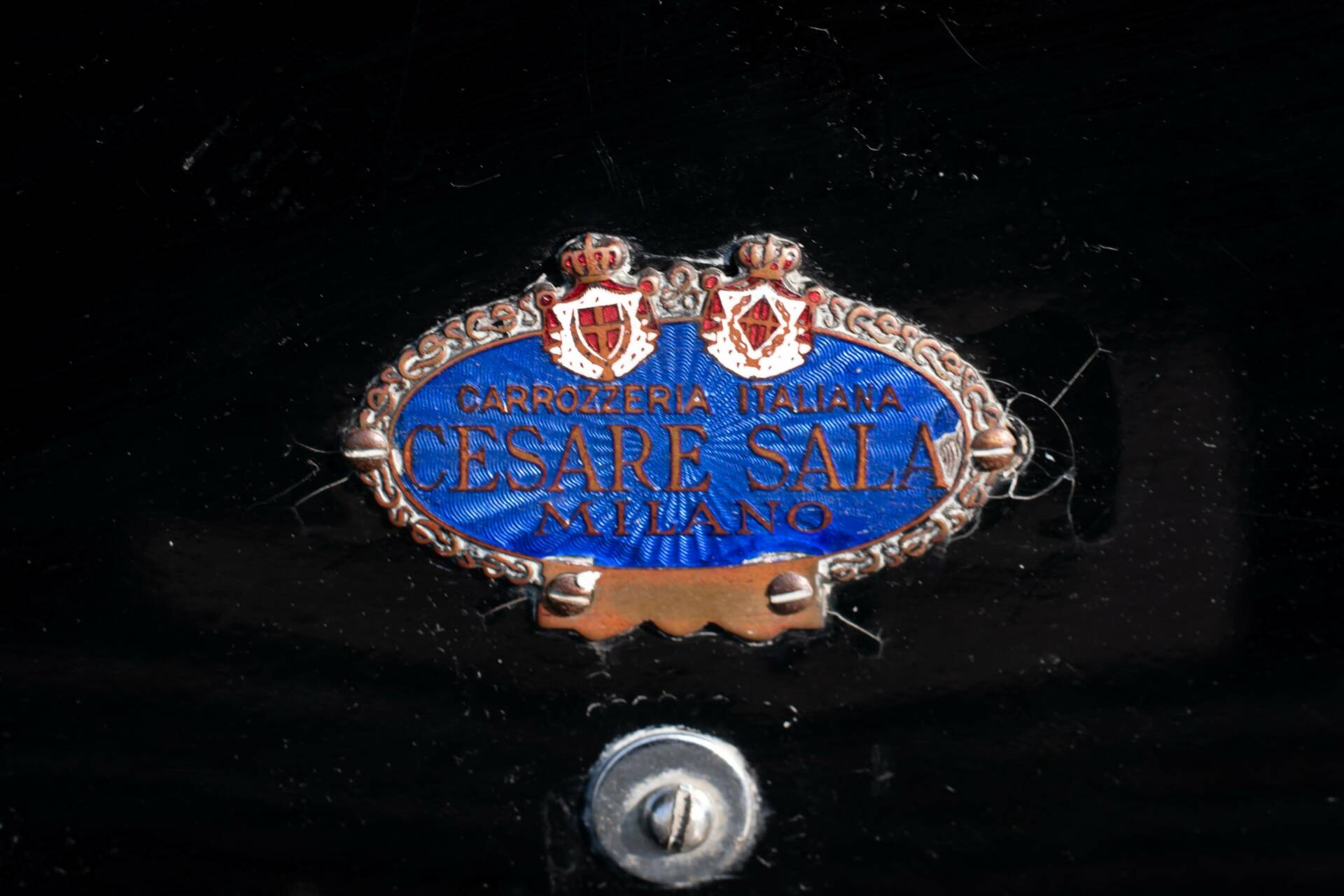
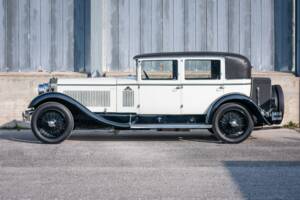
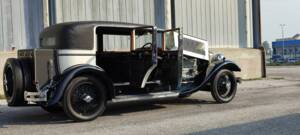
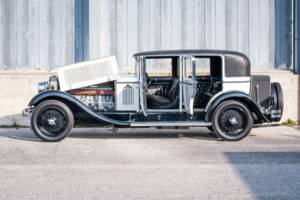
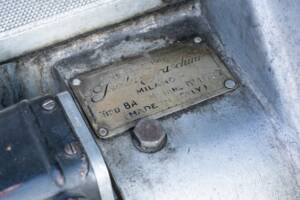
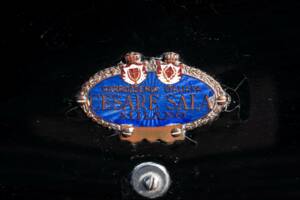
This 1927 Tipo 8A was delivered from the factory to coachbuilder Cesare Sala in Milan. One of Italy’s most prestigious and skilled coachbuilders, Sala was a popular choice for Isotta’s customers, together with fellow Milan concern Castagna. Sala had made its name in the pre-automobile era, supplying fine horse-drawn carriages to European royalty, and thus the transition to dignified luxury automobile bodies came naturally; as well as Isotta Fraschinis, their coachwork adorned many a Lancia, Alfa Romeo, and Ansaldo. While some coachbuilders were prone to wild excess in this period, Sala’s hallmark was tasteful restraint, their bodies offering the finest in luxury travel while being thoroughly immune from any accusation of vulgarity.
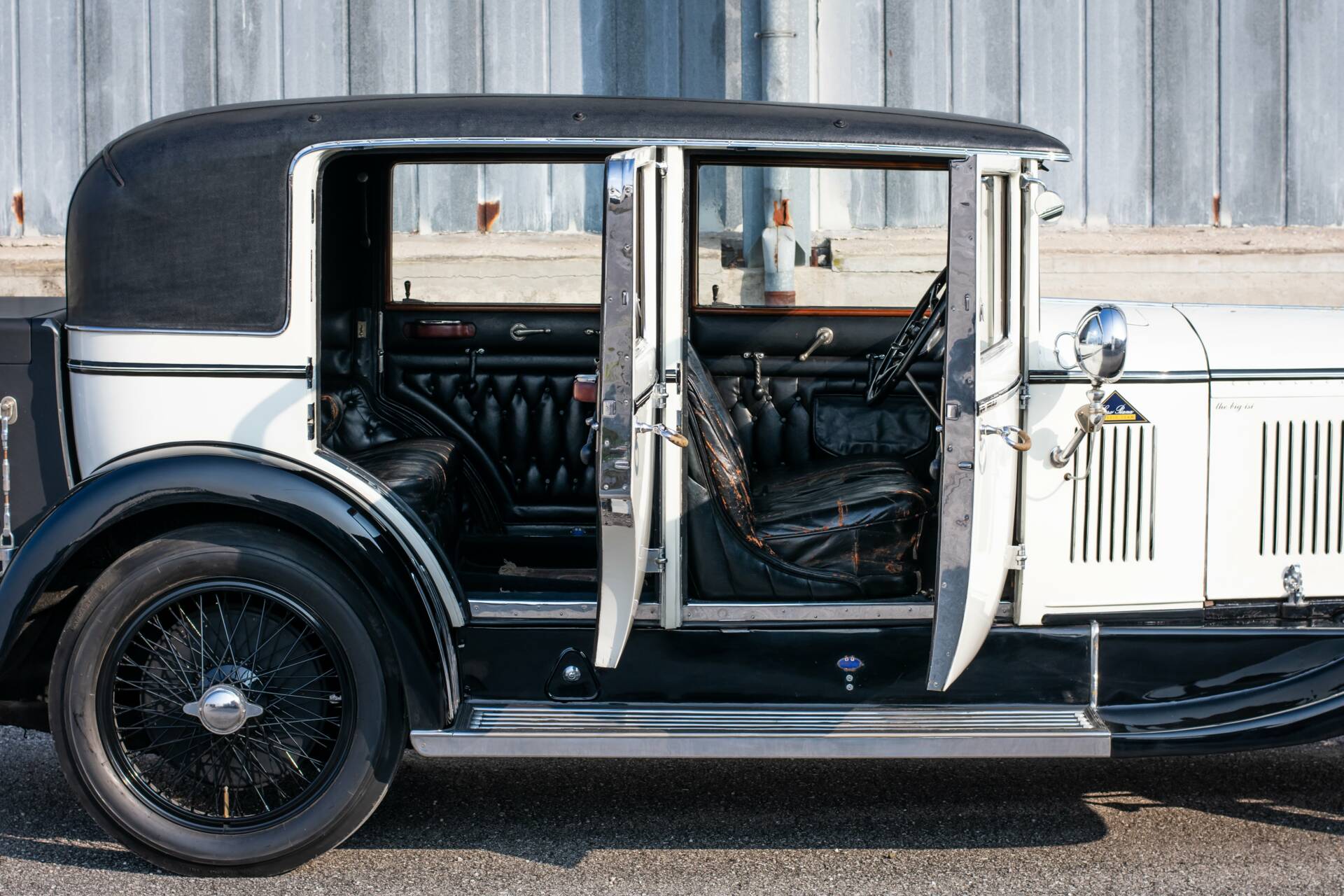
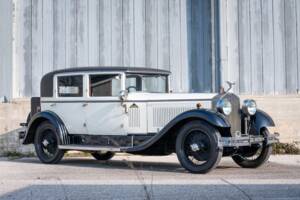
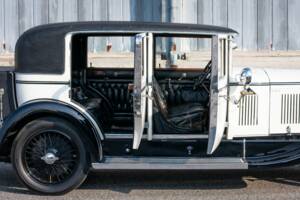
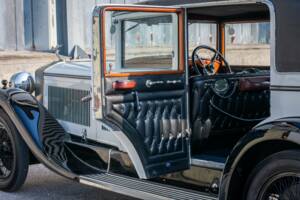
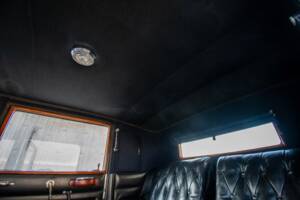
The body on this car is what Sala called ‘guida interna’ – internal drive. This refers to the fact that in-period, it was not uncommon for large formal cars to have a snug enclosed rear compartment for the lucky passengers, while the chauffeur would be out in the open, perhaps protected by a removable roof panel but certainly without such luxury as windows, and often sitting bolt-upright due to the encroachment of the all-important passenger compartment into the driving area. Internal drive limousines such as this Isotta represented something of a shift not just in the style of coachwork, but also socially; the open-drive cars had represented the most obvious link to the internal combustion automobile’s horse-drawn-carriage heritage. Now, sharing the same exquisite interior, passengers were no longer separated from the chauffeur, and indeed, sometimes the owners would even take the wheel themselves - something that would have been unthinkable in an open-drive car.
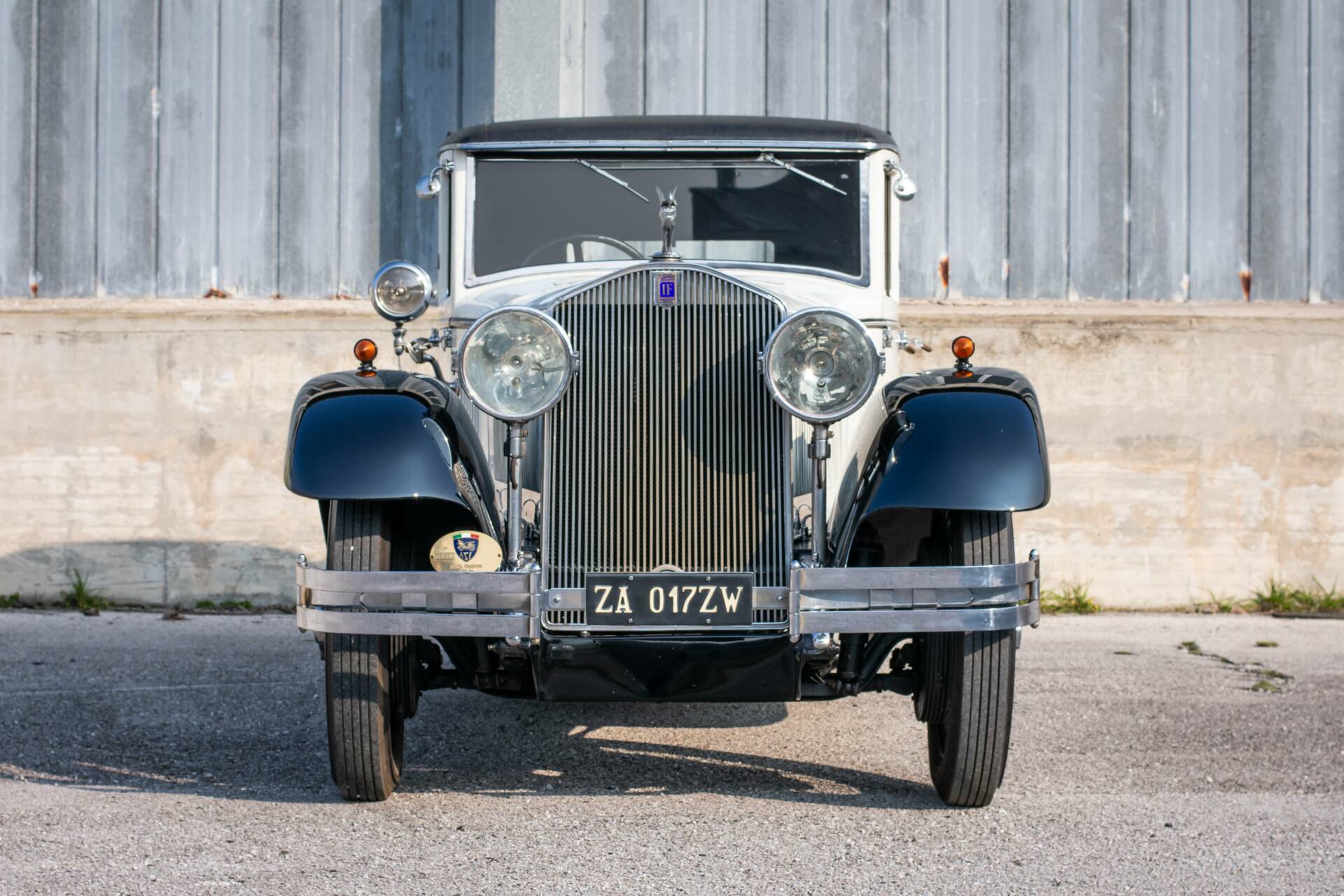
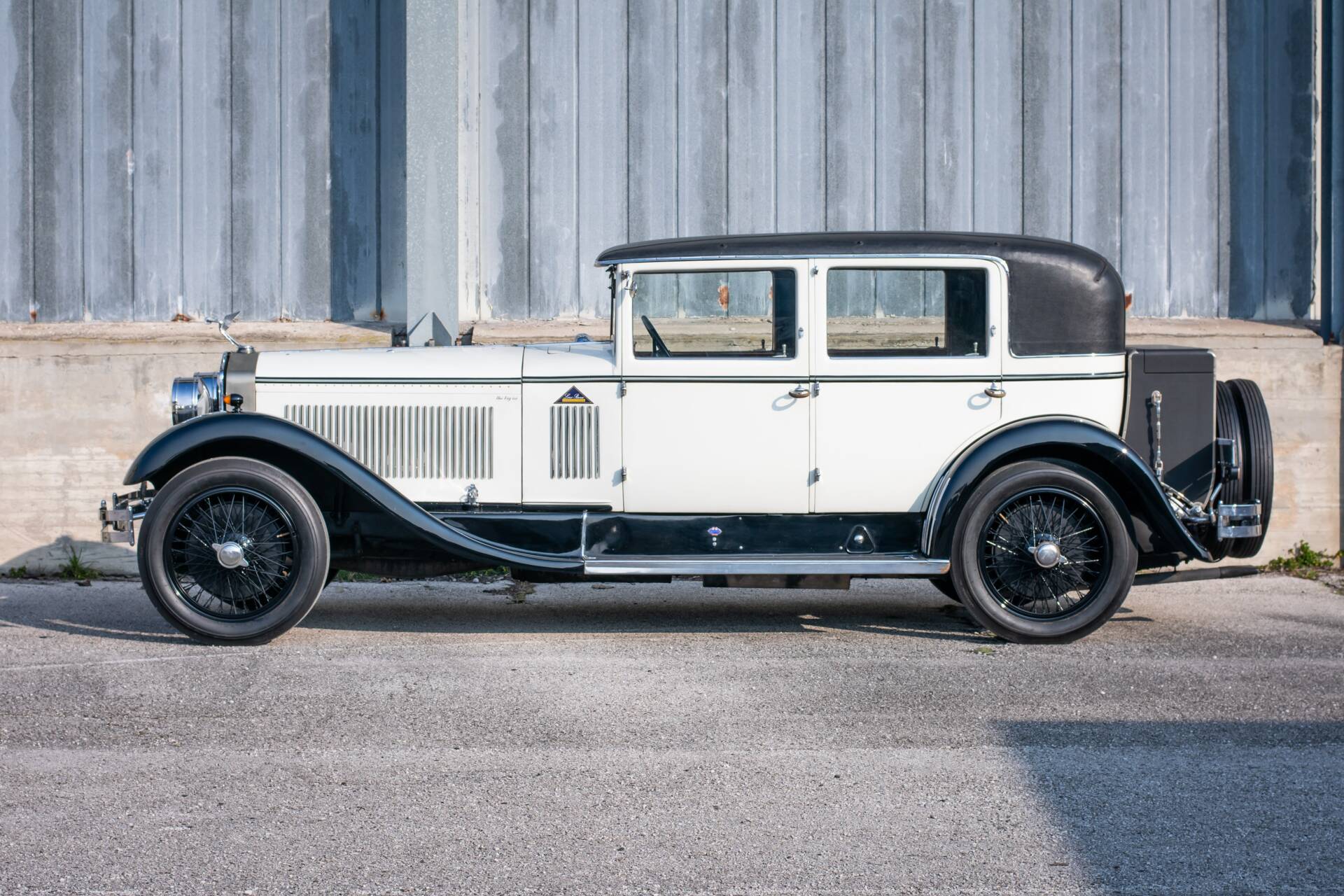
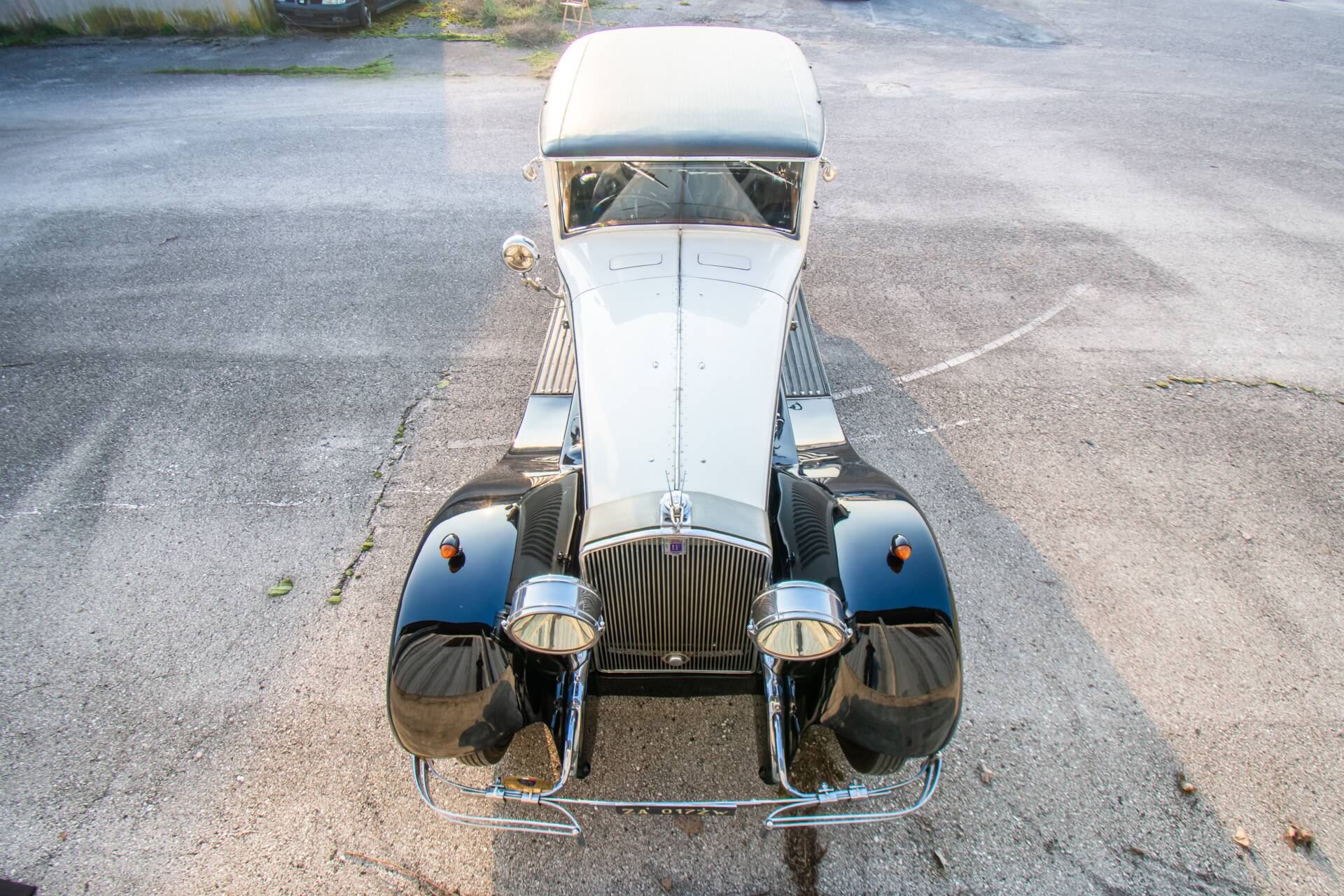
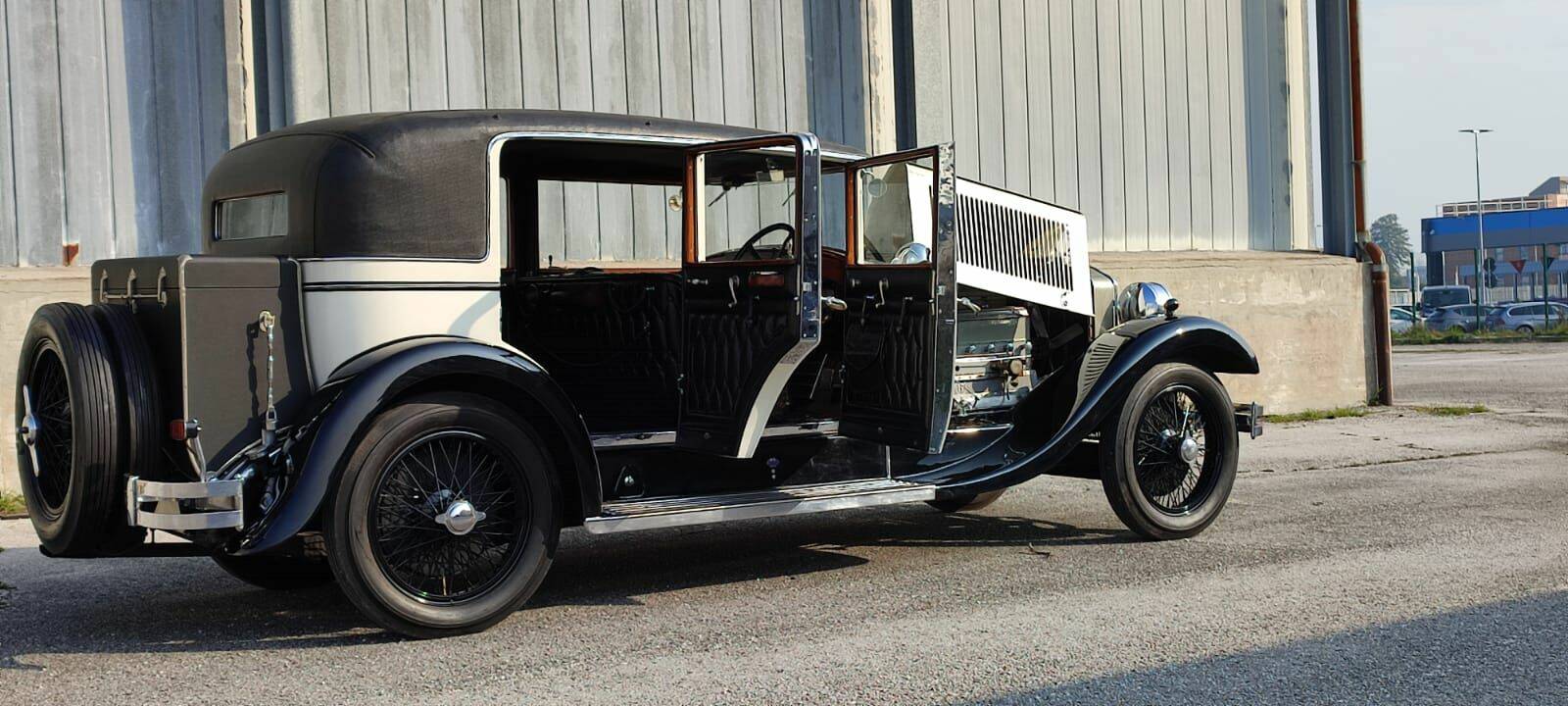
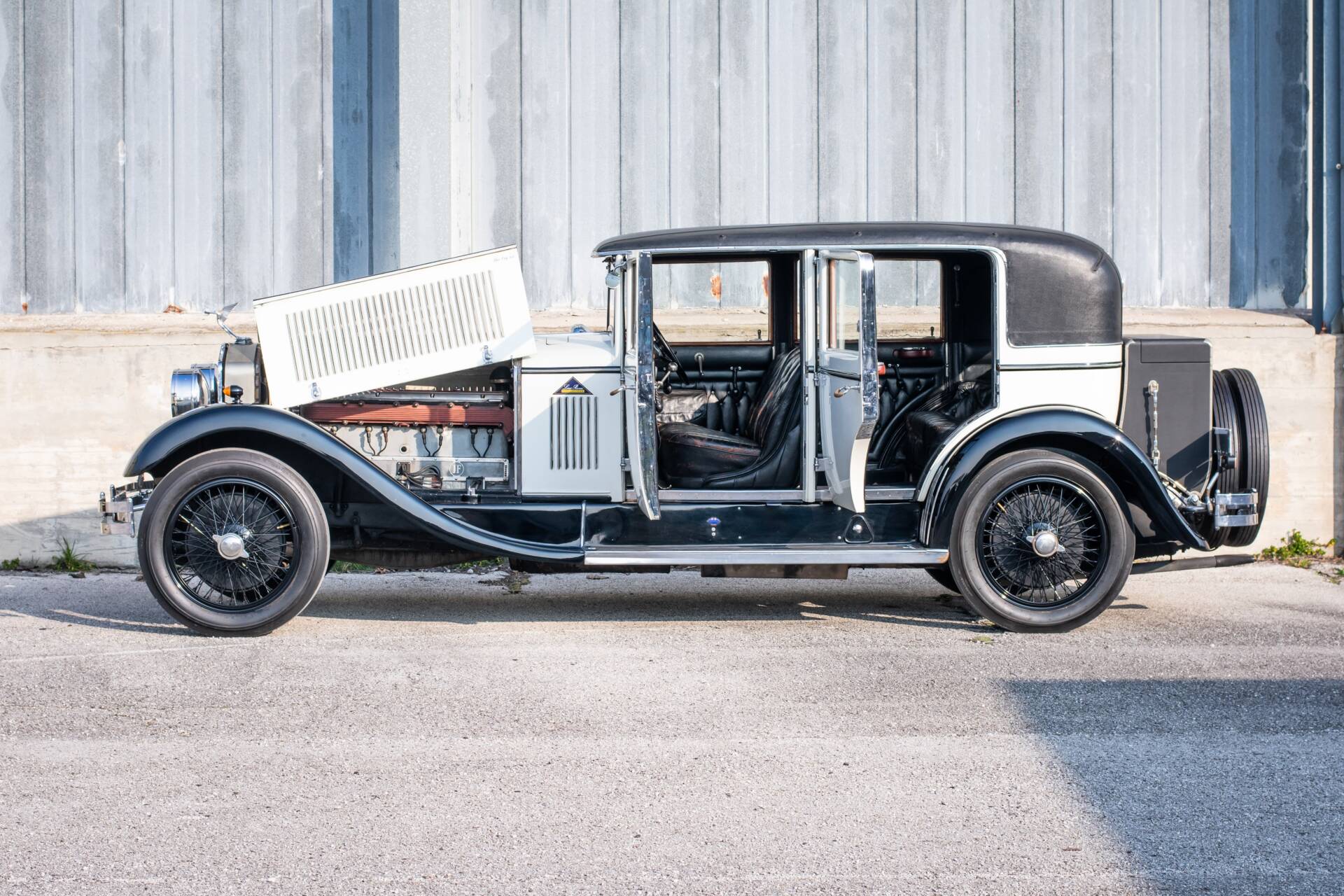
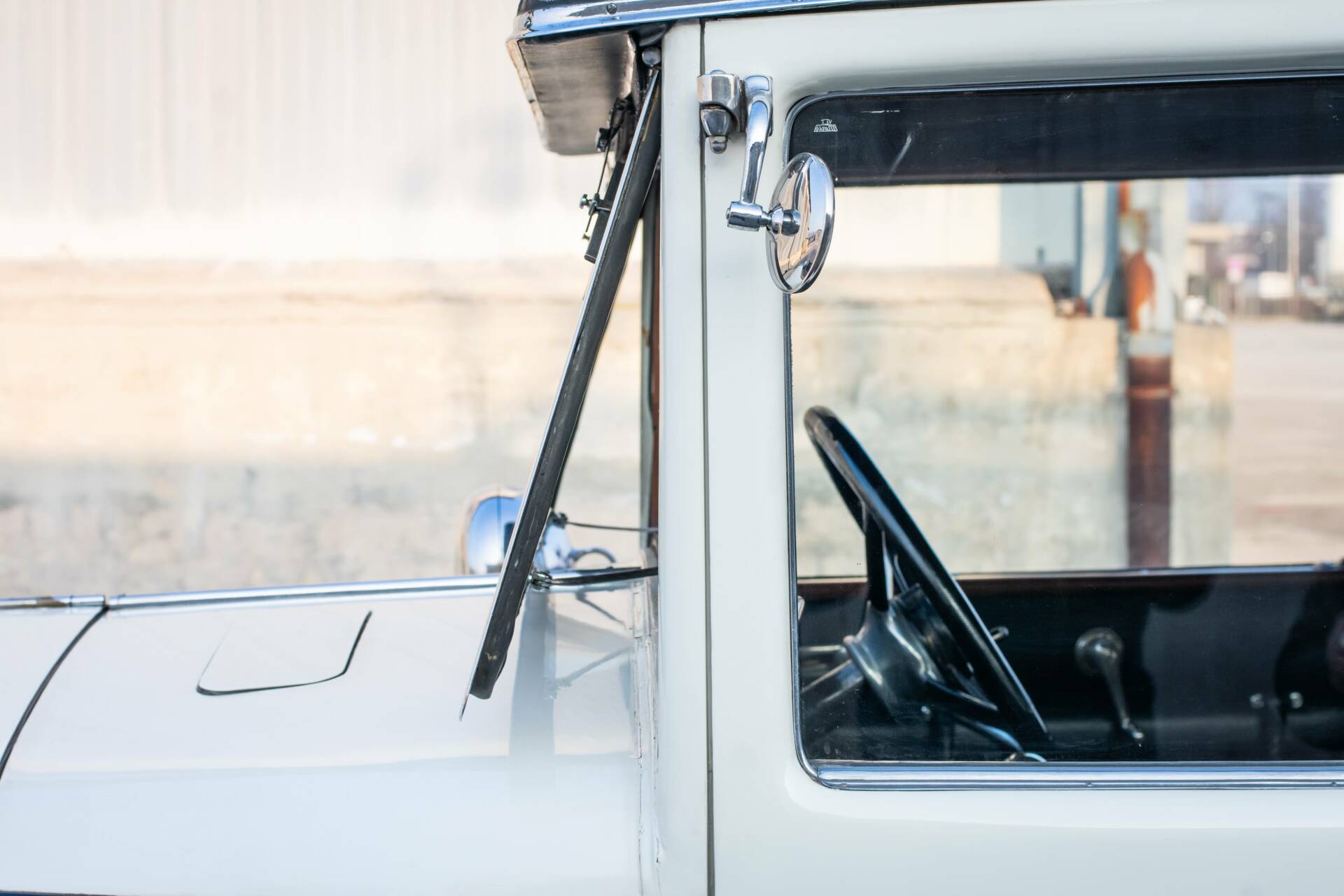
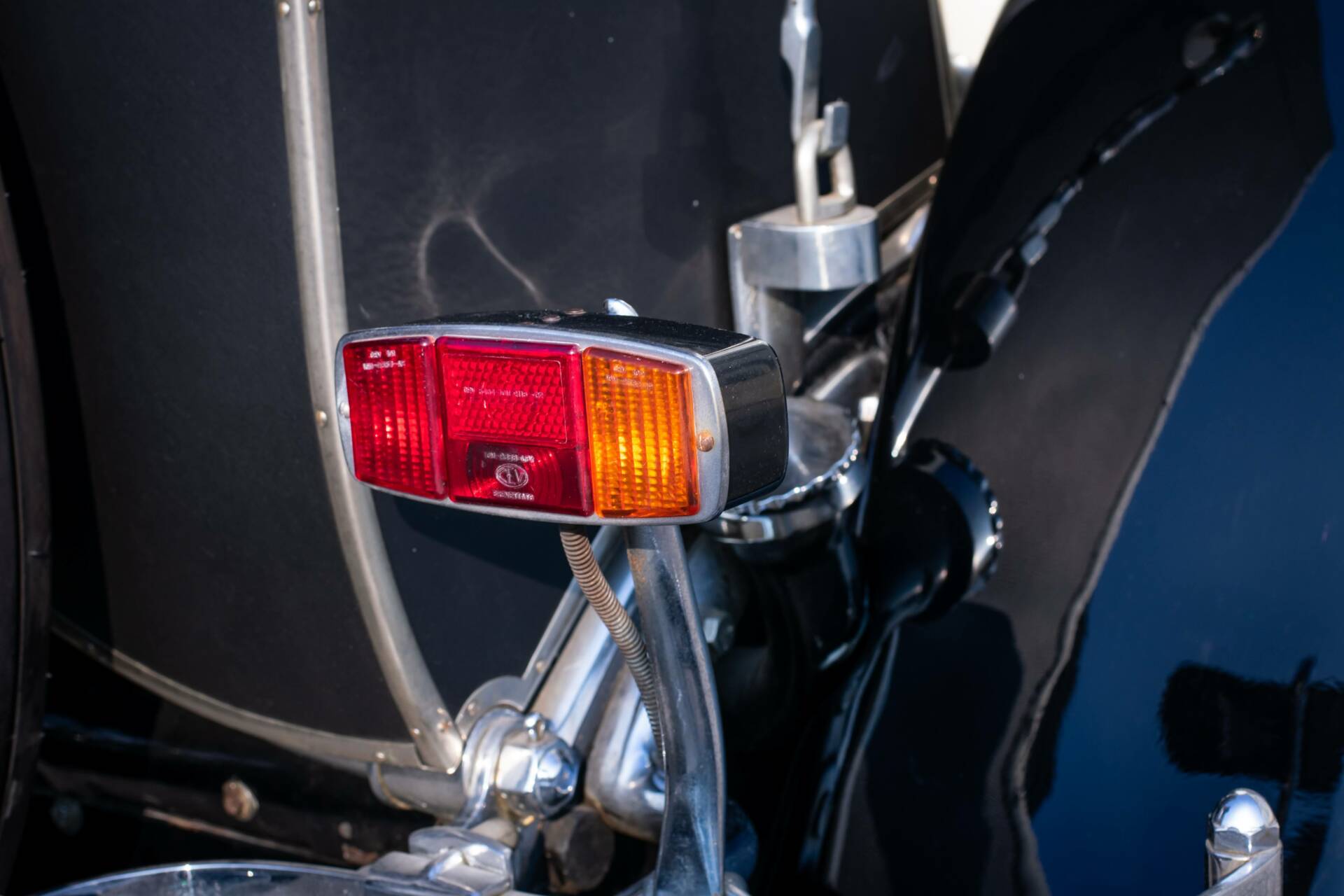
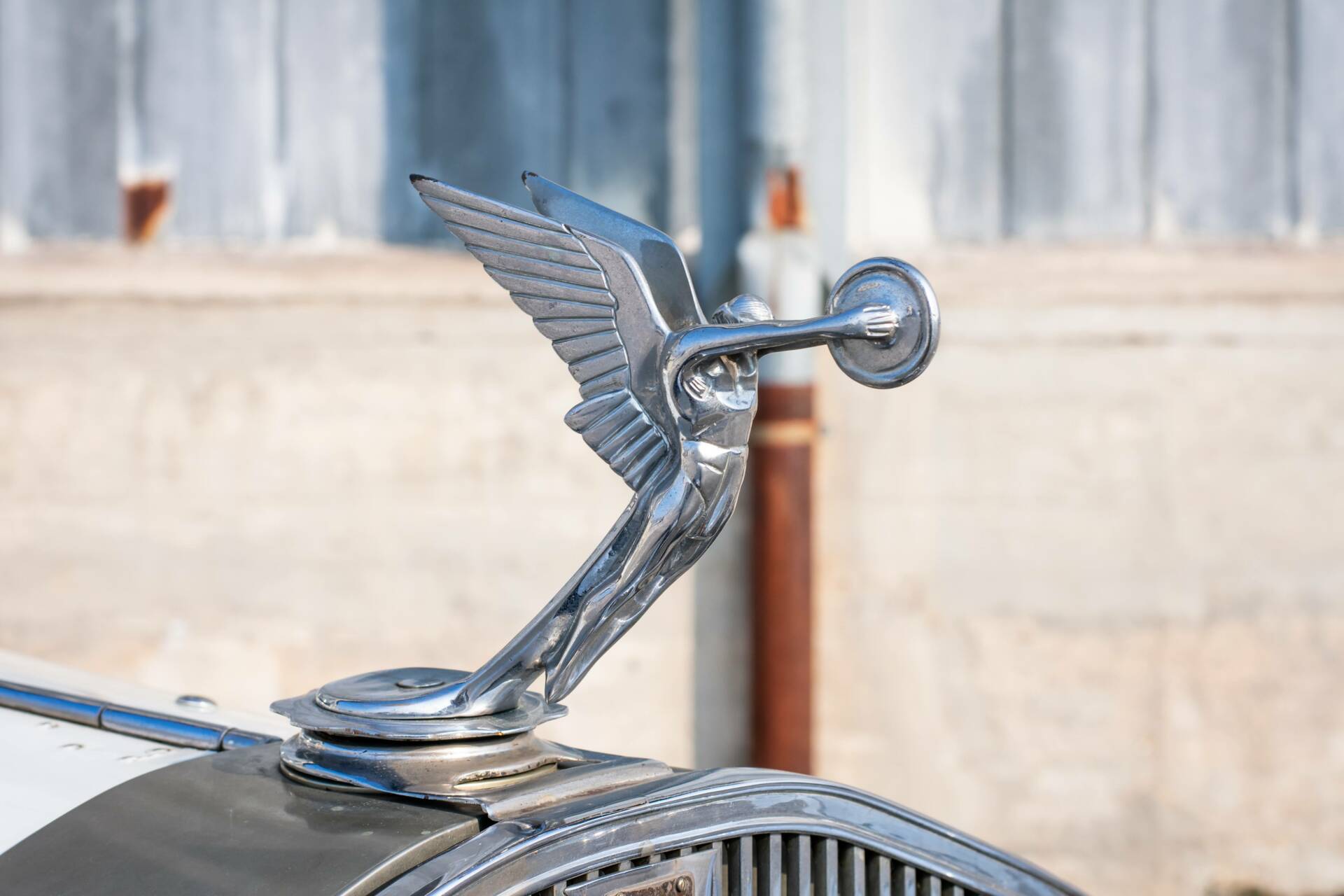
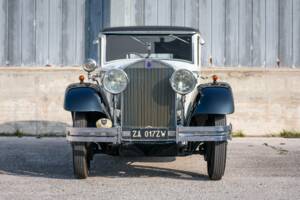
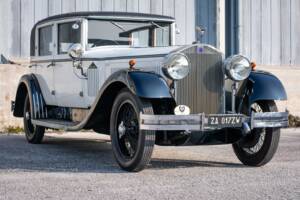
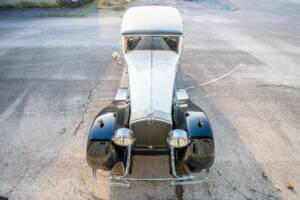
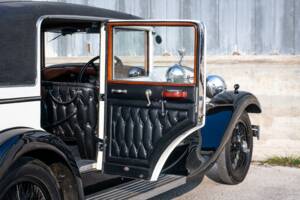
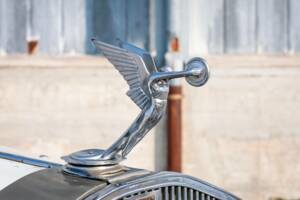
This car was restored in 1968-71, and has seen careful use since; this has kept it in very good condition, while time has given it a mellowed character. The strikingly upright bodywork suits the simple black and white colour scheme very well indeed, while the black coach line that runs the whole length of the car breaks up the white bodywork very effectively. The paintwork is in very good condition with only age-related imperfections – some small cracks and scratches are visible. The chrome is in good condition all-round. Isotta Fraschini’s trademark is the imposing radiator grille, on which is the wonderfully art-deco mascot that adorns the radiator cap – a winged lady, disk in hand, flying headlong at the open road ahead. At night, that road would be illuminated by the two large barrel headlamps that stand proud by the side of the radiator; these are supplemented by a accessory spotlight mounted by the driver’s window.
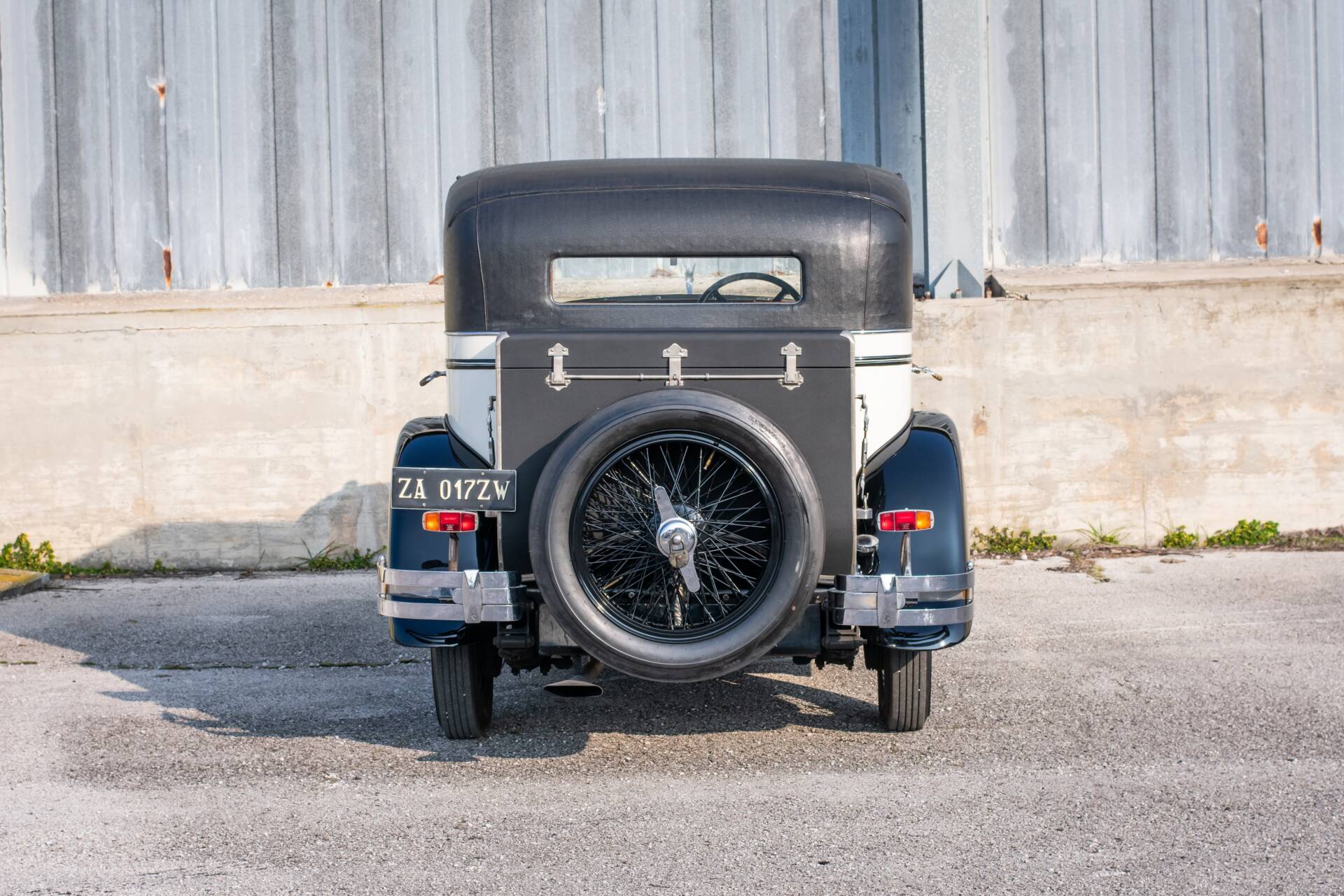
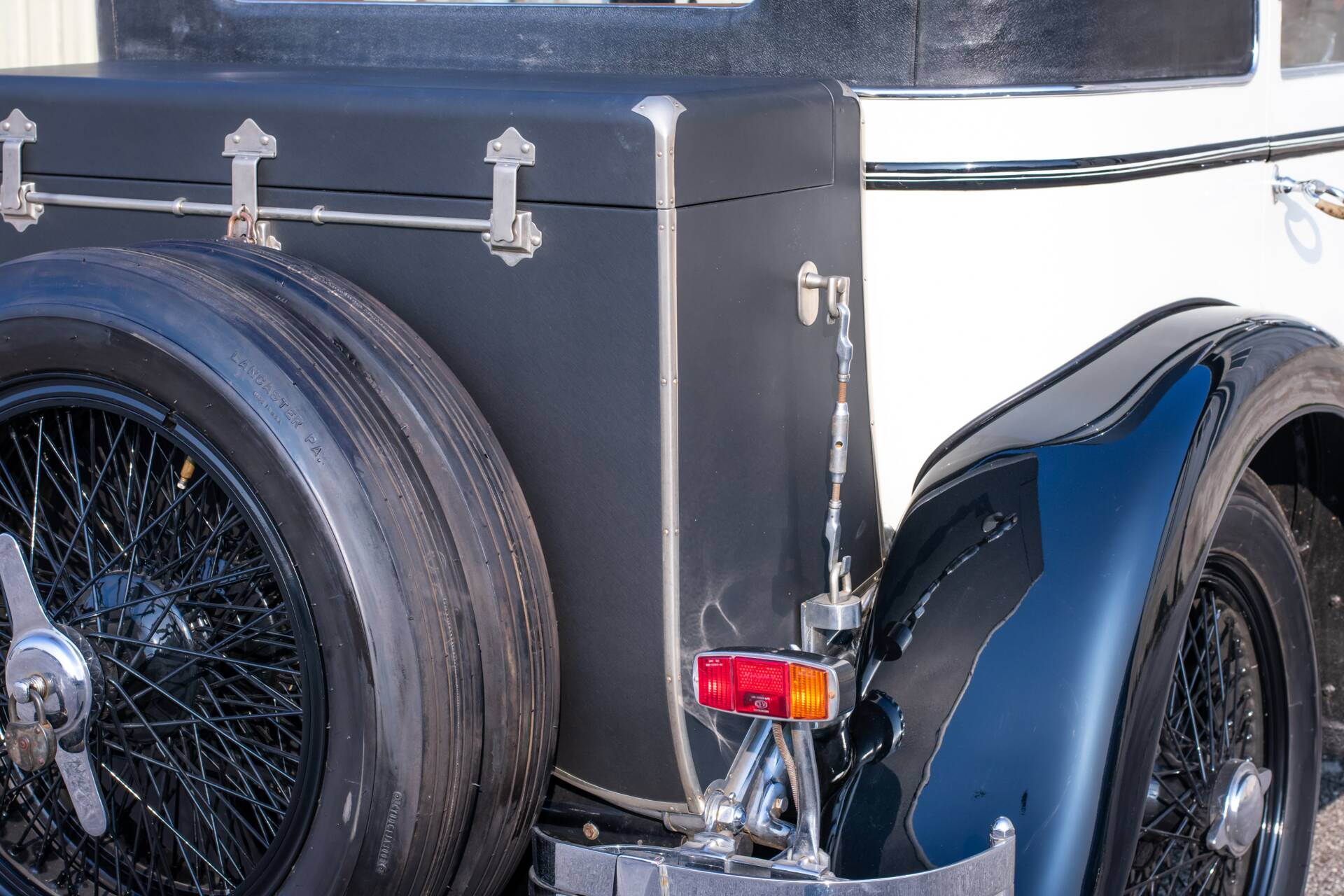
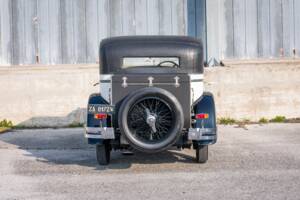
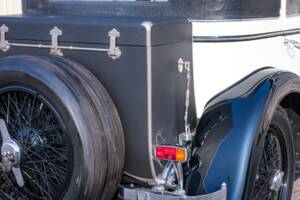
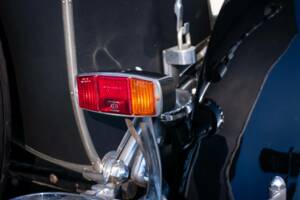
Vintage saloons usually lacked any form of boot, instead relying on an external trunk – and here is no exception, with a large trunk mounted at the rear, behind which two spare wheels are mounte
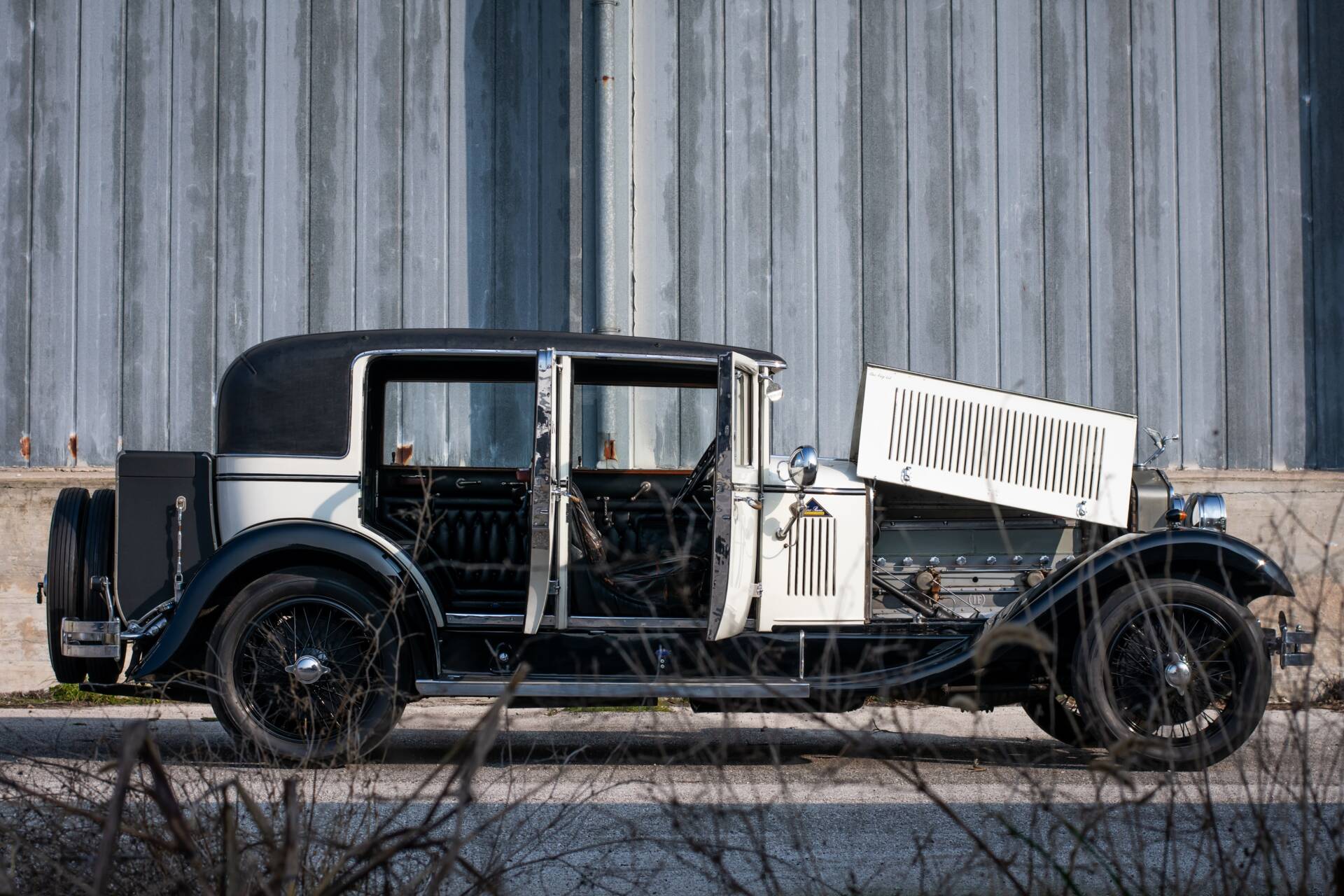
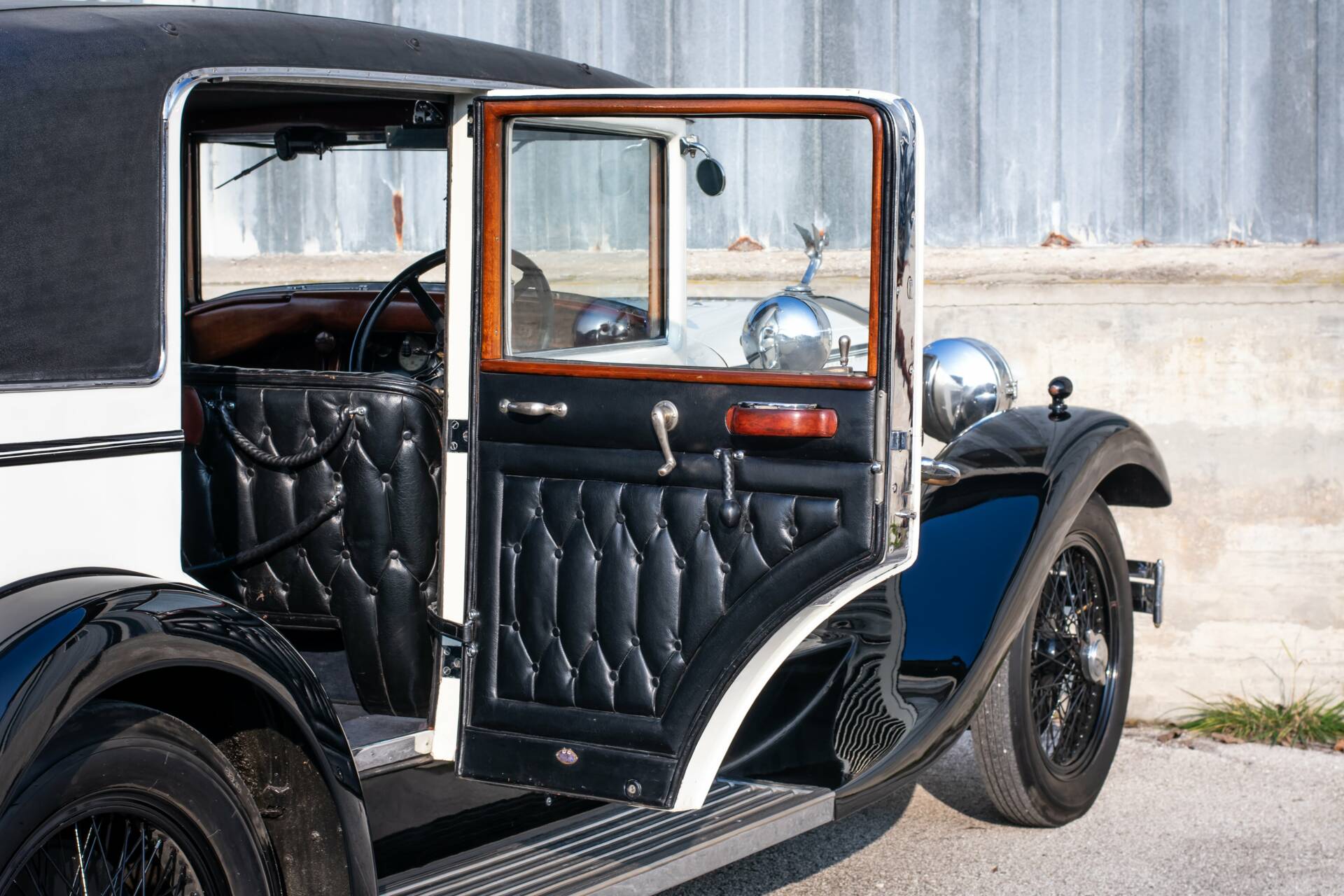
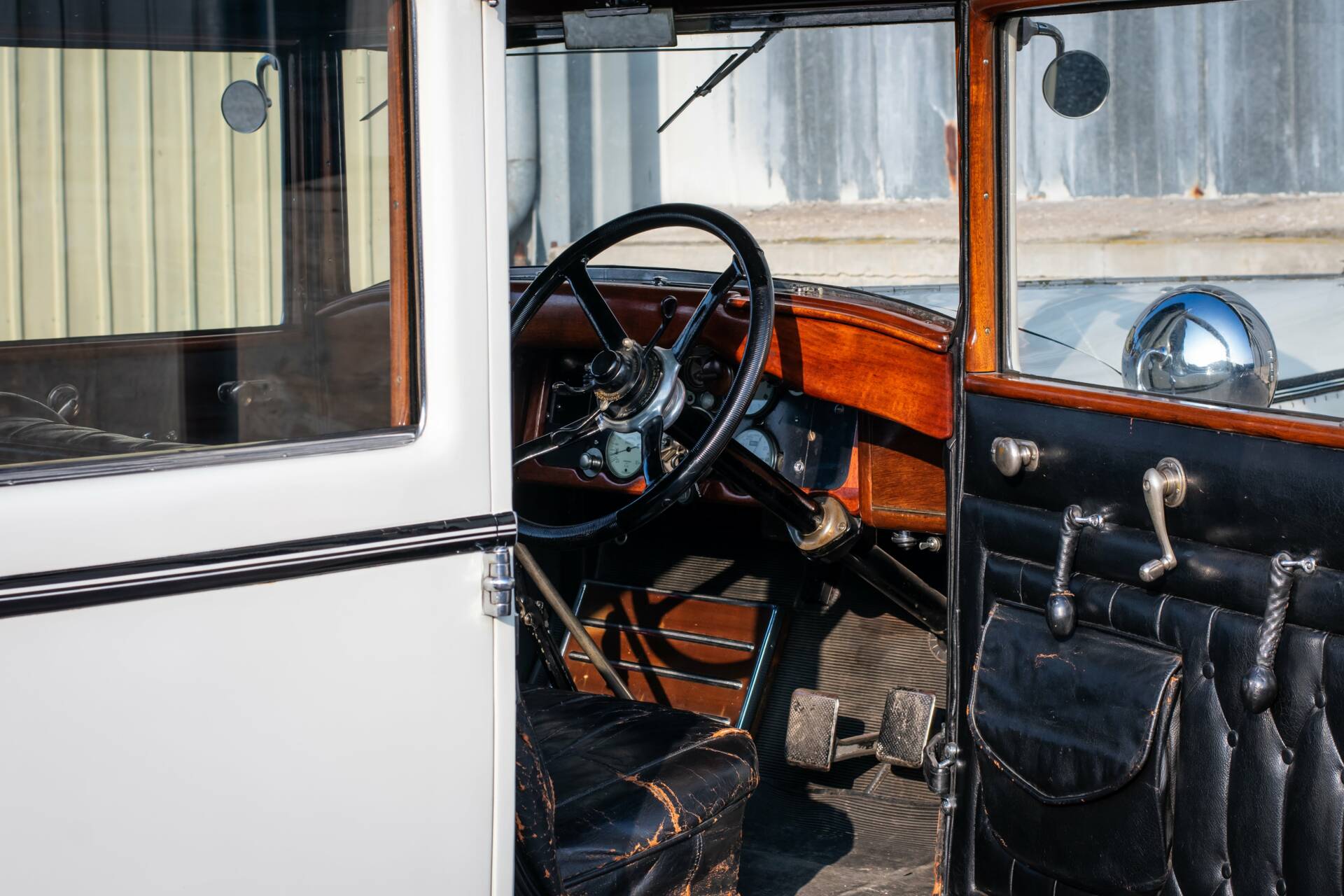
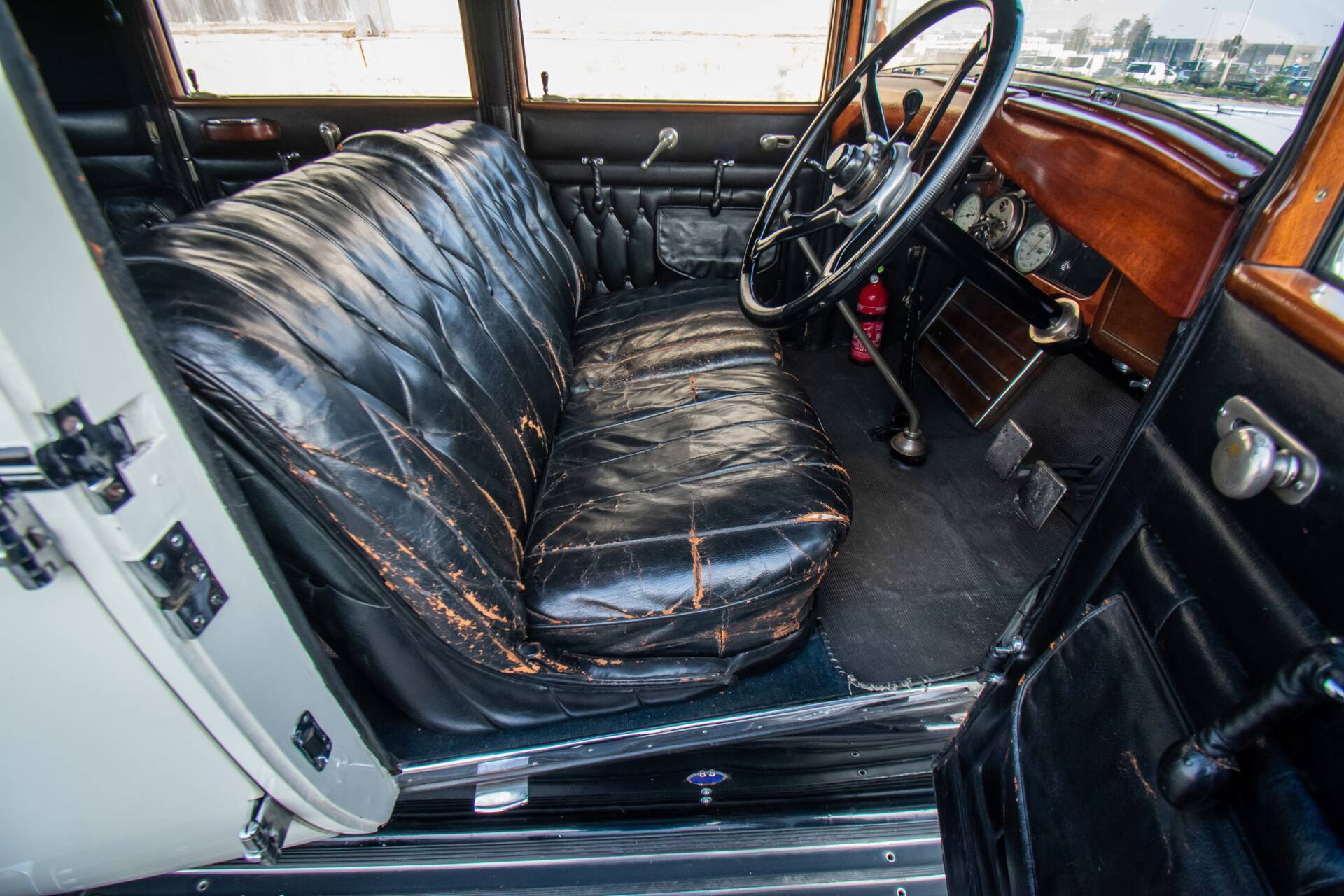
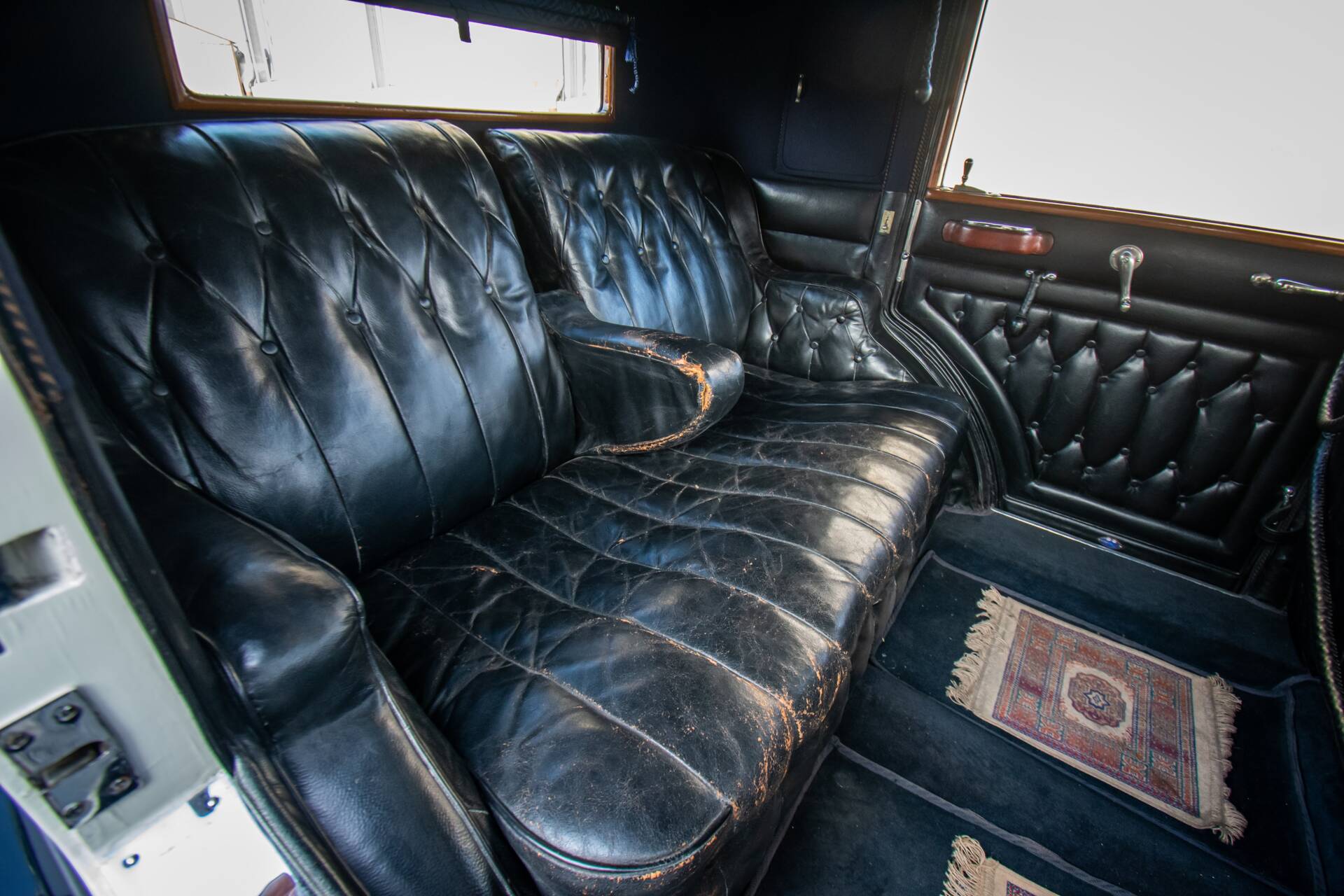
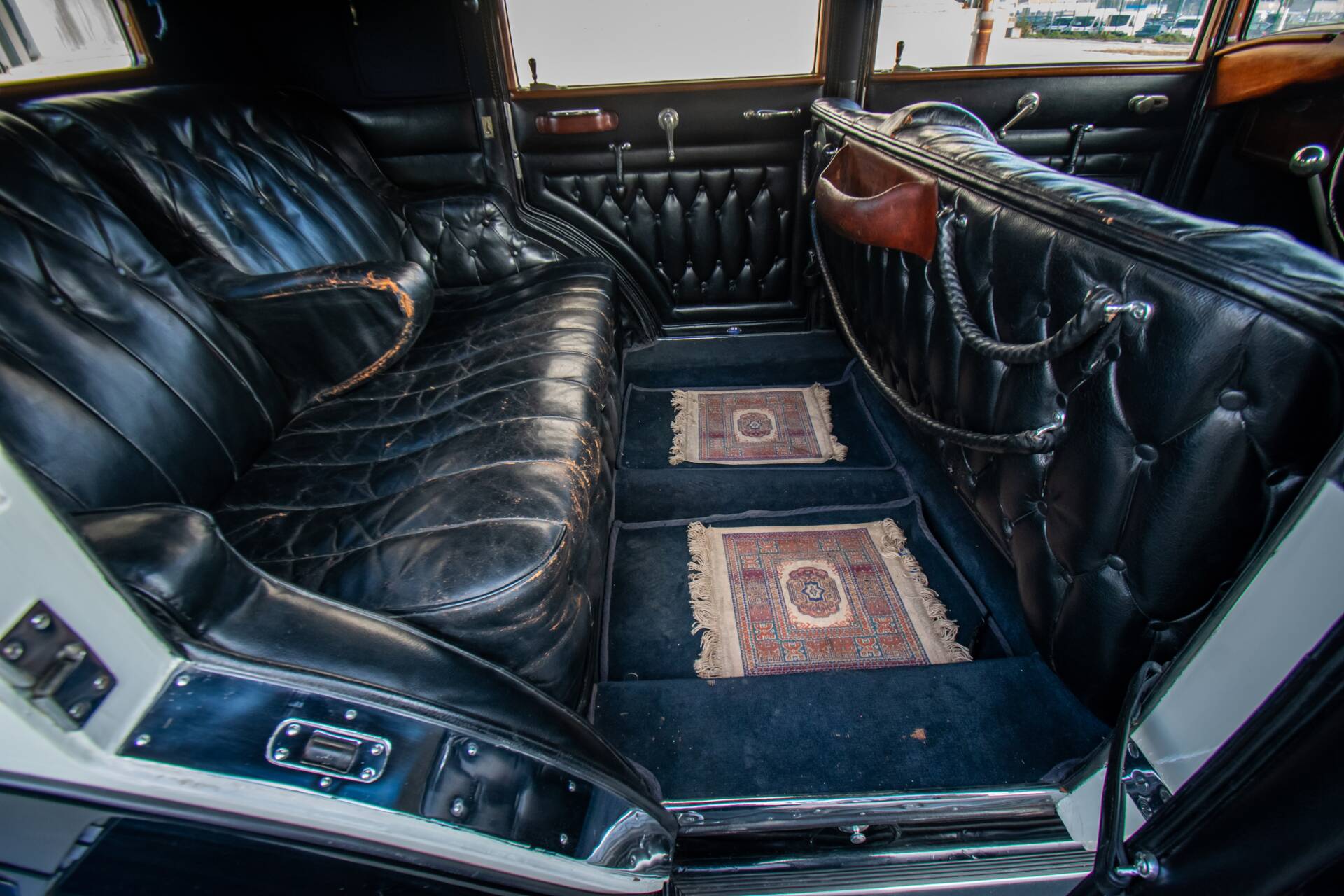
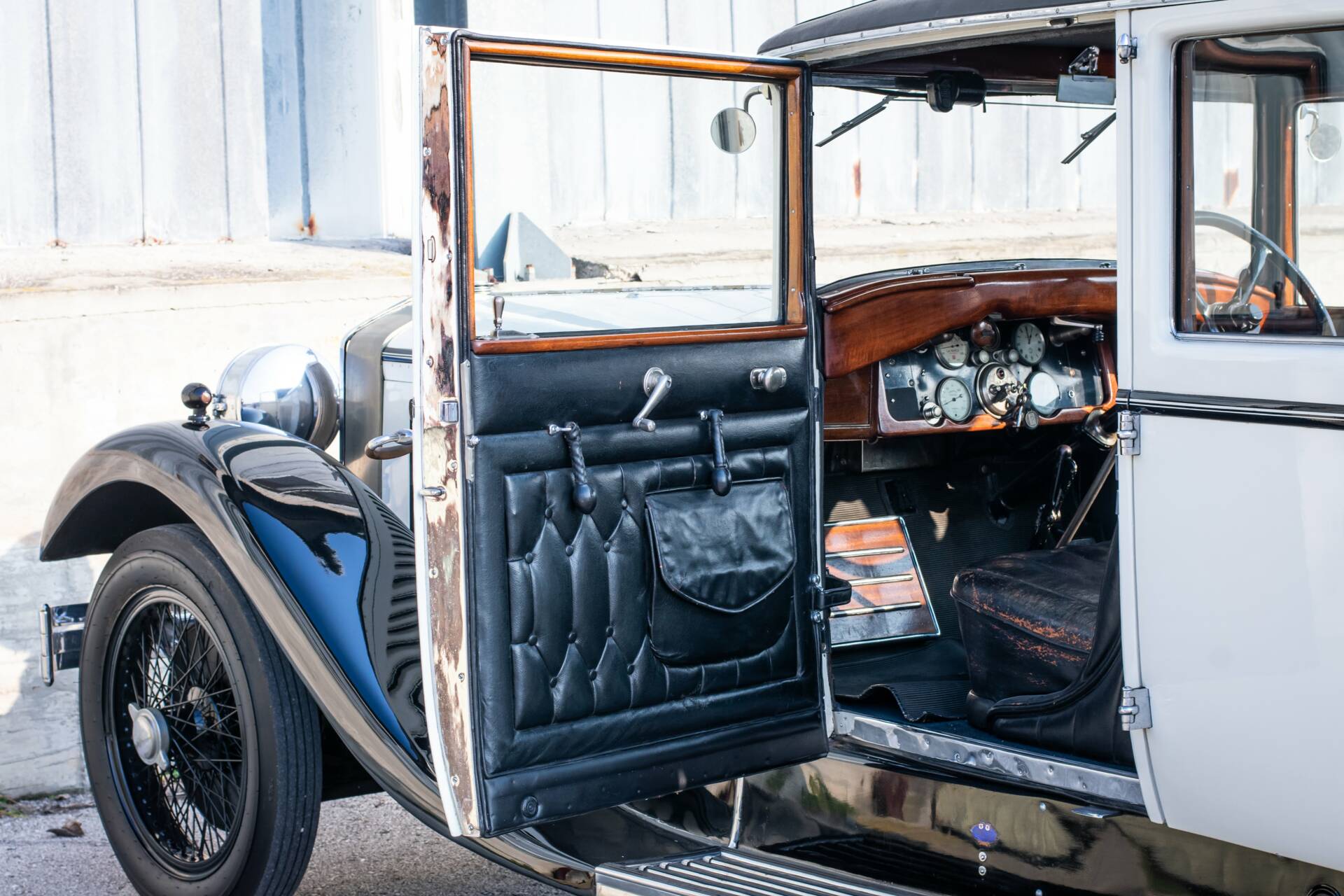
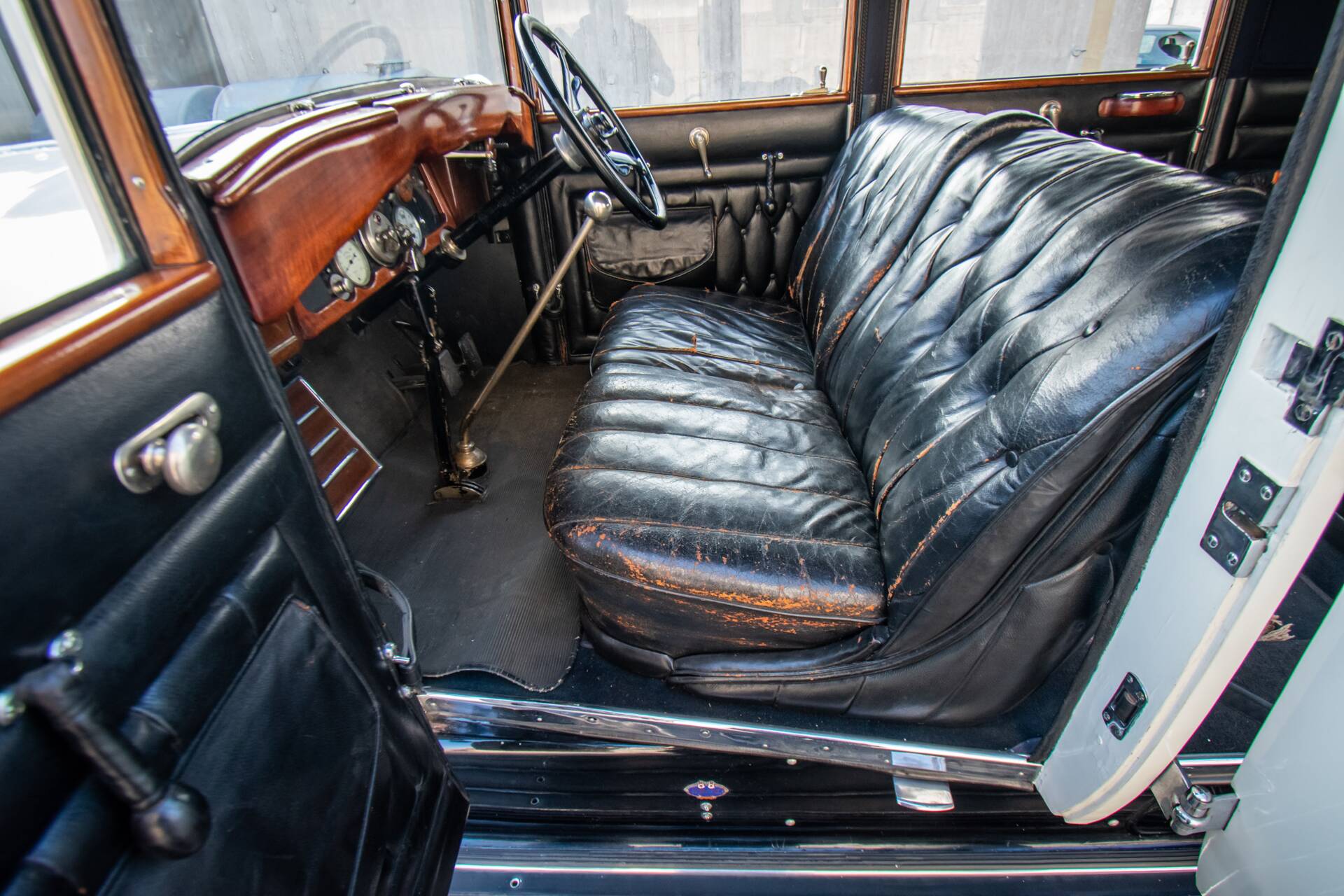
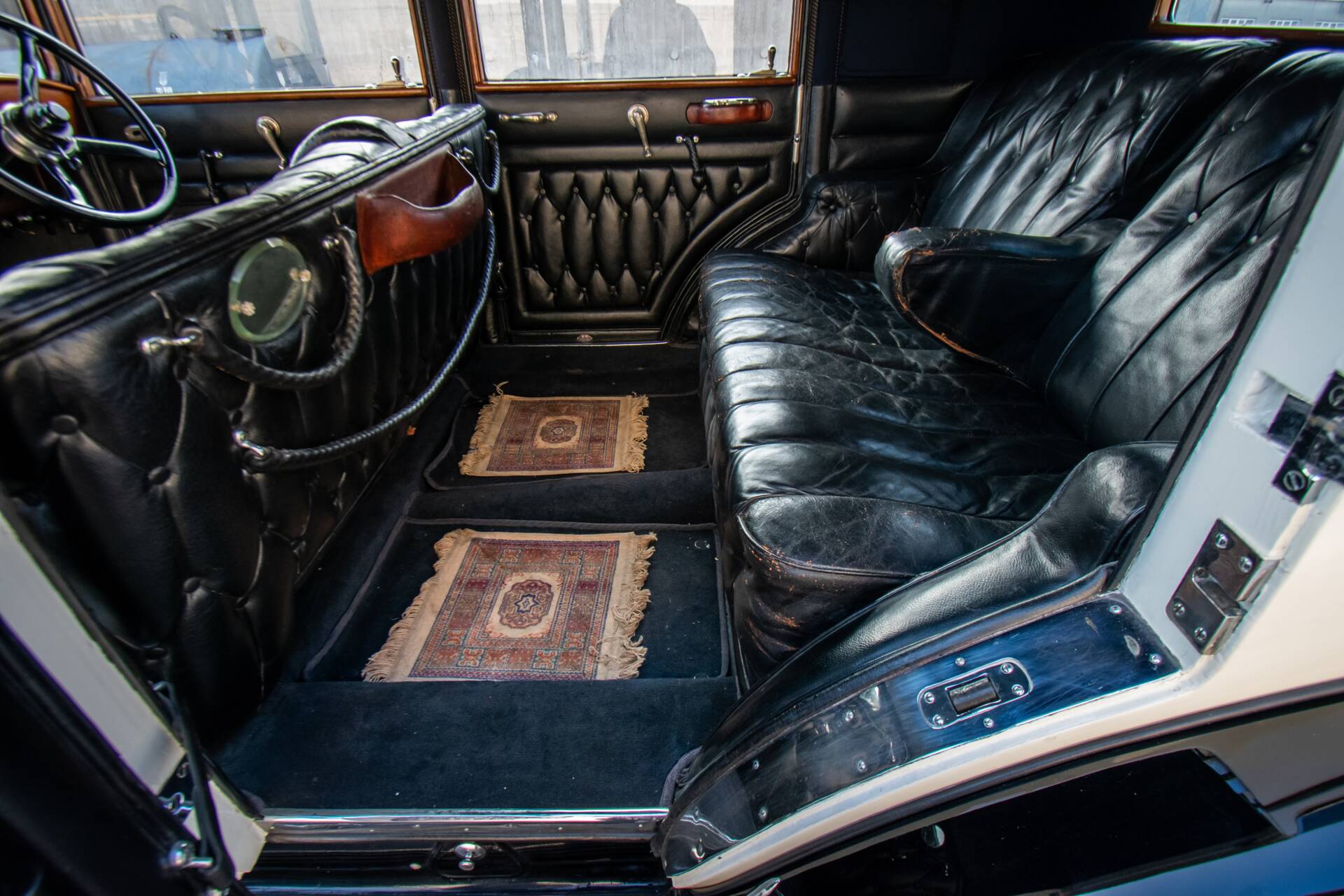
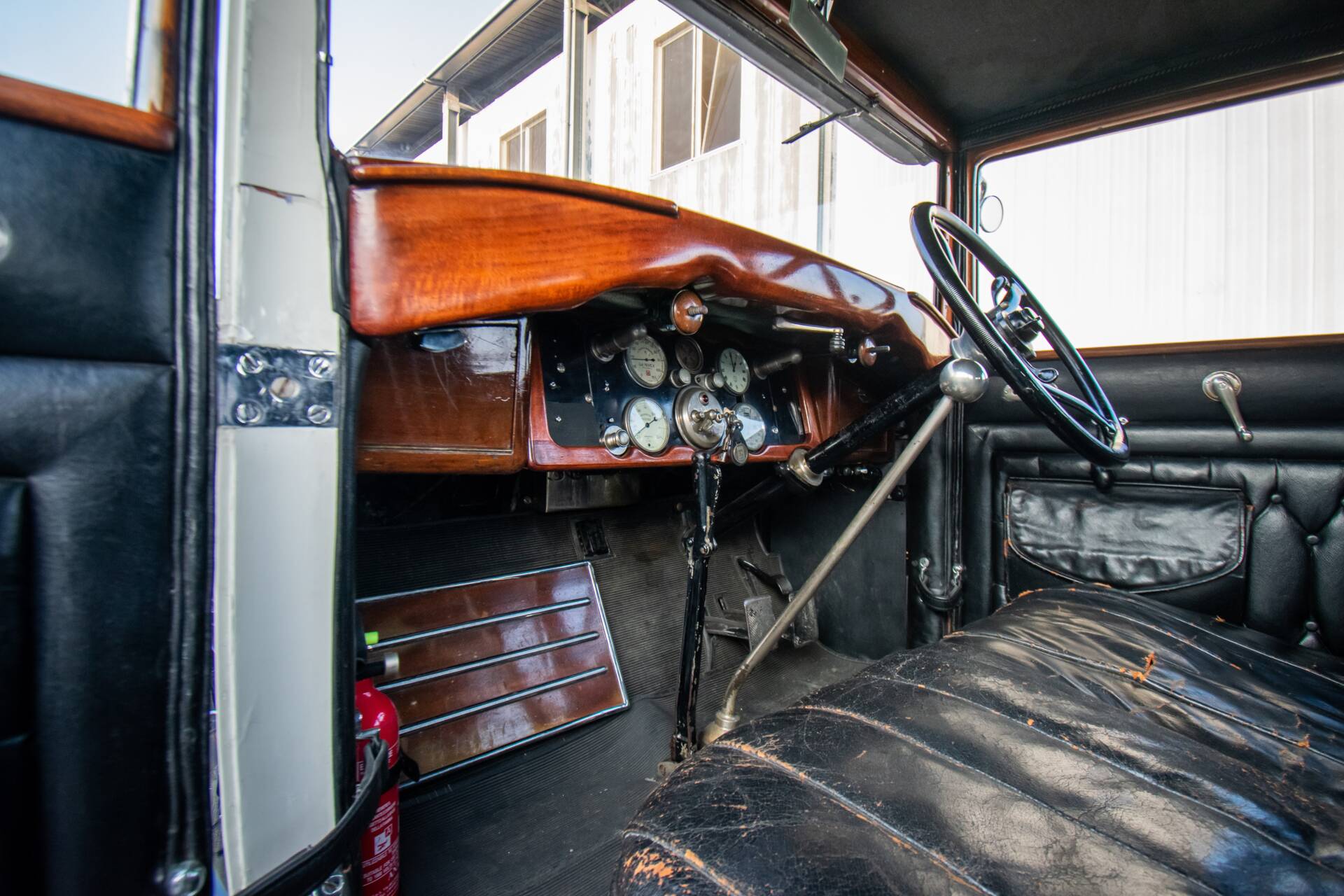
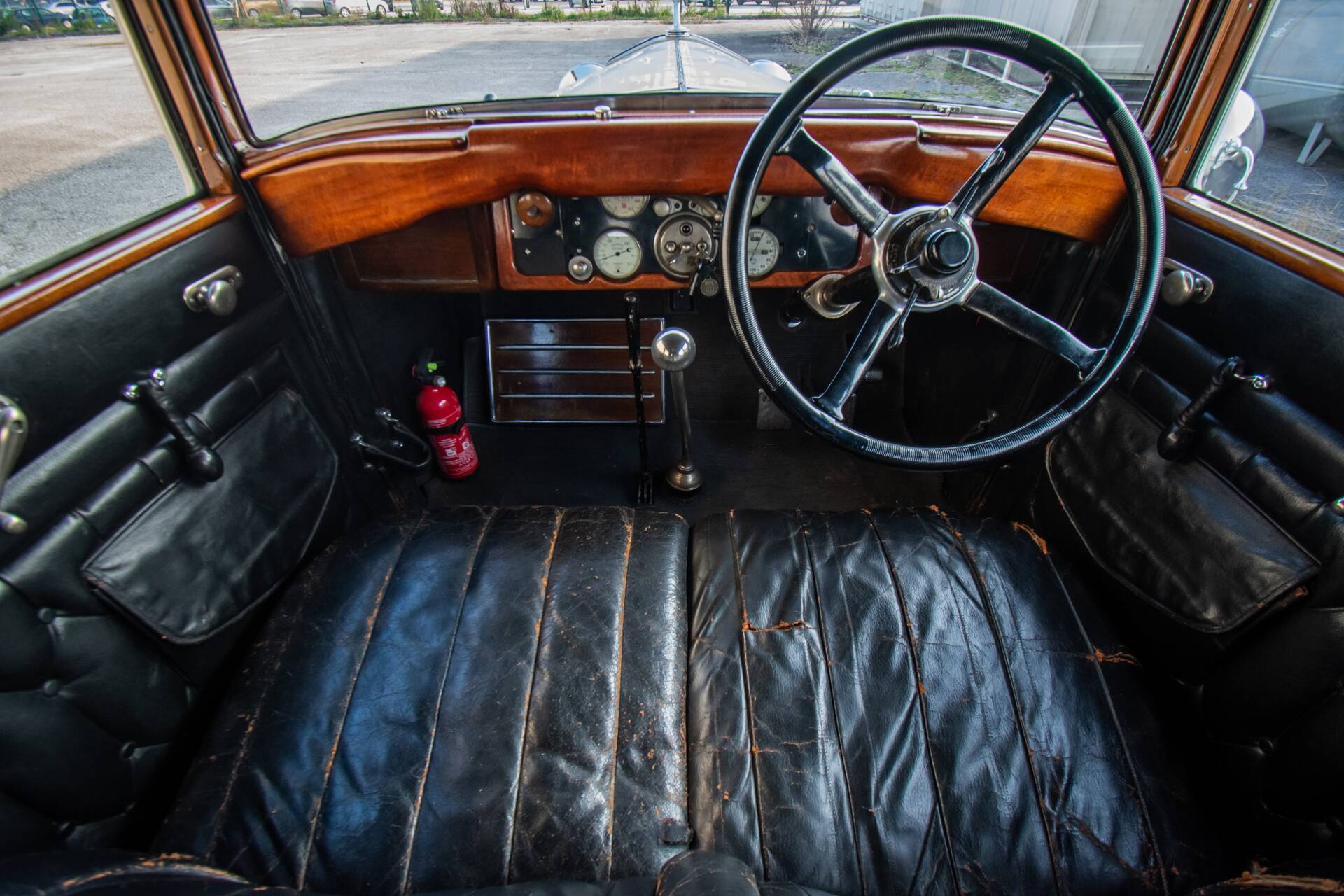
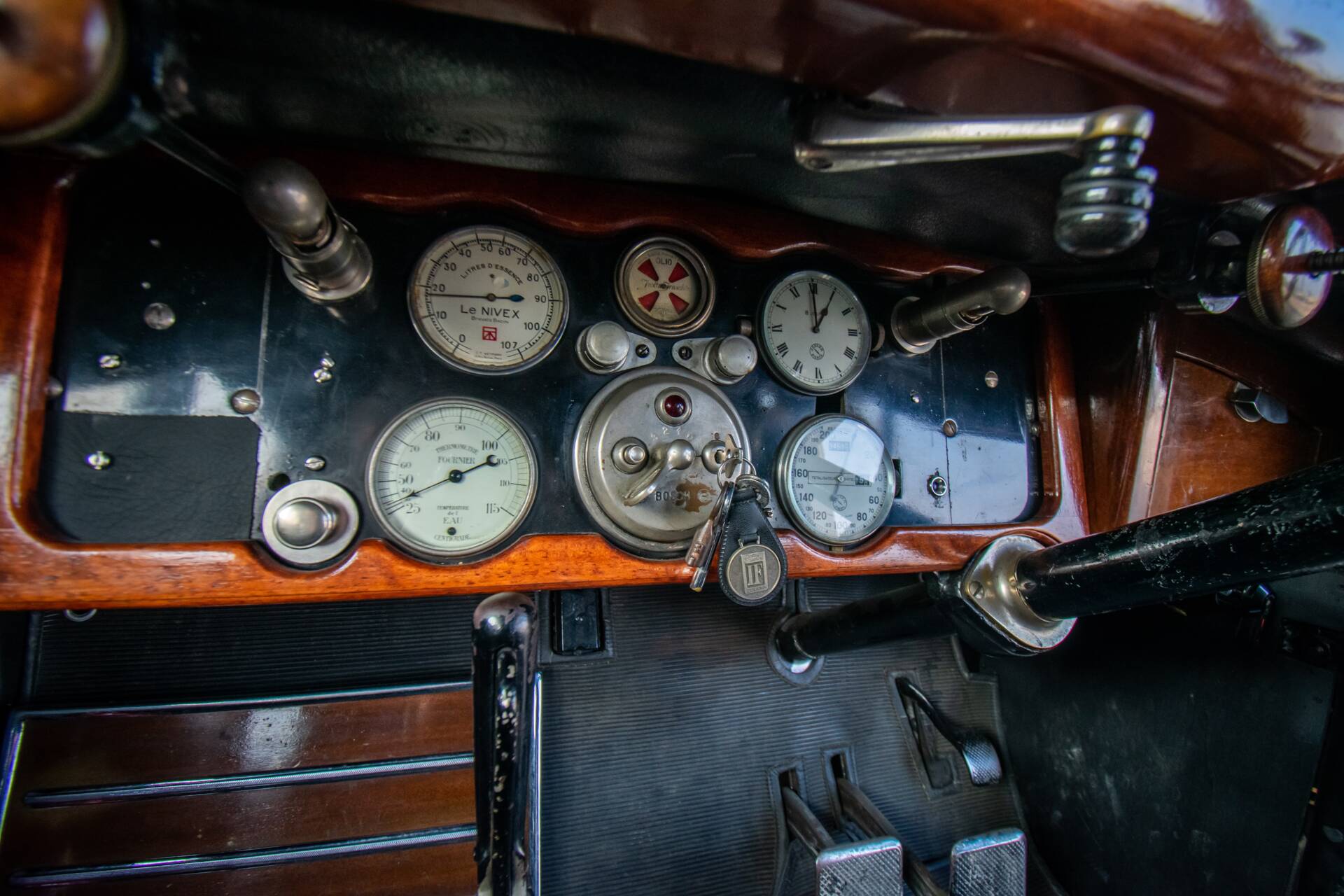
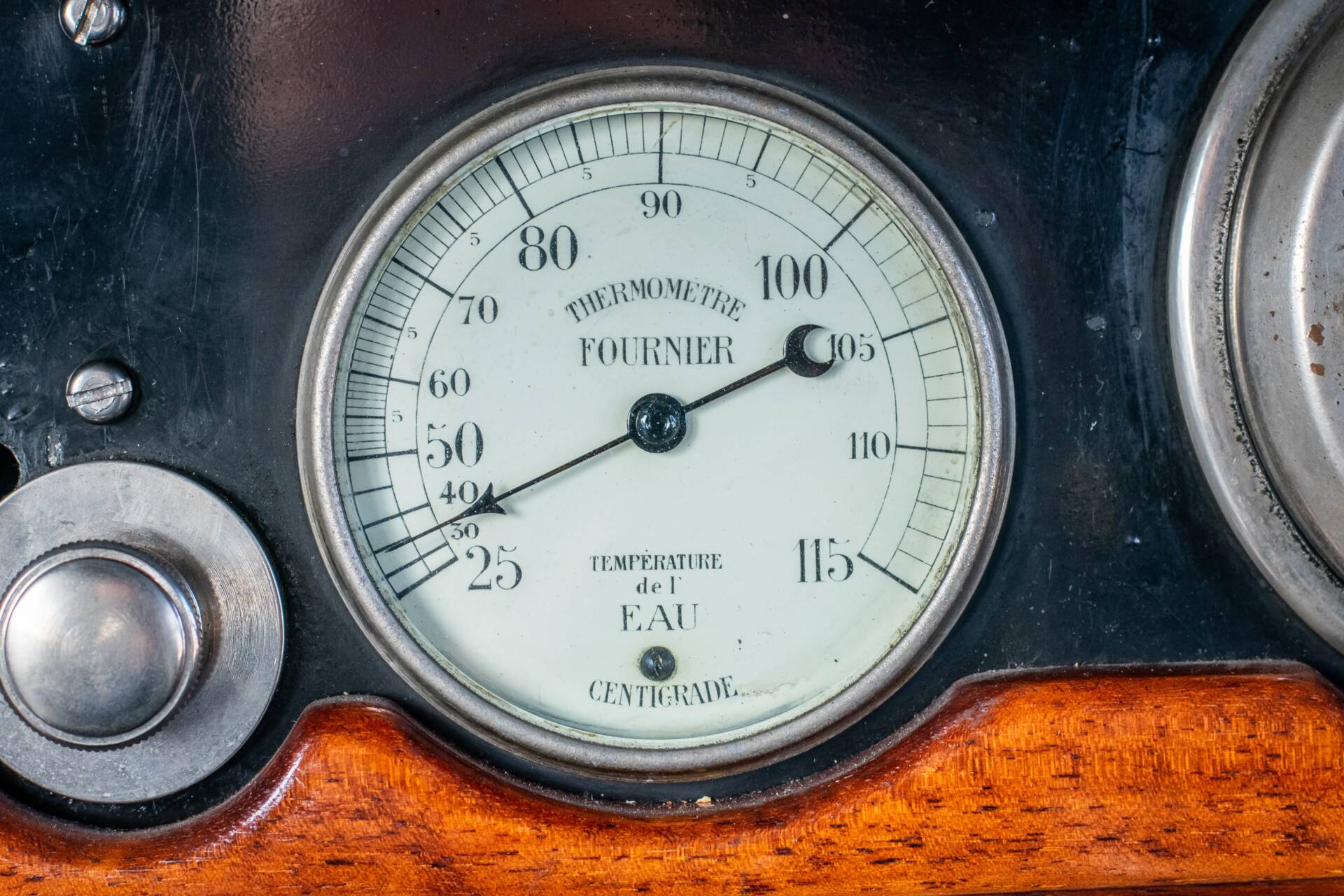
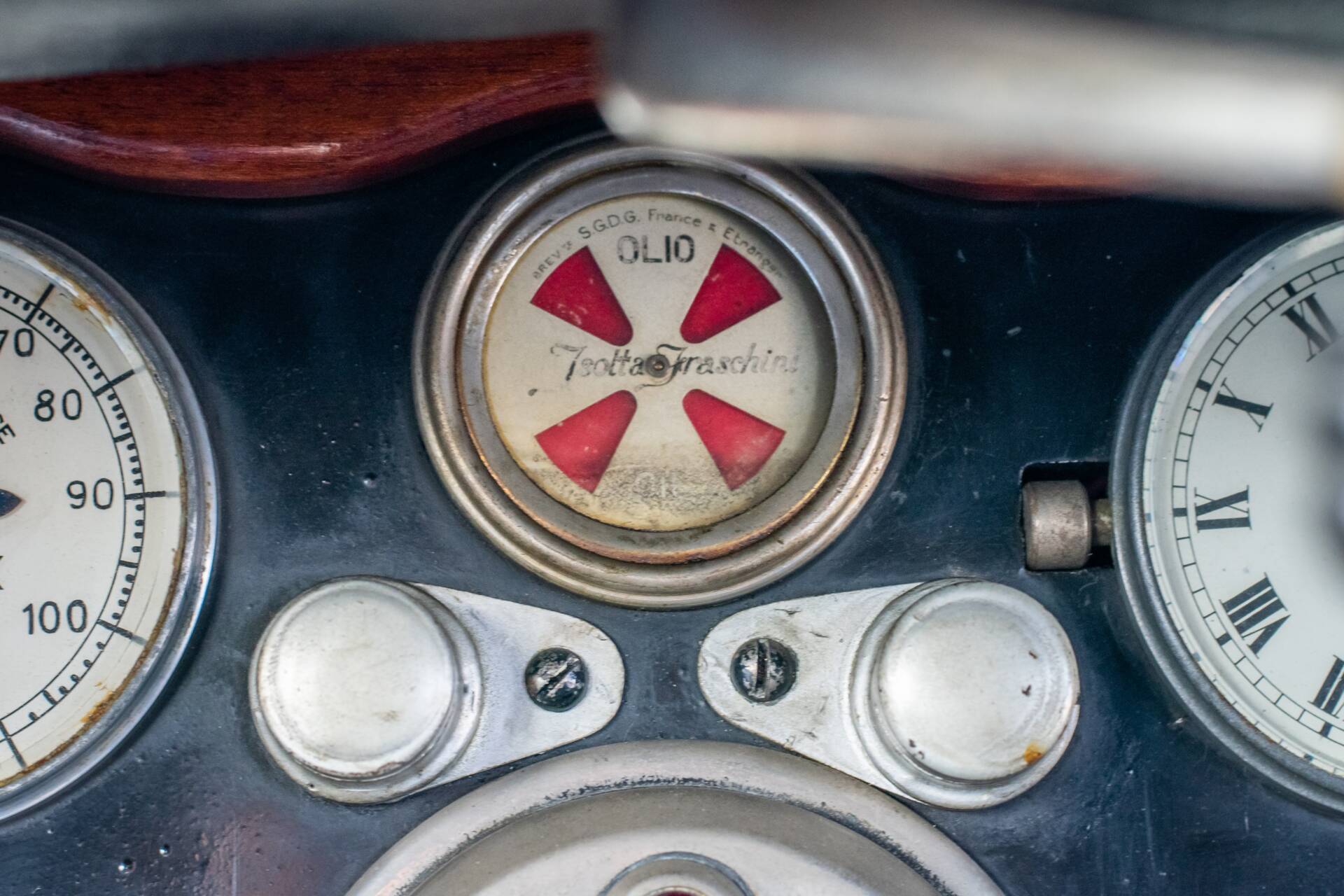
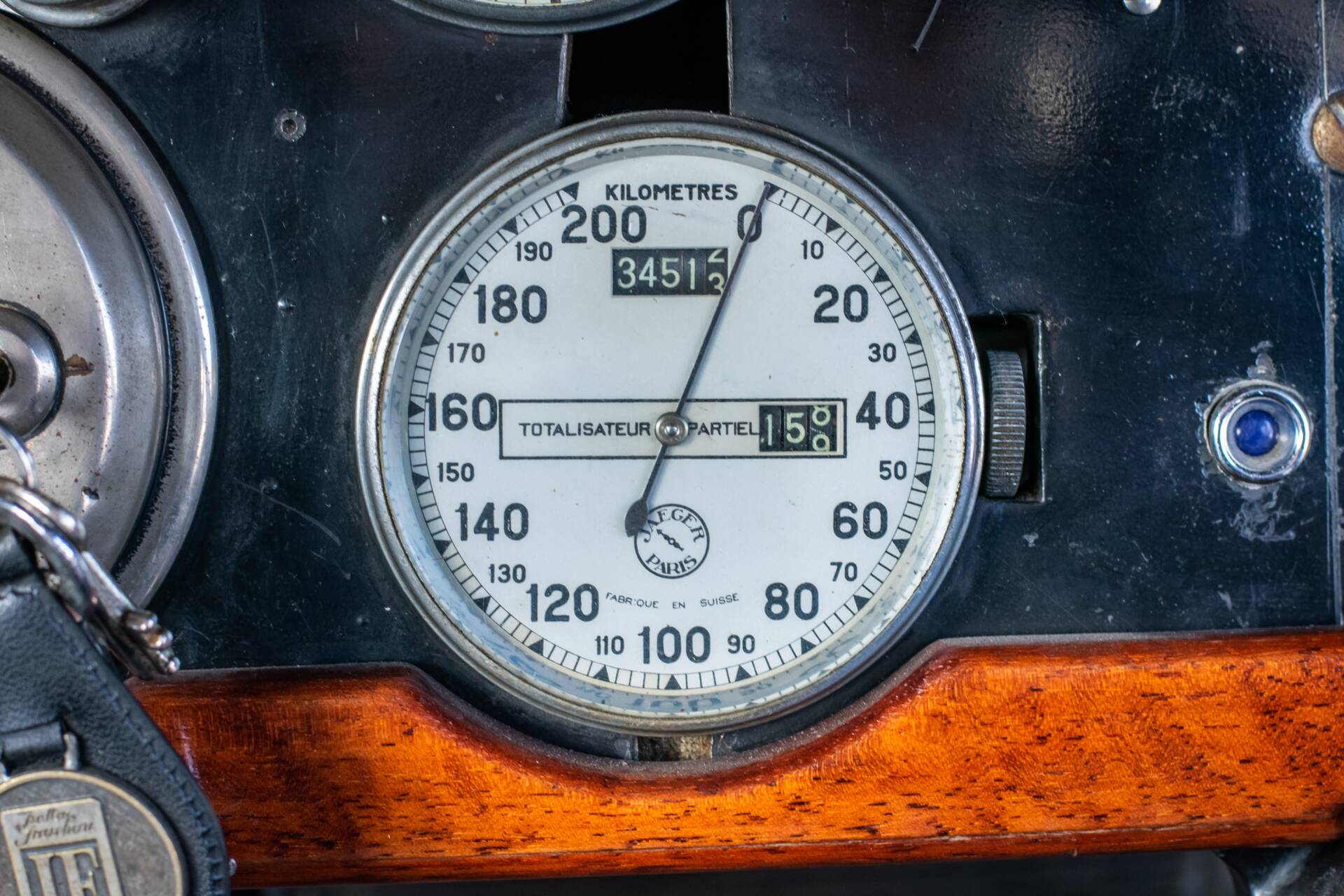
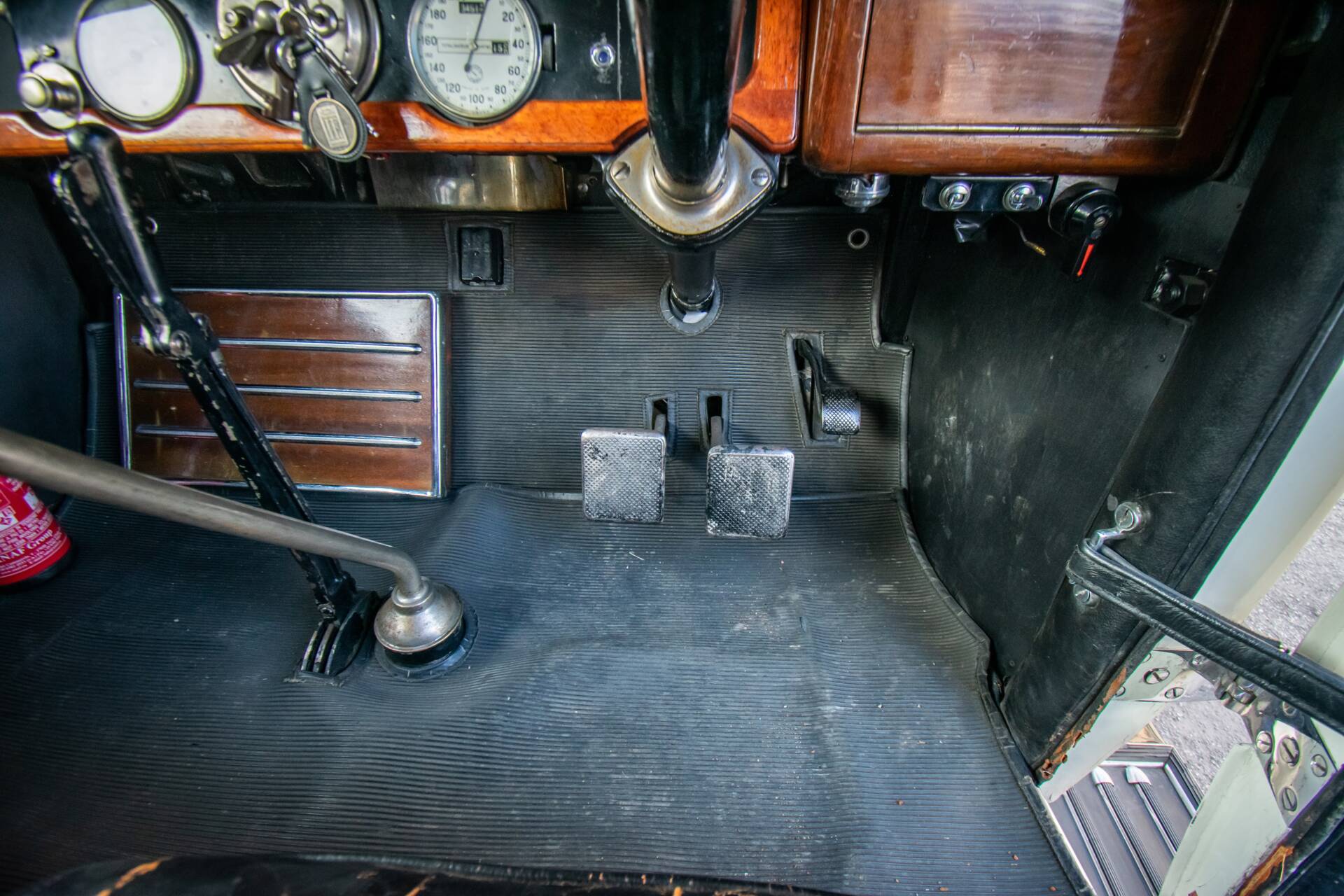
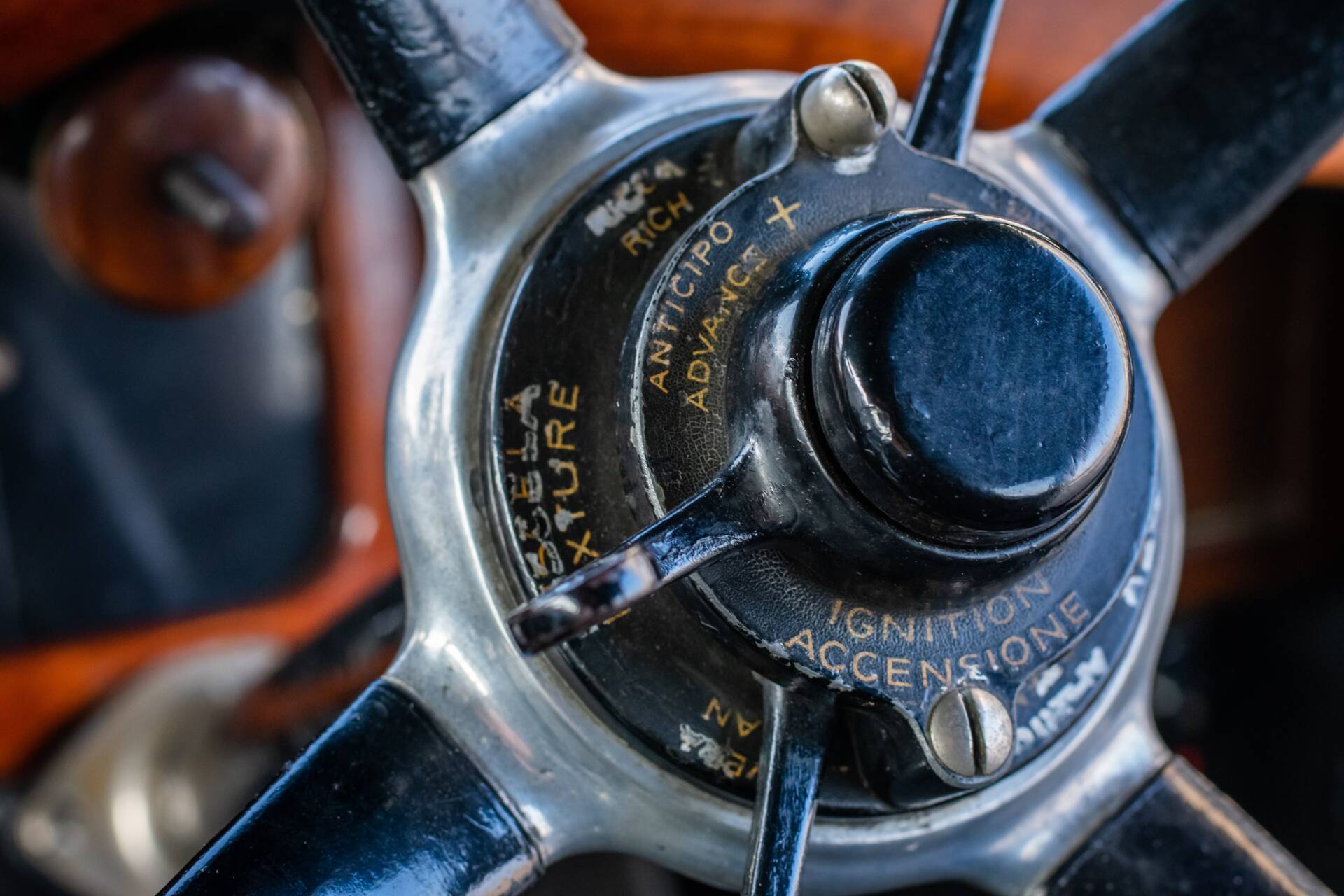
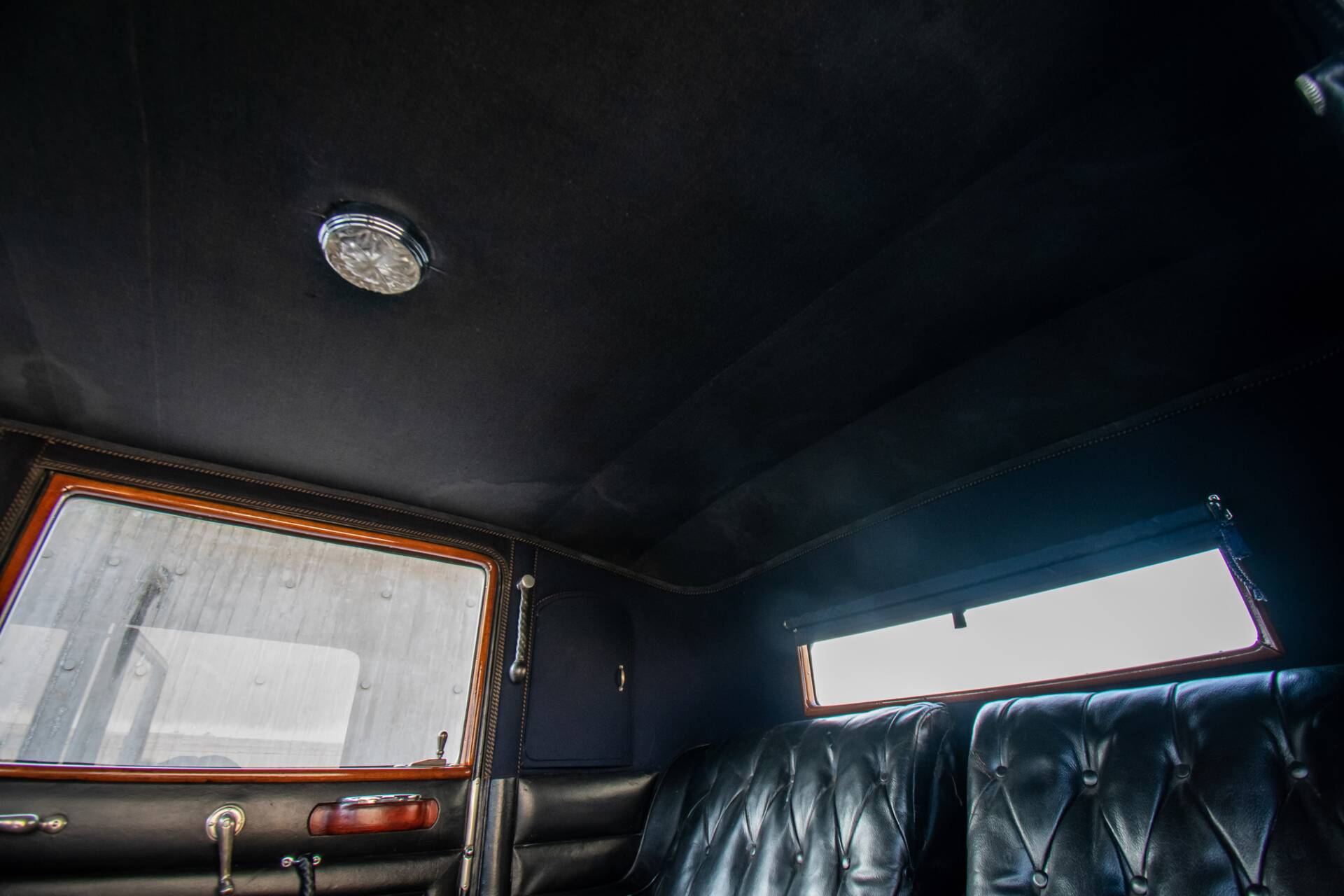
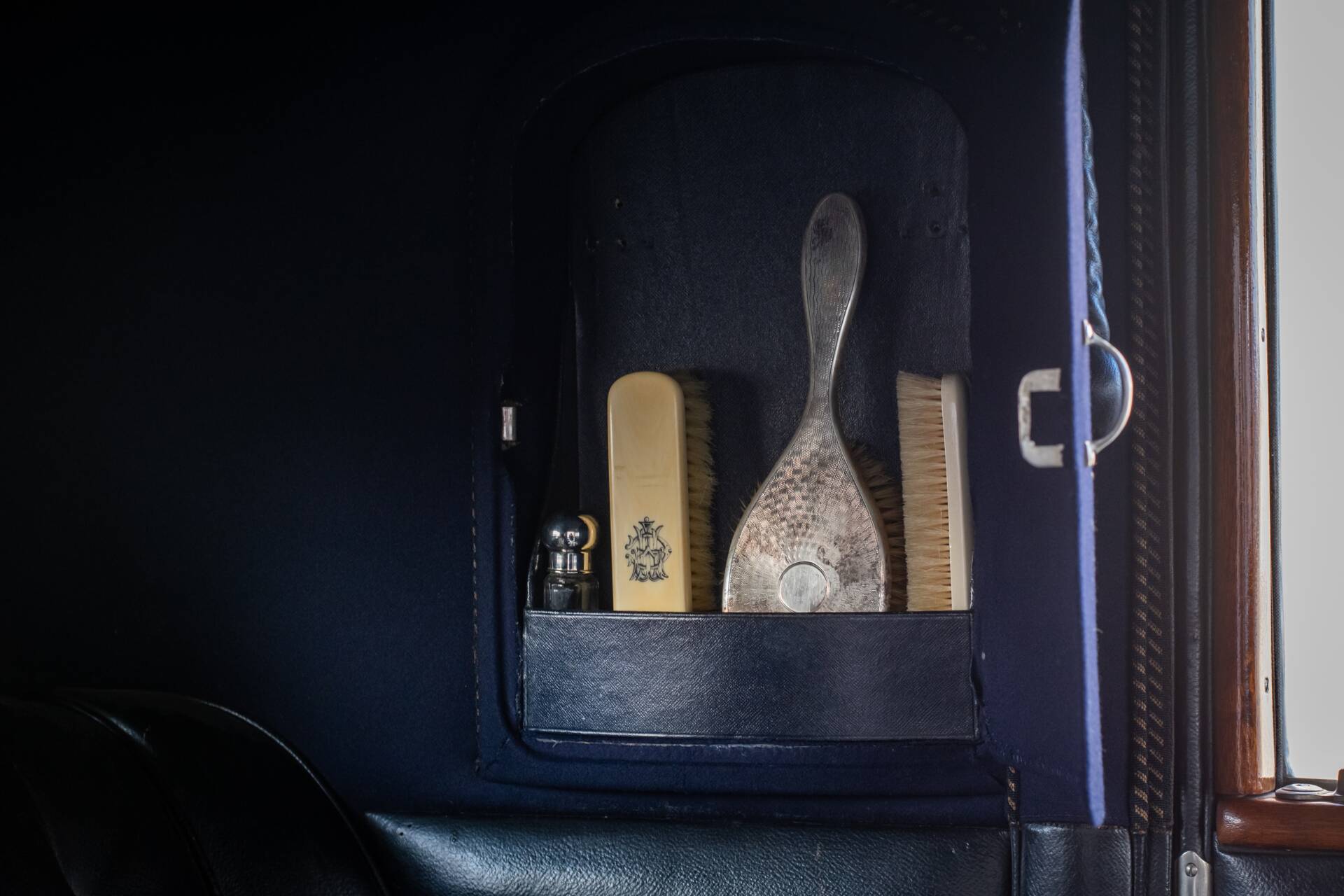
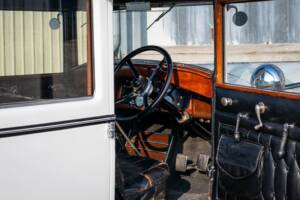
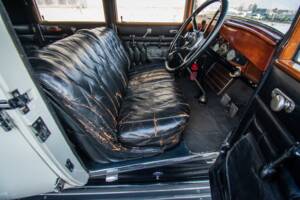
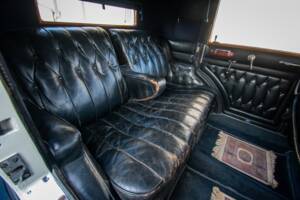
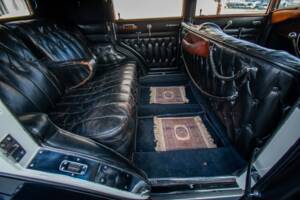
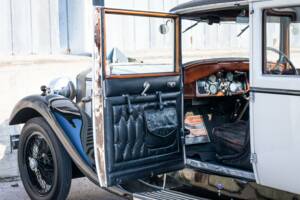
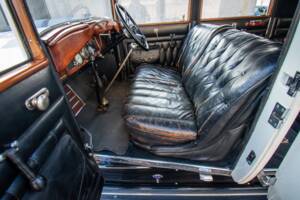
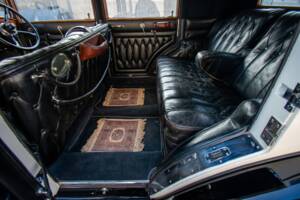
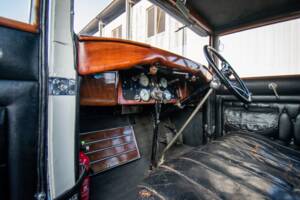
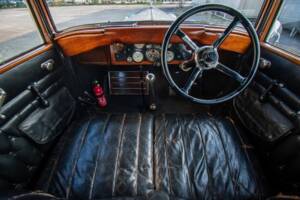
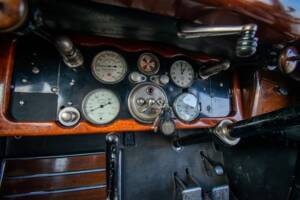
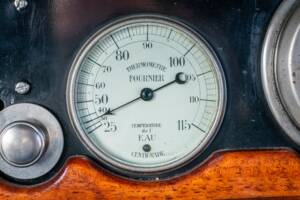
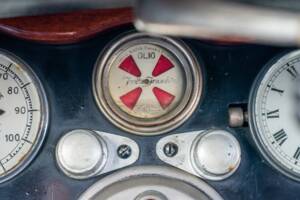
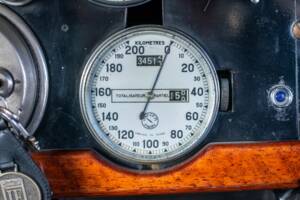
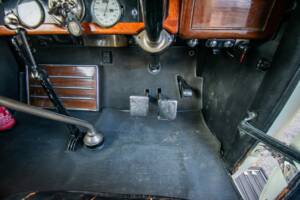
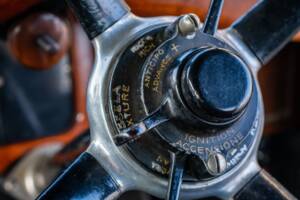
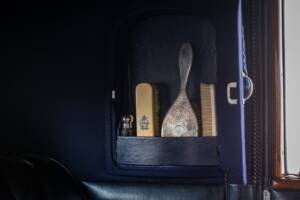
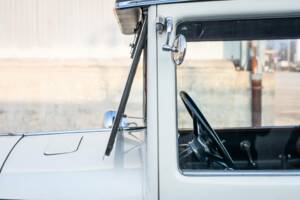
The interior is where luxury cars of this era really offer something spectacular; this most certainly applies here, for from the moment one opens the door, the wonderful buttoned black leather upholstery instantly evokes an atmosphere of timeless class. Complete with such luxuries for the rear-seat passengers as ashtrays, mirrors, even a hairbrush. Fine details are to be seen everywhere one’s gaze wanders: cut-glass interior lights, leather door-pulls, cavernous leather door-pockets etc. In the front, one is faced by a classically vintage large steering wheel, with controls for ignition advance and retard, hand throttle and carburettor settings. Information is transmitted to the driver via a high-quality set of instruments supplied by the likes of Jaeger, Le Nivex and Fournier. The ignition switch itself is a high-quality Bosch unit.
In keeping with the rest of the vehicle, the interior is in a beautifully patinated condition. The only notable defect is a tear in the driver’s seat.
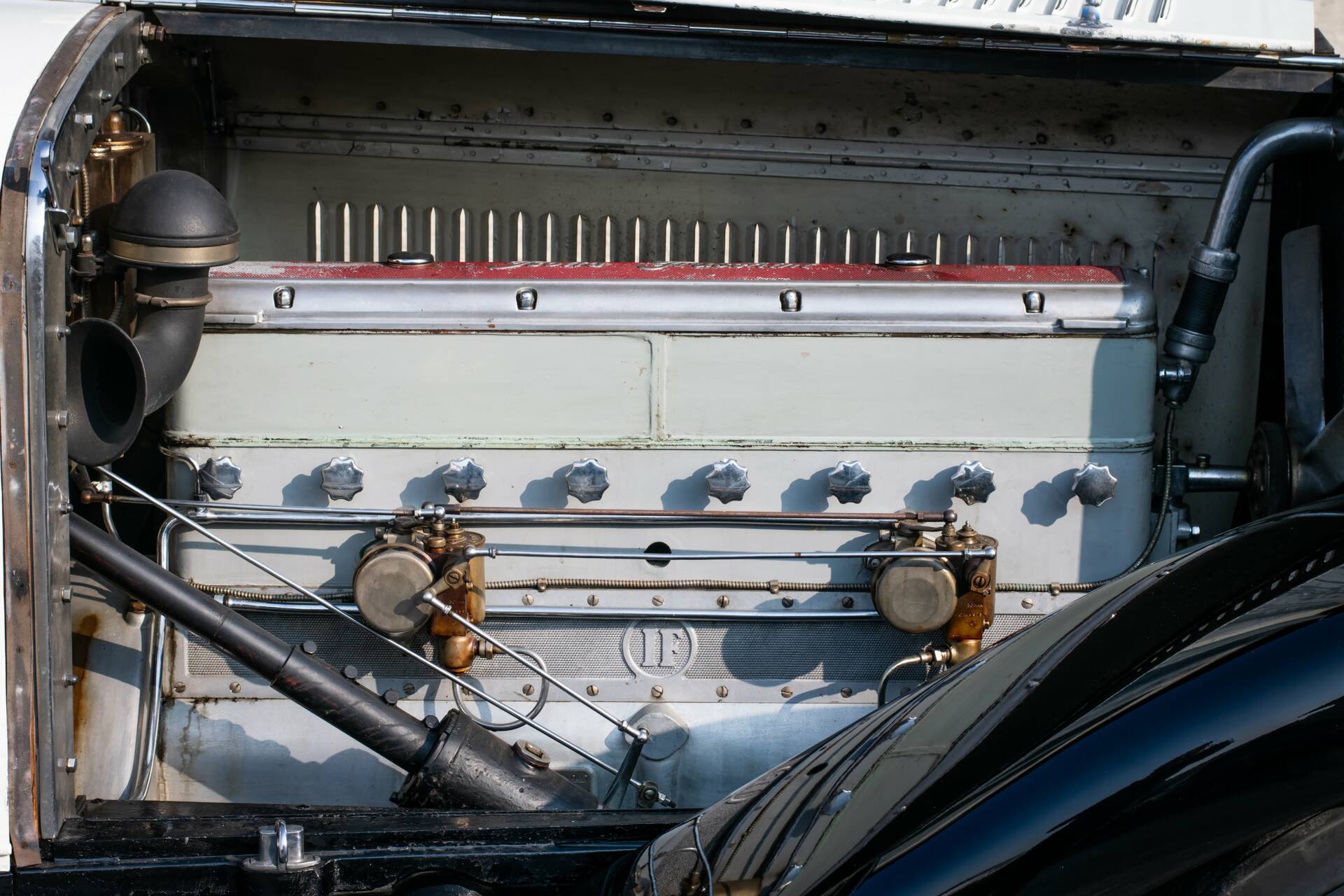
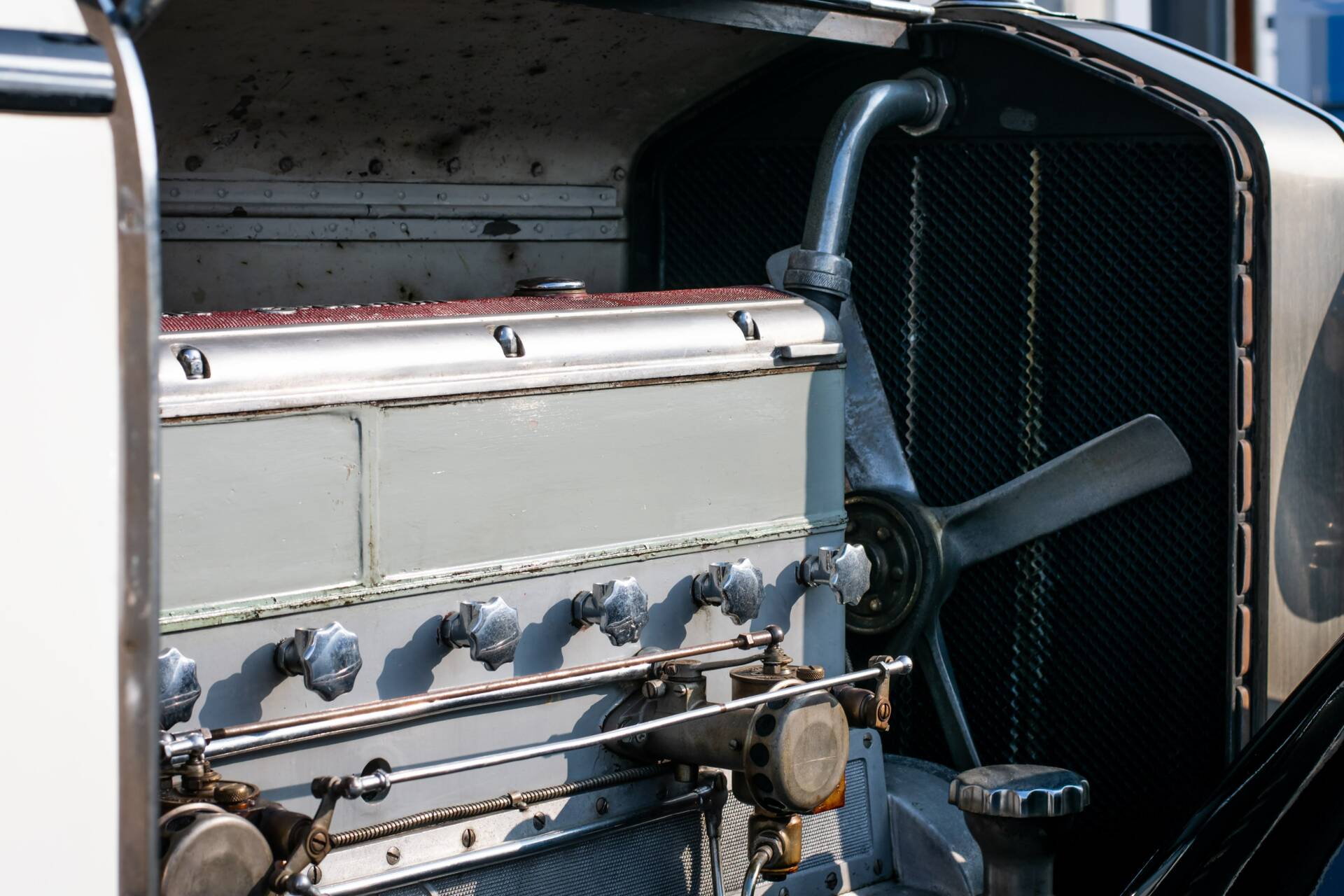
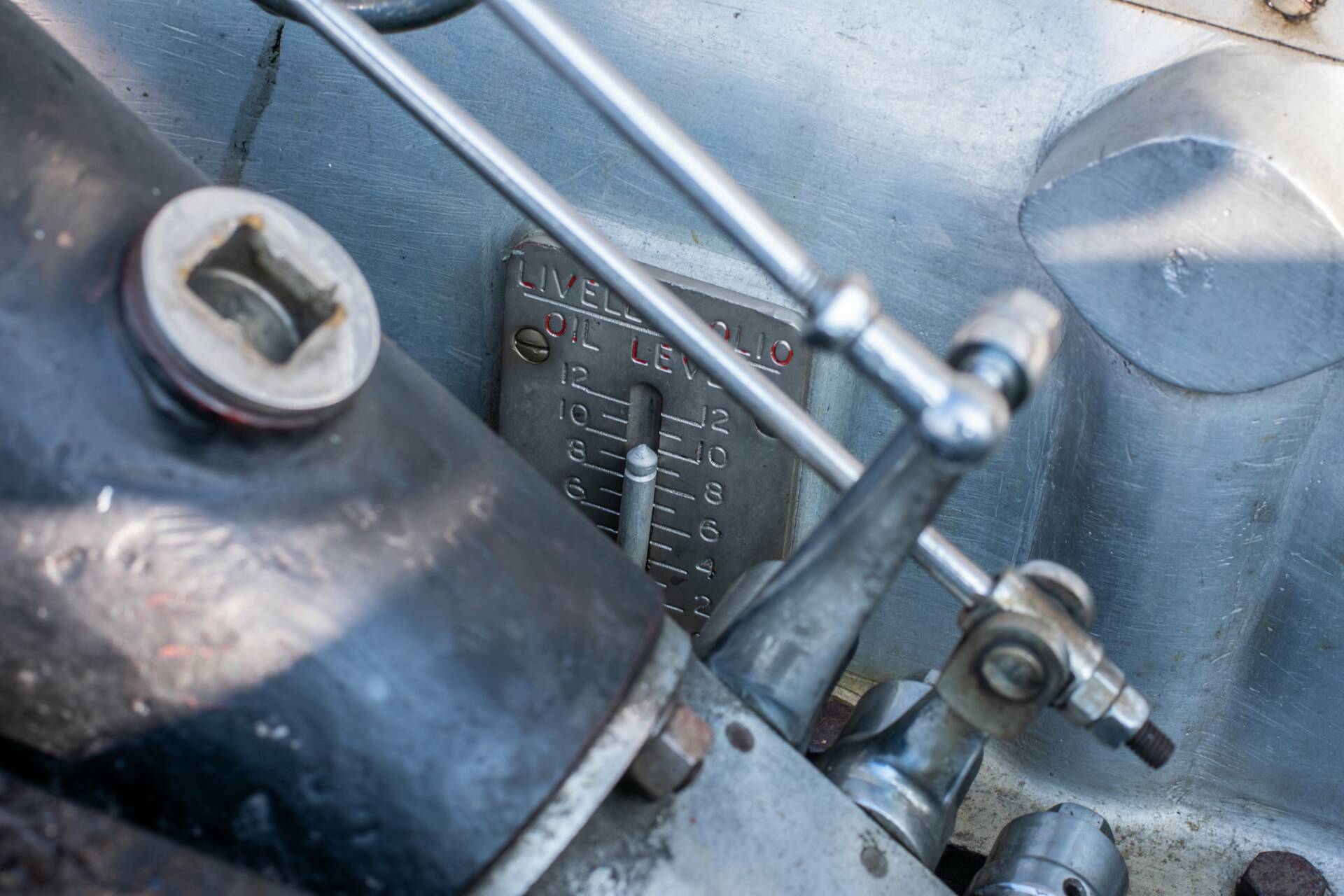
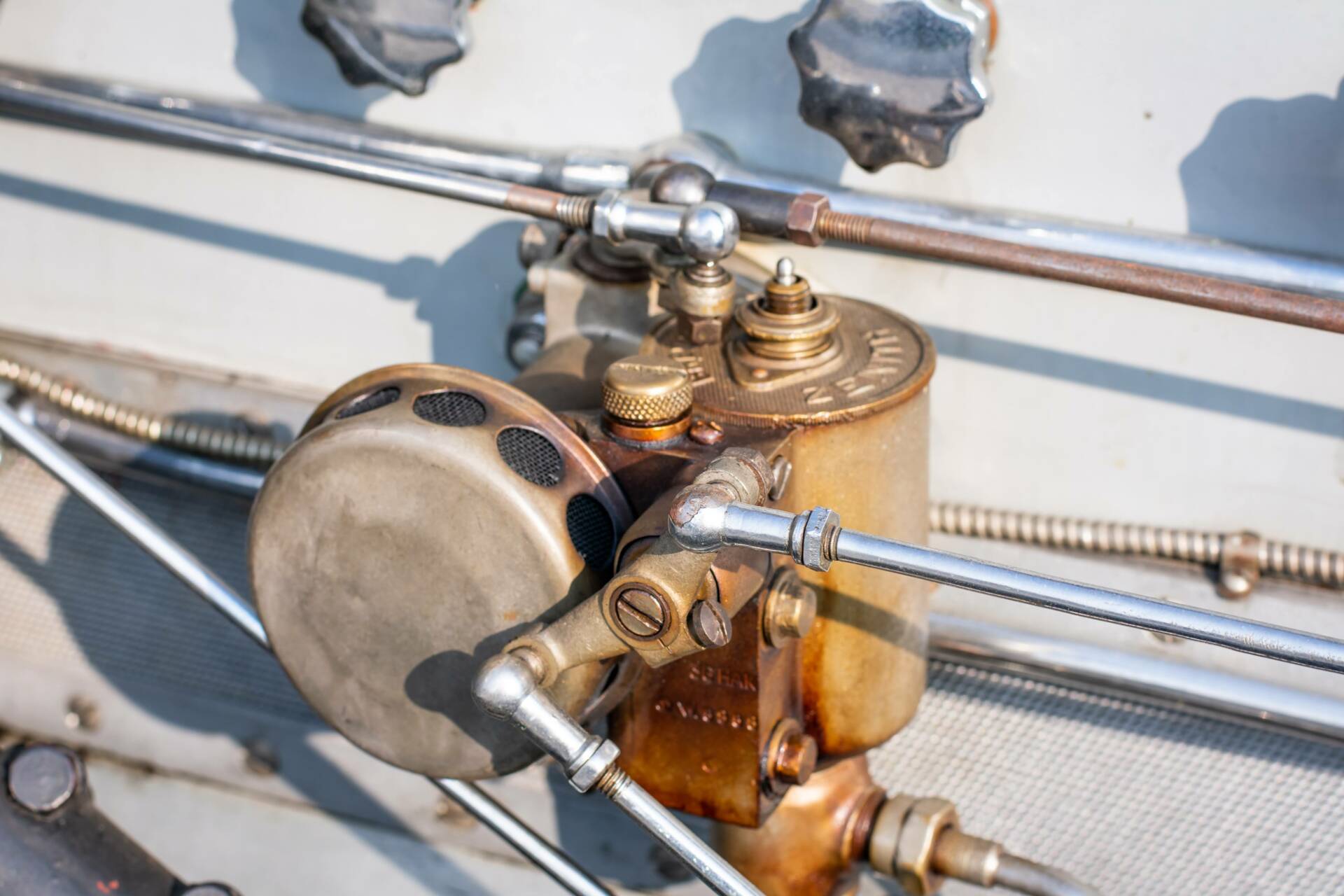
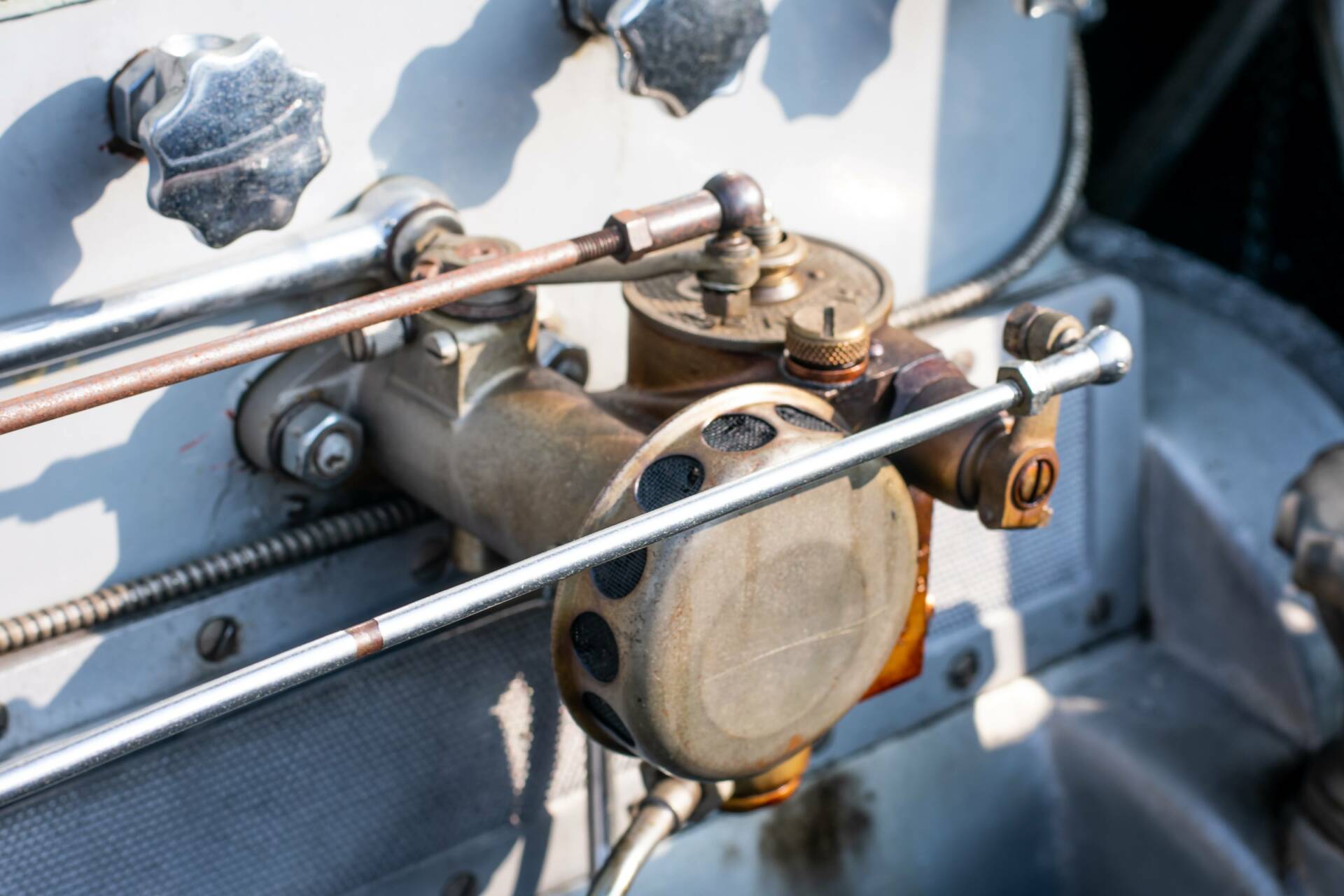
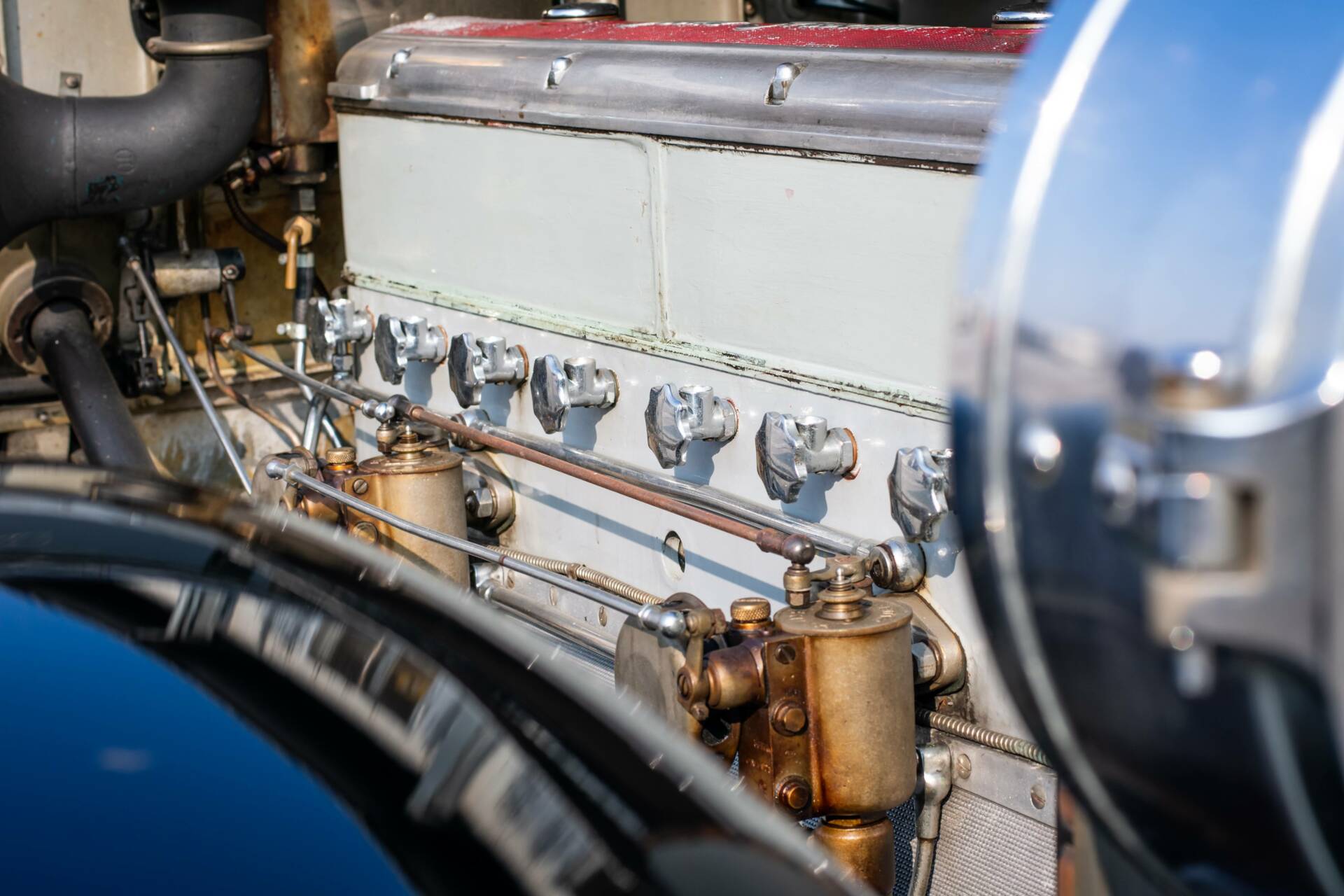
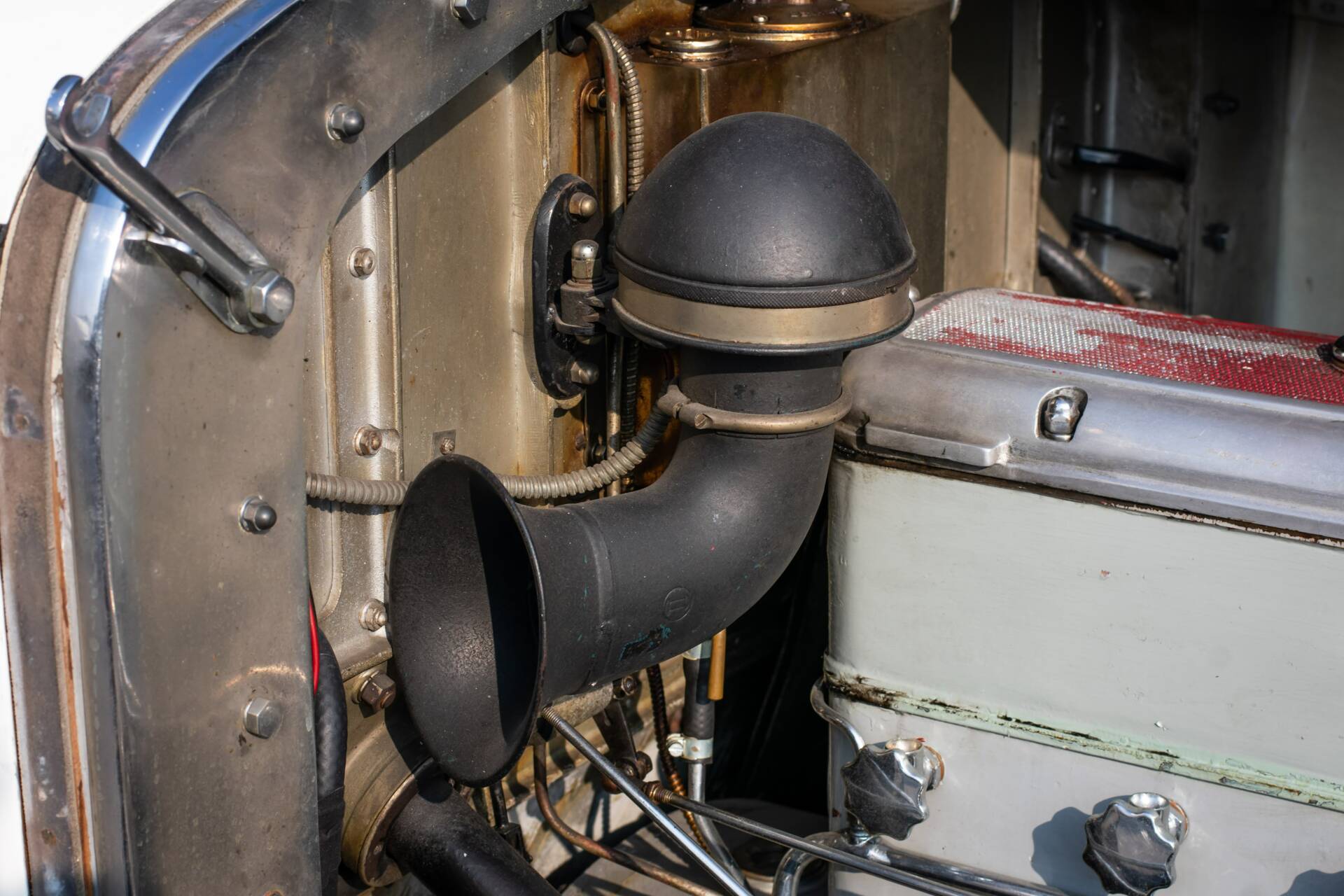
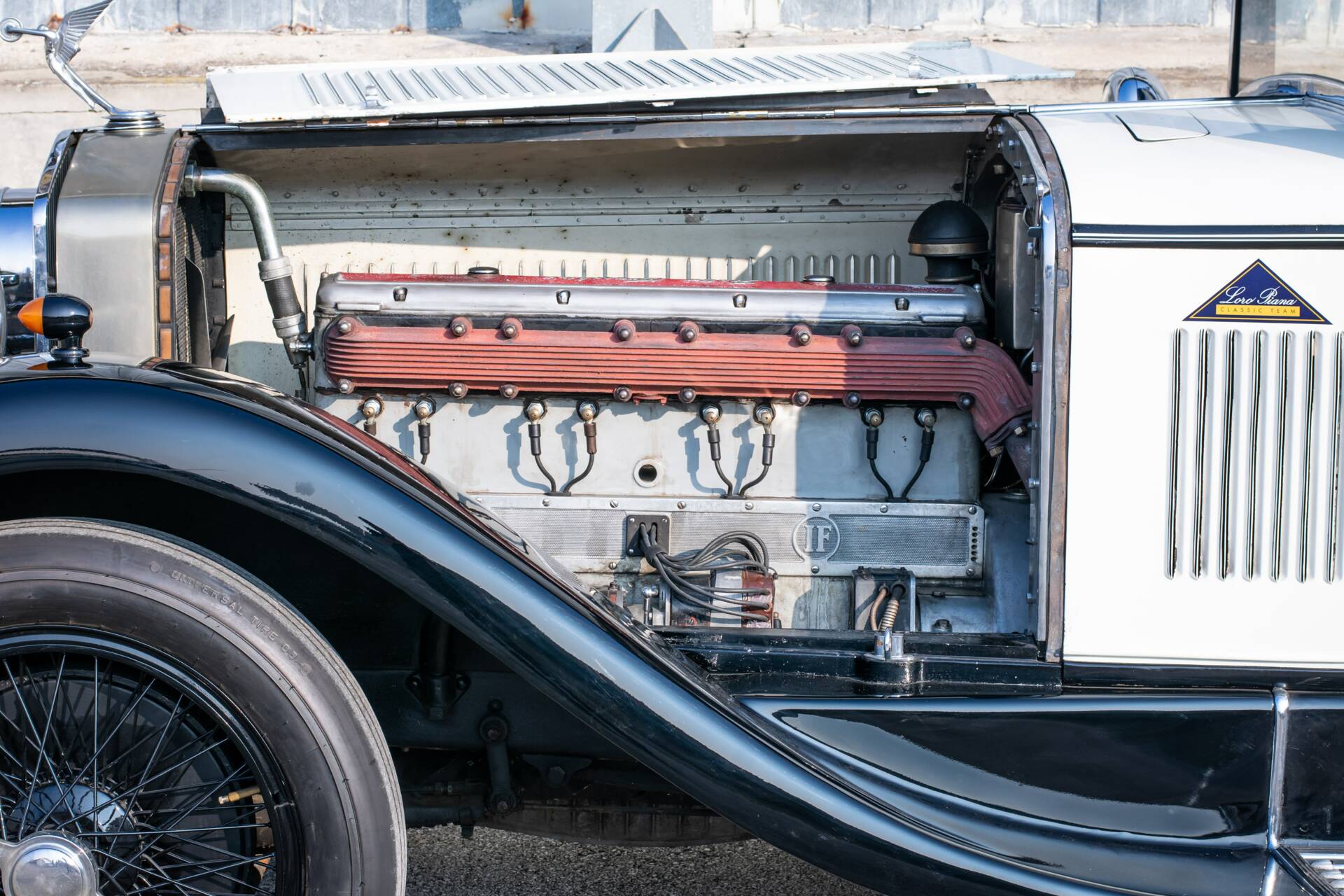
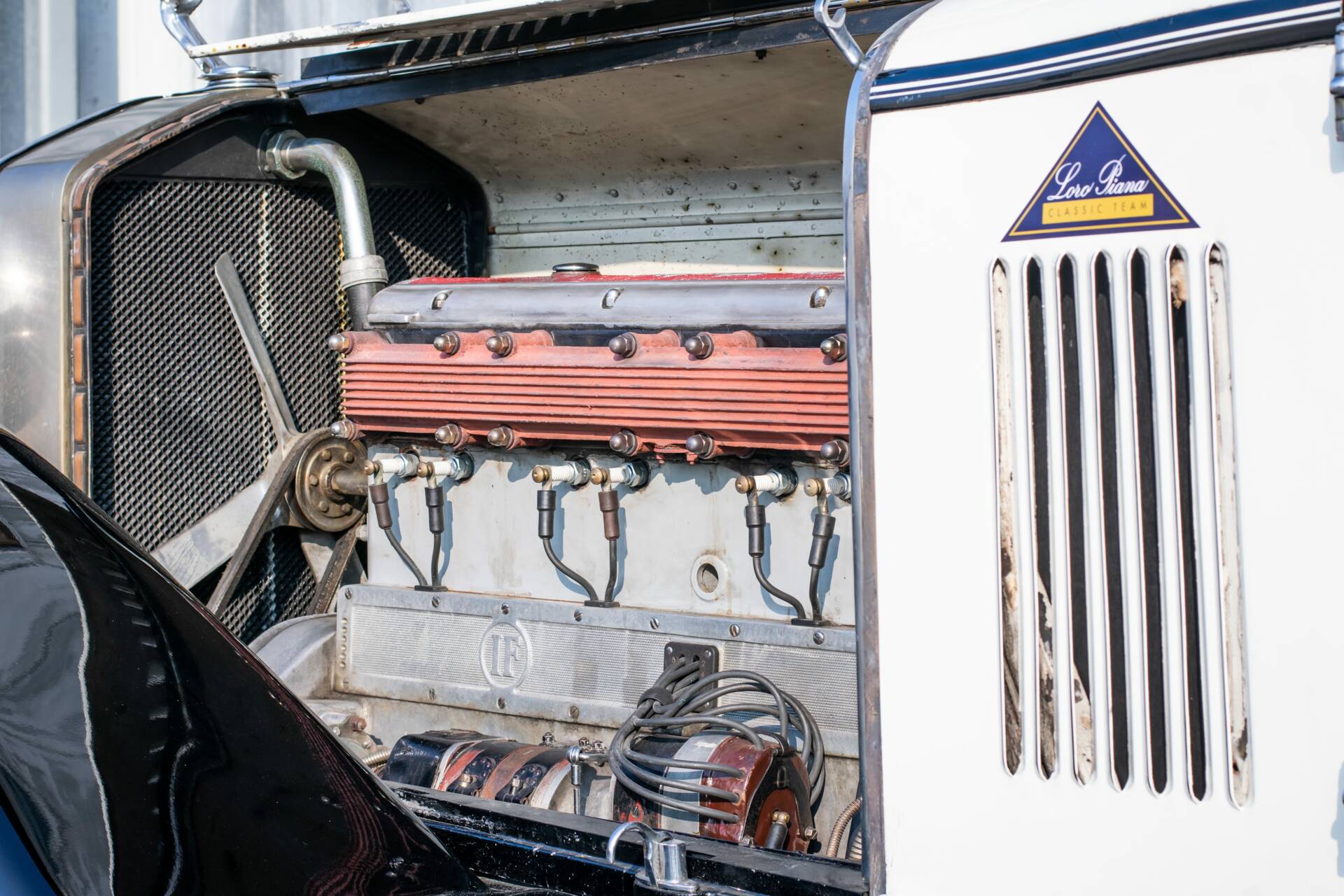
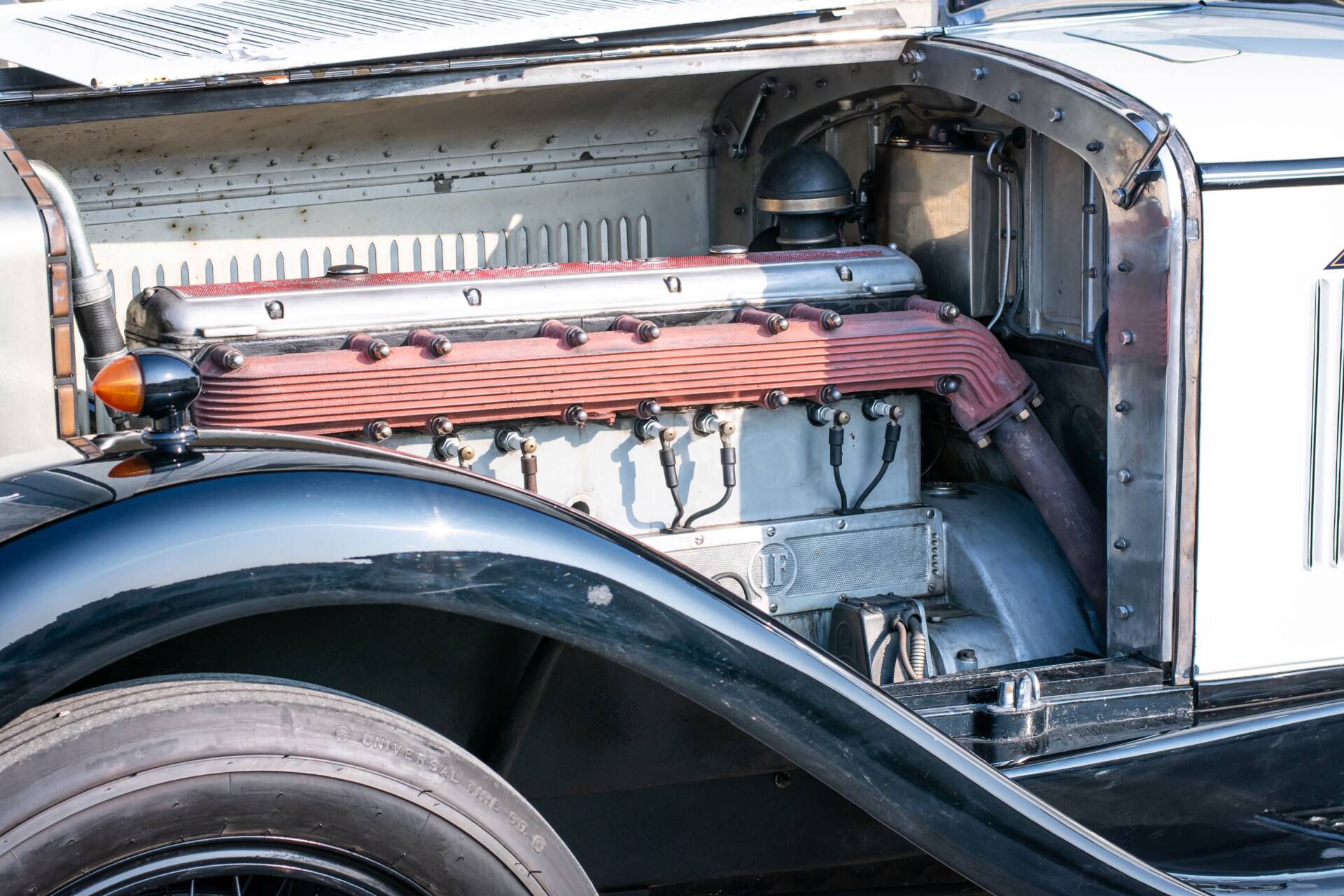
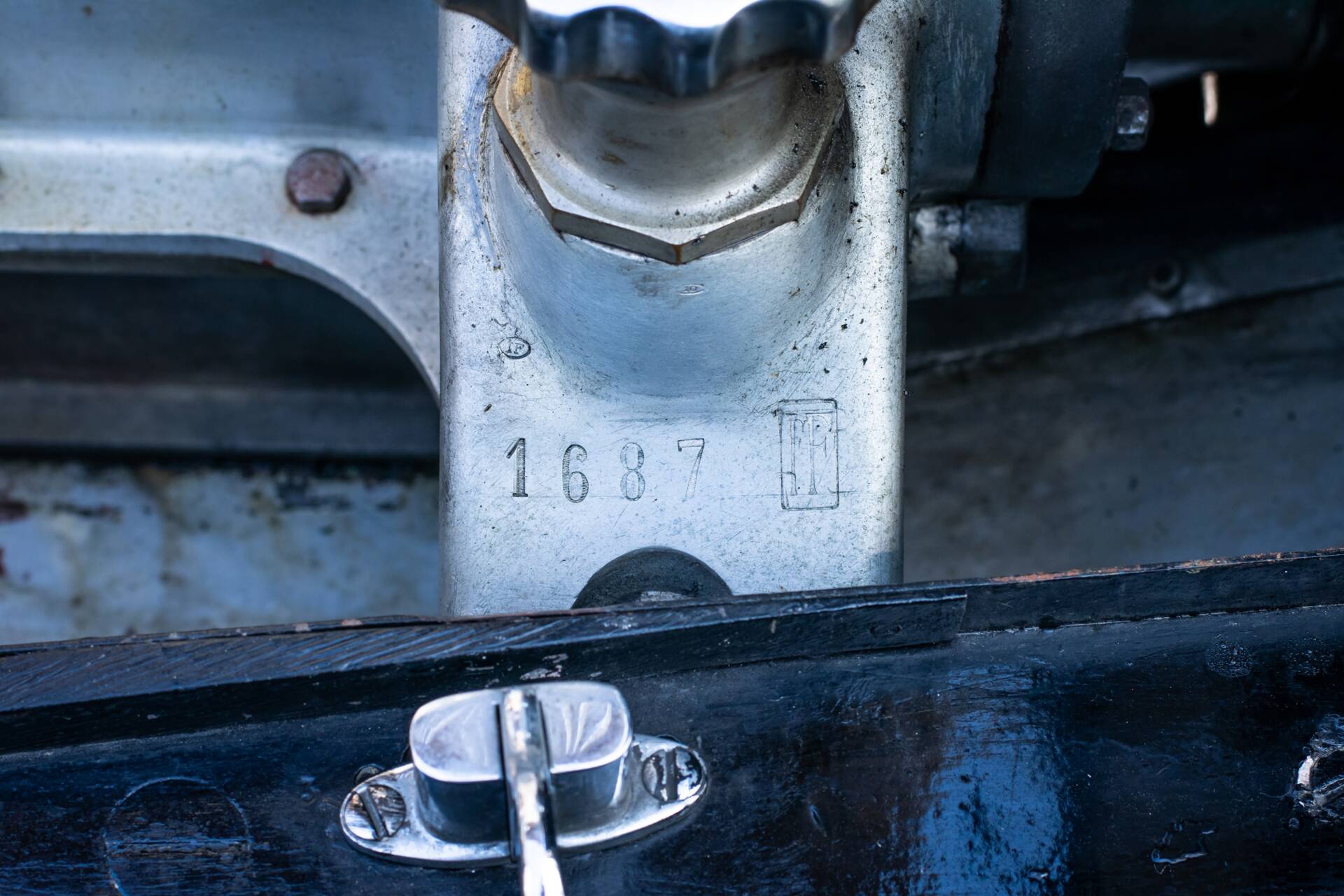
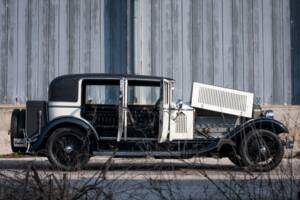
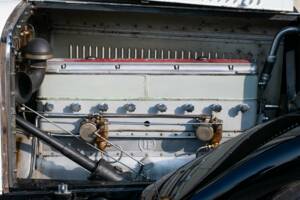
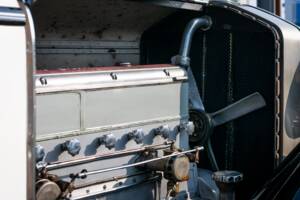
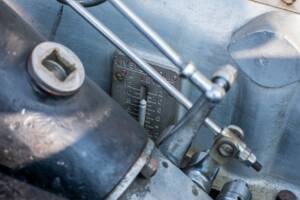
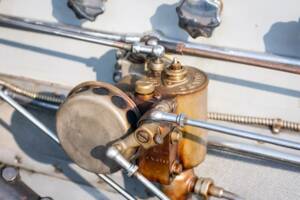
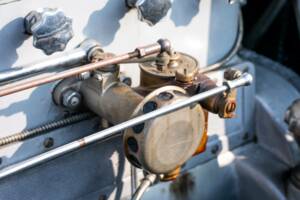
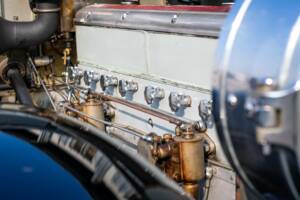
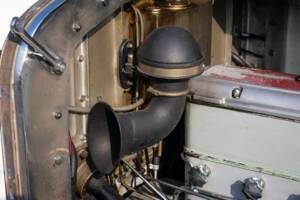
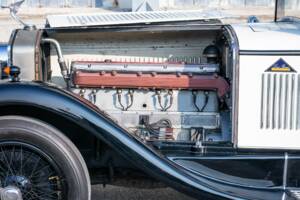
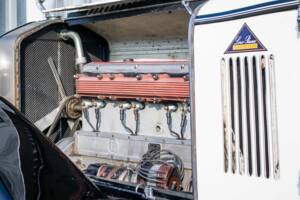
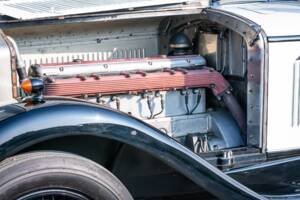
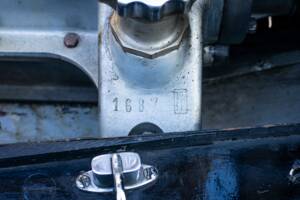
The massively-built chassis is in good order. It has been treated with underseal to help protect against corrosion. The colossal 7400 cm³ straight-eight engine with overhead camshaft is a work of art in itself, with an extremely clean design For example, the twin Zenith carburettors feed directly into the inlet ports, with no manifold to clutter the engine bay. The Isotta Fraschini is comfortable travelling for long distances at 60-70mph – an extremely impressive feat for a car of this era. This is a extremely light footed car to drive, driving in today's traffic is no problem at all. You'll be surprised.
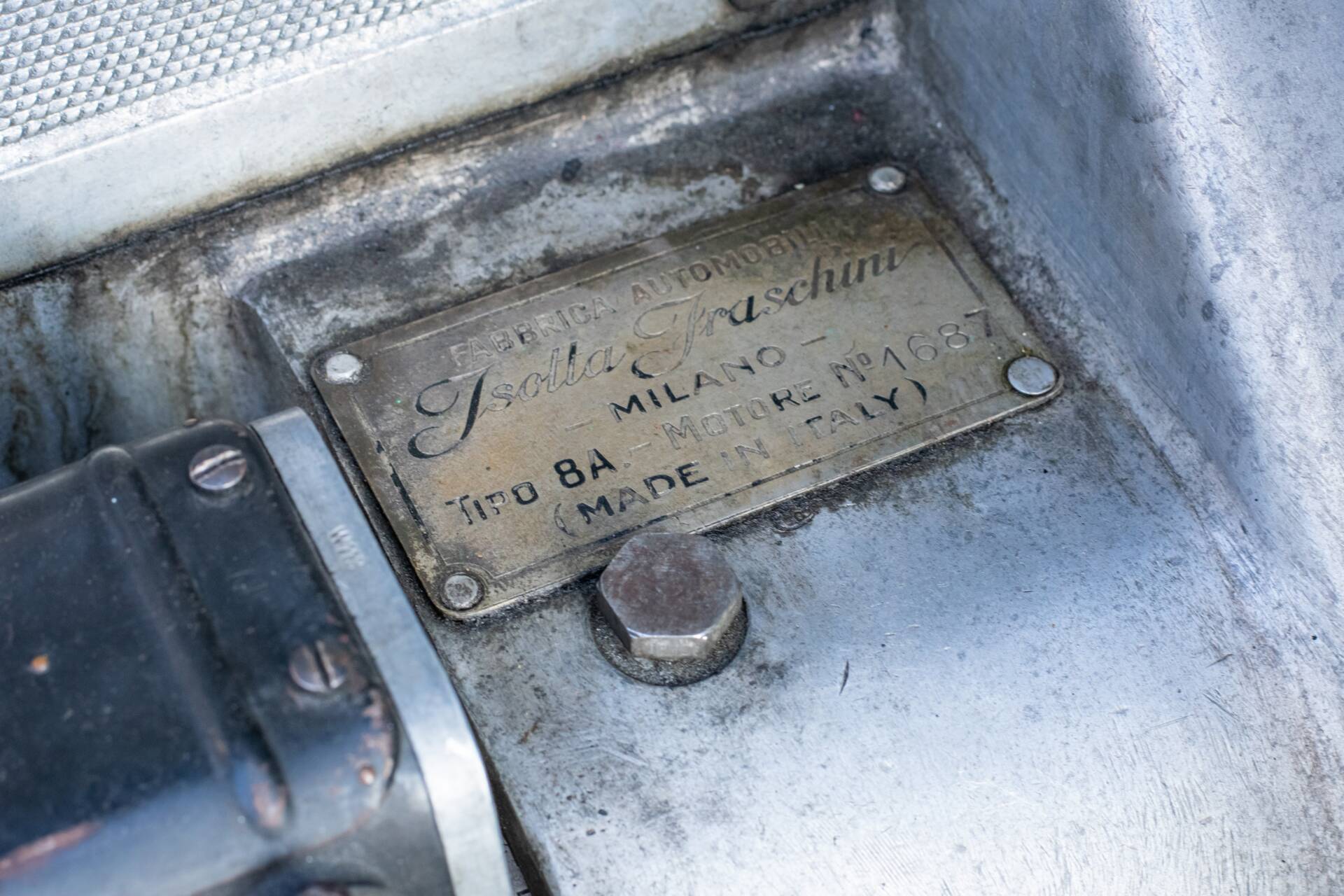
This Isotta Fraschini was built in 1927. It was first registered in 1930, to the Isotta-Fraschini company itself, then was sent to the Italian embassy in Poland in 1932 or 1933. In this usage, one can imagine that it hosted some interesting historical figures on its spacious backseat. When Italy left the war in 1943 it was taken into Wehrmacht ownership, and thereafter kept in storage. Fortunately surviving the massive destruction of the Polish capital during the last months of the war, in 1945 came into the ownership of the French embassy. Sold in 1946/7 to two Polish gentlemen, Flawiusz Harasimowicz and Adam Kocielski, in 1965 the Isotta was bought by George Kozyrski and driven back to its homeland. A proposed sale to America fell through, and the car stayed in Milan in the ownership of a Nunzio Ferrari – no relation to Enzo. It was restored in 1966-71 by Pettenella Ferruccio, a famous bodyshop in Milan. In 1971 the car entered the ownership of Matteo Tschudi in Switzerland, from whose collection it was bought in 2008. The current owner bought the Isotta Fraschini in 2023 from the the last Italian owner and comes with Italian registration.
There are only around 70 Tipo 8As surviving, making this a always-exclusive car even more so now. Offering unrivalled style and luxury, from the golden era of the money-no-object car, this Isotta would be a welcome attendee at pretty much every major car event worldwide. More than just a show queen, it is also a fully roadworthy vehicle, with surprising performance on tap. Coupled to its interesting history and beautifully mellowed restoration, it makes for a deeply enticing motor car.